






























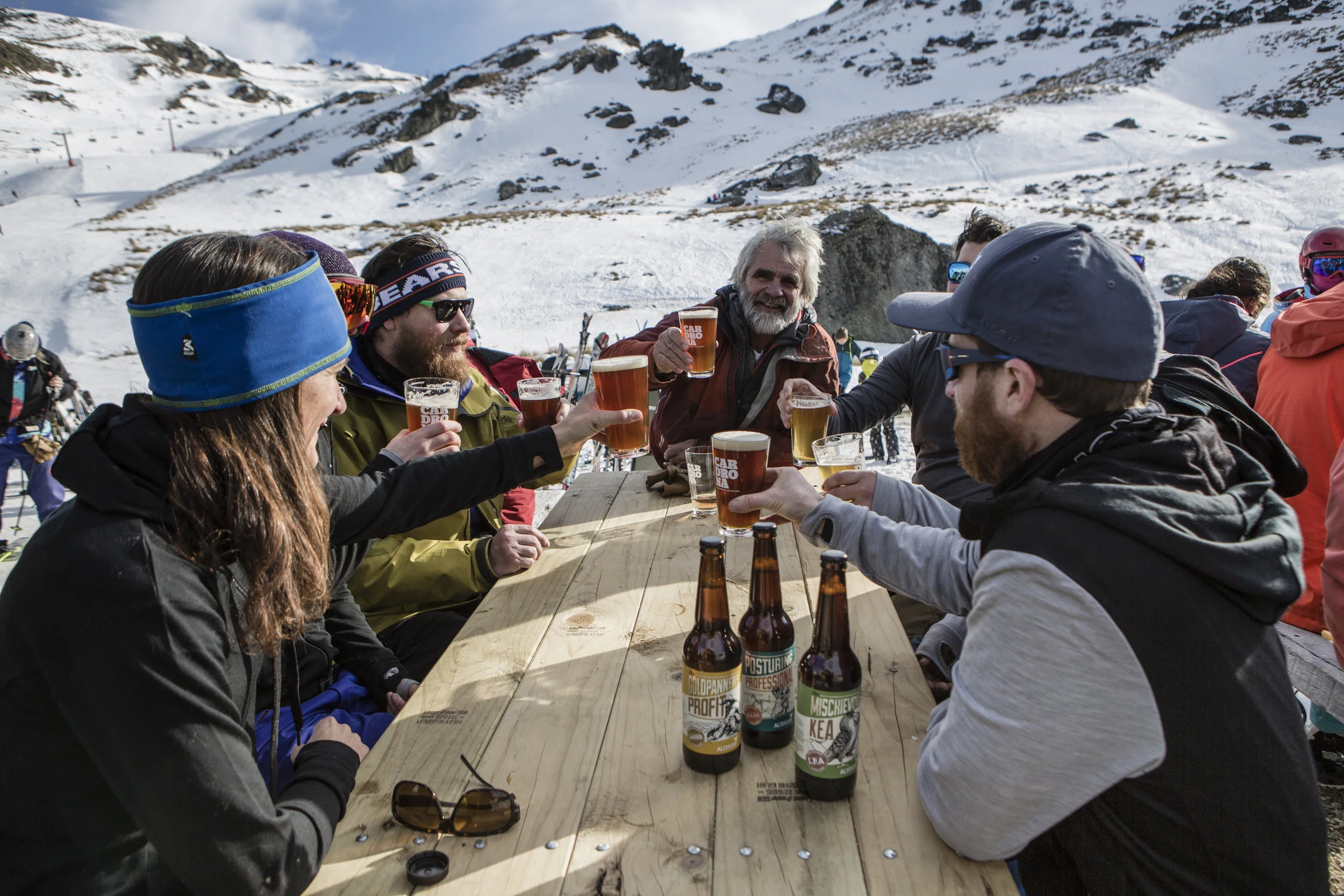
For beer enthusiasts and connoisseurs, there’s nothing quite like the satisfying taste of a cold brew, whether enjoyed in a bustling city or amidst the quiet beauty of nature. However, one curious phenomenon that many beer drinkers may not be aware of is the noticeable change in flavor that beer undergoes at high altitudes. Whether you’re sipping a lager at the top of a mountain or enjoying a stout in a high-altitude city, the taste can be strikingly different from what you’d experience at sea level. This raises the question: Why does beer taste different at high altitudes?
To fully appreciate this question, we need to dive into the science and environmental factors that play a role in how we perceive flavors, as well as how high-altitude conditions alter the physical properties of beer itself. So, grab a cold one (and perhaps not the highest one!) and let’s explore the curious connection between beer and altitude.
The Science Behind Our Taste Perception
Before we dive into the specifics of high altitudes, it’s essential to first understand how we perceive taste and how it can be influenced by different environmental conditions. Taste is a sensory experience, one that involves our tongue detecting the five basic flavors: sweet, sour, salty, bitter, and umami. But our perception of taste is not solely reliant on our taste buds; it also involves other senses, particularly smell and temperature.
At high altitudes, our bodies experience various physiological changes. This includes reduced oxygen levels, lower air pressure, and cooler temperatures. Each of these factors can significantly affect both how we perceive flavors and the way the beer itself interacts with our sensory receptors.
The Impact of Air Pressure on Taste
Air pressure is one of the most notable differences when you’re at higher altitudes. As you ascend to greater heights, the atmospheric pressure decreases. In simpler terms, there’s less air pushing down on you. This reduced pressure can have a surprising effect on the way your taste buds react to the beer.

When the air pressure is lower, your taste perception becomes dulled, particularly when it comes to more delicate flavors. This means that lighter flavors such as hops and subtle malt undertones are less noticeable. This could explain why beers with more pronounced and intense flavors, like dark stouts or IPAs, may seem more satisfying at higher altitudes, while more delicate brews like lagers might lose some of their nuance.
Additionally, carbonation plays a crucial role in beer. When you open a bottle of beer, the carbon dioxide (CO2) inside is released, giving the beer its bubbles and contributing to the overall texture and taste experience. At higher altitudes, the lower atmospheric pressure allows CO2 to escape from the beer more rapidly. This leads to a quicker dissipation of bubbles, which can result in a flat or less effervescent beer, ultimately changing the beer’s mouthfeel and flavor profile.
The Role of Temperature in Flavor Perception
High altitudes typically come with cooler temperatures. At higher elevations, the air is thinner, and the surrounding environment is often much colder than at sea level. This drop in temperature can influence both the beer itself and the way we perceive its flavor.
When beer is served colder, our ability to detect certain flavors becomes reduced. Cold temperatures numb our taste buds to some degree, meaning that the subtler tastes in a beer, like sweetness or bitterness, may be less pronounced. For example, the smooth sweetness of a caramel malt or the bitter bite of hops may be muted at high altitudes due to the colder air.
On the flip side, the coldness of high-altitude environments can also make a beer feel more refreshing. The crispness of a cold lager or pilsner, for example, may be more noticeable and enjoyable in cooler climates, even if its subtle flavor components are less noticeable.
Oxygen Levels and Taste Sensitivity
As anyone who’s ventured to high-altitude regions knows, there’s a noticeable decrease in the amount of oxygen available in the air as you ascend. This lack of oxygen can have a significant effect on the human body, leading to symptoms like shortness of breath and fatigue. But what does this have to do with beer?
When we consume beer at high altitudes, the reduced oxygen levels can influence our taste sensitivity. Specifically, it’s been shown that hypoxia (a condition caused by low oxygen levels) can dull our ability to detect certain flavors, particularly sweetness and bitterness. This means that when you’re at a high-altitude bar or brewery, you may find that the beer tastes less sweet or bitter than you remember, even if it’s the same brew.
Moreover, alcohol itself is a vasodilator, which means it widens blood vessels and allows for greater blood flow. At high altitudes, where oxygen is already scarce, consuming alcohol can further impair your body’s ability to transport oxygen efficiently. This could contribute to a heightened feeling of intoxication, making the beer seem stronger or more potent than it would at sea level.

High-Altitude Brewing Techniques
It’s not just the environment that affects the flavor of beer at high altitudes – the brewing process itself can change when brewers set up shop in mountainous regions. Many brewers who operate in high-altitude locations, like Denver or Mexico City, have developed unique techniques to account for the environmental factors at play.
One key consideration is the brewing temperature. In higher elevations, water boils at a lower temperature due to the reduced atmospheric pressure. This means that boiling hops or malt extracts will occur at a different temperature than what is typical at sea level. Some brewers may adjust their recipes to account for the difference in boiling points, ensuring that the flavors are extracted properly during the brewing process.
Additionally, many high-altitude breweries also rely on local ingredients that may be impacted by the altitude itself. For example, malt or hops grown in higher elevations may have a different flavor profile than those grown at sea level, which in turn influences the final product. The water composition in high-altitude areas can also contribute to the beer’s taste, as the mineral content in water varies depending on location.
Beer Styles and High Altitudes
Certain beer styles are better suited to high-altitude environments, thanks to their more robust flavor profiles. Beers with bold, intense flavors can stand out more at high altitudes, where subtler flavors tend to fade into the background. These include:
- Imperial Stouts: The rich, roasted flavors of dark stouts are more likely to come through at high altitudes, as the less sensitive taste perception doesn’t easily mask their depth and complexity.
- IPAs (India Pale Ales): The strong, hoppy bitterness of an IPA is another flavor that’s more likely to thrive in the thinner air of higher altitudes. The more intense hop character helps to counterbalance the dulled sensitivity to bitterness that occurs at higher elevations.
- Porters: Like stouts, porters have a bold, roasted character that makes them a good match for high-altitude drinking. Their dark, malty flavors tend to shine through, even when other more delicate notes may be less perceptible.
Conversely, lighter beers such as lagers and pilsners may struggle to make an impact at high altitudes, as their subtle flavors may not come through as well in the thinner air. These beers are often more sensitive to changes in temperature and carbonation, which can make them taste flatter or less distinct in high-altitude environments.
The Psychological Factor
It’s also worth considering the psychological effects of altitude on taste perception. The dramatic scenery, the fresh air, and the physical exertion involved in being at higher altitudes may all influence how we experience beer. People often report that a beer tastes better after a hike or during a moment of relaxation in a high-altitude environment, even if the beer itself is the same as one consumed at sea level. The sense of achievement and the stunning views may amplify the enjoyment of the beer, making it seem more flavorful or refreshing than it would under more ordinary circumstances.
Conclusion
In conclusion, the reason beer tastes different at high altitudes can be attributed to a combination of factors. Reduced air pressure, lower oxygen levels, cooler temperatures, and even the brewing techniques used in mountainous areas all contribute to a unique beer-drinking experience. The way our bodies respond to these environmental changes affects our sensory perception, making some flavors stand out more while others fade into the background.
At high altitudes, beer drinkers may find that bolder, more intense flavors are more prominent, while lighter beers may taste flatter or less distinct. This change in flavor perception is a fascinating interplay between biology, chemistry, and environment. So next time you find yourself cracking open a beer at a high elevation, take a moment to appreciate the nuances in taste – your senses are experiencing something truly unique.










