



SipsavorLife
  • Home
  • Wine
    Wine Pairings: Can They Change the Flavor Profile of a Dish?

    Wine Pairings: Can They Change the Flavor Profile of a Dish?

    How Do Wine Glasses Influence the Tasting Experience?

    How Do Wine Glasses Influence the Tasting Experience?

    Is Organic Wine Healthier Than Conventional Wine?

    Is Organic Wine Healthier Than Conventional Wine?

    Why Do Some Wines Taste Better from Specific Vintages?

    Why Do Some Wines Taste Better from Specific Vintages?

    Wine Tasting: Can It Truly Be an Art Form?

    Wine Tasting: Can It Truly Be an Art Form?

    What Does Terroir Actually Mean for Your Wine?

    What Does Terroir Actually Mean for Your Wine?

  • Whiskey
    Can Beer Be an Effective Ingredient in Culinary Cooking?

    Can Beer Be an Effective Ingredient in Culinary Cooking?

    Second Fermentation in Champagne: Is It Really That Crucial?

    Second Fermentation in Champagne: Is It Really That Crucial?

    How Do Different Grains Impact the Flavor Profile of Distilled Spirits?

    How Do Different Grains Impact the Flavor Profile of Distilled Spirits?

    How Do Whiskey Master Blenders Create Perfection?

    How Do Whiskey Master Blenders Create Perfection?

    Wine Pairings: Can They Change the Flavor Profile of a Dish?

    Wine Pairings: Can They Change the Flavor Profile of a Dish?

    Beer the Ultimate Beverage for Pairing with Spicy Food?

    Beer the Ultimate Beverage for Pairing with Spicy Food?

  • Beer
    Can Beer Be an Effective Ingredient in Culinary Cooking?

    Can Beer Be an Effective Ingredient in Culinary Cooking?

    Beer the Ultimate Beverage for Pairing with Spicy Food?

    Beer the Ultimate Beverage for Pairing with Spicy Food?

    How Did Ancient Civilizations Brew Beer Without Modern Technology?

    How Did Ancient Civilizations Brew Beer Without Modern Technology?

    Is It Possible to Brew a Beer with No Alcohol and No Compromise on Taste?

    Is It Possible to Brew a Beer with No Alcohol and No Compromise on Taste?

    Why Does Beer Taste Different at High Altitudes?

    Why Does Beer Taste Different at High Altitudes?

    Is Hops the Secret Ingredient Behind Beer’s Bold Flavor?

    Is Hops the Secret Ingredient Behind Beer’s Bold Flavor?

  • Grain Spirits
    How Do Different Grains Impact the Flavor Profile of Distilled Spirits?

    How Do Different Grains Impact the Flavor Profile of Distilled Spirits?

    Grain Spirits the Unsung Heroes of Modern Mixology

    Grain Spirits the Unsung Heroes of Modern Mixology

    What Makes Grain-Based Whiskey So Different from Its Peated Cousins?

    What Makes Grain-Based Whiskey So Different from Its Peated Cousins?

    Grain Spirits: Could They Be the Next Big Trend in Craft Cocktails?

    Grain Spirits: Could They Be the Next Big Trend in Craft Cocktails?

    Why Are Grain Spirits Often Overlooked in the World of Fine Liquor?

    Why Are Grain Spirits Often Overlooked in the World of Fine Liquor?

    Is There a Secret Art to Distilling Grain Spirits?

    Is There a Secret Art to Distilling Grain Spirits?

  • Champagne
    Second Fermentation in Champagne: Is It Really That Crucial?

    Second Fermentation in Champagne: Is It Really That Crucial?

    The Science Behind the ‘Bubble Size’ in Champagne

    The Science Behind the ‘Bubble Size’ in Champagne

    Why Do Some Champagnes Use a High Proportion of Pinot Meunier?

    Why Do Some Champagnes Use a High Proportion of Pinot Meunier?

    Role of Terroir in Champagne Production

    Role of Terroir in Champagne Production

    Champagne Can Be Aged in Wood?

    Champagne Can Be Aged in Wood?

    Is There a Difference Between Blanc de Blancs and Blanc de Noirs Champagne?

    Is There a Difference Between Blanc de Blancs and Blanc de Noirs Champagne?

  • ALL
    Can Beer Be an Effective Ingredient in Culinary Cooking?

    Can Beer Be an Effective Ingredient in Culinary Cooking?

    Second Fermentation in Champagne: Is It Really That Crucial?

    Second Fermentation in Champagne: Is It Really That Crucial?

    How Do Different Grains Impact the Flavor Profile of Distilled Spirits?

    How Do Different Grains Impact the Flavor Profile of Distilled Spirits?

    How Do Whiskey Master Blenders Create Perfection?

    How Do Whiskey Master Blenders Create Perfection?

    Wine Pairings: Can They Change the Flavor Profile of a Dish?

    Wine Pairings: Can They Change the Flavor Profile of a Dish?

    Beer the Ultimate Beverage for Pairing with Spicy Food?

    Beer the Ultimate Beverage for Pairing with Spicy Food?

SipsavorLife
  • Home
  • Wine
    Wine Pairings: Can They Change the Flavor Profile of a Dish?

    Wine Pairings: Can They Change the Flavor Profile of a Dish?

    How Do Wine Glasses Influence the Tasting Experience?

    How Do Wine Glasses Influence the Tasting Experience?

    Is Organic Wine Healthier Than Conventional Wine?

    Is Organic Wine Healthier Than Conventional Wine?

    Why Do Some Wines Taste Better from Specific Vintages?

    Why Do Some Wines Taste Better from Specific Vintages?

    Wine Tasting: Can It Truly Be an Art Form?

    Wine Tasting: Can It Truly Be an Art Form?

    What Does Terroir Actually Mean for Your Wine?

    What Does Terroir Actually Mean for Your Wine?

  • Whiskey
    Can Beer Be an Effective Ingredient in Culinary Cooking?

    Can Beer Be an Effective Ingredient in Culinary Cooking?

    Second Fermentation in Champagne: Is It Really That Crucial?

    Second Fermentation in Champagne: Is It Really That Crucial?

    How Do Different Grains Impact the Flavor Profile of Distilled Spirits?

    How Do Different Grains Impact the Flavor Profile of Distilled Spirits?

    How Do Whiskey Master Blenders Create Perfection?

    How Do Whiskey Master Blenders Create Perfection?

    Wine Pairings: Can They Change the Flavor Profile of a Dish?

    Wine Pairings: Can They Change the Flavor Profile of a Dish?

    Beer the Ultimate Beverage for Pairing with Spicy Food?

    Beer the Ultimate Beverage for Pairing with Spicy Food?

  • Beer
    Can Beer Be an Effective Ingredient in Culinary Cooking?

    Can Beer Be an Effective Ingredient in Culinary Cooking?

    Beer the Ultimate Beverage for Pairing with Spicy Food?

    Beer the Ultimate Beverage for Pairing with Spicy Food?

    How Did Ancient Civilizations Brew Beer Without Modern Technology?

    How Did Ancient Civilizations Brew Beer Without Modern Technology?

    Is It Possible to Brew a Beer with No Alcohol and No Compromise on Taste?

    Is It Possible to Brew a Beer with No Alcohol and No Compromise on Taste?

    Why Does Beer Taste Different at High Altitudes?

    Why Does Beer Taste Different at High Altitudes?

    Is Hops the Secret Ingredient Behind Beer’s Bold Flavor?

    Is Hops the Secret Ingredient Behind Beer’s Bold Flavor?

  • Grain Spirits
    How Do Different Grains Impact the Flavor Profile of Distilled Spirits?

    How Do Different Grains Impact the Flavor Profile of Distilled Spirits?

    Grain Spirits the Unsung Heroes of Modern Mixology

    Grain Spirits the Unsung Heroes of Modern Mixology

    What Makes Grain-Based Whiskey So Different from Its Peated Cousins?

    What Makes Grain-Based Whiskey So Different from Its Peated Cousins?

    Grain Spirits: Could They Be the Next Big Trend in Craft Cocktails?

    Grain Spirits: Could They Be the Next Big Trend in Craft Cocktails?

    Why Are Grain Spirits Often Overlooked in the World of Fine Liquor?

    Why Are Grain Spirits Often Overlooked in the World of Fine Liquor?

    Is There a Secret Art to Distilling Grain Spirits?

    Is There a Secret Art to Distilling Grain Spirits?

  • Champagne
    Second Fermentation in Champagne: Is It Really That Crucial?

    Second Fermentation in Champagne: Is It Really That Crucial?

    The Science Behind the ‘Bubble Size’ in Champagne

    The Science Behind the ‘Bubble Size’ in Champagne

    Why Do Some Champagnes Use a High Proportion of Pinot Meunier?

    Why Do Some Champagnes Use a High Proportion of Pinot Meunier?

    Role of Terroir in Champagne Production

    Role of Terroir in Champagne Production

    Champagne Can Be Aged in Wood?

    Champagne Can Be Aged in Wood?

    Is There a Difference Between Blanc de Blancs and Blanc de Noirs Champagne?

    Is There a Difference Between Blanc de Blancs and Blanc de Noirs Champagne?

  • ALL
    Can Beer Be an Effective Ingredient in Culinary Cooking?

    Can Beer Be an Effective Ingredient in Culinary Cooking?

    Second Fermentation in Champagne: Is It Really That Crucial?

    Second Fermentation in Champagne: Is It Really That Crucial?

    How Do Different Grains Impact the Flavor Profile of Distilled Spirits?

    How Do Different Grains Impact the Flavor Profile of Distilled Spirits?

    How Do Whiskey Master Blenders Create Perfection?

    How Do Whiskey Master Blenders Create Perfection?

    Wine Pairings: Can They Change the Flavor Profile of a Dish?

    Wine Pairings: Can They Change the Flavor Profile of a Dish?

    Beer the Ultimate Beverage for Pairing with Spicy Food?

    Beer the Ultimate Beverage for Pairing with Spicy Food?

SipsavorLife
No Result
View All Result
Home ALL

Champagne Can Be Aged in Wood?

January 18, 2026
in ALL, Champagne
Champagne Can Be Aged in Wood?

Champagne, the sparkling beverage associated with luxury, celebrations, and elegance, is typically known for its crisp, bright, and fresh profile. But in recent years, the concept of aging Champagne in wood has gained attention. While it might seem counterintuitive for a wine that thrives on freshness, the practice of aging Champagne in wooden casks has deep roots in the history of wine production. It offers an intriguing opportunity to explore the complexities of Champagne’s flavor profile.

But can Champagne really be aged in wood? What does it do to the taste, and how does it impact the wine’s delicate nature? In this article, we’ll dive deep into this topic, examining the methods, history, impact on flavor, and future of wood-aged Champagne.

A Brief Overview of Champagne’s Traditional Production

Before we delve into the nuances of aging Champagne in wood, it’s essential to understand how Champagne is typically produced. The sparkling wine is primarily made from three grape varieties: Chardonnay, Pinot Noir, and Pinot Meunier. These grapes undergo a meticulous process that involves fermentation, blending, and secondary fermentation in the bottle, which produces the characteristic bubbles.

The wine is usually aged on its lees (the dead yeast cells) for several months to develop complexity, but the idea of aging Champagne in barrels is less common. In traditional Champagne production, oak aging is often reserved for specific styles, such as some of the grand cru or vintage Champagnes, and is usually done in a very controlled, minimalistic way.

Why Would Champagne Be Aged in Wood?

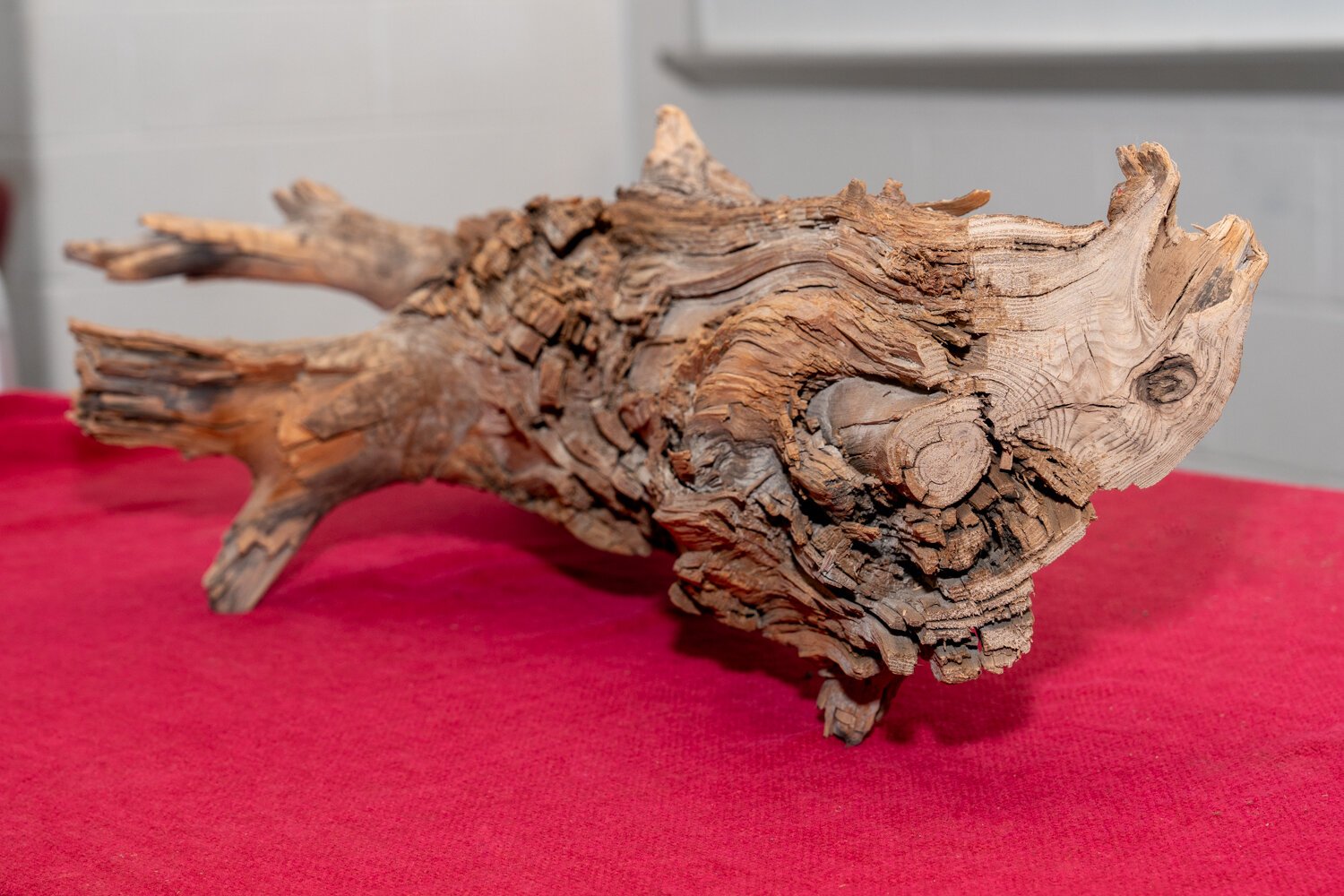
The decision to age Champagne in wood is not without reason. Traditionally, wood barrels—especially oak—have been used in winemaking for centuries to impart a range of flavors and textural changes to wine. In Champagne, wood aging is less about creating dominant woodsy or oaky notes and more about enhancing the wine’s complexity. But how does it affect the final product?

  1. Micro-oxygenation: Wood allows a small amount of oxygen to interact with the wine, which can help to soften the wine and promote more complex flavors. Over time, the exposure to oxygen in wood can smooth out harsh edges, making the Champagne rounder and more balanced.
  2. Flavors of Wood: Though Champagne isn’t usually aged for the same extended periods as many still wines, wood can still impart subtle notes. Oak, for instance, can contribute hints of vanilla, toast, or even light spices. However, winemakers typically use older barrels or larger formats (like foudres) to avoid overpowering the delicate nature of the wine.
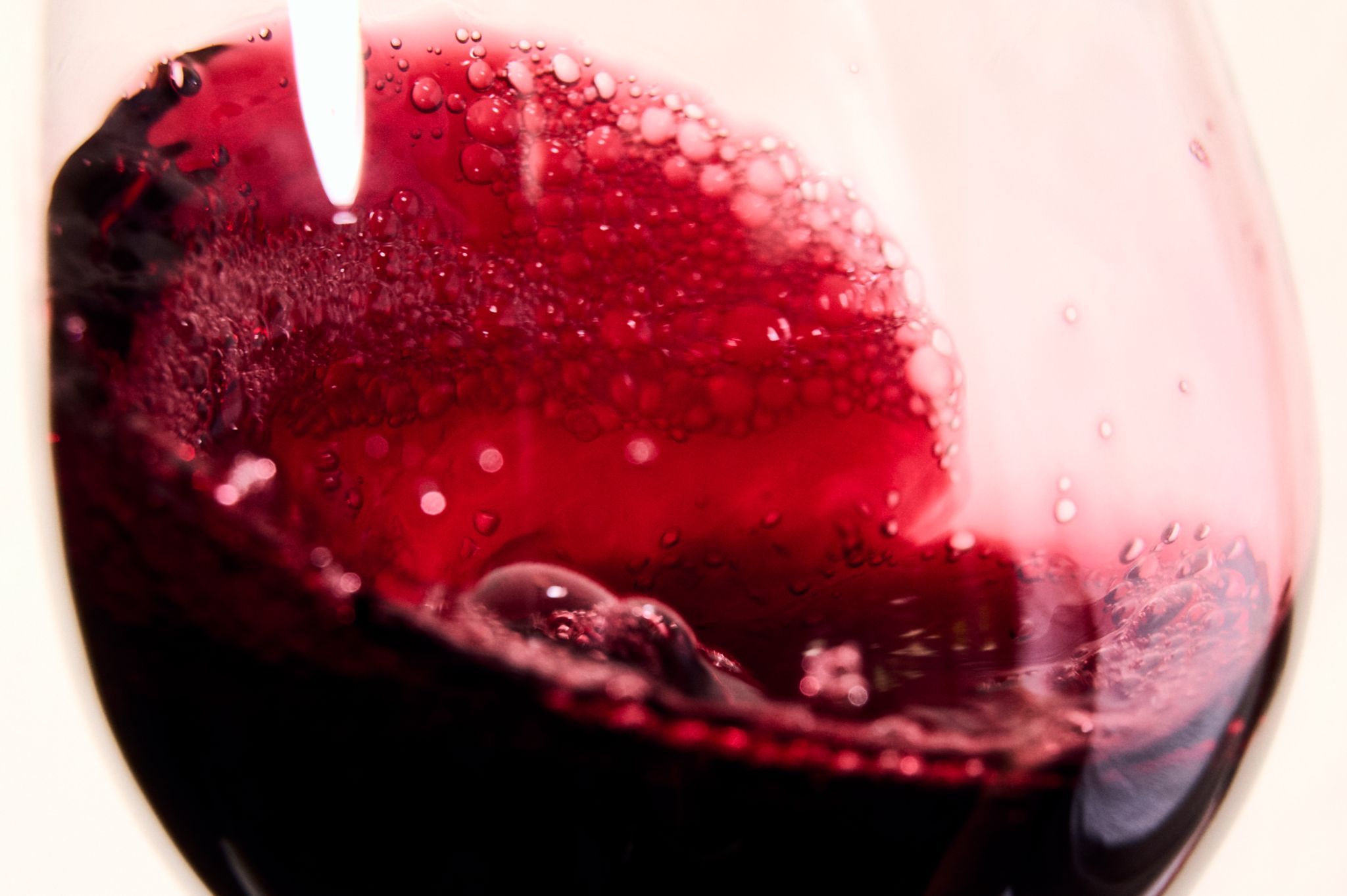
  3. Structure and Texture: The natural tannins in oak barrels can interact with the wine, adding a degree of structure. Champagne is known for its effervescence, but adding wood into the mix can influence the texture, giving it a creamy or velvety mouthfeel that differs from the typical crispness of bottle-aged Champagne.
  4. Flavor Integration and Complexity: Oak aging encourages the integration of flavors. This can be especially beneficial for vintage Champagnes or prestige cuvées, where the goal is to develop layers of complexity. As the wine slowly evolves in the barrel, it might gain nuances of dried fruit, nuts, or even an earthy quality that you wouldn’t normally associate with the freshness of traditional Champagne.

The History of Wood Aging in Champagne

Wood aging in Champagne is far from a new concept. In fact, it can be traced back centuries to when Champagne production first began. During the early days of Champagne, winemakers used wooden barrels for fermentation and aging—just like in the production of still wines. However, as the sparkling wine method evolved, the use of oak became less common.

The shift away from wood can be attributed to several factors:

  1. The Rise of Stainless Steel: Stainless steel tanks became the preferred method for fermentation in the 20th century. Unlike wood, stainless steel does not impart any flavors, ensuring that the pure characteristics of the grape are preserved. It also maintains a neutral environment that allows the freshness of Champagne to shine through.
  2. The Influence of the International Market: As Champagne grew in popularity globally, there was a push for cleaner, fresher, and more consistent styles. The traditional approach of aging in wood was seen as old-fashioned, and producers began to focus on producing Champagne that appealed to a broader market, which meant steering away from the complexity that wood aging could offer.
  3. The Preference for Freshness: Champagne’s appeal lies in its youthful, effervescent character. Overaging Champagne, particularly in oak, risks losing this key quality. Winemakers are always careful not to push Champagne too far into the territory of oxidization or over-oakiness, where the freshness and bright fruit flavors could be lost.
What is texture in wine? – Dan's Daily | Dan Murphy's

Modern Trends: Bringing Back Wood Aging

In recent decades, however, there has been a renewed interest in experimenting with wood aging for Champagne. As consumers become more adventurous in their wine preferences, producers have started to explore new ways of enhancing the flavor and texture of Champagne, including the use of oak.

Several prestigious Champagne houses have experimented with this technique to create innovative and high-quality products. For instance, Krug and Dom Pérignon have produced cuvées that incorporate wood aging, particularly for their vintage and prestige cuvée lines.

Krug’s Grande Cuvée is a notable example. The wine is aged in a combination of stainless steel and oak, allowing the wine to develop complexity while still maintaining the essential freshness and effervescence that Champagne is known for.

Meanwhile, Taittinger has introduced a Champagne called Les Folies de la Marne, which is aged in oak barrels for several months. This limited-production cuvée shows how wood aging can contribute to a Champagne’s texture and mouthfeel while still preserving its characteristic vibrancy.

Other producers have gone even further, using experimental techniques such as aging Champagne in large oak casks or amphorae, which can further minimize the impact of wood while still allowing it to influence the wine in subtle ways.

The Impact of Wood Aging on Champagne Flavor Profiles

The impact of wood on Champagne’s flavor can vary greatly depending on a few key factors, such as the type of wood, the age of the barrels, and the length of time spent in wood. But in general, Champagne that is aged in wood will take on a different profile compared to the typical stainless-steel-aged version.

1. Subtle Complexity

Wood-aged Champagne tends to have a more complex nose, with notes of toast, nuts, and light spice, adding a layer of sophistication that you wouldn’t normally get from a stainless-steel fermented Champagne.

2. Enhanced Texture

The micro-oxygenation from the wood leads to a smoother mouthfeel, often described as creamier or richer. This can make the Champagne feel fuller on the palate and lend it a certain depth.

3. Fewer Primary Fruit Flavors

While traditional Champagne emphasizes primary fruit flavors—think of green apple, lemon zest, or pear—wood-aged Champagne can be more subdued in this regard. The fruit notes may still be present, but they may give way to secondary flavors like roasted almonds, brioche, or dried fruit, which come from the aging process.

Wine 101: Everything you need to know about Prosecco - The Manual

4. Richer, Rounder Flavors

As a result of wood aging, Champagne can exhibit flavors that are rounder and less sharp. The acidity might be softened, and the wine might have a fuller body. This is why wood aging is often reserved for vintage or premium Champagnes, as these wines benefit the most from additional layers of flavor and texture.

5. Earthy and Oxidative Notes

In some cases, when Champagne is aged in wood for an extended period, it can develop earthy, oxidative notes that might remind one of aged white Burgundy or even sherry. While not typical of every wood-aged Champagne, these flavors can add a layer of intrigue and complexity.

How Different Types of Wood Impact Champagne

While oak is the most common type of wood used for aging Champagne, there are other types that can influence the wine in various ways.

  • French Oak: French oak is the most common type used for aging Champagne and is known for its subtlety. It imparts flavors of vanilla, toast, and sometimes a hint of smoke. French oak is also known for its ability to mellow tannins and integrate flavors smoothly.
  • American Oak: While less commonly used for Champagne, American oak can impart bolder flavors, such as coconut, caramel, and vanilla. These flavors are typically stronger and more noticeable than those from French oak.
  • Other Woods (Acacia, Chestnut): Some experimental producers have used alternative woods such as acacia or chestnut. These woods can provide a different set of flavors and aromas, often contributing more floral or herbal qualities.

Is Wood Aging for Champagne the Future?

While wood aging might not replace traditional Champagne production methods anytime soon, it is clear that the practice offers exciting potential for innovation in the world of sparkling wines. As producers continue to experiment, we may see more wood-aged Champagne hits the market—especially as consumer demand for unique, craft beverages grows.

Furthermore, wood-aging Champagne may be the perfect way to showcase terroir, allowing for even more regional expression and uniqueness in the wine. As technology and techniques evolve, we may find that wood aging becomes an essential part of the Champagne-making toolkit, not just for prestige cuvées but across all levels of production.

Conclusion

In conclusion, Champagne can indeed be aged in wood, and when done carefully and thoughtfully, it can bring about incredible transformations in the wine’s flavor, texture, and complexity. While it’s not a widespread practice in the Champagne industry, the experimentation with wood-aging is a fascinating trend that could shape the future of Champagne production. As we continue to seek new ways of making Champagne even more intriguing, wood aging provides one avenue for exploration—adding depth to an already fascinating and elegant drink.

Tags: champagnefermentationterroirwine pairing
ShareTweetShare

Related Posts

Can Beer Be an Effective Ingredient in Culinary Cooking?
ALL

Can Beer Be an Effective Ingredient in Culinary Cooking?

January 22, 2026
Second Fermentation in Champagne: Is It Really That Crucial?
ALL

Second Fermentation in Champagne: Is It Really That Crucial?

January 22, 2026
How Do Different Grains Impact the Flavor Profile of Distilled Spirits?
ALL

How Do Different Grains Impact the Flavor Profile of Distilled Spirits?

January 22, 2026
How Do Whiskey Master Blenders Create Perfection?
ALL

How Do Whiskey Master Blenders Create Perfection?

January 22, 2026
Wine Pairings: Can They Change the Flavor Profile of a Dish?
ALL

Wine Pairings: Can They Change the Flavor Profile of a Dish?

January 22, 2026
Beer the Ultimate Beverage for Pairing with Spicy Food?
ALL

Beer the Ultimate Beverage for Pairing with Spicy Food?

January 21, 2026
Leave Comment
  • Trending
  • Comments
  • Latest
What Hidden Craftsmanship Lies Behind a Bottle of Quality Grain Spirits?

What Hidden Craftsmanship Lies Behind a Bottle of Quality Grain Spirits?

July 3, 2025
How Is Champagne Made? The Secrets Behind the Sparkle

How Is Champagne Made? The Secrets Behind the Sparkle

April 15, 2025
Grain Spirits vs. Traditional Distilled Spirits: Which One Suits Your Taste?

Grain Spirits vs. Traditional Distilled Spirits: Which One Suits Your Taste?

July 3, 2025
Champagne Bubbles: How Do They Perfectly Convey Celebration, Joy, and Luxury?

Champagne Bubbles: How Do They Perfectly Convey Celebration, Joy, and Luxury?

July 2, 2025
The Timeless Elegance of Wine: A Journey Through History and Culture

The Timeless Elegance of Wine: A Journey Through History and Culture

Why Is Château Lafite Rothschild the Pinnacle of Fine Wine?

Why Is Château Lafite Rothschild the Pinnacle of Fine Wine?

How Did Château Lafite Rothschild Become a Global Icon of Luxury?

How Did Château Lafite Rothschild Become a Global Icon of Luxury?

What Makes Chateau Lafite Rothschild the Pinnacle of Bordeaux Wines?

What Makes Chateau Lafite Rothschild the Pinnacle of Bordeaux Wines?

Can Beer Be an Effective Ingredient in Culinary Cooking?

Can Beer Be an Effective Ingredient in Culinary Cooking?

January 22, 2026
Second Fermentation in Champagne: Is It Really That Crucial?

Second Fermentation in Champagne: Is It Really That Crucial?

January 22, 2026
How Do Different Grains Impact the Flavor Profile of Distilled Spirits?

How Do Different Grains Impact the Flavor Profile of Distilled Spirits?

January 22, 2026
How Do Whiskey Master Blenders Create Perfection?

How Do Whiskey Master Blenders Create Perfection?

January 22, 2026
SipsavorLife

Welcome to our comprehensive beverage guide, where you can explore the fascinating world of alcoholic drinks. From exquisite wines and rich whiskeys to refreshing beers and sparkling champagnes, we provide insights, tips, and recommendations for enthusiasts and casual drinkers alike. Discover your next favorite libation with us!

© 2025 sipsavorlife.com. contacts:sipsavorlife-35376@gmail.com

No Result
View All Result
  • Home
  • Wine
  • Whiskey
  • Beer
  • Grain Spirits
  • Champagne
  • ALL

© 2025 sipsavorlife.com. contacts:sipsavorlife-35376@gmail.com

Welcome Back!

Login to your account below

Forgotten Password?

Retrieve your password

Please enter your username or email address to reset your password.

Log In