SipsavorLife
  • Home
  • Wine
    Wine Pairings: Can They Change the Flavor Profile of a Dish?

    Wine Pairings: Can They Change the Flavor Profile of a Dish?

    How Do Wine Glasses Influence the Tasting Experience?

    How Do Wine Glasses Influence the Tasting Experience?

    Is Organic Wine Healthier Than Conventional Wine?

    Is Organic Wine Healthier Than Conventional Wine?

    Why Do Some Wines Taste Better from Specific Vintages?

    Why Do Some Wines Taste Better from Specific Vintages?

    Wine Tasting: Can It Truly Be an Art Form?

    Wine Tasting: Can It Truly Be an Art Form?

    What Does Terroir Actually Mean for Your Wine?

    What Does Terroir Actually Mean for Your Wine?

  • Whiskey
    Can Beer Be an Effective Ingredient in Culinary Cooking?

    Can Beer Be an Effective Ingredient in Culinary Cooking?

    Second Fermentation in Champagne: Is It Really That Crucial?

    Second Fermentation in Champagne: Is It Really That Crucial?

    How Do Different Grains Impact the Flavor Profile of Distilled Spirits?

    How Do Different Grains Impact the Flavor Profile of Distilled Spirits?

    How Do Whiskey Master Blenders Create Perfection?

    How Do Whiskey Master Blenders Create Perfection?

    Wine Pairings: Can They Change the Flavor Profile of a Dish?

    Wine Pairings: Can They Change the Flavor Profile of a Dish?

    Beer the Ultimate Beverage for Pairing with Spicy Food?

    Beer the Ultimate Beverage for Pairing with Spicy Food?

  • Beer
    Can Beer Be an Effective Ingredient in Culinary Cooking?

    Can Beer Be an Effective Ingredient in Culinary Cooking?

    Beer the Ultimate Beverage for Pairing with Spicy Food?

    Beer the Ultimate Beverage for Pairing with Spicy Food?

    How Did Ancient Civilizations Brew Beer Without Modern Technology?

    How Did Ancient Civilizations Brew Beer Without Modern Technology?

    Is It Possible to Brew a Beer with No Alcohol and No Compromise on Taste?

    Is It Possible to Brew a Beer with No Alcohol and No Compromise on Taste?

    Why Does Beer Taste Different at High Altitudes?

    Why Does Beer Taste Different at High Altitudes?

    Is Hops the Secret Ingredient Behind Beer’s Bold Flavor?

    Is Hops the Secret Ingredient Behind Beer’s Bold Flavor?

  • Grain Spirits
    How Do Different Grains Impact the Flavor Profile of Distilled Spirits?

    How Do Different Grains Impact the Flavor Profile of Distilled Spirits?

    Grain Spirits the Unsung Heroes of Modern Mixology

    Grain Spirits the Unsung Heroes of Modern Mixology

    What Makes Grain-Based Whiskey So Different from Its Peated Cousins?

    What Makes Grain-Based Whiskey So Different from Its Peated Cousins?

    Grain Spirits: Could They Be the Next Big Trend in Craft Cocktails?

    Grain Spirits: Could They Be the Next Big Trend in Craft Cocktails?

    Why Are Grain Spirits Often Overlooked in the World of Fine Liquor?

    Why Are Grain Spirits Often Overlooked in the World of Fine Liquor?

    Is There a Secret Art to Distilling Grain Spirits?

    Is There a Secret Art to Distilling Grain Spirits?

  • Champagne
    Second Fermentation in Champagne: Is It Really That Crucial?

    Second Fermentation in Champagne: Is It Really That Crucial?

    The Science Behind the ‘Bubble Size’ in Champagne

    The Science Behind the ‘Bubble Size’ in Champagne

    Why Do Some Champagnes Use a High Proportion of Pinot Meunier?

    Why Do Some Champagnes Use a High Proportion of Pinot Meunier?

    Role of Terroir in Champagne Production

    Role of Terroir in Champagne Production

    Champagne Can Be Aged in Wood?

    Champagne Can Be Aged in Wood?

    Is There a Difference Between Blanc de Blancs and Blanc de Noirs Champagne?

    Is There a Difference Between Blanc de Blancs and Blanc de Noirs Champagne?

  • ALL
    Can Beer Be an Effective Ingredient in Culinary Cooking?

    Can Beer Be an Effective Ingredient in Culinary Cooking?

    Second Fermentation in Champagne: Is It Really That Crucial?

    Second Fermentation in Champagne: Is It Really That Crucial?

    How Do Different Grains Impact the Flavor Profile of Distilled Spirits?

    How Do Different Grains Impact the Flavor Profile of Distilled Spirits?

    How Do Whiskey Master Blenders Create Perfection?

    How Do Whiskey Master Blenders Create Perfection?

    Wine Pairings: Can They Change the Flavor Profile of a Dish?

    Wine Pairings: Can They Change the Flavor Profile of a Dish?

    Beer the Ultimate Beverage for Pairing with Spicy Food?

    Beer the Ultimate Beverage for Pairing with Spicy Food?

SipsavorLife
  • Home
  • Wine
    Wine Pairings: Can They Change the Flavor Profile of a Dish?

    Wine Pairings: Can They Change the Flavor Profile of a Dish?

    How Do Wine Glasses Influence the Tasting Experience?

    How Do Wine Glasses Influence the Tasting Experience?

    Is Organic Wine Healthier Than Conventional Wine?

    Is Organic Wine Healthier Than Conventional Wine?

    Why Do Some Wines Taste Better from Specific Vintages?

    Why Do Some Wines Taste Better from Specific Vintages?

    Wine Tasting: Can It Truly Be an Art Form?

    Wine Tasting: Can It Truly Be an Art Form?

    What Does Terroir Actually Mean for Your Wine?

    What Does Terroir Actually Mean for Your Wine?

  • Whiskey
    Can Beer Be an Effective Ingredient in Culinary Cooking?

    Can Beer Be an Effective Ingredient in Culinary Cooking?

    Second Fermentation in Champagne: Is It Really That Crucial?

    Second Fermentation in Champagne: Is It Really That Crucial?

    How Do Different Grains Impact the Flavor Profile of Distilled Spirits?

    How Do Different Grains Impact the Flavor Profile of Distilled Spirits?

    How Do Whiskey Master Blenders Create Perfection?

    How Do Whiskey Master Blenders Create Perfection?

    Wine Pairings: Can They Change the Flavor Profile of a Dish?

    Wine Pairings: Can They Change the Flavor Profile of a Dish?

    Beer the Ultimate Beverage for Pairing with Spicy Food?

    Beer the Ultimate Beverage for Pairing with Spicy Food?

  • Beer
    Can Beer Be an Effective Ingredient in Culinary Cooking?

    Can Beer Be an Effective Ingredient in Culinary Cooking?

    Beer the Ultimate Beverage for Pairing with Spicy Food?

    Beer the Ultimate Beverage for Pairing with Spicy Food?

    How Did Ancient Civilizations Brew Beer Without Modern Technology?

    How Did Ancient Civilizations Brew Beer Without Modern Technology?

    Is It Possible to Brew a Beer with No Alcohol and No Compromise on Taste?

    Is It Possible to Brew a Beer with No Alcohol and No Compromise on Taste?

    Why Does Beer Taste Different at High Altitudes?

    Why Does Beer Taste Different at High Altitudes?

    Is Hops the Secret Ingredient Behind Beer’s Bold Flavor?

    Is Hops the Secret Ingredient Behind Beer’s Bold Flavor?

  • Grain Spirits
    How Do Different Grains Impact the Flavor Profile of Distilled Spirits?

    How Do Different Grains Impact the Flavor Profile of Distilled Spirits?

    Grain Spirits the Unsung Heroes of Modern Mixology

    Grain Spirits the Unsung Heroes of Modern Mixology

    What Makes Grain-Based Whiskey So Different from Its Peated Cousins?

    What Makes Grain-Based Whiskey So Different from Its Peated Cousins?

    Grain Spirits: Could They Be the Next Big Trend in Craft Cocktails?

    Grain Spirits: Could They Be the Next Big Trend in Craft Cocktails?

    Why Are Grain Spirits Often Overlooked in the World of Fine Liquor?

    Why Are Grain Spirits Often Overlooked in the World of Fine Liquor?

    Is There a Secret Art to Distilling Grain Spirits?

    Is There a Secret Art to Distilling Grain Spirits?

  • Champagne
    Second Fermentation in Champagne: Is It Really That Crucial?

    Second Fermentation in Champagne: Is It Really That Crucial?

    The Science Behind the ‘Bubble Size’ in Champagne

    The Science Behind the ‘Bubble Size’ in Champagne

    Why Do Some Champagnes Use a High Proportion of Pinot Meunier?

    Why Do Some Champagnes Use a High Proportion of Pinot Meunier?

    Role of Terroir in Champagne Production

    Role of Terroir in Champagne Production

    Champagne Can Be Aged in Wood?

    Champagne Can Be Aged in Wood?

    Is There a Difference Between Blanc de Blancs and Blanc de Noirs Champagne?

    Is There a Difference Between Blanc de Blancs and Blanc de Noirs Champagne?

  • ALL
    Can Beer Be an Effective Ingredient in Culinary Cooking?

    Can Beer Be an Effective Ingredient in Culinary Cooking?

    Second Fermentation in Champagne: Is It Really That Crucial?

    Second Fermentation in Champagne: Is It Really That Crucial?

    How Do Different Grains Impact the Flavor Profile of Distilled Spirits?

    How Do Different Grains Impact the Flavor Profile of Distilled Spirits?

    How Do Whiskey Master Blenders Create Perfection?

    How Do Whiskey Master Blenders Create Perfection?

    Wine Pairings: Can They Change the Flavor Profile of a Dish?

    Wine Pairings: Can They Change the Flavor Profile of a Dish?

    Beer the Ultimate Beverage for Pairing with Spicy Food?

    Beer the Ultimate Beverage for Pairing with Spicy Food?

SipsavorLife
No Result
View All Result
Home ALL

Wine Tasting: Can It Truly Be an Art Form?

January 18, 2026
in ALL, Wine
Wine Tasting: Can It Truly Be an Art Form?

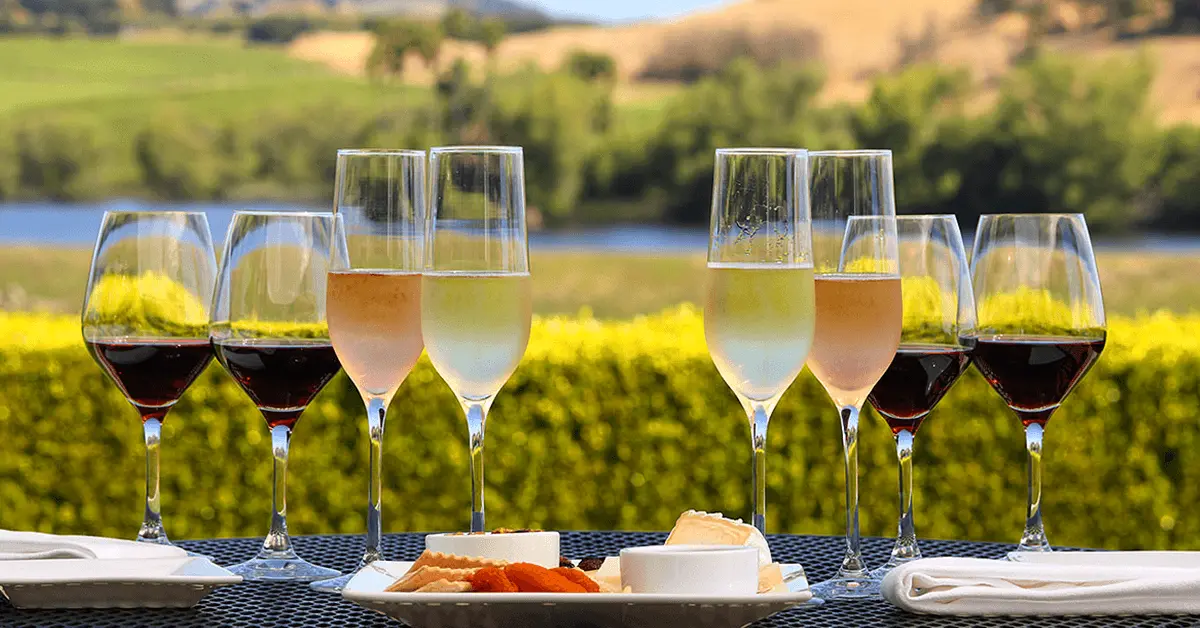
Wine tasting is often perceived as an elegant, sophisticated activity — a celebration of culture, heritage, and flavor. Yet, beyond its social appeal, can wine tasting truly be considered an art form? Is there a deeper, more nuanced way to experience wine that transcends mere sipping and savoring? As it turns out, wine tasting does have elements of art — from the way we perceive flavors to the artistry behind the production. Let’s explore the intersection of wine tasting and artistry, examining how the process, from the vineyard to the glass, engages all of our senses, invokes creativity, and leads to a deeper understanding of what makes wine exceptional.

The Sensory Symphony of Wine Tasting

Wine tasting is much more than just a series of sensory evaluations. It involves complex interactions between our senses of taste, smell, sight, and even touch. Wine professionals often use a specific vocabulary to articulate their tasting experience, revealing how detailed and creative the process can be. This brings us to the question: can wine tasting be likened to a performance or piece of art? To answer that, let’s break down the sensory elements.

  1. Sight: The First Impression
    When you first encounter a wine, your eyes are the first to judge. The color of the wine speaks volumes, and much like how an artist considers the color palette before creating a painting, the appearance of wine tells us much about its age, variety, and quality. Whether a vibrant, ruby red or a deep, golden yellow, the sight of the wine sets the tone for what’s to come. The “legs” or “tears” of the wine — those streaks that run down the glass after swirling — are also an important factor. They reveal the viscosity and alcohol content, offering a first taste of the wine’s complexity before it even touches the palate.
  2. Smell: The Emotional Prelude
    The smell of wine is another crucial element of the tasting experience, akin to the way a piece of music might evoke emotions before the first note is even played. The nose of the wine can be more telling than its flavor, revealing layers of aroma — from fruity notes like blackberry or citrus to earthy tones like tobacco or leather. This olfactory experience is an art in itself, as each individual interprets and experiences aromas differently. A sommelier, for example, might be able to detect hundreds of nuances in the bouquet, distinguishing between the subtle impact of oak aging versus the influence of the grape variety.
  3. Taste: The Heart of the Experience
    Finally, we reach the core of wine tasting: the flavor. Just as a painting can evoke emotion through color, light, and form, wine delivers an emotional response through its flavor profile. Sweet, sour, salty, and bitter — these fundamental tastes create the canvas upon which the wine’s complexity is built. The balance of acidity, tannins, and alcohol can be compared to the harmony between different shades on a painter’s palette. A well-balanced wine has a smooth integration of these elements, like a harmonious chord in a symphony. Whether the wine is smooth or bold, delicate or intense, each sip is a reflection of the craftsmanship involved in its creation.
Moët & Chandon partner with Daniel Arsham for a Champagne exclusive | The  Australian

The Role of Terroir in the Art of Wine

Just as an artist’s choice of materials or location influences their artwork, the terroir — the unique combination of soil, climate, and geography of a vineyard — plays a profound role in shaping the characteristics of wine. Terroir is often described as the “soul” of the wine, and much like an artist’s signature style, it imparts a sense of identity to the wine. A wine from Burgundy, France, will have very different characteristics from a wine produced in Napa Valley, USA, due to the distinct terroirs in each region.

Terroir is a living, evolving element that influences every aspect of wine, much like how an artist’s environment shapes their work. The climate determines the ripeness of the grapes, the soil composition affects the nutrients, and the slope of the land influences the drainage and sunlight exposure. Every detail of the vineyard contributes to the final product, making wine tasting an exploration of both artistry and nature.

Winemaking as an Art

Winemaking itself is undeniably an art form. It requires not only a deep understanding of science — fermentation, yeast, temperature control, and aging processes — but also creativity and intuition. The choices a winemaker makes throughout the process are akin to the decisions an artist makes with a blank canvas.

  • Harvesting: The timing of the harvest is crucial to a wine’s quality, as the grapes need to be picked at their peak ripeness. This is a delicate balance that requires an experienced hand, much like an artist deciding when a painting is complete.
  • Fermentation and Aging: After harvesting, the process of fermentation is where the wine begins to evolve. Winemakers may choose to ferment the wine in stainless steel tanks for a cleaner, crisper taste or in oak barrels for a rounder, more complex profile. The aging process adds further layers of artistry, as wines may be aged for months or even years, allowing flavors to develop and mature over time.
  • Blending: The final step in many winemaking processes is blending different varieties of grapes or wines from different barrels. This is an art in itself, as winemakers must balance the wine’s acidity, tannins, fruit profile, and other characteristics to achieve the desired outcome. Just like a painter blending colors to achieve harmony, a winemaker combines different elements to create a wine that is greater than the sum of its parts.
Territory's Route - Light Lunch Etna Cottanera Winery | Winery Tasting  Sicily

Wine Tasting as Performance Art

Wine tasting can also be seen as a performance art, especially in the context of professional wine tastings or sommeliers’ evaluations. A sommelier’s ability to articulate the complexities of a wine — from its color to its finish — is a highly skilled performance. They weave together a sensory experience that is both analytical and emotional, guiding participants through the nuances of the wine and its story. This performance requires knowledge, expertise, and a touch of flair — qualities that are often found in the best artists.

In many ways, the way we savor wine mirrors the act of appreciating a masterpiece. It’s not just about “tasting” wine — it’s about engaging with it on a deeper level, allowing the wine to reveal its layers, history, and personality. Just as an artist wants their audience to engage with their work and feel something, so too does a winemaker seek to create a wine that moves and inspires.

Wine Tasting and the Evolution of the Art

As the world of wine continues to evolve, so too does the art of wine tasting. With the rise of natural wines, organic farming practices, and an increasing focus on sustainability, wine tasting has become even more complex and creative. These new trends push the boundaries of what we think we know about wine, much like how modern artists challenge traditional artistic boundaries.

Natural wines, for example, often embrace imperfections, and their unconventional flavors can be seen as a new form of artistic expression. Wine tasting has expanded to encompass not just the appreciation of well-established styles but also an exploration of innovation, terroir-driven authenticity, and experimental approaches. This expanding landscape of wine allows for more artistic freedom and creativity, much like the shift in contemporary art toward new mediums and forms of expression.

Conclusion

Wine tasting is undoubtedly a form of art. It blends sensory experiences, creativity, craftsmanship, and performance, inviting wine lovers to connect with the wine on a deeper level. Whether it’s the intricate notes of flavor, the influence of terroir, or the artistry behind winemaking itself, wine offers an expansive canvas for exploration. Just as an artist uses their medium to express themselves, winemakers and wine tasters bring their creativity and expertise to each glass, crafting an experience that is rich in beauty and complexity. So next time you sip a glass of wine, remember — it’s not just about tasting the wine, it’s about experiencing a work of art.
Tags: flavorfood pairingterroirWine
ShareTweetShare

Related Posts

Can Beer Be an Effective Ingredient in Culinary Cooking?
ALL

Can Beer Be an Effective Ingredient in Culinary Cooking?

January 22, 2026
Second Fermentation in Champagne: Is It Really That Crucial?
ALL

Second Fermentation in Champagne: Is It Really That Crucial?

January 22, 2026
How Do Different Grains Impact the Flavor Profile of Distilled Spirits?
ALL

How Do Different Grains Impact the Flavor Profile of Distilled Spirits?

January 22, 2026
How Do Whiskey Master Blenders Create Perfection?
ALL

How Do Whiskey Master Blenders Create Perfection?

January 22, 2026
Wine Pairings: Can They Change the Flavor Profile of a Dish?
ALL

Wine Pairings: Can They Change the Flavor Profile of a Dish?

January 22, 2026
Beer the Ultimate Beverage for Pairing with Spicy Food?
ALL

Beer the Ultimate Beverage for Pairing with Spicy Food?

January 21, 2026
Leave Comment
  • Trending
  • Comments
  • Latest
What Hidden Craftsmanship Lies Behind a Bottle of Quality Grain Spirits?

What Hidden Craftsmanship Lies Behind a Bottle of Quality Grain Spirits?

July 3, 2025
How Is Champagne Made? The Secrets Behind the Sparkle

How Is Champagne Made? The Secrets Behind the Sparkle

April 15, 2025
Grain Spirits vs. Traditional Distilled Spirits: Which One Suits Your Taste?

Grain Spirits vs. Traditional Distilled Spirits: Which One Suits Your Taste?

July 3, 2025
Champagne Bubbles: How Do They Perfectly Convey Celebration, Joy, and Luxury?

Champagne Bubbles: How Do They Perfectly Convey Celebration, Joy, and Luxury?

July 2, 2025
The Timeless Elegance of Wine: A Journey Through History and Culture

The Timeless Elegance of Wine: A Journey Through History and Culture

Why Is Château Lafite Rothschild the Pinnacle of Fine Wine?

Why Is Château Lafite Rothschild the Pinnacle of Fine Wine?

How Did Château Lafite Rothschild Become a Global Icon of Luxury?

How Did Château Lafite Rothschild Become a Global Icon of Luxury?

What Makes Chateau Lafite Rothschild the Pinnacle of Bordeaux Wines?

What Makes Chateau Lafite Rothschild the Pinnacle of Bordeaux Wines?

Can Beer Be an Effective Ingredient in Culinary Cooking?

Can Beer Be an Effective Ingredient in Culinary Cooking?

January 22, 2026
Second Fermentation in Champagne: Is It Really That Crucial?

Second Fermentation in Champagne: Is It Really That Crucial?

January 22, 2026
How Do Different Grains Impact the Flavor Profile of Distilled Spirits?

How Do Different Grains Impact the Flavor Profile of Distilled Spirits?

January 22, 2026
How Do Whiskey Master Blenders Create Perfection?

How Do Whiskey Master Blenders Create Perfection?

January 22, 2026
SipsavorLife

Welcome to our comprehensive beverage guide, where you can explore the fascinating world of alcoholic drinks. From exquisite wines and rich whiskeys to refreshing beers and sparkling champagnes, we provide insights, tips, and recommendations for enthusiasts and casual drinkers alike. Discover your next favorite libation with us!

© 2025 sipsavorlife.com. contacts:sipsavorlife-35376@gmail.com

No Result
View All Result
  • Home
  • Wine
  • Whiskey
  • Beer
  • Grain Spirits
  • Champagne
  • ALL

© 2025 sipsavorlife.com. contacts:sipsavorlife-35376@gmail.com

Welcome Back!

Login to your account below

Forgotten Password?

Retrieve your password

Please enter your username or email address to reset your password.

Log In