






























In a world that celebrates bold, full-bodied beers, the rise of low-alcohol beers (Low-ABV) has been a surprising twist in the landscape of modern brewing. Traditionally, the more alcohol a beer has, the more complexity it tends to display. The idea of achieving a layered, sophisticated flavor profile with a beer that’s light on alcohol might sound like an impossible feat. But as the craft beer industry continues to push boundaries, it’s becoming increasingly clear that Low-ABV beers can indeed offer remarkable complexity — if brewed with intention, creativity, and a deep understanding of ingredients and processes.
In this exploration, we’ll delve into how Low-ABV beers can still showcase intricate flavors, the brewing techniques that enable this, and why these beers have a place in today’s beer culture. From delicate sours to hop-forward IPAs, let’s see how the marriage of low alcohol and high complexity isn’t just possible — it’s already happening.
Understanding Low-ABV Beers
Before we dive into the complexities, it’s crucial to define what we mean by Low-ABV. Alcohol By Volume (ABV) measures the strength of the alcohol content in a beverage, typically expressed as a percentage. In the case of beer, low-alcohol brews are those with an ABV lower than 5%, though the specific threshold can vary slightly by region or style. For comparison, many standard craft beers often fall between 5% to 7%, with some styles like Imperial Stouts and IPAs reaching up to 12% or more.
For years, the general perception has been that the higher the ABV, the more depth and character a beer would have. This is partly true because higher alcohol levels often serve as a solvent for flavor compounds, extracting more from the ingredients. However, in recent years, brewers have started challenging this notion by creating beers that maintain rich, nuanced flavors despite their relatively low alcohol content.
The Secret Behind Low-ABV Complexity: Ingredients and Technique
To craft a Low-ABV beer that doesn’t feel underwhelming, brewers rely on the same core ingredients that they would for any high-ABV beer: malt, hops, yeast, and water. The key is how these ingredients are manipulated to create a beer that’s rich in flavor despite the lack of alcohol. Here are the fundamental aspects that come into play:
1. Malts: The Backbone of Flavor
Malts are the foundation of any beer. They provide the sugar that yeast will later ferment into alcohol. But malts also contribute to a beer’s aroma, mouthfeel, and flavor. When creating a Low-ABV beer, brewers need to carefully choose malts that provide complexity without overwhelming the beer with sweetness or heaviness.
For example, roasted malts can add a rich, toasted flavor without increasing the beer’s alcohol content significantly. On the other hand, lighter malts, like Pilsner malt, can impart subtle, biscuit-like flavors that allow other ingredients, like hops, to shine through. Using a variety of malts can give Low-ABV beers the complexity typically associated with stronger brews.
2. Hops: Building Aroma and Bitterness
Hops are another essential ingredient that contributes to the aroma, flavor, and bitterness of a beer. Low-ABV beers often use hops in creative ways to bring forward an aromatic complexity that belies their alcohol content.
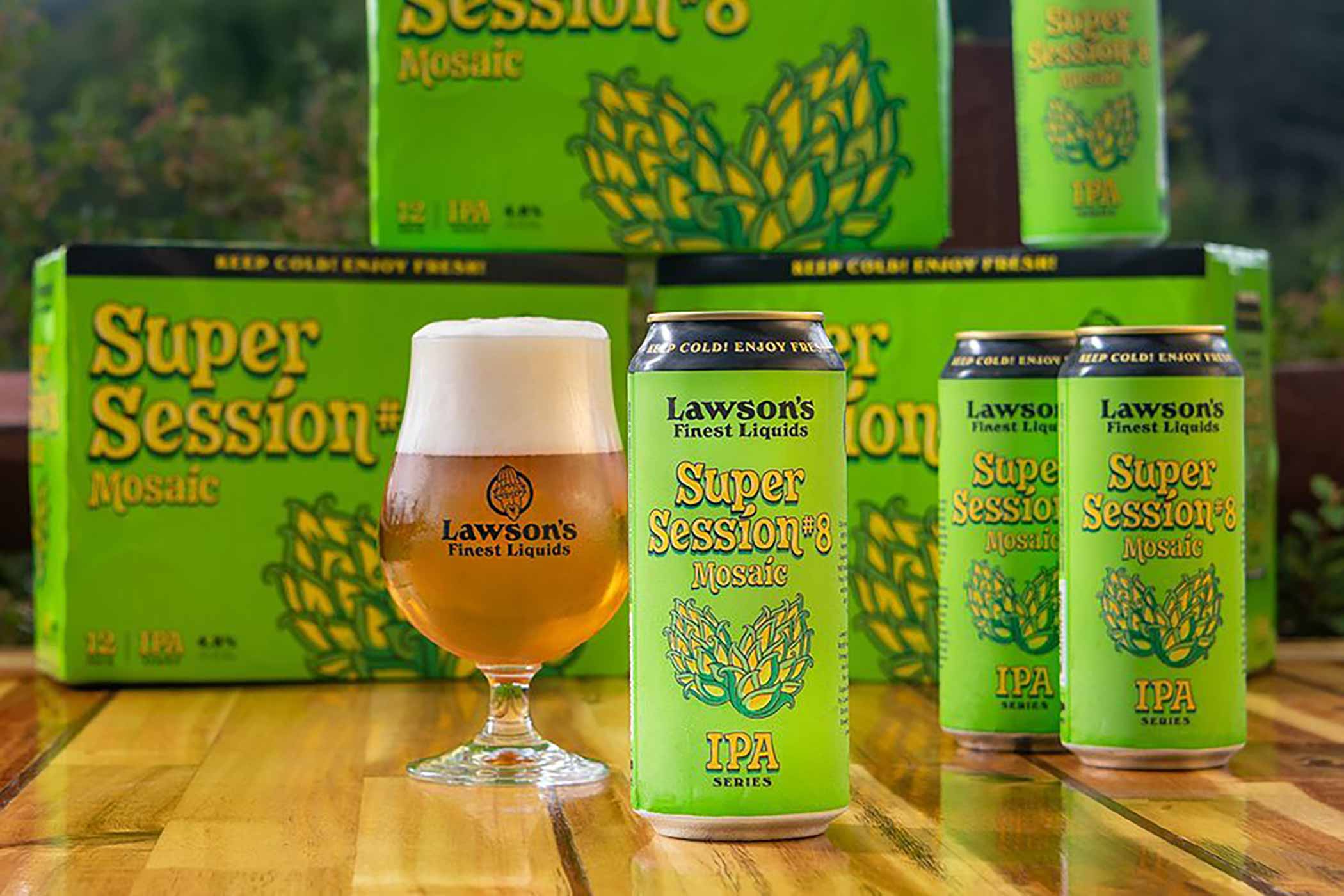
For instance, a Low-ABV IPA may feature a delicate balance of fruity, citrusy hops that make the beer feel much bigger than its alcohol percentage would suggest. Alternatively, a complex sour beer could be brewed with a combination of hops and wild yeast strains, adding both bitterness and an earthy, funky aroma that’s both intriguing and refreshing.
The technique of “dry hopping” — where hops are added late in the fermentation process — is particularly popular in Low-ABV beers. It allows brewers to maximize hop aroma without increasing the bitterness too much or altering the alcohol level significantly.
3. Yeast: A Key Player in Flavor Development
Yeast is often an underappreciated ingredient when it comes to beer complexity. However, different strains of yeast can produce a broad range of flavors, from fruity esters to spicy phenols, depending on how they ferment the sugars in the wort. In Low-ABV beers, yeast can be a critical tool for adding depth.
For example, certain strains of yeast might produce a subtle honey or floral aroma, while others could impart flavors reminiscent of cloves, bananas, or citrus. Even in beers where the alcohol content is kept low, these yeast-driven flavors can contribute significantly to the overall experience, giving the beer more character and complexity.
4. Water: Often Overlooked, Always Important
Though water is the most abundant ingredient in beer, its role is often overlooked. That said, water chemistry is crucial for the overall mouthfeel and balance of any beer. In Low-ABV brews, achieving the right balance of minerals can help accentuate delicate flavors, such as the light sweetness from malt or the sharp bitterness from hops.
Brewers must adjust the water profile to suit the beer style they are creating. A light, crisp lager, for instance, may benefit from softer water, while an IPA could use water with a higher sulfate content to accentuate its bitterness.
Popular Low-ABV Styles That Showcase Complexity
Now that we understand the key ingredients and techniques behind Low-ABV brewing, let’s take a look at some specific beer styles that excel in complexity despite their lower alcohol content.
1. Session IPAs
Session IPAs are perhaps the most well-known example of a Low-ABV beer that still packs a punch in the flavor department. Typically clocking in at 3% to 4% ABV, these beers offer all the hop-forward characteristics that make traditional IPAs so appealing — piney, citrusy, floral, and sometimes even tropical.
Despite the lighter alcohol content, the complex combination of hops in a Session IPA delivers the same bright and bold aromas that hop enthusiasts love. By using high-quality hops and dry hopping techniques, brewers can create a beer that feels just as full-bodied as a higher ABV IPA.
2. Sours and Berliner Weisses
Sour beers, including styles like Berliner Weisse and Gose, have been gaining popularity in recent years. These beers often have an ABV in the range of 3% to 4%, yet the tartness and funkiness produced by wild yeast strains, bacteria, and various fermentation methods can create an intensely complex flavor profile.
A Berliner Weisse, for example, may feature light, bready malts combined with sharp, tangy acidity. On the other hand, a Gose could add a touch of salt and coriander, which further enhances its complexity and depth.
3. Low-ABV Stouts
While stouts are typically associated with high alcohol content, brewers have started producing lower-ABV versions that still maintain the rich, roasted malt flavors characteristic of the style. These Low-ABV stouts often showcase chocolate, coffee, and caramel notes, with the body of the beer remaining light and easy-drinking.
By selecting the right combination of roasted and caramel malts, brewers can create a stout that offers the same complexity and satisfaction as its higher-alcohol counterparts, without the heaviness that often accompanies a strong stout.
4. Wheat Beers and Hefeweizens
Wheat beers like Hefeweizens often fall within the Low-ABV range (typically around 4% to 5% ABV) but still offer considerable flavor complexity. The signature characteristics of these beers include a light body, subtle spiciness from yeast, and bready sweetness from the wheat. Depending on the yeast strain used, these beers may also have hints of banana, clove, or citrus.
These subtle, yet complex flavors make wheat beers incredibly enjoyable, even though they don’t have the strong alcoholic backbone of higher-ABV styles.
Why Low-ABV Beers Matter
The rise of Low-ABV beers isn’t just about health-conscious drinking or a desire to avoid the effects of alcohol. It’s also about expanding the scope of what beer can be. For many, Low-ABV beers represent a more accessible entry point into the world of craft beer. They can be enjoyed casually over the course of an afternoon without the need for moderation that comes with stronger brews.
Additionally, these beers offer a chance to focus more on flavors and aromas rather than alcohol content. As the market for beer continues to evolve, Low-ABV options allow brewers to experiment with new techniques and ingredients, pushing the boundaries of what beer can be in the process.
Conclusion: Low-ABV Beers Can Offer High Complexity
While it may take a bit of extra creativity and skill, brewers are more than capable of creating Low-ABV beers that don’t sacrifice flavor complexity. Whether through the strategic use of hops, creative yeast strains, or careful malt selection, it’s clear that even beers with lower alcohol content can deliver intricate, multifaceted profiles.
As the craft beer scene continues to innovate, Low-ABV beers will remain a prominent and exciting part of the landscape. For beer lovers looking to explore beyond the typical high-alcohol offerings, these beers present a refreshing challenge — one that proves complexity isn’t determined by ABV, but by the brewer’s artistry.










