SipsavorLife
  • Home
  • Wine
    Wine as a Cultural Artifact: History, Identity, and the Evolution of Taste

    The Art and Science of Wine & Food Pairing: How to Create Perfect Matches Every Time

    Wine as a Cultural Artifact: History, Identity, and the Evolution of Taste

    A Complete Guide to Wine Styles and Grape Varieties: From Cabernet Sauvignon to Riesling

    Wine as a Cultural Artifact: History, Identity, and the Evolution of Taste

    The Global Wine Industry: Economics, Markets, and the Future of Consumption

    Wine as a Cultural Artifact: History, Identity, and the Evolution of Taste

    The Science of Wine Tasting: How Chemistry, Biology, and Perception Shape Flavor

    Wine as a Cultural Artifact: History, Identity, and the Evolution of Taste

    Wine as a Cultural Artifact: History, Identity, and the Evolution of Taste

    Red Wine — The Liquid Expression of Land, Time, and Human Intention

    The Future of Red Wine — Climate Change, Technology, and the Evolution of Taste

  • Whiskey
    Can Beer Be an Effective Ingredient in Culinary Cooking?

    Can Beer Be an Effective Ingredient in Culinary Cooking?

    Second Fermentation in Champagne: Is It Really That Crucial?

    Second Fermentation in Champagne: Is It Really That Crucial?

    How Do Different Grains Impact the Flavor Profile of Distilled Spirits?

    How Do Different Grains Impact the Flavor Profile of Distilled Spirits?

    How Do Whiskey Master Blenders Create Perfection?

    How Do Whiskey Master Blenders Create Perfection?

    Wine Pairings: Can They Change the Flavor Profile of a Dish?

    Wine Pairings: Can They Change the Flavor Profile of a Dish?

    Beer the Ultimate Beverage for Pairing with Spicy Food?

    Beer the Ultimate Beverage for Pairing with Spicy Food?

  • Beer
    Beer as a Cultural and Social Force: From Ancient Brew to Modern Identity

    The Art of Beer & Food Pairing: Unlocking Flavor Through Balance, Contrast, and Texture

    Beer as a Cultural and Social Force: From Ancient Brew to Modern Identity

    A Complete Guide to Beer Styles: From Lager to Stout, Understanding Flavor, Body, and Character

    Beer as a Cultural and Social Force: From Ancient Brew to Modern Identity

    The Global Beer Industry: Craft Revolution, Market Forces, and the Future of Brewing

    Beer as a Cultural and Social Force: From Ancient Brew to Modern Identity

    The Science of Beer: Brewing Process, Ingredients, and the Chemistry of Flavor

    Beer as a Cultural and Social Force: From Ancient Brew to Modern Identity

    Beer as a Cultural and Social Force: From Ancient Brew to Modern Identity

    The Evolution of Beer — From Ancient Brews to the Craft Revolution

    The Future of Beer — Innovation, Sustainability, and Emerging Trends

  • Grain Spirits
    Grain Spirits Explained — The Foundation of Global Distillation

    The Future of Grain Spirits — Technology, Sustainability, and the Next Era of Distillation

    Grain Spirits Explained — The Foundation of Global Distillation

    Grain Spirits Around the World — Vodka, Whisky Bases, and Industrial Applications

    Grain Spirits Explained — The Foundation of Global Distillation

    Distillation Systems — Pot Still vs Column Still, and the Balance Between Efficiency and Flavor

    Grain Spirits Explained — The Foundation of Global Distillation

    Grain Selection and Fermentation Science — How Raw Ingredients Shape Grain Spirits

    Grain Spirits Explained — The Foundation of Global Distillation

    Grain Spirits Explained — The Foundation of Global Distillation

    Grain Spirits and the Industrial Birth of Neutral Alcohol

    The Future of Grain Spirits — AI Distillation, Sustainability, and the Post-Flavor Alcohol Industry

  • Champagne
    The History of Champagne — From Accidental Sparkle to Global Luxury

    The Future of Champagne — Climate Change, Innovation, and Industry Evolution

    The History of Champagne — From Accidental Sparkle to Global Luxury

    The Culture of Champagne — Luxury, Celebration, and Global Influence

    The History of Champagne — From Accidental Sparkle to Global Luxury

    Champagne Styles Explained — Brut, Rosé, Vintage, and Beyond

    The History of Champagne — From Accidental Sparkle to Global Luxury

    The Craft of Champagne — Terroir, Grapes, and the Méthode Traditionnelle

    The History of Champagne — From Accidental Sparkle to Global Luxury

    The History of Champagne — From Accidental Sparkle to Global Luxury

    The Future of Champagne — Climate Change, Innovation, and the Evolution of Sparkling Wine

    The Future of Champagne — Climate Change, Innovation, and the Evolution of Sparkling Wine

  • ALL
    Can Beer Be an Effective Ingredient in Culinary Cooking?

    Can Beer Be an Effective Ingredient in Culinary Cooking?

    Second Fermentation in Champagne: Is It Really That Crucial?

    Second Fermentation in Champagne: Is It Really That Crucial?

    How Do Different Grains Impact the Flavor Profile of Distilled Spirits?

    How Do Different Grains Impact the Flavor Profile of Distilled Spirits?

    How Do Whiskey Master Blenders Create Perfection?

    How Do Whiskey Master Blenders Create Perfection?

    Wine Pairings: Can They Change the Flavor Profile of a Dish?

    Wine Pairings: Can They Change the Flavor Profile of a Dish?

    Beer the Ultimate Beverage for Pairing with Spicy Food?

    Beer the Ultimate Beverage for Pairing with Spicy Food?

SipsavorLife
  • Home
  • Wine
    Wine as a Cultural Artifact: History, Identity, and the Evolution of Taste

    The Art and Science of Wine & Food Pairing: How to Create Perfect Matches Every Time

    Wine as a Cultural Artifact: History, Identity, and the Evolution of Taste

    A Complete Guide to Wine Styles and Grape Varieties: From Cabernet Sauvignon to Riesling

    Wine as a Cultural Artifact: History, Identity, and the Evolution of Taste

    The Global Wine Industry: Economics, Markets, and the Future of Consumption

    Wine as a Cultural Artifact: History, Identity, and the Evolution of Taste

    The Science of Wine Tasting: How Chemistry, Biology, and Perception Shape Flavor

    Wine as a Cultural Artifact: History, Identity, and the Evolution of Taste

    Wine as a Cultural Artifact: History, Identity, and the Evolution of Taste

    Red Wine — The Liquid Expression of Land, Time, and Human Intention

    The Future of Red Wine — Climate Change, Technology, and the Evolution of Taste

  • Whiskey
    Can Beer Be an Effective Ingredient in Culinary Cooking?

    Can Beer Be an Effective Ingredient in Culinary Cooking?

    Second Fermentation in Champagne: Is It Really That Crucial?

    Second Fermentation in Champagne: Is It Really That Crucial?

    How Do Different Grains Impact the Flavor Profile of Distilled Spirits?

    How Do Different Grains Impact the Flavor Profile of Distilled Spirits?

    How Do Whiskey Master Blenders Create Perfection?

    How Do Whiskey Master Blenders Create Perfection?

    Wine Pairings: Can They Change the Flavor Profile of a Dish?

    Wine Pairings: Can They Change the Flavor Profile of a Dish?

    Beer the Ultimate Beverage for Pairing with Spicy Food?

    Beer the Ultimate Beverage for Pairing with Spicy Food?

  • Beer
    Beer as a Cultural and Social Force: From Ancient Brew to Modern Identity

    The Art of Beer & Food Pairing: Unlocking Flavor Through Balance, Contrast, and Texture

    Beer as a Cultural and Social Force: From Ancient Brew to Modern Identity

    A Complete Guide to Beer Styles: From Lager to Stout, Understanding Flavor, Body, and Character

    Beer as a Cultural and Social Force: From Ancient Brew to Modern Identity

    The Global Beer Industry: Craft Revolution, Market Forces, and the Future of Brewing

    Beer as a Cultural and Social Force: From Ancient Brew to Modern Identity

    The Science of Beer: Brewing Process, Ingredients, and the Chemistry of Flavor

    Beer as a Cultural and Social Force: From Ancient Brew to Modern Identity

    Beer as a Cultural and Social Force: From Ancient Brew to Modern Identity

    The Evolution of Beer — From Ancient Brews to the Craft Revolution

    The Future of Beer — Innovation, Sustainability, and Emerging Trends

  • Grain Spirits
    Grain Spirits Explained — The Foundation of Global Distillation

    The Future of Grain Spirits — Technology, Sustainability, and the Next Era of Distillation

    Grain Spirits Explained — The Foundation of Global Distillation

    Grain Spirits Around the World — Vodka, Whisky Bases, and Industrial Applications

    Grain Spirits Explained — The Foundation of Global Distillation

    Distillation Systems — Pot Still vs Column Still, and the Balance Between Efficiency and Flavor

    Grain Spirits Explained — The Foundation of Global Distillation

    Grain Selection and Fermentation Science — How Raw Ingredients Shape Grain Spirits

    Grain Spirits Explained — The Foundation of Global Distillation

    Grain Spirits Explained — The Foundation of Global Distillation

    Grain Spirits and the Industrial Birth of Neutral Alcohol

    The Future of Grain Spirits — AI Distillation, Sustainability, and the Post-Flavor Alcohol Industry

  • Champagne
    The History of Champagne — From Accidental Sparkle to Global Luxury

    The Future of Champagne — Climate Change, Innovation, and Industry Evolution

    The History of Champagne — From Accidental Sparkle to Global Luxury

    The Culture of Champagne — Luxury, Celebration, and Global Influence

    The History of Champagne — From Accidental Sparkle to Global Luxury

    Champagne Styles Explained — Brut, Rosé, Vintage, and Beyond

    The History of Champagne — From Accidental Sparkle to Global Luxury

    The Craft of Champagne — Terroir, Grapes, and the Méthode Traditionnelle

    The History of Champagne — From Accidental Sparkle to Global Luxury

    The History of Champagne — From Accidental Sparkle to Global Luxury

    The Future of Champagne — Climate Change, Innovation, and the Evolution of Sparkling Wine

    The Future of Champagne — Climate Change, Innovation, and the Evolution of Sparkling Wine

  • ALL
    Can Beer Be an Effective Ingredient in Culinary Cooking?

    Can Beer Be an Effective Ingredient in Culinary Cooking?

    Second Fermentation in Champagne: Is It Really That Crucial?

    Second Fermentation in Champagne: Is It Really That Crucial?

    How Do Different Grains Impact the Flavor Profile of Distilled Spirits?

    How Do Different Grains Impact the Flavor Profile of Distilled Spirits?

    How Do Whiskey Master Blenders Create Perfection?

    How Do Whiskey Master Blenders Create Perfection?

    Wine Pairings: Can They Change the Flavor Profile of a Dish?

    Wine Pairings: Can They Change the Flavor Profile of a Dish?

    Beer the Ultimate Beverage for Pairing with Spicy Food?

    Beer the Ultimate Beverage for Pairing with Spicy Food?

SipsavorLife
No Result
View All Result
Home ALL

How Has Chateau Latour Shaped the World of Fine Wine?

January 10, 2025
in ALL, Wine
How Has Chateau Latour Shaped the World of Fine Wine?

Introduction: The Legendary Legacy of Chateau Latour

  • Opening Hook:
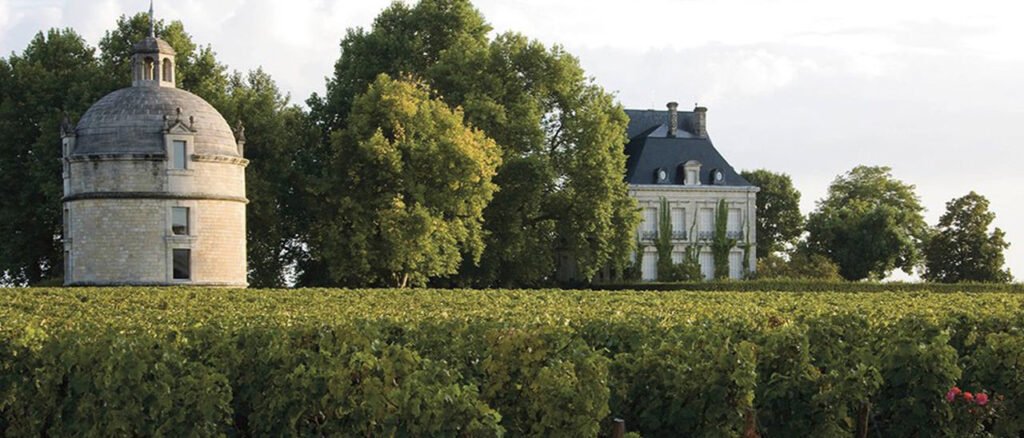
    Chateau Latour, one of Bordeaux’s most prestigious First Growths, is not just a wine but a symbol of excellence, craftsmanship, and legacy. From its grand chateau overlooking the Gironde River to its unparalleled reputation for producing wines of extraordinary depth and power, Latour is a cornerstone in the world of fine wine.
  • Thesis Statement:
    In this article, we will explore how Chateau Latour has influenced both the wine industry and global culture. From its historical role in shaping the Bordeaux classification to its impact on wine collectors, critics, and enthusiasts, Latour’s influence is far-reaching.

1. The Roots of Chateau Latour: History and Tradition

  • Early History:
    Begin by discussing the origins of Chateau Latour. Established in the 14th century, its rich history is interwoven with the broader history of Bordeaux. Latour’s rise to prominence within the Bordeaux region, including the pivotal 1855 classification, solidified its place among the elite wines of the world.
  • 1855 Classification:
    Discuss the impact of the 1855 classification and how it elevated Chateau Latour to the rank of First Growth. Examine the political and economic climate at the time and how this classification reshaped the wine industry’s structure, placing Bordeaux wines on the global stage.
  • Ownership and Changes Over Time:
    Examine the ownership changes throughout Latour’s history, from its long-standing family ownership to its acquisition by multinational firms. These shifts have had a significant influence on its operation and market positioning.

2. Chateau Latour’s Winemaking Philosophy

  • Commitment to Terroir:
    Latour’s philosophy is rooted in a deep respect for terroir—the unique combination of soil, climate, and viticultural practices that give the wine its distinct character. Discuss how the estate focuses on sustainable farming and precise vineyard management, ensuring the preservation of its exceptional terroir.
  • Innovative Winemaking Techniques:
    Explore the technical advancements Latour has made in winemaking, such as its use of modern viticulture technology, precision in vineyard management, and its commitment to organic practices. This section should emphasize Latour’s balance between tradition and innovation, maintaining the highest standards while embracing new techniques.
  • Quality Control and Selection:
    Detail the stringent selection process for grapes, fermentation methods, and aging. Chateau Latour’s meticulous approach to quality control ensures that only the finest wines are produced, which has helped cement its reputation as one of the best producers in Bordeaux.

3. Cultural Significance: Chateau Latour’s Place in Fine Wine

  • A Symbol of Prestige:
    Chateau Latour’s name is synonymous with luxury. Discuss how Latour is often associated with wealth, status, and power. It has become the wine of choice for collectors and aristocrats, serving as a symbol of refinement and sophistication.
  • Latour in Art and Literature:
    The influence of Latour extends into the world of art, literature, and culture. Mention famous references to Latour in literature, including works by celebrated authors who have immortalized the wine’s status and complexity.
  • Culinary Pairings and the Gourmet World:
    Latour is frequently served in the finest restaurants and at exclusive events. Discuss its reputation among chefs and sommeliers and how it has become an essential wine at Michelin-starred restaurants. The wine’s ability to pair with the best cuisine highlights its cultural importance in gourmet dining.
  • Latour in Pop Culture:
    From high-profile auctions to mentions in movies and TV shows, Chateau Latour’s iconic status transcends the fine wine world. Explore how Latour has been referenced or used in popular culture as a symbol of wealth and refined taste.

4. Chateau Latour’s Influence on the Wine Market

  • Impact on Wine Investment:
    Chateau Latour has become a cornerstone of fine wine investment. Examine how its rarity, historical performance, and consistent quality have made it a favorite among wine investors. Latour’s pricing trends and performance at auction are a direct reflection of the high demand and global interest in its wines.
  • The Influence of Wine Ratings and Critics:
    Discuss how the wine’s standing among critics, from Robert Parker to Wine Spectator, has impacted its market presence. Latour consistently scores high marks, which fuels its demand among collectors and investors. The role of professional wine ratings in elevating Latour’s status is critical in understanding its influence.
  • Latour’s Transition to Direct-to-Consumer Sales:
    In a bold move to maintain exclusivity, Chateau Latour ceased selling through traditional wine merchants in 2012 and began offering wines directly to consumers. This decision, while controversial, further solidified Latour’s position as a luxury brand and set a precedent for other wine estates to follow.
5. The Collectibility and Legacy of Chateau Latour Wines

  • Vintages and their Legacy:
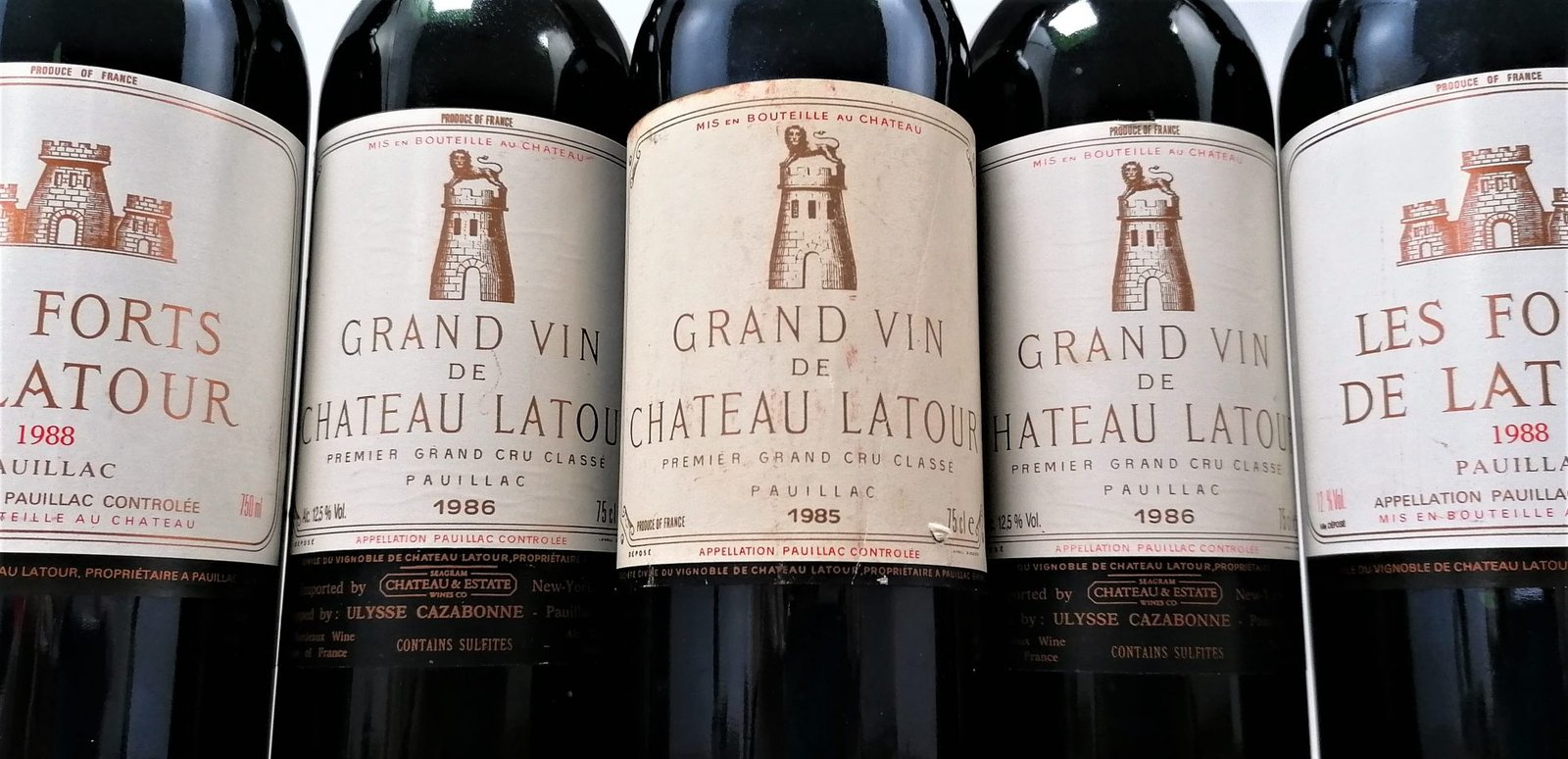
    Dive into the legacy of iconic Latour vintages, such as 1961, 2000, and 2010. These vintages are highly sought after and are part of the global wine lexicon. Discuss what makes these wines so collectible, from their rarity to their aging potential.
  • Auction Prices and Investment Potential:
    Chateau Latour’s status as a premium investment wine has made it a regular feature in international wine auctions. Analyze trends in auction prices, discussing how Latour’s consistent demand has led to significant increases in value over time. The wine’s longevity and ability to improve with age make it a compelling investment for collectors.
  • The Emotional Connection with Collectors:
    Explore the emotional bond that collectors and enthusiasts have with Chateau Latour. For many, owning and tasting Latour is an experience that goes beyond the wine itself. It represents achievement, refinement, and a deep connection with the history of winemaking.

6. Global Influence and the Bordeaux Wine Region

  • Bordeaux’s Global Impact:
    Chateau Latour has played a pivotal role in positioning Bordeaux wines as the benchmark for fine wine worldwide. Explore how Latour’s status has helped elevate the entire Bordeaux region, influencing wine culture, terroir recognition, and winemaking practices globally.
  • Latour’s Role in Sustainable Practices:
    Chateau Latour has long been a leader in advocating for sustainability in wine production. Discuss how the estate’s efforts to implement organic and biodynamic farming methods have influenced other producers in Bordeaux and beyond. Latour’s commitment to sustainability is an example of its broader influence on the wine industry.
  • Latour’s Relationships with Other First Growths:
    While Latour is often regarded as the most powerful of the Bordeaux First Growths, it exists within a competitive landscape alongside other prestigious estates. Examine how Latour’s relationship with the other First Growths has shaped the culture and market of Bordeaux wines.

7. The Future of Chateau Latour and its Continuing Legacy

  • A Changing World of Fine Wine:
    The fine wine industry is changing rapidly, with new wine regions emerging and consumer preferences shifting. How is Chateau Latour adapting to these changes while preserving its heritage and exclusivity?
  • New Generations of Wine Enthusiasts:
    Explore how Chateau Latour is being embraced by a new generation of wine collectors and drinkers. With younger generations becoming more engaged in wine collecting, Latour’s legacy is poised to influence future markets and cultural attitudes toward wine.
  • Latour in the 21st Century:
    Examine how Chateau Latour continues to innovate and influence the wine world today. From cutting-edge winemaking techniques to its new business strategies, Latour’s evolution ensures that it remains at the forefront of the fine wine world for years to come.

Conclusion: Chateau Latour’s Lasting Influence on Wine Culture

  • Summary of Latour’s Cultural Influence:
    Summarize how Chateau Latour has shaped wine culture, from its historical role in the Bordeaux classification to its present-day status as a luxury symbol.
  • Looking Forward:
    Reflect on how Latour will continue to influence the world of fine wine in the future, ensuring its place as one of the most influential wine estates in history.
Tags: CultureFamous brand wineHealthHistoryInnovationluxuryWine
ShareTweetShare

Related Posts

Wine as a Cultural Artifact: History, Identity, and the Evolution of Taste
Wine

The Art and Science of Wine & Food Pairing: How to Create Perfect Matches Every Time

April 26, 2026
Wine as a Cultural Artifact: History, Identity, and the Evolution of Taste
Wine

A Complete Guide to Wine Styles and Grape Varieties: From Cabernet Sauvignon to Riesling

April 26, 2026
Wine as a Cultural Artifact: History, Identity, and the Evolution of Taste
Wine

The Global Wine Industry: Economics, Markets, and the Future of Consumption

April 26, 2026
Wine as a Cultural Artifact: History, Identity, and the Evolution of Taste
Wine

The Science of Wine Tasting: How Chemistry, Biology, and Perception Shape Flavor

April 26, 2026
Wine as a Cultural Artifact: History, Identity, and the Evolution of Taste
Wine

Wine as a Cultural Artifact: History, Identity, and the Evolution of Taste

April 26, 2026
Red Wine — The Liquid Expression of Land, Time, and Human Intention
Wine

The Future of Red Wine — Climate Change, Technology, and the Evolution of Taste

April 22, 2026
Leave Comment
  • Trending
  • Comments
  • Latest
Role of Terroir in Champagne Production

Role of Terroir in Champagne Production

January 19, 2026
Champagne Can Be Aged in Wood?

Champagne Can Be Aged in Wood?

January 18, 2026
Is Organic Wine Healthier Than Conventional Wine?

Is Organic Wine Healthier Than Conventional Wine?

January 20, 2026
Why Do Some Champagnes Use a High Proportion of Pinot Meunier?

Why Do Some Champagnes Use a High Proportion of Pinot Meunier?

January 20, 2026
The Timeless Elegance of Wine: A Journey Through History and Culture

The Timeless Elegance of Wine: A Journey Through History and Culture

Why Is Château Lafite Rothschild the Pinnacle of Fine Wine?

Why Is Château Lafite Rothschild the Pinnacle of Fine Wine?

How Did Château Lafite Rothschild Become a Global Icon of Luxury?

How Did Château Lafite Rothschild Become a Global Icon of Luxury?

What Makes Chateau Lafite Rothschild the Pinnacle of Bordeaux Wines?

What Makes Chateau Lafite Rothschild the Pinnacle of Bordeaux Wines?

Beer as a Cultural and Social Force: From Ancient Brew to Modern Identity

The Art of Beer & Food Pairing: Unlocking Flavor Through Balance, Contrast, and Texture

April 26, 2026
Beer as a Cultural and Social Force: From Ancient Brew to Modern Identity

A Complete Guide to Beer Styles: From Lager to Stout, Understanding Flavor, Body, and Character

April 26, 2026
Beer as a Cultural and Social Force: From Ancient Brew to Modern Identity

The Global Beer Industry: Craft Revolution, Market Forces, and the Future of Brewing

April 26, 2026
Beer as a Cultural and Social Force: From Ancient Brew to Modern Identity

The Science of Beer: Brewing Process, Ingredients, and the Chemistry of Flavor

April 26, 2026
SipsavorLife

Welcome to our comprehensive beverage guide, where you can explore the fascinating world of alcoholic drinks. From exquisite wines and rich whiskeys to refreshing beers and sparkling champagnes, we provide insights, tips, and recommendations for enthusiasts and casual drinkers alike. Discover your next favorite libation with us!

© 2025 sipsavorlife.com. contacts:sipsavorlife-35376@gmail.com

No Result
View All Result
  • Home
  • Wine
  • Whiskey
  • Beer
  • Grain Spirits
  • Champagne
  • ALL

© 2025 sipsavorlife.com. contacts:sipsavorlife-35376@gmail.com

Welcome Back!

Login to your account below

Forgotten Password?

Retrieve your password

Please enter your username or email address to reset your password.

Log In