






















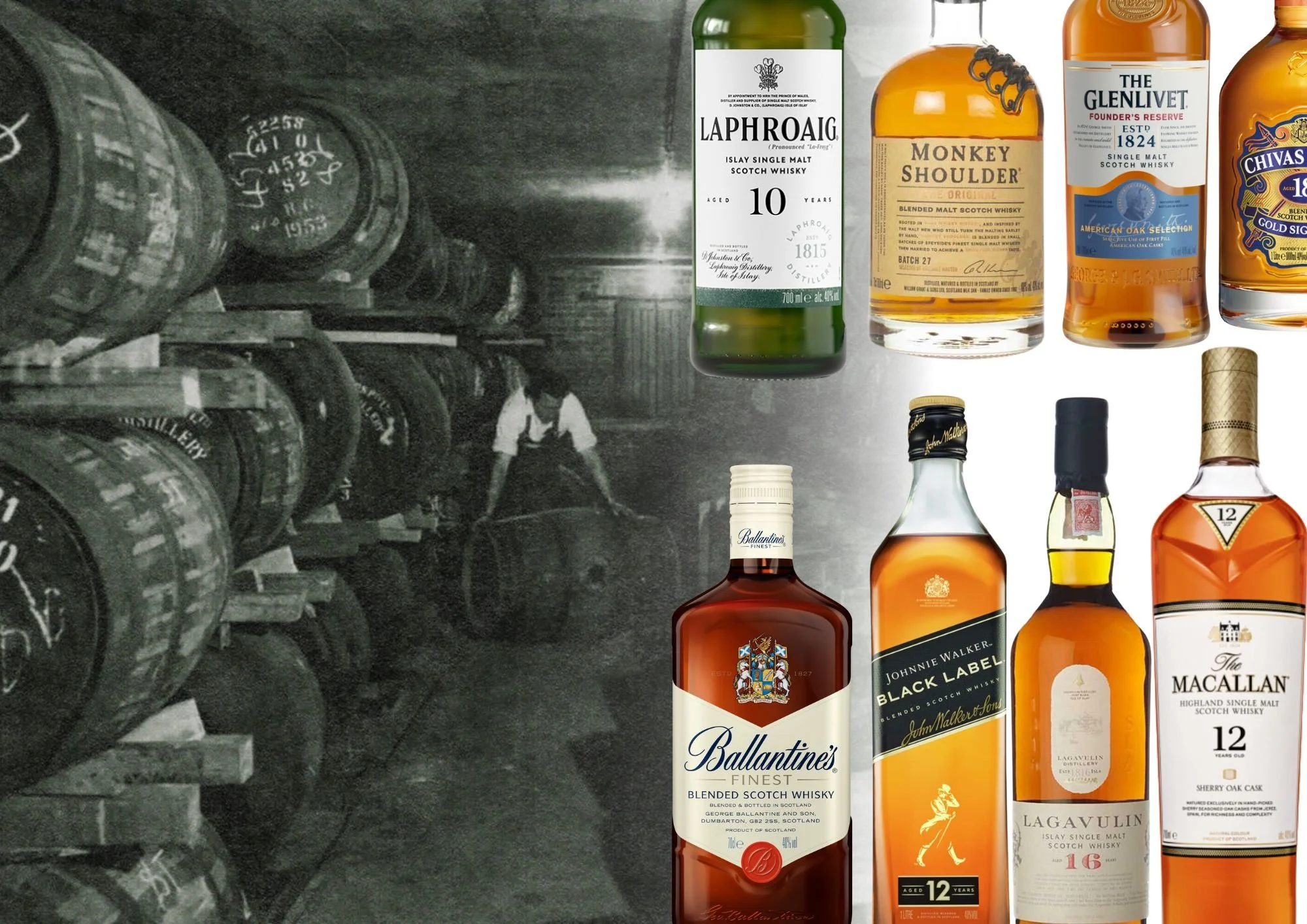
The term “single malt” has become synonymous with quality and craftsmanship in the world of whisky, but what does “single” really mean? Beyond marketing and branding, there’s a rich history and a meticulous process behind this beloved spirit. In this article, we’ll delve into the details of what makes single malt whisky stand out, how it’s made, and why it commands such reverence from whisky enthusiasts and connoisseurs alike.
The Origin of Single Malt
The term “single malt” refers to a specific type of whisky made from barley, distilled at a single distillery. In its purest form, it’s the essence of a distillery’s craftsmanship, with no blending of whiskies from different sources. But why is this distinction so important?
Historically, whisky distilleries were often small, family-owned operations, and each produced their unique spirit. Over time, larger distilleries began to blend whiskies from various sources to achieve consistency and create more accessible products. While these blended whiskies gained popularity, single malt remained the hallmark of purity and individuality.
The “single” in single malt refers to both the distillery and the malted barley used. A single malt whisky is made from 100% malted barley, and it’s distilled at one distillery, making it distinct from blended whiskies that may use a variety of grains or come from different distilleries.
The Malted Barley: The Heart of Single Malt Whisky
Malted barley is the backbone of single malt whisky. The barley undergoes a malting process where it is soaked in water, germinated, and then dried. This process activates enzymes that convert the starches in the barley into fermentable sugars, which are crucial for fermentation and the production of alcohol.
Why is barley specifically chosen for single malts? Barley has a distinct flavor profile that imparts unique characteristics to the whisky. The quality of the malt, along with the local terroir, plays a significant role in the final product. The best single malt whiskies are often described as having rich, complex flavors, with notes ranging from sweet vanilla to smoky peat, depending on how the barley is processed and what influences the distillery’s surroundings have.
The Distillation Process
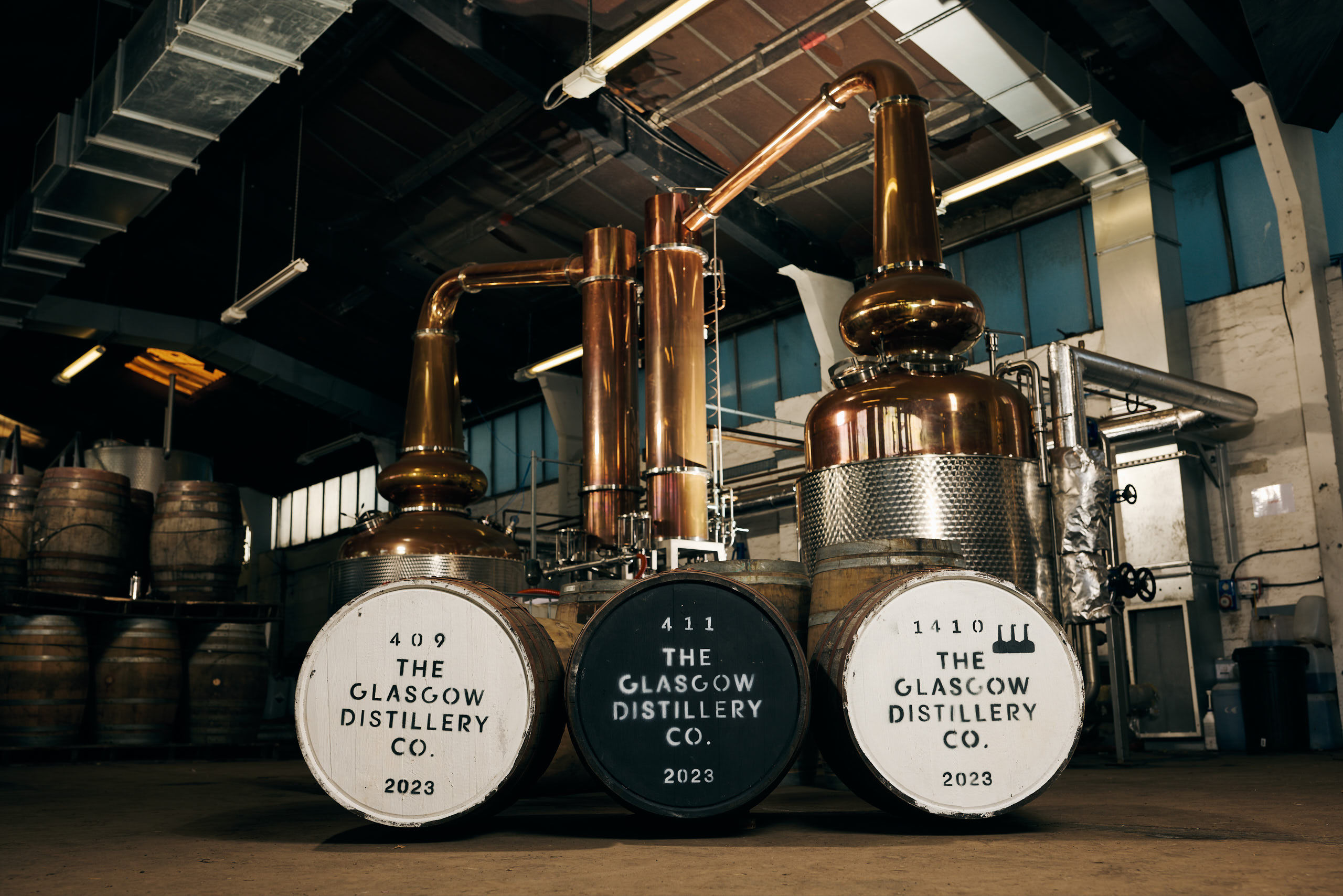
Once the malted barley is prepared, the next step in creating single malt whisky is distillation. The process involves heating the mash (a mixture of barley, water, and yeast) in copper stills to separate alcohol from the remaining solids. The alcohol vapor rises through the still and condenses into liquid form.

There are typically two distillations in most single malt whiskies, although some distilleries use a third. The first distillation is done in a wash still, where the alcohol is separated from the water and solids. The resulting liquid, known as “low wines,” is then distilled again in a spirit still, producing the final whisky.
The shape of the stills and the length of distillation can drastically affect the flavor. Tall, narrow stills tend to create a lighter spirit, while short, wide stills often result in a more robust and rich flavor profile. Additionally, the distillation process itself is highly influenced by the distiller’s craftsmanship, making each distillery’s whisky distinctive.
Aging: The Slow Magic of Maturation
Arguably, the aging process is one of the most critical factors in determining the flavor and character of single malt whisky. After distillation, the spirit is transferred into oak barrels for maturation. The type of barrel used—whether it’s American oak, European oak, or even sherry casks—imparts specific flavors into the whisky. The interaction between the whisky and the wood, coupled with the effects of temperature and humidity in the warehouse, makes aging a delicate and time-consuming art.
The minimum aging period for single malt whisky is three years in many countries, but most premium single malts are aged for much longer—often 12, 18, or even 25 years. As whisky matures, it develops layers of complexity, with flavors evolving over time. The whisky takes on subtle hints of caramel, vanilla, dried fruit, and, in some cases, spices or smoke.
Aging in sherry casks, for example, can introduce rich dried fruit and nutty flavors, while whisky aged in bourbon barrels may take on hints of vanilla, coconut, and oak. The climate also plays a crucial role; whiskies from warmer climates tend to mature faster than those from cooler regions.
The Role of Terroir in Single Malt Whisky
While terroir is a term more commonly associated with wine, it’s just as relevant in the whisky world. Terroir refers to the influence of the environment on the flavor of a product. In whisky, this includes the water source, the local barley, the climate, and even the air quality. The region where a distillery is located can have a profound impact on the flavor of the whisky produced there.
Scotland is often considered the home of single malt whisky, and its various regions—Speyside, Islay, Highland, and Lowland—each produce whiskies with distinct characteristics. Speyside whiskies tend to be lighter and fruitier, Islay whiskies are often smoky and peaty, while Highland whiskies can be more robust and full-bodied.
The quality of the water used in the production of whisky is another crucial factor in shaping the spirit. Many distilleries source water from nearby springs or rivers, with the purity and mineral content of the water influencing the final flavor.
The Art of Blending Single Malts
Although “single” implies purity and individuality, there is a fascinating practice of blending different single malts to create a more complex flavor profile. Some distilleries choose to release a “vatted” single malt, which involves combining malts from different casks or even different distilleries, while still keeping them 100% malted barley.
Blending isn’t about watering down the spirit or cutting corners—it’s about enhancing the final product by carefully selecting different single malts that complement each other. For instance, a lighter, fruit-forward malt might be blended with a heavier, smoky one to create a balanced and multifaceted whisky. This practice is especially common in premium bottlings and limited editions, where distillers have the freedom to experiment and create something truly unique.
Tasting Single Malt Whisky: What to Look For
Tasting single malt whisky is a nuanced experience that combines sight, smell, taste, and even sound. When you pour a glass, take a moment to observe the color. A golden amber hue often suggests a whisky aged in oak barrels, while a darker color can indicate longer aging or maturation in sherry casks.
Next, swirl the whisky gently and take a deep sniff. The aromas can range from sweet vanilla to smoky peat, depending on the whisky’s characteristics. As you taste the whisky, pay attention to the initial flavors—this is often where the distillery’s signature style shines through. Does it have a sweetness, a richness, or a smoky bite?
The finish is the final, lingering taste that you experience after swallowing. A long, smooth finish is often a sign of a high-quality single malt, while a sharp, bitter finish may indicate a younger or less refined whisky.
Why Single Malt Whisky Is Special
What truly makes single malt whisky stand out is the level of craftsmanship, attention to detail, and the passion that distillers pour into every bottle. It’s a product of tradition and innovation, of science and artistry. Every distillery has its own story, its own secret recipe, and its own unique take on the whisky-making process.
Unlike mass-produced spirits, single malts have a soul. They carry the personality of the place where they were made and the people who made them. Whether you’re savoring a dram at a bar or enjoying a glass at home, each sip is a journey into the rich history and heritage of whisky making.
The Appeal of Single Malt: A Growing Market
In recent years, the demand for single malt whisky has surged globally. As consumers become more discerning and knowledgeable about their drinks, there’s an increasing appreciation for quality over quantity. This shift is reflected in the growing popularity of single malt brands, with distilleries producing limited edition releases and experimenting with different cask finishes to cater to an ever-evolving market.
Single malt whisky is no longer just for connoisseurs—it’s becoming more accessible to everyday drinkers who are eager to explore the complexities of flavor and aroma. As the market continues to expand, new regions are beginning to make their mark, with countries like Japan, India, and the United States producing excellent single malts that rival the traditional Scottish offerings.