






























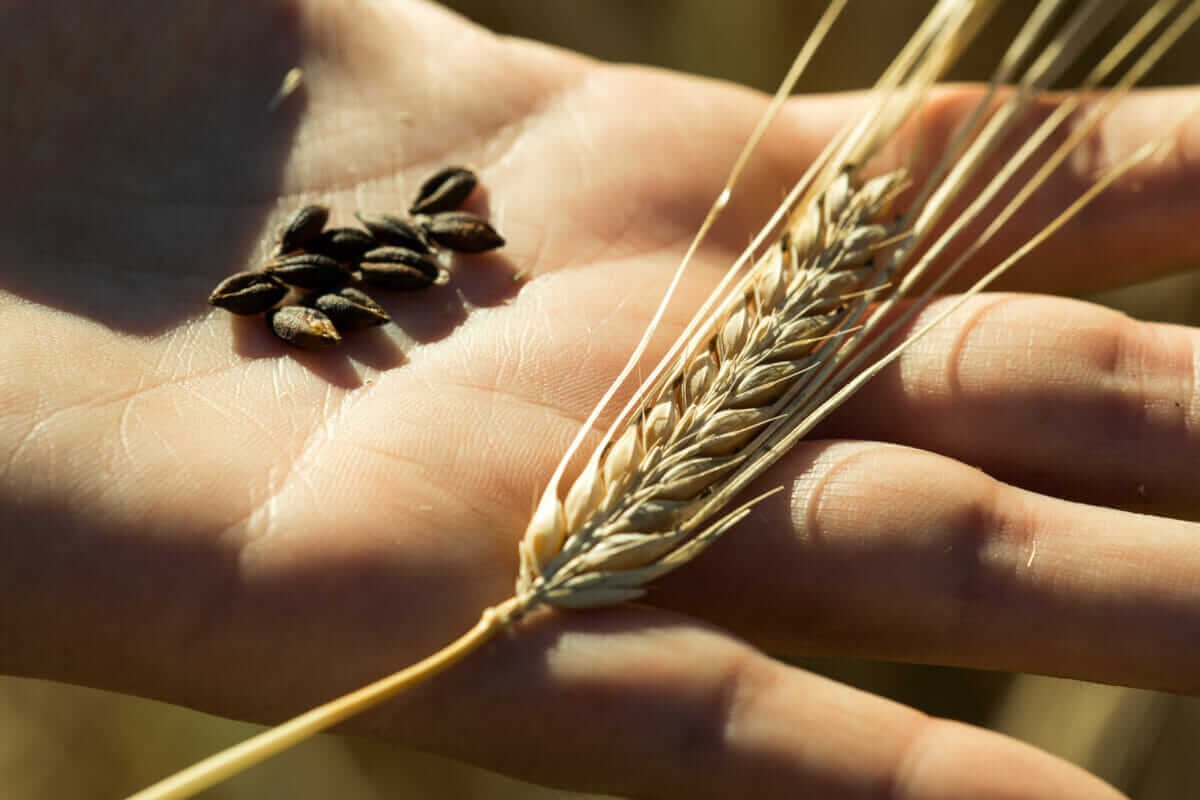
Barley has long been a central figure in the distilling world, earning its place as the primary grain in the production of some of the world’s most iconic spirits. Whether it’s Scotch whisky, Irish whiskey, or even certain craft beers, barley’s versatility and rich history in distilling are undeniable. But, as the global spirits industry evolves, it begs the question: Is barley still the gold standard for distillers, or has the grain been surpassed by other contenders?
In this article, we will explore barley’s role in the distilling industry, why it has been so highly regarded for centuries, and whether modern trends and innovations have led to the rise of alternative grains.
A History Rooted in Barley
Barley’s significance in distilling goes back thousands of years. It is one of the oldest cultivated grains, used for both food and fermentation purposes. Ancient civilizations, from Mesopotamia to Egypt, were among the first to realize barley’s potential in the brewing and distilling processes. However, it wasn’t until the Middle Ages that the grain gained widespread use in the production of spirits.
In Scotland, for instance, barley became synonymous with whisky production. Scotch whisky, by law, must be made from malted barley, and its flavor profile—earthy, slightly sweet, and malty—has been a hallmark of the spirit for centuries. Barley’s starch content, which can be easily converted into fermentable sugars during the malting process, is one of the key reasons it has remained so popular with distillers. This characteristic makes barley incredibly efficient for fermentation and, consequently, alcohol production.
Why Barley is a Distiller’s Favorite
Barley’s appeal to distillers lies in its unique properties, which make it ideally suited for fermentation. First, the grain’s high starch content ensures that enough fermentable sugars are available for the yeast during fermentation. This results in a more consistent and efficient fermentation process, producing spirits with the desired alcohol content.
Barley also provides a wide range of flavors when distilled, depending on the process used. For example, the rich, malty notes that come from barley are especially prized in whisky production, while its use in brewing imparts subtle nuances ranging from sweet to nutty, depending on the variety of barley and the specific brewing technique employed.

Another key reason barley remains dominant in distilling is its versatility. It can be malted, roasted, or even used as a whole grain, allowing distillers to tailor the final flavor of the spirit. Barley also interacts well with wood during aging, a vital process in whisky making, adding complexity and depth to the spirit over time.
The Role of Barley in Whisky and Beer Production
Barley’s contribution to whisky production is nothing short of legendary. In the production of Scotch whisky, for example, malted barley is often the only grain used, resulting in a smooth, complex spirit with rich malt-forward flavors. While other grains, like corn or rye, are sometimes blended into Scotch whisky, barley is the foundation. In other regions, such as the United States, barley plays an essential role in certain styles of bourbon and rye whiskey, where it often makes up a portion of the mash bill.
For distillers, barley’s fermentation profile makes it particularly desirable in whisky production. The grains’ ability to produce a robust and consistent fermentation has helped maintain its status as the “gold standard” in distilling. It ensures that the final product has the full-bodied flavors that are so closely associated with high-quality whisky.
Similarly, barley is a key ingredient in the world of craft beer. While hops get a lot of attention for their role in imparting flavor to beer, the choice of barley is just as significant. Barley is responsible for the beer’s body, mouthfeel, and maltiness. Different types of barley, such as two-row, six-row, and specialty malts, can provide varying flavors and sweetness, adding depth and complexity to beer. Craft brewers, in particular, often experiment with various malts to create distinctive flavors that appeal to diverse tastes.
Changing Trends and the Rise of Alternative Grains
However, the distilling industry is not static, and in recent years, there has been a growing interest in alternative grains. Rye, wheat, corn, and even quinoa have all been experimented with by innovative distillers, each offering their own set of unique flavors and characteristics.
Rye, for instance, has been gaining popularity in whisky production, particularly in the United States. Rye whiskey is known for its spiciness, peppery kick, and a slightly more aggressive flavor profile compared to the smoother, sweeter notes of barley-based whiskies. Rye is now being used by many craft distilleries to produce unique whiskies that differentiate themselves from traditional barley-based products.
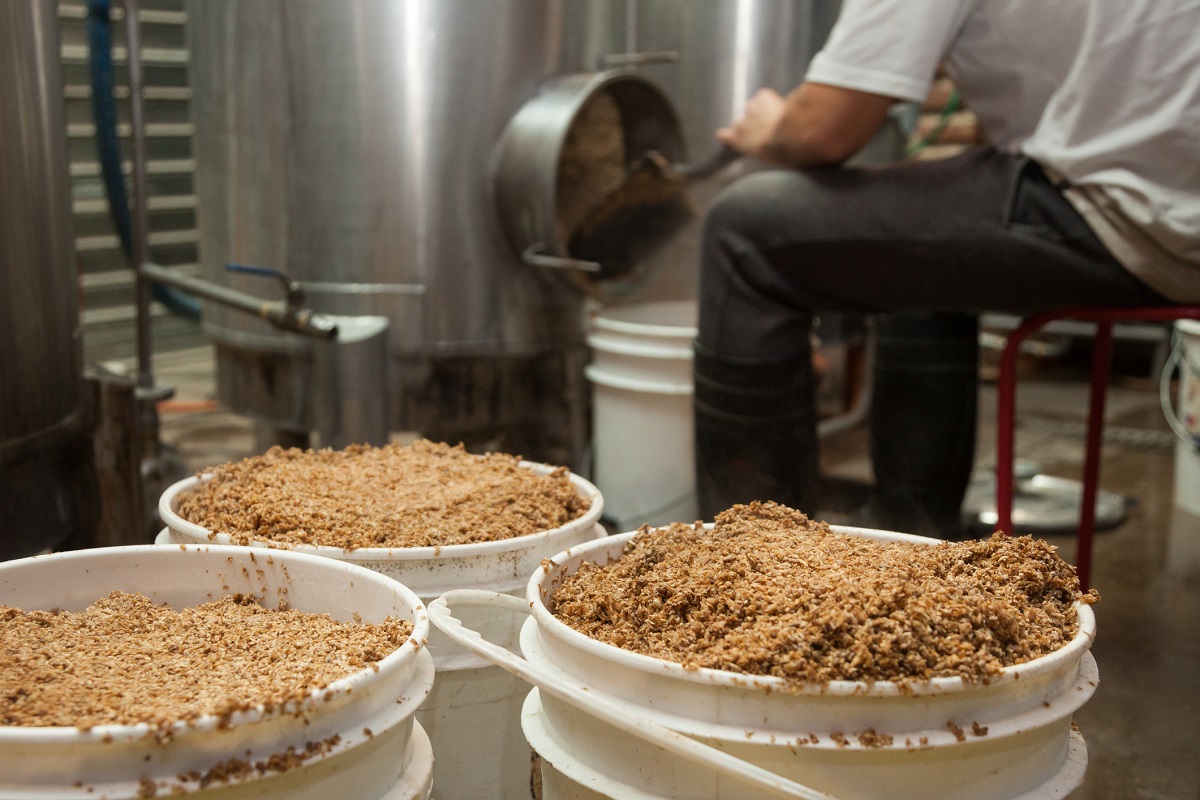
Corn, on the other hand, is the main grain used in bourbon production, particularly in the United States. While corn does not have the same rich malty flavor as barley, its high sugar content provides a sweetness that balances the oak and caramel notes in bourbon. Bourbon made primarily from corn tends to be smooth and slightly sweeter than Scotch or Irish whisky, which is typically malted barley-based.
Wheat-based whiskies are also on the rise. Known for their soft, smooth texture and delicate sweetness, wheat whiskies are becoming a popular alternative for those looking for a lighter, more approachable style of whisky. Wheat’s lower protein content compared to barley makes it easier to distill and can result in a lighter, cleaner final product.
While barley remains dominant in many traditional whisky-producing regions, these alternative grains are carving out their own niches. The global demand for diverse flavors and the desire for innovation have led to a reimagining of what whisky—and indeed spirits—can be.
Innovation and the Changing Palate of Consumers
Modern consumers are more adventurous than ever when it comes to alcohol, seeking out new and unique experiences. This shift has encouraged distillers to experiment with grains outside the traditional barley. As craft spirits and craft beer markets continue to thrive, there is an increasing emphasis on blending grains or exploring entirely new ingredients.
At the same time, sustainability is a growing concern. Distillers are looking for ways to reduce their environmental footprint, and alternative grains may offer a more sustainable solution. For example, quinoa and sorghum are gaining popularity as gluten-free options for distilling. These grains, which are less resource-intensive to grow, offer a sustainable alternative while adding distinctive flavors to the final product.
Additionally, grains like oats and spelt are becoming more common in the distilling process. Oats, in particular, are known for their creamy mouthfeel, which adds a luxurious texture to spirits. Spelt, an ancient grain, is prized for its nutty flavor and can contribute an earthy quality to whiskies and other spirits.
Is Barley Still King?
Barley’s place in the distilling world is undeniable, especially in whisky and beer production, where it has been the backbone of the industry for centuries. Its rich history, versatility, and ability to provide unique flavors make it a favorite among distillers. But the rise of alternative grains cannot be ignored. Rye, corn, wheat, and even quinoa are making their mark on the global spirits scene, offering distinct flavors and characteristics that are appealing to modern consumers.
In the end, barley may still be the gold standard for many distillers, but the increasing experimentation with other grains signifies that the world of distilling is evolving. Whether for reasons of flavor, sustainability, or consumer demand, distillers are embracing change, ensuring that the future of spirits is as diverse and exciting as its past.










