






























SipsavorLife
  • Home
  • Wine
    The History, Culture, and Global Influence of Humanity’s Most Celebrated Beverage

    The Wine Revolution: How Modern Winemaking Transformed a Global Industry

    The History, Culture, and Global Influence of Humanity’s Most Celebrated Beverage

    Wine Styles of the World: A Complete Guide to Red, White, Rosé, Sparkling, and Fortified Wines

    The History, Culture, and Global Influence of Humanity’s Most Celebrated Beverage

    The Global Wine Industry: Markets, Trade, Tourism, and Economic Impact

    The History, Culture, and Global Influence of Humanity’s Most Celebrated Beverage

    The Science of Wine: Grapes, Fermentation, and Flavor Development

    The History, Culture, and Global Influence of Humanity’s Most Celebrated Beverage

    The History, Culture, and Global Influence of Humanity’s Most Celebrated Beverage

    The Cultural History of Wine: From Ancient Rituals to Modern Luxury

    The Psychology of Wine: Why Humans Associate Wine with Emotion, Memory, and Identity

  • Whiskey
    Can Beer Be an Effective Ingredient in Culinary Cooking?

    Can Beer Be an Effective Ingredient in Culinary Cooking?

    Second Fermentation in Champagne: Is It Really That Crucial?

    Second Fermentation in Champagne: Is It Really That Crucial?

    How Do Different Grains Impact the Flavor Profile of Distilled Spirits?

    How Do Different Grains Impact the Flavor Profile of Distilled Spirits?

    How Do Whiskey Master Blenders Create Perfection?

    How Do Whiskey Master Blenders Create Perfection?

    Wine Pairings: Can They Change the Flavor Profile of a Dish?

    Wine Pairings: Can They Change the Flavor Profile of a Dish?

    Beer the Ultimate Beverage for Pairing with Spicy Food?

    Beer the Ultimate Beverage for Pairing with Spicy Food?

  • Beer
    Malt Beer: Why Does Its Sweet Malty Aroma Always Bring Endless Satisfaction?

    The Craft Beer Revolution: How Independent Breweries Changed the World of Beer

    Beer: The World’s Oldest and Most Influential Beverage

    Beer Styles of the World: A Complete Guide to Lager, Ale, Stout, IPA, and Beyond

    Beer: The World’s Oldest and Most Influential Beverage

    The Global Beer Industry: Markets, Brands, and Economic Impact

    Beer: The World’s Oldest and Most Influential Beverage

    The Science of Beer: Ingredients, Fermentation, and Flavor

    Beer: The World’s Oldest and Most Influential Beverage

    Beer: The World’s Oldest and Most Influential Beverage

    Beer as a Cultural and Social Force: From Ancient Brew to Modern Identity

    Women in Brewing: The Untold History and Modern Transformation of Beer Culture

  • Grain Spirits
    Grain Spirits: The Origins, Science, and Global Evolution of Distilled Grain Alcohol

    Bourbon: America’s Native Grain Spirit and the Global Story of Corn, Oak, Fire, and Time

    Grain Spirits: The Origins, Science, and Global Evolution of Distilled Grain Alcohol

    Gin: Botanicals, History, Cocktail Culture, and the Artistic Evolution of the World’s Most Aromatic Grain Spirit

    Grain Spirits: The Origins, Science, and Global Evolution of Distilled Grain Alcohol

    Vodka: The Global Rise of the World’s Most Versatile Grain Spirit

    Grain Spirits: The Origins, Science, and Global Evolution of Distilled Grain Alcohol

    Whiskey and the Soul of Grain Spirits: History, Craftsmanship, Culture, and the Global Rise of the World’s Most Iconic Distilled Grain Beverage

    Grain Spirits: The Origins, Science, and Global Evolution of Distilled Grain Alcohol

    Grain Spirits: The Origins, Science, and Global Evolution of Distilled Grain Alcohol

    Grain Spirits Explained — The Foundation of Global Distillation

    The Future of Grain Spirits — Technology, Sustainability, and the Next Era of Distillation

  • Champagne
    Champagne: The Sparkling Wine That Changed Global Celebration Culture

    Dom Pérignon, Cristal, Krug, and Beyond: The World’s Most Famous Champagne Houses and Their Legacy

    Champagne Beyond Celebration: The History, Craftsmanship, and Global Influence of the World’s Most Iconic Sparkling Wine

    The Future of Champagne: Climate Change, Innovation, Sustainability, and the Next Era of Sparkling Wine

    Champagne Beyond Celebration: The History, Craftsmanship, and Global Influence of the World’s Most Iconic Sparkling Wine

    Champagne and Luxury Culture: How Sparkling Wine Became a Global Symbol of Wealth, Celebration, and Prestige

    Champagne Beyond Celebration: The History, Craftsmanship, and Global Influence of the World’s Most Iconic Sparkling Wine

    The Art of Champagne Production: Inside the Science, Skill, and Tradition Behind Every Bottle

    Champagne Beyond Celebration: The History, Craftsmanship, and Global Influence of the World’s Most Iconic Sparkling Wine

    Champagne Beyond Celebration: The History, Craftsmanship, and Global Influence of the World’s Most Iconic Sparkling Wine

    Champagne: The Sparkling Wine That Changed Global Celebration Culture

    Champagne vs Prosecco vs Cava: How the World’s Sparkling Wines Reflect Culture, Geography, and Taste

  • ALL
    Can Beer Be an Effective Ingredient in Culinary Cooking?

    Can Beer Be an Effective Ingredient in Culinary Cooking?

    Second Fermentation in Champagne: Is It Really That Crucial?

    Second Fermentation in Champagne: Is It Really That Crucial?

    How Do Different Grains Impact the Flavor Profile of Distilled Spirits?

    How Do Different Grains Impact the Flavor Profile of Distilled Spirits?

    How Do Whiskey Master Blenders Create Perfection?

    How Do Whiskey Master Blenders Create Perfection?

    Wine Pairings: Can They Change the Flavor Profile of a Dish?

    Wine Pairings: Can They Change the Flavor Profile of a Dish?

    Beer the Ultimate Beverage for Pairing with Spicy Food?

    Beer the Ultimate Beverage for Pairing with Spicy Food?

SipsavorLife
  • Home
  • Wine
    The History, Culture, and Global Influence of Humanity’s Most Celebrated Beverage

    The Wine Revolution: How Modern Winemaking Transformed a Global Industry

    The History, Culture, and Global Influence of Humanity’s Most Celebrated Beverage

    Wine Styles of the World: A Complete Guide to Red, White, Rosé, Sparkling, and Fortified Wines

    The History, Culture, and Global Influence of Humanity’s Most Celebrated Beverage

    The Global Wine Industry: Markets, Trade, Tourism, and Economic Impact

    The History, Culture, and Global Influence of Humanity’s Most Celebrated Beverage

    The Science of Wine: Grapes, Fermentation, and Flavor Development

    The History, Culture, and Global Influence of Humanity’s Most Celebrated Beverage

    The History, Culture, and Global Influence of Humanity’s Most Celebrated Beverage

    The Cultural History of Wine: From Ancient Rituals to Modern Luxury

    The Psychology of Wine: Why Humans Associate Wine with Emotion, Memory, and Identity

  • Whiskey
    Can Beer Be an Effective Ingredient in Culinary Cooking?

    Can Beer Be an Effective Ingredient in Culinary Cooking?

    Second Fermentation in Champagne: Is It Really That Crucial?

    Second Fermentation in Champagne: Is It Really That Crucial?

    How Do Different Grains Impact the Flavor Profile of Distilled Spirits?

    How Do Different Grains Impact the Flavor Profile of Distilled Spirits?

    How Do Whiskey Master Blenders Create Perfection?

    How Do Whiskey Master Blenders Create Perfection?

    Wine Pairings: Can They Change the Flavor Profile of a Dish?

    Wine Pairings: Can They Change the Flavor Profile of a Dish?

    Beer the Ultimate Beverage for Pairing with Spicy Food?

    Beer the Ultimate Beverage for Pairing with Spicy Food?

  • Beer
    Malt Beer: Why Does Its Sweet Malty Aroma Always Bring Endless Satisfaction?

    The Craft Beer Revolution: How Independent Breweries Changed the World of Beer

    Beer: The World’s Oldest and Most Influential Beverage

    Beer Styles of the World: A Complete Guide to Lager, Ale, Stout, IPA, and Beyond

    Beer: The World’s Oldest and Most Influential Beverage

    The Global Beer Industry: Markets, Brands, and Economic Impact

    Beer: The World’s Oldest and Most Influential Beverage

    The Science of Beer: Ingredients, Fermentation, and Flavor

    Beer: The World’s Oldest and Most Influential Beverage

    Beer: The World’s Oldest and Most Influential Beverage

    Beer as a Cultural and Social Force: From Ancient Brew to Modern Identity

    Women in Brewing: The Untold History and Modern Transformation of Beer Culture

  • Grain Spirits
    Grain Spirits: The Origins, Science, and Global Evolution of Distilled Grain Alcohol

    Bourbon: America’s Native Grain Spirit and the Global Story of Corn, Oak, Fire, and Time

    Grain Spirits: The Origins, Science, and Global Evolution of Distilled Grain Alcohol

    Gin: Botanicals, History, Cocktail Culture, and the Artistic Evolution of the World’s Most Aromatic Grain Spirit

    Grain Spirits: The Origins, Science, and Global Evolution of Distilled Grain Alcohol

    Vodka: The Global Rise of the World’s Most Versatile Grain Spirit

    Grain Spirits: The Origins, Science, and Global Evolution of Distilled Grain Alcohol

    Whiskey and the Soul of Grain Spirits: History, Craftsmanship, Culture, and the Global Rise of the World’s Most Iconic Distilled Grain Beverage

    Grain Spirits: The Origins, Science, and Global Evolution of Distilled Grain Alcohol

    Grain Spirits: The Origins, Science, and Global Evolution of Distilled Grain Alcohol

    Grain Spirits Explained — The Foundation of Global Distillation

    The Future of Grain Spirits — Technology, Sustainability, and the Next Era of Distillation

  • Champagne
    Champagne: The Sparkling Wine That Changed Global Celebration Culture

    Dom Pérignon, Cristal, Krug, and Beyond: The World’s Most Famous Champagne Houses and Their Legacy

    Champagne Beyond Celebration: The History, Craftsmanship, and Global Influence of the World’s Most Iconic Sparkling Wine

    The Future of Champagne: Climate Change, Innovation, Sustainability, and the Next Era of Sparkling Wine

    Champagne Beyond Celebration: The History, Craftsmanship, and Global Influence of the World’s Most Iconic Sparkling Wine

    Champagne and Luxury Culture: How Sparkling Wine Became a Global Symbol of Wealth, Celebration, and Prestige

    Champagne Beyond Celebration: The History, Craftsmanship, and Global Influence of the World’s Most Iconic Sparkling Wine

    The Art of Champagne Production: Inside the Science, Skill, and Tradition Behind Every Bottle

    Champagne Beyond Celebration: The History, Craftsmanship, and Global Influence of the World’s Most Iconic Sparkling Wine

    Champagne Beyond Celebration: The History, Craftsmanship, and Global Influence of the World’s Most Iconic Sparkling Wine

    Champagne: The Sparkling Wine That Changed Global Celebration Culture

    Champagne vs Prosecco vs Cava: How the World’s Sparkling Wines Reflect Culture, Geography, and Taste

  • ALL
    Can Beer Be an Effective Ingredient in Culinary Cooking?

    Can Beer Be an Effective Ingredient in Culinary Cooking?

    Second Fermentation in Champagne: Is It Really That Crucial?

    Second Fermentation in Champagne: Is It Really That Crucial?

    How Do Different Grains Impact the Flavor Profile of Distilled Spirits?

    How Do Different Grains Impact the Flavor Profile of Distilled Spirits?

    How Do Whiskey Master Blenders Create Perfection?

    How Do Whiskey Master Blenders Create Perfection?

    Wine Pairings: Can They Change the Flavor Profile of a Dish?

    Wine Pairings: Can They Change the Flavor Profile of a Dish?

    Beer the Ultimate Beverage for Pairing with Spicy Food?

    Beer the Ultimate Beverage for Pairing with Spicy Food?

SipsavorLife
No Result
View All Result
Home ALL

Why Do Some Grains Ferment Better Than Others?

January 8, 2026
in ALL, Grain Spirits
Why Do Some Grains Ferment Better Than Others?

Fermentation is one of humanity’s oldest and most fascinating processes, transforming humble ingredients into delicious food and drink. Among the key players in fermentation are grains—an essential component of many products ranging from beer to whiskey. However, not all grains are created equal when it comes to fermentation. Some grains seem to ferment with ease, yielding crisp, flavorful, and complex products, while others might struggle, producing lackluster results. The reason behind this difference lies in the grain’s chemical composition, its starch structure, and the unique environmental factors that affect its fermentation process. In this article, we will explore why some grains ferment better than others, focusing on their biological and chemical properties, the role of yeast, and the fascinating world of fermentation science.

The Role of Starch in Fermentation

The primary component of any grain is starch, a complex carbohydrate made up of glucose molecules. During fermentation, microorganisms like yeast break down starches into simpler sugars, which they then convert into alcohol and carbon dioxide. The type and structure of starch present in the grain play a pivotal role in determining how efficiently fermentation takes place.

Grains such as barley, rye, and wheat are commonly used in brewing and distilling because of the way their starches are structured. Barley, for example, contains a high level of fermentable sugars, making it an ideal grain for brewing beer and producing whiskey. The unique enzymes present in barley help convert its starch into fermentable sugars, a process that is essential for fermentation.

On the other hand, grains like corn and rice, which are more commonly used in the production of bourbon and sake, have starches that are more resistant to enzymatic breakdown. As a result, these grains require special treatment, such as malting or cooking, to make their starches more accessible to yeast. In fact, many grains that are not naturally suited for fermentation often undergo a malting process—soaking them in water to activate enzymes and kickstart the conversion of starches to sugars.

The Enzymatic Factors
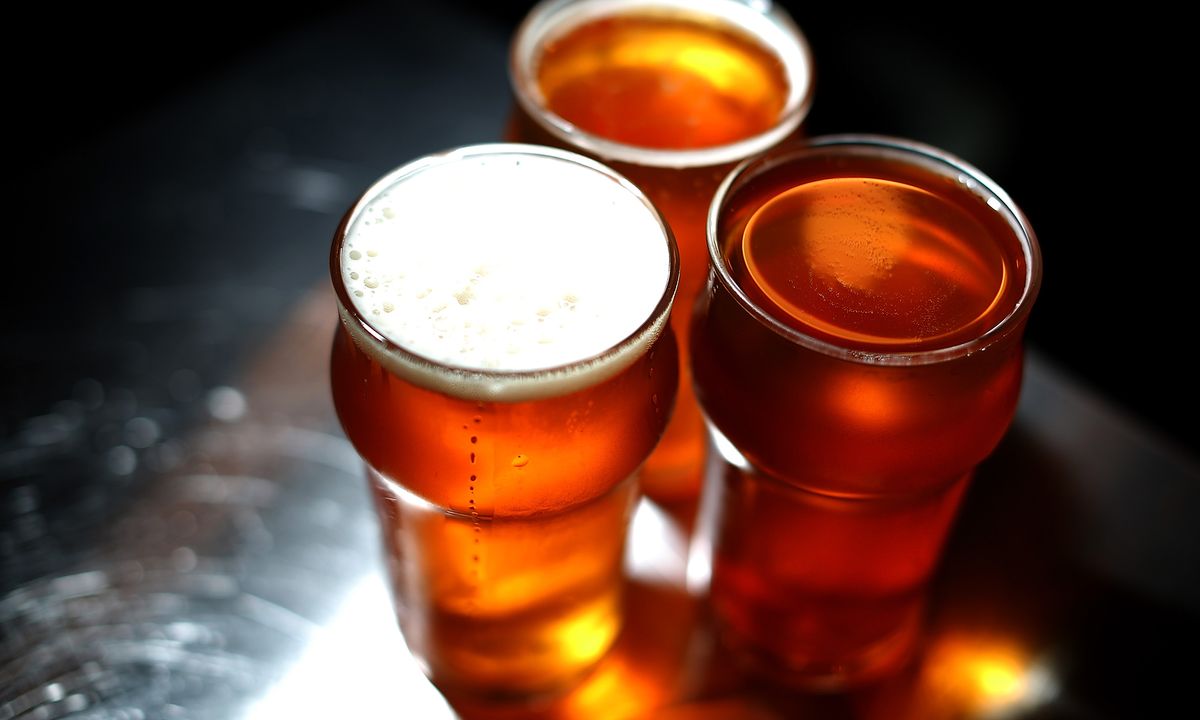
What's in Beer - How Beer Works | HowStuffWorks

The efficiency of fermentation is also closely tied to the enzymes present in the grain. Enzymes are proteins that act as catalysts, speeding up chemical reactions. In the case of fermentation, enzymes are crucial for breaking down starches into fermentable sugars. The two main enzymes involved in this process are amylases and glucosidases.

Barley, the most widely used grain for fermentation, naturally contains high levels of amylase enzymes. This makes it particularly efficient in converting starch into sugar. As the grain is malted, these enzymes become even more active, ensuring a rapid breakdown of starches during the fermentation process. In contrast, corn, rice, and other grains often lack sufficient amylases to fully break down their starches without additional processing.

Fermentation and the Grain’s Protein Content

Another factor that affects the fermentation process is the protein content of the grain. Proteins are responsible for a variety of functions in fermentation, from aiding the formation of the wort (the liquid extracted from the grain during mashing) to contributing to the final flavor profile of the product.

Some grains have higher levels of protein than others, which can affect the fermentation process in several ways. For instance, grains like wheat and barley are rich in proteins, and these proteins are essential in beer brewing, as they help create the characteristic body and mouthfeel of the drink. However, high-protein grains can sometimes lead to issues like haziness or poor filtration, which might impact the quality of the final product.

Grains with lower protein content, such as rice, are typically more neutral in flavor and yield a cleaner, lighter product. This is why rice is commonly used in the production of lighter beers, such as pilsners, or in the production of vodka, where a neutral spirit is desired.

Yeast: The Key to Transformation

While the grain plays a significant role in fermentation, yeast is the true hero behind the scenes. Yeast are microscopic fungi that feed on sugars to produce alcohol and carbon dioxide. The fermentation process depends on the interaction between the grain’s sugars and the yeast’s ability to convert them into alcohol.

Different strains of yeast have varying fermentation abilities, which can influence the final product. Some yeast strains work best with certain grains due to the type of sugars present in the grain. For example, ale yeast strains are particularly suited for barley and wheat, as they thrive in the warm temperatures and sugar-rich environments that these grains provide. Meanwhile, certain yeast strains used in whiskey production might be better suited to the fermentation of grains like corn, where simpler sugars are more readily available.

Grain Variety: Wheat vs. Barley vs. Rye vs. Corn

Each grain has unique properties that affect its fermentation efficiency. Let’s take a closer look at how some of the most commonly used grains perform during fermentation:

Angel Yeast creates JV to acquire maker of yeast, yeast extracts |  2021-08-26 | World Grain
  1. Barley: The undisputed champion of fermentation. Barley is widely used in the production of beer, whiskey, and malted beverages. Its high enzyme activity, combined with a favorable starch-to-sugar conversion rate, makes it an ideal choice for fermentation. Barley’s ability to create a rich, complex malt flavor is why it is the foundation of many iconic beverages, such as Scotch whisky and stout beer.
  2. Wheat: Wheat is another popular grain in fermentation, known for its ability to produce soft, bready, and slightly sweet flavors. Wheat is often used in the brewing of wheat beers, such as Hefeweizen, and in the production of certain whiskeys. However, wheat is more challenging to malt than barley, which can lead to a slightly slower fermentation process. Nevertheless, when properly processed, wheat can yield a smooth, flavorful final product.
  3. Rye: Rye is a robust grain with a spicy, peppery flavor profile, often used in the production of rye whiskey and some styles of beer. Rye’s starches are more difficult to break down than those of barley, which can make fermentation slower and less efficient. Rye’s complex flavors, however, are highly valued by many distillers and brewers, particularly in rye whiskey.
  4. Corn: Corn is a staple in bourbon and other American whiskies. It contains large amounts of starch but lacks the same enzymatic activity as barley, so corn requires additional steps like cooking and enzyme addition to facilitate fermentation. Once the starches are broken down, however, corn produces a clean, mild, and slightly sweet flavor that is characteristic of bourbon.
  5. Rice: Rice is commonly used in the production of sake and certain light beers. It is a low-protein, low-fat grain, making it an ideal choice for producing a light, crisp flavor. Like corn, rice needs to be steamed or treated to activate its starch before fermentation can begin. Due to its relatively neutral flavor, rice-based beverages tend to have a clean, delicate taste.

The Fermentation Environment

Beyond the grain itself, the fermentation environment also plays a crucial role in determining how well a grain will ferment. Temperature, humidity, and the presence of other microorganisms all impact the fermentation process. Yeast, for instance, has an optimal temperature range in which it operates most efficiently. If the temperature is too high or too low, fermentation can slow down or stop altogether.

Moreover, the pH of the fermentation environment can affect the activity of both yeast and enzymes. A slightly acidic pH is typically preferred by yeast, which is why many fermenting grains benefit from a slight acidification process.

Conclusion

In the world of fermentation, the grain is an essential player, but it is far from the only factor that determines the success of the process. The interaction between the grain’s starches, proteins, enzymes, and the yeast strains used for fermentation, coupled with environmental factors, all work together to create the final product. Grains like barley, wheat, and rye excel in fermentation due to their favorable starch structure, high enzyme activity, and compatible yeast strains. On the other hand, grains like corn and rice, while still usable in fermentation, require additional processing to make their starches accessible to yeast. The art of fermentation is complex, and understanding why some grains ferment better than others can lead to better-tasting, more consistent products.


Tags: fermentationgrain spiritswhiskey productionyeast
ShareTweetShare

Related Posts

Grain Spirits: The Origins, Science, and Global Evolution of Distilled Grain Alcohol
Grain Spirits

Bourbon: America’s Native Grain Spirit and the Global Story of Corn, Oak, Fire, and Time

May 27, 2026
Grain Spirits: The Origins, Science, and Global Evolution of Distilled Grain Alcohol
Grain Spirits

Gin: Botanicals, History, Cocktail Culture, and the Artistic Evolution of the World’s Most Aromatic Grain Spirit

May 27, 2026
Grain Spirits: The Origins, Science, and Global Evolution of Distilled Grain Alcohol
Grain Spirits

Vodka: The Global Rise of the World’s Most Versatile Grain Spirit

May 27, 2026
Grain Spirits: The Origins, Science, and Global Evolution of Distilled Grain Alcohol
Grain Spirits

Whiskey and the Soul of Grain Spirits: History, Craftsmanship, Culture, and the Global Rise of the World’s Most Iconic Distilled Grain Beverage

May 27, 2026
Grain Spirits: The Origins, Science, and Global Evolution of Distilled Grain Alcohol
Grain Spirits

Grain Spirits: The Origins, Science, and Global Evolution of Distilled Grain Alcohol

May 27, 2026
Grain Spirits Explained — The Foundation of Global Distillation
Grain Spirits

The Future of Grain Spirits — Technology, Sustainability, and the Next Era of Distillation

April 25, 2026
Leave Comment
  • Trending
  • Comments
  • Latest
Role of Terroir in Champagne Production

Role of Terroir in Champagne Production

January 19, 2026
Champagne Can Be Aged in Wood?

Champagne Can Be Aged in Wood?

January 18, 2026
Is Organic Wine Healthier Than Conventional Wine?

Is Organic Wine Healthier Than Conventional Wine?

January 20, 2026
Why Do Some Champagnes Use a High Proportion of Pinot Meunier?

Why Do Some Champagnes Use a High Proportion of Pinot Meunier?

January 20, 2026
The Timeless Elegance of Wine: A Journey Through History and Culture

The Timeless Elegance of Wine: A Journey Through History and Culture

Why Is Château Lafite Rothschild the Pinnacle of Fine Wine?

Why Is Château Lafite Rothschild the Pinnacle of Fine Wine?

How Did Château Lafite Rothschild Become a Global Icon of Luxury?

How Did Château Lafite Rothschild Become a Global Icon of Luxury?

What Makes Chateau Lafite Rothschild the Pinnacle of Bordeaux Wines?

What Makes Chateau Lafite Rothschild the Pinnacle of Bordeaux Wines?

The History, Culture, and Global Influence of Humanity’s Most Celebrated Beverage

The Wine Revolution: How Modern Winemaking Transformed a Global Industry

June 3, 2026
The History, Culture, and Global Influence of Humanity’s Most Celebrated Beverage

Wine Styles of the World: A Complete Guide to Red, White, Rosé, Sparkling, and Fortified Wines

June 3, 2026
The History, Culture, and Global Influence of Humanity’s Most Celebrated Beverage

The Global Wine Industry: Markets, Trade, Tourism, and Economic Impact

June 3, 2026
The History, Culture, and Global Influence of Humanity’s Most Celebrated Beverage

The Science of Wine: Grapes, Fermentation, and Flavor Development

June 3, 2026
SipsavorLife

Welcome to our comprehensive beverage guide, where you can explore the fascinating world of alcoholic drinks. From exquisite wines and rich whiskeys to refreshing beers and sparkling champagnes, we provide insights, tips, and recommendations for enthusiasts and casual drinkers alike. Discover your next favorite libation with us!

© 2025 sipsavorlife.com. contacts:sipsavorlife-35376@gmail.com

No Result
View All Result
  • Home
  • Wine
  • Whiskey
  • Beer
  • Grain Spirits
  • Champagne
  • ALL

© 2025 sipsavorlife.com. contacts:sipsavorlife-35376@gmail.com

Welcome Back!

Login to your account below

Forgotten Password?

Retrieve your password

Please enter your username or email address to reset your password.

Log In





