SipsavorLife
  • Home
  • Wine
    Wine Pairings: Can They Change the Flavor Profile of a Dish?

    Wine Pairings: Can They Change the Flavor Profile of a Dish?

    How Do Wine Glasses Influence the Tasting Experience?

    How Do Wine Glasses Influence the Tasting Experience?

    Is Organic Wine Healthier Than Conventional Wine?

    Is Organic Wine Healthier Than Conventional Wine?

    Why Do Some Wines Taste Better from Specific Vintages?

    Why Do Some Wines Taste Better from Specific Vintages?

    Wine Tasting: Can It Truly Be an Art Form?

    Wine Tasting: Can It Truly Be an Art Form?

    What Does Terroir Actually Mean for Your Wine?

    What Does Terroir Actually Mean for Your Wine?

  • Whiskey
    Can Beer Be an Effective Ingredient in Culinary Cooking?

    Can Beer Be an Effective Ingredient in Culinary Cooking?

    Second Fermentation in Champagne: Is It Really That Crucial?

    Second Fermentation in Champagne: Is It Really That Crucial?

    How Do Different Grains Impact the Flavor Profile of Distilled Spirits?

    How Do Different Grains Impact the Flavor Profile of Distilled Spirits?

    How Do Whiskey Master Blenders Create Perfection?

    How Do Whiskey Master Blenders Create Perfection?

    Wine Pairings: Can They Change the Flavor Profile of a Dish?

    Wine Pairings: Can They Change the Flavor Profile of a Dish?

    Beer the Ultimate Beverage for Pairing with Spicy Food?

    Beer the Ultimate Beverage for Pairing with Spicy Food?

  • Beer
    Can Beer Be an Effective Ingredient in Culinary Cooking?

    Can Beer Be an Effective Ingredient in Culinary Cooking?

    Beer the Ultimate Beverage for Pairing with Spicy Food?

    Beer the Ultimate Beverage for Pairing with Spicy Food?

    How Did Ancient Civilizations Brew Beer Without Modern Technology?

    How Did Ancient Civilizations Brew Beer Without Modern Technology?

    Is It Possible to Brew a Beer with No Alcohol and No Compromise on Taste?

    Is It Possible to Brew a Beer with No Alcohol and No Compromise on Taste?

    Why Does Beer Taste Different at High Altitudes?

    Why Does Beer Taste Different at High Altitudes?

    Is Hops the Secret Ingredient Behind Beer’s Bold Flavor?

    Is Hops the Secret Ingredient Behind Beer’s Bold Flavor?

  • Grain Spirits
    How Do Different Grains Impact the Flavor Profile of Distilled Spirits?

    How Do Different Grains Impact the Flavor Profile of Distilled Spirits?

    Grain Spirits the Unsung Heroes of Modern Mixology

    Grain Spirits the Unsung Heroes of Modern Mixology

    What Makes Grain-Based Whiskey So Different from Its Peated Cousins?

    What Makes Grain-Based Whiskey So Different from Its Peated Cousins?

    Grain Spirits: Could They Be the Next Big Trend in Craft Cocktails?

    Grain Spirits: Could They Be the Next Big Trend in Craft Cocktails?

    Why Are Grain Spirits Often Overlooked in the World of Fine Liquor?

    Why Are Grain Spirits Often Overlooked in the World of Fine Liquor?

    Is There a Secret Art to Distilling Grain Spirits?

    Is There a Secret Art to Distilling Grain Spirits?

  • Champagne
    Second Fermentation in Champagne: Is It Really That Crucial?

    Second Fermentation in Champagne: Is It Really That Crucial?

    The Science Behind the ‘Bubble Size’ in Champagne

    The Science Behind the ‘Bubble Size’ in Champagne

    Why Do Some Champagnes Use a High Proportion of Pinot Meunier?

    Why Do Some Champagnes Use a High Proportion of Pinot Meunier?

    Role of Terroir in Champagne Production

    Role of Terroir in Champagne Production

    Champagne Can Be Aged in Wood?

    Champagne Can Be Aged in Wood?

    Is There a Difference Between Blanc de Blancs and Blanc de Noirs Champagne?

    Is There a Difference Between Blanc de Blancs and Blanc de Noirs Champagne?

  • ALL
    Can Beer Be an Effective Ingredient in Culinary Cooking?

    Can Beer Be an Effective Ingredient in Culinary Cooking?

    Second Fermentation in Champagne: Is It Really That Crucial?

    Second Fermentation in Champagne: Is It Really That Crucial?

    How Do Different Grains Impact the Flavor Profile of Distilled Spirits?

    How Do Different Grains Impact the Flavor Profile of Distilled Spirits?

    How Do Whiskey Master Blenders Create Perfection?

    How Do Whiskey Master Blenders Create Perfection?

    Wine Pairings: Can They Change the Flavor Profile of a Dish?

    Wine Pairings: Can They Change the Flavor Profile of a Dish?

    Beer the Ultimate Beverage for Pairing with Spicy Food?

    Beer the Ultimate Beverage for Pairing with Spicy Food?

SipsavorLife
  • Home
  • Wine
    Wine Pairings: Can They Change the Flavor Profile of a Dish?

    Wine Pairings: Can They Change the Flavor Profile of a Dish?

    How Do Wine Glasses Influence the Tasting Experience?

    How Do Wine Glasses Influence the Tasting Experience?

    Is Organic Wine Healthier Than Conventional Wine?

    Is Organic Wine Healthier Than Conventional Wine?

    Why Do Some Wines Taste Better from Specific Vintages?

    Why Do Some Wines Taste Better from Specific Vintages?

    Wine Tasting: Can It Truly Be an Art Form?

    Wine Tasting: Can It Truly Be an Art Form?

    What Does Terroir Actually Mean for Your Wine?

    What Does Terroir Actually Mean for Your Wine?

  • Whiskey
    Can Beer Be an Effective Ingredient in Culinary Cooking?

    Can Beer Be an Effective Ingredient in Culinary Cooking?

    Second Fermentation in Champagne: Is It Really That Crucial?

    Second Fermentation in Champagne: Is It Really That Crucial?

    How Do Different Grains Impact the Flavor Profile of Distilled Spirits?

    How Do Different Grains Impact the Flavor Profile of Distilled Spirits?

    How Do Whiskey Master Blenders Create Perfection?

    How Do Whiskey Master Blenders Create Perfection?

    Wine Pairings: Can They Change the Flavor Profile of a Dish?

    Wine Pairings: Can They Change the Flavor Profile of a Dish?

    Beer the Ultimate Beverage for Pairing with Spicy Food?

    Beer the Ultimate Beverage for Pairing with Spicy Food?

  • Beer
    Can Beer Be an Effective Ingredient in Culinary Cooking?

    Can Beer Be an Effective Ingredient in Culinary Cooking?

    Beer the Ultimate Beverage for Pairing with Spicy Food?

    Beer the Ultimate Beverage for Pairing with Spicy Food?

    How Did Ancient Civilizations Brew Beer Without Modern Technology?

    How Did Ancient Civilizations Brew Beer Without Modern Technology?

    Is It Possible to Brew a Beer with No Alcohol and No Compromise on Taste?

    Is It Possible to Brew a Beer with No Alcohol and No Compromise on Taste?

    Why Does Beer Taste Different at High Altitudes?

    Why Does Beer Taste Different at High Altitudes?

    Is Hops the Secret Ingredient Behind Beer’s Bold Flavor?

    Is Hops the Secret Ingredient Behind Beer’s Bold Flavor?

  • Grain Spirits
    How Do Different Grains Impact the Flavor Profile of Distilled Spirits?

    How Do Different Grains Impact the Flavor Profile of Distilled Spirits?

    Grain Spirits the Unsung Heroes of Modern Mixology

    Grain Spirits the Unsung Heroes of Modern Mixology

    What Makes Grain-Based Whiskey So Different from Its Peated Cousins?

    What Makes Grain-Based Whiskey So Different from Its Peated Cousins?

    Grain Spirits: Could They Be the Next Big Trend in Craft Cocktails?

    Grain Spirits: Could They Be the Next Big Trend in Craft Cocktails?

    Why Are Grain Spirits Often Overlooked in the World of Fine Liquor?

    Why Are Grain Spirits Often Overlooked in the World of Fine Liquor?

    Is There a Secret Art to Distilling Grain Spirits?

    Is There a Secret Art to Distilling Grain Spirits?

  • Champagne
    Second Fermentation in Champagne: Is It Really That Crucial?

    Second Fermentation in Champagne: Is It Really That Crucial?

    The Science Behind the ‘Bubble Size’ in Champagne

    The Science Behind the ‘Bubble Size’ in Champagne

    Why Do Some Champagnes Use a High Proportion of Pinot Meunier?

    Why Do Some Champagnes Use a High Proportion of Pinot Meunier?

    Role of Terroir in Champagne Production

    Role of Terroir in Champagne Production

    Champagne Can Be Aged in Wood?

    Champagne Can Be Aged in Wood?

    Is There a Difference Between Blanc de Blancs and Blanc de Noirs Champagne?

    Is There a Difference Between Blanc de Blancs and Blanc de Noirs Champagne?

  • ALL
    Can Beer Be an Effective Ingredient in Culinary Cooking?

    Can Beer Be an Effective Ingredient in Culinary Cooking?

    Second Fermentation in Champagne: Is It Really That Crucial?

    Second Fermentation in Champagne: Is It Really That Crucial?

    How Do Different Grains Impact the Flavor Profile of Distilled Spirits?

    How Do Different Grains Impact the Flavor Profile of Distilled Spirits?

    How Do Whiskey Master Blenders Create Perfection?

    How Do Whiskey Master Blenders Create Perfection?

    Wine Pairings: Can They Change the Flavor Profile of a Dish?

    Wine Pairings: Can They Change the Flavor Profile of a Dish?

    Beer the Ultimate Beverage for Pairing with Spicy Food?

    Beer the Ultimate Beverage for Pairing with Spicy Food?

SipsavorLife
No Result
View All Result
Home ALL

Does a Barrel’s Past Life Shape a Whiskey’s Future?

January 8, 2026
in ALL, Whiskey
Does a Barrel’s Past Life Shape a Whiskey’s Future?

Whiskey, often regarded as the spirit of complexity, sophistication, and tradition, carries within it the essence of time and place. One of the most critical factors in determining the quality, character, and uniqueness of whiskey is its barrel. But does the barrel’s past life—its prior use—shape the future of the whiskey inside? The answer, quite simply, is yes. The barrel’s history plays a crucial role in defining the whiskey’s eventual profile. This article delves into the fascinating process by which the past life of a barrel influences the maturation and flavor development of whiskey, exploring how the cask’s previous contents, wood type, and even its age can alter the trajectory of the spirit within.

1. The Barrel: More Than Just a Vessel

When we think of whiskey, the first image that often comes to mind is a bottle with a rich, amber liquid inside. But the whiskey journey begins long before it reaches that final bottle. In fact, the barrel plays a pivotal role in this odyssey. Whiskey doesn’t just passively sit inside a barrel—it actively interacts with the wood, pulling in flavors, colors, and aromas as it matures over time. The barrel is the vessel where the transformation happens.

Traditionally, whiskey barrels are made from oak due to the wood’s porous nature, which allows the spirit to breathe, interact with the air, and soak in the flavors of the wood. This exchange is critical to the maturation process. But what about the barrel’s past life? Did it once hold sherry, bourbon, or wine? These previous occupants leave behind traces—flavors and nuances—that are absorbed by the whiskey in its time spent aging.

2. The Legacy of Previous Contents

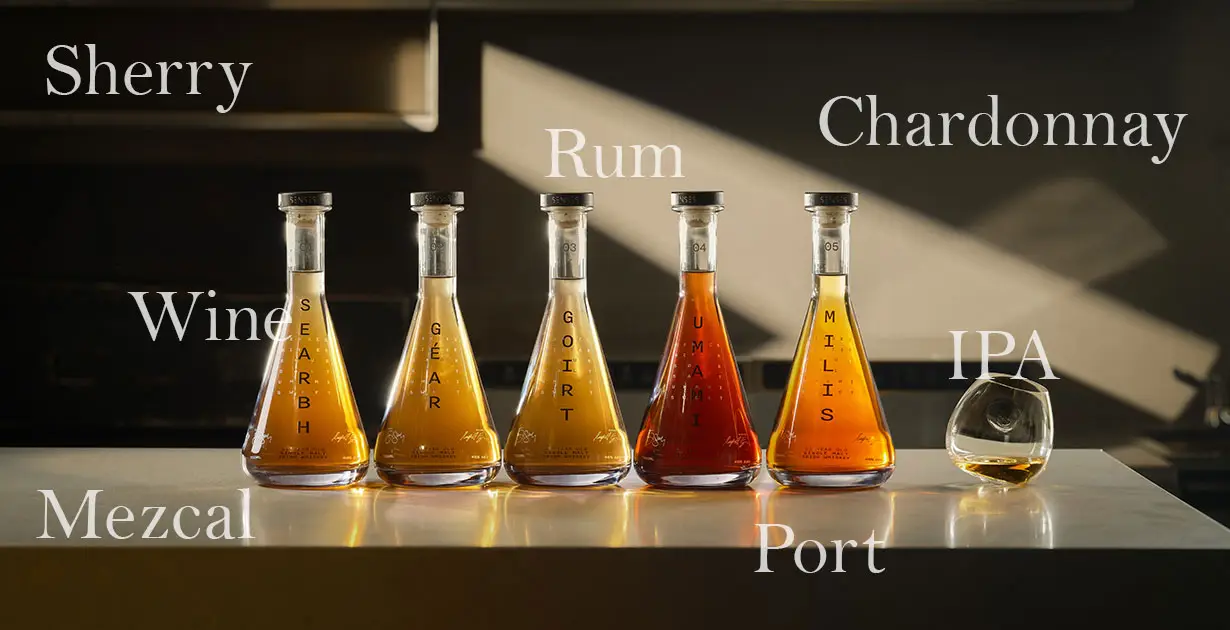
The most common and well-known example of a barrel’s past affecting whiskey is the practice of “cask finishing.” Whiskey makers often choose to finish their whiskey in barrels that have previously held other liquids—sherry, port, wine, rum, or even brandy. The results can be remarkable.

Take, for instance, a whiskey that’s finished in a sherry cask. Sherry casks are often used in the maturation of Scotch whisky, particularly in the Speyside and Highlands regions. These barrels, which have been used to age the sweet, fortified wine, impart rich fruity flavors like dried fruit, raisins, and figs to the whiskey. The sweetness from the sherry interacts with the oak’s natural flavors of vanilla, caramel, and toffee, resulting in a whiskey that’s complex, rich, and smooth. The previous life of the barrel leaves behind a legacy that shapes the whiskey in ways that cannot be replicated by a new, unseasoned cask.
Everything You Need To Know About Cask Finishing Whiskey With Rupert Egan -  The Whiskey Wash

Similarly, whiskey that has been aged in wine barrels, such as those used for Bordeaux, Cabernet Sauvignon, or even the rare Sauternes, takes on the characteristics of the wine that once resided within. The wine’s tannins, acidity, and deep fruitiness subtly alter the whiskey’s flavor profile, making it unique. This interplay between whiskey and the wine’s previous influence can create a spirit that feels much more layered and sophisticated.

While the most common use of finishing is in barrels that have previously housed other types of spirits, whiskey makers are experimenting with a broader variety of barrels. Some are even experimenting with barrels that once contained hot sauce, beer, or exotic fruit liqueurs. These experimental approaches are reshaping the flavor palette of whiskeys in the market, giving consumers new, bold expressions of this age-old spirit.

3. The Role of Wood: More Than Just a Container

The type of wood used for barrels can also have a profound impact on the whiskey’s future. While oak is the primary choice for whiskey barrels, not all oak is the same. American oak, European oak, and Japanese oak each bring their own character to the whiskey. The grain structure of the wood, the level of toasting or charring, and even the forest from which the oak comes can alter the flavor profile of the spirit.

American oak is known for imparting sweeter, vanilla-like flavors with a touch of coconut, caramel, and sometimes a subtle spiciness. European oak, on the other hand, brings more tannic structure, leading to whiskeys with a dry, spicy, and fruity profile. Japanese oak, or Mizunara oak, is less common but has been gaining traction, especially in Japanese whisky. Mizunara oak gives a distinct floral, sandalwood, and oriental spice note to the spirit, giving it a very unique character that can’t be easily replicated by other barrels.

Even the aging process within the barrel influences the outcome of the whiskey. The environment in which the barrel is stored—be it in a cool, humid warehouse or a warm, dry place—also affects the interaction between the wood and the spirit. In warmer climates, the whiskey will expand and contract more in the barrel, extracting deeper, bolder flavors from the wood, while cooler climates tend to result in more delicate, refined characteristics.

4. The Age of the Barrel: Does It Matter?

As time marches on, the barrel itself ages, and the effects of this aging can also influence the whiskey within. A new barrel tends to impart more intense flavors of vanilla, caramel, and spice. Over time, as the barrel undergoes wear and tear, these flavors mellow out, leading to a more balanced, nuanced whiskey. But barrels that have been reused multiple times can give off very different results. A second- or third-fill barrel may not impart as much oak influence as a fresh one, but the interaction between the spirit and the wood can result in a more subtle, sophisticated expression of whiskey.

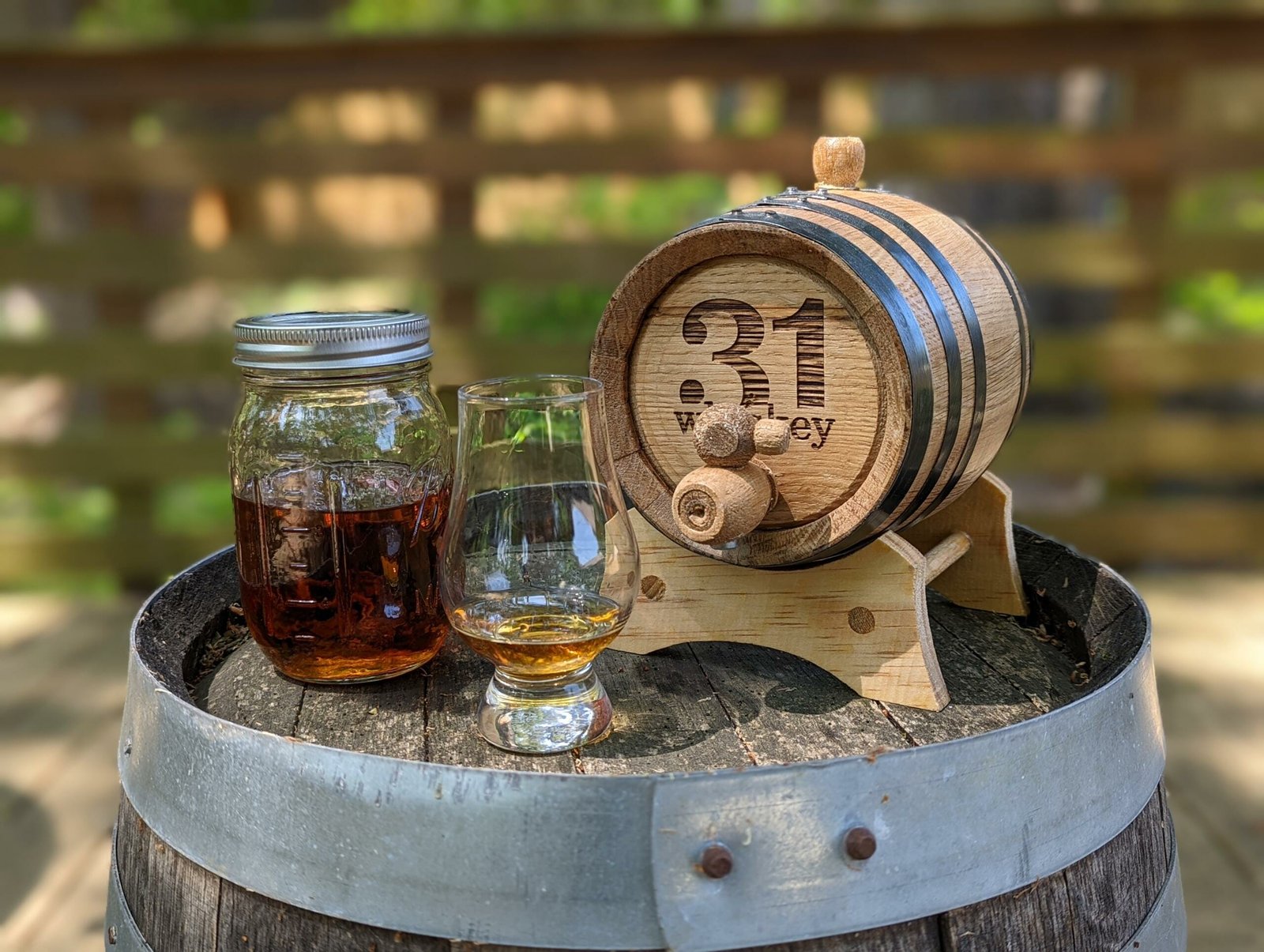
Barrel-Aging Cocktails at Home // DIY » DIY Projects » The Rituals

The age of the barrel is an essential factor when considering the overall profile of the whiskey. Barrels that have been previously used for aging other spirits, like bourbon or rum, can have an influence that endures over many years, affecting the whiskey in surprising ways. Over time, a barrel’s influence becomes more integrated and mellowed, resulting in a whiskey that has a more harmonious balance between wood, alcohol, and any remaining traces of prior contents.

5. The Dynamic Between Barrel and Whiskey

The relationship between the whiskey and the barrel is not one-sided. Just as the barrel’s past influences the whiskey, the whiskey’s nature can also affect how it interacts with the wood. Whiskey has the power to extract flavors from the wood that previous liquids may not have been able to access. This dynamic exchange is what makes whiskey maturation such an intricate and fascinating process. As the whiskey moves through the barrel’s staves, it picks up the character of the wood and whatever history the barrel carries. This gives each whiskey its unique fingerprint, even if the same distillery uses the same type of wood or similar barrel-aging methods.

This interaction can be especially important when considering the quality of whiskey. Some distillers use “barrel charring” or “toasting” techniques to increase the surface area of the barrel, which leads to more intense flavor extraction. The varying lengths of time a whiskey spends in the barrel also play a significant role. A whiskey that has matured for 12 years in a barrel previously used for sherry will carry that influence in a more pronounced way than a whiskey aged for only two or three years.

6. The Future of Whiskey Barrels: Sustainability and Innovation

As the whiskey world evolves, so too does the way in which barrels are used. With sustainability becoming a significant focus for the alcohol industry, many distilleries are rethinking their approach to barrel-aging. Instead of simply reusing barrels, some producers are experimenting with alternative woods, like chestnut or acacia, and even developing hybrid barrels that combine multiple types of wood to achieve a more nuanced flavor profile. Others are seeking ways to recycle barrels and find innovative uses for them to minimize environmental impact.

The future of whiskey aging also lies in innovation. The growth of craft distilleries has led to new methods and techniques, such as accelerated aging processes, where whiskey is aged under pressure or in smaller barrels to expedite the maturation process. These modern innovations, while still in the early stages, promise to push the boundaries of what a barrel’s past life can mean for a whiskey’s future.

Conclusion: The Past That Shapes the Future

The influence of a barrel’s past life on the whiskey within is undeniable. From the previous contents it held to the type of wood and even the age of the barrel, every detail plays a crucial role in shaping the whiskey’s flavor, character, and overall experience. Whiskey maturation is a journey—one that’s deeply connected to the barrel it resides in.

As whiskey makers continue to experiment with barrels of all shapes, sizes, and histories, the future of whiskey will likely become even more diverse, complex, and exciting. But no matter how innovative or experimental the methods may be, the legacy of the barrel’s past life will always be a key ingredient in the whiskey’s future.

Tags: bourbonwhiskey agingwhiskey productionwhiskey tasting
ShareTweetShare

Related Posts

Can Beer Be an Effective Ingredient in Culinary Cooking?
ALL

Can Beer Be an Effective Ingredient in Culinary Cooking?

January 22, 2026
Second Fermentation in Champagne: Is It Really That Crucial?
ALL

Second Fermentation in Champagne: Is It Really That Crucial?

January 22, 2026
How Do Different Grains Impact the Flavor Profile of Distilled Spirits?
ALL

How Do Different Grains Impact the Flavor Profile of Distilled Spirits?

January 22, 2026
How Do Whiskey Master Blenders Create Perfection?
ALL

How Do Whiskey Master Blenders Create Perfection?

January 22, 2026
Wine Pairings: Can They Change the Flavor Profile of a Dish?
ALL

Wine Pairings: Can They Change the Flavor Profile of a Dish?

January 22, 2026
Beer the Ultimate Beverage for Pairing with Spicy Food?
ALL

Beer the Ultimate Beverage for Pairing with Spicy Food?

January 21, 2026
Leave Comment
  • Trending
  • Comments
  • Latest
What Hidden Craftsmanship Lies Behind a Bottle of Quality Grain Spirits?

What Hidden Craftsmanship Lies Behind a Bottle of Quality Grain Spirits?

July 3, 2025
How Is Champagne Made? The Secrets Behind the Sparkle

How Is Champagne Made? The Secrets Behind the Sparkle

April 15, 2025
Grain Spirits vs. Traditional Distilled Spirits: Which One Suits Your Taste?

Grain Spirits vs. Traditional Distilled Spirits: Which One Suits Your Taste?

July 3, 2025
Champagne Bubbles: How Do They Perfectly Convey Celebration, Joy, and Luxury?

Champagne Bubbles: How Do They Perfectly Convey Celebration, Joy, and Luxury?

July 2, 2025
The Timeless Elegance of Wine: A Journey Through History and Culture

The Timeless Elegance of Wine: A Journey Through History and Culture

Why Is Château Lafite Rothschild the Pinnacle of Fine Wine?

Why Is Château Lafite Rothschild the Pinnacle of Fine Wine?

How Did Château Lafite Rothschild Become a Global Icon of Luxury?

How Did Château Lafite Rothschild Become a Global Icon of Luxury?

What Makes Chateau Lafite Rothschild the Pinnacle of Bordeaux Wines?

What Makes Chateau Lafite Rothschild the Pinnacle of Bordeaux Wines?

Can Beer Be an Effective Ingredient in Culinary Cooking?

Can Beer Be an Effective Ingredient in Culinary Cooking?

January 22, 2026
Second Fermentation in Champagne: Is It Really That Crucial?

Second Fermentation in Champagne: Is It Really That Crucial?

January 22, 2026
How Do Different Grains Impact the Flavor Profile of Distilled Spirits?

How Do Different Grains Impact the Flavor Profile of Distilled Spirits?

January 22, 2026
How Do Whiskey Master Blenders Create Perfection?

How Do Whiskey Master Blenders Create Perfection?

January 22, 2026
SipsavorLife

Welcome to our comprehensive beverage guide, where you can explore the fascinating world of alcoholic drinks. From exquisite wines and rich whiskeys to refreshing beers and sparkling champagnes, we provide insights, tips, and recommendations for enthusiasts and casual drinkers alike. Discover your next favorite libation with us!

© 2025 sipsavorlife.com. contacts:sipsavorlife-35376@gmail.com

No Result
View All Result
  • Home
  • Wine
  • Whiskey
  • Beer
  • Grain Spirits
  • Champagne
  • ALL

© 2025 sipsavorlife.com. contacts:sipsavorlife-35376@gmail.com

Welcome Back!

Login to your account below

Forgotten Password?

Retrieve your password

Please enter your username or email address to reset your password.

Log In