































When it comes to wine, spirits, and even beer, aging is often seen as the ultimate marker of quality. But as wine lovers and connoisseurs know, not all aging is equal. In fact, the aging potential of a beverage is influenced by a myriad of factors, including its acidity, tannin structure, and, increasingly, the levels of sulfur compounds present during fermentation and storage. The question we’re exploring here today is simple: Can lower sulfur levels improve aging potential?
Understanding Sulfur Compounds in Wine and Spirits
Sulfur compounds, particularly sulfur dioxide (SO2), are commonly used in the winemaking and distilling processes. These compounds are crucial for preservation, acting as antioxidants and antimicrobial agents that prevent spoilage, oxidation, and the growth of unwanted bacteria or fungi. While sulfur is invaluable for maintaining the quality of a beverage, it can also have a significant impact on its flavor and aging potential.
In wine, sulfur dioxide is primarily used in two ways:
- As a preservative – to prevent oxidation and bacterial contamination.
- As an antioxidant – to protect delicate aromas and preserve the freshness of the wine.
However, while these compounds are essential for keeping wine safe, too much sulfur can have an adverse effect, particularly on the aging process. Sulfur compounds, when present in high concentrations, can mask the complex flavors of the beverage, dulling its aromas and making it less pleasurable to consume over time. This leads many winemakers to reconsider their use of sulfur, particularly when crafting wines intended to age gracefully.
The Debate Over Low Sulfur Wines
Over the past few decades, there has been a growing trend towards low-sulfur or “natural” wines, which are made with minimal intervention. The philosophy behind this movement is that wines should express the terroir (the unique environmental factors that affect the grape’s characteristics) as much as possible. In this context, sulfur is seen as an artificial element that obscures the true nature of the wine.
Advocates for low-sulfur wines argue that reducing sulfur content allows wines to develop more complexity and nuanced flavors over time. Without the interference of excessive sulfites, the wine’s natural aging potential can shine through, as it has more room to evolve. For wine enthusiasts, the allure of lower sulfur levels lies in the potential for a beverage that can mature and develop in unexpected and exciting ways.
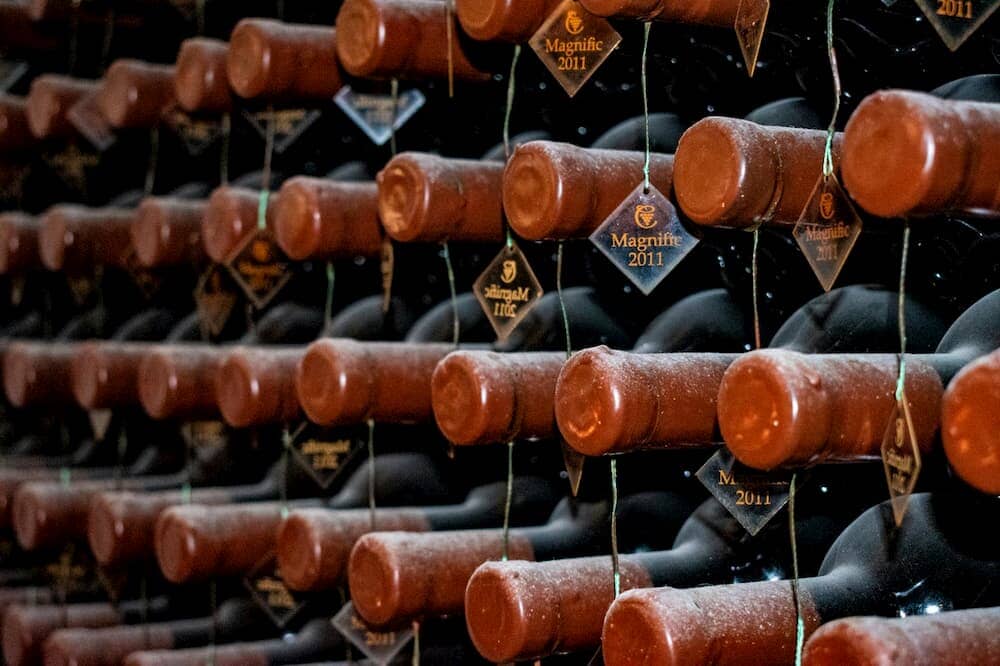
But does lower sulfur truly enhance a wine’s aging potential? Let’s take a closer look.
The Impact of Sulfur on Aging
Sulfur’s primary role in aging is to prevent premature oxidation. Oxidation is the process by which wine or spirits react with oxygen, leading to the degradation of its color, aroma, and taste. Over time, excessive oxidation can result in flat, unbalanced flavors that are unappealing to the palate.
However, while sulfur acts as an effective preservative, the level of sulfur used in a wine or spirit must be carefully balanced. Too little sulfur can expose the beverage to the risk of oxidation and spoilage, while too much can stifle the development of its flavors and aromas, especially during the aging process.
In wine, a certain level of sulfur is required to protect the wine’s freshness during the early years. But when it comes to long-term aging, the role of sulfur becomes more complicated. In wines that are meant to age for decades, high sulfur levels can prevent the wine from opening up and revealing its full complexity. Lower sulfur content, on the other hand, might encourage the wine to evolve more freely, leading to a more dynamic aging process.
Sulfur and the Evolution of Aromas
One of the most fascinating aspects of wine aging is the way its aromas and flavors change over time. The development of secondary and tertiary aromas—notes of earth, leather, spice, and dried fruit—are what make aged wines so intriguing. These characteristics are often a result of chemical reactions that occur slowly over time, and sulfur compounds can play a critical role in influencing how these reactions unfold.
Excessive sulfur can inhibit some of these reactions, leading to a slower maturation process and a less interesting flavor profile. Wines with lower sulfur levels, however, may undergo a more accelerated or dynamic aging process, allowing them to reach their peak complexity more quickly. The result can be wines that develop more expressive, layered aromas, making them more enjoyable to drink as they mature.
In spirits like whiskey or gin, where aging in barrels also plays a significant role, sulfur can influence the way the alcohol interacts with the wood. Low sulfur levels may allow for more direct exposure to the wood, encouraging the transfer of flavors like caramel, vanilla, and spice, which can enhance the depth of the drink over time.
The Role of Terroir in Aging Potential
Terroir is the unique combination of soil, climate, and geography that gives wine its character. For many winemakers, preserving the integrity of the terroir is paramount. Sulfur, if used excessively, can mask these subtle, terroir-driven flavors, leading to a wine that feels more generic and less reflective of the land it came from.

By using less sulfur, winemakers may allow the true characteristics of the vineyard to come to the forefront. For wines that are meant to age, this connection to the land can be critical, as the complexity and elegance that develop over time are often deeply tied to the wine’s origins.
In regions where the climate is cooler, the use of lower sulfur levels might promote a slower, more nuanced aging process. Conversely, in warmer climates, where wines are often more fruit-forward, the reduced use of sulfur might allow for a smoother, more balanced transition from youthful vibrancy to mature complexity.
Is Low Sulfur Aging Suitable for All Wines?
While the benefits of lower sulfur levels are evident in some wines, it’s important to note that this approach is not suitable for all types of wine. Red wines, which tend to have higher tannin levels and greater structural integrity, may benefit more from reduced sulfur during aging. These wines have the natural robustness to withstand the aging process, and lower sulfur levels can help them develop more complex, layered flavors.
White wines, on the other hand, often rely more heavily on sulfur to preserve their freshness and prevent premature oxidation. As a result, reducing sulfur levels in white wines can increase the risk of spoilage and may lead to unpleasant flavors or aromas developing over time.
Sparkling wines, such as Champagne, are another category where sulfur plays a critical role. The carbonation process and the extended contact with yeast lees during aging require careful management of sulfur levels to maintain the balance of freshness and complexity. Too little sulfur could cause premature spoilage, while too much could result in an overly reductive, closed-off flavor profile.
The Future of Sulfur in the Beverage Industry
As the trend for natural, low-intervention wines and spirits continues to gain traction, the role of sulfur will undoubtedly evolve. Advances in winemaking and distilling techniques may allow producers to achieve the benefits of low sulfur levels while still ensuring the preservation and aging potential of their beverages. Alternative preservation methods, such as nitrogen flushing or the use of other natural compounds, could reduce the need for sulfur, giving producers greater flexibility in crafting beverages that age beautifully.
At the same time, consumer demand for transparency and sustainability will likely encourage further exploration of low-sulfur options. As more producers experiment with reducing sulfur content, we may see a wider range of aged wines and spirits that reflect the evolving tastes of modern consumers.
Conclusion
So, can lower sulfur levels improve aging potential? In many cases, yes. Lower sulfur content allows wines and spirits to develop more freely, encouraging greater complexity and nuance over time. By reducing sulfur, winemakers and distillers create an environment where the beverage can mature in a way that highlights its terroir and natural flavors. However, this approach is not without risks, and it is not suitable for every type of wine or spirit. Ultimately, the key to successful aging lies in finding the right balance—ensuring that the wine or spirit is protected from spoilage while still having the freedom to evolve and develop.
For those who seek a more authentic, complex, and dynamic aging process, lower sulfur wines and spirits may offer a fascinating and enjoyable exploration of flavor. As this trend grows, we can only expect the conversation around sulfur and aging potential to continue to evolve, offering new insights into how we approach the aging process and what makes a drink truly exceptional.










