



























In the world of wine and spirits, volatile acidity (VA) is often viewed with a wary eye. It’s a term that evokes both intrigue and trepidation, as it typically suggests a defect or an off-putting characteristic. But could it be possible for volatile acidity to add complexity to a beverage rather than undermine its quality? The answer is yes — but only when VA is present in controlled amounts and under specific circumstances. Understanding how volatile acidity works, and recognizing when it enhances the profile of a wine, spirit, or beer, requires an exploration into its origin, its role in fermentation, and the delicate balance needed to turn a potential flaw into an asset.
What is Volatile Acidity?
Volatile acidity refers to acids that can evaporate at room temperature, typically found in the form of acetic acid, the compound most commonly associated with vinegar. In the world of winemaking, VA usually comes from microbial activity, primarily from yeast and bacteria, which produce various acids as a byproduct of fermentation. Under normal circumstances, excessive VA leads to unpleasant sourness or even a vinegar-like taste, often resulting in a wine being deemed “faulty.”
However, like many aspects of winemaking, VA is not inherently bad. At controlled levels, it can contribute layers of flavor, complexity, and even a certain charm to a beverage. To understand how, it’s essential to delve into the factors that influence VA’s presence and how it interacts with other compounds in the liquid.
The Role of Volatile Acidity in Fermentation
Fermentation is a delicate balancing act. Yeasts and bacteria work together to break down sugars and produce alcohol, but they also release a variety of byproducts in the process. These include not only acids like acetic acid but also esters, aldehydes, and other volatile compounds that can influence the aromatic profile of the beverage.
In most wine and beer production, the goal is to minimize the production of volatile acidity. This is because, in excess, acetic acid can create undesirable off-flavors. However, some fermentation techniques — particularly natural or wild fermentations — can lead to the development of higher VA levels. In these cases, the presence of volatile acidity may be a sign of a less-controlled fermentation process, but it can also contribute to the creation of distinctive flavors and aromas.

For example, some wines made using spontaneous fermentation or under conditions where wild yeast strains dominate may naturally develop a trace amount of VA. In certain styles of wine, such as natural wines or those produced in warmer climates, VA is often present at low levels, contributing a slight tangy character that enhances the wine’s overall profile. When carefully managed, this VA can add an intriguing layer of complexity without dominating the sensory experience.
Volatile Acidity in Wine: When It Works
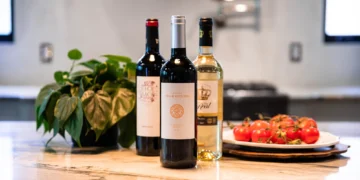
The key to volatile acidity adding complexity in wine is moderation. When present in low concentrations, it can elevate the wine’s aromatics and contribute to its complexity by offering a subtle counterpoint to its fruitiness, tannins, and other flavor notes. In particular, VA in wine can:
- Enhance Aromatic Profile: A small amount of VA can give a wine a subtle lift, providing an aromatic complexity that evokes earthy, vinegary, or even smoky scents. It can act like a seasoning, adding depth and intrigue to the bouquet.
- Balance Sweetness: For wines that are rich and sweet, a hint of volatile acidity can provide balance. The slight tanginess cuts through the sweetness, making the wine feel more dynamic and refreshing.
- Highlight Terroir: In wines where the winemaker is seeking to express a very specific terroir — the combination of soil, climate, and microflora — volatile acidity can sometimes be a byproduct of that environment. Some winemakers embrace this, seeing VA as a marker of authenticity, signaling a less commercial, more natural approach to winemaking.
- Support Aging Potential: Interestingly, certain wines with a bit of VA may have a greater ability to age well. The volatile acidity can act as a preservative, adding a layer of structure that allows the wine to evolve gracefully over time. In red wines, particularly, a touch of VA can be part of the wine’s developing complexity as it ages.
Some regions and styles embrace the character of VA, particularly in wines that are made with minimal intervention, such as natural wines, or in old-world wines from Mediterranean climates where the heat encourages the production of acetic acid.
Volatile Acidity in Beer: Complexity Through Fermentation
Much like in wine, volatile acidity plays a nuanced role in beer. While most beers strive for a clean, crisp profile, there are certain styles where VA adds to the complexity. Sour beers, for example, are intentionally brewed with higher levels of volatile acidity to create a tangy, sharp profile. Beers such as lambics, gueuze, and Berliner Weisse are known for their distinctive sour flavors, which are often the result of both acetic and lactic acids.
In these beers, VA contributes to the overall flavor by complementing the malt sweetness and hop bitterness. The acidity creates a refreshing contrast, enhancing the drinkability and inviting a complex, layered tasting experience. In these styles, VA is far from a flaw; it is a critical element that defines the beer.
For craft brewers, who are constantly experimenting with fermentation techniques, VA can be a tool used to craft more nuanced and expressive beers. A subtle level of VA in a wild ale, for instance, can create a unique sensory experience that sets the beer apart from traditional brews.

Volatile Acidity in Spirits: A Delicate Balance
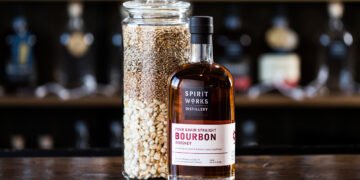
Volatile acidity’s role in spirits such as whiskey, rum, and even gin is more subtle than in wine or beer. However, its presence in the distillation process can still affect the final product. In whiskey, for example, trace amounts of VA can contribute to the richness of the flavor profile, especially in older, barrel-aged whiskies.
In rum, the fermentation process is often more pronounced, with varying levels of VA depending on the methods used. While VA in rum should not overpower the sweetness of the molasses or sugarcane base, a hint of volatile acidity can lend a complexity that enhances the spirit’s depth, especially when aged in oak barrels.
For gin, where botanicals are the star, volatile acidity may not be as prominent, but in the context of a craft gin, it can enhance certain aromatic qualities. A subtle amount of VA could provide a slight tang that complements the juniper and other botanicals, adding another layer to the gin’s flavor profile.
How Volatile Acidity Becomes a Flaw
While VA can add complexity in the right context, it can also become a flaw if levels are too high. Excessive volatile acidity in wine, beer, or spirits creates an overpowering sourness, reminiscent of vinegar, which is generally unpleasant to taste and smell. This is especially true in wines, where VA is most often seen as a defect that can ruin the overall drinking experience.
In wine, when VA levels rise above a certain threshold, the acetic acid overwhelms the fruit, tannin structure, and other nuances. It not only detracts from the balance but also can create a volatile or “off” smell, like nail polish remover, which is considered a sign of spoilage.
In beer, a high level of VA can make the beer undrinkable, especially in non-sour styles. The balance between malt, hops, and yeast is disrupted, and the acidity might overpower the beer’s intended flavor profile.
The key difference between when VA adds complexity and when it becomes a flaw often comes down to the style, the fermentation process, and the producer’s intent. A masterful winemaker or brewer knows how to control VA, using it strategically to enhance rather than detract from the product.
Conclusion: The Delicate Art of Volatile Acidity
Volatile acidity, in its most intriguing form, is a dance between flaw and finesse. At its best, it adds a layer of complexity, richness, and depth to wine, beer, and spirits, enhancing flavors, creating balance, and sometimes offering a signature trait that speaks to the authenticity of the product. But when uncontrolled, it can quickly turn a masterpiece into a mistake. Understanding when and how VA enhances a beverage comes down to a careful balance of fermentation techniques, environmental factors, and the style of the drink being created.
Winemakers, brewers, and distillers must embrace volatile acidity’s role carefully, never allowing it to overpower the character of their product but instead guiding it to enhance its complexity. The next time you taste a wine with a hint of VA or sip on a sour beer, take a moment to appreciate how this volatile compound has been used to craft something more than just a drink — it’s part of the very essence that can make the experience unforgettable.