






























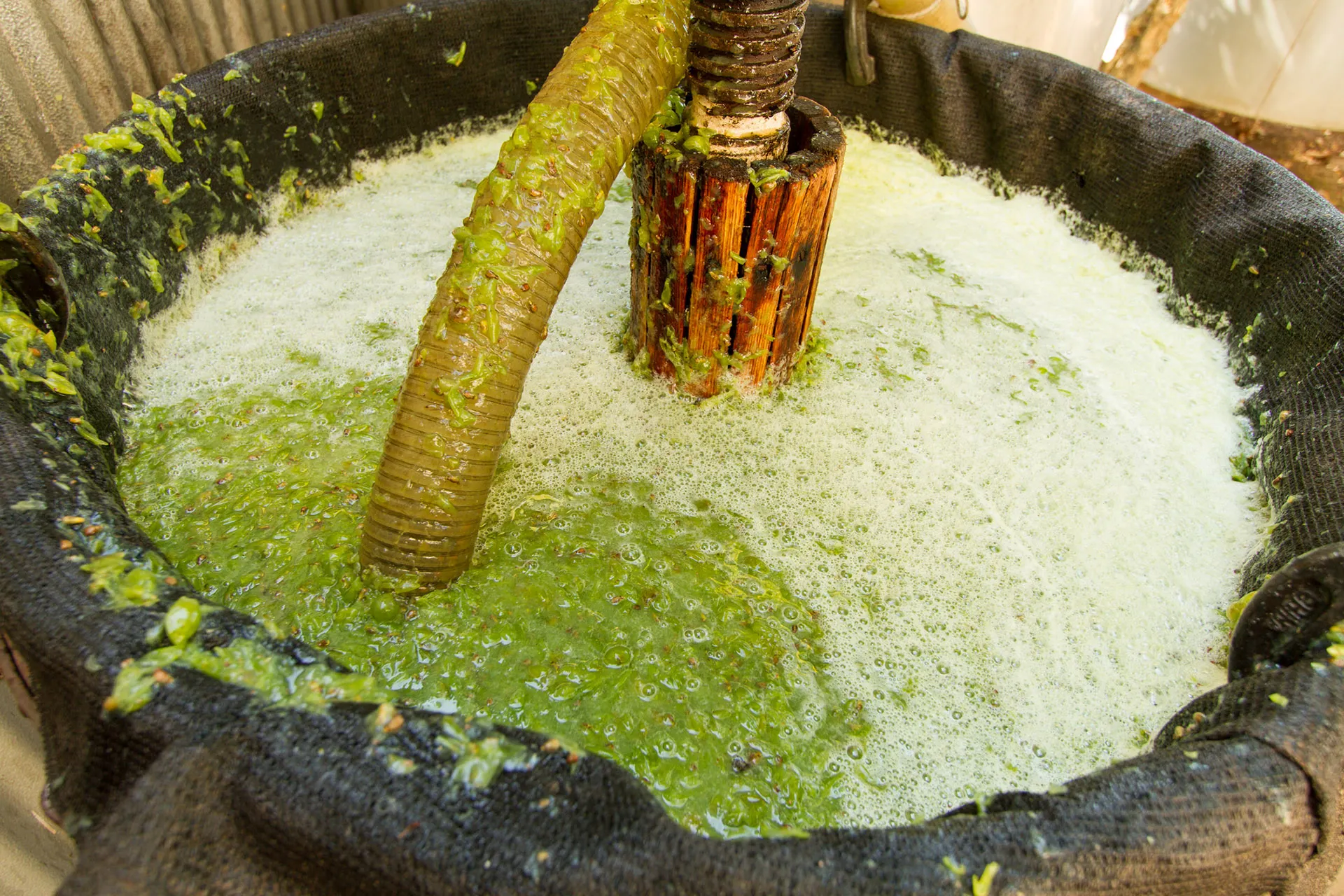
In the world of wine, trends emerge and fade, but some movements fundamentally challenge our understanding of taste, texture, and tradition. One of the most intriguing frontiers in contemporary wine is the rise of skin-contact white wines, sometimes known as “orange wines,” despite their varied hues ranging from deep amber to pale gold. Unlike the more familiar crisp, light white wines that are pressed and fermented without skins, these wines embrace the grape skins, seeds, and sometimes even stems during fermentation—a practice that dramatically transforms the sensory experience. But are skin-contact whites just a passing fad embraced by natural wine enthusiasts, or do they represent a true evolution in fine wine appreciation?
The Origins of Skin-Contact Whites
The concept of fermenting white grapes with their skins is far from new. Historical evidence suggests that skin-contact fermentation dates back thousands of years. In regions such as Georgia, one of the world’s oldest wine-producing areas, winemakers have traditionally fermented grapes in large clay vessels called qvevri, skins, seeds, and all. These wines, buried underground for months, developed complex flavors and remarkable aging potential, challenging the assumption that only red wines could offer depth and texture.
In Europe, particularly in northeastern Italy and Slovenia, traditional farmers adopted similar techniques, often out of necessity. Grapes were left in contact with their skins due to limited pressing technology or as a means to stabilize wines naturally. Yet for decades, mainstream wine culture largely ignored these amber-hued bottles in favor of clear, polished whites that exemplified the post-war international style.
Understanding the Technique
To appreciate skin-contact whites, it’s important to understand what makes them distinct. Conventional white wine is usually made by pressing the juice off the skins immediately, minimizing tannins and color extraction. Skin-contact whites, by contrast, undergo extended maceration, allowing phenolic compounds, tannins, and pigments to migrate from the skins into the juice.
This process imparts several noticeable characteristics:
- Color and Texture: The color often deepens to shades of gold, amber, or even copper. The mouthfeel becomes richer, more textured, and sometimes slightly astringent—a sensation more commonly associated with red wines.
- Aromatic Complexity: Skins contribute a wide range of aromatics, from dried fruits and nuts to herbal and floral nuances. The result is a wine that can be simultaneously vibrant, earthy, and mysterious.
- Tannins in White Wine: Tannins, usually a red wine trait, provide structure and a lingering finish in skin-contact whites, making them suitable for aging and pairing with food in ways conventional whites cannot match.
The winemaker’s choices—length of maceration, type of vessel (stainless steel, oak, or clay), temperature control, and whether stems are included—dramatically influence the final product. Unlike mass-market whites, which aim for consistency and approachability, skin-contact wines celebrate individuality and terroir.
The Sensory Revolution
Drinking a skin-contact white is a sensory adventure. At first sip, some tasters are startled by the texture, the tannic bite, or the unusual aroma. However, those willing to explore the complexity often find a depth and personality absent in conventional whites.
Consider this analogy: if typical white wine is like a crisp linen shirt—clean, familiar, and safe—skin-contact wine is akin to a handwoven, textured garment with layers, imperfections, and a story stitched into every fiber. It invites contemplation and challenges the palate to reconsider what white wine can be.
Interestingly, the style seems to blur traditional boundaries. In a wine tasting, a skin-contact white might exhibit citrus and orchard fruits alongside notes reminiscent of dried tea leaves, toasted nuts, or even subtle spice. These sensory layers make the wine remarkably food-friendly, especially with dishes that would overpower delicate whites, such as earthy mushrooms, aged cheeses, or spiced poultry.
Modern Revival and Innovation

The resurgence of interest in skin-contact whites is largely a result of the natural wine movement and a growing curiosity about heritage winemaking techniques. Young winemakers across Europe, North America, South America, and Australia are experimenting with old-world methods in new-world contexts, often with astonishing results.
Italy, particularly Friuli-Venezia Giulia, has become a hub for this revival. Winemakers here are blending local grape varieties like Ribolla Gialla, Friulano, and Malvasia with innovative fermentation techniques. Slovenia, with its centuries-old kleti traditions, is producing wines that defy categorization, embracing both rustic authenticity and refined elegance. In California and New York, adventurous winemakers are introducing skin-contact wines to a market traditionally dominated by oaked Chardonnays and Sauvignon Blancs, providing a striking contrast to standard offerings.
This modern exploration highlights the innovative potential of skin-contact wines. For example, some producers are experimenting with amphora fermentation—a method borrowed from ancient techniques that allows for micro-oxygenation and natural temperature stability, resulting in wines that evolve in fascinating ways over months and even years.
The Challenge of Acceptance
Despite the growing buzz, skin-contact whites face hurdles. Their unconventional appearance and taste can intimidate consumers accustomed to bright, light, and approachable white wines. Even sommeliers and wine critics, who pride themselves on curiosity and expertise, sometimes struggle to classify these wines within existing paradigms.
Marketing skin-contact wines presents a unique challenge. Unlike traditional whites with universally recognized flavor profiles, these wines are idiosyncratic. Labels often eschew standard varietal dominance, instead emphasizing grape lineage, region, or winemaking philosophy. This approach appeals to a niche audience of adventurous wine lovers, yet risks alienating casual consumers expecting predictability.
However, the very challenge is part of the allure. For collectors, sommeliers, and enthusiasts seeking the next frontier of fine wine, skin-contact whites represent a thrilling departure from the ordinary. They are wines that provoke conversation, encourage exploration, and reward patience—much like a rare vintage or a finely crafted red.
Pairing Skin-Contact Whites with Food
One of the most exciting aspects of skin-contact whites is their versatility at the table. Unlike light, acidic whites that can be overwhelmed by robust flavors, these wines stand up to bold, earthy, and textured dishes.
Some pairing possibilities include:
- Mushroom Risotto: The wine’s tannins and earthy notes mirror the mushrooms’ umami, creating harmony.
- Roasted Root Vegetables: Amber hues and herbal undertones complement the caramelization of roasted vegetables.
- Spiced Poultry or Duck: Skin-contact wines handle spice and richness without losing their vibrancy.
- Aged Cheeses: Cheddar, Gruyère, or Comté find a perfect match in the wine’s depth and structure.
- Seafood with Texture: Think grilled or roasted fish rather than delicate ceviche; the wine’s weight and mouthfeel balance the dish.
This adaptability is opening new doors for sommeliers and adventurous home cooks alike, transforming white wine from a supporting role into a lead player at the table.
Aging Potential: A Surprise for White Wine Lovers
Traditional wisdom often relegates white wine to short-term consumption, with few bottles meant to age beyond a few years. Skin-contact whites, however, challenge that notion. The tannins, phenolics, and natural acidity imparted by the skins provide structure and resilience, allowing some wines to develop beautifully over a decade or more.
Imagine tasting a ten-year-old skin-contact white: the initial vibrancy matures into honeyed complexity, with tertiary notes of dried fruit, nuts, and subtle oxidation enhancing the narrative of the wine. This aging potential positions skin-contact whites not as fleeting curiosities, but as collectible, cellaring-worthy wines—an assertion that expands the traditional definition of fine wine.
The Science Behind the Flavor
Chemically, skin-contact whites are fascinating. Extended maceration extracts flavonoids, tannins, and phenolic compounds usually reserved for reds. These molecules interact with the wine’s natural acids and sugars to create multi-dimensional flavors and aromas.
Microbial activity is also crucial. Wild yeasts and bacteria contribute to complexity, producing volatile compounds that might evoke tea, dried fruit, or earthy minerals. Winemakers who embrace spontaneous fermentation often cite these microbial influences as key to the wine’s personality, highlighting the interplay between vineyard, grape, and cellar—a true expression of terroir.
Market Trends and Future Potential
The rising interest in skin-contact wines signals an expansion of the fine wine market. While these wines are still niche, early adopters—urban wine enthusiasts, natural wine communities, and sommeliers—have fueled demand. Wine bars, tasting rooms, and boutique shops increasingly feature amber wines alongside reds and traditional whites, validating their growing prestige.
Furthermore, wine education programs are beginning to include skin-contact wines in curricula, introducing the next generation of professionals to this frontier. As consumers grow more adventurous and social media amplifies trends, the potential for broader recognition is substantial.
In terms of pricing, skin-contact wines occupy a unique space. While some remain accessible, others command premium prices due to labor-intensive production methods, limited quantities, and high cellar potential. This combination of rarity, craftsmanship, and intrigue aligns with the qualities traditionally associated with luxury wine.
Cultural and Philosophical Appeal
Beyond flavor and market dynamics, skin-contact wines resonate culturally. They celebrate authenticity, patience, and the slow food ethos, connecting drinkers with history and tradition. In a world dominated by industrialized, homogenized products, they offer a tactile and emotional connection—an experience rather than a mere beverage.
Philosophically, these wines invite reflection. By challenging conventional definitions of white wine, they expand our understanding of balance, elegance, and beauty. In doing so, they transform a simple act of drinking into a nuanced sensory exploration.
Conclusion: The New Fine Wine Frontier
Skin-contact white wines are more than a curiosity—they represent a genuine evolution in how we approach white wine. With roots in ancient traditions, a modern revival led by innovators, and a distinctive sensory profile, they offer richness, complexity, and versatility rarely found in conventional whites.
For wine lovers seeking novelty without sacrificing depth, skin-contact whites are an exciting frontier. They challenge expectations, reward patience, and demonstrate that white wine can be as profound, layered, and collectible as the finest reds. Whether in a natural wine bar in Brooklyn, a rustic cellar in Georgia, or a boutique vineyard in Friuli, these wines invite us to reimagine white wine entirely—not just as a companion to food, but as a compelling, multi-dimensional experience worthy of serious consideration.
The frontier is open. The question is: are you ready to explore it?










