












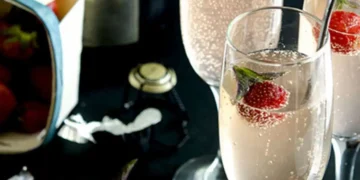

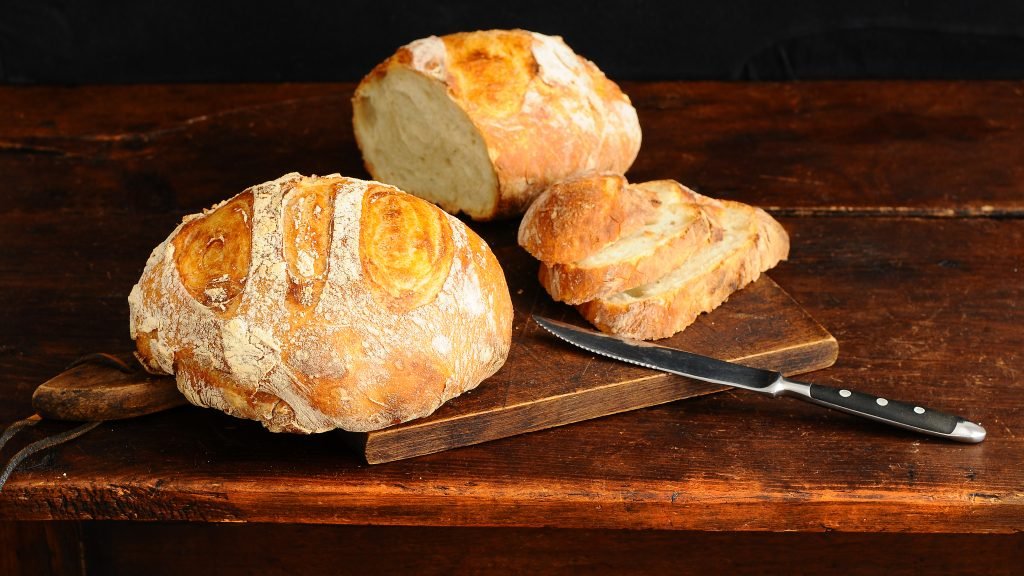
When you think of yeast, the first thing that likely comes to mind is bread dough puffing up in the oven or the bubbly head of a freshly poured beer. For decades, yeast has been pigeonholed as a mere workhorse: a microscopic laborer that converts sugar into alcohol and carbon dioxide, nothing more. But to reduce yeast to a mere fermenter is to miss the art and science wrapped up in this unassuming microorganism. Today, modern brewers, winemakers, and culinary innovators are recognizing yeast not just as a chemical converter, but as a master architect of flavor. Its influence stretches far beyond alcohol content or leavening: yeast shapes aroma, mouthfeel, and even the very identity of what we drink and eat.
In this deep dive, we’ll explore how yeast works, why it’s crucial to flavor creation, and how understanding its personality can turn a functional fermentation into a sensory masterpiece.
The Microscopic Maestro
At its core, yeast is a single-celled fungus. Saccharomyces cerevisiae is the most widely known and commercially used species, but dozens of other strains contribute to the flavors we cherish in beer, wine, bread, and spirits. Despite their tiny size, these cells wield enormous influence over the foods and beverages they inhabit.
Yeast performs two primary tasks:
- Fermentation – consuming sugars and producing alcohol and carbon dioxide.
- Flavor Creation – generating a range of secondary metabolites that define aroma, taste, and texture.
While fermentation is the mechanical side of the job, flavor creation is where yeast transforms from a simple workhorse into a creative artist. Every yeast strain has its own “personality,” producing unique esters, phenols, acids, and other compounds that make a Belgian ale spicy, a champagne crisp, or a sourdough tangy.
The beauty lies in its duality. Yeast is both engineer and artist, capable of producing repeatable, controlled results while simultaneously contributing an almost infinite palette of sensory nuances.
Yeast and Beer: Beyond the Bubble
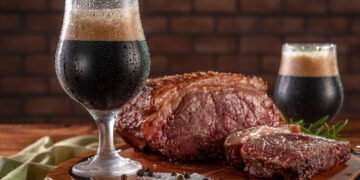
In beer, yeast was long treated as invisible machinery. Brewers focused on hops, malt, and water profiles, assuming yeast was a neutral participant. Yet anyone who has compared ales from the same recipe but different strains will notice the profound difference yeast can make.
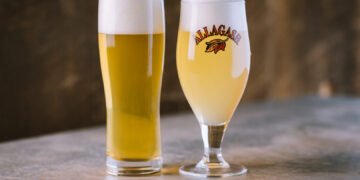
- Ale Yeast (Top-Fermenting): Saccharomyces cerevisiae dominates here, producing rich esters that can hint at apple, pear, or banana. Some strains create spicy phenols reminiscent of clove or pepper. Belgian ales and wheat beers are prime examples of how yeast flavors define a style.
- Lager Yeast (Bottom-Fermenting): Saccharomyces pastorianus ferments at cooler temperatures, producing cleaner flavors with fewer fruity esters. Yet even in its “clean” state, subtle notes like cracker, toasty bread, or mild floral aromatics can emerge.
Yeast also dictates mouthfeel. Diacetyl, a byproduct of some strains, can lend buttery softness, while other metabolites add a dry, crisp finish. Master brewers exploit these traits, treating yeast almost like a spice: too little, and the beer feels hollow; too much, and flavors clash or overpower.
Craft breweries now experiment with hybrid strains and wild yeasts, deliberately pushing boundaries. Brettanomyces, once considered a contaminant, adds funky, barnyard-like notes that define many sour and wild ales. Here, yeast isn’t just fermenting—it’s sculpting the beer’s identity.
Wine: The Unsung Sommelier
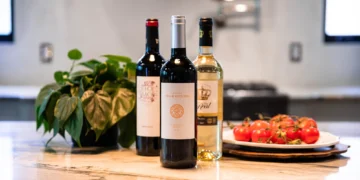
In winemaking, yeast’s role has often been even subtler, yet no less critical. Traditional methods relied on ambient “wild” yeasts naturally present on grape skins. These microorganisms could create spontaneous fermentations, giving wine a signature sense of place—or terroir.
Modern winemaking often employs cultured strains for predictability, but even here, the choice of yeast dramatically influences wine personality. Different strains can amplify fruitiness, soften tannins, or accentuate floral notes.
- Saccharomyces cerevisiae: the workhorse for most wines, capable of complete fermentation with minimal off-flavors.
- Non-Saccharomyces yeasts: such as Torulaspora delbrueckii or Lachancea thermotolerans, can boost aromatic complexity, enhance acidity, or introduce subtle esters that add depth to a wine.
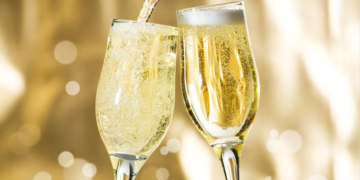
Yeast is also critical in sparkling wine production. In Champagne and other traditional-method sparkling wines, secondary fermentation in the bottle relies on yeast to produce the delicate bubbles and autolytic flavors (think brioche, toast, and almond) that make Champagne world-renowned. The yeast dies after fermentation, but its ghost remains in the wine, shaping mouthfeel and aroma long after it has vanished from sight.
Spirits and Distillation: The Flavor Foundation
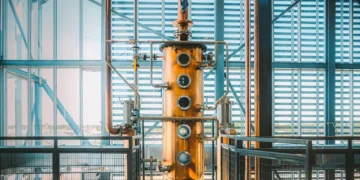
Many people assume that distillation erases yeast flavors, leaving only pure alcohol. But this isn’t entirely true. Yeast produces hundreds of flavor-active compounds during fermentation—esters, higher alcohols, acids—that survive distillation and provide the backbone for spirits like whiskey, rum, and brandy.
- Whiskey: Yeast strains contribute subtle fruity esters that define a distillery’s signature character. Even slight changes in fermentation temperature or nutrient availability can lead to discernible differences in the spirit.
- Rum: Some producers use wild, local yeasts to create complex molasses fermentations that yield tropical, funky aromas.
- Gin and Flavored Spirits: Though botanicals dominate, the underlying distillate’s yeast-derived notes influence texture, mouthfeel, and how botanicals are expressed.
In short, the distiller’s artistry often begins with yeast. A whiskey’s subtle sweetness, a rum’s tropical fruitiness, or even the creamy smoothness of certain vodkas owes a great deal to the microscopic architect that came first.
Bread: Flavor in the Oven
Bread offers the most tangible example of yeast as a flavor creator. While CO₂ inflates dough, creating lightness, yeast’s metabolic byproducts give sourdough, brioche, and other loaves their characteristic taste.
- Esters: fruity, sometimes reminiscent of apples or pears.
- Organic acids: contribute tang, enhancing overall complexity.
- Alcohols: largely evaporate during baking but leave subtle aromatic traces.
Wild fermentation—using naturally occurring yeasts—can create breads with extraordinary depth. Modern artisan bakers treat yeast as a collaborator, tweaking hydration, fermentation time, and temperature to coax specific flavors. The same dough can taste dramatically different depending on which strain of yeast is active and how it interacts with the flour and environment.
The Science of Flavor
Yeast flavor creation is rooted in biochemistry. Beyond ethanol and CO₂, yeast produces:
- Esters: fruity, floral, or tropical notes.
- Higher alcohols: contribute warmth, body, and sometimes harshness if uncontrolled.
- Phenols: spicy, smoky, or medicinal notes, especially in wheat beers or certain wines.
- Organic acids: malic, lactic, or acetic acids influence acidity and mouthfeel.
Flavor profiles depend on genetics (strain), environment (temperature, oxygen, nutrient availability), and process (fermentation speed, vessel type). By manipulating these variables, brewers and winemakers can emphasize desirable flavors while minimizing off-flavors.
It’s like painting: the yeast is the brush, fermentation is the medium, and the winemaker or brewer guides the strokes. Minor adjustments can lead to dramatic changes in taste, aroma, and texture.

Yeast as an Ingredient, Not Just a Process
Increasingly, chefs and mixologists are experimenting with yeast directly as a flavor ingredient. Nutritional yeast, for example, offers umami depth in plant-based dishes. Brewer’s yeast can be used to enhance savory sauces. Even the solids left after fermentation (lees, spent yeast) can be reincorporated to add texture, richness, and complexity.
This trend reflects a growing awareness: yeast isn’t just functional. It’s expressive. It shapes identity, conveys terroir, and carries subtle hints of its environment into the food and drink it touches.
Flavor Profiling: How Experts Decode Yeast
Sensory scientists and flavor chemists analyze yeast contributions using advanced tools like gas chromatography-mass spectrometry (GC-MS). These techniques can identify hundreds of compounds and quantify their influence on aroma and taste.
For example, in a fruity Belgian ale, scientists might detect isoamyl acetate, responsible for banana notes, and ethyl hexanoate, producing a subtle apple aroma. Even trace compounds can have outsized effects on perception, illustrating how yeast can sculpt a beverage as much as hops, malt, or grapes.
Professional tasters often describe yeast flavors in evocative terms: “clove,” “bubblegum,” “honeyed pear,” “tangy apricot,” “smoky caramel.” While these may sound poetic, each descriptor corresponds to specific chemical compounds, meaning that flavor artistry is as much science as it is craft.
Yeast Innovation: Pushing the Boundaries
Biotechnology is opening new frontiers in flavor creation. Yeast can be engineered to produce specific esters or minimize undesirable byproducts. Hybrid strains combine the best traits of multiple species. Even synthetic biology experiments explore yeast capable of producing flavors not naturally found in fermentation, from exotic fruits to herbal aromatics.
Yet despite the technological advances, traditional techniques remain invaluable. Long, slow fermentations, wild yeast cultures, and careful strain selection continue to produce some of the world’s most celebrated flavors. It’s a fusion of art and science, intuition and experiment.
Yeast in Global Culture
Yeast has influenced human culture more than most realize. Beer and bread have shaped economies, social rituals, and even religious practices. Wine and spirits, shaped by yeast, carry historical identity in every region. Understanding yeast allows us to appreciate the subtleties of these beverages and their cultural significance.
- Ancient Egyptians worshiped the bread-making process, unaware that yeast was behind the magic.
- European monks refined beer fermentation, crafting unique yeast strains for abbeys.
- Modern craft movements continue to celebrate yeast as both a scientific and cultural hero.
Across centuries, yeast has quietly dictated flavor trends, dictated fermentation practices, and driven culinary innovation. It is both invisible and omnipresent—a tiny organism with enormous influence.
Conclusion: The Taste of Mastery
To call yeast a simple fermenter is to underestimate it. Yeast is a flavor architect, a sensory alchemist, and a critical partner in the creation of some of the world’s most beloved foods and beverages. Whether raising bread, brightening beer, defining wine, or enriching spirits, yeast transforms raw ingredients into experiences. Its influence is invisible yet unmistakable, scientific yet artistic, subtle yet profound.
As our understanding of yeast deepens, the line between science and artistry blurs. The future of fermentation promises new flavors, textures, and aromas, all guided by this remarkable microorganism. It’s time to celebrate yeast not just as a tool but as a masterful architect of taste, deserving attention, respect, and creative exploration.
Yeast is no longer just the agent that makes fermentation possible. It is the secret artist behind every sip, every bite, and every bubble. In the grand theater of flavor, yeast does more than play a part—it directs the performance.