














SipsavorLife
  • Home
  • Wine
    Wine Pairings: Can They Change the Flavor Profile of a Dish?

    Wine Pairings: Can They Change the Flavor Profile of a Dish?

    How Do Wine Glasses Influence the Tasting Experience?

    How Do Wine Glasses Influence the Tasting Experience?

    Is Organic Wine Healthier Than Conventional Wine?

    Is Organic Wine Healthier Than Conventional Wine?

    Why Do Some Wines Taste Better from Specific Vintages?

    Why Do Some Wines Taste Better from Specific Vintages?

    Wine Tasting: Can It Truly Be an Art Form?

    Wine Tasting: Can It Truly Be an Art Form?

    What Does Terroir Actually Mean for Your Wine?

    What Does Terroir Actually Mean for Your Wine?

  • Whiskey
    Can Beer Be an Effective Ingredient in Culinary Cooking?

    Can Beer Be an Effective Ingredient in Culinary Cooking?

    Second Fermentation in Champagne: Is It Really That Crucial?

    Second Fermentation in Champagne: Is It Really That Crucial?

    How Do Different Grains Impact the Flavor Profile of Distilled Spirits?

    How Do Different Grains Impact the Flavor Profile of Distilled Spirits?

    How Do Whiskey Master Blenders Create Perfection?

    How Do Whiskey Master Blenders Create Perfection?

    Wine Pairings: Can They Change the Flavor Profile of a Dish?

    Wine Pairings: Can They Change the Flavor Profile of a Dish?

    Beer the Ultimate Beverage for Pairing with Spicy Food?

    Beer the Ultimate Beverage for Pairing with Spicy Food?

  • Beer
    Can Beer Be an Effective Ingredient in Culinary Cooking?

    Can Beer Be an Effective Ingredient in Culinary Cooking?

    Beer the Ultimate Beverage for Pairing with Spicy Food?

    Beer the Ultimate Beverage for Pairing with Spicy Food?

    How Did Ancient Civilizations Brew Beer Without Modern Technology?

    How Did Ancient Civilizations Brew Beer Without Modern Technology?

    Is It Possible to Brew a Beer with No Alcohol and No Compromise on Taste?

    Is It Possible to Brew a Beer with No Alcohol and No Compromise on Taste?

    Why Does Beer Taste Different at High Altitudes?

    Why Does Beer Taste Different at High Altitudes?

    Is Hops the Secret Ingredient Behind Beer’s Bold Flavor?

    Is Hops the Secret Ingredient Behind Beer’s Bold Flavor?

  • Grain Spirits
    How Do Different Grains Impact the Flavor Profile of Distilled Spirits?

    How Do Different Grains Impact the Flavor Profile of Distilled Spirits?

    Grain Spirits the Unsung Heroes of Modern Mixology

    Grain Spirits the Unsung Heroes of Modern Mixology

    What Makes Grain-Based Whiskey So Different from Its Peated Cousins?

    What Makes Grain-Based Whiskey So Different from Its Peated Cousins?

    Grain Spirits: Could They Be the Next Big Trend in Craft Cocktails?

    Grain Spirits: Could They Be the Next Big Trend in Craft Cocktails?

    Why Are Grain Spirits Often Overlooked in the World of Fine Liquor?

    Why Are Grain Spirits Often Overlooked in the World of Fine Liquor?

    Is There a Secret Art to Distilling Grain Spirits?

    Is There a Secret Art to Distilling Grain Spirits?

  • Champagne
    Second Fermentation in Champagne: Is It Really That Crucial?

    Second Fermentation in Champagne: Is It Really That Crucial?

    The Science Behind the ‘Bubble Size’ in Champagne

    The Science Behind the ‘Bubble Size’ in Champagne

    Why Do Some Champagnes Use a High Proportion of Pinot Meunier?

    Why Do Some Champagnes Use a High Proportion of Pinot Meunier?

    Role of Terroir in Champagne Production

    Role of Terroir in Champagne Production

    Champagne Can Be Aged in Wood?

    Champagne Can Be Aged in Wood?

    Is There a Difference Between Blanc de Blancs and Blanc de Noirs Champagne?

    Is There a Difference Between Blanc de Blancs and Blanc de Noirs Champagne?

  • ALL
    Can Beer Be an Effective Ingredient in Culinary Cooking?

    Can Beer Be an Effective Ingredient in Culinary Cooking?

    Second Fermentation in Champagne: Is It Really That Crucial?

    Second Fermentation in Champagne: Is It Really That Crucial?

    How Do Different Grains Impact the Flavor Profile of Distilled Spirits?

    How Do Different Grains Impact the Flavor Profile of Distilled Spirits?

    How Do Whiskey Master Blenders Create Perfection?

    How Do Whiskey Master Blenders Create Perfection?

    Wine Pairings: Can They Change the Flavor Profile of a Dish?

    Wine Pairings: Can They Change the Flavor Profile of a Dish?

    Beer the Ultimate Beverage for Pairing with Spicy Food?

    Beer the Ultimate Beverage for Pairing with Spicy Food?

SipsavorLife
  • Home
  • Wine
    Wine Pairings: Can They Change the Flavor Profile of a Dish?

    Wine Pairings: Can They Change the Flavor Profile of a Dish?

    How Do Wine Glasses Influence the Tasting Experience?

    How Do Wine Glasses Influence the Tasting Experience?

    Is Organic Wine Healthier Than Conventional Wine?

    Is Organic Wine Healthier Than Conventional Wine?

    Why Do Some Wines Taste Better from Specific Vintages?

    Why Do Some Wines Taste Better from Specific Vintages?

    Wine Tasting: Can It Truly Be an Art Form?

    Wine Tasting: Can It Truly Be an Art Form?

    What Does Terroir Actually Mean for Your Wine?

    What Does Terroir Actually Mean for Your Wine?

  • Whiskey
    Can Beer Be an Effective Ingredient in Culinary Cooking?

    Can Beer Be an Effective Ingredient in Culinary Cooking?

    Second Fermentation in Champagne: Is It Really That Crucial?

    Second Fermentation in Champagne: Is It Really That Crucial?

    How Do Different Grains Impact the Flavor Profile of Distilled Spirits?

    How Do Different Grains Impact the Flavor Profile of Distilled Spirits?

    How Do Whiskey Master Blenders Create Perfection?

    How Do Whiskey Master Blenders Create Perfection?

    Wine Pairings: Can They Change the Flavor Profile of a Dish?

    Wine Pairings: Can They Change the Flavor Profile of a Dish?

    Beer the Ultimate Beverage for Pairing with Spicy Food?

    Beer the Ultimate Beverage for Pairing with Spicy Food?

  • Beer
    Can Beer Be an Effective Ingredient in Culinary Cooking?

    Can Beer Be an Effective Ingredient in Culinary Cooking?

    Beer the Ultimate Beverage for Pairing with Spicy Food?

    Beer the Ultimate Beverage for Pairing with Spicy Food?

    How Did Ancient Civilizations Brew Beer Without Modern Technology?

    How Did Ancient Civilizations Brew Beer Without Modern Technology?

    Is It Possible to Brew a Beer with No Alcohol and No Compromise on Taste?

    Is It Possible to Brew a Beer with No Alcohol and No Compromise on Taste?

    Why Does Beer Taste Different at High Altitudes?

    Why Does Beer Taste Different at High Altitudes?

    Is Hops the Secret Ingredient Behind Beer’s Bold Flavor?

    Is Hops the Secret Ingredient Behind Beer’s Bold Flavor?

  • Grain Spirits
    How Do Different Grains Impact the Flavor Profile of Distilled Spirits?

    How Do Different Grains Impact the Flavor Profile of Distilled Spirits?

    Grain Spirits the Unsung Heroes of Modern Mixology

    Grain Spirits the Unsung Heroes of Modern Mixology

    What Makes Grain-Based Whiskey So Different from Its Peated Cousins?

    What Makes Grain-Based Whiskey So Different from Its Peated Cousins?

    Grain Spirits: Could They Be the Next Big Trend in Craft Cocktails?

    Grain Spirits: Could They Be the Next Big Trend in Craft Cocktails?

    Why Are Grain Spirits Often Overlooked in the World of Fine Liquor?

    Why Are Grain Spirits Often Overlooked in the World of Fine Liquor?

    Is There a Secret Art to Distilling Grain Spirits?

    Is There a Secret Art to Distilling Grain Spirits?

  • Champagne
    Second Fermentation in Champagne: Is It Really That Crucial?

    Second Fermentation in Champagne: Is It Really That Crucial?

    The Science Behind the ‘Bubble Size’ in Champagne

    The Science Behind the ‘Bubble Size’ in Champagne

    Why Do Some Champagnes Use a High Proportion of Pinot Meunier?

    Why Do Some Champagnes Use a High Proportion of Pinot Meunier?

    Role of Terroir in Champagne Production

    Role of Terroir in Champagne Production

    Champagne Can Be Aged in Wood?

    Champagne Can Be Aged in Wood?

    Is There a Difference Between Blanc de Blancs and Blanc de Noirs Champagne?

    Is There a Difference Between Blanc de Blancs and Blanc de Noirs Champagne?

  • ALL
    Can Beer Be an Effective Ingredient in Culinary Cooking?

    Can Beer Be an Effective Ingredient in Culinary Cooking?

    Second Fermentation in Champagne: Is It Really That Crucial?

    Second Fermentation in Champagne: Is It Really That Crucial?

    How Do Different Grains Impact the Flavor Profile of Distilled Spirits?

    How Do Different Grains Impact the Flavor Profile of Distilled Spirits?

    How Do Whiskey Master Blenders Create Perfection?

    How Do Whiskey Master Blenders Create Perfection?

    Wine Pairings: Can They Change the Flavor Profile of a Dish?

    Wine Pairings: Can They Change the Flavor Profile of a Dish?

    Beer the Ultimate Beverage for Pairing with Spicy Food?

    Beer the Ultimate Beverage for Pairing with Spicy Food?

SipsavorLife
No Result
View All Result
Home ALL

Can One Grain Truly Define a Spirit’s Identity?

January 6, 2026
in ALL, Grain Spirits
Can One Grain Truly Define a Spirit’s Identity?

In the vast and nuanced world of distilled beverages, the question arises: can a single grain really define the character of a spirit? It seems almost poetic, the notion that something as tiny as a grain of barley, corn, rye, or wheat could hold within it the power to shape taste, aroma, and identity. Yet, for centuries, master distillers have argued, experimented, and refined their craft around this very idea. A spirit’s soul is often whispered through its grains, though the truth is rarely simple. Grain, while small, is not merely an ingredient—it is the foundation of everything a spirit will become.

The Language of Grains

Before diving into the science and art of spirit production, we must first understand the grains themselves. Grain is more than starch; it is a living repository of enzymes, proteins, lipids, and sugars that dictate fermentation behavior, flavor potential, and ultimately, how a spirit will express itself. The most commonly used grains in distillation are barley, rye, wheat, and corn, each carrying a unique signature.

  • Barley: Often associated with malted forms, barley is prized for its enzymatic power and subtle sweetness. It forms the backbone of many whiskies, especially in Scotland and Ireland, and contributes to the smooth, sometimes nutty notes that enthusiasts cherish.
  • Rye: Known for its peppery bite, rye imparts spiciness and complexity to spirits. Rye whiskey is celebrated for its assertive, bold character that stands out in a crowd.
  • Corn: Sweet, soft, and high in starch, corn forms the foundation of American bourbons. Its creamy, rounded flavor provides a gentle counterpoint to more aggressive grains.
  • Wheat: Often considered the “soft” grain, wheat contributes a delicate sweetness and velvety mouthfeel, softening blends and bringing balance to single-grain expressions.

Yet, while these grains each have distinct profiles, no grain exists in isolation. Its influence is amplified—or muted—by terroir, cultivation methods, and the subtle alchemy of fermentation.

Terroir Beyond Wine

While wine enthusiasts have long obsessed over terroir—the influence of soil, climate, and geography on flavor—grain spirits have their own version of this phenomenon. Barley grown in the misty valleys of Scotland carries different chemical compounds than barley harvested from the arid fields of central Europe. Rye from the American Midwest presents a different starch-to-protein ratio than rye grown in Eastern Europe. Even a single grain harvested from one location versus another can yield subtle but significant differences in a distilled product.

This sensitivity to terroir begs a fascinating question: can the origin of a single grain truly influence the identity of the final spirit? Distillers often answer with a cautious “yes.” While production methods, yeast selection, and aging processes play crucial roles, the raw material lays the groundwork for what the spirit will ultimately express. The best distillers often insist on sourcing grains with precision, seeking out fields and varietals that align with their vision.

The Chemistry of Character

Distilling a spirit is essentially an exercise in chemistry. Grains provide the fermentable sugars and proteins that yeast will transform into alcohol and flavor compounds. The chemical composition of each grain affects how yeast metabolizes those sugars and which congeners—organic compounds that shape aroma and taste—are produced.

For example, barley is rich in maltose, a sugar that ferments slowly and steadily, producing a refined, clean alcohol. Rye, conversely, contains more pentosans and certain amino acids that encourage the formation of spicy, complex esters. Corn’s high starch content converts easily into fermentable sugars, producing sweeter, softer spirits. Wheat’s proteins contribute to a creamy mouthfeel and mellow body.

What this means in practice is that even the tiniest variance in grain composition can ripple through the entire distillation process, subtly nudging the final product toward one flavor profile or another. In this sense, the “identity” of a spirit is partly encoded in its grain DNA.

The Role of Malting and Preparation
Is This the Next Must-Have Variety for High-Input Barley Fields? - Seed  World

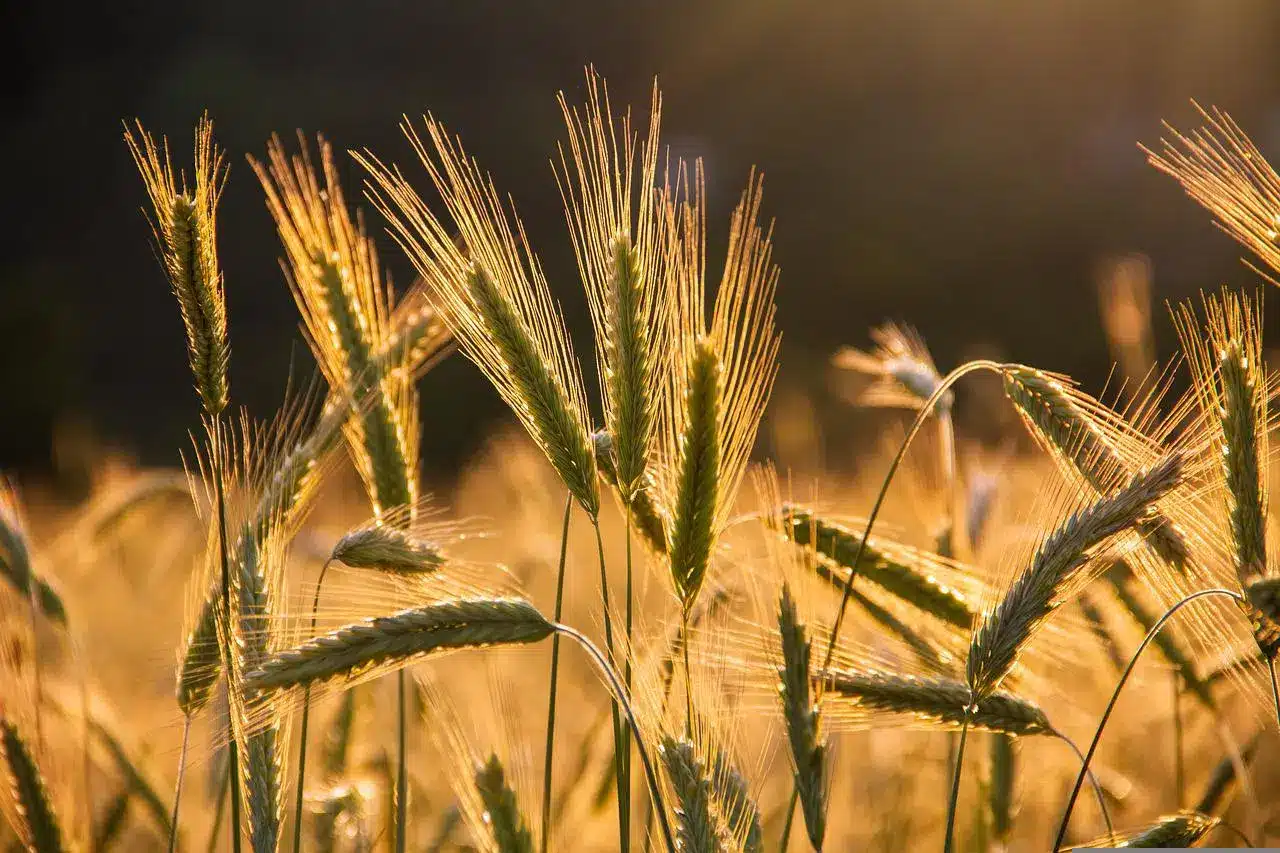
The journey from grain to spirit begins long before fermentation. Malting—the process of germinating grains to activate enzymes—is a transformative stage. During malting, complex starches are broken down into simpler sugars, and flavors begin to develop. Toasting or roasting malt adds caramelized notes, smoke, or nuttiness, turning a humble grain into a flavor powerhouse.

Even unmalted grains, which are often used in bourbon or vodka, require preparation that influences flavor. Grinding, cooking, or steaming affects how easily starches convert to sugars, which in turn impacts yeast activity and the spirit’s texture.

It is here, perhaps more than anywhere else, that one grain can begin to define a spirit’s identity. A barley malt lightly roasted will yield a different spirit than the same barley heavily smoked, even if every other production variable remains identical. The grain’s personality is malleable, but it is always present.

Yeast as a Co-Author

While grains provide the vocabulary, yeast writes the narrative. Different yeast strains metabolize sugars differently, producing distinct aromas and flavors. A single grain might offer potential notes of honey, spice, or chocolate, but the yeast decides which of these notes will dominate.

For example, in single malt Scotch, the combination of malted barley and a carefully chosen yeast strain produces the characteristic fruity, floral, or smoky notes prized by connoisseurs. In bourbon, corn meets a more neutral yeast to emphasize sweetness and roundness. The interaction between grain and yeast is symbiotic—one cannot fully define the spirit without the other—but the grain sets the stage.

Distillation and Grain Expression

Once fermentation is complete, distillation concentrates alcohol and flavor compounds, further shaping identity. Here, the concept of “grain personality” is tested. A copper pot still, for example, enhances richer, oilier congeners, favoring barley’s nuttiness and rye’s spice. A column still, by contrast, produces cleaner, lighter spirits where grain subtlety may be less pronounced.

Distillers often talk about “letting the grain speak.” In practical terms, this means adjusting cut points, temperature, and reflux to highlight the inherent qualities of the raw material. A skilled distiller can coax a grain’s character to the forefront, making a single varietal truly define the spirit.

Aging: Grain’s Last Word

For many spirits, particularly whiskies and ryes, the aging process in wooden barrels adds another layer of complexity. Wood introduces tannins, vanillin, and other compounds, but it also interacts with the underlying grain flavor. A corn-heavy bourbon aged in new charred oak becomes rich and creamy, with sweet vanilla notes that complement its natural sugariness. A rye-heavy whiskey develops spiciness that contrasts with the oak, creating a more layered, dynamic profile.

Even after years in a barrel, the influence of the original grain remains detectable. Tasting a well-aged spirit is often a dance between the grain’s innate flavors, the yeast-derived congeners, and the oak’s seasoning. The grain’s voice may soften over time, but it never disappears.

Single-Grain Versus Blended Spirits

Pot stills 101 – everything you ever wanted to know - Club Oenologique

The debate over whether one grain can define a spirit is most apparent in the distinction between single-grain and blended spirits. Single-grain whiskies, made primarily from one type of grain (often barley, corn, or rye), allow for pure expression of that grain. They can be delicate or bold, simple or complex, depending on production choices.

Blended spirits, on the other hand, combine multiple grains to achieve balance, consistency, or complexity. While blending may dilute the impact of any one grain, it also highlights the art of distillation—the skillful combination of flavors to create a harmonious identity. In both cases, the grain’s role is undeniable, whether it speaks alone or as part of a chorus.

Cultural Context and Consumer Perception

Beyond chemistry and craft, the perception of grain identity is deeply cultural. Consumers often associate certain grains with regional identity or tradition: barley with Scotch, corn with American bourbon, rye with Canadian or Eastern European whiskey. These associations shape expectations and experiences, making the grain both a literal and symbolic marker of identity.

Marketing often leans on this narrative. A distillery may highlight the purity of a single varietal barley or the heirloom heritage of a rye to reinforce authenticity. The story of the grain becomes inseparable from the story of the spirit itself, adding layers of meaning beyond taste.

Innovation and the Modern Spirit Landscape

Today, distillers experiment with unusual grains—quinoa, millet, sorghum—to create novel spirits that challenge traditional notions of identity. These innovations prove that a single grain can be transformative, even when it defies expectation. Some craft distillers focus on single-varietal releases, emphasizing terroir and sustainable sourcing. Others innovate with hybrid grains or specialty malts to explore new flavor horizons.

The modern landscape suggests that the identity of a spirit is never fixed. Grain provides the blueprint, but creativity, culture, and technology all contribute to the final expression. In this sense, one grain can define a spirit, but it does so in concert with countless other factors.

The Philosophical Angle: Identity in Miniature

Perhaps the fascination with a single grain lies in its metaphorical resonance. A tiny seed, often overlooked, contains within it the potential for vast transformation. From soil to field, fermentation to barrel, a single grain embodies the principles of growth, patience, and alchemy. Tasting a spirit distilled from one grain is, in a way, experiencing a condensed story of nature and craft.

The question of whether one grain truly defines a spirit’s identity may be less about science and more about perspective. Grain provides the first spark, the essential voice. The distiller, yeast, and barrel are interpreters, but the narrative always begins with the grain.

Conclusion: Grain as Identity

So, can one grain truly define a spirit’s identity? The answer is both yes and no. Yes, in that the grain establishes foundational flavors, aromas, and textures that resonate through fermentation, distillation, and aging. No, because identity is a multi-layered construct, influenced by yeast, stills, barrels, and cultural context.

Yet, the magic lies in the grain’s potential to guide, inspire, and shape the outcome. The subtle interplay between a tiny kernel and the grand orchestration of distillation reminds us that even the smallest ingredient can leave an indelible mark. In the end, a single grain may not dictate a spirit’s fate, but it certainly whispers its essence into every sip.

A distiller’s eye sees possibility in every kernel. A taster’s tongue seeks truth in every note. And a spirit, born from grain and guided by craft, becomes a living testament to the idea that identity, though complex, can start in something as humble as one small seed.

Tags: fermentationgrain spiritswhiskey productionwine flavors
ShareTweetShare

Related Posts

Can Beer Be an Effective Ingredient in Culinary Cooking?
ALL

Can Beer Be an Effective Ingredient in Culinary Cooking?

January 22, 2026
Second Fermentation in Champagne: Is It Really That Crucial?
ALL

Second Fermentation in Champagne: Is It Really That Crucial?

January 22, 2026
How Do Different Grains Impact the Flavor Profile of Distilled Spirits?
ALL

How Do Different Grains Impact the Flavor Profile of Distilled Spirits?

January 22, 2026
How Do Whiskey Master Blenders Create Perfection?
ALL

How Do Whiskey Master Blenders Create Perfection?

January 22, 2026
Wine Pairings: Can They Change the Flavor Profile of a Dish?
ALL

Wine Pairings: Can They Change the Flavor Profile of a Dish?

January 22, 2026
Beer the Ultimate Beverage for Pairing with Spicy Food?
ALL

Beer the Ultimate Beverage for Pairing with Spicy Food?

January 21, 2026
Leave Comment
  • Trending
  • Comments
  • Latest
What Hidden Craftsmanship Lies Behind a Bottle of Quality Grain Spirits?

What Hidden Craftsmanship Lies Behind a Bottle of Quality Grain Spirits?

July 3, 2025
How Is Champagne Made? The Secrets Behind the Sparkle

How Is Champagne Made? The Secrets Behind the Sparkle

April 15, 2025
Grain Spirits vs. Traditional Distilled Spirits: Which One Suits Your Taste?

Grain Spirits vs. Traditional Distilled Spirits: Which One Suits Your Taste?

July 3, 2025
Champagne Bubbles: How Do They Perfectly Convey Celebration, Joy, and Luxury?

Champagne Bubbles: How Do They Perfectly Convey Celebration, Joy, and Luxury?

July 2, 2025
The Timeless Elegance of Wine: A Journey Through History and Culture

The Timeless Elegance of Wine: A Journey Through History and Culture

Why Is Château Lafite Rothschild the Pinnacle of Fine Wine?

Why Is Château Lafite Rothschild the Pinnacle of Fine Wine?

How Did Château Lafite Rothschild Become a Global Icon of Luxury?

How Did Château Lafite Rothschild Become a Global Icon of Luxury?

What Makes Chateau Lafite Rothschild the Pinnacle of Bordeaux Wines?

What Makes Chateau Lafite Rothschild the Pinnacle of Bordeaux Wines?

Can Beer Be an Effective Ingredient in Culinary Cooking?

Can Beer Be an Effective Ingredient in Culinary Cooking?

January 22, 2026
Second Fermentation in Champagne: Is It Really That Crucial?

Second Fermentation in Champagne: Is It Really That Crucial?

January 22, 2026
How Do Different Grains Impact the Flavor Profile of Distilled Spirits?

How Do Different Grains Impact the Flavor Profile of Distilled Spirits?

January 22, 2026
How Do Whiskey Master Blenders Create Perfection?

How Do Whiskey Master Blenders Create Perfection?

January 22, 2026
SipsavorLife

Welcome to our comprehensive beverage guide, where you can explore the fascinating world of alcoholic drinks. From exquisite wines and rich whiskeys to refreshing beers and sparkling champagnes, we provide insights, tips, and recommendations for enthusiasts and casual drinkers alike. Discover your next favorite libation with us!

© 2025 sipsavorlife.com. contacts:sipsavorlife-35376@gmail.com

No Result
View All Result
  • Home
  • Wine
  • Whiskey
  • Beer
  • Grain Spirits
  • Champagne
  • ALL

© 2025 sipsavorlife.com. contacts:sipsavorlife-35376@gmail.com

Welcome Back!

Login to your account below

Forgotten Password?

Retrieve your password

Please enter your username or email address to reset your password.

Log In