














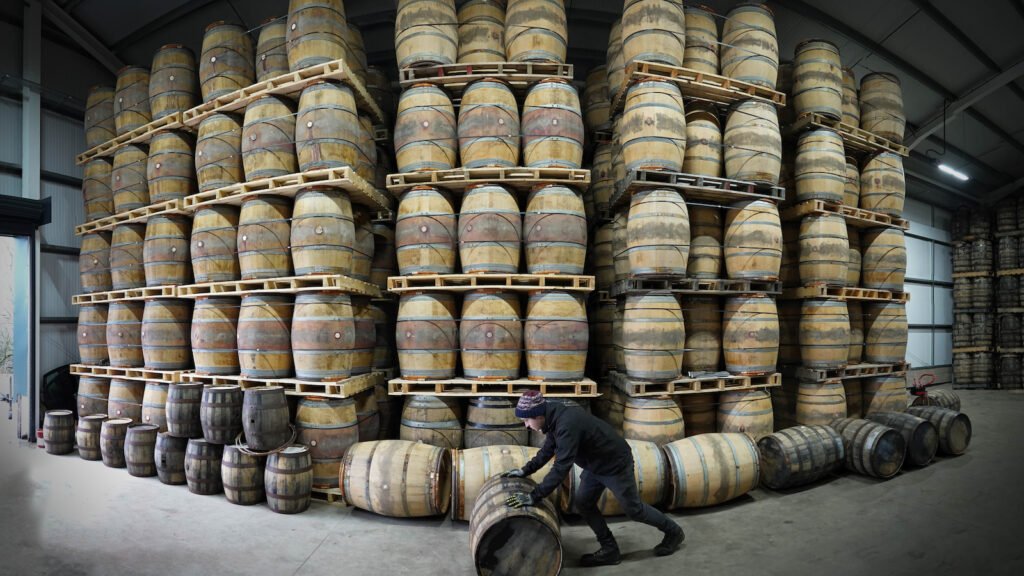
Whiskey. Just the word alone evokes warmth, complexity, and a certain ritual that transcends generations. From a simple pour in a dimly lit room to a meticulously crafted tasting flight, whiskey invites curiosity. One of the most frequently asked questions in the world of spirits is deceptively simple: Does the barrel really dictate the flavor of whiskey? Or is it a convenient scapegoat for the alchemy that occurs inside the distiller’s mind and hands? Let’s embark on a journey down the wooden path that shapes the essence of this beloved spirit.
The Birth of Whiskey Flavor
Every whiskey begins life as a relatively bland distillate. Fresh from the still, the liquid is nearly colorless and has a rough, sometimes harsh character. This is the raw canvas. The complexity, richness, and the very soul of whiskey are not born here but are invited over time, through interactions with wood, oxygen, temperature, and even patience.
A distiller’s choice of grain, yeast strain, fermentation length, and distillation technique all contribute foundational notes. Yet, it is the barrel that often gets the lion’s share of the credit—or the blame—for the final flavor profile.
Why Wood Matters
Barrels are far from passive containers. They are active participants in the maturation of whiskey, offering a complex array of chemical interactions. Whiskey barrels are usually made from oak—American, French, or sometimes Hungarian—with subtle differences:
- American Oak: Provides strong vanilla, caramel, and coconut notes. Often charred deeply to create a contrast with the spirit’s natural grainy character.
- French Oak: More subtle and refined, offering spiced, toasted almond, and tannic layers.
- Hungarian Oak: A bridge between the two, with a delicate interplay of fruitiness and spice.
Oak isn’t just a flavor conveyor. Its porous nature allows small amounts of oxygen to interact with the spirit. This slow oxidation softens harsh alcohols and encourages the formation of esters and aldehydes—chemical compounds that humans perceive as fruity, nutty, or sweet.
Even the barrel’s history matters. Whiskey aged in new barrels behaves differently from whiskey aged in barrels that previously held sherry, port, or even wine. Each previous occupant leaves behind residual sugars, acids, and tannins that subtly—but decisively—shape the flavor.
The Science of Charring and Toasting
If wood is the canvas, then charring and toasting are the brushstrokes. American bourbon barrels, for example, are often charred to levels ranging from #1 to #4, each level offering different characteristics:
- Light char: Mild vanillin and gentle caramelization.
- Medium char: Rich caramel notes with a hint of spice.
- Heavy char: Smoky, toasted flavors with deep vanilla complexity.
The act of charring is more than artistic—it’s chemical. Heat breaks down hemicellulose into sugars, transforms lignin into vanillin, and alters tannins, making them less bitter and more harmonious. Toasting, which is slower and less intense than charring, highlights sweet and spicy notes. The interaction of whiskey with this altered wood matrix is one of the most fascinating aspects of maturation.
Barrel Size and Shape: More Than Aesthetics
Bourbon barrels, scotch casks, and even large-format sherry butts differ in size and shape, and this is not merely a design choice. Surface area-to-volume ratio dictates how much wood flavor the spirit absorbs. A smaller barrel has more wood contact per liter of whiskey, accelerating maturation and flavor extraction. Conversely, a massive cask offers subtlety, letting slow oxidation dominate.
The staves’ curvature and the barrel’s tightness also influence extraction rates. Looser staves can allow a touch more oxygen, enhancing oxidative notes, while tighter barrels slow everything down, giving more emphasis to the original spirit.

Time: The Invisible Alchemist
Barrels don’t work instantly. Flavor development is a slow dance, often taking years. A whiskey aged for two years in new American oak will taste entirely different from the same spirit aged for twelve years. Time allows three processes to unfold:
- Extraction: The spirit absorbs sugars, tannins, and aromatic compounds from the wood.
- Oxidation: Oxygen interacts with whiskey, softening rough edges and creating complex esters.
- Evaporation: Some alcohol and water escape the barrel (“the angel’s share”), concentrating flavors.
This temporal aspect is why older whiskeys often command premium prices, though age alone does not guarantee excellence. A poorly managed barrel can ruin even the finest spirit.
The Role of the Distiller: Myth vs Reality
It’s tempting to credit the barrel with all the glory, but the distiller is an essential architect. Decisions made before the spirit ever touches the wood—grain selection, fermentation time, distillation proof—set the stage. Two distilleries could use identical barrels and yet produce strikingly different whiskeys because of these upstream variables.
Even during aging, the human element matters. Barrel rotation, warehouse placement, and monitoring are subtle yet critical interventions. The barrel sets the potential, but the distiller shapes the reality.
Beyond the Barrel: Environmental Influences
Not all flavor is barrel-born. The warehouse itself plays a role. Temperature fluctuations, humidity levels, and seasonal cycles influence how the whiskey expands into and contracts from the wood.
- High temperatures: Accelerate extraction, often increasing vanilla and caramel notes.
- Cold winters: Slow flavor uptake but enhance subtle oxidative compounds.
- Humidity extremes: Affect the balance between alcohol and water evaporation, subtly concentrating flavors.
Location matters: a coastal distillery might imbue briny, maritime hints; an inland site might emphasize earthy, grainy tones.
Barrel Variations: New vs Reused
The choice between new and used barrels is a defining stylistic decision:
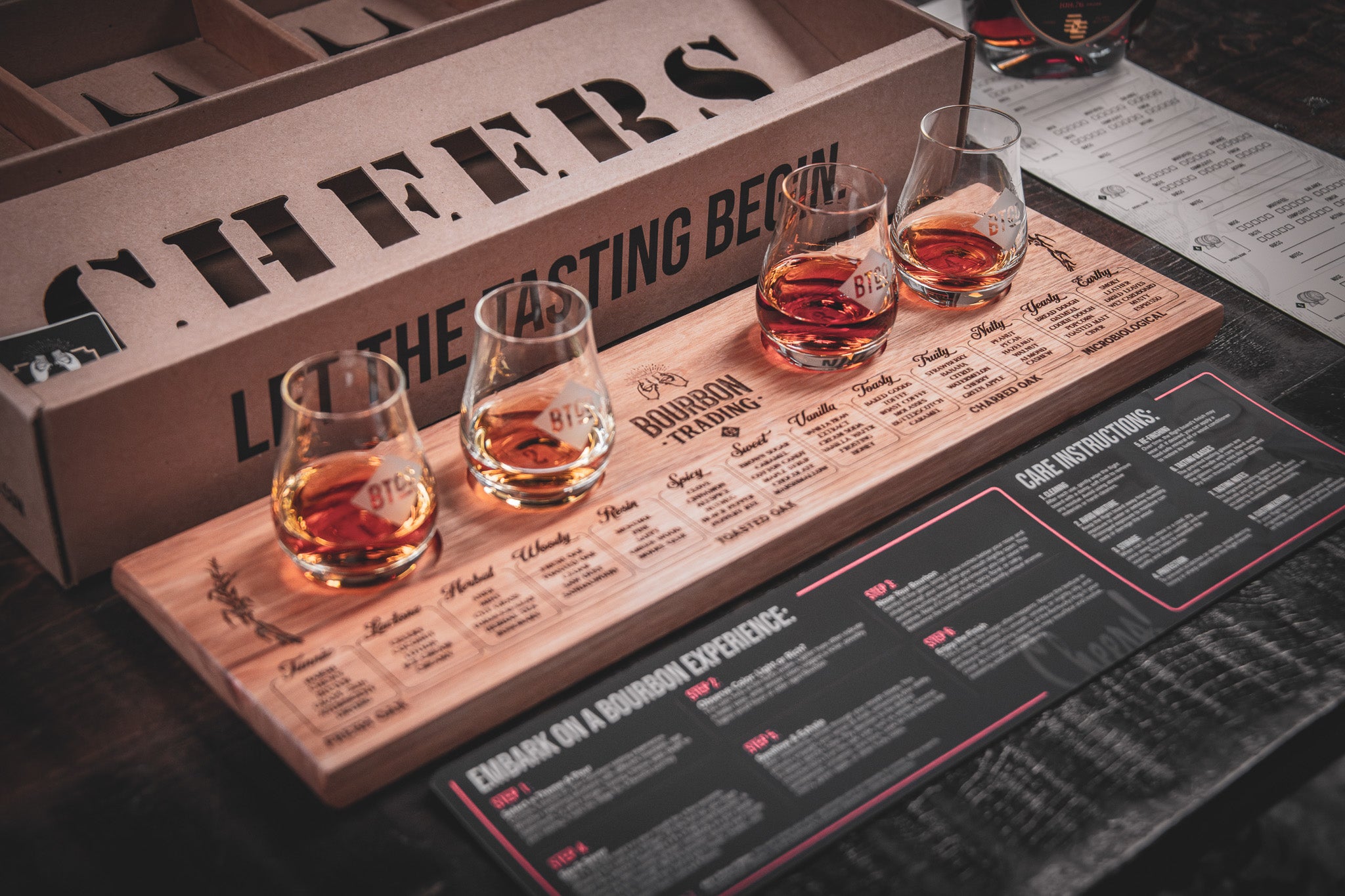
- New barrels: Dominate American bourbon, delivering powerful wood-driven flavors like vanilla, caramel, and toast. They are aggressive flavor machines.
- Used barrels: Common in Scotch, Irish whiskey, and some craft bourbons. They offer restraint, complexity, and echoes of their previous contents. A former sherry cask, for example, may impart dried fruit and nutty nuances without overwhelming the spirit’s original character.
This explains why some whiskeys are immediately recognizable as “barrel-forward” while others whisper their woody influence.
The Myth of the Barrel as Boss
Given all these factors, can the barrel truly be called the “boss” of whiskey flavor? It’s an oversimplification. The barrel is a powerful influencer—perhaps the most visible—but flavor is the product of many forces interacting over time. Distillation, fermentation, yeast selection, water source, and environmental conditions all have votes in the decision-making process. The barrel amplifies, refines, and sometimes tempers, but it does not act in isolation.
Tasting the Barrel
One of the joys of whiskey tasting is identifying barrel-driven characteristics. Look for:
- Vanilla and caramel: Classic signs of oak sugars breaking down.
- Spice and toast: Often indicate heavy charring or French oak influence.
- Fruitiness or nuttiness: Might point to a used cask, particularly wine or sherry.
- Smoke and tobacco: Could be a product of charred oak interaction.
Yet, even with these cues, the spirit itself must be balanced. Over-oaking can dominate, leaving the whiskey more “wood” than “whiskey.” Mastery lies in letting both elements—barrel and distillate—shine in harmony.
Innovations in Barrel Aging
The whiskey world is no stranger to experimentation. Modern distillers have been pushing the boundaries of what barrels can do:
- Hybrid casks: Blending American and French oak in the same aging regimen.
- Rapid aging techniques: Using smaller barrels or sonic vibration to accelerate wood interaction.
- Alternative woods: Chestnut, acacia, and even maple barrels, though less common, offer unique flavor profiles.
- Finished whiskeys: Short-term finishing in wine, rum, or port casks to layer additional aromatic complexity.
These experiments reveal the barrel’s malleability but also underscore its secondary role—still a tool wielded by human creativity.
Barrel and Brand Identity
Barrels don’t just influence taste; they shape brand narratives. A heavily oaked bourbon communicates power and richness. A lightly aged Scotch suggests elegance and restraint. Marketing often elevates the barrel to near-mystical status, but the truth is nuanced: barrels contribute character, but the spirit’s personality is co-authored by distiller, wood, and environment.
Conclusion: Partnership, Not Hierarchy
So, is the barrel really the boss of whiskey flavor? The answer is both yes and no. It’s a crucial, active participant that shapes aroma, taste, and color—but it works in concert with many factors. Think of it less as a tyrant and more as a collaborative partner: it provides texture, nuance, and depth, while the distiller, environment, and even time itself choreograph the dance.
In whiskey, as in life, the best results come from partnership, not domination. The barrel sets the stage, but the spirit performs, and together they create a symphony that captivates the senses.