










SipsavorLife
  • Home
  • Wine
    Wine Pairings: Can They Change the Flavor Profile of a Dish?

    Wine Pairings: Can They Change the Flavor Profile of a Dish?

    How Do Wine Glasses Influence the Tasting Experience?

    How Do Wine Glasses Influence the Tasting Experience?

    Is Organic Wine Healthier Than Conventional Wine?

    Is Organic Wine Healthier Than Conventional Wine?

    Why Do Some Wines Taste Better from Specific Vintages?

    Why Do Some Wines Taste Better from Specific Vintages?

    Wine Tasting: Can It Truly Be an Art Form?

    Wine Tasting: Can It Truly Be an Art Form?

    What Does Terroir Actually Mean for Your Wine?

    What Does Terroir Actually Mean for Your Wine?

  • Whiskey
    Can Beer Be an Effective Ingredient in Culinary Cooking?

    Can Beer Be an Effective Ingredient in Culinary Cooking?

    Second Fermentation in Champagne: Is It Really That Crucial?

    Second Fermentation in Champagne: Is It Really That Crucial?

    How Do Different Grains Impact the Flavor Profile of Distilled Spirits?

    How Do Different Grains Impact the Flavor Profile of Distilled Spirits?

    How Do Whiskey Master Blenders Create Perfection?

    How Do Whiskey Master Blenders Create Perfection?

    Wine Pairings: Can They Change the Flavor Profile of a Dish?

    Wine Pairings: Can They Change the Flavor Profile of a Dish?

    Beer the Ultimate Beverage for Pairing with Spicy Food?

    Beer the Ultimate Beverage for Pairing with Spicy Food?

  • Beer
    Can Beer Be an Effective Ingredient in Culinary Cooking?

    Can Beer Be an Effective Ingredient in Culinary Cooking?

    Beer the Ultimate Beverage for Pairing with Spicy Food?

    Beer the Ultimate Beverage for Pairing with Spicy Food?

    How Did Ancient Civilizations Brew Beer Without Modern Technology?

    How Did Ancient Civilizations Brew Beer Without Modern Technology?

    Is It Possible to Brew a Beer with No Alcohol and No Compromise on Taste?

    Is It Possible to Brew a Beer with No Alcohol and No Compromise on Taste?

    Why Does Beer Taste Different at High Altitudes?

    Why Does Beer Taste Different at High Altitudes?

    Is Hops the Secret Ingredient Behind Beer’s Bold Flavor?

    Is Hops the Secret Ingredient Behind Beer’s Bold Flavor?

  • Grain Spirits
    How Do Different Grains Impact the Flavor Profile of Distilled Spirits?

    How Do Different Grains Impact the Flavor Profile of Distilled Spirits?

    Grain Spirits the Unsung Heroes of Modern Mixology

    Grain Spirits the Unsung Heroes of Modern Mixology

    What Makes Grain-Based Whiskey So Different from Its Peated Cousins?

    What Makes Grain-Based Whiskey So Different from Its Peated Cousins?

    Grain Spirits: Could They Be the Next Big Trend in Craft Cocktails?

    Grain Spirits: Could They Be the Next Big Trend in Craft Cocktails?

    Why Are Grain Spirits Often Overlooked in the World of Fine Liquor?

    Why Are Grain Spirits Often Overlooked in the World of Fine Liquor?

    Is There a Secret Art to Distilling Grain Spirits?

    Is There a Secret Art to Distilling Grain Spirits?

  • Champagne
    Second Fermentation in Champagne: Is It Really That Crucial?

    Second Fermentation in Champagne: Is It Really That Crucial?

    The Science Behind the ‘Bubble Size’ in Champagne

    The Science Behind the ‘Bubble Size’ in Champagne

    Why Do Some Champagnes Use a High Proportion of Pinot Meunier?

    Why Do Some Champagnes Use a High Proportion of Pinot Meunier?

    Role of Terroir in Champagne Production

    Role of Terroir in Champagne Production

    Champagne Can Be Aged in Wood?

    Champagne Can Be Aged in Wood?

    Is There a Difference Between Blanc de Blancs and Blanc de Noirs Champagne?

    Is There a Difference Between Blanc de Blancs and Blanc de Noirs Champagne?

  • ALL
    Can Beer Be an Effective Ingredient in Culinary Cooking?

    Can Beer Be an Effective Ingredient in Culinary Cooking?

    Second Fermentation in Champagne: Is It Really That Crucial?

    Second Fermentation in Champagne: Is It Really That Crucial?

    How Do Different Grains Impact the Flavor Profile of Distilled Spirits?

    How Do Different Grains Impact the Flavor Profile of Distilled Spirits?

    How Do Whiskey Master Blenders Create Perfection?

    How Do Whiskey Master Blenders Create Perfection?

    Wine Pairings: Can They Change the Flavor Profile of a Dish?

    Wine Pairings: Can They Change the Flavor Profile of a Dish?

    Beer the Ultimate Beverage for Pairing with Spicy Food?

    Beer the Ultimate Beverage for Pairing with Spicy Food?

SipsavorLife
  • Home
  • Wine
    Wine Pairings: Can They Change the Flavor Profile of a Dish?

    Wine Pairings: Can They Change the Flavor Profile of a Dish?

    How Do Wine Glasses Influence the Tasting Experience?

    How Do Wine Glasses Influence the Tasting Experience?

    Is Organic Wine Healthier Than Conventional Wine?

    Is Organic Wine Healthier Than Conventional Wine?

    Why Do Some Wines Taste Better from Specific Vintages?

    Why Do Some Wines Taste Better from Specific Vintages?

    Wine Tasting: Can It Truly Be an Art Form?

    Wine Tasting: Can It Truly Be an Art Form?

    What Does Terroir Actually Mean for Your Wine?

    What Does Terroir Actually Mean for Your Wine?

  • Whiskey
    Can Beer Be an Effective Ingredient in Culinary Cooking?

    Can Beer Be an Effective Ingredient in Culinary Cooking?

    Second Fermentation in Champagne: Is It Really That Crucial?

    Second Fermentation in Champagne: Is It Really That Crucial?

    How Do Different Grains Impact the Flavor Profile of Distilled Spirits?

    How Do Different Grains Impact the Flavor Profile of Distilled Spirits?

    How Do Whiskey Master Blenders Create Perfection?

    How Do Whiskey Master Blenders Create Perfection?

    Wine Pairings: Can They Change the Flavor Profile of a Dish?

    Wine Pairings: Can They Change the Flavor Profile of a Dish?

    Beer the Ultimate Beverage for Pairing with Spicy Food?

    Beer the Ultimate Beverage for Pairing with Spicy Food?

  • Beer
    Can Beer Be an Effective Ingredient in Culinary Cooking?

    Can Beer Be an Effective Ingredient in Culinary Cooking?

    Beer the Ultimate Beverage for Pairing with Spicy Food?

    Beer the Ultimate Beverage for Pairing with Spicy Food?

    How Did Ancient Civilizations Brew Beer Without Modern Technology?

    How Did Ancient Civilizations Brew Beer Without Modern Technology?

    Is It Possible to Brew a Beer with No Alcohol and No Compromise on Taste?

    Is It Possible to Brew a Beer with No Alcohol and No Compromise on Taste?

    Why Does Beer Taste Different at High Altitudes?

    Why Does Beer Taste Different at High Altitudes?

    Is Hops the Secret Ingredient Behind Beer’s Bold Flavor?

    Is Hops the Secret Ingredient Behind Beer’s Bold Flavor?

  • Grain Spirits
    How Do Different Grains Impact the Flavor Profile of Distilled Spirits?

    How Do Different Grains Impact the Flavor Profile of Distilled Spirits?

    Grain Spirits the Unsung Heroes of Modern Mixology

    Grain Spirits the Unsung Heroes of Modern Mixology

    What Makes Grain-Based Whiskey So Different from Its Peated Cousins?

    What Makes Grain-Based Whiskey So Different from Its Peated Cousins?

    Grain Spirits: Could They Be the Next Big Trend in Craft Cocktails?

    Grain Spirits: Could They Be the Next Big Trend in Craft Cocktails?

    Why Are Grain Spirits Often Overlooked in the World of Fine Liquor?

    Why Are Grain Spirits Often Overlooked in the World of Fine Liquor?

    Is There a Secret Art to Distilling Grain Spirits?

    Is There a Secret Art to Distilling Grain Spirits?

  • Champagne
    Second Fermentation in Champagne: Is It Really That Crucial?

    Second Fermentation in Champagne: Is It Really That Crucial?

    The Science Behind the ‘Bubble Size’ in Champagne

    The Science Behind the ‘Bubble Size’ in Champagne

    Why Do Some Champagnes Use a High Proportion of Pinot Meunier?

    Why Do Some Champagnes Use a High Proportion of Pinot Meunier?

    Role of Terroir in Champagne Production

    Role of Terroir in Champagne Production

    Champagne Can Be Aged in Wood?

    Champagne Can Be Aged in Wood?

    Is There a Difference Between Blanc de Blancs and Blanc de Noirs Champagne?

    Is There a Difference Between Blanc de Blancs and Blanc de Noirs Champagne?

  • ALL
    Can Beer Be an Effective Ingredient in Culinary Cooking?

    Can Beer Be an Effective Ingredient in Culinary Cooking?

    Second Fermentation in Champagne: Is It Really That Crucial?

    Second Fermentation in Champagne: Is It Really That Crucial?

    How Do Different Grains Impact the Flavor Profile of Distilled Spirits?

    How Do Different Grains Impact the Flavor Profile of Distilled Spirits?

    How Do Whiskey Master Blenders Create Perfection?

    How Do Whiskey Master Blenders Create Perfection?

    Wine Pairings: Can They Change the Flavor Profile of a Dish?

    Wine Pairings: Can They Change the Flavor Profile of a Dish?

    Beer the Ultimate Beverage for Pairing with Spicy Food?

    Beer the Ultimate Beverage for Pairing with Spicy Food?

SipsavorLife
No Result
View All Result
Home ALL

Is Grain the Hidden Architect of Spirit Flavor?

January 6, 2026
in ALL, Grain Spirits
Is Grain the Hidden Architect of Spirit Flavor?

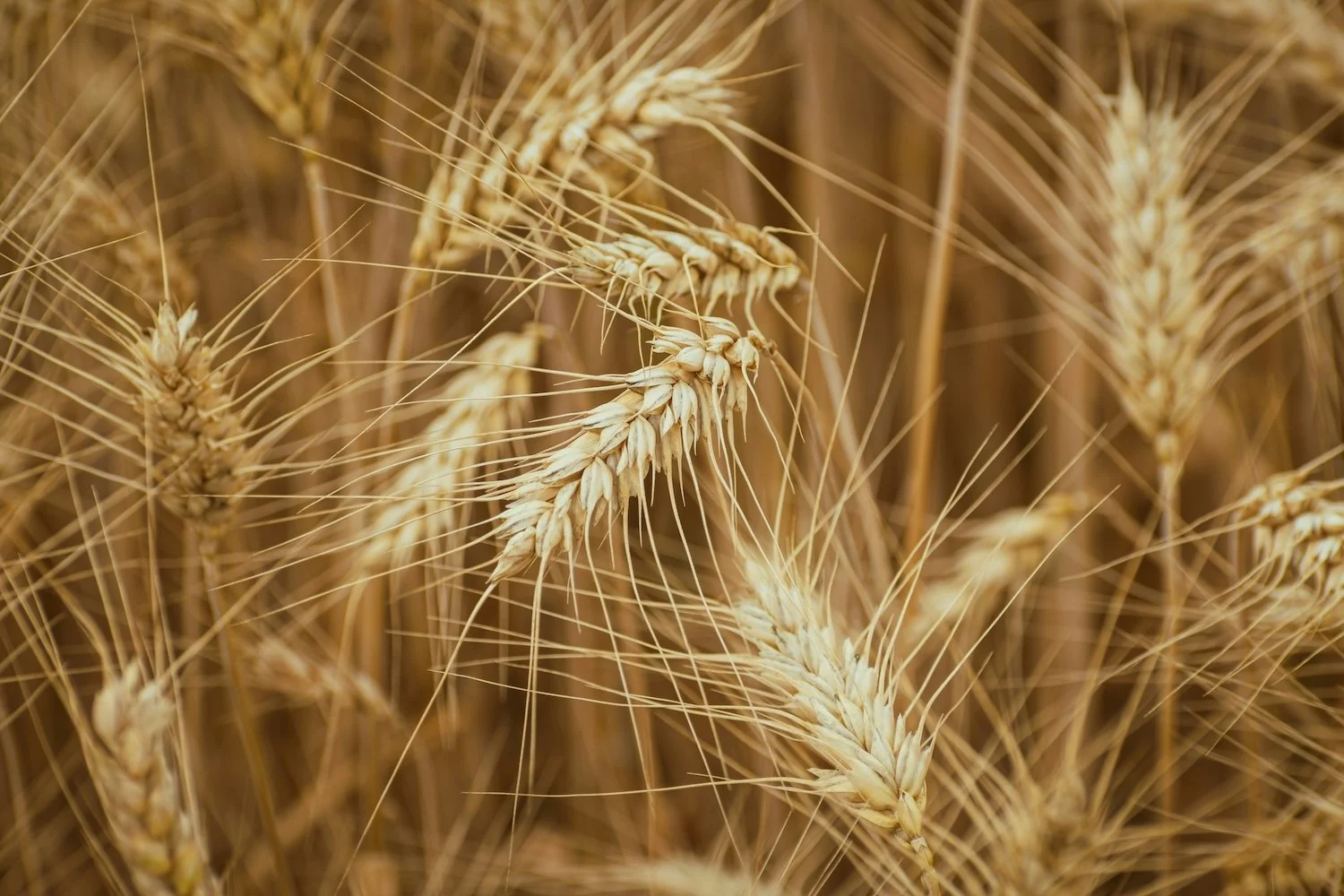
In the complex universe of distilled beverages, where aromas swirl, flavors linger, and textures surprise, one unassuming hero often goes unnoticed: grain. Though spirits are celebrated for their aging in barrels, water source, and yeast strain, the foundational ingredient—the grain itself—can wield a profound influence on the final character of the spirit. From the golden waves of barley to the crystalline stalks of corn, the humble grain is the quiet architect shaping aroma, body, and taste.

Grain does more than merely serve as fermentable sugar; it acts as a canvas, a palette, and sometimes even a subtle brushstroke that defines whether a whiskey sings with vanilla warmth or a vodka dances with icy neutrality. Understanding the science, history, and artistry of grain in spirit production illuminates why distillers treat it with almost reverent attention.


The Botanical Blueprint: Types of Grains and Their Intrinsic Character

At the heart of every spirit is a grain—or a combination thereof. Each type brings a unique molecular composition that dictates how it will behave in mashing, fermentation, and distillation. The most common grains in spirit production are barley, corn, rye, wheat, and sorghum, each contributing a distinct personality to the beverage.

Barley is the stalwart of malted spirits. Its enzymes are particularly efficient at breaking down starches into fermentable sugars, making it a favorite in whisky and malt-forward beverages. Barley imparts a nutty sweetness, often accompanied by hints of toast or cereal, laying the groundwork for a complex, layered mouthfeel.

Corn, with its high starch content, is a powerhouse in bourbon and other American grain spirits. Its sweet, creamy character provides a mellow base, often described as smooth and buttery. Corn can dominate the palate if used excessively, which is why master distillers carefully balance it with other grains to maintain harmony.

Rye is the spice artist. Known for its peppery, slightly earthy notes, rye adds vibrancy and complexity, particularly in whiskey. Its natural phenolic compounds can survive fermentation and distillation, giving the final spirit an aromatic intensity that’s impossible to replicate with milder grains.

Wheat offers softness. Often referred to as the “silent partner,” wheat can round out harsh edges, providing a smooth, almost velvety mouthfeel. Wheated bourbons are celebrated for this plush texture, which tempers the boldness of corn and rye.

Sorghum and other regional grains bring localized character, connecting the spirit to its terroir. Sorghum, for instance, is used in some Chinese baijiu and African spirits, imparting earthy, fermented sweetness that is instantly recognizable to regional palates.

Each grain carries a unique chemical signature. The starch-to-protein ratio, enzyme activity, lipid content, and natural sugar profile influence how the grain converts to alcohol and how residual flavors persist after distillation. In essence, the grain is not a passive participant—it is a chemical architect of taste.


Malting and Mashing: Activating the Grain’s Hidden Potential

Before grain can impart its magic, it must be coaxed into releasing fermentable sugars. Malting, steeping, germinating, and drying barley—or similar processes for other grains—awakens enzymatic potential. This process doesn’t just produce sugar; it transforms flavor precursors into forms that yeast can metabolize.

During mashing, the grain’s starches are converted to simpler sugars, which yeast will later consume. But this step is not merely functional. The choice of mash temperature, pH, and water hardness interacts with the grain’s proteins and lipids to produce subtle flavor compounds. Toasty, biscuity, or nutty aromatics can originate entirely from this step. In rye mash, for example, the spicy aromatics are released during mashing, setting the stage for fermentation to amplify or refine these notes.

Water is an unsung partner here. Minerals influence enzyme activity, and even slight changes in pH can determine whether a grain’s delicate flavors shine or become muted. The mash is, in effect, a living chemical experiment, with the grain as the central reagent.


Malting Barley at Home

Fermentation: Grain Meets Yeast

Once the sugars are ready, yeast enters the scene. Yet, even in this stage, the grain dictates much of the spirit’s personality. Not all sugars are equal—maltose, glucose, and complex oligosaccharides ferment differently, producing unique profiles of ethanol, esters, and phenols.

The grain’s protein content is particularly important. Proteins break down into amino acids, which yeast uses to grow. This interaction affects the formation of higher alcohols, aldehydes, and esters—compounds critical to aroma. For instance, barley’s relatively high protein content leads to the creation of malt-forward, fruity esters, while corn’s lower protein favors a cleaner, sweeter profile.

Fermentation duration also matters. A long, slow fermentation allows the yeast to interact more thoroughly with grain components, often revealing nuanced flavors otherwise masked by speedier processes. Many craft distillers leverage temperature-controlled fermentation to coax grains into expressing subtle notes reminiscent of honey, toast, or even citrus, all originating from the raw starch and protein matrix of the grain.


Distillation: Separating, Amplifying, and Shaping

Distillation is where the grain’s latent personality is concentrated. Ethanol is distilled, but flavor compounds travel along in subtle quantities, defining the final spirit. The composition of congeners—esters, aldehydes, ketones—depends heavily on the grain, mash, and fermentation profile.

Pot stills often preserve more grain character, allowing heavier, richer notes to survive. Malt whisky distilled in copper pot stills retains the nutty, biscuity character of barley. In contrast, column stills can strip a spirit toward neutrality, emphasizing the grain’s raw sweetness in cleaner styles like vodka. Even here, grain matters: wheat or rye vodkas have discernible textures and faint aromatic cues that pure ethanol cannot produce on its own.

Barrel aging interacts with grain compounds as well. Toasty vanillins from oak meld differently with corn sweetness versus rye spice. The grain’s sugars and proteins influence how quickly the spirit interacts with the wood, sometimes catalyzing esterification reactions that would not occur in a neutral base. A well-aged rye whiskey, therefore, is as much a celebration of its grain as it is of its barrel.


Regional Identity: Grain as a Marker of Terroir

Grain also links spirits to geography. Climate, soil, and cultivation techniques shape the raw material long before it reaches the distillery. Scottish barley, with its cool, wet climate, produces malt with softer, more floral qualities. American corn, grown under hot sun and irrigated fields, yields sugar profiles that translate into creamy, robust bourbon. Even small variations in cultivar or harvest timing can influence enzymatic activity and, ultimately, flavor.

This connection to terroir explains why spirits of the same style taste markedly different across regions. Grain acts as a botanical fingerprint, anchoring a spirit to its origin and allowing producers to tell stories of place without a single word.


Innovations and Experiments: Grain as a Creative Medium

Modern distillers increasingly treat grain as a medium for experimentation. Heritage grains, hybrid varieties, and ancient cultivars are being reintroduced to explore flavors lost in industrial homogenization. Some distilleries experiment with smoked or roasted grains to add depth. Others blend multiple grains in unconventional ratios to create novel aromatic landscapes.

Hybrid grains, such as barley-rye crosses, can produce balanced profiles, combining the nutty sweetness of barley with the assertive spice of rye. Quinoa, millet, and even buckwheat have found their way into craft spirits, introducing gluten-free alternatives with surprisingly complex flavor potential.

These experiments highlight an essential truth: while distillation, aging, and yeast selection are critical, grain remains the foundational architect. Innovation often starts with what grain can express, not merely how it can be processed.


Sensory Perception: How Grain Shapes the Experience

Flavor is more than taste—it is aroma, texture, and mouthfeel. Grain contributes to all three.

🌽 What Kind Of Corn Is Used For Bourbon? – Flaviar
  • Aroma: Barley and wheat often produce malty, nutty, or floral scents. Rye contributes spice and earthy undertones. Corn offers sweetness and creaminess.
  • Texture: Grain proteins and lipids influence viscosity, giving some spirits a silky, almost creamy feel, while others feel light and crisp.
  • Taste: Sugars, residual starches, and congeners from grains directly influence sweetness, bitterness, and umami perception in the final spirit.

Professional tasters often describe “grain character” as the spirit’s signature—the subtle, underlying note that distinguishes one whiskey from another even before aging, yeast, or cask influence.


Case Studies: Grain-Defined Spirits

Bourbon: Must contain at least 51% corn, yet the remaining grains—often rye and malted barley—define complexity. The soft corn sweetness is shaped by the spicy rye and nutty malted barley, creating a layered flavor experience.

Rye Whiskey: With at least 51% rye, the grain itself dominates the sensory profile. Its spiciness is a direct reflection of the botanical characteristics of rye grain.

Scotch Whisky: Predominantly barley-based, with malted barley for single malts and a combination with other grains for blends. Barley drives the signature notes of malt, biscuit, and subtle smoke when peat is involved.

Vodka: Traditionally distilled from grains like wheat, rye, or corn. While distilled to high purity, subtle textural differences reveal the influence of grain selection on smoothness and perception of sweetness.

Japanese Whisky: Often barley-driven, with careful fermentation and distillation to highlight delicate floral and honeyed notes, showing how grain selection aligns with stylistic goals.


The Grain Renaissance

As consumer interest in craft spirits grows, so does curiosity about raw ingredients. Grain, once overlooked in favor of distillation techniques and barrel aging, is now gaining recognition as a primary flavor architect. Distillers, sommeliers, and enthusiasts alike are exploring varietals, sourcing methods, and innovative processing to tease out the hidden potential of grains.

In tastings, discussions often shift from barrel toast levels or yeast strains to questions like: What barley did you use? How was it malted? What proportions of corn, rye, and wheat? This shift underscores a critical reality: grain is no longer just fuel for fermentation; it is a storyteller, a creator, and, in many ways, the secret artist behind the liquid symphony in our glasses.


Conclusion: Grain as the Hidden Architect

The next time a sip of whiskey, vodka, or bourbon dances across your palate, consider the invisible hands shaping its personality. The grains—barley, corn, rye, wheat—do more than provide sugar for fermentation; they orchestrate flavor, aroma, and texture from the very beginning.

Distillers may manipulate barrels, yeast, water, and distillation methods, but without the careful selection, treatment, and understanding of grain, the final spirit would lack depth, personality, and narrative. Grain is, indeed, the hidden architect, quietly designing the architecture of taste and defining what makes each spirit uniquely memorable.

From field to mash tun to glass, grain’s influence is profound, subtle, and indispensable. The next time you raise a glass, remember: the story begins long before aging barrels or copper stills—it begins with the humble grain, the true architect of spirit flavor.

Tags: fermentationflavorgrain spiritswhiskey tasting
ShareTweetShare

Related Posts

Can Beer Be an Effective Ingredient in Culinary Cooking?
ALL

Can Beer Be an Effective Ingredient in Culinary Cooking?

January 22, 2026
Second Fermentation in Champagne: Is It Really That Crucial?
ALL

Second Fermentation in Champagne: Is It Really That Crucial?

January 22, 2026
How Do Different Grains Impact the Flavor Profile of Distilled Spirits?
ALL

How Do Different Grains Impact the Flavor Profile of Distilled Spirits?

January 22, 2026
How Do Whiskey Master Blenders Create Perfection?
ALL

How Do Whiskey Master Blenders Create Perfection?

January 22, 2026
Wine Pairings: Can They Change the Flavor Profile of a Dish?
ALL

Wine Pairings: Can They Change the Flavor Profile of a Dish?

January 22, 2026
Beer the Ultimate Beverage for Pairing with Spicy Food?
ALL

Beer the Ultimate Beverage for Pairing with Spicy Food?

January 21, 2026
Leave Comment
  • Trending
  • Comments
  • Latest
What Hidden Craftsmanship Lies Behind a Bottle of Quality Grain Spirits?

What Hidden Craftsmanship Lies Behind a Bottle of Quality Grain Spirits?

July 3, 2025
How Is Champagne Made? The Secrets Behind the Sparkle

How Is Champagne Made? The Secrets Behind the Sparkle

April 15, 2025
Grain Spirits vs. Traditional Distilled Spirits: Which One Suits Your Taste?

Grain Spirits vs. Traditional Distilled Spirits: Which One Suits Your Taste?

July 3, 2025
Champagne Bubbles: How Do They Perfectly Convey Celebration, Joy, and Luxury?

Champagne Bubbles: How Do They Perfectly Convey Celebration, Joy, and Luxury?

July 2, 2025
The Timeless Elegance of Wine: A Journey Through History and Culture

The Timeless Elegance of Wine: A Journey Through History and Culture

Why Is Château Lafite Rothschild the Pinnacle of Fine Wine?

Why Is Château Lafite Rothschild the Pinnacle of Fine Wine?

How Did Château Lafite Rothschild Become a Global Icon of Luxury?

How Did Château Lafite Rothschild Become a Global Icon of Luxury?

What Makes Chateau Lafite Rothschild the Pinnacle of Bordeaux Wines?

What Makes Chateau Lafite Rothschild the Pinnacle of Bordeaux Wines?

Can Beer Be an Effective Ingredient in Culinary Cooking?

Can Beer Be an Effective Ingredient in Culinary Cooking?

January 22, 2026
Second Fermentation in Champagne: Is It Really That Crucial?

Second Fermentation in Champagne: Is It Really That Crucial?

January 22, 2026
How Do Different Grains Impact the Flavor Profile of Distilled Spirits?

How Do Different Grains Impact the Flavor Profile of Distilled Spirits?

January 22, 2026
How Do Whiskey Master Blenders Create Perfection?

How Do Whiskey Master Blenders Create Perfection?

January 22, 2026
SipsavorLife

Welcome to our comprehensive beverage guide, where you can explore the fascinating world of alcoholic drinks. From exquisite wines and rich whiskeys to refreshing beers and sparkling champagnes, we provide insights, tips, and recommendations for enthusiasts and casual drinkers alike. Discover your next favorite libation with us!

© 2025 sipsavorlife.com. contacts:sipsavorlife-35376@gmail.com

No Result
View All Result
  • Home
  • Wine
  • Whiskey
  • Beer
  • Grain Spirits
  • Champagne
  • ALL

© 2025 sipsavorlife.com. contacts:sipsavorlife-35376@gmail.com

Welcome Back!

Login to your account below

Forgotten Password?

Retrieve your password

Please enter your username or email address to reset your password.

Log In