







SipsavorLife
  • Home
  • Wine
    Wine Pairings: Can They Change the Flavor Profile of a Dish?

    Wine Pairings: Can They Change the Flavor Profile of a Dish?

    How Do Wine Glasses Influence the Tasting Experience?

    How Do Wine Glasses Influence the Tasting Experience?

    Is Organic Wine Healthier Than Conventional Wine?

    Is Organic Wine Healthier Than Conventional Wine?

    Why Do Some Wines Taste Better from Specific Vintages?

    Why Do Some Wines Taste Better from Specific Vintages?

    Wine Tasting: Can It Truly Be an Art Form?

    Wine Tasting: Can It Truly Be an Art Form?

    What Does Terroir Actually Mean for Your Wine?

    What Does Terroir Actually Mean for Your Wine?

  • Whiskey
    Can Beer Be an Effective Ingredient in Culinary Cooking?

    Can Beer Be an Effective Ingredient in Culinary Cooking?

    Second Fermentation in Champagne: Is It Really That Crucial?

    Second Fermentation in Champagne: Is It Really That Crucial?

    How Do Different Grains Impact the Flavor Profile of Distilled Spirits?

    How Do Different Grains Impact the Flavor Profile of Distilled Spirits?

    How Do Whiskey Master Blenders Create Perfection?

    How Do Whiskey Master Blenders Create Perfection?

    Wine Pairings: Can They Change the Flavor Profile of a Dish?

    Wine Pairings: Can They Change the Flavor Profile of a Dish?

    Beer the Ultimate Beverage for Pairing with Spicy Food?

    Beer the Ultimate Beverage for Pairing with Spicy Food?

  • Beer
    Can Beer Be an Effective Ingredient in Culinary Cooking?

    Can Beer Be an Effective Ingredient in Culinary Cooking?

    Beer the Ultimate Beverage for Pairing with Spicy Food?

    Beer the Ultimate Beverage for Pairing with Spicy Food?

    How Did Ancient Civilizations Brew Beer Without Modern Technology?

    How Did Ancient Civilizations Brew Beer Without Modern Technology?

    Is It Possible to Brew a Beer with No Alcohol and No Compromise on Taste?

    Is It Possible to Brew a Beer with No Alcohol and No Compromise on Taste?

    Why Does Beer Taste Different at High Altitudes?

    Why Does Beer Taste Different at High Altitudes?

    Is Hops the Secret Ingredient Behind Beer’s Bold Flavor?

    Is Hops the Secret Ingredient Behind Beer’s Bold Flavor?

  • Grain Spirits
    How Do Different Grains Impact the Flavor Profile of Distilled Spirits?

    How Do Different Grains Impact the Flavor Profile of Distilled Spirits?

    Grain Spirits the Unsung Heroes of Modern Mixology

    Grain Spirits the Unsung Heroes of Modern Mixology

    What Makes Grain-Based Whiskey So Different from Its Peated Cousins?

    What Makes Grain-Based Whiskey So Different from Its Peated Cousins?

    Grain Spirits: Could They Be the Next Big Trend in Craft Cocktails?

    Grain Spirits: Could They Be the Next Big Trend in Craft Cocktails?

    Why Are Grain Spirits Often Overlooked in the World of Fine Liquor?

    Why Are Grain Spirits Often Overlooked in the World of Fine Liquor?

    Is There a Secret Art to Distilling Grain Spirits?

    Is There a Secret Art to Distilling Grain Spirits?

  • Champagne
    Second Fermentation in Champagne: Is It Really That Crucial?

    Second Fermentation in Champagne: Is It Really That Crucial?

    The Science Behind the ‘Bubble Size’ in Champagne

    The Science Behind the ‘Bubble Size’ in Champagne

    Why Do Some Champagnes Use a High Proportion of Pinot Meunier?

    Why Do Some Champagnes Use a High Proportion of Pinot Meunier?

    Role of Terroir in Champagne Production

    Role of Terroir in Champagne Production

    Champagne Can Be Aged in Wood?

    Champagne Can Be Aged in Wood?

    Is There a Difference Between Blanc de Blancs and Blanc de Noirs Champagne?

    Is There a Difference Between Blanc de Blancs and Blanc de Noirs Champagne?

  • ALL
    Can Beer Be an Effective Ingredient in Culinary Cooking?

    Can Beer Be an Effective Ingredient in Culinary Cooking?

    Second Fermentation in Champagne: Is It Really That Crucial?

    Second Fermentation in Champagne: Is It Really That Crucial?

    How Do Different Grains Impact the Flavor Profile of Distilled Spirits?

    How Do Different Grains Impact the Flavor Profile of Distilled Spirits?

    How Do Whiskey Master Blenders Create Perfection?

    How Do Whiskey Master Blenders Create Perfection?

    Wine Pairings: Can They Change the Flavor Profile of a Dish?

    Wine Pairings: Can They Change the Flavor Profile of a Dish?

    Beer the Ultimate Beverage for Pairing with Spicy Food?

    Beer the Ultimate Beverage for Pairing with Spicy Food?

SipsavorLife
  • Home
  • Wine
    Wine Pairings: Can They Change the Flavor Profile of a Dish?

    Wine Pairings: Can They Change the Flavor Profile of a Dish?

    How Do Wine Glasses Influence the Tasting Experience?

    How Do Wine Glasses Influence the Tasting Experience?

    Is Organic Wine Healthier Than Conventional Wine?

    Is Organic Wine Healthier Than Conventional Wine?

    Why Do Some Wines Taste Better from Specific Vintages?

    Why Do Some Wines Taste Better from Specific Vintages?

    Wine Tasting: Can It Truly Be an Art Form?

    Wine Tasting: Can It Truly Be an Art Form?

    What Does Terroir Actually Mean for Your Wine?

    What Does Terroir Actually Mean for Your Wine?

  • Whiskey
    Can Beer Be an Effective Ingredient in Culinary Cooking?

    Can Beer Be an Effective Ingredient in Culinary Cooking?

    Second Fermentation in Champagne: Is It Really That Crucial?

    Second Fermentation in Champagne: Is It Really That Crucial?

    How Do Different Grains Impact the Flavor Profile of Distilled Spirits?

    How Do Different Grains Impact the Flavor Profile of Distilled Spirits?

    How Do Whiskey Master Blenders Create Perfection?

    How Do Whiskey Master Blenders Create Perfection?

    Wine Pairings: Can They Change the Flavor Profile of a Dish?

    Wine Pairings: Can They Change the Flavor Profile of a Dish?

    Beer the Ultimate Beverage for Pairing with Spicy Food?

    Beer the Ultimate Beverage for Pairing with Spicy Food?

  • Beer
    Can Beer Be an Effective Ingredient in Culinary Cooking?

    Can Beer Be an Effective Ingredient in Culinary Cooking?

    Beer the Ultimate Beverage for Pairing with Spicy Food?

    Beer the Ultimate Beverage for Pairing with Spicy Food?

    How Did Ancient Civilizations Brew Beer Without Modern Technology?

    How Did Ancient Civilizations Brew Beer Without Modern Technology?

    Is It Possible to Brew a Beer with No Alcohol and No Compromise on Taste?

    Is It Possible to Brew a Beer with No Alcohol and No Compromise on Taste?

    Why Does Beer Taste Different at High Altitudes?

    Why Does Beer Taste Different at High Altitudes?

    Is Hops the Secret Ingredient Behind Beer’s Bold Flavor?

    Is Hops the Secret Ingredient Behind Beer’s Bold Flavor?

  • Grain Spirits
    How Do Different Grains Impact the Flavor Profile of Distilled Spirits?

    How Do Different Grains Impact the Flavor Profile of Distilled Spirits?

    Grain Spirits the Unsung Heroes of Modern Mixology

    Grain Spirits the Unsung Heroes of Modern Mixology

    What Makes Grain-Based Whiskey So Different from Its Peated Cousins?

    What Makes Grain-Based Whiskey So Different from Its Peated Cousins?

    Grain Spirits: Could They Be the Next Big Trend in Craft Cocktails?

    Grain Spirits: Could They Be the Next Big Trend in Craft Cocktails?

    Why Are Grain Spirits Often Overlooked in the World of Fine Liquor?

    Why Are Grain Spirits Often Overlooked in the World of Fine Liquor?

    Is There a Secret Art to Distilling Grain Spirits?

    Is There a Secret Art to Distilling Grain Spirits?

  • Champagne
    Second Fermentation in Champagne: Is It Really That Crucial?

    Second Fermentation in Champagne: Is It Really That Crucial?

    The Science Behind the ‘Bubble Size’ in Champagne

    The Science Behind the ‘Bubble Size’ in Champagne

    Why Do Some Champagnes Use a High Proportion of Pinot Meunier?

    Why Do Some Champagnes Use a High Proportion of Pinot Meunier?

    Role of Terroir in Champagne Production

    Role of Terroir in Champagne Production

    Champagne Can Be Aged in Wood?

    Champagne Can Be Aged in Wood?

    Is There a Difference Between Blanc de Blancs and Blanc de Noirs Champagne?

    Is There a Difference Between Blanc de Blancs and Blanc de Noirs Champagne?

  • ALL
    Can Beer Be an Effective Ingredient in Culinary Cooking?

    Can Beer Be an Effective Ingredient in Culinary Cooking?

    Second Fermentation in Champagne: Is It Really That Crucial?

    Second Fermentation in Champagne: Is It Really That Crucial?

    How Do Different Grains Impact the Flavor Profile of Distilled Spirits?

    How Do Different Grains Impact the Flavor Profile of Distilled Spirits?

    How Do Whiskey Master Blenders Create Perfection?

    How Do Whiskey Master Blenders Create Perfection?

    Wine Pairings: Can They Change the Flavor Profile of a Dish?

    Wine Pairings: Can They Change the Flavor Profile of a Dish?

    Beer the Ultimate Beverage for Pairing with Spicy Food?

    Beer the Ultimate Beverage for Pairing with Spicy Food?

SipsavorLife
No Result
View All Result
Home ALL

Why the “Legs” of Wine Are an Underrated Detail in Tasting

June 30, 2025
in ALL, Wine
Why the “Legs” of Wine Are an Underrated Detail in Tasting

When most people first encounter a glass of wine, they might instinctively swirl it and observe the formation of “legs”—those droplets that slowly run down the inside of the glass after the wine is swirled. Often, wine enthusiasts and novices alike look at these legs with curiosity, sometimes remarking on their appearance, but often dismissing them as a trivial detail. However, the “legs” of wine—also known as “tears”—can provide important clues about the wine’s viscosity, alcohol content, and even balance. Though not the most critical factor in evaluating a wine’s overall quality, the legs should not be overlooked, as they reveal significant insights into the wine’s structure and personality.

In this article, we’ll explore what the legs of wine actually are, what they tell us about the wine, and why they are a subtle but important detail in the wine tasting experience.


1. What Are the “Legs” of Wine?

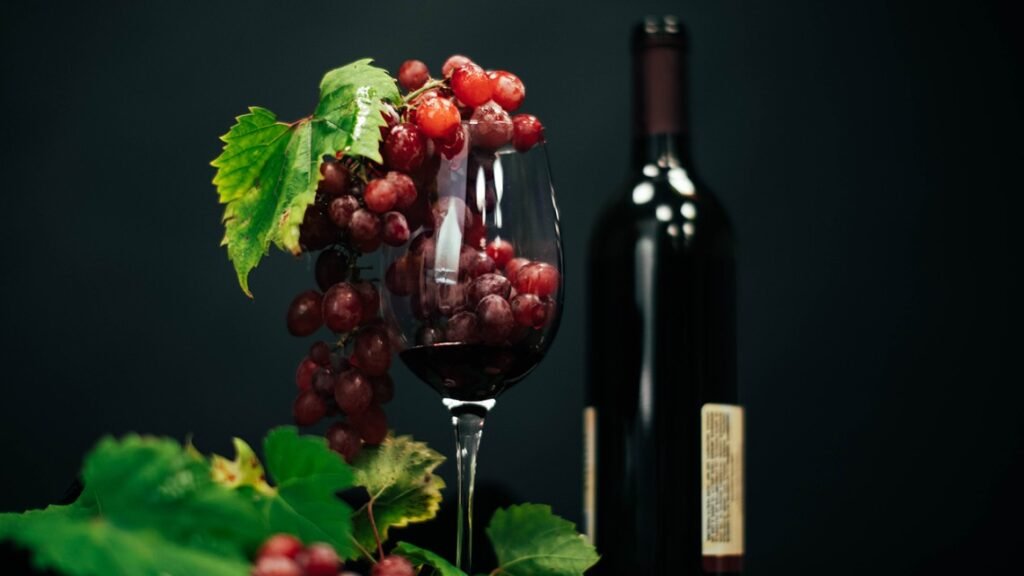
The “legs” of wine are the droplets of liquid that form on the inside of the wine glass after the wine has been swirled. When you tilt your glass, you might notice the wine running down the sides in thin, uniform streams or thicker droplets. The length of time these droplets take to fall and their appearance—whether they are slow and thick or quick and thin—can tell us a lot about the wine.

How Do They Form?

The formation of legs is primarily influenced by two factors:

  • Alcohol Content: Wine contains alcohol and water, as well as other compounds like sugars and acids. When you swirl wine in a glass, the alcohol in the wine evaporates more quickly than the water, causing the surface tension of the liquid to change. This difference in evaporation rates leads to the formation of small droplets that cling to the side of the glass and then slowly run down.
  • Glycerol: Another key component that affects the legs is glycerol, a thick, oily compound produced during fermentation. Glycerol contributes to the viscosity of the wine, giving it a fuller, more viscous mouthfeel. Wines that contain higher levels of glycerol tend to have slower, thicker legs, which can indicate a more textured and fuller-bodied wine.

2. What Do the Legs Tell Us About a Wine?

While the legs themselves are not a direct indicator of quality, they provide several clues that help in understanding the wine’s structural elements, particularly its alcohol content, viscosity, and overall balance.

Alcohol Content

One of the most common interpretations of the legs is that they offer a visual cue about the wine’s alcohol content. Generally speaking:

  • Higher Alcohol Wines: Wines with a higher alcohol content, such as Port, Zinfandel, or Cabernet Sauvignon, tend to have slower, thicker legs. The higher alcohol creates more surface tension, which causes the legs to form more slowly.
  • Lower Alcohol Wines: Wines with lower alcohol content, like Pinot Grigio or Riesling, often have faster, thinner legs, as there is less alcohol to create the surface tension needed for the droplets to linger.

Although the legs do give an indication of alcohol levels, it’s important to note that this observation is not always definitive. Other factors such as glycerol content and viscosity can also influence the appearance of the legs.

Viscosity and Texture

Wines that have more glycerol—a substance produced naturally during fermentation—tend to be more viscous, meaning the liquid feels thicker on the palate. This viscosity also affects how the legs form. A wine with a higher glycerol content, such as a full-bodied Chardonnay or Shiraz, will often have thicker, slower-moving legs, which may suggest a wine that is fuller-bodied and textured in your mouth.

Conversely, wines that are light-bodied and have lower glycerol levels, like Sauvignon Blanc or Beaujolais, will typically display faster, thinner legs, which correlates to their more delicate, lighter mouthfeel.

Sugar Content and Sweetness

Another factor that contributes to the appearance of the legs is residual sugar. Sweet wines, such as Sauternes or Moscato, tend to have slower legs because the sugar contributes to the viscosity of the wine. The higher the sugar content, the thicker the legs may appear. While this is not a direct indicator of the wine’s sweetness, wines with more sugar often display more pronounced legs.

3. Why Are Legs Important in Tasting Wine?

Though they may not hold the same weight as the wine’s aroma, flavor, or finish, the legs are an essential part of the full sensory experience. Here’s why:

Helps Determine Wine’s Alcohol and Structure

Understanding the alcohol level and texture of a wine can significantly affect how you approach the tasting. For example, a wine with thick, slow-moving legs often indicates a high-alcohol, full-bodied wine, which might suggest that it will have a warming, robust mouthfeel. Conversely, wines with fast-moving legs are likely to be lighter in alcohol and body, which can set the expectation for a more delicate or crisp tasting experience.

Adds to the Sensory Experience

Swirling the wine and observing the legs is part of the ritual of wine tasting. It involves engaging not just the sense of sight, but also the sense of touch and texture. The interaction of the wine with the glass and the way the legs form creates an additional layer of anticipation and excitement. This sensory engagement helps elevate the overall wine tasting experience, as it builds an understanding of how the wine might feel on the palate.

Shows Wine’s Integrity and Ageability

In some cases, the legs can provide insight into the integrity and ageability of a wine. Younger wines with higher alcohol content and glycerol levels typically produce more prominent legs. Older wines, on the other hand, may show less distinct legs, as their texture may have softened over time. However, it is important to note that the ageability of a wine cannot be determined solely by the appearance of the legs—it is simply one part of a much larger picture.


4. The Leg Debate: Why It Shouldn’t Be Overemphasized

While the legs provide useful information, they should not be the sole focus of wine evaluation. Here are a few reasons why:

  • Subjective Nature: The appearance of the legs can be subjective and influenced by the shape of the glass, the temperature of the wine, and even the speed at which you swirl it. This means that different people might interpret the legs differently.
  • Other Factors Matter More: The most important aspects of wine tasting—aroma, flavor, and finish—play a much larger role in determining the overall quality and character of a wine. The legs provide only a small glimpse into the wine’s structure and texture, but it’s the overall balance and complexity that truly define a great wine.
  • Not Always a Reliable Indicator: As mentioned, while the legs can indicate alcohol content or glycerol levels, there are many wines that may defy these generalizations. A light, low-alcohol wine with a high glycerol content might still produce thick legs, and some high-alcohol wines may show thin legs if the viscosity is not high.

5. Conclusion: The Legs—A Window into a Wine’s Structure

In the world of wine tasting, the legs are often a mysterious yet fascinating detail that contribute to our understanding of the wine’s structure. They can give us valuable insights into a wine’s alcohol content, viscosity, and texture, and provide us with clues about its potential body and mouthfeel. However, while they add depth to the wine-tasting experience, they are not the most important aspect of wine evaluation.

Rather than focusing exclusively on the legs, consider them just one part of the broader picture. When tasting wine, use the legs as a tool to help understand the wine’s texture, but always remember that the true character of a wine is revealed through its aromas, flavors, and finish. So next time you swirl your glass, pay attention to those legs—but don’t let them overshadow the greater complexity of the wine in your glass.

Tags: CultureFamous brand wineHealthHistoryInnovationluxurytasteWine
ShareTweetShare

Related Posts

Can Beer Be an Effective Ingredient in Culinary Cooking?
ALL

Can Beer Be an Effective Ingredient in Culinary Cooking?

January 22, 2026
Second Fermentation in Champagne: Is It Really That Crucial?
ALL

Second Fermentation in Champagne: Is It Really That Crucial?

January 22, 2026
How Do Different Grains Impact the Flavor Profile of Distilled Spirits?
ALL

How Do Different Grains Impact the Flavor Profile of Distilled Spirits?

January 22, 2026
How Do Whiskey Master Blenders Create Perfection?
ALL

How Do Whiskey Master Blenders Create Perfection?

January 22, 2026
Wine Pairings: Can They Change the Flavor Profile of a Dish?
ALL

Wine Pairings: Can They Change the Flavor Profile of a Dish?

January 22, 2026
Beer the Ultimate Beverage for Pairing with Spicy Food?
ALL

Beer the Ultimate Beverage for Pairing with Spicy Food?

January 21, 2026
Leave Comment
  • Trending
  • Comments
  • Latest
What Hidden Craftsmanship Lies Behind a Bottle of Quality Grain Spirits?

What Hidden Craftsmanship Lies Behind a Bottle of Quality Grain Spirits?

July 3, 2025
How Is Champagne Made? The Secrets Behind the Sparkle

How Is Champagne Made? The Secrets Behind the Sparkle

April 15, 2025
Grain Spirits vs. Traditional Distilled Spirits: Which One Suits Your Taste?

Grain Spirits vs. Traditional Distilled Spirits: Which One Suits Your Taste?

July 3, 2025
Champagne Bubbles: How Do They Perfectly Convey Celebration, Joy, and Luxury?

Champagne Bubbles: How Do They Perfectly Convey Celebration, Joy, and Luxury?

July 2, 2025
The Timeless Elegance of Wine: A Journey Through History and Culture

The Timeless Elegance of Wine: A Journey Through History and Culture

Why Is Château Lafite Rothschild the Pinnacle of Fine Wine?

Why Is Château Lafite Rothschild the Pinnacle of Fine Wine?

How Did Château Lafite Rothschild Become a Global Icon of Luxury?

How Did Château Lafite Rothschild Become a Global Icon of Luxury?

What Makes Chateau Lafite Rothschild the Pinnacle of Bordeaux Wines?

What Makes Chateau Lafite Rothschild the Pinnacle of Bordeaux Wines?

Can Beer Be an Effective Ingredient in Culinary Cooking?

Can Beer Be an Effective Ingredient in Culinary Cooking?

January 22, 2026
Second Fermentation in Champagne: Is It Really That Crucial?

Second Fermentation in Champagne: Is It Really That Crucial?

January 22, 2026
How Do Different Grains Impact the Flavor Profile of Distilled Spirits?

How Do Different Grains Impact the Flavor Profile of Distilled Spirits?

January 22, 2026
How Do Whiskey Master Blenders Create Perfection?

How Do Whiskey Master Blenders Create Perfection?

January 22, 2026
SipsavorLife

Welcome to our comprehensive beverage guide, where you can explore the fascinating world of alcoholic drinks. From exquisite wines and rich whiskeys to refreshing beers and sparkling champagnes, we provide insights, tips, and recommendations for enthusiasts and casual drinkers alike. Discover your next favorite libation with us!

© 2025 sipsavorlife.com. contacts:sipsavorlife-35376@gmail.com

No Result
View All Result
  • Home
  • Wine
  • Whiskey
  • Beer
  • Grain Spirits
  • Champagne
  • ALL

© 2025 sipsavorlife.com. contacts:sipsavorlife-35376@gmail.com

Welcome Back!

Login to your account below

Forgotten Password?

Retrieve your password

Please enter your username or email address to reset your password.

Log In