






























SipsavorLife
  • Home
  • Wine
    Wine Pairings: Can They Change the Flavor Profile of a Dish?

    Wine Pairings: Can They Change the Flavor Profile of a Dish?

    How Do Wine Glasses Influence the Tasting Experience?

    How Do Wine Glasses Influence the Tasting Experience?

    Is Organic Wine Healthier Than Conventional Wine?

    Is Organic Wine Healthier Than Conventional Wine?

    Why Do Some Wines Taste Better from Specific Vintages?

    Why Do Some Wines Taste Better from Specific Vintages?

    Wine Tasting: Can It Truly Be an Art Form?

    Wine Tasting: Can It Truly Be an Art Form?

    What Does Terroir Actually Mean for Your Wine?

    What Does Terroir Actually Mean for Your Wine?

  • Whiskey
    Can Beer Be an Effective Ingredient in Culinary Cooking?

    Can Beer Be an Effective Ingredient in Culinary Cooking?

    Second Fermentation in Champagne: Is It Really That Crucial?

    Second Fermentation in Champagne: Is It Really That Crucial?

    How Do Different Grains Impact the Flavor Profile of Distilled Spirits?

    How Do Different Grains Impact the Flavor Profile of Distilled Spirits?

    How Do Whiskey Master Blenders Create Perfection?

    How Do Whiskey Master Blenders Create Perfection?

    Wine Pairings: Can They Change the Flavor Profile of a Dish?

    Wine Pairings: Can They Change the Flavor Profile of a Dish?

    Beer the Ultimate Beverage for Pairing with Spicy Food?

    Beer the Ultimate Beverage for Pairing with Spicy Food?

  • Beer
    Can Beer Be an Effective Ingredient in Culinary Cooking?

    Can Beer Be an Effective Ingredient in Culinary Cooking?

    Beer the Ultimate Beverage for Pairing with Spicy Food?

    Beer the Ultimate Beverage for Pairing with Spicy Food?

    How Did Ancient Civilizations Brew Beer Without Modern Technology?

    How Did Ancient Civilizations Brew Beer Without Modern Technology?

    Is It Possible to Brew a Beer with No Alcohol and No Compromise on Taste?

    Is It Possible to Brew a Beer with No Alcohol and No Compromise on Taste?

    Why Does Beer Taste Different at High Altitudes?

    Why Does Beer Taste Different at High Altitudes?

    Is Hops the Secret Ingredient Behind Beer’s Bold Flavor?

    Is Hops the Secret Ingredient Behind Beer’s Bold Flavor?

  • Grain Spirits
    How Do Different Grains Impact the Flavor Profile of Distilled Spirits?

    How Do Different Grains Impact the Flavor Profile of Distilled Spirits?

    Grain Spirits the Unsung Heroes of Modern Mixology

    Grain Spirits the Unsung Heroes of Modern Mixology

    What Makes Grain-Based Whiskey So Different from Its Peated Cousins?

    What Makes Grain-Based Whiskey So Different from Its Peated Cousins?

    Grain Spirits: Could They Be the Next Big Trend in Craft Cocktails?

    Grain Spirits: Could They Be the Next Big Trend in Craft Cocktails?

    Why Are Grain Spirits Often Overlooked in the World of Fine Liquor?

    Why Are Grain Spirits Often Overlooked in the World of Fine Liquor?

    Is There a Secret Art to Distilling Grain Spirits?

    Is There a Secret Art to Distilling Grain Spirits?

  • Champagne
    Second Fermentation in Champagne: Is It Really That Crucial?

    Second Fermentation in Champagne: Is It Really That Crucial?

    The Science Behind the ‘Bubble Size’ in Champagne

    The Science Behind the ‘Bubble Size’ in Champagne

    Why Do Some Champagnes Use a High Proportion of Pinot Meunier?

    Why Do Some Champagnes Use a High Proportion of Pinot Meunier?

    Role of Terroir in Champagne Production

    Role of Terroir in Champagne Production

    Champagne Can Be Aged in Wood?

    Champagne Can Be Aged in Wood?

    Is There a Difference Between Blanc de Blancs and Blanc de Noirs Champagne?

    Is There a Difference Between Blanc de Blancs and Blanc de Noirs Champagne?

  • ALL
    Can Beer Be an Effective Ingredient in Culinary Cooking?

    Can Beer Be an Effective Ingredient in Culinary Cooking?

    Second Fermentation in Champagne: Is It Really That Crucial?

    Second Fermentation in Champagne: Is It Really That Crucial?

    How Do Different Grains Impact the Flavor Profile of Distilled Spirits?

    How Do Different Grains Impact the Flavor Profile of Distilled Spirits?

    How Do Whiskey Master Blenders Create Perfection?

    How Do Whiskey Master Blenders Create Perfection?

    Wine Pairings: Can They Change the Flavor Profile of a Dish?

    Wine Pairings: Can They Change the Flavor Profile of a Dish?

    Beer the Ultimate Beverage for Pairing with Spicy Food?

    Beer the Ultimate Beverage for Pairing with Spicy Food?

SipsavorLife
  • Home
  • Wine
    Wine Pairings: Can They Change the Flavor Profile of a Dish?

    Wine Pairings: Can They Change the Flavor Profile of a Dish?

    How Do Wine Glasses Influence the Tasting Experience?

    How Do Wine Glasses Influence the Tasting Experience?

    Is Organic Wine Healthier Than Conventional Wine?

    Is Organic Wine Healthier Than Conventional Wine?

    Why Do Some Wines Taste Better from Specific Vintages?

    Why Do Some Wines Taste Better from Specific Vintages?

    Wine Tasting: Can It Truly Be an Art Form?

    Wine Tasting: Can It Truly Be an Art Form?

    What Does Terroir Actually Mean for Your Wine?

    What Does Terroir Actually Mean for Your Wine?

  • Whiskey
    Can Beer Be an Effective Ingredient in Culinary Cooking?

    Can Beer Be an Effective Ingredient in Culinary Cooking?

    Second Fermentation in Champagne: Is It Really That Crucial?

    Second Fermentation in Champagne: Is It Really That Crucial?

    How Do Different Grains Impact the Flavor Profile of Distilled Spirits?

    How Do Different Grains Impact the Flavor Profile of Distilled Spirits?

    How Do Whiskey Master Blenders Create Perfection?

    How Do Whiskey Master Blenders Create Perfection?

    Wine Pairings: Can They Change the Flavor Profile of a Dish?

    Wine Pairings: Can They Change the Flavor Profile of a Dish?

    Beer the Ultimate Beverage for Pairing with Spicy Food?

    Beer the Ultimate Beverage for Pairing with Spicy Food?

  • Beer
    Can Beer Be an Effective Ingredient in Culinary Cooking?

    Can Beer Be an Effective Ingredient in Culinary Cooking?

    Beer the Ultimate Beverage for Pairing with Spicy Food?

    Beer the Ultimate Beverage for Pairing with Spicy Food?

    How Did Ancient Civilizations Brew Beer Without Modern Technology?

    How Did Ancient Civilizations Brew Beer Without Modern Technology?

    Is It Possible to Brew a Beer with No Alcohol and No Compromise on Taste?

    Is It Possible to Brew a Beer with No Alcohol and No Compromise on Taste?

    Why Does Beer Taste Different at High Altitudes?

    Why Does Beer Taste Different at High Altitudes?

    Is Hops the Secret Ingredient Behind Beer’s Bold Flavor?

    Is Hops the Secret Ingredient Behind Beer’s Bold Flavor?

  • Grain Spirits
    How Do Different Grains Impact the Flavor Profile of Distilled Spirits?

    How Do Different Grains Impact the Flavor Profile of Distilled Spirits?

    Grain Spirits the Unsung Heroes of Modern Mixology

    Grain Spirits the Unsung Heroes of Modern Mixology

    What Makes Grain-Based Whiskey So Different from Its Peated Cousins?

    What Makes Grain-Based Whiskey So Different from Its Peated Cousins?

    Grain Spirits: Could They Be the Next Big Trend in Craft Cocktails?

    Grain Spirits: Could They Be the Next Big Trend in Craft Cocktails?

    Why Are Grain Spirits Often Overlooked in the World of Fine Liquor?

    Why Are Grain Spirits Often Overlooked in the World of Fine Liquor?

    Is There a Secret Art to Distilling Grain Spirits?

    Is There a Secret Art to Distilling Grain Spirits?

  • Champagne
    Second Fermentation in Champagne: Is It Really That Crucial?

    Second Fermentation in Champagne: Is It Really That Crucial?

    The Science Behind the ‘Bubble Size’ in Champagne

    The Science Behind the ‘Bubble Size’ in Champagne

    Why Do Some Champagnes Use a High Proportion of Pinot Meunier?

    Why Do Some Champagnes Use a High Proportion of Pinot Meunier?

    Role of Terroir in Champagne Production

    Role of Terroir in Champagne Production

    Champagne Can Be Aged in Wood?

    Champagne Can Be Aged in Wood?

    Is There a Difference Between Blanc de Blancs and Blanc de Noirs Champagne?

    Is There a Difference Between Blanc de Blancs and Blanc de Noirs Champagne?

  • ALL
    Can Beer Be an Effective Ingredient in Culinary Cooking?

    Can Beer Be an Effective Ingredient in Culinary Cooking?

    Second Fermentation in Champagne: Is It Really That Crucial?

    Second Fermentation in Champagne: Is It Really That Crucial?

    How Do Different Grains Impact the Flavor Profile of Distilled Spirits?

    How Do Different Grains Impact the Flavor Profile of Distilled Spirits?

    How Do Whiskey Master Blenders Create Perfection?

    How Do Whiskey Master Blenders Create Perfection?

    Wine Pairings: Can They Change the Flavor Profile of a Dish?

    Wine Pairings: Can They Change the Flavor Profile of a Dish?

    Beer the Ultimate Beverage for Pairing with Spicy Food?

    Beer the Ultimate Beverage for Pairing with Spicy Food?

SipsavorLife
No Result
View All Result
Home ALL

Do You Know How the Champagne Production Process Influences Its Unique Flavor and Effervescence?

July 3, 2025
in ALL, Champagne
Do You Know How the Champagne Production Process Influences Its Unique Flavor and Effervescence?

Champagne, often considered the epitome of celebration and elegance, is much more than a drink; it’s an experience that dazzles the senses. The bubbles, the refreshing acidity, and the complex flavors of champagne are all the result of an intricate and time-honored process that spans months or even years. Unlike other sparkling wines, champagne is made with an almost sacred set of rules and techniques, particularly the méthode champenoise (or traditional method), which gives it its iconic qualities.

In this article, we’ll explore how every step of the champagne production process—from grape harvest to aging on lees—plays a crucial role in creating the wine’s distinctive effervescence, depth of flavor, and elegance.


1. The Grape Harvest: A Delicate Beginning

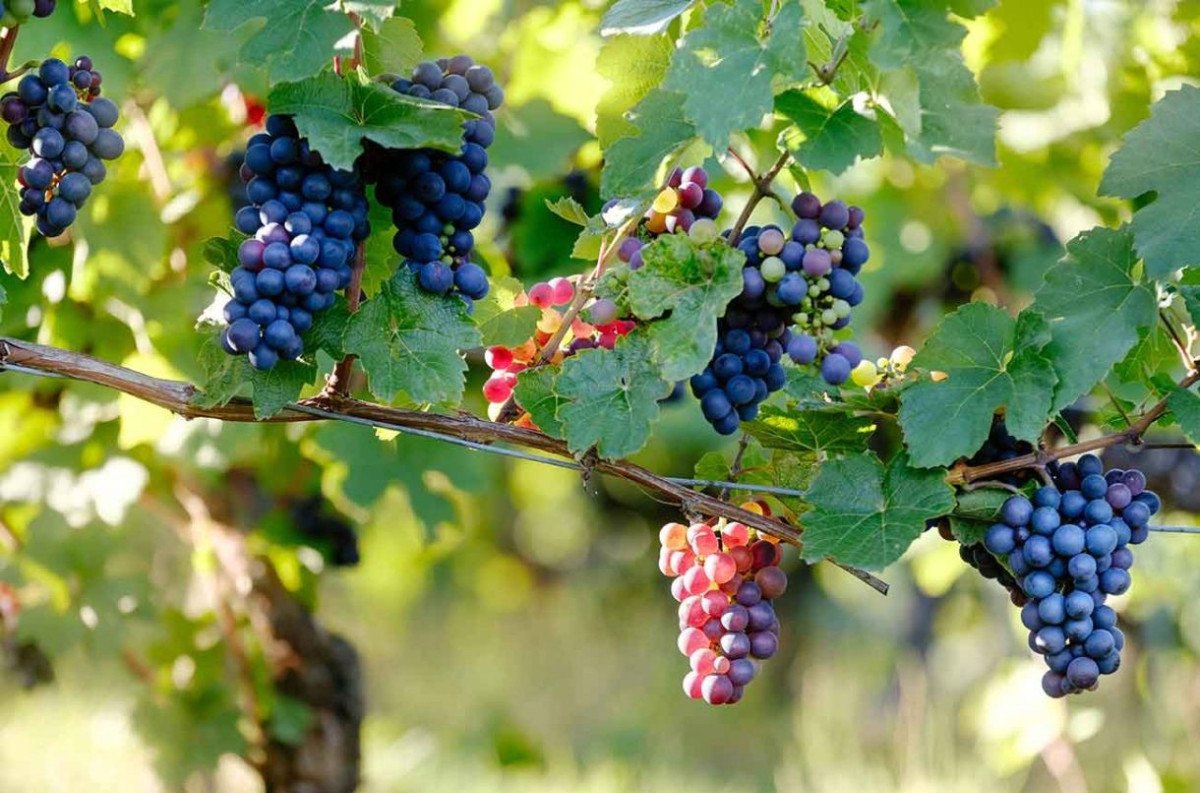
The journey of champagne begins in the Champagne region of France, where a combination of specific climate conditions, soil, and grape varieties gives the region its distinct terroir. Champagne’s main grapes are Chardonnay, Pinot Noir, and Pinot Meunier, each contributing unique flavors to the final product.

Key Factors During the Harvest:

  • Timing: The grapes for champagne must be harvested at the perfect moment—when they reach the right balance of ripeness and acidity. This precise timing is crucial because the fresh acidity in champagne is one of its defining features.
  • Hand Harvesting: Unlike many other wine regions, hand-picking is the norm in Champagne. This ensures that the grapes are handled gently, preventing bruising and preserving the delicate fruit flavors.

Why This Matters:

The early harvest and the careful selection of high-acid grapes are essential to maintaining the fresh, crisp characteristics of champagne, which will later evolve during the aging process.


2. Pressing the Grapes: Gentle Extraction

Once the grapes are harvested, they undergo a delicate pressing process. Unlike table wines, champagne grapes are gently pressed to avoid extracting too much tannin or color, especially from the Pinot Noir (a red grape).

Key Steps in Pressing:

  • Traditional Pressing: In the Champagne region, a pneumatic press is commonly used. This type of press gently extracts the juice from the grapes without crushing the skins, ensuring that the resulting juice remains light in color and low in tannins.
  • First Press: The first press, known as the “cuvée,” is the most prized juice, which will later go on to become champagne. The press juice is often separated into several fractions, with the cuvée being reserved for the finest quality wines.

Why This Matters:

The goal of the pressing is to preserve the purity of the fruit’s natural flavors. The gentle extraction ensures that the wine will have a cleaner taste and a lighter body, setting the stage for the effervescence and balance that champagne is known for.


3. Primary Fermentation: The Creation of Base Wines

The juice extracted from the grapes is fermented to create what is called the base wine. This first fermentation typically takes place in either stainless steel tanks or oak barrels (depending on the house style), and the wine is fermented at cool temperatures to preserve its fresh, fruity characteristics.

Key Aspects of Primary Fermentation:

  • Yeast: Wild yeasts (naturally present on the skins of the grapes) or cultured yeasts are used to ferment the grape juice into alcohol. The yeast consumes the sugars in the juice, creating alcohol and carbon dioxide.
  • Malolactic Fermentation: In many champagnes, a second fermentation called malolactic fermentation occurs, where the malic acid (the sharper, apple-like acid) is converted into the softer lactic acid, contributing to the champagne’s smoother, creamier texture.

Why This Matters:

The base wines, which are typically high in acidity, will provide the backbone for champagne’s crispness and structure. The addition of malolactic fermentation softens the sharpness, providing a rounder mouthfeel that complements the champagne’s effervescence.


4. Secondary Fermentation: The Magic of Effervescence

The defining characteristic of champagne is its effervescence—the tiny, persistent bubbles that dance in the glass and tingle on the tongue. This phenomenon occurs during the secondary fermentation.

The Traditional Method (Méthode Champenoise):

After the primary fermentation is completed, the base wine is bottled with a small amount of sugar and yeast added. The bottle is sealed with a crown cap, and the wine undergoes a second fermentation in the bottle. This process creates carbon dioxide, which dissolves in the wine and forms bubbles.

  • Yeast in Bottle: As the yeast ferments the sugar, it produces alcohol and carbon dioxide. The carbon dioxide cannot escape from the sealed bottle, so it dissolves in the wine, resulting in fine, persistent bubbles.
  • Age on Lees: After fermentation, the wine remains in contact with the lees (dead yeast cells) for an extended period. This process adds complexity to the wine, introducing flavors of bread, brioche, and hazelnut.

Why This Matters:

The secondary fermentation in bottle is what sets champagne apart from other sparkling wines. The tiny bubbles produced during this fermentation process are smaller and longer-lasting, creating a delicate, silky mouthfeel. The longer champagne stays in contact with its lees, the more complex and flavorful it becomes, with deeper notes of yeast and toasty bread.
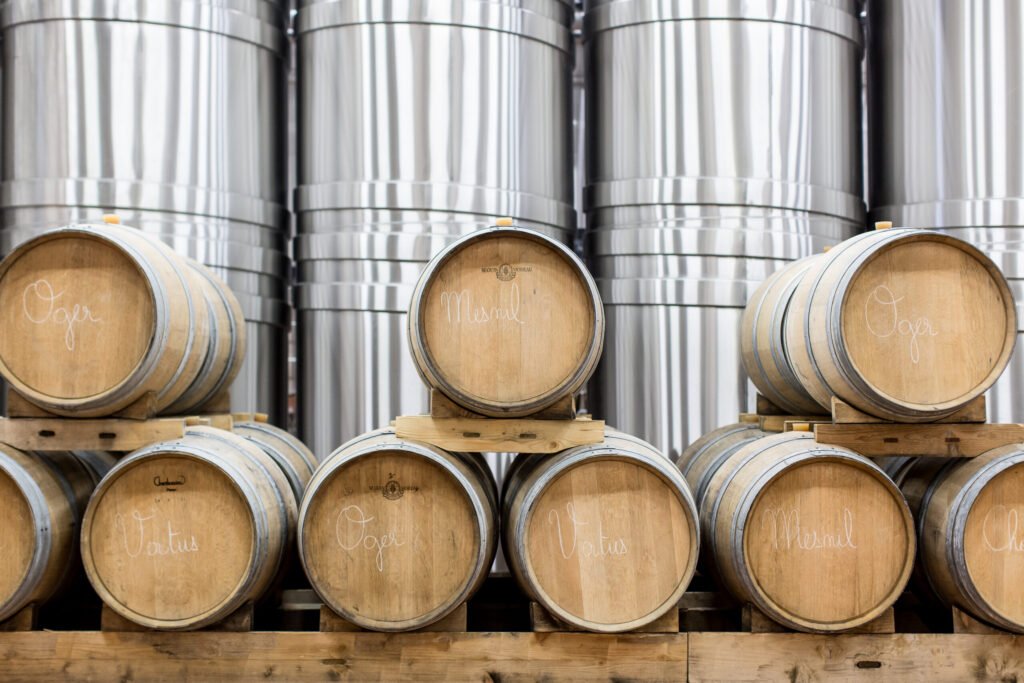

5. Riddling and Disgorging: Clearing the Wine

Once the aging process is complete, the bottles are carefully riddled to move the sediment (the dead yeast cells) toward the neck of the bottle. This process involves slowly tilting and rotating each bottle by hand or machine over several weeks.

  • Riddling: The bottles are placed in wooden racks at an angle, and over time, they are rotated and tilted to collect the sediment near the neck.
  • Disgorging: After riddling, the bottles undergo disgorging, where the neck of the bottle is frozen, and the sediment plug is ejected from the bottle under pressure. The bottle is then topped up with a mixture of wine and sugar, known as dosage.

Why This Matters:

The riddling and disgorging process ensures that champagne is clear and free from sediment. The dosage added at disgorging can also influence the final flavor of the champagne, determining its sweetness. This allows the producer to fine-tune the champagne’s taste profile, ensuring that it remains fresh, crisp, and well-balanced.


6. Aging: The Development of Complexity

After disgorging, champagne is allowed to age for additional time to allow the flavors to evolve. Vintage champagnes are aged for several years, while non-vintage champagnes are typically aged for a shorter period but still benefit from several months of maturation.

  • Aging on Lees: The longer champagne ages on its lees, the more richness, creamy texture, and bread-like aromas it develops. These autolytic flavors are what give champagne its complexity and depth.
  • Non-Vintage vs. Vintage: Non-vintage champagnes are blends of several years’ harvests, while vintage champagnes come from a single year’s harvest and are aged longer, often producing more refined and layered flavors.

Why This Matters:

The aging process significantly impacts champagne’s flavor complexity and its mouthfeel. Longer aging enhances the wine’s depth and texture, resulting in champagne that is more rich, creamy, and elegant, with a more pronounced yeast and nutty character.


7. Bottling and Serving: The Final Touch

Once champagne is disgorged and the final dosage is added, the wine is sealed with a cork and secured with a wire cage. The final champagne is ready to be enjoyed, but how it is served can also affect its effervescence and experience.

  • Serving Temperature: Champagne should be served well-chilled, ideally between 45–50°F (7–10°C), to preserve its effervescence and freshness.
  • Glassware: Flute glasses are often used for champagne, as their narrow shape helps maintain the bubbles and concentrate the wine’s aromas.

Why This Matters:

Proper serving and storage help maintain champagne’s effervescence, ensuring the experience is as crisp, fresh, and bubbly as intended.


Conclusion: The Art Behind Champagne’s Unique Qualities

The meticulous, time-intensive process of producing champagne is what gives it its iconic complexity, elegance, and refined effervescence. From the careful grape harvest to the second fermentation, aging on lees, and the final disgorging, every step contributes to the small, fine bubbles, balanced acidity, and bread-like richness that make champagne so beloved. The tradition and craftsmanship behind each bottle ensure that champagne remains the gold standard of sparkling wines, capable of transforming any celebration into a truly memorable event.


Tags: champagneFamous brand wineHealthHistoryInnovationluxurymarkettaste
ShareTweetShare

Related Posts

Can Beer Be an Effective Ingredient in Culinary Cooking?
ALL

Can Beer Be an Effective Ingredient in Culinary Cooking?

January 22, 2026
Second Fermentation in Champagne: Is It Really That Crucial?
ALL

Second Fermentation in Champagne: Is It Really That Crucial?

January 22, 2026
How Do Different Grains Impact the Flavor Profile of Distilled Spirits?
ALL

How Do Different Grains Impact the Flavor Profile of Distilled Spirits?

January 22, 2026
How Do Whiskey Master Blenders Create Perfection?
ALL

How Do Whiskey Master Blenders Create Perfection?

January 22, 2026
Wine Pairings: Can They Change the Flavor Profile of a Dish?
ALL

Wine Pairings: Can They Change the Flavor Profile of a Dish?

January 22, 2026
Beer the Ultimate Beverage for Pairing with Spicy Food?
ALL

Beer the Ultimate Beverage for Pairing with Spicy Food?

January 21, 2026
Leave Comment
  • Trending
  • Comments
  • Latest
What Hidden Craftsmanship Lies Behind a Bottle of Quality Grain Spirits?

What Hidden Craftsmanship Lies Behind a Bottle of Quality Grain Spirits?

July 3, 2025
How Is Champagne Made? The Secrets Behind the Sparkle

How Is Champagne Made? The Secrets Behind the Sparkle

April 15, 2025
Grain Spirits vs. Traditional Distilled Spirits: Which One Suits Your Taste?

Grain Spirits vs. Traditional Distilled Spirits: Which One Suits Your Taste?

July 3, 2025
Champagne Bubbles: How Do They Perfectly Convey Celebration, Joy, and Luxury?

Champagne Bubbles: How Do They Perfectly Convey Celebration, Joy, and Luxury?

July 2, 2025
The Timeless Elegance of Wine: A Journey Through History and Culture

The Timeless Elegance of Wine: A Journey Through History and Culture

Why Is Château Lafite Rothschild the Pinnacle of Fine Wine?

Why Is Château Lafite Rothschild the Pinnacle of Fine Wine?

How Did Château Lafite Rothschild Become a Global Icon of Luxury?

How Did Château Lafite Rothschild Become a Global Icon of Luxury?

What Makes Chateau Lafite Rothschild the Pinnacle of Bordeaux Wines?

What Makes Chateau Lafite Rothschild the Pinnacle of Bordeaux Wines?

Can Beer Be an Effective Ingredient in Culinary Cooking?

Can Beer Be an Effective Ingredient in Culinary Cooking?

January 22, 2026
Second Fermentation in Champagne: Is It Really That Crucial?

Second Fermentation in Champagne: Is It Really That Crucial?

January 22, 2026
How Do Different Grains Impact the Flavor Profile of Distilled Spirits?

How Do Different Grains Impact the Flavor Profile of Distilled Spirits?

January 22, 2026
How Do Whiskey Master Blenders Create Perfection?

How Do Whiskey Master Blenders Create Perfection?

January 22, 2026
SipsavorLife

Welcome to our comprehensive beverage guide, where you can explore the fascinating world of alcoholic drinks. From exquisite wines and rich whiskeys to refreshing beers and sparkling champagnes, we provide insights, tips, and recommendations for enthusiasts and casual drinkers alike. Discover your next favorite libation with us!

© 2025 sipsavorlife.com. contacts:sipsavorlife-35376@gmail.com

No Result
View All Result
  • Home
  • Wine
  • Whiskey
  • Beer
  • Grain Spirits
  • Champagne
  • ALL

© 2025 sipsavorlife.com. contacts:sipsavorlife-35376@gmail.com

Welcome Back!

Login to your account below

Forgotten Password?

Retrieve your password

Please enter your username or email address to reset your password.

Log In





