




















SipsavorLife
  • Home
  • Wine
    The History, Culture, and Global Influence of Humanity’s Most Celebrated Beverage

    The Wine Revolution: How Modern Winemaking Transformed a Global Industry

    The History, Culture, and Global Influence of Humanity’s Most Celebrated Beverage

    Wine Styles of the World: A Complete Guide to Red, White, Rosé, Sparkling, and Fortified Wines

    The History, Culture, and Global Influence of Humanity’s Most Celebrated Beverage

    The Global Wine Industry: Markets, Trade, Tourism, and Economic Impact

    The History, Culture, and Global Influence of Humanity’s Most Celebrated Beverage

    The Science of Wine: Grapes, Fermentation, and Flavor Development

    The History, Culture, and Global Influence of Humanity’s Most Celebrated Beverage

    The History, Culture, and Global Influence of Humanity’s Most Celebrated Beverage

    The Cultural History of Wine: From Ancient Rituals to Modern Luxury

    The Psychology of Wine: Why Humans Associate Wine with Emotion, Memory, and Identity

  • Whiskey
    Can Beer Be an Effective Ingredient in Culinary Cooking?

    Can Beer Be an Effective Ingredient in Culinary Cooking?

    Second Fermentation in Champagne: Is It Really That Crucial?

    Second Fermentation in Champagne: Is It Really That Crucial?

    How Do Different Grains Impact the Flavor Profile of Distilled Spirits?

    How Do Different Grains Impact the Flavor Profile of Distilled Spirits?

    How Do Whiskey Master Blenders Create Perfection?

    How Do Whiskey Master Blenders Create Perfection?

    Wine Pairings: Can They Change the Flavor Profile of a Dish?

    Wine Pairings: Can They Change the Flavor Profile of a Dish?

    Beer the Ultimate Beverage for Pairing with Spicy Food?

    Beer the Ultimate Beverage for Pairing with Spicy Food?

  • Beer
    Malt Beer: Why Does Its Sweet Malty Aroma Always Bring Endless Satisfaction?

    The Craft Beer Revolution: How Independent Breweries Changed the World of Beer

    Beer: The World’s Oldest and Most Influential Beverage

    Beer Styles of the World: A Complete Guide to Lager, Ale, Stout, IPA, and Beyond

    Beer: The World’s Oldest and Most Influential Beverage

    The Global Beer Industry: Markets, Brands, and Economic Impact

    Beer: The World’s Oldest and Most Influential Beverage

    The Science of Beer: Ingredients, Fermentation, and Flavor

    Beer: The World’s Oldest and Most Influential Beverage

    Beer: The World’s Oldest and Most Influential Beverage

    Beer as a Cultural and Social Force: From Ancient Brew to Modern Identity

    Women in Brewing: The Untold History and Modern Transformation of Beer Culture

  • Grain Spirits
    Grain Spirits: The Origins, Science, and Global Evolution of Distilled Grain Alcohol

    Bourbon: America’s Native Grain Spirit and the Global Story of Corn, Oak, Fire, and Time

    Grain Spirits: The Origins, Science, and Global Evolution of Distilled Grain Alcohol

    Gin: Botanicals, History, Cocktail Culture, and the Artistic Evolution of the World’s Most Aromatic Grain Spirit

    Grain Spirits: The Origins, Science, and Global Evolution of Distilled Grain Alcohol

    Vodka: The Global Rise of the World’s Most Versatile Grain Spirit

    Grain Spirits: The Origins, Science, and Global Evolution of Distilled Grain Alcohol

    Whiskey and the Soul of Grain Spirits: History, Craftsmanship, Culture, and the Global Rise of the World’s Most Iconic Distilled Grain Beverage

    Grain Spirits: The Origins, Science, and Global Evolution of Distilled Grain Alcohol

    Grain Spirits: The Origins, Science, and Global Evolution of Distilled Grain Alcohol

    Grain Spirits Explained — The Foundation of Global Distillation

    The Future of Grain Spirits — Technology, Sustainability, and the Next Era of Distillation

  • Champagne
    Champagne: The Sparkling Wine That Changed Global Celebration Culture

    Dom Pérignon, Cristal, Krug, and Beyond: The World’s Most Famous Champagne Houses and Their Legacy

    Champagne Beyond Celebration: The History, Craftsmanship, and Global Influence of the World’s Most Iconic Sparkling Wine

    The Future of Champagne: Climate Change, Innovation, Sustainability, and the Next Era of Sparkling Wine

    Champagne Beyond Celebration: The History, Craftsmanship, and Global Influence of the World’s Most Iconic Sparkling Wine

    Champagne and Luxury Culture: How Sparkling Wine Became a Global Symbol of Wealth, Celebration, and Prestige

    Champagne Beyond Celebration: The History, Craftsmanship, and Global Influence of the World’s Most Iconic Sparkling Wine

    The Art of Champagne Production: Inside the Science, Skill, and Tradition Behind Every Bottle

    Champagne Beyond Celebration: The History, Craftsmanship, and Global Influence of the World’s Most Iconic Sparkling Wine

    Champagne Beyond Celebration: The History, Craftsmanship, and Global Influence of the World’s Most Iconic Sparkling Wine

    Champagne: The Sparkling Wine That Changed Global Celebration Culture

    Champagne vs Prosecco vs Cava: How the World’s Sparkling Wines Reflect Culture, Geography, and Taste

  • ALL
    Can Beer Be an Effective Ingredient in Culinary Cooking?

    Can Beer Be an Effective Ingredient in Culinary Cooking?

    Second Fermentation in Champagne: Is It Really That Crucial?

    Second Fermentation in Champagne: Is It Really That Crucial?

    How Do Different Grains Impact the Flavor Profile of Distilled Spirits?

    How Do Different Grains Impact the Flavor Profile of Distilled Spirits?

    How Do Whiskey Master Blenders Create Perfection?

    How Do Whiskey Master Blenders Create Perfection?

    Wine Pairings: Can They Change the Flavor Profile of a Dish?

    Wine Pairings: Can They Change the Flavor Profile of a Dish?

    Beer the Ultimate Beverage for Pairing with Spicy Food?

    Beer the Ultimate Beverage for Pairing with Spicy Food?

SipsavorLife
  • Home
  • Wine
    The History, Culture, and Global Influence of Humanity’s Most Celebrated Beverage

    The Wine Revolution: How Modern Winemaking Transformed a Global Industry

    The History, Culture, and Global Influence of Humanity’s Most Celebrated Beverage

    Wine Styles of the World: A Complete Guide to Red, White, Rosé, Sparkling, and Fortified Wines

    The History, Culture, and Global Influence of Humanity’s Most Celebrated Beverage

    The Global Wine Industry: Markets, Trade, Tourism, and Economic Impact

    The History, Culture, and Global Influence of Humanity’s Most Celebrated Beverage

    The Science of Wine: Grapes, Fermentation, and Flavor Development

    The History, Culture, and Global Influence of Humanity’s Most Celebrated Beverage

    The History, Culture, and Global Influence of Humanity’s Most Celebrated Beverage

    The Cultural History of Wine: From Ancient Rituals to Modern Luxury

    The Psychology of Wine: Why Humans Associate Wine with Emotion, Memory, and Identity

  • Whiskey
    Can Beer Be an Effective Ingredient in Culinary Cooking?

    Can Beer Be an Effective Ingredient in Culinary Cooking?

    Second Fermentation in Champagne: Is It Really That Crucial?

    Second Fermentation in Champagne: Is It Really That Crucial?

    How Do Different Grains Impact the Flavor Profile of Distilled Spirits?

    How Do Different Grains Impact the Flavor Profile of Distilled Spirits?

    How Do Whiskey Master Blenders Create Perfection?

    How Do Whiskey Master Blenders Create Perfection?

    Wine Pairings: Can They Change the Flavor Profile of a Dish?

    Wine Pairings: Can They Change the Flavor Profile of a Dish?

    Beer the Ultimate Beverage for Pairing with Spicy Food?

    Beer the Ultimate Beverage for Pairing with Spicy Food?

  • Beer
    Malt Beer: Why Does Its Sweet Malty Aroma Always Bring Endless Satisfaction?

    The Craft Beer Revolution: How Independent Breweries Changed the World of Beer

    Beer: The World’s Oldest and Most Influential Beverage

    Beer Styles of the World: A Complete Guide to Lager, Ale, Stout, IPA, and Beyond

    Beer: The World’s Oldest and Most Influential Beverage

    The Global Beer Industry: Markets, Brands, and Economic Impact

    Beer: The World’s Oldest and Most Influential Beverage

    The Science of Beer: Ingredients, Fermentation, and Flavor

    Beer: The World’s Oldest and Most Influential Beverage

    Beer: The World’s Oldest and Most Influential Beverage

    Beer as a Cultural and Social Force: From Ancient Brew to Modern Identity

    Women in Brewing: The Untold History and Modern Transformation of Beer Culture

  • Grain Spirits
    Grain Spirits: The Origins, Science, and Global Evolution of Distilled Grain Alcohol

    Bourbon: America’s Native Grain Spirit and the Global Story of Corn, Oak, Fire, and Time

    Grain Spirits: The Origins, Science, and Global Evolution of Distilled Grain Alcohol

    Gin: Botanicals, History, Cocktail Culture, and the Artistic Evolution of the World’s Most Aromatic Grain Spirit

    Grain Spirits: The Origins, Science, and Global Evolution of Distilled Grain Alcohol

    Vodka: The Global Rise of the World’s Most Versatile Grain Spirit

    Grain Spirits: The Origins, Science, and Global Evolution of Distilled Grain Alcohol

    Whiskey and the Soul of Grain Spirits: History, Craftsmanship, Culture, and the Global Rise of the World’s Most Iconic Distilled Grain Beverage

    Grain Spirits: The Origins, Science, and Global Evolution of Distilled Grain Alcohol

    Grain Spirits: The Origins, Science, and Global Evolution of Distilled Grain Alcohol

    Grain Spirits Explained — The Foundation of Global Distillation

    The Future of Grain Spirits — Technology, Sustainability, and the Next Era of Distillation

  • Champagne
    Champagne: The Sparkling Wine That Changed Global Celebration Culture

    Dom Pérignon, Cristal, Krug, and Beyond: The World’s Most Famous Champagne Houses and Their Legacy

    Champagne Beyond Celebration: The History, Craftsmanship, and Global Influence of the World’s Most Iconic Sparkling Wine

    The Future of Champagne: Climate Change, Innovation, Sustainability, and the Next Era of Sparkling Wine

    Champagne Beyond Celebration: The History, Craftsmanship, and Global Influence of the World’s Most Iconic Sparkling Wine

    Champagne and Luxury Culture: How Sparkling Wine Became a Global Symbol of Wealth, Celebration, and Prestige

    Champagne Beyond Celebration: The History, Craftsmanship, and Global Influence of the World’s Most Iconic Sparkling Wine

    The Art of Champagne Production: Inside the Science, Skill, and Tradition Behind Every Bottle

    Champagne Beyond Celebration: The History, Craftsmanship, and Global Influence of the World’s Most Iconic Sparkling Wine

    Champagne Beyond Celebration: The History, Craftsmanship, and Global Influence of the World’s Most Iconic Sparkling Wine

    Champagne: The Sparkling Wine That Changed Global Celebration Culture

    Champagne vs Prosecco vs Cava: How the World’s Sparkling Wines Reflect Culture, Geography, and Taste

  • ALL
    Can Beer Be an Effective Ingredient in Culinary Cooking?

    Can Beer Be an Effective Ingredient in Culinary Cooking?

    Second Fermentation in Champagne: Is It Really That Crucial?

    Second Fermentation in Champagne: Is It Really That Crucial?

    How Do Different Grains Impact the Flavor Profile of Distilled Spirits?

    How Do Different Grains Impact the Flavor Profile of Distilled Spirits?

    How Do Whiskey Master Blenders Create Perfection?

    How Do Whiskey Master Blenders Create Perfection?

    Wine Pairings: Can They Change the Flavor Profile of a Dish?

    Wine Pairings: Can They Change the Flavor Profile of a Dish?

    Beer the Ultimate Beverage for Pairing with Spicy Food?

    Beer the Ultimate Beverage for Pairing with Spicy Food?

SipsavorLife
No Result
View All Result
Home ALL

Black Beer: How Do Its Roasted Flavors Influence Its Deep and Rich Taste?

June 30, 2025
in ALL, Beer
Black Beer: How Do Its Roasted Flavors Influence Its Deep and Rich Taste?

Black beer, known for its deep color, bold flavors, and rich complexity, is one of the most intriguing and beloved beer styles. With its roasty, chocolatey, and sometimes coffee-like notes, black beer offers a drinking experience that is as intense as it is satisfying. But what exactly is it about the roasted flavors in black beer that gives it its signature depth and richness? How do these flavors come together to create a beer that feels so indulgent and comforting?

In this article, we will delve into the world of black beer, exploring its unique flavor profile, the brewing process, and how the roasted malts contribute to its distinctive taste. By the end of this exploration, you will have a deeper appreciation for what makes black beer so deliciously complex and why its deep, roasted flavors have a lasting appeal.


1. What Is Black Beer? An Introduction to Its Character

Black beer is a broad category that includes a variety of beer styles known for their deep color and roasted flavor profile. These beers are often brewed with dark malts that impart flavors ranging from bitter chocolate and coffee to caramel and roasted nuts. Black beers can range in alcohol content, body, and sweetness, but they all share the characteristic roasted malt flavor that gives them their signature depth and complexity.

Key Characteristics of Black Beer:

  • Dark Color: As the name suggests, black beer is typically dark in color, ranging from deep brown to near black. The color is the result of the use of dark roasted malts, which give the beer its rich appearance.
  • Roasted Malt Flavors: The most defining characteristic of black beer is its roasted malt flavor. These flavors can range from lightly toasted bread to burnt sugar, coffee, dark chocolate, and even smoky or charred notes, depending on the style and the roasting process used.
  • Full-Bodied: Black beers tend to have a fuller, richer body compared to lighter beers, with a mouthfeel that is often described as smooth, creamy, or silky. This fuller body adds to the indulgent nature of the beer.

2. Roasting Malt: The Key to Black Beer’s Deep Flavors

The distinct roasted flavors that define black beer come from the process of roasting malts to varying degrees of darkness. Roasted malts are made from barley that has been subjected to high heat, causing the sugars and starches in the grain to undergo Maillard reactions and caramelization. This process not only darkens the color of the malt but also creates complex flavors that contribute to the beer’s overall taste.

Roasting Process: How It Shapes Flavor

  • Light Roasting (Chocolate Malt): In beers like Porters and Sweet Stouts, lighter roasted malts, such as chocolate malt, are used to impart mild roasted flavors, often reminiscent of dark chocolate, coffee, and nuts. These malts contribute a smooth bitterness without overpowering the beer’s sweetness.
  • Dark Roasting (Black Patent Malt): For stronger black beers like Imperial Stouts or Baltic Porters, black patent malts are used. These malts undergo a much darker roast, which creates burnt, charred, and bitter flavors. This intense roasting brings out flavors akin to burnt sugar, tar, and smoky qualities.
  • Roasting Levels: The specific level of roasting used in a black beer will determine the intensity and type of roasted flavors present. Lighter roasted malts will contribute more subtle, pleasant flavors, while darker roasts bring out bitter, sharp, and intense characteristics. This variability allows for a wide range of flavor profiles within the black beer category.

3. The Flavor Profile of Black Beer: Deep, Rich, and Complex

The combination of dark roasted malts and the brewing process contributes to the deep, rich, and multifaceted flavor profile of black beer. Here are some of the common flavor notes that you can expect from black beers:

Roasted Flavors

The most prominent flavor in black beer is the roasted malt flavor, which can vary in intensity and character depending on the type of malt used and the degree of roasting. These flavors can range from toasty and nutty to bitter and charred.

  • Coffee: Many black beers, especially stouts and porters, exhibit strong coffee-like flavors, which come from the roasted malts. This is particularly true for dry stouts, which can have a slightly bitter coffee character.
  • Chocolate: Black beers often have notes of dark chocolate, bitter cocoa, or mild sweetness from the roasted malts. This is a key feature in beers like milk stouts and imperial stouts, where the rich malt character is complemented by chocolatey undertones.
  • Toasty and Bready: Some black beers, particularly porters, have a more bread-like or toasty flavor profile, with biscuity and nutty characteristics. These flavors evoke the sensation of freshly baked bread or toasted nuts, adding a layer of comfort to the beer.

Sweetness and Balance

While roasted malts provide a strong flavor backbone, many black beers also feature a noticeable level of sweetness. This sweetness can range from the mild caramel or toffee sweetness of a sweet stout to the more dry finish of a dry stout or porter.

  • Caramel and Toffee: In beers like Sweet Stouts and Milk Stouts, the roasted malts combine with other malts to provide a caramelized or toffee-like sweetness that balances the bitterness of the roasted malts and adds a layer of richness.
  • Sugar and Molasses: Some black beers, particularly stronger ones like Imperial Stouts, feature hints of molasses, brown sugar, or dark fruit flavors, which enhance the beer’s complexity and make it feel hearty and nourishing.

Bitterness and Dryness

Many black beers, especially stouts and porters, have a mild to moderate level of bitterness, which comes from the roasted malts and, in some cases, the hops. This bitterness can help to balance out the sweetness of the beer, giving it a more dry, crisp finish.

  • Dry Finish: Dry stouts, like Guinness, are particularly known for their dry, almost astringent finish, which is created by the intense roasted malts and low sweetness. This dryness contrasts with the smoothness of the body, making for a very drinkable beer.
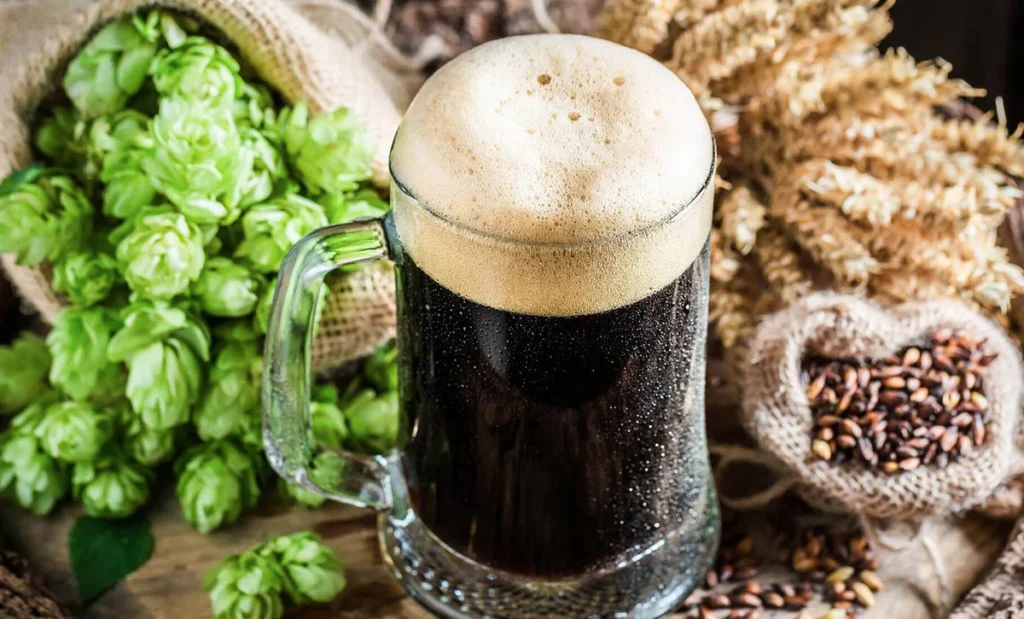
4. Black Beer Styles: A Variety of Roasted Experiences

Black beers come in many styles, each with its own variation of roasted flavors and sweetness. Here are a few common black beer styles and how they express the roasted and rich characteristics:

Porter:

Porters are medium-bodied beers that often feature roasty, chocolatey, and nutty flavors. They are typically less intense than stouts but still boast a noticeable coffee or dark chocolate presence. Some porters may even have a subtle smoky or caramel sweetness.

Stout:

Stouts are the quintessential black beer, with styles ranging from dry stouts (like Guinness) to imperial stouts, which are fuller-bodied and stronger in flavor. Stouts typically have a roasty, coffee-like flavor, with variations that include dark chocolate, caramel, molasses, or vanilla notes.

  • Dry Stout: Known for its dry, bitter finish, dry stouts tend to emphasize the coffee-like bitterness from the roasted malts and are often less sweet than their imperial counterparts.
  • Milk Stout: Made with lactose (milk sugar), milk stouts have a creamy, sweet malt profile, with chocolate and coffee flavors balanced by a mild sweetness that rounds out the bitterness.

Imperial Stout:

Imperial stouts are robust and high in alcohol, typically featuring intense roasted malt flavors, as well as dark chocolate, coffee, and smoky notes. These beers tend to be fuller-bodied, with a higher level of sweetness and sometimes dark fruit or licorice flavors.

Baltic Porter:

Baltic porters are a stronger, lager-style version of the traditional porter. They tend to have roasted malt flavors combined with a smooth, slightly sweet maltiness. These beers are often more complex, with hints of dark fruit, molasses, and smoked wood.


5. Pairing Black Beer: What Foods Complement Its Bold Flavors?

Black beers, with their deep flavors and roasted malts, pair exceptionally well with rich, flavorful foods. Here are some food pairing ideas to enhance your black beer experience:

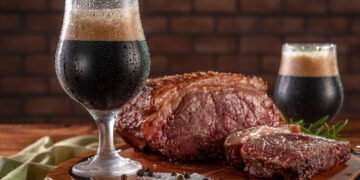
  • Grilled Meats: The bold flavors of grilled meats, such as steaks, burgers, and barbecued ribs, complement the roasty bitterness and smoky qualities of black beer.
  • Chocolate Desserts: Pair black beers with chocolate-based desserts, such as molten lava cakes, chocolate brownies, or dark chocolate truffles, to enhance the chocolatey and coffee-like flavors in the beer.
  • Cheese: Blue cheese, aged cheddar, or gouda are great choices for pairing with black beer. The rich, creamy textures of these cheeses balance the beer’s intense flavors.
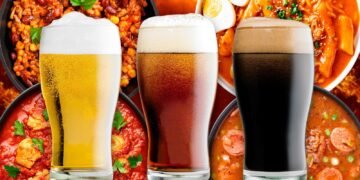
  • Spicy Foods: The bitterness and dry finish of some black beers pair well with spicy dishes like chili, buffalo wings, or spicy barbecue.

6. Conclusion: Why Do Roasted Flavors in Black Beer Have Such Enduring Appeal?

The deep, roasted malt flavors that define black beer offer a rich, indulgent, and satisfying drinking experience that appeals to those who enjoy bold, complex beers. Whether it’s the bitter coffee, dark chocolate, or roasty caramel flavors, the richness and depth of black beer make it a comforting choice for a variety of occasions.

By understanding the brewing process and the role of roasted malts, it becomes clear why black beer has remained a staple in the beer world. The combination of sweetness, bitterness, and complexity creates a balance that is both intense and delightful. So, the next time you crack open a cold stout or porter, take a moment to savor the roasted flavors that define black beer, and enjoy the comforting richness it brings to the table. Cheers!


Tags: beerCultureFamous brand wineHealthHistoryInnovationluxurymarket
ShareTweetShare

Related Posts

Malt Beer: Why Does Its Sweet Malty Aroma Always Bring Endless Satisfaction?
Beer

The Craft Beer Revolution: How Independent Breweries Changed the World of Beer

June 3, 2026
Beer: The World’s Oldest and Most Influential Beverage
Beer

Beer Styles of the World: A Complete Guide to Lager, Ale, Stout, IPA, and Beyond

June 3, 2026
Beer: The World’s Oldest and Most Influential Beverage
Beer

The Global Beer Industry: Markets, Brands, and Economic Impact

June 3, 2026
Beer: The World’s Oldest and Most Influential Beverage
Beer

The Science of Beer: Ingredients, Fermentation, and Flavor

June 3, 2026
Beer: The World’s Oldest and Most Influential Beverage
Beer

Beer: The World’s Oldest and Most Influential Beverage

June 3, 2026
Beer as a Cultural and Social Force: From Ancient Brew to Modern Identity
Beer

Women in Brewing: The Untold History and Modern Transformation of Beer Culture

May 23, 2026
Leave Comment
  • Trending
  • Comments
  • Latest
Role of Terroir in Champagne Production

Role of Terroir in Champagne Production

January 19, 2026
Champagne Can Be Aged in Wood?

Champagne Can Be Aged in Wood?

January 18, 2026
Is Organic Wine Healthier Than Conventional Wine?

Is Organic Wine Healthier Than Conventional Wine?

January 20, 2026
Why Do Some Champagnes Use a High Proportion of Pinot Meunier?

Why Do Some Champagnes Use a High Proportion of Pinot Meunier?

January 20, 2026
The Timeless Elegance of Wine: A Journey Through History and Culture

The Timeless Elegance of Wine: A Journey Through History and Culture

Why Is Château Lafite Rothschild the Pinnacle of Fine Wine?

Why Is Château Lafite Rothschild the Pinnacle of Fine Wine?

How Did Château Lafite Rothschild Become a Global Icon of Luxury?

How Did Château Lafite Rothschild Become a Global Icon of Luxury?

What Makes Chateau Lafite Rothschild the Pinnacle of Bordeaux Wines?

What Makes Chateau Lafite Rothschild the Pinnacle of Bordeaux Wines?

The History, Culture, and Global Influence of Humanity’s Most Celebrated Beverage

The Wine Revolution: How Modern Winemaking Transformed a Global Industry

June 3, 2026
The History, Culture, and Global Influence of Humanity’s Most Celebrated Beverage

Wine Styles of the World: A Complete Guide to Red, White, Rosé, Sparkling, and Fortified Wines

June 3, 2026
The History, Culture, and Global Influence of Humanity’s Most Celebrated Beverage

The Global Wine Industry: Markets, Trade, Tourism, and Economic Impact

June 3, 2026
The History, Culture, and Global Influence of Humanity’s Most Celebrated Beverage

The Science of Wine: Grapes, Fermentation, and Flavor Development

June 3, 2026
SipsavorLife

Welcome to our comprehensive beverage guide, where you can explore the fascinating world of alcoholic drinks. From exquisite wines and rich whiskeys to refreshing beers and sparkling champagnes, we provide insights, tips, and recommendations for enthusiasts and casual drinkers alike. Discover your next favorite libation with us!

© 2025 sipsavorlife.com. contacts:sipsavorlife-35376@gmail.com

No Result
View All Result
  • Home
  • Wine
  • Whiskey
  • Beer
  • Grain Spirits
  • Champagne
  • ALL

© 2025 sipsavorlife.com. contacts:sipsavorlife-35376@gmail.com

Welcome Back!

Login to your account below

Forgotten Password?

Retrieve your password

Please enter your username or email address to reset your password.

Log In