






























SipsavorLife
  • Home
  • Wine
    The History, Culture, and Global Influence of Humanity’s Most Celebrated Beverage

    The Wine Revolution: How Modern Winemaking Transformed a Global Industry

    The History, Culture, and Global Influence of Humanity’s Most Celebrated Beverage

    Wine Styles of the World: A Complete Guide to Red, White, Rosé, Sparkling, and Fortified Wines

    The History, Culture, and Global Influence of Humanity’s Most Celebrated Beverage

    The Global Wine Industry: Markets, Trade, Tourism, and Economic Impact

    The History, Culture, and Global Influence of Humanity’s Most Celebrated Beverage

    The Science of Wine: Grapes, Fermentation, and Flavor Development

    The History, Culture, and Global Influence of Humanity’s Most Celebrated Beverage

    The History, Culture, and Global Influence of Humanity’s Most Celebrated Beverage

    The Cultural History of Wine: From Ancient Rituals to Modern Luxury

    The Psychology of Wine: Why Humans Associate Wine with Emotion, Memory, and Identity

  • Whiskey
    Can Beer Be an Effective Ingredient in Culinary Cooking?

    Can Beer Be an Effective Ingredient in Culinary Cooking?

    Second Fermentation in Champagne: Is It Really That Crucial?

    Second Fermentation in Champagne: Is It Really That Crucial?

    How Do Different Grains Impact the Flavor Profile of Distilled Spirits?

    How Do Different Grains Impact the Flavor Profile of Distilled Spirits?

    How Do Whiskey Master Blenders Create Perfection?

    How Do Whiskey Master Blenders Create Perfection?

    Wine Pairings: Can They Change the Flavor Profile of a Dish?

    Wine Pairings: Can They Change the Flavor Profile of a Dish?

    Beer the Ultimate Beverage for Pairing with Spicy Food?

    Beer the Ultimate Beverage for Pairing with Spicy Food?

  • Beer
    Malt Beer: Why Does Its Sweet Malty Aroma Always Bring Endless Satisfaction?

    The Craft Beer Revolution: How Independent Breweries Changed the World of Beer

    Beer: The World’s Oldest and Most Influential Beverage

    Beer Styles of the World: A Complete Guide to Lager, Ale, Stout, IPA, and Beyond

    Beer: The World’s Oldest and Most Influential Beverage

    The Global Beer Industry: Markets, Brands, and Economic Impact

    Beer: The World’s Oldest and Most Influential Beverage

    The Science of Beer: Ingredients, Fermentation, and Flavor

    Beer: The World’s Oldest and Most Influential Beverage

    Beer: The World’s Oldest and Most Influential Beverage

    Beer as a Cultural and Social Force: From Ancient Brew to Modern Identity

    Women in Brewing: The Untold History and Modern Transformation of Beer Culture

  • Grain Spirits
    Grain Spirits: The Origins, Science, and Global Evolution of Distilled Grain Alcohol

    Bourbon: America’s Native Grain Spirit and the Global Story of Corn, Oak, Fire, and Time

    Grain Spirits: The Origins, Science, and Global Evolution of Distilled Grain Alcohol

    Gin: Botanicals, History, Cocktail Culture, and the Artistic Evolution of the World’s Most Aromatic Grain Spirit

    Grain Spirits: The Origins, Science, and Global Evolution of Distilled Grain Alcohol

    Vodka: The Global Rise of the World’s Most Versatile Grain Spirit

    Grain Spirits: The Origins, Science, and Global Evolution of Distilled Grain Alcohol

    Whiskey and the Soul of Grain Spirits: History, Craftsmanship, Culture, and the Global Rise of the World’s Most Iconic Distilled Grain Beverage

    Grain Spirits: The Origins, Science, and Global Evolution of Distilled Grain Alcohol

    Grain Spirits: The Origins, Science, and Global Evolution of Distilled Grain Alcohol

    Grain Spirits Explained — The Foundation of Global Distillation

    The Future of Grain Spirits — Technology, Sustainability, and the Next Era of Distillation

  • Champagne
    Champagne: The Sparkling Wine That Changed Global Celebration Culture

    Dom Pérignon, Cristal, Krug, and Beyond: The World’s Most Famous Champagne Houses and Their Legacy

    Champagne Beyond Celebration: The History, Craftsmanship, and Global Influence of the World’s Most Iconic Sparkling Wine

    The Future of Champagne: Climate Change, Innovation, Sustainability, and the Next Era of Sparkling Wine

    Champagne Beyond Celebration: The History, Craftsmanship, and Global Influence of the World’s Most Iconic Sparkling Wine

    Champagne and Luxury Culture: How Sparkling Wine Became a Global Symbol of Wealth, Celebration, and Prestige

    Champagne Beyond Celebration: The History, Craftsmanship, and Global Influence of the World’s Most Iconic Sparkling Wine

    The Art of Champagne Production: Inside the Science, Skill, and Tradition Behind Every Bottle

    Champagne Beyond Celebration: The History, Craftsmanship, and Global Influence of the World’s Most Iconic Sparkling Wine

    Champagne Beyond Celebration: The History, Craftsmanship, and Global Influence of the World’s Most Iconic Sparkling Wine

    Champagne: The Sparkling Wine That Changed Global Celebration Culture

    Champagne vs Prosecco vs Cava: How the World’s Sparkling Wines Reflect Culture, Geography, and Taste

  • ALL
    Can Beer Be an Effective Ingredient in Culinary Cooking?

    Can Beer Be an Effective Ingredient in Culinary Cooking?

    Second Fermentation in Champagne: Is It Really That Crucial?

    Second Fermentation in Champagne: Is It Really That Crucial?

    How Do Different Grains Impact the Flavor Profile of Distilled Spirits?

    How Do Different Grains Impact the Flavor Profile of Distilled Spirits?

    How Do Whiskey Master Blenders Create Perfection?

    How Do Whiskey Master Blenders Create Perfection?

    Wine Pairings: Can They Change the Flavor Profile of a Dish?

    Wine Pairings: Can They Change the Flavor Profile of a Dish?

    Beer the Ultimate Beverage for Pairing with Spicy Food?

    Beer the Ultimate Beverage for Pairing with Spicy Food?

SipsavorLife
  • Home
  • Wine
    The History, Culture, and Global Influence of Humanity’s Most Celebrated Beverage

    The Wine Revolution: How Modern Winemaking Transformed a Global Industry

    The History, Culture, and Global Influence of Humanity’s Most Celebrated Beverage

    Wine Styles of the World: A Complete Guide to Red, White, Rosé, Sparkling, and Fortified Wines

    The History, Culture, and Global Influence of Humanity’s Most Celebrated Beverage

    The Global Wine Industry: Markets, Trade, Tourism, and Economic Impact

    The History, Culture, and Global Influence of Humanity’s Most Celebrated Beverage

    The Science of Wine: Grapes, Fermentation, and Flavor Development

    The History, Culture, and Global Influence of Humanity’s Most Celebrated Beverage

    The History, Culture, and Global Influence of Humanity’s Most Celebrated Beverage

    The Cultural History of Wine: From Ancient Rituals to Modern Luxury

    The Psychology of Wine: Why Humans Associate Wine with Emotion, Memory, and Identity

  • Whiskey
    Can Beer Be an Effective Ingredient in Culinary Cooking?

    Can Beer Be an Effective Ingredient in Culinary Cooking?

    Second Fermentation in Champagne: Is It Really That Crucial?

    Second Fermentation in Champagne: Is It Really That Crucial?

    How Do Different Grains Impact the Flavor Profile of Distilled Spirits?

    How Do Different Grains Impact the Flavor Profile of Distilled Spirits?

    How Do Whiskey Master Blenders Create Perfection?

    How Do Whiskey Master Blenders Create Perfection?

    Wine Pairings: Can They Change the Flavor Profile of a Dish?

    Wine Pairings: Can They Change the Flavor Profile of a Dish?

    Beer the Ultimate Beverage for Pairing with Spicy Food?

    Beer the Ultimate Beverage for Pairing with Spicy Food?

  • Beer
    Malt Beer: Why Does Its Sweet Malty Aroma Always Bring Endless Satisfaction?

    The Craft Beer Revolution: How Independent Breweries Changed the World of Beer

    Beer: The World’s Oldest and Most Influential Beverage

    Beer Styles of the World: A Complete Guide to Lager, Ale, Stout, IPA, and Beyond

    Beer: The World’s Oldest and Most Influential Beverage

    The Global Beer Industry: Markets, Brands, and Economic Impact

    Beer: The World’s Oldest and Most Influential Beverage

    The Science of Beer: Ingredients, Fermentation, and Flavor

    Beer: The World’s Oldest and Most Influential Beverage

    Beer: The World’s Oldest and Most Influential Beverage

    Beer as a Cultural and Social Force: From Ancient Brew to Modern Identity

    Women in Brewing: The Untold History and Modern Transformation of Beer Culture

  • Grain Spirits
    Grain Spirits: The Origins, Science, and Global Evolution of Distilled Grain Alcohol

    Bourbon: America’s Native Grain Spirit and the Global Story of Corn, Oak, Fire, and Time

    Grain Spirits: The Origins, Science, and Global Evolution of Distilled Grain Alcohol

    Gin: Botanicals, History, Cocktail Culture, and the Artistic Evolution of the World’s Most Aromatic Grain Spirit

    Grain Spirits: The Origins, Science, and Global Evolution of Distilled Grain Alcohol

    Vodka: The Global Rise of the World’s Most Versatile Grain Spirit

    Grain Spirits: The Origins, Science, and Global Evolution of Distilled Grain Alcohol

    Whiskey and the Soul of Grain Spirits: History, Craftsmanship, Culture, and the Global Rise of the World’s Most Iconic Distilled Grain Beverage

    Grain Spirits: The Origins, Science, and Global Evolution of Distilled Grain Alcohol

    Grain Spirits: The Origins, Science, and Global Evolution of Distilled Grain Alcohol

    Grain Spirits Explained — The Foundation of Global Distillation

    The Future of Grain Spirits — Technology, Sustainability, and the Next Era of Distillation

  • Champagne
    Champagne: The Sparkling Wine That Changed Global Celebration Culture

    Dom Pérignon, Cristal, Krug, and Beyond: The World’s Most Famous Champagne Houses and Their Legacy

    Champagne Beyond Celebration: The History, Craftsmanship, and Global Influence of the World’s Most Iconic Sparkling Wine

    The Future of Champagne: Climate Change, Innovation, Sustainability, and the Next Era of Sparkling Wine

    Champagne Beyond Celebration: The History, Craftsmanship, and Global Influence of the World’s Most Iconic Sparkling Wine

    Champagne and Luxury Culture: How Sparkling Wine Became a Global Symbol of Wealth, Celebration, and Prestige

    Champagne Beyond Celebration: The History, Craftsmanship, and Global Influence of the World’s Most Iconic Sparkling Wine

    The Art of Champagne Production: Inside the Science, Skill, and Tradition Behind Every Bottle

    Champagne Beyond Celebration: The History, Craftsmanship, and Global Influence of the World’s Most Iconic Sparkling Wine

    Champagne Beyond Celebration: The History, Craftsmanship, and Global Influence of the World’s Most Iconic Sparkling Wine

    Champagne: The Sparkling Wine That Changed Global Celebration Culture

    Champagne vs Prosecco vs Cava: How the World’s Sparkling Wines Reflect Culture, Geography, and Taste

  • ALL
    Can Beer Be an Effective Ingredient in Culinary Cooking?

    Can Beer Be an Effective Ingredient in Culinary Cooking?

    Second Fermentation in Champagne: Is It Really That Crucial?

    Second Fermentation in Champagne: Is It Really That Crucial?

    How Do Different Grains Impact the Flavor Profile of Distilled Spirits?

    How Do Different Grains Impact the Flavor Profile of Distilled Spirits?

    How Do Whiskey Master Blenders Create Perfection?

    How Do Whiskey Master Blenders Create Perfection?

    Wine Pairings: Can They Change the Flavor Profile of a Dish?

    Wine Pairings: Can They Change the Flavor Profile of a Dish?

    Beer the Ultimate Beverage for Pairing with Spicy Food?

    Beer the Ultimate Beverage for Pairing with Spicy Food?

SipsavorLife
No Result
View All Result
Home ALL

Rosé Wine: Why Does Its Romantic Hue Always Captivate the Heart?

June 28, 2025
in ALL, Wine
Rosé Wine: Why Does Its Romantic Hue Always Captivate the Heart?

Rosé wine, with its delicate pink color and refreshing profile, has become synonymous with elegance, romance, and effortless charm. While some may see it as a “lighter” option compared to red or white wine, rosé brings its own unique allure to the table, offering a beautiful balance of fruitiness, freshness, and subtlety. It’s a wine that evokes the warmth of summer afternoons, the joy of celebrations, and the softness of romantic moments.

But what is it about rosé wine that makes it so captivating? Is it the gentle pink hue that seems to shimmer like a sunset? Or perhaps it’s the wine’s delicate, yet expressive flavors, which can range from fruity and floral to dry and crisp? In this article, we will explore the essence of rosé wine, uncover the factors that contribute to its beautiful appearance and flavor profile, and explain why it continues to steal the hearts of wine lovers around the world.


1. The Origins of Rosé Wine: A History of Romance and Tradition

Rosé wine is not a new phenomenon; it has a rich history that dates back to ancient times. In fact, it is believed that the first wines ever made were actually red wines that were produced with minimal skin contact, resulting in a lighter color. The concept of rosé as we know it today was developed over centuries, and it remains an integral part of many wine-producing regions around the world.

Ancient Roots of Rosé

The origins of rosé can be traced to the early winemaking traditions of ancient civilizations, particularly the Greeks and Romans. The Greeks referred to rosé as “pink wine” or “white wine with color,” and it was often enjoyed as a refreshing drink during social gatherings. The Romans embraced the lighter style of wine, too, and rosé continued to be a popular choice in the Mediterranean throughout history.

In the Middle Ages, rosé production was largely confined to regions where the climate was warm enough to support the early harvest of grapes, such as the southern regions of France, Spain, and Italy. It wasn’t until the 18th century that rosé began to gain widespread popularity as we know it today, especially in regions like Provence in southern France, where the style of wine became an emblem of the area’s sunny, relaxed lifestyle.


2. The Making of Rosé: A Balance Between Red and White Wines

Rosé wine is crafted through a delicate winemaking process that lies somewhere between the production of red and white wine. The key factor in producing rosé is the amount of time the grape skins are allowed to remain in contact with the juice, a process known as maceration.

Grape Varieties for Rosé

The choice of grape variety plays a significant role in determining the flavor profile of the rosé. Common grape varieties used to make rosé include:

  • Grenache: Known for its soft and juicy flavors, Grenache-based rosés often feature strawberry, raspberry, and watermelon notes. It’s a grape that thrives in warm climates and is widely planted in Provence, Spain, and California.
  • Syrah: Syrah-based rosés tend to be more intense, with flavors of red berries, black pepper, and floral notes. They often have a richer, fuller body compared to rosé wines made from lighter grapes.
  • Pinot Noir: Rosés made from Pinot Noir are typically delicate and elegant, with flavors of cherry, rose petal, and citrus. These wines are often light-bodied and known for their vibrant acidity.
  • Tempranillo: In Spain, Tempranillo is used to produce rosé wines that are fruit-forward, with flavors of ripe berries and subtle earthiness. These wines can be slightly more robust than those made from Grenache or Pinot Noir.

Maceration: The Secret to Color and Flavor

The process of maceration involves allowing the grape skins to remain in contact with the juice for a short period of time, usually between 4 and 24 hours, depending on the desired color and flavor profile. During this time, the skins release anthocyanins, which are the pigments responsible for the wine’s pink hue.

The longer the skins remain in contact with the juice, the deeper the color of the rosé. In fact, rosé can range in color from pale salmon to vibrant pink, and some wines even have a slightly orange or copper hue. The shorter the maceration, the lighter and more delicate the rosé will be. The process also imparts subtle flavors from the skins, such as red fruit, flowers, and spices, while retaining the crisp freshness typically associated with white wine.

Blending: A Shortcut to Rosé

Another method of making rosé wine is by blending red and white wines together. This technique, while less common, is sometimes used in regions like Champagne to create a rosé style. However, blending is generally not used in the production of still rosé wines, as it doesn’t allow for the same level of complexity and subtlety that maceration can achieve.


3. The Flavor Profile of Rosé: A Symphony of Freshness and Fruit

What truly sets rosé wine apart from red and white wines is its ability to offer a harmonious blend of the freshness and acidity of white wine with the fruity, slightly tannic character of red wine. Depending on the grape variety, winemaking techniques, and region, rosé wines can exhibit a wide range of flavors.

Fruity and Refreshing Notes

Many rosé wines are known for their vibrant fruit flavors, such as strawberry, raspberry, cherry, watermelon, and citrus. These flavors are often bright and fresh, making rosé a perfect summer drink. The high acidity in rosé also helps to balance the fruitiness, creating a wine that is crisp and refreshing on the palate.

Rosé wines made from Grenache tend to have red fruit flavors, while those made from Pinot Noir may lean more toward delicate citrus and stone fruit notes. On the other hand, Syrah-based rosés may present more intense dark berry flavors, with an added layer of spice or floral undertones.

Floral and Herbal Undertones

In addition to fruit, rosé wines often carry floral and herbal notes that add complexity to their aromas and flavors. These can include hints of rose petals, lavender, orange blossom, and fresh herbs like basil or thyme. These subtle nuances contribute to the wine’s elegance and sophistication, making it a wine that can be enjoyed on its own or paired with a wide range of dishes.
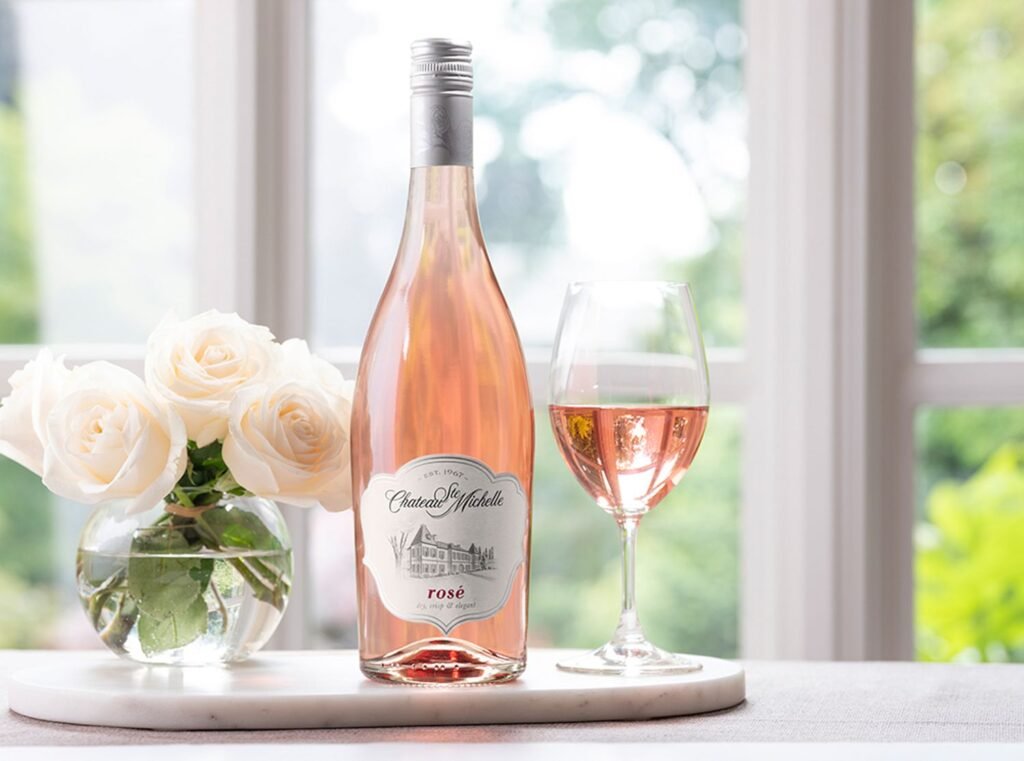

4. Why Rosé’s Romantic Hue Captivates the Heart

Rosé’s delicate pink color has long been associated with romance, femininity, and refinement. The soft, glowing hue of rosé evokes feelings of warmth, elegance, and intimacy—qualities that are often linked to love and celebration. This is why rosé has become the drink of choice for weddings, anniversaries, and other romantic occasions.

The Color Psychology of Rosé

The color of rosé wine plays a significant role in its appeal. In color psychology, pink is often associated with calmness, nurturing, and affection. It is a gentle, soothing color that conveys warmth and tenderness. The soft pink shades of rosé evoke a sense of relaxation, intimacy, and joy, making it the perfect wine for leisurely sipping during a sunset or a romantic dinner.

The color of rosé also mirrors the beauty of nature—think of the soft pink of a blooming rose, the golden hue of a sunset, or the pale pink tones of a summer evening sky. This connection to nature’s beauty only enhances the romantic allure of the wine, making it a perfect companion for memorable moments.


5. Pairing Rosé Wine with Food: The Perfect Match for Light and Flavorful Dishes

Rosé is incredibly versatile when it comes to food pairings, thanks to its balanced profile of acidity and fruitiness. Its refreshing quality makes it an excellent choice for a wide variety of dishes, from light appetizers to grilled meats and seafood.

Light and Fresh Pairings

The crisp and fruity nature of rosé pairs wonderfully with light and fresh dishes, such as salads, seafood, and goat cheese. Its vibrant acidity enhances the natural flavors of the food, providing a refreshing contrast to the richness of creamy dressings or grilled vegetables.

Rosé is also an excellent match for dishes with Mediterranean influences, such as grilled vegetables, tapas, and dishes featuring olive oil and herbs. Its delicate flavors complement the freshness of these dishes without overwhelming them.

Rich and Spicy Pairings

Rosé’s ability to pair with slightly more robust dishes is one of the reasons why it’s so versatile. Try it with grilled meats, barbecue chicken, or even spicy foods like Thai or Indian cuisine. The subtle tannins in rosé can handle the richness and spiciness of these dishes while providing a refreshing contrast.


Conclusion: The Irresistible Charm of Rosé Wine

Rosé wine continues to captivate wine lovers with its enchanting color, refreshing flavors, and effortless elegance. From its ancient roots to its modern-day popularity, rosé has proven itself to be a timeless and romantic choice for any occasion. Whether you’re sipping a pale pink rosé on a sun-drenched terrace or enjoying a rich, full-bodied version with a savory meal, rosé remains a symbol of celebration, warmth, and love.

Its light, yet expressive flavors, combined with its graceful color and versatility, make rosé an enduring favorite in the world of wine. So next time you raise a glass of rosé, take a moment to appreciate not only its romantic hue but also the delightful experience it brings to your senses.

Cheers to the captivating world of rosé wine!

Tags: beerCultureFamous brand wineHealthHistoryInnovationluxurymarketrosé winetasteWine
ShareTweetShare

Related Posts

The History, Culture, and Global Influence of Humanity’s Most Celebrated Beverage
Wine

The Wine Revolution: How Modern Winemaking Transformed a Global Industry

June 3, 2026
The History, Culture, and Global Influence of Humanity’s Most Celebrated Beverage
Wine

Wine Styles of the World: A Complete Guide to Red, White, Rosé, Sparkling, and Fortified Wines

June 3, 2026
The History, Culture, and Global Influence of Humanity’s Most Celebrated Beverage
Wine

The Global Wine Industry: Markets, Trade, Tourism, and Economic Impact

June 3, 2026
The History, Culture, and Global Influence of Humanity’s Most Celebrated Beverage
Wine

The Science of Wine: Grapes, Fermentation, and Flavor Development

June 3, 2026
The History, Culture, and Global Influence of Humanity’s Most Celebrated Beverage
Wine

The History, Culture, and Global Influence of Humanity’s Most Celebrated Beverage

June 3, 2026
The Cultural History of Wine: From Ancient Rituals to Modern Luxury
Wine

The Psychology of Wine: Why Humans Associate Wine with Emotion, Memory, and Identity

May 23, 2026
Leave Comment
  • Trending
  • Comments
  • Latest
Role of Terroir in Champagne Production

Role of Terroir in Champagne Production

January 19, 2026
Champagne Can Be Aged in Wood?

Champagne Can Be Aged in Wood?

January 18, 2026
Is Organic Wine Healthier Than Conventional Wine?

Is Organic Wine Healthier Than Conventional Wine?

January 20, 2026
Why Do Some Champagnes Use a High Proportion of Pinot Meunier?

Why Do Some Champagnes Use a High Proportion of Pinot Meunier?

January 20, 2026
The Timeless Elegance of Wine: A Journey Through History and Culture

The Timeless Elegance of Wine: A Journey Through History and Culture

Why Is Château Lafite Rothschild the Pinnacle of Fine Wine?

Why Is Château Lafite Rothschild the Pinnacle of Fine Wine?

How Did Château Lafite Rothschild Become a Global Icon of Luxury?

How Did Château Lafite Rothschild Become a Global Icon of Luxury?

What Makes Chateau Lafite Rothschild the Pinnacle of Bordeaux Wines?

What Makes Chateau Lafite Rothschild the Pinnacle of Bordeaux Wines?

The History, Culture, and Global Influence of Humanity’s Most Celebrated Beverage

The Wine Revolution: How Modern Winemaking Transformed a Global Industry

June 3, 2026
The History, Culture, and Global Influence of Humanity’s Most Celebrated Beverage

Wine Styles of the World: A Complete Guide to Red, White, Rosé, Sparkling, and Fortified Wines

June 3, 2026
The History, Culture, and Global Influence of Humanity’s Most Celebrated Beverage

The Global Wine Industry: Markets, Trade, Tourism, and Economic Impact

June 3, 2026
The History, Culture, and Global Influence of Humanity’s Most Celebrated Beverage

The Science of Wine: Grapes, Fermentation, and Flavor Development

June 3, 2026
SipsavorLife

Welcome to our comprehensive beverage guide, where you can explore the fascinating world of alcoholic drinks. From exquisite wines and rich whiskeys to refreshing beers and sparkling champagnes, we provide insights, tips, and recommendations for enthusiasts and casual drinkers alike. Discover your next favorite libation with us!

© 2025 sipsavorlife.com. contacts:sipsavorlife-35376@gmail.com

No Result
View All Result
  • Home
  • Wine
  • Whiskey
  • Beer
  • Grain Spirits
  • Champagne
  • ALL

© 2025 sipsavorlife.com. contacts:sipsavorlife-35376@gmail.com

Welcome Back!

Login to your account below

Forgotten Password?

Retrieve your password

Please enter your username or email address to reset your password.

Log In






