



SipsavorLife
  • Home
  • Wine
    Wine Pairings: Can They Change the Flavor Profile of a Dish?

    Wine Pairings: Can They Change the Flavor Profile of a Dish?

    How Do Wine Glasses Influence the Tasting Experience?

    How Do Wine Glasses Influence the Tasting Experience?

    Is Organic Wine Healthier Than Conventional Wine?

    Is Organic Wine Healthier Than Conventional Wine?

    Why Do Some Wines Taste Better from Specific Vintages?

    Why Do Some Wines Taste Better from Specific Vintages?

    Wine Tasting: Can It Truly Be an Art Form?

    Wine Tasting: Can It Truly Be an Art Form?

    What Does Terroir Actually Mean for Your Wine?

    What Does Terroir Actually Mean for Your Wine?

  • Whiskey
    Can Beer Be an Effective Ingredient in Culinary Cooking?

    Can Beer Be an Effective Ingredient in Culinary Cooking?

    Second Fermentation in Champagne: Is It Really That Crucial?

    Second Fermentation in Champagne: Is It Really That Crucial?

    How Do Different Grains Impact the Flavor Profile of Distilled Spirits?

    How Do Different Grains Impact the Flavor Profile of Distilled Spirits?

    How Do Whiskey Master Blenders Create Perfection?

    How Do Whiskey Master Blenders Create Perfection?

    Wine Pairings: Can They Change the Flavor Profile of a Dish?

    Wine Pairings: Can They Change the Flavor Profile of a Dish?

    Beer the Ultimate Beverage for Pairing with Spicy Food?

    Beer the Ultimate Beverage for Pairing with Spicy Food?

  • Beer
    Can Beer Be an Effective Ingredient in Culinary Cooking?

    Can Beer Be an Effective Ingredient in Culinary Cooking?

    Beer the Ultimate Beverage for Pairing with Spicy Food?

    Beer the Ultimate Beverage for Pairing with Spicy Food?

    How Did Ancient Civilizations Brew Beer Without Modern Technology?

    How Did Ancient Civilizations Brew Beer Without Modern Technology?

    Is It Possible to Brew a Beer with No Alcohol and No Compromise on Taste?

    Is It Possible to Brew a Beer with No Alcohol and No Compromise on Taste?

    Why Does Beer Taste Different at High Altitudes?

    Why Does Beer Taste Different at High Altitudes?

    Is Hops the Secret Ingredient Behind Beer’s Bold Flavor?

    Is Hops the Secret Ingredient Behind Beer’s Bold Flavor?

  • Grain Spirits
    How Do Different Grains Impact the Flavor Profile of Distilled Spirits?

    How Do Different Grains Impact the Flavor Profile of Distilled Spirits?

    Grain Spirits the Unsung Heroes of Modern Mixology

    Grain Spirits the Unsung Heroes of Modern Mixology

    What Makes Grain-Based Whiskey So Different from Its Peated Cousins?

    What Makes Grain-Based Whiskey So Different from Its Peated Cousins?

    Grain Spirits: Could They Be the Next Big Trend in Craft Cocktails?

    Grain Spirits: Could They Be the Next Big Trend in Craft Cocktails?

    Why Are Grain Spirits Often Overlooked in the World of Fine Liquor?

    Why Are Grain Spirits Often Overlooked in the World of Fine Liquor?

    Is There a Secret Art to Distilling Grain Spirits?

    Is There a Secret Art to Distilling Grain Spirits?

  • Champagne
    Second Fermentation in Champagne: Is It Really That Crucial?

    Second Fermentation in Champagne: Is It Really That Crucial?

    The Science Behind the ‘Bubble Size’ in Champagne

    The Science Behind the ‘Bubble Size’ in Champagne

    Why Do Some Champagnes Use a High Proportion of Pinot Meunier?

    Why Do Some Champagnes Use a High Proportion of Pinot Meunier?

    Role of Terroir in Champagne Production

    Role of Terroir in Champagne Production

    Champagne Can Be Aged in Wood?

    Champagne Can Be Aged in Wood?

    Is There a Difference Between Blanc de Blancs and Blanc de Noirs Champagne?

    Is There a Difference Between Blanc de Blancs and Blanc de Noirs Champagne?

  • ALL
    Can Beer Be an Effective Ingredient in Culinary Cooking?

    Can Beer Be an Effective Ingredient in Culinary Cooking?

    Second Fermentation in Champagne: Is It Really That Crucial?

    Second Fermentation in Champagne: Is It Really That Crucial?

    How Do Different Grains Impact the Flavor Profile of Distilled Spirits?

    How Do Different Grains Impact the Flavor Profile of Distilled Spirits?

    How Do Whiskey Master Blenders Create Perfection?

    How Do Whiskey Master Blenders Create Perfection?

    Wine Pairings: Can They Change the Flavor Profile of a Dish?

    Wine Pairings: Can They Change the Flavor Profile of a Dish?

    Beer the Ultimate Beverage for Pairing with Spicy Food?

    Beer the Ultimate Beverage for Pairing with Spicy Food?

SipsavorLife
  • Home
  • Wine
    Wine Pairings: Can They Change the Flavor Profile of a Dish?

    Wine Pairings: Can They Change the Flavor Profile of a Dish?

    How Do Wine Glasses Influence the Tasting Experience?

    How Do Wine Glasses Influence the Tasting Experience?

    Is Organic Wine Healthier Than Conventional Wine?

    Is Organic Wine Healthier Than Conventional Wine?

    Why Do Some Wines Taste Better from Specific Vintages?

    Why Do Some Wines Taste Better from Specific Vintages?

    Wine Tasting: Can It Truly Be an Art Form?

    Wine Tasting: Can It Truly Be an Art Form?

    What Does Terroir Actually Mean for Your Wine?

    What Does Terroir Actually Mean for Your Wine?

  • Whiskey
    Can Beer Be an Effective Ingredient in Culinary Cooking?

    Can Beer Be an Effective Ingredient in Culinary Cooking?

    Second Fermentation in Champagne: Is It Really That Crucial?

    Second Fermentation in Champagne: Is It Really That Crucial?

    How Do Different Grains Impact the Flavor Profile of Distilled Spirits?

    How Do Different Grains Impact the Flavor Profile of Distilled Spirits?

    How Do Whiskey Master Blenders Create Perfection?

    How Do Whiskey Master Blenders Create Perfection?

    Wine Pairings: Can They Change the Flavor Profile of a Dish?

    Wine Pairings: Can They Change the Flavor Profile of a Dish?

    Beer the Ultimate Beverage for Pairing with Spicy Food?

    Beer the Ultimate Beverage for Pairing with Spicy Food?

  • Beer
    Can Beer Be an Effective Ingredient in Culinary Cooking?

    Can Beer Be an Effective Ingredient in Culinary Cooking?

    Beer the Ultimate Beverage for Pairing with Spicy Food?

    Beer the Ultimate Beverage for Pairing with Spicy Food?

    How Did Ancient Civilizations Brew Beer Without Modern Technology?

    How Did Ancient Civilizations Brew Beer Without Modern Technology?

    Is It Possible to Brew a Beer with No Alcohol and No Compromise on Taste?

    Is It Possible to Brew a Beer with No Alcohol and No Compromise on Taste?

    Why Does Beer Taste Different at High Altitudes?

    Why Does Beer Taste Different at High Altitudes?

    Is Hops the Secret Ingredient Behind Beer’s Bold Flavor?

    Is Hops the Secret Ingredient Behind Beer’s Bold Flavor?

  • Grain Spirits
    How Do Different Grains Impact the Flavor Profile of Distilled Spirits?

    How Do Different Grains Impact the Flavor Profile of Distilled Spirits?

    Grain Spirits the Unsung Heroes of Modern Mixology

    Grain Spirits the Unsung Heroes of Modern Mixology

    What Makes Grain-Based Whiskey So Different from Its Peated Cousins?

    What Makes Grain-Based Whiskey So Different from Its Peated Cousins?

    Grain Spirits: Could They Be the Next Big Trend in Craft Cocktails?

    Grain Spirits: Could They Be the Next Big Trend in Craft Cocktails?

    Why Are Grain Spirits Often Overlooked in the World of Fine Liquor?

    Why Are Grain Spirits Often Overlooked in the World of Fine Liquor?

    Is There a Secret Art to Distilling Grain Spirits?

    Is There a Secret Art to Distilling Grain Spirits?

  • Champagne
    Second Fermentation in Champagne: Is It Really That Crucial?

    Second Fermentation in Champagne: Is It Really That Crucial?

    The Science Behind the ‘Bubble Size’ in Champagne

    The Science Behind the ‘Bubble Size’ in Champagne

    Why Do Some Champagnes Use a High Proportion of Pinot Meunier?

    Why Do Some Champagnes Use a High Proportion of Pinot Meunier?

    Role of Terroir in Champagne Production

    Role of Terroir in Champagne Production

    Champagne Can Be Aged in Wood?

    Champagne Can Be Aged in Wood?

    Is There a Difference Between Blanc de Blancs and Blanc de Noirs Champagne?

    Is There a Difference Between Blanc de Blancs and Blanc de Noirs Champagne?

  • ALL
    Can Beer Be an Effective Ingredient in Culinary Cooking?

    Can Beer Be an Effective Ingredient in Culinary Cooking?

    Second Fermentation in Champagne: Is It Really That Crucial?

    Second Fermentation in Champagne: Is It Really That Crucial?

    How Do Different Grains Impact the Flavor Profile of Distilled Spirits?

    How Do Different Grains Impact the Flavor Profile of Distilled Spirits?

    How Do Whiskey Master Blenders Create Perfection?

    How Do Whiskey Master Blenders Create Perfection?

    Wine Pairings: Can They Change the Flavor Profile of a Dish?

    Wine Pairings: Can They Change the Flavor Profile of a Dish?

    Beer the Ultimate Beverage for Pairing with Spicy Food?

    Beer the Ultimate Beverage for Pairing with Spicy Food?

SipsavorLife
No Result
View All Result
Home ALL

What Makes a Champagne ‘Vintage’?

April 12, 2025
in ALL, Champagne
What Makes a Champagne ‘Vintage’?

Champagne is often seen as the drink of celebrations, luxury, and elegance. It’s a beverage that has become synonymous with life’s most joyful moments, from weddings to New Year’s Eve parties. But when you look at the shelves in a wine shop or scan a restaurant’s wine list, you might come across a special designation on certain bottles: Vintage Champagne. What exactly makes a Champagne ‘vintage,’ and why is it often priced higher than non-vintage varieties?

In this comprehensive article, we’ll explore the characteristics that define a vintage Champagne, how it differs from non-vintage Champagne, the factors that contribute to its higher price, and why wine enthusiasts and collectors alike covet these exceptional bottles.

What is Vintage Champagne?

Before we dive into the specifics of what makes a Champagne ‘vintage,’ let’s first establish a basic understanding of what Champagne is in general. Champagne is a sparkling wine that hails exclusively from the Champagne region in northeastern France. Only sparkling wines produced in this designated region and made according to specific rules and regulations can legally be called Champagne.

Champagne can be divided into two main categories: Vintage and Non-Vintage. So, what sets a vintage Champagne apart from its non-vintage counterpart? The key distinction lies in the way the wine is made and the quality of the grape harvest from that particular year.

Vintage Champagne

A vintage Champagne is made using grapes from a single, exceptional harvest year. In order to be classified as vintage, the Champagne must be produced using grapes from that one specific year and aged for at least three years in the bottle. This means that the wine is not made from a blend of different harvests but rather reflects the characteristics of the grapes from that particular vintage year.

Vintage Champagne is only produced in years when the harvest is deemed exceptional by the winemakers. In years where the harvest is considered less than optimal, producers may choose not to create a vintage Champagne and instead use a blend of grapes from different years to create a non-vintage Champagne.

The Process of Creating Vintage Champagne

Creating a vintage Champagne is a more meticulous and labor-intensive process than making a non-vintage Champagne. Let’s walk through the key steps involved in producing this premium wine.

1. Selecting the Best Grapes

The first step in the production of vintage Champagne is selecting the best grapes. The Champagne region’s climate is unpredictable, and factors such as temperature, rainfall, and sunshine all affect the quality of the harvest. In a vintage year, the harvest must meet specific standards for ripeness and quality, and only the best grapes are chosen to create the Champagne.

Vintage Champagnes are typically made from a blend of the three primary grape varieties used in Champagne production: Chardonnay, Pinot Noir, and Pinot Meunier. The exact blend will vary depending on the specific style and the nature of the harvest in that year.

2. Fermentation and Blending

Once the grapes are harvested, they undergo the traditional Champagne production process. The first fermentation is carried out, and the base wine is created. In the case of vintage Champagne, the base wine will be made from only the best grapes from that specific year, and there will be no blending of wines from other harvest years, which is commonly done for non-vintage Champagne.

After the first fermentation, the wine is blended to create the base for secondary fermentation. This is where the process of creating sparkling bubbles begins, and the wine is placed into bottles for the next phase of fermentation.

3. Aging on Lees

The most distinguishing feature of vintage Champagne is the extended aging process. After secondary fermentation, the wine is left to age on its lees (the dead yeast cells) in the bottle. This aging process allows the wine to develop its complexity, texture, and flavors. While non-vintage Champagne typically spends a minimum of 15 months aging on the lees, vintage Champagne is required to be aged for at least three years, though many producers age their vintage Champagnes for much longer—sometimes as long as five, ten, or even twenty years.

During this time, the wine takes on richer, more complex flavors. You might notice flavors like brioche, toasted almonds, hazelnuts, and honey developing, as well as a creamier mouthfeel from the extended contact with the yeast. The bubbles in vintage Champagne also become finer and more refined during the aging process.

4. Riddling and Disgorging

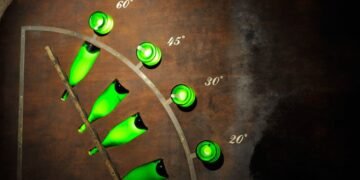
Once the Champagne has aged sufficiently, it undergoes the processes of riddling and disgorging. Riddling is the process of gradually turning the bottle to move the sediment (the yeast cells) to the neck of the bottle. This step requires skilled craftsmanship and is typically done by hand, although some producers use machines.

Once the sediment has accumulated at the neck of the bottle, the neck is frozen, and the sediment plug is ejected in the disgorging process. This process is crucial for ensuring that the Champagne is clear and free of yeast particles before it is sealed with a cork.

5. Final Dosage

After disgorging, the Champagne may be topped with a mixture of wine and sugar, known as the dosage. This final addition is used to adjust the sweetness level of the Champagne, depending on the style of wine the producer wants to create. For vintage Champagnes, the dosage is typically lower than in non-vintage wines, as the wine is often drier and more focused on the natural flavors of the grapes and the aging process.

6. Corking and Labeling

Finally, the bottle is sealed with a cork and labeled, ready for release to the market. Vintage Champagnes, due to their extended aging process and high-quality production methods, are often kept for longer in the cellar, allowing them to continue aging and developing additional complexity.
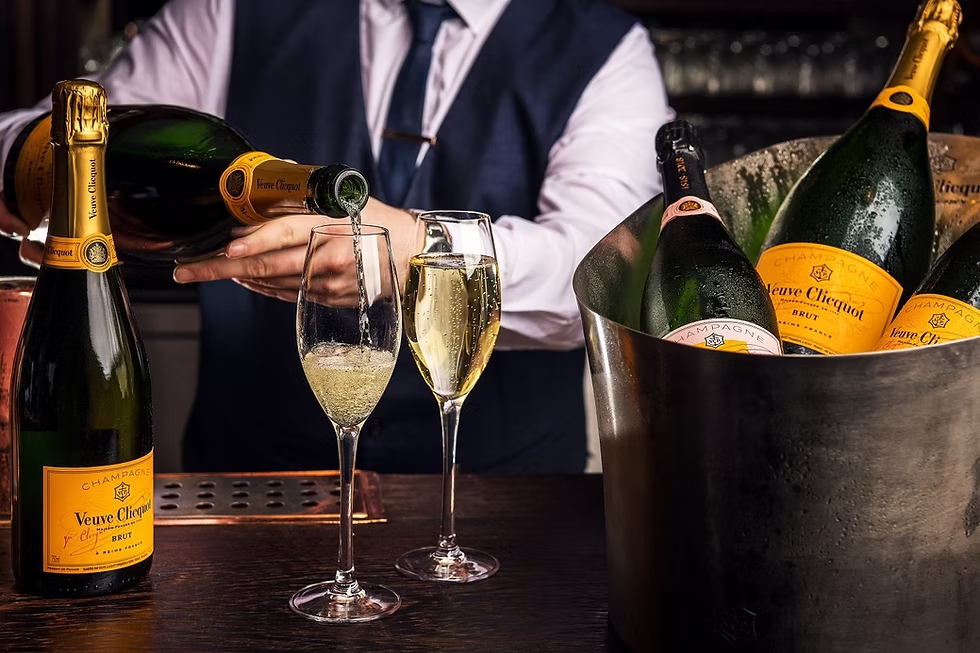
Why is Vintage Champagne More Expensive?

Several factors contribute to the higher price of vintage Champagne compared to non-vintage options. Let’s take a closer look at the primary reasons for this price difference.

1. Exceptional Harvest Years

Vintage Champagne is only produced in years when the harvest is considered to be of exceptional quality. These exceptional years are relatively rare, and the Champagne producers must be very selective about which grapes are used. The limited supply of vintage Champagne, combined with the demand for these premium wines, drives up the price.

2. Extended Aging Process

The extended aging process is one of the main reasons for the higher cost of vintage Champagne. While non-vintage Champagne is aged for a minimum of 15 months, vintage Champagne is required to be aged for at least three years—though many producers age their vintage Champagnes much longer. The longer aging process increases the cost of production and results in more complex, refined wines.

3. Labor-Intensive Production Methods

The production of vintage Champagne involves a number of labor-intensive steps, such as hand riddling (the process of gradually turning the bottles), and the extended time the bottles spend in the cellars. This labor-intensive process requires skilled workers and specialized equipment, which further contributes to the cost.

4. Smaller Production Volumes

Vintage Champagne is produced in smaller quantities compared to non-vintage Champagne, making it a more exclusive and limited product. The smaller volumes of vintage Champagne increase its rarity and desirability, which drives up the price.

5. Prestige and Collectibility

Vintage Champagne is often seen as a status symbol and is highly sought after by collectors and connoisseurs. Due to its long aging potential, vintage Champagne can often be stored for decades, developing even more complexity and value over time. This long-term aging potential, coupled with the prestige of owning and enjoying a bottle from an exceptional harvest, makes vintage Champagne a highly collectible item.

How to Taste and Enjoy Vintage Champagne

When tasting vintage Champagne, it’s important to keep in mind that it may have a more complex and nuanced flavor profile than non-vintage Champagne. Here are a few tips for getting the most out of your vintage Champagne experience:

1. Serve at the Right Temperature

Vintage Champagne should be served slightly colder than room temperature, around 45-50°F (7-10°C). Too cold, and the flavors will be muted; too warm, and the wine may lose its crispness and freshness. A slight chill allows the wine’s complexity and depth to shine.

2. Use the Right Glassware

While Champagne flutes are commonly used, using a wide-bowled glass or tulip-shaped glass can allow the wine to breathe more and enhance its aromas. Vintage Champagne, in particular, benefits from the opportunity to open up and reveal its layers of flavor.

3. Pair with the Right Food

Vintage Champagne is often more complex and refined, so it pairs well with a variety of sophisticated dishes. Think of rich appetizers like foie gras, caviar, or smoked salmon, or main dishes like lobster, roast chicken, or creamy risotto. The balance of acidity and complexity in vintage Champagne makes it a versatile food pairing wine.

Conclusion: The Elegance of Vintage Champagne

Vintage Champagne represents the pinnacle of sparkling wine production. The combination of exceptional harvests, meticulous production methods, and years of aging in the bottle results in a wine that is complex, refined, and rich in flavor. While it may come with a higher price tag, the experience of enjoying a glass of vintage Champagne is one of luxury and elegance—whether you’re celebrating a special occasion or savoring the wine on its own.

As with all fine wines, vintage Champagne is about more than just the taste; it’s about the craftsmanship, the history, and the unique story behind each bottle. For wine lovers, connoisseurs, and collectors alike, vintage Champagne offers a rare opportunity to enjoy a true masterpiece of the winemaker’s art.

Tags: Champagne productionsparkling winevintage Champagne
ShareTweetShare

Related Posts

Can Beer Be an Effective Ingredient in Culinary Cooking?
ALL

Can Beer Be an Effective Ingredient in Culinary Cooking?

January 22, 2026
Second Fermentation in Champagne: Is It Really That Crucial?
ALL

Second Fermentation in Champagne: Is It Really That Crucial?

January 22, 2026
How Do Different Grains Impact the Flavor Profile of Distilled Spirits?
ALL

How Do Different Grains Impact the Flavor Profile of Distilled Spirits?

January 22, 2026
How Do Whiskey Master Blenders Create Perfection?
ALL

How Do Whiskey Master Blenders Create Perfection?

January 22, 2026
Wine Pairings: Can They Change the Flavor Profile of a Dish?
ALL

Wine Pairings: Can They Change the Flavor Profile of a Dish?

January 22, 2026
Beer the Ultimate Beverage for Pairing with Spicy Food?
ALL

Beer the Ultimate Beverage for Pairing with Spicy Food?

January 21, 2026
Leave Comment
  • Trending
  • Comments
  • Latest
What Hidden Craftsmanship Lies Behind a Bottle of Quality Grain Spirits?

What Hidden Craftsmanship Lies Behind a Bottle of Quality Grain Spirits?

July 3, 2025
How Is Champagne Made? The Secrets Behind the Sparkle

How Is Champagne Made? The Secrets Behind the Sparkle

April 15, 2025
Grain Spirits vs. Traditional Distilled Spirits: Which One Suits Your Taste?

Grain Spirits vs. Traditional Distilled Spirits: Which One Suits Your Taste?

July 3, 2025
Champagne Bubbles: How Do They Perfectly Convey Celebration, Joy, and Luxury?

Champagne Bubbles: How Do They Perfectly Convey Celebration, Joy, and Luxury?

July 2, 2025
The Timeless Elegance of Wine: A Journey Through History and Culture

The Timeless Elegance of Wine: A Journey Through History and Culture

Why Is Château Lafite Rothschild the Pinnacle of Fine Wine?

Why Is Château Lafite Rothschild the Pinnacle of Fine Wine?

How Did Château Lafite Rothschild Become a Global Icon of Luxury?

How Did Château Lafite Rothschild Become a Global Icon of Luxury?

What Makes Chateau Lafite Rothschild the Pinnacle of Bordeaux Wines?

What Makes Chateau Lafite Rothschild the Pinnacle of Bordeaux Wines?

Can Beer Be an Effective Ingredient in Culinary Cooking?

Can Beer Be an Effective Ingredient in Culinary Cooking?

January 22, 2026
Second Fermentation in Champagne: Is It Really That Crucial?

Second Fermentation in Champagne: Is It Really That Crucial?

January 22, 2026
How Do Different Grains Impact the Flavor Profile of Distilled Spirits?

How Do Different Grains Impact the Flavor Profile of Distilled Spirits?

January 22, 2026
How Do Whiskey Master Blenders Create Perfection?

How Do Whiskey Master Blenders Create Perfection?

January 22, 2026
SipsavorLife

Welcome to our comprehensive beverage guide, where you can explore the fascinating world of alcoholic drinks. From exquisite wines and rich whiskeys to refreshing beers and sparkling champagnes, we provide insights, tips, and recommendations for enthusiasts and casual drinkers alike. Discover your next favorite libation with us!

© 2025 sipsavorlife.com. contacts:sipsavorlife-35376@gmail.com

No Result
View All Result
  • Home
  • Wine
  • Whiskey
  • Beer
  • Grain Spirits
  • Champagne
  • ALL

© 2025 sipsavorlife.com. contacts:sipsavorlife-35376@gmail.com

Welcome Back!

Login to your account below

Forgotten Password?

Retrieve your password

Please enter your username or email address to reset your password.

Log In