







SipsavorLife
  • Home
  • Wine
    Wine Pairings: Can They Change the Flavor Profile of a Dish?

    Wine Pairings: Can They Change the Flavor Profile of a Dish?

    How Do Wine Glasses Influence the Tasting Experience?

    How Do Wine Glasses Influence the Tasting Experience?

    Is Organic Wine Healthier Than Conventional Wine?

    Is Organic Wine Healthier Than Conventional Wine?

    Why Do Some Wines Taste Better from Specific Vintages?

    Why Do Some Wines Taste Better from Specific Vintages?

    Wine Tasting: Can It Truly Be an Art Form?

    Wine Tasting: Can It Truly Be an Art Form?

    What Does Terroir Actually Mean for Your Wine?

    What Does Terroir Actually Mean for Your Wine?

  • Whiskey
    Can Beer Be an Effective Ingredient in Culinary Cooking?

    Can Beer Be an Effective Ingredient in Culinary Cooking?

    Second Fermentation in Champagne: Is It Really That Crucial?

    Second Fermentation in Champagne: Is It Really That Crucial?

    How Do Different Grains Impact the Flavor Profile of Distilled Spirits?

    How Do Different Grains Impact the Flavor Profile of Distilled Spirits?

    How Do Whiskey Master Blenders Create Perfection?

    How Do Whiskey Master Blenders Create Perfection?

    Wine Pairings: Can They Change the Flavor Profile of a Dish?

    Wine Pairings: Can They Change the Flavor Profile of a Dish?

    Beer the Ultimate Beverage for Pairing with Spicy Food?

    Beer the Ultimate Beverage for Pairing with Spicy Food?

  • Beer
    Can Beer Be an Effective Ingredient in Culinary Cooking?

    Can Beer Be an Effective Ingredient in Culinary Cooking?

    Beer the Ultimate Beverage for Pairing with Spicy Food?

    Beer the Ultimate Beverage for Pairing with Spicy Food?

    How Did Ancient Civilizations Brew Beer Without Modern Technology?

    How Did Ancient Civilizations Brew Beer Without Modern Technology?

    Is It Possible to Brew a Beer with No Alcohol and No Compromise on Taste?

    Is It Possible to Brew a Beer with No Alcohol and No Compromise on Taste?

    Why Does Beer Taste Different at High Altitudes?

    Why Does Beer Taste Different at High Altitudes?

    Is Hops the Secret Ingredient Behind Beer’s Bold Flavor?

    Is Hops the Secret Ingredient Behind Beer’s Bold Flavor?

  • Grain Spirits
    How Do Different Grains Impact the Flavor Profile of Distilled Spirits?

    How Do Different Grains Impact the Flavor Profile of Distilled Spirits?

    Grain Spirits the Unsung Heroes of Modern Mixology

    Grain Spirits the Unsung Heroes of Modern Mixology

    What Makes Grain-Based Whiskey So Different from Its Peated Cousins?

    What Makes Grain-Based Whiskey So Different from Its Peated Cousins?

    Grain Spirits: Could They Be the Next Big Trend in Craft Cocktails?

    Grain Spirits: Could They Be the Next Big Trend in Craft Cocktails?

    Why Are Grain Spirits Often Overlooked in the World of Fine Liquor?

    Why Are Grain Spirits Often Overlooked in the World of Fine Liquor?

    Is There a Secret Art to Distilling Grain Spirits?

    Is There a Secret Art to Distilling Grain Spirits?

  • Champagne
    Second Fermentation in Champagne: Is It Really That Crucial?

    Second Fermentation in Champagne: Is It Really That Crucial?

    The Science Behind the ‘Bubble Size’ in Champagne

    The Science Behind the ‘Bubble Size’ in Champagne

    Why Do Some Champagnes Use a High Proportion of Pinot Meunier?

    Why Do Some Champagnes Use a High Proportion of Pinot Meunier?

    Role of Terroir in Champagne Production

    Role of Terroir in Champagne Production

    Champagne Can Be Aged in Wood?

    Champagne Can Be Aged in Wood?

    Is There a Difference Between Blanc de Blancs and Blanc de Noirs Champagne?

    Is There a Difference Between Blanc de Blancs and Blanc de Noirs Champagne?

  • ALL
    Can Beer Be an Effective Ingredient in Culinary Cooking?

    Can Beer Be an Effective Ingredient in Culinary Cooking?

    Second Fermentation in Champagne: Is It Really That Crucial?

    Second Fermentation in Champagne: Is It Really That Crucial?

    How Do Different Grains Impact the Flavor Profile of Distilled Spirits?

    How Do Different Grains Impact the Flavor Profile of Distilled Spirits?

    How Do Whiskey Master Blenders Create Perfection?

    How Do Whiskey Master Blenders Create Perfection?

    Wine Pairings: Can They Change the Flavor Profile of a Dish?

    Wine Pairings: Can They Change the Flavor Profile of a Dish?

    Beer the Ultimate Beverage for Pairing with Spicy Food?

    Beer the Ultimate Beverage for Pairing with Spicy Food?

SipsavorLife
  • Home
  • Wine
    Wine Pairings: Can They Change the Flavor Profile of a Dish?

    Wine Pairings: Can They Change the Flavor Profile of a Dish?

    How Do Wine Glasses Influence the Tasting Experience?

    How Do Wine Glasses Influence the Tasting Experience?

    Is Organic Wine Healthier Than Conventional Wine?

    Is Organic Wine Healthier Than Conventional Wine?

    Why Do Some Wines Taste Better from Specific Vintages?

    Why Do Some Wines Taste Better from Specific Vintages?

    Wine Tasting: Can It Truly Be an Art Form?

    Wine Tasting: Can It Truly Be an Art Form?

    What Does Terroir Actually Mean for Your Wine?

    What Does Terroir Actually Mean for Your Wine?

  • Whiskey
    Can Beer Be an Effective Ingredient in Culinary Cooking?

    Can Beer Be an Effective Ingredient in Culinary Cooking?

    Second Fermentation in Champagne: Is It Really That Crucial?

    Second Fermentation in Champagne: Is It Really That Crucial?

    How Do Different Grains Impact the Flavor Profile of Distilled Spirits?

    How Do Different Grains Impact the Flavor Profile of Distilled Spirits?

    How Do Whiskey Master Blenders Create Perfection?

    How Do Whiskey Master Blenders Create Perfection?

    Wine Pairings: Can They Change the Flavor Profile of a Dish?

    Wine Pairings: Can They Change the Flavor Profile of a Dish?

    Beer the Ultimate Beverage for Pairing with Spicy Food?

    Beer the Ultimate Beverage for Pairing with Spicy Food?

  • Beer
    Can Beer Be an Effective Ingredient in Culinary Cooking?

    Can Beer Be an Effective Ingredient in Culinary Cooking?

    Beer the Ultimate Beverage for Pairing with Spicy Food?

    Beer the Ultimate Beverage for Pairing with Spicy Food?

    How Did Ancient Civilizations Brew Beer Without Modern Technology?

    How Did Ancient Civilizations Brew Beer Without Modern Technology?

    Is It Possible to Brew a Beer with No Alcohol and No Compromise on Taste?

    Is It Possible to Brew a Beer with No Alcohol and No Compromise on Taste?

    Why Does Beer Taste Different at High Altitudes?

    Why Does Beer Taste Different at High Altitudes?

    Is Hops the Secret Ingredient Behind Beer’s Bold Flavor?

    Is Hops the Secret Ingredient Behind Beer’s Bold Flavor?

  • Grain Spirits
    How Do Different Grains Impact the Flavor Profile of Distilled Spirits?

    How Do Different Grains Impact the Flavor Profile of Distilled Spirits?

    Grain Spirits the Unsung Heroes of Modern Mixology

    Grain Spirits the Unsung Heroes of Modern Mixology

    What Makes Grain-Based Whiskey So Different from Its Peated Cousins?

    What Makes Grain-Based Whiskey So Different from Its Peated Cousins?

    Grain Spirits: Could They Be the Next Big Trend in Craft Cocktails?

    Grain Spirits: Could They Be the Next Big Trend in Craft Cocktails?

    Why Are Grain Spirits Often Overlooked in the World of Fine Liquor?

    Why Are Grain Spirits Often Overlooked in the World of Fine Liquor?

    Is There a Secret Art to Distilling Grain Spirits?

    Is There a Secret Art to Distilling Grain Spirits?

  • Champagne
    Second Fermentation in Champagne: Is It Really That Crucial?

    Second Fermentation in Champagne: Is It Really That Crucial?

    The Science Behind the ‘Bubble Size’ in Champagne

    The Science Behind the ‘Bubble Size’ in Champagne

    Why Do Some Champagnes Use a High Proportion of Pinot Meunier?

    Why Do Some Champagnes Use a High Proportion of Pinot Meunier?

    Role of Terroir in Champagne Production

    Role of Terroir in Champagne Production

    Champagne Can Be Aged in Wood?

    Champagne Can Be Aged in Wood?

    Is There a Difference Between Blanc de Blancs and Blanc de Noirs Champagne?

    Is There a Difference Between Blanc de Blancs and Blanc de Noirs Champagne?

  • ALL
    Can Beer Be an Effective Ingredient in Culinary Cooking?

    Can Beer Be an Effective Ingredient in Culinary Cooking?

    Second Fermentation in Champagne: Is It Really That Crucial?

    Second Fermentation in Champagne: Is It Really That Crucial?

    How Do Different Grains Impact the Flavor Profile of Distilled Spirits?

    How Do Different Grains Impact the Flavor Profile of Distilled Spirits?

    How Do Whiskey Master Blenders Create Perfection?

    How Do Whiskey Master Blenders Create Perfection?

    Wine Pairings: Can They Change the Flavor Profile of a Dish?

    Wine Pairings: Can They Change the Flavor Profile of a Dish?

    Beer the Ultimate Beverage for Pairing with Spicy Food?

    Beer the Ultimate Beverage for Pairing with Spicy Food?

SipsavorLife
No Result
View All Result
Home ALL

Why Does Beer Taste Better in Different Glasses?

April 12, 2025
in ALL, Beer
Why Does Beer Taste Better in Different Glasses?

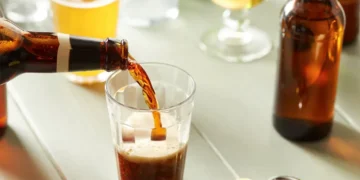
As beer lovers, we all have our preferred way of enjoying a cold brew, but have you ever stopped to think about the importance of the glass you’re drinking from? You might have noticed that the same beer tastes slightly different when poured into a pint glass, a tulip, or a stein. While the liquid inside remains the same, the shape and size of the glass can significantly affect your beer-drinking experience. This phenomenon isn’t just due to aesthetics or tradition—there’s actual science behind why glassware plays such an important role in the enjoyment of beer.

In this article, we will explore how different glass shapes and sizes influence the aroma, flavor, and overall drinking experience of beer. We will look at the different types of glasses and the characteristics they enhance, and also delve into the role that beer carbonation, head retention, and aroma play in shaping our perception of taste. By the end, you’ll have a deeper appreciation for your beer glassware and how it can elevate your enjoyment of craft beers, lagers, ales, and stouts.

The Role of Glass Shape and Size

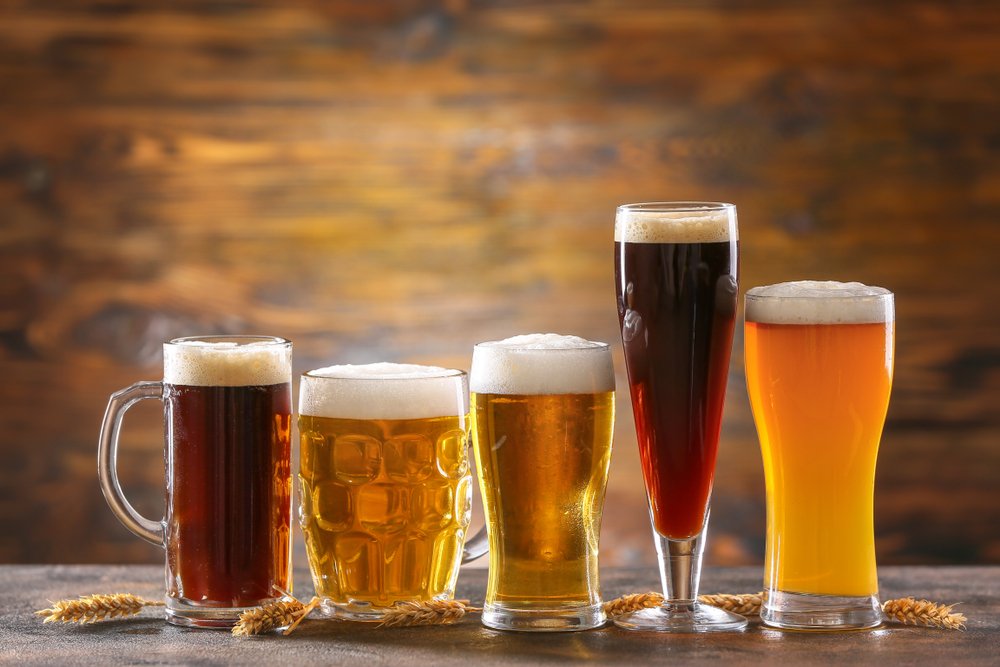
When it comes to beer, the shape and size of the glass do much more than just hold the liquid. They are designed to enhance various aspects of the drinking experience, such as aroma, mouthfeel, and flavor. The primary ways that glassware impacts your beer include:

  1. Concentration of Aroma
  2. Retention of Carbonation
  3. Control of Temperature
  4. Presentation and Experience

1. Concentration of Aroma

A key factor in how we perceive the taste of beer is its aroma. Beer is made up of many volatile compounds that contribute to its flavor, but a large portion of the flavor comes from what we smell. When beer is poured into a glass, the shape of the glass directs the aromas toward your nose, helping you experience the full range of scents and flavors.

  • Narrow Glasses: Glasses like a pilsner or flute have a narrow opening, which serves to concentrate the beer’s aroma. This is particularly important for highly aromatic beers like IPAs, where hops contribute a significant portion of the flavor. The narrow neck traps these volatile compounds and directs them to your nose as you sip, intensifying the experience.
  • Wide Glasses: On the other hand, a wide glass such as a tulip or snifter allows more of the beer’s aromas to escape into the air, giving you a fuller experience of the beer’s scent. This is ideal for beers with complex, multi-layered aromas, such as Belgian-style ales, stouts, and strong ales.

2. Retention of Carbonation

Another critical aspect of beer enjoyment is the level of carbonation, which affects mouthfeel and refreshment. The shape of the glass can influence how well carbonation is retained, which in turn affects the drinking experience.

  • Flute and Pilsner Glasses: These glasses are designed to hold carbonation better. The narrow shape helps the bubbles stay trapped longer, allowing the beer to remain fizzy for a longer period. This is especially important for lighter beers, such as lagers, pilsners, or wheat beers, where the carbonation helps to enhance the crispness and refreshing qualities.
  • Wide-Mouthed Glasses: Glasses like steins or mugs have a wide opening, which allows carbonation to dissipate more quickly. While this may not be ideal for beers that rely on a strong carbonation presence, it can be beneficial for rich, full-bodied beers like stouts or porters, where carbonation might overwhelm the depth of flavor. These beers often have lower carbonation levels, and a wider glass allows the beer’s rich, smooth mouthfeel to shine through.

3. Control of Temperature

The temperature at which beer is served has a significant impact on its flavor. Many beers have an ideal temperature range at which they taste best, and the right glass can help maintain that temperature.

  • Thick-Walled Glasses: Glasses with thicker walls, such as a stein or a heavy pint glass, tend to insulate the beer, keeping it colder for longer periods. This can be beneficial for beers that are best enjoyed chilled, such as light lagers, pilsners, and wheat beers.
  • Thin-Walled Glasses: Glasses with thinner walls, such as tulip glasses or snifters, allow heat to pass through more easily. This can be beneficial for higher ABV (alcohol by volume) beers, like Belgian-style ales, IPAs, and stouts, as these beers tend to be served at slightly warmer temperatures. A tulip glass, for example, can help maintain the beer’s temperature, preventing it from getting too warm too quickly, which allows for the development of richer flavors.

4. Presentation and Experience

The way beer is presented in a glass can significantly affect the drinker’s overall experience. Beer drinking is not just about taste—it’s about the sensory experience. The visual appeal of beer, the color, clarity, and the head (foam) all contribute to the enjoyment.

  • Glass Shape and Beer Foam: The shape of the glass can influence the head of the beer, which plays a crucial role in both the aroma and the drinking experience. A proper beer head helps release aroma compounds, and the act of drinking through foam provides a creamy texture that enhances mouthfeel. For example, a pilsner glass or a Weizenbier glass, designed with a tapered top, helps create and maintain a thick, lasting head.
  • Aesthetic Appeal: The visual presentation of beer is often the first thing a drinker notices. A perfectly poured beer with a nice head and clarity can set the stage for an enjoyable experience. Glasses like snifters and tulips, which have wide bowls and narrow openings, show off the beer’s color and clarity while concentrating the aromas. On the other hand, steins or mugs provide a more traditional, casual aesthetic, making them ideal for beer-drinking occasions where comfort and nostalgia are key.
xr:d:DAFb06jezW0:34,j:47796176545,t:23022805

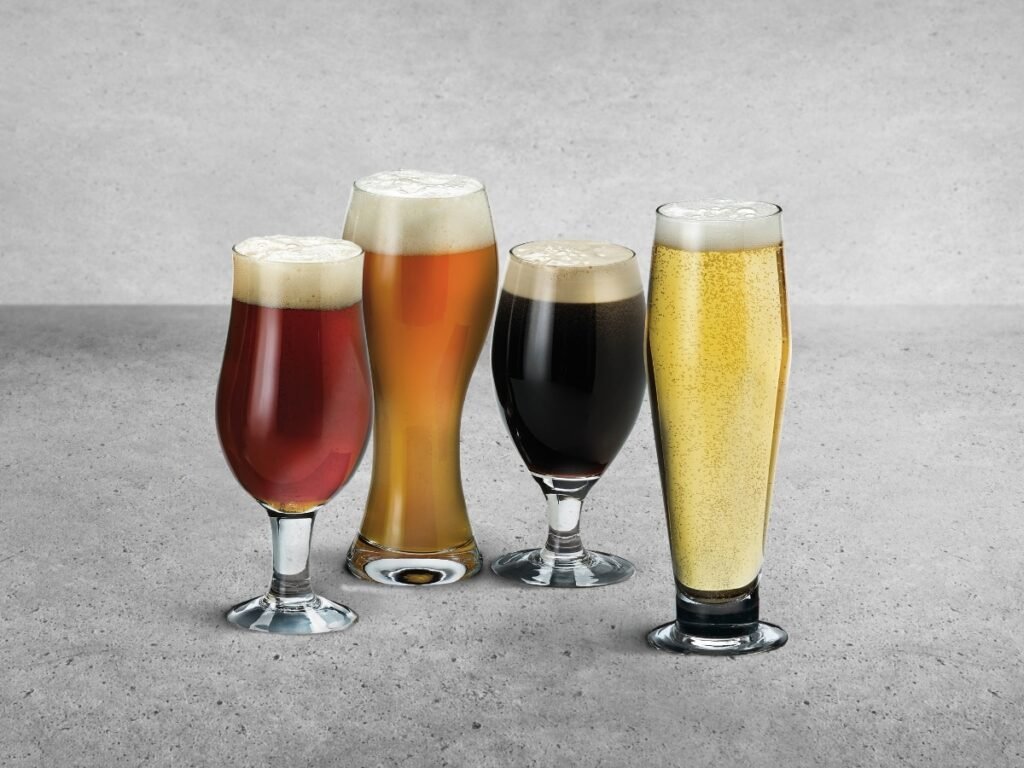
Different Glass Types and Their Impact on Beer

Now that we’ve established the basic principles of glassware’s impact on beer, let’s take a closer look at the specific types of glasses and how they affect the beer inside them. Different beer styles benefit from different glass shapes, and the glass you choose can elevate the beer’s aroma, flavor, and overall enjoyment.

1. Pint Glass (Shaker Glass)

The classic pint glass is perhaps the most common beer glass. It’s typically made from glass or sometimes a heavier material like ceramic. While it’s a versatile and reliable option, it’s not always the best for preserving specific characteristics of certain beer styles.

  • Best for: Everyday beers like pale ales, lagers, and session beers.
  • Impact: Its straight sides don’t concentrate aromas well, and it doesn’t enhance carbonation as much as other glass shapes. However, it’s great for casual drinking and beers that are more about refreshing qualities than complex aromas.

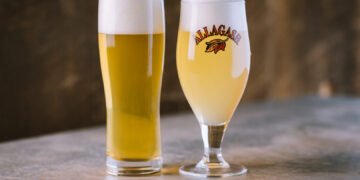
2. Tulip Glass

The tulip glass has a bowl shape that tapers inward at the top, allowing for both a large surface area for the beer and a narrow opening that concentrates the aromas.

  • Best for: Belgian-style ales, IPAs, and other aromatic beers.
  • Impact: The tulip glass enhances aroma retention, making it ideal for beers with complex hop profiles or fruity, spicy notes. The wide bowl allows the beer to breathe, and the narrow rim directs aromas toward the nose, enhancing the beer-drinking experience.

3. Weizenbier Glass

This is a tall, curvy glass typically used for wheat beers, particularly Hefeweizens. Its design allows for a large foam head, which is characteristic of many wheat beers.

  • Best for: Wheat beers, Hefeweizens, and other cloudy beers.
  • Impact: The shape of the glass allows for maximum head retention, which is important for wheat beers, whose aromas are best experienced through their foam. The shape also enhances the beer’s refreshing quality by giving it a tall, narrow surface area to stay cold longer.

4. Snifter Glass

The snifter is a short, wide-bottomed glass with a flared lip. It is typically used for higher ABV beers, such as stouts, porters, and Belgian-style ales.

  • Best for: Stouts, porters, strong ales, and barrel-aged beers.
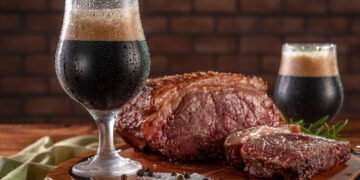
  • Impact: The snifter helps trap the strong aromas of higher ABV beers and allows the drinker to savor them more fully. The wide bowl gives the beer space to “open up,” releasing its rich, complex scents, while the tapered rim directs those aromas toward the nose.

5. Pilsner Glass

The pilsner glass is tall, narrow, and often slightly curved. This glass is designed to showcase the color and clarity of lighter beers.

  • Best for: Pilsners, lagers, and pale ales.
  • Impact: The narrow shape helps maintain carbonation and directs the bubbles upward, enhancing the beer’s crisp and refreshing qualities. It also showcases the beer’s color and clarity, adding to the aesthetic appeal.

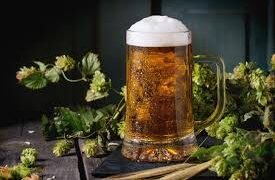
6. Mug or Stein

Mugs and steins are traditional beer vessels with a handle, typically made from glass, ceramic, or stoneware. They are popular in European beer-drinking cultures and are often used for larger servings of beer.

  • Best for: Lager, pilsners, and casual drinking.

Impact: Mugs and steins often have a wider mouth, which can cause carbonation to dissipate quickly. However, they are great for beers that are meant to be enjoyed in larger quantities, as they allow for easy sipping without getting too warm.

Conclusion: The Impact of Glassware on Your Beer Experience

It’s clear that the glass you choose for your beer plays a crucial role in enhancing your overall drinking experience. From concentrating aromas to maintaining carbonation and temperature, the right glass can significantly impact how a beer tastes and feels. The next time you enjoy your favorite brew, take a moment to appreciate the glass it’s in, and consider how it contributes to the richness of the experience. Whether you’re sipping a hoppy IPA from a tulip glass or enjoying a rich stout in a snifter, the perfect glass can elevate your beer in ways you may not have previously realized.

Tags: Beer Drinking ExperienceBeer Glasswarebeer stylesGlass Shape
ShareTweetShare

Related Posts

Can Beer Be an Effective Ingredient in Culinary Cooking?
ALL

Can Beer Be an Effective Ingredient in Culinary Cooking?

January 22, 2026
Second Fermentation in Champagne: Is It Really That Crucial?
ALL

Second Fermentation in Champagne: Is It Really That Crucial?

January 22, 2026
How Do Different Grains Impact the Flavor Profile of Distilled Spirits?
ALL

How Do Different Grains Impact the Flavor Profile of Distilled Spirits?

January 22, 2026
How Do Whiskey Master Blenders Create Perfection?
ALL

How Do Whiskey Master Blenders Create Perfection?

January 22, 2026
Wine Pairings: Can They Change the Flavor Profile of a Dish?
ALL

Wine Pairings: Can They Change the Flavor Profile of a Dish?

January 22, 2026
Beer the Ultimate Beverage for Pairing with Spicy Food?
ALL

Beer the Ultimate Beverage for Pairing with Spicy Food?

January 21, 2026
Leave Comment
  • Trending
  • Comments
  • Latest
What Hidden Craftsmanship Lies Behind a Bottle of Quality Grain Spirits?

What Hidden Craftsmanship Lies Behind a Bottle of Quality Grain Spirits?

July 3, 2025
How Is Champagne Made? The Secrets Behind the Sparkle

How Is Champagne Made? The Secrets Behind the Sparkle

April 15, 2025
Grain Spirits vs. Traditional Distilled Spirits: Which One Suits Your Taste?

Grain Spirits vs. Traditional Distilled Spirits: Which One Suits Your Taste?

July 3, 2025
Champagne Bubbles: How Do They Perfectly Convey Celebration, Joy, and Luxury?

Champagne Bubbles: How Do They Perfectly Convey Celebration, Joy, and Luxury?

July 2, 2025
The Timeless Elegance of Wine: A Journey Through History and Culture

The Timeless Elegance of Wine: A Journey Through History and Culture

Why Is Château Lafite Rothschild the Pinnacle of Fine Wine?

Why Is Château Lafite Rothschild the Pinnacle of Fine Wine?

How Did Château Lafite Rothschild Become a Global Icon of Luxury?

How Did Château Lafite Rothschild Become a Global Icon of Luxury?

What Makes Chateau Lafite Rothschild the Pinnacle of Bordeaux Wines?

What Makes Chateau Lafite Rothschild the Pinnacle of Bordeaux Wines?

Can Beer Be an Effective Ingredient in Culinary Cooking?

Can Beer Be an Effective Ingredient in Culinary Cooking?

January 22, 2026
Second Fermentation in Champagne: Is It Really That Crucial?

Second Fermentation in Champagne: Is It Really That Crucial?

January 22, 2026
How Do Different Grains Impact the Flavor Profile of Distilled Spirits?

How Do Different Grains Impact the Flavor Profile of Distilled Spirits?

January 22, 2026
How Do Whiskey Master Blenders Create Perfection?

How Do Whiskey Master Blenders Create Perfection?

January 22, 2026
SipsavorLife

Welcome to our comprehensive beverage guide, where you can explore the fascinating world of alcoholic drinks. From exquisite wines and rich whiskeys to refreshing beers and sparkling champagnes, we provide insights, tips, and recommendations for enthusiasts and casual drinkers alike. Discover your next favorite libation with us!

© 2025 sipsavorlife.com. contacts:sipsavorlife-35376@gmail.com

No Result
View All Result
  • Home
  • Wine
  • Whiskey
  • Beer
  • Grain Spirits
  • Champagne
  • ALL

© 2025 sipsavorlife.com. contacts:sipsavorlife-35376@gmail.com

Welcome Back!

Login to your account below

Forgotten Password?

Retrieve your password

Please enter your username or email address to reset your password.

Log In