





SipsavorLife
  • Home
  • Wine
    The History, Culture, and Global Influence of Humanity’s Most Celebrated Beverage

    The Wine Revolution: How Modern Winemaking Transformed a Global Industry

    The History, Culture, and Global Influence of Humanity’s Most Celebrated Beverage

    Wine Styles of the World: A Complete Guide to Red, White, Rosé, Sparkling, and Fortified Wines

    The History, Culture, and Global Influence of Humanity’s Most Celebrated Beverage

    The Global Wine Industry: Markets, Trade, Tourism, and Economic Impact

    The History, Culture, and Global Influence of Humanity’s Most Celebrated Beverage

    The Science of Wine: Grapes, Fermentation, and Flavor Development

    The History, Culture, and Global Influence of Humanity’s Most Celebrated Beverage

    The History, Culture, and Global Influence of Humanity’s Most Celebrated Beverage

    The Cultural History of Wine: From Ancient Rituals to Modern Luxury

    The Psychology of Wine: Why Humans Associate Wine with Emotion, Memory, and Identity

  • Whiskey
    Can Beer Be an Effective Ingredient in Culinary Cooking?

    Can Beer Be an Effective Ingredient in Culinary Cooking?

    Second Fermentation in Champagne: Is It Really That Crucial?

    Second Fermentation in Champagne: Is It Really That Crucial?

    How Do Different Grains Impact the Flavor Profile of Distilled Spirits?

    How Do Different Grains Impact the Flavor Profile of Distilled Spirits?

    How Do Whiskey Master Blenders Create Perfection?

    How Do Whiskey Master Blenders Create Perfection?

    Wine Pairings: Can They Change the Flavor Profile of a Dish?

    Wine Pairings: Can They Change the Flavor Profile of a Dish?

    Beer the Ultimate Beverage for Pairing with Spicy Food?

    Beer the Ultimate Beverage for Pairing with Spicy Food?

  • Beer
    Malt Beer: Why Does Its Sweet Malty Aroma Always Bring Endless Satisfaction?

    The Craft Beer Revolution: How Independent Breweries Changed the World of Beer

    Beer: The World’s Oldest and Most Influential Beverage

    Beer Styles of the World: A Complete Guide to Lager, Ale, Stout, IPA, and Beyond

    Beer: The World’s Oldest and Most Influential Beverage

    The Global Beer Industry: Markets, Brands, and Economic Impact

    Beer: The World’s Oldest and Most Influential Beverage

    The Science of Beer: Ingredients, Fermentation, and Flavor

    Beer: The World’s Oldest and Most Influential Beverage

    Beer: The World’s Oldest and Most Influential Beverage

    Beer as a Cultural and Social Force: From Ancient Brew to Modern Identity

    Women in Brewing: The Untold History and Modern Transformation of Beer Culture

  • Grain Spirits
    Grain Spirits: The Origins, Science, and Global Evolution of Distilled Grain Alcohol

    Bourbon: America’s Native Grain Spirit and the Global Story of Corn, Oak, Fire, and Time

    Grain Spirits: The Origins, Science, and Global Evolution of Distilled Grain Alcohol

    Gin: Botanicals, History, Cocktail Culture, and the Artistic Evolution of the World’s Most Aromatic Grain Spirit

    Grain Spirits: The Origins, Science, and Global Evolution of Distilled Grain Alcohol

    Vodka: The Global Rise of the World’s Most Versatile Grain Spirit

    Grain Spirits: The Origins, Science, and Global Evolution of Distilled Grain Alcohol

    Whiskey and the Soul of Grain Spirits: History, Craftsmanship, Culture, and the Global Rise of the World’s Most Iconic Distilled Grain Beverage

    Grain Spirits: The Origins, Science, and Global Evolution of Distilled Grain Alcohol

    Grain Spirits: The Origins, Science, and Global Evolution of Distilled Grain Alcohol

    Grain Spirits Explained — The Foundation of Global Distillation

    The Future of Grain Spirits — Technology, Sustainability, and the Next Era of Distillation

  • Champagne
    Champagne: The Sparkling Wine That Changed Global Celebration Culture

    Dom Pérignon, Cristal, Krug, and Beyond: The World’s Most Famous Champagne Houses and Their Legacy

    Champagne Beyond Celebration: The History, Craftsmanship, and Global Influence of the World’s Most Iconic Sparkling Wine

    The Future of Champagne: Climate Change, Innovation, Sustainability, and the Next Era of Sparkling Wine

    Champagne Beyond Celebration: The History, Craftsmanship, and Global Influence of the World’s Most Iconic Sparkling Wine

    Champagne and Luxury Culture: How Sparkling Wine Became a Global Symbol of Wealth, Celebration, and Prestige

    Champagne Beyond Celebration: The History, Craftsmanship, and Global Influence of the World’s Most Iconic Sparkling Wine

    The Art of Champagne Production: Inside the Science, Skill, and Tradition Behind Every Bottle

    Champagne Beyond Celebration: The History, Craftsmanship, and Global Influence of the World’s Most Iconic Sparkling Wine

    Champagne Beyond Celebration: The History, Craftsmanship, and Global Influence of the World’s Most Iconic Sparkling Wine

    Champagne: The Sparkling Wine That Changed Global Celebration Culture

    Champagne vs Prosecco vs Cava: How the World’s Sparkling Wines Reflect Culture, Geography, and Taste

  • ALL
    Can Beer Be an Effective Ingredient in Culinary Cooking?

    Can Beer Be an Effective Ingredient in Culinary Cooking?

    Second Fermentation in Champagne: Is It Really That Crucial?

    Second Fermentation in Champagne: Is It Really That Crucial?

    How Do Different Grains Impact the Flavor Profile of Distilled Spirits?

    How Do Different Grains Impact the Flavor Profile of Distilled Spirits?

    How Do Whiskey Master Blenders Create Perfection?

    How Do Whiskey Master Blenders Create Perfection?

    Wine Pairings: Can They Change the Flavor Profile of a Dish?

    Wine Pairings: Can They Change the Flavor Profile of a Dish?

    Beer the Ultimate Beverage for Pairing with Spicy Food?

    Beer the Ultimate Beverage for Pairing with Spicy Food?

SipsavorLife
  • Home
  • Wine
    The History, Culture, and Global Influence of Humanity’s Most Celebrated Beverage

    The Wine Revolution: How Modern Winemaking Transformed a Global Industry

    The History, Culture, and Global Influence of Humanity’s Most Celebrated Beverage

    Wine Styles of the World: A Complete Guide to Red, White, Rosé, Sparkling, and Fortified Wines

    The History, Culture, and Global Influence of Humanity’s Most Celebrated Beverage

    The Global Wine Industry: Markets, Trade, Tourism, and Economic Impact

    The History, Culture, and Global Influence of Humanity’s Most Celebrated Beverage

    The Science of Wine: Grapes, Fermentation, and Flavor Development

    The History, Culture, and Global Influence of Humanity’s Most Celebrated Beverage

    The History, Culture, and Global Influence of Humanity’s Most Celebrated Beverage

    The Cultural History of Wine: From Ancient Rituals to Modern Luxury

    The Psychology of Wine: Why Humans Associate Wine with Emotion, Memory, and Identity

  • Whiskey
    Can Beer Be an Effective Ingredient in Culinary Cooking?

    Can Beer Be an Effective Ingredient in Culinary Cooking?

    Second Fermentation in Champagne: Is It Really That Crucial?

    Second Fermentation in Champagne: Is It Really That Crucial?

    How Do Different Grains Impact the Flavor Profile of Distilled Spirits?

    How Do Different Grains Impact the Flavor Profile of Distilled Spirits?

    How Do Whiskey Master Blenders Create Perfection?

    How Do Whiskey Master Blenders Create Perfection?

    Wine Pairings: Can They Change the Flavor Profile of a Dish?

    Wine Pairings: Can They Change the Flavor Profile of a Dish?

    Beer the Ultimate Beverage for Pairing with Spicy Food?

    Beer the Ultimate Beverage for Pairing with Spicy Food?

  • Beer
    Malt Beer: Why Does Its Sweet Malty Aroma Always Bring Endless Satisfaction?

    The Craft Beer Revolution: How Independent Breweries Changed the World of Beer

    Beer: The World’s Oldest and Most Influential Beverage

    Beer Styles of the World: A Complete Guide to Lager, Ale, Stout, IPA, and Beyond

    Beer: The World’s Oldest and Most Influential Beverage

    The Global Beer Industry: Markets, Brands, and Economic Impact

    Beer: The World’s Oldest and Most Influential Beverage

    The Science of Beer: Ingredients, Fermentation, and Flavor

    Beer: The World’s Oldest and Most Influential Beverage

    Beer: The World’s Oldest and Most Influential Beverage

    Beer as a Cultural and Social Force: From Ancient Brew to Modern Identity

    Women in Brewing: The Untold History and Modern Transformation of Beer Culture

  • Grain Spirits
    Grain Spirits: The Origins, Science, and Global Evolution of Distilled Grain Alcohol

    Bourbon: America’s Native Grain Spirit and the Global Story of Corn, Oak, Fire, and Time

    Grain Spirits: The Origins, Science, and Global Evolution of Distilled Grain Alcohol

    Gin: Botanicals, History, Cocktail Culture, and the Artistic Evolution of the World’s Most Aromatic Grain Spirit

    Grain Spirits: The Origins, Science, and Global Evolution of Distilled Grain Alcohol

    Vodka: The Global Rise of the World’s Most Versatile Grain Spirit

    Grain Spirits: The Origins, Science, and Global Evolution of Distilled Grain Alcohol

    Whiskey and the Soul of Grain Spirits: History, Craftsmanship, Culture, and the Global Rise of the World’s Most Iconic Distilled Grain Beverage

    Grain Spirits: The Origins, Science, and Global Evolution of Distilled Grain Alcohol

    Grain Spirits: The Origins, Science, and Global Evolution of Distilled Grain Alcohol

    Grain Spirits Explained — The Foundation of Global Distillation

    The Future of Grain Spirits — Technology, Sustainability, and the Next Era of Distillation

  • Champagne
    Champagne: The Sparkling Wine That Changed Global Celebration Culture

    Dom Pérignon, Cristal, Krug, and Beyond: The World’s Most Famous Champagne Houses and Their Legacy

    Champagne Beyond Celebration: The History, Craftsmanship, and Global Influence of the World’s Most Iconic Sparkling Wine

    The Future of Champagne: Climate Change, Innovation, Sustainability, and the Next Era of Sparkling Wine

    Champagne Beyond Celebration: The History, Craftsmanship, and Global Influence of the World’s Most Iconic Sparkling Wine

    Champagne and Luxury Culture: How Sparkling Wine Became a Global Symbol of Wealth, Celebration, and Prestige

    Champagne Beyond Celebration: The History, Craftsmanship, and Global Influence of the World’s Most Iconic Sparkling Wine

    The Art of Champagne Production: Inside the Science, Skill, and Tradition Behind Every Bottle

    Champagne Beyond Celebration: The History, Craftsmanship, and Global Influence of the World’s Most Iconic Sparkling Wine

    Champagne Beyond Celebration: The History, Craftsmanship, and Global Influence of the World’s Most Iconic Sparkling Wine

    Champagne: The Sparkling Wine That Changed Global Celebration Culture

    Champagne vs Prosecco vs Cava: How the World’s Sparkling Wines Reflect Culture, Geography, and Taste

  • ALL
    Can Beer Be an Effective Ingredient in Culinary Cooking?

    Can Beer Be an Effective Ingredient in Culinary Cooking?

    Second Fermentation in Champagne: Is It Really That Crucial?

    Second Fermentation in Champagne: Is It Really That Crucial?

    How Do Different Grains Impact the Flavor Profile of Distilled Spirits?

    How Do Different Grains Impact the Flavor Profile of Distilled Spirits?

    How Do Whiskey Master Blenders Create Perfection?

    How Do Whiskey Master Blenders Create Perfection?

    Wine Pairings: Can They Change the Flavor Profile of a Dish?

    Wine Pairings: Can They Change the Flavor Profile of a Dish?

    Beer the Ultimate Beverage for Pairing with Spicy Food?

    Beer the Ultimate Beverage for Pairing with Spicy Food?

SipsavorLife
No Result
View All Result
Home ALL

How Is Champagne Made Differently from Other Sparkling Wines?

April 7, 2025
in ALL, Champagne
How Is Champagne Made Differently from Other Sparkling Wines?

Champagne is the quintessential symbol of celebration, known for its elegant effervescence, complex flavors, and rich history. It stands apart from other sparkling wines for several reasons, including its unique production method, the specific geography of the Champagne region, and the strict regulations governing its production. While many sparkling wines around the world share similar characteristics, Champagne’s Méthode Champenoise, regional terroir, and dedicated craftsmanship elevate it to a class of its own. This article explores the intricate process of Champagne production, comparing it with other well-known sparkling wines such as Prosecco and Cava, and highlights how the geography of the Champagne region influences the final product.

The “Méthode Champenoise”: The Traditional Method of Champagne Production

The heart of what makes Champagne unique lies in the Méthode Champenoise, or the traditional method, used to create its signature bubbles. This labor-intensive process distinguishes Champagne from most other sparkling wines, which may use more modern, efficient methods to achieve carbonation.

Step 1: Primary Fermentation

The Champagne-making process begins with the creation of the base wine. Grapes are carefully selected, and the juice undergoes primary fermentation, where yeast converts the sugars in the grape juice into alcohol. This base wine typically has a low alcohol content, and it’s important to preserve the natural acidity of the wine for balance. In Champagne, the three main grape varieties used for base wines are Chardonnay, Pinot Noir, and Pinot Meunier.

Step 2: Blending

Once the base wines have been fermented, the winemaker blends them to achieve the desired style of Champagne. Blending can involve wines from different vineyards, different grape varieties, or even different vintages (non-vintage Champagne is common, though some high-end Champagnes are made from a single vintage). The goal is to create a consistent flavor profile year after year.

Step 3: Secondary Fermentation

After blending, the wine is bottled along with a mixture of sugar and yeast, which kicks off the secondary fermentation. This is the crucial step that creates Champagne’s signature bubbles. During secondary fermentation, the yeast consumes the added sugar, producing carbon dioxide (CO2) as a byproduct, which is trapped in the sealed bottle. This fermentation takes place in the bottle, unlike most sparkling wines, which undergo their secondary fermentation in large tanks. The CO2 dissolves into the wine, creating the tiny, delicate bubbles that Champagne is known for.

Step 4: Riddling and Disgorging

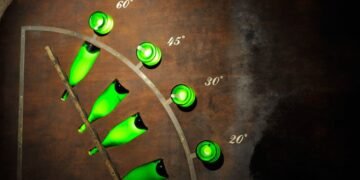
Once secondary fermentation is complete, the wine undergoes riddling, a process where bottles are slowly rotated and tilted to collect the yeast sediment in the neck of the bottle. This step can take weeks and is typically done by hand, though automated riddling machines have been developed in recent years. After riddling, the neck of the bottle is frozen, and the sediment plug is ejected in a process known as disgorging. This ensures that the final product is clear and free of yeast sediment.

Step 5: Dosage

After disgorging, the Champagne undergoes a final step known as dosage, where a small amount of sugar syrup (liqueur d’expédition) is added to adjust the sweetness of the wine. This step also affects the texture and mouthfeel of the Champagne. The wine is then corked, wired, and sealed, ready for release.

The entire Méthode Champenoise process is lengthy, typically taking several years, which adds to the complexity and richness of the final product. This traditional method, along with the long maturation period, is one of the main reasons Champagne is often seen as a luxury product.

Champagne vs. Prosecco: A Tale of Two Sparkling Wines

While Champagne’s production process is labor-intensive and closely regulated, other sparkling wines, such as Prosecco, offer a more affordable alternative with distinct characteristics. The two sparkling wines differ not only in production methods but also in their flavor profiles and regional origins.

Production Method

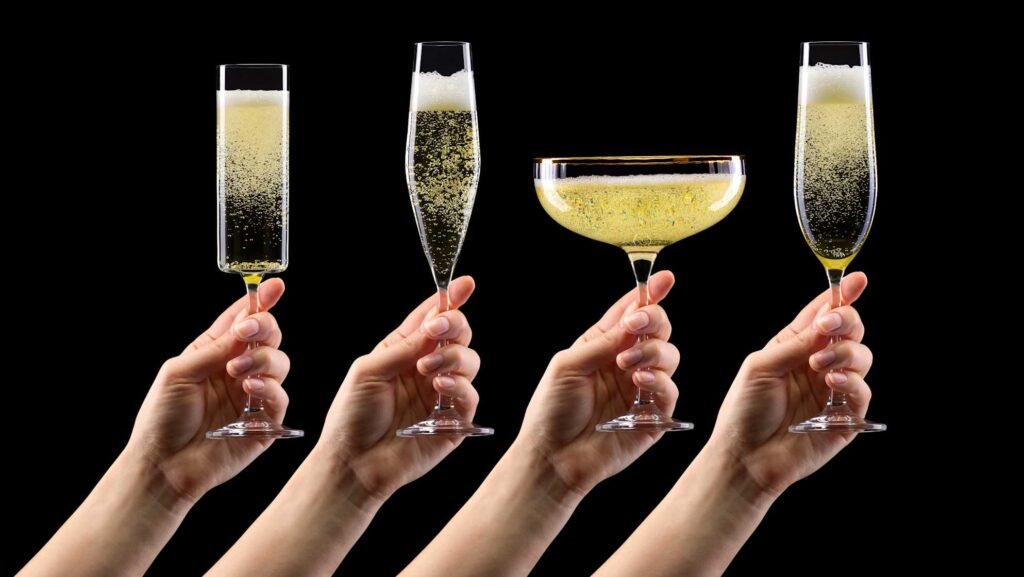
Unlike Champagne, which uses the Méthode Champenoise, Prosecco is made using the Charmat method (or tank method). In this method, the secondary fermentation occurs in large pressurized tanks rather than individual bottles. This method is quicker and more cost-effective, producing sparkling wines with larger, less delicate bubbles. The secondary fermentation typically lasts for just a few weeks, whereas in Champagne, it can take months or even years.

The Charmat method preserves the fresh, fruity characteristics of the wine, which makes Prosecco more approachable and easy-drinking, with less complexity than Champagne. Prosecco is often characterized by floral and fruity aromas, with flavors of green apple, pear, and citrus. Champagne, on the other hand, has a more complex profile with flavors ranging from brioche and almond to citrus and toasty notes, due to its longer aging process.
Terroir and Grape Varieties

Prosecco is primarily produced in the Veneto region of northern Italy, and its key grape variety is the Glera grape. The vineyards in this area benefit from a cool, temperate climate that allows the Glera grapes to ripen slowly, preserving acidity while developing fresh flavors. Champagne, in contrast, is produced in the Champagne region of France, where the climate is cooler and more continental. The primary grape varieties used in Champagne are Chardonnay, Pinot Noir, and Pinot Meunier, each contributing its own unique characteristics to the final wine. Chardonnay adds finesse and crispness, Pinot Noir contributes body and structure, and Pinot Meunier adds fruitiness and roundness.

Price and Accessibility

The production method, the cost of labor, and the stringent regulations in Champagne contribute to its higher price point compared to Prosecco. Prosecco is often more affordable and widely available, making it a popular choice for casual celebrations and everyday enjoyment. Champagne, on the other hand, is usually reserved for special occasions and is seen as a symbol of luxury.

Cava: Spain’s Sparkling Wine

Another important sparkling wine to consider in the comparison is Cava, Spain’s signature sparkling wine. Like Champagne, Cava is made using the traditional method (Méthode Traditionnelle), but it is produced primarily in the Penedès region of Catalonia. The production process for Cava is similar to that of Champagne, but there are key differences in grape varieties, terroir, and aging requirements.

Production Method and Grape Varieties

Cava is made using traditional methods, with a secondary fermentation occurring in the bottle, just like Champagne. However, Cava typically uses different grape varieties, such as Macabeo, Xarel·lo, and Parellada, which are native to Spain and contribute to the distinctive flavor of the wine. These grape varieties tend to create a more light and fresh style of sparkling wine, with flavors of green apple, citrus, and sometimes a herbal note.

The aging process for Cava is also generally shorter than that of Champagne, with most Cava being aged for nine months or more. While this does not produce the same depth and complexity of flavors as Champagne, it results in a vibrant, fresh sparkling wine that offers good value.

Price and Accessibility

Cava is more affordable than Champagne and is often seen as a high-quality, budget-friendly alternative. It is widely enjoyed in Spain and has gained popularity around the world due to its refreshing style and reasonable price.

The Geography of the Champagne Region: Terroir and Its Impact

One of the defining features of Champagne is its terroir—the combination of geography, climate, and soil that shapes the unique characteristics of the wine. The Champagne region, located in the northeastern part of France, has a cool, continental climate with harsh winters and relatively short growing seasons. This challenging climate helps the grapes retain their natural acidity, which is essential for producing the crisp, refreshing quality Champagne is known for.

Soil and Microclimates

The soils of the Champagne region are primarily made up of chalk, which provides excellent drainage and reflects sunlight, helping to ripen the grapes slowly and evenly. The unique chalky soils also contribute to the wine’s minerality and crispness, giving it a characteristic freshness and elegance.

The region is divided into several sub-regions, each with its own unique terroir. The most famous of these sub-regions is Montagne de Reims, known for its Pinot Noir, and Côte des Blancs, which is renowned for its Chardonnay. These different terroirs contribute to the wide variety of Champagne styles available, from the rich, full-bodied wines of the Montagne de Reims to the delicate, citrusy wines of the Côte des Blancs.

Conclusion: Champagne’s Unique Charm

Champagne’s production method, geography, and rich history all contribute to its unique character. The Méthode Champenoise, with its labor-intensive processes like secondary fermentation in the bottle, gives Champagne its signature effervescence and complexity. While other sparkling wines like Prosecco and Cava are made using different methods and offer distinct styles, Champagne remains the pinnacle of sparkling wine, revered for its craftsmanship and luxury. Understanding the unique production techniques and terroir of Champagne helps explain why it is often considered the gold standard in the world of sparkling wines.

Tags: Champagne productionChampagne vs Proseccométhode champenoise
ShareTweetShare

Related Posts

Champagne: The Sparkling Wine That Changed Global Celebration Culture
Champagne

Dom Pérignon, Cristal, Krug, and Beyond: The World’s Most Famous Champagne Houses and Their Legacy

May 27, 2026
Champagne Beyond Celebration: The History, Craftsmanship, and Global Influence of the World’s Most Iconic Sparkling Wine
Champagne

The Future of Champagne: Climate Change, Innovation, Sustainability, and the Next Era of Sparkling Wine

May 27, 2026
Champagne Beyond Celebration: The History, Craftsmanship, and Global Influence of the World’s Most Iconic Sparkling Wine
Champagne

Champagne and Luxury Culture: How Sparkling Wine Became a Global Symbol of Wealth, Celebration, and Prestige

May 27, 2026
Champagne Beyond Celebration: The History, Craftsmanship, and Global Influence of the World’s Most Iconic Sparkling Wine
Champagne

The Art of Champagne Production: Inside the Science, Skill, and Tradition Behind Every Bottle

May 27, 2026
Champagne Beyond Celebration: The History, Craftsmanship, and Global Influence of the World’s Most Iconic Sparkling Wine
Champagne

Champagne Beyond Celebration: The History, Craftsmanship, and Global Influence of the World’s Most Iconic Sparkling Wine

May 27, 2026
Champagne: The Sparkling Wine That Changed Global Celebration Culture
Champagne

Champagne vs Prosecco vs Cava: How the World’s Sparkling Wines Reflect Culture, Geography, and Taste

May 24, 2026
Leave Comment
  • Trending
  • Comments
  • Latest
Role of Terroir in Champagne Production

Role of Terroir in Champagne Production

January 19, 2026
Champagne Can Be Aged in Wood?

Champagne Can Be Aged in Wood?

January 18, 2026
Is Organic Wine Healthier Than Conventional Wine?

Is Organic Wine Healthier Than Conventional Wine?

January 20, 2026
Why Do Some Champagnes Use a High Proportion of Pinot Meunier?

Why Do Some Champagnes Use a High Proportion of Pinot Meunier?

January 20, 2026
The Timeless Elegance of Wine: A Journey Through History and Culture

The Timeless Elegance of Wine: A Journey Through History and Culture

Why Is Château Lafite Rothschild the Pinnacle of Fine Wine?

Why Is Château Lafite Rothschild the Pinnacle of Fine Wine?

How Did Château Lafite Rothschild Become a Global Icon of Luxury?

How Did Château Lafite Rothschild Become a Global Icon of Luxury?

What Makes Chateau Lafite Rothschild the Pinnacle of Bordeaux Wines?

What Makes Chateau Lafite Rothschild the Pinnacle of Bordeaux Wines?

The History, Culture, and Global Influence of Humanity’s Most Celebrated Beverage

The Wine Revolution: How Modern Winemaking Transformed a Global Industry

June 3, 2026
The History, Culture, and Global Influence of Humanity’s Most Celebrated Beverage

Wine Styles of the World: A Complete Guide to Red, White, Rosé, Sparkling, and Fortified Wines

June 3, 2026
The History, Culture, and Global Influence of Humanity’s Most Celebrated Beverage

The Global Wine Industry: Markets, Trade, Tourism, and Economic Impact

June 3, 2026
The History, Culture, and Global Influence of Humanity’s Most Celebrated Beverage

The Science of Wine: Grapes, Fermentation, and Flavor Development

June 3, 2026
SipsavorLife

Welcome to our comprehensive beverage guide, where you can explore the fascinating world of alcoholic drinks. From exquisite wines and rich whiskeys to refreshing beers and sparkling champagnes, we provide insights, tips, and recommendations for enthusiasts and casual drinkers alike. Discover your next favorite libation with us!

© 2025 sipsavorlife.com. contacts:sipsavorlife-35376@gmail.com

No Result
View All Result
  • Home
  • Wine
  • Whiskey
  • Beer
  • Grain Spirits
  • Champagne
  • ALL

© 2025 sipsavorlife.com. contacts:sipsavorlife-35376@gmail.com

Welcome Back!

Login to your account below

Forgotten Password?

Retrieve your password

Please enter your username or email address to reset your password.

Log In