













SipsavorLife
  • Home
  • Wine
    Wine Pairings: Can They Change the Flavor Profile of a Dish?

    Wine Pairings: Can They Change the Flavor Profile of a Dish?

    How Do Wine Glasses Influence the Tasting Experience?

    How Do Wine Glasses Influence the Tasting Experience?

    Is Organic Wine Healthier Than Conventional Wine?

    Is Organic Wine Healthier Than Conventional Wine?

    Why Do Some Wines Taste Better from Specific Vintages?

    Why Do Some Wines Taste Better from Specific Vintages?

    Wine Tasting: Can It Truly Be an Art Form?

    Wine Tasting: Can It Truly Be an Art Form?

    What Does Terroir Actually Mean for Your Wine?

    What Does Terroir Actually Mean for Your Wine?

  • Whiskey
    Can Beer Be an Effective Ingredient in Culinary Cooking?

    Can Beer Be an Effective Ingredient in Culinary Cooking?

    Second Fermentation in Champagne: Is It Really That Crucial?

    Second Fermentation in Champagne: Is It Really That Crucial?

    How Do Different Grains Impact the Flavor Profile of Distilled Spirits?

    How Do Different Grains Impact the Flavor Profile of Distilled Spirits?

    How Do Whiskey Master Blenders Create Perfection?

    How Do Whiskey Master Blenders Create Perfection?

    Wine Pairings: Can They Change the Flavor Profile of a Dish?

    Wine Pairings: Can They Change the Flavor Profile of a Dish?

    Beer the Ultimate Beverage for Pairing with Spicy Food?

    Beer the Ultimate Beverage for Pairing with Spicy Food?

  • Beer
    Can Beer Be an Effective Ingredient in Culinary Cooking?

    Can Beer Be an Effective Ingredient in Culinary Cooking?

    Beer the Ultimate Beverage for Pairing with Spicy Food?

    Beer the Ultimate Beverage for Pairing with Spicy Food?

    How Did Ancient Civilizations Brew Beer Without Modern Technology?

    How Did Ancient Civilizations Brew Beer Without Modern Technology?

    Is It Possible to Brew a Beer with No Alcohol and No Compromise on Taste?

    Is It Possible to Brew a Beer with No Alcohol and No Compromise on Taste?

    Why Does Beer Taste Different at High Altitudes?

    Why Does Beer Taste Different at High Altitudes?

    Is Hops the Secret Ingredient Behind Beer’s Bold Flavor?

    Is Hops the Secret Ingredient Behind Beer’s Bold Flavor?

  • Grain Spirits
    How Do Different Grains Impact the Flavor Profile of Distilled Spirits?

    How Do Different Grains Impact the Flavor Profile of Distilled Spirits?

    Grain Spirits the Unsung Heroes of Modern Mixology

    Grain Spirits the Unsung Heroes of Modern Mixology

    What Makes Grain-Based Whiskey So Different from Its Peated Cousins?

    What Makes Grain-Based Whiskey So Different from Its Peated Cousins?

    Grain Spirits: Could They Be the Next Big Trend in Craft Cocktails?

    Grain Spirits: Could They Be the Next Big Trend in Craft Cocktails?

    Why Are Grain Spirits Often Overlooked in the World of Fine Liquor?

    Why Are Grain Spirits Often Overlooked in the World of Fine Liquor?

    Is There a Secret Art to Distilling Grain Spirits?

    Is There a Secret Art to Distilling Grain Spirits?

  • Champagne
    Second Fermentation in Champagne: Is It Really That Crucial?

    Second Fermentation in Champagne: Is It Really That Crucial?

    The Science Behind the ‘Bubble Size’ in Champagne

    The Science Behind the ‘Bubble Size’ in Champagne

    Why Do Some Champagnes Use a High Proportion of Pinot Meunier?

    Why Do Some Champagnes Use a High Proportion of Pinot Meunier?

    Role of Terroir in Champagne Production

    Role of Terroir in Champagne Production

    Champagne Can Be Aged in Wood?

    Champagne Can Be Aged in Wood?

    Is There a Difference Between Blanc de Blancs and Blanc de Noirs Champagne?

    Is There a Difference Between Blanc de Blancs and Blanc de Noirs Champagne?

  • ALL
    Can Beer Be an Effective Ingredient in Culinary Cooking?

    Can Beer Be an Effective Ingredient in Culinary Cooking?

    Second Fermentation in Champagne: Is It Really That Crucial?

    Second Fermentation in Champagne: Is It Really That Crucial?

    How Do Different Grains Impact the Flavor Profile of Distilled Spirits?

    How Do Different Grains Impact the Flavor Profile of Distilled Spirits?

    How Do Whiskey Master Blenders Create Perfection?

    How Do Whiskey Master Blenders Create Perfection?

    Wine Pairings: Can They Change the Flavor Profile of a Dish?

    Wine Pairings: Can They Change the Flavor Profile of a Dish?

    Beer the Ultimate Beverage for Pairing with Spicy Food?

    Beer the Ultimate Beverage for Pairing with Spicy Food?

SipsavorLife
  • Home
  • Wine
    Wine Pairings: Can They Change the Flavor Profile of a Dish?

    Wine Pairings: Can They Change the Flavor Profile of a Dish?

    How Do Wine Glasses Influence the Tasting Experience?

    How Do Wine Glasses Influence the Tasting Experience?

    Is Organic Wine Healthier Than Conventional Wine?

    Is Organic Wine Healthier Than Conventional Wine?

    Why Do Some Wines Taste Better from Specific Vintages?

    Why Do Some Wines Taste Better from Specific Vintages?

    Wine Tasting: Can It Truly Be an Art Form?

    Wine Tasting: Can It Truly Be an Art Form?

    What Does Terroir Actually Mean for Your Wine?

    What Does Terroir Actually Mean for Your Wine?

  • Whiskey
    Can Beer Be an Effective Ingredient in Culinary Cooking?

    Can Beer Be an Effective Ingredient in Culinary Cooking?

    Second Fermentation in Champagne: Is It Really That Crucial?

    Second Fermentation in Champagne: Is It Really That Crucial?

    How Do Different Grains Impact the Flavor Profile of Distilled Spirits?

    How Do Different Grains Impact the Flavor Profile of Distilled Spirits?

    How Do Whiskey Master Blenders Create Perfection?

    How Do Whiskey Master Blenders Create Perfection?

    Wine Pairings: Can They Change the Flavor Profile of a Dish?

    Wine Pairings: Can They Change the Flavor Profile of a Dish?

    Beer the Ultimate Beverage for Pairing with Spicy Food?

    Beer the Ultimate Beverage for Pairing with Spicy Food?

  • Beer
    Can Beer Be an Effective Ingredient in Culinary Cooking?

    Can Beer Be an Effective Ingredient in Culinary Cooking?

    Beer the Ultimate Beverage for Pairing with Spicy Food?

    Beer the Ultimate Beverage for Pairing with Spicy Food?

    How Did Ancient Civilizations Brew Beer Without Modern Technology?

    How Did Ancient Civilizations Brew Beer Without Modern Technology?

    Is It Possible to Brew a Beer with No Alcohol and No Compromise on Taste?

    Is It Possible to Brew a Beer with No Alcohol and No Compromise on Taste?

    Why Does Beer Taste Different at High Altitudes?

    Why Does Beer Taste Different at High Altitudes?

    Is Hops the Secret Ingredient Behind Beer’s Bold Flavor?

    Is Hops the Secret Ingredient Behind Beer’s Bold Flavor?

  • Grain Spirits
    How Do Different Grains Impact the Flavor Profile of Distilled Spirits?

    How Do Different Grains Impact the Flavor Profile of Distilled Spirits?

    Grain Spirits the Unsung Heroes of Modern Mixology

    Grain Spirits the Unsung Heroes of Modern Mixology

    What Makes Grain-Based Whiskey So Different from Its Peated Cousins?

    What Makes Grain-Based Whiskey So Different from Its Peated Cousins?

    Grain Spirits: Could They Be the Next Big Trend in Craft Cocktails?

    Grain Spirits: Could They Be the Next Big Trend in Craft Cocktails?

    Why Are Grain Spirits Often Overlooked in the World of Fine Liquor?

    Why Are Grain Spirits Often Overlooked in the World of Fine Liquor?

    Is There a Secret Art to Distilling Grain Spirits?

    Is There a Secret Art to Distilling Grain Spirits?

  • Champagne
    Second Fermentation in Champagne: Is It Really That Crucial?

    Second Fermentation in Champagne: Is It Really That Crucial?

    The Science Behind the ‘Bubble Size’ in Champagne

    The Science Behind the ‘Bubble Size’ in Champagne

    Why Do Some Champagnes Use a High Proportion of Pinot Meunier?

    Why Do Some Champagnes Use a High Proportion of Pinot Meunier?

    Role of Terroir in Champagne Production

    Role of Terroir in Champagne Production

    Champagne Can Be Aged in Wood?

    Champagne Can Be Aged in Wood?

    Is There a Difference Between Blanc de Blancs and Blanc de Noirs Champagne?

    Is There a Difference Between Blanc de Blancs and Blanc de Noirs Champagne?

  • ALL
    Can Beer Be an Effective Ingredient in Culinary Cooking?

    Can Beer Be an Effective Ingredient in Culinary Cooking?

    Second Fermentation in Champagne: Is It Really That Crucial?

    Second Fermentation in Champagne: Is It Really That Crucial?

    How Do Different Grains Impact the Flavor Profile of Distilled Spirits?

    How Do Different Grains Impact the Flavor Profile of Distilled Spirits?

    How Do Whiskey Master Blenders Create Perfection?

    How Do Whiskey Master Blenders Create Perfection?

    Wine Pairings: Can They Change the Flavor Profile of a Dish?

    Wine Pairings: Can They Change the Flavor Profile of a Dish?

    Beer the Ultimate Beverage for Pairing with Spicy Food?

    Beer the Ultimate Beverage for Pairing with Spicy Food?

SipsavorLife
No Result
View All Result
Home ALL

What Makes a Beer ‘Craft’—And Why Should You Care?

April 2, 2025
in ALL, Beer
What Makes a Beer ‘Craft’—And Why Should You Care?

Defining “Craft Beer”

The world of beer has evolved significantly over the past few decades. With the rise of microbreweries, brewpubs, and independent beer makers, the term “craft beer” has become a central point of discussion among beer lovers. But what exactly makes a beer “craft”? While there is no universal definition, several key characteristics define a craft beer.

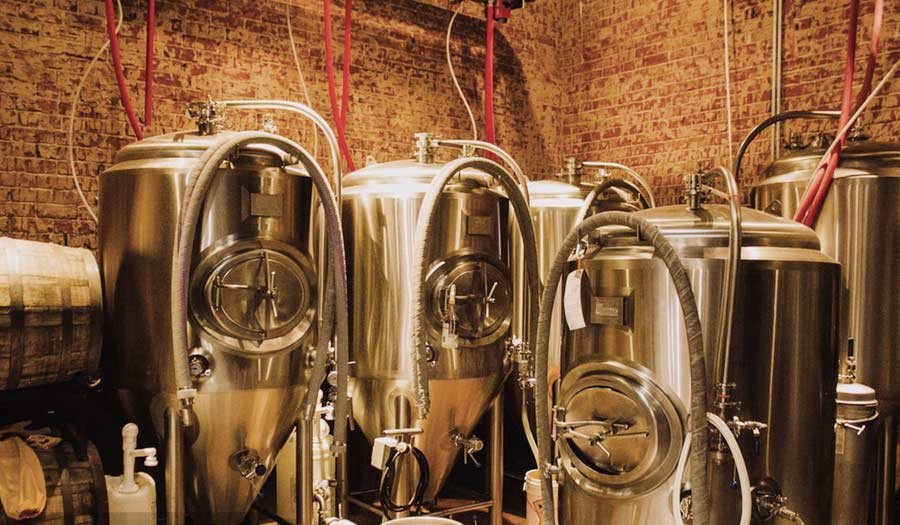
First and foremost, craft beer is brewed on a smaller scale compared to mass-produced beers. In the United States, the Brewers Association defines a craft brewery as one that produces fewer than six million barrels annually, is independently owned, and produces beer using traditional methods. This focus on smaller production helps ensure that craft beers are often made in smaller batches, which can lead to more complex and unique flavors.

Another defining aspect of craft beer is the use of high-quality ingredients. Craft brewers often prioritize the use of fresh, flavorful hops, malt, yeast, and water in their brewing process. Unlike mass-produced beers, which may use adjuncts like corn or rice to lower costs and enhance consistency, craft brewers tend to stay true to traditional recipes, which contribute to more complex and varied flavors.

Craft beer is also characterized by innovation. While large breweries focus on producing a few popular, easy-to-drink styles, craft breweries are known for experimenting with a wide range of styles, flavors, and brewing techniques. From barrel-aged stouts to fruit-infused IPAs, craft breweries push the boundaries of beer-making, offering something unique for every beer lover.

The Rise of the Craft Beer Movement

The craft beer movement has been nothing short of revolutionary. Emerging in the late 20th century, the movement quickly gained momentum, fueled by a growing desire among beer drinkers for more diverse and flavorful options. The rise of microbreweries in the United States, United Kingdom, and other countries has transformed the beer landscape, turning craft beer into a global phenomenon.

In the 1970s and 1980s, beer drinkers were often limited to a small number of options, primarily from large, industrial breweries. Beers like Budweiser, Coors, and Miller dominated the market, and many beer drinkers simply accepted these options as the standard. However, as beer drinkers became more knowledgeable about the brewing process and more interested in trying new flavors, the demand for different beer styles grew.

This shift in consumer preferences led to the establishment of microbreweries, which sought to meet the needs of beer lovers who wanted something more than the basic lagers and pilsners offered by the major breweries. These early craft brewers were not just interested in making a beer to sell; they were passionate about creating something special, something that reflected their own tastes and the evolving desires of their local communities.

The growth of the craft beer movement was also fueled by the increasing number of beer festivals and tasting events, where beer enthusiasts could explore a variety of craft beers from different breweries. As the movement expanded, so too did the availability of craft beer, with independent breweries beginning to pop up in cities and towns across the world. Over time, these breweries began to gain national and even international recognition, helping to spread the craft beer movement beyond its initial borders.

Cultural Impact of the Craft Beer Movement

The craft beer movement is not just about the beer itself; it is also about the culture surrounding it. Craft beer has become a symbol of individuality, creativity, and local pride. The rise of independent breweries has fostered a sense of community, where beer drinkers and brewers alike can come together to share their passion for high-quality, flavorful beers.

One of the key cultural aspects of craft beer is the emphasis on locality. Many craft breweries focus on using locally sourced ingredients, supporting local farmers, and contributing to the local economy. This sense of local pride is reflected in the names of the breweries, as well as in the flavors and ingredients used in the beers. Whether it’s a New England IPA made with hops from the Northeast or a West Coast IPA brewed with locally grown barley, craft beer often reflects the unique characteristics of its region.

In addition to supporting local economies, craft beer has also become a driving force in the development of beer tourism. With more breweries opening their doors to visitors, beer enthusiasts are now able to travel to different regions and experience the local craft beer scene firsthand. This has led to the creation of beer trails, festivals, and events that celebrate the creativity and innovation of the craft beer community.

Furthermore, the craft beer movement has had a positive impact on food culture. As more people seek out unique and flavorful beers, they are also looking for food that pairs well with these beers. Craft beer has become a staple in many fine dining establishments, with chefs and sommeliers creating beer-pairing menus that highlight the diverse flavors of craft beer. This has not only broadened the horizons of beer drinkers but has also helped elevate beer to the same level of sophistication traditionally reserved for wine.

Differences Between Craft Beers and Mass-Produced Beers

While craft beer is often celebrated for its creativity and unique flavors, mass-produced beers are still the dominant force in the beer industry. So, what makes craft beer different from mass-produced beers, and why should you care about the distinction?

  1. Ingredients: One of the most notable differences between craft beers and mass-produced beers is the ingredients used. As mentioned earlier, craft brewers prioritize high-quality, natural ingredients like hops, malt, yeast, and water. Mass-produced beers, on the other hand, may use adjuncts like corn, rice, or artificial flavorings to reduce costs and create a consistent taste. This reliance on adjuncts often results in beers that lack the depth of flavor and complexity found in craft beers.
  2. Production Scale: Craft breweries operate on a smaller scale, producing smaller batches of beer that allow for greater attention to detail and experimentation. In contrast, mass-produced beers are made in large quantities, often with the goal of producing a product that is consistent and easily replicated. This focus on mass production often leads to less diversity in flavor and a more standardized taste across different batches.
  3. Flavor Profiles: Craft beer is known for its bold, complex flavors. Whether it’s the hoppy bitterness of an IPA, the rich maltiness of a stout, or the fruity notes of a saison, craft beers are designed to offer a unique tasting experience. Mass-produced beers, however, tend to have a more neutral flavor profile, designed to appeal to a wide audience. This makes them more approachable to casual drinkers but often leaves them lacking in character for those seeking a more distinctive beer experience.
  4. Innovation: Craft breweries are at the forefront of innovation in the beer world. They experiment with new brewing techniques, unusual ingredients, and seasonal flavors to create beers that stand out from the crowd. Mass-produced breweries, on the other hand, tend to stick to tried-and-true methods and formulas. While this can lead to consistency, it also limits the potential for innovation and creativity.
  5. Brand Identity: Craft breweries often have a strong sense of identity, with each brewery reflecting the personality and passion of its founders. From the design of the labels to the names of the beers, craft breweries focus on creating a distinct brand that resonates with their local communities. Mass-produced beer brands, by contrast, are often marketed on a much larger scale, with a focus on broad appeal and mass-market advertising. As a result, the brand identities of mass-produced beers can feel generic and disconnected from the local or artisanal beer culture.
  6. Price: Because of the smaller production scale and emphasis on quality ingredients, craft beers tend to be more expensive than mass-produced beers. This price difference is often attributed to the cost of sourcing high-quality ingredients, the labor-intensive brewing process, and the limited availability of certain styles. While mass-produced beers are designed to be affordable for the average consumer, craft beers are priced to reflect their artisanal nature and the time and effort that goes into making them.
Why Should You Care About Craft Beer?

With the ever-growing popularity of craft beer, it’s important to understand why it matters. Drinking craft beer isn’t just about enjoying a great beer—it’s about supporting a movement that values creativity, local communities, and quality ingredients.

When you choose craft beer over mass-produced options, you’re not only supporting small, independent breweries but also contributing to the local economy and the global beer culture. Craft breweries often support local farmers, use regionally sourced ingredients, and employ people who are passionate about the beer-making process. By drinking craft beer, you’re helping to sustain this vibrant and innovative industry.

Furthermore, choosing craft beer allows you to explore a world of flavors and styles that you simply won’t find in mass-produced beers. Whether you prefer light, crisp lagers or rich, complex stouts, there’s a craft beer out there for every palate. By trying different styles and supporting local breweries, you can expand your beer knowledge and discover new favorites along the way.

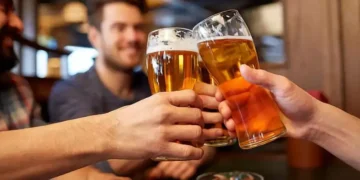
Finally, craft beer is a way to connect with others who share your passion for great beer. Whether you’re attending a beer festival, visiting a local brewery, or enjoying a pint with friends, craft beer fosters a sense of community and camaraderie. It’s a movement that’s about more than just the beer—it’s about celebrating creativity, supporting local businesses, and enjoying great company.

Conclusion

Craft beer represents more than just a beverage—it’s a movement that celebrates quality, creativity, and community. Whether you’re a casual beer drinker or a connoisseur, the craft beer world offers something for everyone. By understanding what makes a beer “craft,” you can make more informed choices about what you drink and why it matters. So the next time you reach for a beer, consider choosing a craft brew—and experience the passion and innovation that goes into every bottle.

Tags: beer culturebeer movementcraft beercraft brewingmicrobreweries
ShareTweetShare

Related Posts

Can Beer Be an Effective Ingredient in Culinary Cooking?
ALL

Can Beer Be an Effective Ingredient in Culinary Cooking?

January 22, 2026
Second Fermentation in Champagne: Is It Really That Crucial?
ALL

Second Fermentation in Champagne: Is It Really That Crucial?

January 22, 2026
How Do Different Grains Impact the Flavor Profile of Distilled Spirits?
ALL

How Do Different Grains Impact the Flavor Profile of Distilled Spirits?

January 22, 2026
How Do Whiskey Master Blenders Create Perfection?
ALL

How Do Whiskey Master Blenders Create Perfection?

January 22, 2026
Wine Pairings: Can They Change the Flavor Profile of a Dish?
ALL

Wine Pairings: Can They Change the Flavor Profile of a Dish?

January 22, 2026
Beer the Ultimate Beverage for Pairing with Spicy Food?
ALL

Beer the Ultimate Beverage for Pairing with Spicy Food?

January 21, 2026
Leave Comment
  • Trending
  • Comments
  • Latest
What Hidden Craftsmanship Lies Behind a Bottle of Quality Grain Spirits?

What Hidden Craftsmanship Lies Behind a Bottle of Quality Grain Spirits?

July 3, 2025
How Is Champagne Made? The Secrets Behind the Sparkle

How Is Champagne Made? The Secrets Behind the Sparkle

April 15, 2025
Grain Spirits vs. Traditional Distilled Spirits: Which One Suits Your Taste?

Grain Spirits vs. Traditional Distilled Spirits: Which One Suits Your Taste?

July 3, 2025
Champagne Bubbles: How Do They Perfectly Convey Celebration, Joy, and Luxury?

Champagne Bubbles: How Do They Perfectly Convey Celebration, Joy, and Luxury?

July 2, 2025
The Timeless Elegance of Wine: A Journey Through History and Culture

The Timeless Elegance of Wine: A Journey Through History and Culture

Why Is Château Lafite Rothschild the Pinnacle of Fine Wine?

Why Is Château Lafite Rothschild the Pinnacle of Fine Wine?

How Did Château Lafite Rothschild Become a Global Icon of Luxury?

How Did Château Lafite Rothschild Become a Global Icon of Luxury?

What Makes Chateau Lafite Rothschild the Pinnacle of Bordeaux Wines?

What Makes Chateau Lafite Rothschild the Pinnacle of Bordeaux Wines?

Can Beer Be an Effective Ingredient in Culinary Cooking?

Can Beer Be an Effective Ingredient in Culinary Cooking?

January 22, 2026
Second Fermentation in Champagne: Is It Really That Crucial?

Second Fermentation in Champagne: Is It Really That Crucial?

January 22, 2026
How Do Different Grains Impact the Flavor Profile of Distilled Spirits?

How Do Different Grains Impact the Flavor Profile of Distilled Spirits?

January 22, 2026
How Do Whiskey Master Blenders Create Perfection?

How Do Whiskey Master Blenders Create Perfection?

January 22, 2026
SipsavorLife

Welcome to our comprehensive beverage guide, where you can explore the fascinating world of alcoholic drinks. From exquisite wines and rich whiskeys to refreshing beers and sparkling champagnes, we provide insights, tips, and recommendations for enthusiasts and casual drinkers alike. Discover your next favorite libation with us!

© 2025 sipsavorlife.com. contacts:sipsavorlife-35376@gmail.com

No Result
View All Result
  • Home
  • Wine
  • Whiskey
  • Beer
  • Grain Spirits
  • Champagne
  • ALL

© 2025 sipsavorlife.com. contacts:sipsavorlife-35376@gmail.com

Welcome Back!

Login to your account below

Forgotten Password?

Retrieve your password

Please enter your username or email address to reset your password.

Log In