




















SipsavorLife
  • Home
  • Wine
    Wine Pairings: Can They Change the Flavor Profile of a Dish?

    Wine Pairings: Can They Change the Flavor Profile of a Dish?

    How Do Wine Glasses Influence the Tasting Experience?

    How Do Wine Glasses Influence the Tasting Experience?

    Is Organic Wine Healthier Than Conventional Wine?

    Is Organic Wine Healthier Than Conventional Wine?

    Why Do Some Wines Taste Better from Specific Vintages?

    Why Do Some Wines Taste Better from Specific Vintages?

    Wine Tasting: Can It Truly Be an Art Form?

    Wine Tasting: Can It Truly Be an Art Form?

    What Does Terroir Actually Mean for Your Wine?

    What Does Terroir Actually Mean for Your Wine?

  • Whiskey
    Can Beer Be an Effective Ingredient in Culinary Cooking?

    Can Beer Be an Effective Ingredient in Culinary Cooking?

    Second Fermentation in Champagne: Is It Really That Crucial?

    Second Fermentation in Champagne: Is It Really That Crucial?

    How Do Different Grains Impact the Flavor Profile of Distilled Spirits?

    How Do Different Grains Impact the Flavor Profile of Distilled Spirits?

    How Do Whiskey Master Blenders Create Perfection?

    How Do Whiskey Master Blenders Create Perfection?

    Wine Pairings: Can They Change the Flavor Profile of a Dish?

    Wine Pairings: Can They Change the Flavor Profile of a Dish?

    Beer the Ultimate Beverage for Pairing with Spicy Food?

    Beer the Ultimate Beverage for Pairing with Spicy Food?

  • Beer
    Can Beer Be an Effective Ingredient in Culinary Cooking?

    Can Beer Be an Effective Ingredient in Culinary Cooking?

    Beer the Ultimate Beverage for Pairing with Spicy Food?

    Beer the Ultimate Beverage for Pairing with Spicy Food?

    How Did Ancient Civilizations Brew Beer Without Modern Technology?

    How Did Ancient Civilizations Brew Beer Without Modern Technology?

    Is It Possible to Brew a Beer with No Alcohol and No Compromise on Taste?

    Is It Possible to Brew a Beer with No Alcohol and No Compromise on Taste?

    Why Does Beer Taste Different at High Altitudes?

    Why Does Beer Taste Different at High Altitudes?

    Is Hops the Secret Ingredient Behind Beer’s Bold Flavor?

    Is Hops the Secret Ingredient Behind Beer’s Bold Flavor?

  • Grain Spirits
    How Do Different Grains Impact the Flavor Profile of Distilled Spirits?

    How Do Different Grains Impact the Flavor Profile of Distilled Spirits?

    Grain Spirits the Unsung Heroes of Modern Mixology

    Grain Spirits the Unsung Heroes of Modern Mixology

    What Makes Grain-Based Whiskey So Different from Its Peated Cousins?

    What Makes Grain-Based Whiskey So Different from Its Peated Cousins?

    Grain Spirits: Could They Be the Next Big Trend in Craft Cocktails?

    Grain Spirits: Could They Be the Next Big Trend in Craft Cocktails?

    Why Are Grain Spirits Often Overlooked in the World of Fine Liquor?

    Why Are Grain Spirits Often Overlooked in the World of Fine Liquor?

    Is There a Secret Art to Distilling Grain Spirits?

    Is There a Secret Art to Distilling Grain Spirits?

  • Champagne
    Second Fermentation in Champagne: Is It Really That Crucial?

    Second Fermentation in Champagne: Is It Really That Crucial?

    The Science Behind the ‘Bubble Size’ in Champagne

    The Science Behind the ‘Bubble Size’ in Champagne

    Why Do Some Champagnes Use a High Proportion of Pinot Meunier?

    Why Do Some Champagnes Use a High Proportion of Pinot Meunier?

    Role of Terroir in Champagne Production

    Role of Terroir in Champagne Production

    Champagne Can Be Aged in Wood?

    Champagne Can Be Aged in Wood?

    Is There a Difference Between Blanc de Blancs and Blanc de Noirs Champagne?

    Is There a Difference Between Blanc de Blancs and Blanc de Noirs Champagne?

  • ALL
    Can Beer Be an Effective Ingredient in Culinary Cooking?

    Can Beer Be an Effective Ingredient in Culinary Cooking?

    Second Fermentation in Champagne: Is It Really That Crucial?

    Second Fermentation in Champagne: Is It Really That Crucial?

    How Do Different Grains Impact the Flavor Profile of Distilled Spirits?

    How Do Different Grains Impact the Flavor Profile of Distilled Spirits?

    How Do Whiskey Master Blenders Create Perfection?

    How Do Whiskey Master Blenders Create Perfection?

    Wine Pairings: Can They Change the Flavor Profile of a Dish?

    Wine Pairings: Can They Change the Flavor Profile of a Dish?

    Beer the Ultimate Beverage for Pairing with Spicy Food?

    Beer the Ultimate Beverage for Pairing with Spicy Food?

SipsavorLife
  • Home
  • Wine
    Wine Pairings: Can They Change the Flavor Profile of a Dish?

    Wine Pairings: Can They Change the Flavor Profile of a Dish?

    How Do Wine Glasses Influence the Tasting Experience?

    How Do Wine Glasses Influence the Tasting Experience?

    Is Organic Wine Healthier Than Conventional Wine?

    Is Organic Wine Healthier Than Conventional Wine?

    Why Do Some Wines Taste Better from Specific Vintages?

    Why Do Some Wines Taste Better from Specific Vintages?

    Wine Tasting: Can It Truly Be an Art Form?

    Wine Tasting: Can It Truly Be an Art Form?

    What Does Terroir Actually Mean for Your Wine?

    What Does Terroir Actually Mean for Your Wine?

  • Whiskey
    Can Beer Be an Effective Ingredient in Culinary Cooking?

    Can Beer Be an Effective Ingredient in Culinary Cooking?

    Second Fermentation in Champagne: Is It Really That Crucial?

    Second Fermentation in Champagne: Is It Really That Crucial?

    How Do Different Grains Impact the Flavor Profile of Distilled Spirits?

    How Do Different Grains Impact the Flavor Profile of Distilled Spirits?

    How Do Whiskey Master Blenders Create Perfection?

    How Do Whiskey Master Blenders Create Perfection?

    Wine Pairings: Can They Change the Flavor Profile of a Dish?

    Wine Pairings: Can They Change the Flavor Profile of a Dish?

    Beer the Ultimate Beverage for Pairing with Spicy Food?

    Beer the Ultimate Beverage for Pairing with Spicy Food?

  • Beer
    Can Beer Be an Effective Ingredient in Culinary Cooking?

    Can Beer Be an Effective Ingredient in Culinary Cooking?

    Beer the Ultimate Beverage for Pairing with Spicy Food?

    Beer the Ultimate Beverage for Pairing with Spicy Food?

    How Did Ancient Civilizations Brew Beer Without Modern Technology?

    How Did Ancient Civilizations Brew Beer Without Modern Technology?

    Is It Possible to Brew a Beer with No Alcohol and No Compromise on Taste?

    Is It Possible to Brew a Beer with No Alcohol and No Compromise on Taste?

    Why Does Beer Taste Different at High Altitudes?

    Why Does Beer Taste Different at High Altitudes?

    Is Hops the Secret Ingredient Behind Beer’s Bold Flavor?

    Is Hops the Secret Ingredient Behind Beer’s Bold Flavor?

  • Grain Spirits
    How Do Different Grains Impact the Flavor Profile of Distilled Spirits?

    How Do Different Grains Impact the Flavor Profile of Distilled Spirits?

    Grain Spirits the Unsung Heroes of Modern Mixology

    Grain Spirits the Unsung Heroes of Modern Mixology

    What Makes Grain-Based Whiskey So Different from Its Peated Cousins?

    What Makes Grain-Based Whiskey So Different from Its Peated Cousins?

    Grain Spirits: Could They Be the Next Big Trend in Craft Cocktails?

    Grain Spirits: Could They Be the Next Big Trend in Craft Cocktails?

    Why Are Grain Spirits Often Overlooked in the World of Fine Liquor?

    Why Are Grain Spirits Often Overlooked in the World of Fine Liquor?

    Is There a Secret Art to Distilling Grain Spirits?

    Is There a Secret Art to Distilling Grain Spirits?

  • Champagne
    Second Fermentation in Champagne: Is It Really That Crucial?

    Second Fermentation in Champagne: Is It Really That Crucial?

    The Science Behind the ‘Bubble Size’ in Champagne

    The Science Behind the ‘Bubble Size’ in Champagne

    Why Do Some Champagnes Use a High Proportion of Pinot Meunier?

    Why Do Some Champagnes Use a High Proportion of Pinot Meunier?

    Role of Terroir in Champagne Production

    Role of Terroir in Champagne Production

    Champagne Can Be Aged in Wood?

    Champagne Can Be Aged in Wood?

    Is There a Difference Between Blanc de Blancs and Blanc de Noirs Champagne?

    Is There a Difference Between Blanc de Blancs and Blanc de Noirs Champagne?

  • ALL
    Can Beer Be an Effective Ingredient in Culinary Cooking?

    Can Beer Be an Effective Ingredient in Culinary Cooking?

    Second Fermentation in Champagne: Is It Really That Crucial?

    Second Fermentation in Champagne: Is It Really That Crucial?

    How Do Different Grains Impact the Flavor Profile of Distilled Spirits?

    How Do Different Grains Impact the Flavor Profile of Distilled Spirits?

    How Do Whiskey Master Blenders Create Perfection?

    How Do Whiskey Master Blenders Create Perfection?

    Wine Pairings: Can They Change the Flavor Profile of a Dish?

    Wine Pairings: Can They Change the Flavor Profile of a Dish?

    Beer the Ultimate Beverage for Pairing with Spicy Food?

    Beer the Ultimate Beverage for Pairing with Spicy Food?

SipsavorLife
No Result
View All Result
Home ALL

What Are the Most Common Whiskey Mash Bills and Their Flavor Impacts?

March 29, 2025
in ALL, Whiskey
What Are the Most Common Whiskey Mash Bills and Their Flavor Impacts?

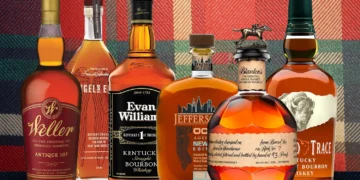
Whiskey production is an intricate art that combines tradition, science, and the careful blending of ingredients to create a distinctive spirit. One of the key factors influencing the flavor profile of whiskey is the mash bill—the combination of grains used in the distillation process. The most common grains in whiskey mash bills are corn, barley, rye, and wheat. Each of these grains contributes different flavors and characteristics to the final product, resulting in diverse whiskey profiles that range from smooth and sweet to bold and spicy. In this article, we will explore the role of each grain in whiskey production, examine how different mash bills create diverse flavor profiles, and highlight how whiskey makers use these grain combinations to craft unique experiences for consumers.

Understanding the Grain Combinations in Whiskey Production

Whiskey is primarily made from four key grains: corn, barley, rye, and wheat. The specific blend of these grains is known as the “mash bill.” In a typical whiskey production process, the grains are ground into a coarse powder and combined with water to form a mash. This mash is then fermented by yeast, which converts the starches in the grains into alcohol. After fermentation, the liquid is distilled to increase its alcohol content before being aged in barrels to develop its flavors.

Each of the grains used in whiskey production has its own unique flavor profile and contributes differently to the final whiskey. The proportions of each grain used in the mash bill—along with the distillation and aging process—determine the flavor, texture, and complexity of the whiskey.

1. Corn: The Foundation of Bourbon

Corn is the most common grain used in whiskey production, particularly in American bourbon. By law, bourbon must be made from at least 51% corn. Corn imparts a sweetness to whiskey, making it the ideal grain for producing rich, smooth, and approachable flavors. Bourbon, which is made predominantly from corn, is known for its full-bodied, sweet flavor profile with notes of caramel, vanilla, and honey.

The high sugar content of corn allows for a sweeter, rounder taste, which is why bourbons made from corn are typically smoother and less astringent than those made with other grains. The use of corn also gives bourbon its distinctive golden color, as the sugars from the corn caramelize during the aging process in oak barrels.

While corn is most commonly associated with bourbon, it is also used in other whiskey types to varying degrees. Corn whiskey, for example, is made with a mash bill that contains at least 80% corn. This results in an even sweeter and more approachable whiskey, though it is less common in mainstream whiskey production.

2. Barley: The Malted Backbone of Whiskey

Barley is one of the most important grains in whiskey production, particularly in Scotch whisky and Irish whiskey. Barley is malted, meaning it is germinated, dried, and then mashed to extract fermentable sugars. This malting process contributes a variety of flavors, ranging from sweet to nutty, and is a key factor in the production of malt whisky.

Single malt Scotch whisky, for example, is made using 100% malted barley. The malted barley lends a distinct malty, biscuity, or nutty flavor to the whiskey, often with hints of bread, toffee, and cereal. Barley also contributes a smoother texture and a slightly creamy mouthfeel. In some cases, malted barley can add a touch of smokiness to the whiskey, especially if it has been dried over a peat fire (a practice commonly found in Islay whiskies).

Barley’s ability to produce a broad spectrum of flavors makes it a versatile grain in whiskey production. It is a key ingredient in many other whiskey styles, such as blended Scotch and Irish whiskey, where it may be combined with other grains, such as corn or wheat, to create a balanced flavor profile.

3. Rye: The Spicy, Bold Grain

Rye is one of the most distinctive grains used in whiskey production, particularly in American rye whiskey. To qualify as rye whiskey, the mash bill must contain at least 51% rye, which imparts a spicy, peppery flavor profile. Rye is often described as bold, assertive, and even a little fruity, with flavors ranging from black pepper and clove to cinnamon and baking spices.

Rye whiskey has a reputation for being spicier and drier than bourbon, making it a favorite among whiskey enthusiasts who enjoy bold and complex flavors. Rye also adds a certain level of dryness and a slightly tannic structure to whiskey, which helps balance out the sweetness of the corn and other grains.

Rye is a popular choice in whiskey making not only in the United States but also in Canada, where Canadian rye whisky is typically made with a combination of rye, corn, and barley. While Canadian whisky may not always contain a significant percentage of rye, the grain still imparts a distinctive spiciness that sets it apart from other types of whiskey.

4. Wheat: The Soft, Smooth Grain

Wheat is often used in whiskey production to soften the overall flavor profile and add a smooth, mellow quality. Whiskey made with a higher proportion of wheat is typically smoother and less aggressive than other whiskeys, with a gentle sweetness and a soft, round mouthfeel.

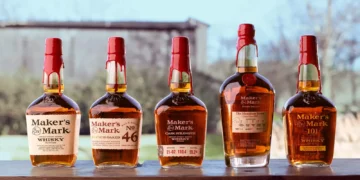
Wheat is most commonly used in making wheated bourbon, a style of bourbon that includes a significant amount of wheat in the mash bill, usually replacing the rye traditionally found in many bourbons. Famous examples of wheated bourbon include Maker’s Mark and Pappy Van Winkle. These whiskeys are known for their smooth, velvety texture and flavors of honey, caramel, and soft vanilla, with a slightly bready or doughy note.

Wheat’s role in whiskey production is to balance the sharpness of other grains, particularly rye, and to create a more approachable and easy-drinking whiskey. As a result, whiskeys made with a high percentage of wheat tend to have a more mellow and less spicy profile compared to those made with rye or barley.
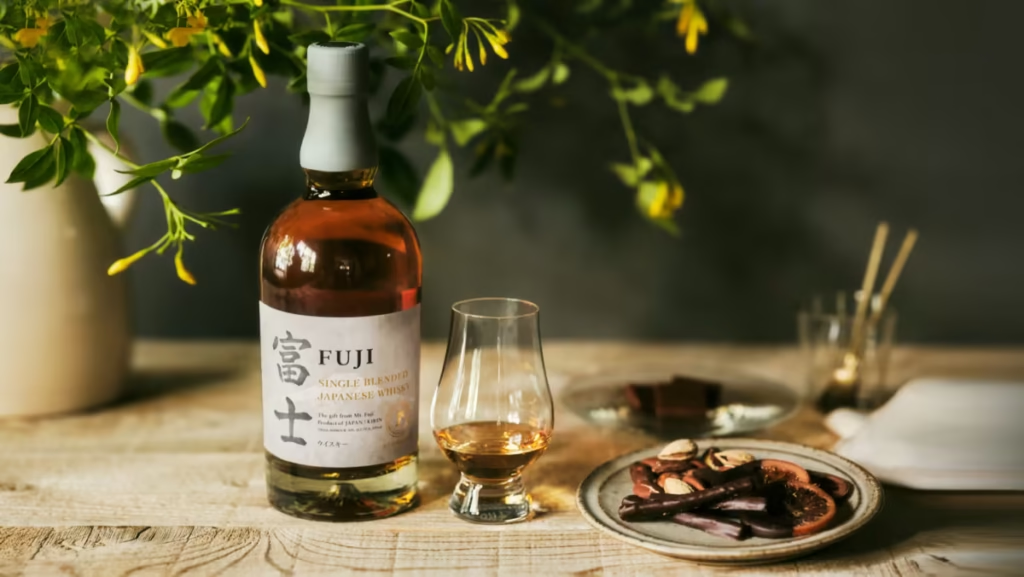
How Different Mash Bills Create Diverse Flavor Profiles and Experiences

Now that we have an understanding of the grains used in whiskey production, let’s take a closer look at how different mash bills create unique flavor profiles and experiences. The specific combination of corn, barley, rye, and wheat can produce a wide range of flavor characteristics, each of which influences the way the whiskey is perceived on the palate.

1. Bourbon Mash Bill (Corn Dominant)

Bourbon is the quintessential American whiskey, and its characteristic sweetness comes from the high proportion of corn in its mash bill. The dominant use of corn results in a rich, smooth whiskey with flavors of caramel, vanilla, oak, and a slight nuttiness. Many bourbons also have a touch of spice, particularly if rye is used as the secondary grain.

Bourbon’s smoothness and richness make it an excellent choice for sipping neat or using in cocktails like the Old Fashioned and the Whiskey Sour. The sweetness of bourbon is one of the reasons why it appeals to a wide range of whiskey drinkers, especially those new to whiskey or those who prefer a less intense spirit.

2. Rye Whiskey Mash Bill (Rye Dominant)

Rye whiskey, with its bold, spicy character, is a favorite among seasoned whiskey drinkers who enjoy complexity and intensity. The dominant use of rye imparts flavors of black pepper, cinnamon, and clove, often with hints of dried fruit or citrus zest. Rye whiskey can also have a drier finish than bourbon, with a slightly bitter or tannic quality that balances out the sweetness of the other grains.

Rye whiskey’s spiciness makes it a popular choice for classic cocktails like the Manhattan and the Sazerac. It can also be enjoyed neat or on the rocks for those who appreciate a whiskey with a bit of bite.

3. Wheated Bourbon Mash Bill (Wheat Dominant)

Wheated bourbons, which use wheat instead of rye, are known for their smooth, mellow, and sweet flavor profile. The use of wheat creates a softer mouthfeel and a slightly bready or doughy character, which balances out the sweetness of the corn. Wheated bourbons often have notes of honey, vanilla, and caramel, with a touch of oak and a very gentle spiciness.

Wheated bourbons are a popular choice for those who enjoy a smooth, easy-drinking whiskey that is not as intense or spicy as traditional rye-based bourbons. They are perfect for sipping neat, on the rocks, or in cocktails that require a softer whiskey base.

4. Blended Mash Bills (Combination of Grains)

Many whiskeys, especially blended Scotch and Irish whiskey, use a combination of grains to create a balanced flavor profile. These whiskeys often combine malted barley with corn, wheat, or rye to produce a more complex and nuanced spirit. The use of blended grains allows distillers to tailor the flavor to suit specific profiles, whether it’s a smooth, mellow whiskey or one with a bit more spice.

Blended whiskies offer a great variety of flavors and can be enjoyed by both new and seasoned whiskey drinkers. The combination of grains gives them a versatility that makes them suitable for a wide range of cocktails, as well as for sipping neat or on the rocks.

Conclusion

The mash bill is one of the most important factors in determining the flavor profile of whiskey. By understanding the role of each grain—corn, barley, rye, and wheat—whiskey makers can create unique and complex flavor profiles that cater to a wide range of palates. From the rich sweetness of bourbon made with corn to the bold spiciness of rye whiskey, the grain combination used in whiskey production plays a central role in shaping the character of the final product. Whether you prefer a smooth, mellow whiskey or one with bold, assertive flavors, the mash bill is the key to unlocking the diverse world of whiskey.
Tags: bourbon whiskeyrye whiskeywheated bourbonwhiskey mash bills
ShareTweetShare

Related Posts

Can Beer Be an Effective Ingredient in Culinary Cooking?
ALL

Can Beer Be an Effective Ingredient in Culinary Cooking?

January 22, 2026
Second Fermentation in Champagne: Is It Really That Crucial?
ALL

Second Fermentation in Champagne: Is It Really That Crucial?

January 22, 2026
How Do Different Grains Impact the Flavor Profile of Distilled Spirits?
ALL

How Do Different Grains Impact the Flavor Profile of Distilled Spirits?

January 22, 2026
How Do Whiskey Master Blenders Create Perfection?
ALL

How Do Whiskey Master Blenders Create Perfection?

January 22, 2026
Wine Pairings: Can They Change the Flavor Profile of a Dish?
ALL

Wine Pairings: Can They Change the Flavor Profile of a Dish?

January 22, 2026
Beer the Ultimate Beverage for Pairing with Spicy Food?
ALL

Beer the Ultimate Beverage for Pairing with Spicy Food?

January 21, 2026
Leave Comment
  • Trending
  • Comments
  • Latest
What Hidden Craftsmanship Lies Behind a Bottle of Quality Grain Spirits?

What Hidden Craftsmanship Lies Behind a Bottle of Quality Grain Spirits?

July 3, 2025
How Is Champagne Made? The Secrets Behind the Sparkle

How Is Champagne Made? The Secrets Behind the Sparkle

April 15, 2025
Grain Spirits vs. Traditional Distilled Spirits: Which One Suits Your Taste?

Grain Spirits vs. Traditional Distilled Spirits: Which One Suits Your Taste?

July 3, 2025
Champagne Bubbles: How Do They Perfectly Convey Celebration, Joy, and Luxury?

Champagne Bubbles: How Do They Perfectly Convey Celebration, Joy, and Luxury?

July 2, 2025
The Timeless Elegance of Wine: A Journey Through History and Culture

The Timeless Elegance of Wine: A Journey Through History and Culture

Why Is Château Lafite Rothschild the Pinnacle of Fine Wine?

Why Is Château Lafite Rothschild the Pinnacle of Fine Wine?

How Did Château Lafite Rothschild Become a Global Icon of Luxury?

How Did Château Lafite Rothschild Become a Global Icon of Luxury?

What Makes Chateau Lafite Rothschild the Pinnacle of Bordeaux Wines?

What Makes Chateau Lafite Rothschild the Pinnacle of Bordeaux Wines?

Can Beer Be an Effective Ingredient in Culinary Cooking?

Can Beer Be an Effective Ingredient in Culinary Cooking?

January 22, 2026
Second Fermentation in Champagne: Is It Really That Crucial?

Second Fermentation in Champagne: Is It Really That Crucial?

January 22, 2026
How Do Different Grains Impact the Flavor Profile of Distilled Spirits?

How Do Different Grains Impact the Flavor Profile of Distilled Spirits?

January 22, 2026
How Do Whiskey Master Blenders Create Perfection?

How Do Whiskey Master Blenders Create Perfection?

January 22, 2026
SipsavorLife

Welcome to our comprehensive beverage guide, where you can explore the fascinating world of alcoholic drinks. From exquisite wines and rich whiskeys to refreshing beers and sparkling champagnes, we provide insights, tips, and recommendations for enthusiasts and casual drinkers alike. Discover your next favorite libation with us!

© 2025 sipsavorlife.com. contacts:sipsavorlife-35376@gmail.com

No Result
View All Result
  • Home
  • Wine
  • Whiskey
  • Beer
  • Grain Spirits
  • Champagne
  • ALL

© 2025 sipsavorlife.com. contacts:sipsavorlife-35376@gmail.com

Welcome Back!

Login to your account below

Forgotten Password?

Retrieve your password

Please enter your username or email address to reset your password.

Log In