

SipsavorLife
  • Home
  • Wine
    Wine Pairings: Can They Change the Flavor Profile of a Dish?

    Wine Pairings: Can They Change the Flavor Profile of a Dish?

    How Do Wine Glasses Influence the Tasting Experience?

    How Do Wine Glasses Influence the Tasting Experience?

    Is Organic Wine Healthier Than Conventional Wine?

    Is Organic Wine Healthier Than Conventional Wine?

    Why Do Some Wines Taste Better from Specific Vintages?

    Why Do Some Wines Taste Better from Specific Vintages?

    Wine Tasting: Can It Truly Be an Art Form?

    Wine Tasting: Can It Truly Be an Art Form?

    What Does Terroir Actually Mean for Your Wine?

    What Does Terroir Actually Mean for Your Wine?

  • Whiskey
    Can Beer Be an Effective Ingredient in Culinary Cooking?

    Can Beer Be an Effective Ingredient in Culinary Cooking?

    Second Fermentation in Champagne: Is It Really That Crucial?

    Second Fermentation in Champagne: Is It Really That Crucial?

    How Do Different Grains Impact the Flavor Profile of Distilled Spirits?

    How Do Different Grains Impact the Flavor Profile of Distilled Spirits?

    How Do Whiskey Master Blenders Create Perfection?

    How Do Whiskey Master Blenders Create Perfection?

    Wine Pairings: Can They Change the Flavor Profile of a Dish?

    Wine Pairings: Can They Change the Flavor Profile of a Dish?

    Beer the Ultimate Beverage for Pairing with Spicy Food?

    Beer the Ultimate Beverage for Pairing with Spicy Food?

  • Beer
    Can Beer Be an Effective Ingredient in Culinary Cooking?

    Can Beer Be an Effective Ingredient in Culinary Cooking?

    Beer the Ultimate Beverage for Pairing with Spicy Food?

    Beer the Ultimate Beverage for Pairing with Spicy Food?

    How Did Ancient Civilizations Brew Beer Without Modern Technology?

    How Did Ancient Civilizations Brew Beer Without Modern Technology?

    Is It Possible to Brew a Beer with No Alcohol and No Compromise on Taste?

    Is It Possible to Brew a Beer with No Alcohol and No Compromise on Taste?

    Why Does Beer Taste Different at High Altitudes?

    Why Does Beer Taste Different at High Altitudes?

    Is Hops the Secret Ingredient Behind Beer’s Bold Flavor?

    Is Hops the Secret Ingredient Behind Beer’s Bold Flavor?

  • Grain Spirits
    How Do Different Grains Impact the Flavor Profile of Distilled Spirits?

    How Do Different Grains Impact the Flavor Profile of Distilled Spirits?

    Grain Spirits the Unsung Heroes of Modern Mixology

    Grain Spirits the Unsung Heroes of Modern Mixology

    What Makes Grain-Based Whiskey So Different from Its Peated Cousins?

    What Makes Grain-Based Whiskey So Different from Its Peated Cousins?

    Grain Spirits: Could They Be the Next Big Trend in Craft Cocktails?

    Grain Spirits: Could They Be the Next Big Trend in Craft Cocktails?

    Why Are Grain Spirits Often Overlooked in the World of Fine Liquor?

    Why Are Grain Spirits Often Overlooked in the World of Fine Liquor?

    Is There a Secret Art to Distilling Grain Spirits?

    Is There a Secret Art to Distilling Grain Spirits?

  • Champagne
    Second Fermentation in Champagne: Is It Really That Crucial?

    Second Fermentation in Champagne: Is It Really That Crucial?

    The Science Behind the ‘Bubble Size’ in Champagne

    The Science Behind the ‘Bubble Size’ in Champagne

    Why Do Some Champagnes Use a High Proportion of Pinot Meunier?

    Why Do Some Champagnes Use a High Proportion of Pinot Meunier?

    Role of Terroir in Champagne Production

    Role of Terroir in Champagne Production

    Champagne Can Be Aged in Wood?

    Champagne Can Be Aged in Wood?

    Is There a Difference Between Blanc de Blancs and Blanc de Noirs Champagne?

    Is There a Difference Between Blanc de Blancs and Blanc de Noirs Champagne?

  • ALL
    Can Beer Be an Effective Ingredient in Culinary Cooking?

    Can Beer Be an Effective Ingredient in Culinary Cooking?

    Second Fermentation in Champagne: Is It Really That Crucial?

    Second Fermentation in Champagne: Is It Really That Crucial?

    How Do Different Grains Impact the Flavor Profile of Distilled Spirits?

    How Do Different Grains Impact the Flavor Profile of Distilled Spirits?

    How Do Whiskey Master Blenders Create Perfection?

    How Do Whiskey Master Blenders Create Perfection?

    Wine Pairings: Can They Change the Flavor Profile of a Dish?

    Wine Pairings: Can They Change the Flavor Profile of a Dish?

    Beer the Ultimate Beverage for Pairing with Spicy Food?

    Beer the Ultimate Beverage for Pairing with Spicy Food?

SipsavorLife
  • Home
  • Wine
    Wine Pairings: Can They Change the Flavor Profile of a Dish?

    Wine Pairings: Can They Change the Flavor Profile of a Dish?

    How Do Wine Glasses Influence the Tasting Experience?

    How Do Wine Glasses Influence the Tasting Experience?

    Is Organic Wine Healthier Than Conventional Wine?

    Is Organic Wine Healthier Than Conventional Wine?

    Why Do Some Wines Taste Better from Specific Vintages?

    Why Do Some Wines Taste Better from Specific Vintages?

    Wine Tasting: Can It Truly Be an Art Form?

    Wine Tasting: Can It Truly Be an Art Form?

    What Does Terroir Actually Mean for Your Wine?

    What Does Terroir Actually Mean for Your Wine?

  • Whiskey
    Can Beer Be an Effective Ingredient in Culinary Cooking?

    Can Beer Be an Effective Ingredient in Culinary Cooking?

    Second Fermentation in Champagne: Is It Really That Crucial?

    Second Fermentation in Champagne: Is It Really That Crucial?

    How Do Different Grains Impact the Flavor Profile of Distilled Spirits?

    How Do Different Grains Impact the Flavor Profile of Distilled Spirits?

    How Do Whiskey Master Blenders Create Perfection?

    How Do Whiskey Master Blenders Create Perfection?

    Wine Pairings: Can They Change the Flavor Profile of a Dish?

    Wine Pairings: Can They Change the Flavor Profile of a Dish?

    Beer the Ultimate Beverage for Pairing with Spicy Food?

    Beer the Ultimate Beverage for Pairing with Spicy Food?

  • Beer
    Can Beer Be an Effective Ingredient in Culinary Cooking?

    Can Beer Be an Effective Ingredient in Culinary Cooking?

    Beer the Ultimate Beverage for Pairing with Spicy Food?

    Beer the Ultimate Beverage for Pairing with Spicy Food?

    How Did Ancient Civilizations Brew Beer Without Modern Technology?

    How Did Ancient Civilizations Brew Beer Without Modern Technology?

    Is It Possible to Brew a Beer with No Alcohol and No Compromise on Taste?

    Is It Possible to Brew a Beer with No Alcohol and No Compromise on Taste?

    Why Does Beer Taste Different at High Altitudes?

    Why Does Beer Taste Different at High Altitudes?

    Is Hops the Secret Ingredient Behind Beer’s Bold Flavor?

    Is Hops the Secret Ingredient Behind Beer’s Bold Flavor?

  • Grain Spirits
    How Do Different Grains Impact the Flavor Profile of Distilled Spirits?

    How Do Different Grains Impact the Flavor Profile of Distilled Spirits?

    Grain Spirits the Unsung Heroes of Modern Mixology

    Grain Spirits the Unsung Heroes of Modern Mixology

    What Makes Grain-Based Whiskey So Different from Its Peated Cousins?

    What Makes Grain-Based Whiskey So Different from Its Peated Cousins?

    Grain Spirits: Could They Be the Next Big Trend in Craft Cocktails?

    Grain Spirits: Could They Be the Next Big Trend in Craft Cocktails?

    Why Are Grain Spirits Often Overlooked in the World of Fine Liquor?

    Why Are Grain Spirits Often Overlooked in the World of Fine Liquor?

    Is There a Secret Art to Distilling Grain Spirits?

    Is There a Secret Art to Distilling Grain Spirits?

  • Champagne
    Second Fermentation in Champagne: Is It Really That Crucial?

    Second Fermentation in Champagne: Is It Really That Crucial?

    The Science Behind the ‘Bubble Size’ in Champagne

    The Science Behind the ‘Bubble Size’ in Champagne

    Why Do Some Champagnes Use a High Proportion of Pinot Meunier?

    Why Do Some Champagnes Use a High Proportion of Pinot Meunier?

    Role of Terroir in Champagne Production

    Role of Terroir in Champagne Production

    Champagne Can Be Aged in Wood?

    Champagne Can Be Aged in Wood?

    Is There a Difference Between Blanc de Blancs and Blanc de Noirs Champagne?

    Is There a Difference Between Blanc de Blancs and Blanc de Noirs Champagne?

  • ALL
    Can Beer Be an Effective Ingredient in Culinary Cooking?

    Can Beer Be an Effective Ingredient in Culinary Cooking?

    Second Fermentation in Champagne: Is It Really That Crucial?

    Second Fermentation in Champagne: Is It Really That Crucial?

    How Do Different Grains Impact the Flavor Profile of Distilled Spirits?

    How Do Different Grains Impact the Flavor Profile of Distilled Spirits?

    How Do Whiskey Master Blenders Create Perfection?

    How Do Whiskey Master Blenders Create Perfection?

    Wine Pairings: Can They Change the Flavor Profile of a Dish?

    Wine Pairings: Can They Change the Flavor Profile of a Dish?

    Beer the Ultimate Beverage for Pairing with Spicy Food?

    Beer the Ultimate Beverage for Pairing with Spicy Food?

SipsavorLife
No Result
View All Result
Home ALL

Is There a Right Way to Taste Champagne?

February 28, 2025
in ALL, Champagne
Is There a Right Way to Taste Champagne?

Tasting Champagne is more than just popping a cork and sipping from a glass. It’s a sensory experience that involves appreciating its effervescence, aromas, flavors, and textures. Whether you’re enjoying a bottle at a special occasion or discovering new Champagne varieties, learning the right way to taste it can elevate your experience. But is there a specific way to taste Champagne? What are the key elements to look for? In this article, we’ll explore the proper glassware and serving temperature for Champagne, how to identify and appreciate its different characteristics, and the art of Champagne tasting for both novices and connoisseurs.

Proper Glassware and Serving Temperature

Before even tasting the Champagne, it’s important to consider two crucial factors: the glassware and the serving temperature. Both of these elements play a significant role in enhancing the wine’s characteristics and allowing you to fully appreciate its flavors.

1. The Right Glassware The shape of the glass you use for Champagne can make a noticeable difference in the tasting experience. Traditionally, Champagne has been served in a shallow coupe glass, but this shape has fallen out of favor in recent years due to its limitations in preserving the bubbles and aromas.

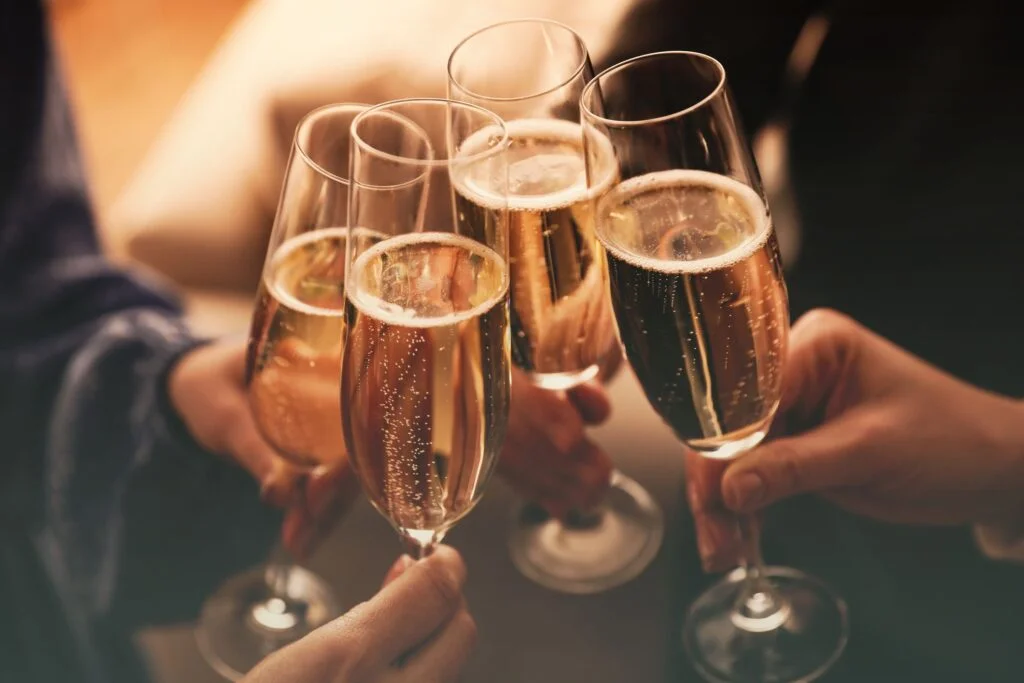
For the best Champagne tasting experience, opt for a tulip-shaped glass. This glass has a slightly narrower bowl than a coupe, which helps to concentrate the aromas and keeps the bubbles from dissipating too quickly. The elongated shape of the glass allows the wine to stay effervescent for longer, and it lets the aromas gather at the top, enhancing the overall olfactory experience. If you don’t have a tulip glass, a regular white wine glass can also work well, as it has a similar bowl shape.

2. The Ideal Serving Temperature Champagne should be served chilled but not ice-cold. The ideal temperature for Champagne is between 45°F (7°C) and 50°F (10°C). Serving Champagne too cold (below 40°F or 4°C) can mask its delicate aromas and flavors, while serving it too warm can result in an overly sweet or flat experience. When chilled to the ideal temperature, the wine’s effervescence remains lively and its complex flavors become more pronounced.

If you don’t have a thermometer, a good rule of thumb is to place your Champagne in the fridge for about 3-4 hours before serving. Alternatively, you can chill it in an ice bucket for 20-30 minutes. Just avoid putting Champagne in the freezer, as this can cause it to become too cold too quickly, and it might alter the texture and aroma of the wine.

How to Identify and Appreciate Different Champagne Characteristics

Once your Champagne is poured and your glass is ready, it’s time to savor it. But how do you truly identify the different characteristics of Champagne? This can be an overwhelming task for beginners, but with a little practice, you can easily start distinguishing the unique traits of different Champagne styles.

1. Appearance: The Color and Bubbles Start by examining the Champagne’s appearance. Hold the glass at an angle and take a look at its color. Champagne comes in several hues, from pale golden hues (often associated with Chardonnay-based Champagne) to deeper amber shades (typically found in Pinot Noir-based or aged Champagne). The color can give you a clue about the grape variety used and the wine’s age.

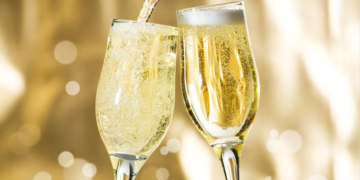
Next, pay attention to the bubbles. Champagne is celebrated for its effervescence, but it’s not just about the size of the bubbles. Look at how they rise in the glass. Small, persistent bubbles are a hallmark of high-quality Champagne, and they should move up the glass in a steady stream, creating a mousse (a layer of foam) at the top. This effervescence plays a crucial role in enhancing the sensory experience, so take a moment to appreciate it.

2. Aroma: Swirl and Sniff After appreciating the Champagne’s appearance, the next step is to evaluate its aromas. Swirl the wine gently in your glass to allow it to open up, releasing its aromatic compounds. Then, bring the glass to your nose and take a deep inhale.

Champagne is known for its complex bouquet, with a range of aromas that vary depending on the grape variety, aging process, and production method. You might notice fresh fruit aromas like green apple, citrus, or pear, as well as more nuanced notes of brioche, toasted nuts, or even floral hints. Champagne made using the méthode champenoise (the traditional method) will often have additional yeast-driven aromas from autolysis (the breakdown of yeast cells), which can contribute to a toasty, biscuity scent.

If you’re tasting different styles of Champagne, you’ll quickly notice that the aroma can tell you a lot about the wine. Blanc de Blancs Champagne (made exclusively from Chardonnay) tends to have more citrusy and mineral notes, while Pinot Noir-based Champagne might offer deeper fruit aromas, like red berries. With practice, you’ll start identifying these subtle differences.

3. Taste: The Balance of Flavors When it’s time to taste, take a small sip and let the Champagne sit on your tongue for a moment. Focus on the balance of flavors. High-quality Champagne should have a harmonious blend of sweetness, acidity, and body.

  • Sweetness: Champagne ranges from bone-dry (Brut Nature) to slightly sweet (Demi-Sec). The sweetness will be most noticeable on the initial sip, but it should always be well-balanced with the wine’s acidity. A great Champagne will have just enough sweetness to complement its other flavors without overwhelming them.
  • Acidity: Champagne’s crisp acidity is one of its defining features, contributing to its refreshing nature. Acidity enhances the wine’s food-pairing potential and adds to the overall balance, making it an excellent match for a wide range of dishes.
  • Body and Mouthfeel: Champagne’s texture is also a key factor. High-quality Champagne feels smooth and creamy, especially if it has been aged on the lees (yeast cells). You should also pay attention to the effervescence—the way the bubbles feel on your tongue. A Champagne with fine, persistent bubbles will feel velvety and elegant.
The Art of Champagne Tasting for Novices and Connoisseurs

Whether you’re a novice or a seasoned connoisseur, there are a few tips and tricks you can use to improve your Champagne tasting experience.

1. Start with the Basics If you’re new to Champagne tasting, begin with a general understanding of the different styles. Learn about the basic Champagne categories: Non-Vintage (NV), Vintage, Blanc de Blancs, Blanc de Noirs, and Rosé. Understand their differences in terms of production methods, grape composition, and aging potential. Once you know these fundamentals, you can start to explore how different Champagne styles taste and pair with food.

2. Take Notes For both beginners and experienced tasters, taking notes is a helpful way to track your impressions and better appreciate the nuances of each Champagne. Record your thoughts on appearance, aroma, taste, and overall balance. Over time, you’ll start to develop a more discerning palate and will be able to identify subtle differences between wines.

3. Don’t Rush the Tasting The art of Champagne tasting is about savoring every moment. Don’t rush through the process. Take time to appreciate each of the senses—appearance, aroma, taste—and note how the Champagne evolves in your glass as it warms slightly. As you continue tasting different bottles, you’ll develop a deeper appreciation for the craftsmanship behind each bottle.

4. Experiment and Enjoy The best way to learn about Champagne is by trying different styles and experimenting with different food pairings. Champagne is incredibly versatile, and there’s no one “right” way to enjoy it. As you taste more, you’ll find your personal preferences and discover how Champagne can enhance the food you enjoy.

Conclusion

Tasting Champagne is an experience that involves more than just drinking—it’s about appreciating its effervescence, aromas, flavors, and textures. With the right glassware, ideal serving temperature, and an understanding of the different Champagne characteristics, you can elevate your Champagne tasting to a whole new level. Whether you’re a novice just starting your Champagne journey or a connoisseur looking to refine your skills, taking the time to properly taste and savor Champagne will lead to a deeper understanding and greater enjoyment of this iconic drink.

Tags: Champagne aromasChampagne tastingChampagne tasting tipshow to taste Champagne
ShareTweetShare

Related Posts

Can Beer Be an Effective Ingredient in Culinary Cooking?
ALL

Can Beer Be an Effective Ingredient in Culinary Cooking?

January 22, 2026
Second Fermentation in Champagne: Is It Really That Crucial?
ALL

Second Fermentation in Champagne: Is It Really That Crucial?

January 22, 2026
How Do Different Grains Impact the Flavor Profile of Distilled Spirits?
ALL

How Do Different Grains Impact the Flavor Profile of Distilled Spirits?

January 22, 2026
How Do Whiskey Master Blenders Create Perfection?
ALL

How Do Whiskey Master Blenders Create Perfection?

January 22, 2026
Wine Pairings: Can They Change the Flavor Profile of a Dish?
ALL

Wine Pairings: Can They Change the Flavor Profile of a Dish?

January 22, 2026
Beer the Ultimate Beverage for Pairing with Spicy Food?
ALL

Beer the Ultimate Beverage for Pairing with Spicy Food?

January 21, 2026
Leave Comment
  • Trending
  • Comments
  • Latest
Role of Terroir in Champagne Production

Role of Terroir in Champagne Production

January 19, 2026
What Hidden Craftsmanship Lies Behind a Bottle of Quality Grain Spirits?

What Hidden Craftsmanship Lies Behind a Bottle of Quality Grain Spirits?

July 3, 2025
Champagne Can Be Aged in Wood?

Champagne Can Be Aged in Wood?

January 18, 2026
Is Organic Wine Healthier Than Conventional Wine?

Is Organic Wine Healthier Than Conventional Wine?

January 20, 2026
The Timeless Elegance of Wine: A Journey Through History and Culture

The Timeless Elegance of Wine: A Journey Through History and Culture

Why Is Château Lafite Rothschild the Pinnacle of Fine Wine?

Why Is Château Lafite Rothschild the Pinnacle of Fine Wine?

How Did Château Lafite Rothschild Become a Global Icon of Luxury?

How Did Château Lafite Rothschild Become a Global Icon of Luxury?

What Makes Chateau Lafite Rothschild the Pinnacle of Bordeaux Wines?

What Makes Chateau Lafite Rothschild the Pinnacle of Bordeaux Wines?

Can Beer Be an Effective Ingredient in Culinary Cooking?

Can Beer Be an Effective Ingredient in Culinary Cooking?

January 22, 2026
Second Fermentation in Champagne: Is It Really That Crucial?

Second Fermentation in Champagne: Is It Really That Crucial?

January 22, 2026
How Do Different Grains Impact the Flavor Profile of Distilled Spirits?

How Do Different Grains Impact the Flavor Profile of Distilled Spirits?

January 22, 2026
How Do Whiskey Master Blenders Create Perfection?

How Do Whiskey Master Blenders Create Perfection?

January 22, 2026
SipsavorLife

Welcome to our comprehensive beverage guide, where you can explore the fascinating world of alcoholic drinks. From exquisite wines and rich whiskeys to refreshing beers and sparkling champagnes, we provide insights, tips, and recommendations for enthusiasts and casual drinkers alike. Discover your next favorite libation with us!

© 2025 sipsavorlife.com. contacts:sipsavorlife-35376@gmail.com

No Result
View All Result
  • Home
  • Wine
  • Whiskey
  • Beer
  • Grain Spirits
  • Champagne
  • ALL

© 2025 sipsavorlife.com. contacts:sipsavorlife-35376@gmail.com

Welcome Back!

Login to your account below

Forgotten Password?

Retrieve your password

Please enter your username or email address to reset your password.

Log In