



SipsavorLife
  • Home
  • Wine
    The History, Culture, and Global Influence of Humanity’s Most Celebrated Beverage

    The Wine Revolution: How Modern Winemaking Transformed a Global Industry

    The History, Culture, and Global Influence of Humanity’s Most Celebrated Beverage

    Wine Styles of the World: A Complete Guide to Red, White, Rosé, Sparkling, and Fortified Wines

    The History, Culture, and Global Influence of Humanity’s Most Celebrated Beverage

    The Global Wine Industry: Markets, Trade, Tourism, and Economic Impact

    The History, Culture, and Global Influence of Humanity’s Most Celebrated Beverage

    The Science of Wine: Grapes, Fermentation, and Flavor Development

    The History, Culture, and Global Influence of Humanity’s Most Celebrated Beverage

    The History, Culture, and Global Influence of Humanity’s Most Celebrated Beverage

    The Cultural History of Wine: From Ancient Rituals to Modern Luxury

    The Psychology of Wine: Why Humans Associate Wine with Emotion, Memory, and Identity

  • Whiskey
    Can Beer Be an Effective Ingredient in Culinary Cooking?

    Can Beer Be an Effective Ingredient in Culinary Cooking?

    Second Fermentation in Champagne: Is It Really That Crucial?

    Second Fermentation in Champagne: Is It Really That Crucial?

    How Do Different Grains Impact the Flavor Profile of Distilled Spirits?

    How Do Different Grains Impact the Flavor Profile of Distilled Spirits?

    How Do Whiskey Master Blenders Create Perfection?

    How Do Whiskey Master Blenders Create Perfection?

    Wine Pairings: Can They Change the Flavor Profile of a Dish?

    Wine Pairings: Can They Change the Flavor Profile of a Dish?

    Beer the Ultimate Beverage for Pairing with Spicy Food?

    Beer the Ultimate Beverage for Pairing with Spicy Food?

  • Beer
    Malt Beer: Why Does Its Sweet Malty Aroma Always Bring Endless Satisfaction?

    The Craft Beer Revolution: How Independent Breweries Changed the World of Beer

    Beer: The World’s Oldest and Most Influential Beverage

    Beer Styles of the World: A Complete Guide to Lager, Ale, Stout, IPA, and Beyond

    Beer: The World’s Oldest and Most Influential Beverage

    The Global Beer Industry: Markets, Brands, and Economic Impact

    Beer: The World’s Oldest and Most Influential Beverage

    The Science of Beer: Ingredients, Fermentation, and Flavor

    Beer: The World’s Oldest and Most Influential Beverage

    Beer: The World’s Oldest and Most Influential Beverage

    Beer as a Cultural and Social Force: From Ancient Brew to Modern Identity

    Women in Brewing: The Untold History and Modern Transformation of Beer Culture

  • Grain Spirits
    Grain Spirits: The Origins, Science, and Global Evolution of Distilled Grain Alcohol

    Bourbon: America’s Native Grain Spirit and the Global Story of Corn, Oak, Fire, and Time

    Grain Spirits: The Origins, Science, and Global Evolution of Distilled Grain Alcohol

    Gin: Botanicals, History, Cocktail Culture, and the Artistic Evolution of the World’s Most Aromatic Grain Spirit

    Grain Spirits: The Origins, Science, and Global Evolution of Distilled Grain Alcohol

    Vodka: The Global Rise of the World’s Most Versatile Grain Spirit

    Grain Spirits: The Origins, Science, and Global Evolution of Distilled Grain Alcohol

    Whiskey and the Soul of Grain Spirits: History, Craftsmanship, Culture, and the Global Rise of the World’s Most Iconic Distilled Grain Beverage

    Grain Spirits: The Origins, Science, and Global Evolution of Distilled Grain Alcohol

    Grain Spirits: The Origins, Science, and Global Evolution of Distilled Grain Alcohol

    Grain Spirits Explained — The Foundation of Global Distillation

    The Future of Grain Spirits — Technology, Sustainability, and the Next Era of Distillation

  • Champagne
    Champagne: The Sparkling Wine That Changed Global Celebration Culture

    Dom Pérignon, Cristal, Krug, and Beyond: The World’s Most Famous Champagne Houses and Their Legacy

    Champagne Beyond Celebration: The History, Craftsmanship, and Global Influence of the World’s Most Iconic Sparkling Wine

    The Future of Champagne: Climate Change, Innovation, Sustainability, and the Next Era of Sparkling Wine

    Champagne Beyond Celebration: The History, Craftsmanship, and Global Influence of the World’s Most Iconic Sparkling Wine

    Champagne and Luxury Culture: How Sparkling Wine Became a Global Symbol of Wealth, Celebration, and Prestige

    Champagne Beyond Celebration: The History, Craftsmanship, and Global Influence of the World’s Most Iconic Sparkling Wine

    The Art of Champagne Production: Inside the Science, Skill, and Tradition Behind Every Bottle

    Champagne Beyond Celebration: The History, Craftsmanship, and Global Influence of the World’s Most Iconic Sparkling Wine

    Champagne Beyond Celebration: The History, Craftsmanship, and Global Influence of the World’s Most Iconic Sparkling Wine

    Champagne: The Sparkling Wine That Changed Global Celebration Culture

    Champagne vs Prosecco vs Cava: How the World’s Sparkling Wines Reflect Culture, Geography, and Taste

  • ALL
    Can Beer Be an Effective Ingredient in Culinary Cooking?

    Can Beer Be an Effective Ingredient in Culinary Cooking?

    Second Fermentation in Champagne: Is It Really That Crucial?

    Second Fermentation in Champagne: Is It Really That Crucial?

    How Do Different Grains Impact the Flavor Profile of Distilled Spirits?

    How Do Different Grains Impact the Flavor Profile of Distilled Spirits?

    How Do Whiskey Master Blenders Create Perfection?

    How Do Whiskey Master Blenders Create Perfection?

    Wine Pairings: Can They Change the Flavor Profile of a Dish?

    Wine Pairings: Can They Change the Flavor Profile of a Dish?

    Beer the Ultimate Beverage for Pairing with Spicy Food?

    Beer the Ultimate Beverage for Pairing with Spicy Food?

SipsavorLife
  • Home
  • Wine
    The History, Culture, and Global Influence of Humanity’s Most Celebrated Beverage

    The Wine Revolution: How Modern Winemaking Transformed a Global Industry

    The History, Culture, and Global Influence of Humanity’s Most Celebrated Beverage

    Wine Styles of the World: A Complete Guide to Red, White, Rosé, Sparkling, and Fortified Wines

    The History, Culture, and Global Influence of Humanity’s Most Celebrated Beverage

    The Global Wine Industry: Markets, Trade, Tourism, and Economic Impact

    The History, Culture, and Global Influence of Humanity’s Most Celebrated Beverage

    The Science of Wine: Grapes, Fermentation, and Flavor Development

    The History, Culture, and Global Influence of Humanity’s Most Celebrated Beverage

    The History, Culture, and Global Influence of Humanity’s Most Celebrated Beverage

    The Cultural History of Wine: From Ancient Rituals to Modern Luxury

    The Psychology of Wine: Why Humans Associate Wine with Emotion, Memory, and Identity

  • Whiskey
    Can Beer Be an Effective Ingredient in Culinary Cooking?

    Can Beer Be an Effective Ingredient in Culinary Cooking?

    Second Fermentation in Champagne: Is It Really That Crucial?

    Second Fermentation in Champagne: Is It Really That Crucial?

    How Do Different Grains Impact the Flavor Profile of Distilled Spirits?

    How Do Different Grains Impact the Flavor Profile of Distilled Spirits?

    How Do Whiskey Master Blenders Create Perfection?

    How Do Whiskey Master Blenders Create Perfection?

    Wine Pairings: Can They Change the Flavor Profile of a Dish?

    Wine Pairings: Can They Change the Flavor Profile of a Dish?

    Beer the Ultimate Beverage for Pairing with Spicy Food?

    Beer the Ultimate Beverage for Pairing with Spicy Food?

  • Beer
    Malt Beer: Why Does Its Sweet Malty Aroma Always Bring Endless Satisfaction?

    The Craft Beer Revolution: How Independent Breweries Changed the World of Beer

    Beer: The World’s Oldest and Most Influential Beverage

    Beer Styles of the World: A Complete Guide to Lager, Ale, Stout, IPA, and Beyond

    Beer: The World’s Oldest and Most Influential Beverage

    The Global Beer Industry: Markets, Brands, and Economic Impact

    Beer: The World’s Oldest and Most Influential Beverage

    The Science of Beer: Ingredients, Fermentation, and Flavor

    Beer: The World’s Oldest and Most Influential Beverage

    Beer: The World’s Oldest and Most Influential Beverage

    Beer as a Cultural and Social Force: From Ancient Brew to Modern Identity

    Women in Brewing: The Untold History and Modern Transformation of Beer Culture

  • Grain Spirits
    Grain Spirits: The Origins, Science, and Global Evolution of Distilled Grain Alcohol

    Bourbon: America’s Native Grain Spirit and the Global Story of Corn, Oak, Fire, and Time

    Grain Spirits: The Origins, Science, and Global Evolution of Distilled Grain Alcohol

    Gin: Botanicals, History, Cocktail Culture, and the Artistic Evolution of the World’s Most Aromatic Grain Spirit

    Grain Spirits: The Origins, Science, and Global Evolution of Distilled Grain Alcohol

    Vodka: The Global Rise of the World’s Most Versatile Grain Spirit

    Grain Spirits: The Origins, Science, and Global Evolution of Distilled Grain Alcohol

    Whiskey and the Soul of Grain Spirits: History, Craftsmanship, Culture, and the Global Rise of the World’s Most Iconic Distilled Grain Beverage

    Grain Spirits: The Origins, Science, and Global Evolution of Distilled Grain Alcohol

    Grain Spirits: The Origins, Science, and Global Evolution of Distilled Grain Alcohol

    Grain Spirits Explained — The Foundation of Global Distillation

    The Future of Grain Spirits — Technology, Sustainability, and the Next Era of Distillation

  • Champagne
    Champagne: The Sparkling Wine That Changed Global Celebration Culture

    Dom Pérignon, Cristal, Krug, and Beyond: The World’s Most Famous Champagne Houses and Their Legacy

    Champagne Beyond Celebration: The History, Craftsmanship, and Global Influence of the World’s Most Iconic Sparkling Wine

    The Future of Champagne: Climate Change, Innovation, Sustainability, and the Next Era of Sparkling Wine

    Champagne Beyond Celebration: The History, Craftsmanship, and Global Influence of the World’s Most Iconic Sparkling Wine

    Champagne and Luxury Culture: How Sparkling Wine Became a Global Symbol of Wealth, Celebration, and Prestige

    Champagne Beyond Celebration: The History, Craftsmanship, and Global Influence of the World’s Most Iconic Sparkling Wine

    The Art of Champagne Production: Inside the Science, Skill, and Tradition Behind Every Bottle

    Champagne Beyond Celebration: The History, Craftsmanship, and Global Influence of the World’s Most Iconic Sparkling Wine

    Champagne Beyond Celebration: The History, Craftsmanship, and Global Influence of the World’s Most Iconic Sparkling Wine

    Champagne: The Sparkling Wine That Changed Global Celebration Culture

    Champagne vs Prosecco vs Cava: How the World’s Sparkling Wines Reflect Culture, Geography, and Taste

  • ALL
    Can Beer Be an Effective Ingredient in Culinary Cooking?

    Can Beer Be an Effective Ingredient in Culinary Cooking?

    Second Fermentation in Champagne: Is It Really That Crucial?

    Second Fermentation in Champagne: Is It Really That Crucial?

    How Do Different Grains Impact the Flavor Profile of Distilled Spirits?

    How Do Different Grains Impact the Flavor Profile of Distilled Spirits?

    How Do Whiskey Master Blenders Create Perfection?

    How Do Whiskey Master Blenders Create Perfection?

    Wine Pairings: Can They Change the Flavor Profile of a Dish?

    Wine Pairings: Can They Change the Flavor Profile of a Dish?

    Beer the Ultimate Beverage for Pairing with Spicy Food?

    Beer the Ultimate Beverage for Pairing with Spicy Food?

SipsavorLife
No Result
View All Result
Home Wine

The Science of Wine: Grapes, Fermentation, and Flavor Development

June 3, 2026
in Wine
The History, Culture, and Global Influence of Humanity’s Most Celebrated Beverage

Introduction

Wine is often celebrated for its elegance, complexity, and cultural significance, but behind every bottle lies a fascinating world of science. While wine may appear simple—grape juice transformed into an alcoholic beverage—the reality is far more intricate. The production of wine involves biology, chemistry, agriculture, microbiology, physics, and environmental science working together to create one of the most sophisticated beverages ever developed by humanity.

Every aspect of wine, from its aroma and color to its flavor and aging potential, is influenced by scientific processes. The type of grape, the composition of the soil, the activity of yeast during fermentation, and the interaction between oxygen and wine molecules all contribute to the final product. Even slight changes in temperature, humidity, or vineyard management can significantly affect wine quality.

Modern winemakers combine centuries-old traditions with cutting-edge technology. Advanced laboratory analysis, genetic research, precision agriculture, and controlled fermentation systems allow producers to understand and manipulate wine production with unprecedented accuracy.

This article explores the science behind wine, examining grape biology, vineyard ecology, fermentation chemistry, flavor development, aging processes, and future innovations that continue to shape the wine industry.


Understanding the Wine Grape

The foundation of every wine is the grape.

Although thousands of grape varieties exist worldwide, most fine wines are produced from a species known as Vitis vinifera.

This species originated thousands of years ago and has evolved into countless varieties adapted to different climates and growing conditions.

Popular wine grapes include:

  • Cabernet Sauvignon
  • Merlot
  • Pinot Noir
  • Chardonnay
  • Sauvignon Blanc
  • Riesling
  • Syrah
  • Malbec

Each variety possesses unique genetic characteristics that influence flavor, aroma, acidity, and color.


The Anatomy of a Grape

A grape may appear simple, but its structure plays a critical role in winemaking.

Skin

The grape skin contains:

  • Pigments
  • Tannins
  • Aromatic compounds

Red wines derive much of their color from skin contact during fermentation.

Pulp

The pulp contains:

  • Water
  • Sugars
  • Organic acids

Most of the grape’s juice originates here.

Seeds

Seeds contribute tannins and phenolic compounds.

Excessive seed extraction can create bitterness.

Stems

Stems contain tannins and vegetal compounds.

Some winemakers include stems during fermentation to increase complexity.


The Vineyard Ecosystem

Wine quality begins long before harvest.

The vineyard functions as a complex ecosystem influenced by environmental factors.


Climate

Climate is one of the most important factors affecting grape development.

Key variables include:

  • Temperature
  • Rainfall
  • Humidity
  • Wind
  • Sunlight

Different grape varieties thrive under different climatic conditions.

Cool Climates

Cool regions often produce wines with:

  • Higher acidity
  • Lower alcohol
  • Delicate aromas

Examples include:

  • Burgundy
  • Champagne
  • Mosel

Warm Climates

Warm regions typically produce wines with:

  • Higher sugar levels
  • Greater alcohol content
  • Riper fruit flavors

Examples include:

  • Napa Valley
  • Barossa Valley
  • Priorat

Soil Composition

Soil influences:

  • Water availability
  • Nutrient levels
  • Root development

Common vineyard soils include:

Limestone

Associated with elegance and acidity.

Clay

Promotes water retention and powerful wines.

Gravel

Provides excellent drainage and heat retention.

Volcanic Soils

Often contribute mineral complexity.

The interaction between roots and soil remains one of the most studied aspects of viticulture.


Photosynthesis and Grape Ripening

The journey from flower to ripe grape depends heavily on photosynthesis.

Through photosynthesis, vines convert sunlight into energy.

This energy supports:

  • Growth
  • Fruit development
  • Sugar accumulation

As grapes ripen:

  • Sugar levels increase
  • Acidity decreases
  • Aromatic compounds develop

Winemakers carefully monitor ripeness to determine the optimal harvest date.


The Importance of Sugar

Sugar serves as the fuel for fermentation.

The primary sugars found in grapes are:

  • Glucose
  • Fructose

During fermentation, yeast converts these sugars into alcohol.

Higher sugar levels generally produce:

  • Higher alcohol content
  • Fuller body

However, excessive sugar can disrupt balance.

Finding the ideal ripeness level is one of the most important decisions in winemaking.


Acidity: The Backbone of Wine

Acidity is essential for wine quality.

Without sufficient acidity, wine may taste flat and lifeless.

Key acids include:

Tartaric Acid

The most important acid in grapes.

Provides freshness and stability.

Malic Acid

Associated with green apple flavors.

Levels decrease during ripening.

Citric Acid

Present in smaller quantities.

Contributes brightness.

Proper acidity enhances:

  • Structure
  • Aging potential
  • Food compatibility

Harvesting the Grapes

Harvest timing significantly influences wine style.

Winemakers evaluate:

  • Sugar levels
  • Acidity
  • Flavor development
  • Weather forecasts

Manual Harvesting

Advantages include:

  • Selective picking
  • Reduced fruit damage
  • Higher quality control

Disadvantages include:

  • Higher labor costs
  • Slower processing

Mechanical Harvesting

Benefits include:

  • Speed
  • Efficiency
  • Lower costs

Modern machines have become increasingly sophisticated and gentle.


Crushing and Pressing

After harvest, grapes undergo processing.


Crushing

Crushing breaks grape skins and releases juice.

Modern wineries often use mechanical crushers.


Pressing

Pressing separates juice from skins and seeds.

White wines are typically pressed immediately.

Red wines usually ferment before pressing.

The intensity of pressing affects:

  • Flavor
  • Tannin extraction
  • Juice quality

Fermentation: Nature’s Transformation

Fermentation is the process that converts grape juice into wine.

This transformation is driven by yeast.


Yeast Biology

Yeast belongs to the fungal kingdom.

The most commonly used species is:

Saccharomyces cerevisiae

Yeast consumes sugar and produces:

  • Alcohol
  • Carbon dioxide
  • Heat
  • Flavor compounds

The simplified reaction is:

Sugar → Ethanol + Carbon Dioxide

In reality, fermentation produces hundreds of additional compounds that influence wine character.

Wild vs Cultured Yeast

Winemakers may choose between:

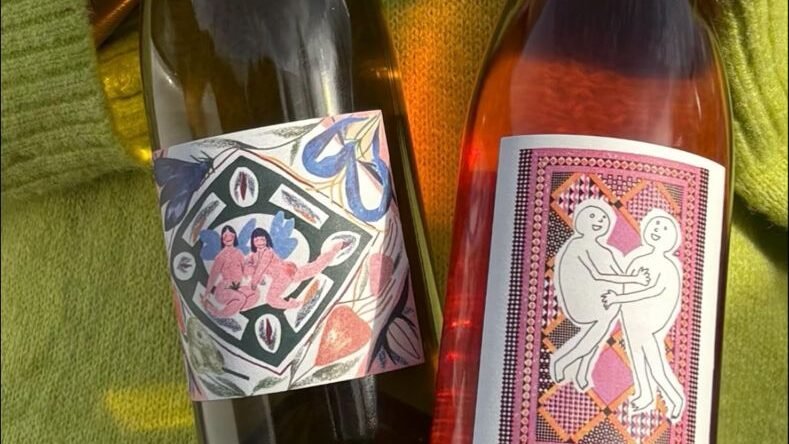
Wild Fermentation

Relies on naturally occurring vineyard and winery yeasts.

Potential benefits:

  • Complexity
  • Unique character

Potential risks:

  • Unpredictability
  • Fermentation problems

Cultured Yeast

Commercial strains offer:

  • Consistency
  • Reliability
  • Controlled flavor outcomes

Many wineries use selected yeast strains to achieve specific goals.


Temperature Control During Fermentation

Temperature profoundly affects fermentation.

White Wine Fermentation

Typically occurs at:

10–18°C (50–64°F)

Benefits include:

  • Preservation of delicate aromas
  • Enhanced freshness

Red Wine Fermentation

Typically occurs at:

20–30°C (68–86°F)

Benefits include:

  • Greater extraction
  • Enhanced color development

Modern wineries use sophisticated cooling systems to maintain precise temperatures.


Red Wine Production

Red wine receives color and tannins from grape skins.

During fermentation:

  • Juice remains in contact with skins
  • Pigments dissolve
  • Tannins are extracted

This process is known as maceration.

The duration of maceration significantly affects wine style.

Longer maceration generally produces:

  • Darker color
  • Stronger tannins
  • Greater aging potential

White Wine Production

White wine production emphasizes freshness and purity.

Key differences include:

  • Immediate pressing
  • Limited skin contact
  • Cooler fermentation

The result is often:

  • Brighter acidity
  • Lighter body
  • More delicate aromas

Rosé Wine Production

Rosé occupies a middle ground between red and white wine.

Color develops through brief skin contact.

Methods include:

Direct Pressing

Minimal skin contact.

Produces pale rosé wines.

Short Maceration

Provides deeper color and flavor.

Rosé wines have become increasingly popular worldwide.


Malolactic Fermentation

Many wines undergo a second transformation known as malolactic fermentation.

Special bacteria convert:

Malic Acid → Lactic Acid

Effects include:

  • Softer texture
  • Reduced acidity
  • Greater complexity

Common flavor notes include:

  • Butter
  • Cream
  • Hazelnut

This process is especially common in Chardonnay and many red wines.


Tannins and Structure

Tannins are natural compounds found in:

  • Grape skins
  • Seeds
  • Stems
  • Oak barrels

Tannins contribute:

  • Bitterness
  • Structure
  • Aging potential

Young tannic wines may feel drying or astringent.

Over time, tannins soften and become smoother.


Aroma Chemistry

Wine contains hundreds of aromatic compounds.

These compounds create the sensory complexity wine enthusiasts value.


Primary Aromas

Derived directly from grapes.

Examples include:

  • Citrus
  • Apple
  • Cherry
  • Blackberry
  • Floral notes

Secondary Aromas

Produced during fermentation.

Examples include:

  • Banana
  • Bread
  • Butter

Tertiary Aromas

Develop during aging.

Examples include:

  • Leather
  • Tobacco
  • Mushroom
  • Dried fruit

Together, these aromas create wine’s remarkable complexity.


Oak Aging and Barrel Science

Oak barrels influence wine in several ways.


Oxygen Exposure

Oak allows controlled oxygen transfer.

Small amounts of oxygen promote:

  • Stability
  • Complexity
  • Tannin softening

Flavor Contributions

Oak may add:

  • Vanilla
  • Coconut
  • Spice
  • Caramel
  • Toast

The impact depends on:

  • Oak species
  • Barrel age
  • Toast level

Bottle Aging

Wine continues evolving after bottling.

Chemical reactions occur slowly over years or decades.

Potential benefits include:

  • Increased complexity
  • Smoother texture
  • Integrated flavors

However, not all wines improve with age.

Many wines are designed for early consumption.


Modern Wine Analysis

Contemporary wineries use advanced laboratory techniques.


Chemical Testing

Measures:

  • Alcohol
  • Acidity
  • Sugar content
  • Sulfur levels

Microbiological Monitoring

Detects contamination and spoilage organisms.


Sensory Evaluation

Professional tasting panels assess:

  • Aroma
  • Flavor
  • Balance
  • Overall quality

Science and sensory analysis work together to ensure consistency.


Sustainability and Precision Viticulture

Technology is transforming vineyards.


Drones

Used to monitor:

  • Vine health
  • Water stress
  • Disease outbreaks

Sensors

Measure:

  • Soil moisture
  • Temperature
  • Nutrient levels

Artificial Intelligence

AI supports:

  • Yield prediction
  • Disease detection
  • Harvest planning

These innovations improve efficiency and sustainability.


Climate Change and Wine Science

Climate change presents significant challenges.

Rising temperatures may affect:

  • Ripening patterns
  • Water availability
  • Grape composition

Researchers are developing solutions including:

  • Heat-resistant grape varieties
  • New vineyard management techniques
  • Alternative growing regions

Scientific adaptation will play a crucial role in the future of wine.


The Future of Wine Science

Future innovations may include:

  • Genetically optimized vines
  • Precision fermentation
  • Carbon-neutral wineries
  • Advanced sustainability systems
  • Enhanced disease resistance

Despite technological advances, the fundamental principles of winemaking remain rooted in nature.

The partnership between grapevine, yeast, climate, and human expertise continues to define wine production.


Conclusion

Wine is one of the most scientifically fascinating beverages ever created. From the biology of grapevines and the chemistry of fermentation to the complex interactions that occur during aging, every bottle reflects countless natural and technological processes working together.

The science of wine explains why wines differ so dramatically in flavor, aroma, texture, and quality. It also reveals how winemakers combine ancient traditions with modern research to create products that express both craftsmanship and terroir.

As new technologies emerge and environmental challenges evolve, scientific understanding will become increasingly important to the future of the wine industry. Yet regardless of innovation, wine will remain a unique product of nature transformed by human knowledge and creativity—a beverage where science and art coexist in every glass.

Tags: Wine
ShareTweetShare

Related Posts

The History, Culture, and Global Influence of Humanity’s Most Celebrated Beverage
Wine

The Wine Revolution: How Modern Winemaking Transformed a Global Industry

June 3, 2026
The History, Culture, and Global Influence of Humanity’s Most Celebrated Beverage
Wine

Wine Styles of the World: A Complete Guide to Red, White, Rosé, Sparkling, and Fortified Wines

June 3, 2026
The History, Culture, and Global Influence of Humanity’s Most Celebrated Beverage
Wine

The Global Wine Industry: Markets, Trade, Tourism, and Economic Impact

June 3, 2026
The History, Culture, and Global Influence of Humanity’s Most Celebrated Beverage
Wine

The History, Culture, and Global Influence of Humanity’s Most Celebrated Beverage

June 3, 2026
The Cultural History of Wine: From Ancient Rituals to Modern Luxury
Wine

The Psychology of Wine: Why Humans Associate Wine with Emotion, Memory, and Identity

May 23, 2026
The Cultural History of Wine: From Ancient Rituals to Modern Luxury
Wine

Sustainable Winemaking: Environmental Challenges and the Future of Vineyards

May 23, 2026
Leave Comment
  • Trending
  • Comments
  • Latest
Role of Terroir in Champagne Production

Role of Terroir in Champagne Production

January 19, 2026
Champagne Can Be Aged in Wood?

Champagne Can Be Aged in Wood?

January 18, 2026
Is Organic Wine Healthier Than Conventional Wine?

Is Organic Wine Healthier Than Conventional Wine?

January 20, 2026
Why Do Some Champagnes Use a High Proportion of Pinot Meunier?

Why Do Some Champagnes Use a High Proportion of Pinot Meunier?

January 20, 2026
The Timeless Elegance of Wine: A Journey Through History and Culture

The Timeless Elegance of Wine: A Journey Through History and Culture

Why Is Château Lafite Rothschild the Pinnacle of Fine Wine?

Why Is Château Lafite Rothschild the Pinnacle of Fine Wine?

How Did Château Lafite Rothschild Become a Global Icon of Luxury?

How Did Château Lafite Rothschild Become a Global Icon of Luxury?

What Makes Chateau Lafite Rothschild the Pinnacle of Bordeaux Wines?

What Makes Chateau Lafite Rothschild the Pinnacle of Bordeaux Wines?

The History, Culture, and Global Influence of Humanity’s Most Celebrated Beverage

The Wine Revolution: How Modern Winemaking Transformed a Global Industry

June 3, 2026
The History, Culture, and Global Influence of Humanity’s Most Celebrated Beverage

Wine Styles of the World: A Complete Guide to Red, White, Rosé, Sparkling, and Fortified Wines

June 3, 2026
The History, Culture, and Global Influence of Humanity’s Most Celebrated Beverage

The Global Wine Industry: Markets, Trade, Tourism, and Economic Impact

June 3, 2026
The History, Culture, and Global Influence of Humanity’s Most Celebrated Beverage

The Science of Wine: Grapes, Fermentation, and Flavor Development

June 3, 2026
SipsavorLife

Welcome to our comprehensive beverage guide, where you can explore the fascinating world of alcoholic drinks. From exquisite wines and rich whiskeys to refreshing beers and sparkling champagnes, we provide insights, tips, and recommendations for enthusiasts and casual drinkers alike. Discover your next favorite libation with us!

© 2025 sipsavorlife.com. contacts:sipsavorlife-35376@gmail.com

No Result
View All Result
  • Home
  • Wine
  • Whiskey
  • Beer
  • Grain Spirits
  • Champagne
  • ALL

© 2025 sipsavorlife.com. contacts:sipsavorlife-35376@gmail.com

Welcome Back!

Login to your account below

Forgotten Password?

Retrieve your password

Please enter your username or email address to reset your password.

Log In