



















SipsavorLife
  • Home
  • Wine
    The History, Culture, and Global Influence of Humanity’s Most Celebrated Beverage

    The Wine Revolution: How Modern Winemaking Transformed a Global Industry

    The History, Culture, and Global Influence of Humanity’s Most Celebrated Beverage

    Wine Styles of the World: A Complete Guide to Red, White, Rosé, Sparkling, and Fortified Wines

    The History, Culture, and Global Influence of Humanity’s Most Celebrated Beverage

    The Global Wine Industry: Markets, Trade, Tourism, and Economic Impact

    The History, Culture, and Global Influence of Humanity’s Most Celebrated Beverage

    The Science of Wine: Grapes, Fermentation, and Flavor Development

    The History, Culture, and Global Influence of Humanity’s Most Celebrated Beverage

    The History, Culture, and Global Influence of Humanity’s Most Celebrated Beverage

    The Cultural History of Wine: From Ancient Rituals to Modern Luxury

    The Psychology of Wine: Why Humans Associate Wine with Emotion, Memory, and Identity

  • Whiskey
    Can Beer Be an Effective Ingredient in Culinary Cooking?

    Can Beer Be an Effective Ingredient in Culinary Cooking?

    Second Fermentation in Champagne: Is It Really That Crucial?

    Second Fermentation in Champagne: Is It Really That Crucial?

    How Do Different Grains Impact the Flavor Profile of Distilled Spirits?

    How Do Different Grains Impact the Flavor Profile of Distilled Spirits?

    How Do Whiskey Master Blenders Create Perfection?

    How Do Whiskey Master Blenders Create Perfection?

    Wine Pairings: Can They Change the Flavor Profile of a Dish?

    Wine Pairings: Can They Change the Flavor Profile of a Dish?

    Beer the Ultimate Beverage for Pairing with Spicy Food?

    Beer the Ultimate Beverage for Pairing with Spicy Food?

  • Beer
    Malt Beer: Why Does Its Sweet Malty Aroma Always Bring Endless Satisfaction?

    The Craft Beer Revolution: How Independent Breweries Changed the World of Beer

    Beer: The World’s Oldest and Most Influential Beverage

    Beer Styles of the World: A Complete Guide to Lager, Ale, Stout, IPA, and Beyond

    Beer: The World’s Oldest and Most Influential Beverage

    The Global Beer Industry: Markets, Brands, and Economic Impact

    Beer: The World’s Oldest and Most Influential Beverage

    The Science of Beer: Ingredients, Fermentation, and Flavor

    Beer: The World’s Oldest and Most Influential Beverage

    Beer: The World’s Oldest and Most Influential Beverage

    Beer as a Cultural and Social Force: From Ancient Brew to Modern Identity

    Women in Brewing: The Untold History and Modern Transformation of Beer Culture

  • Grain Spirits
    Grain Spirits: The Origins, Science, and Global Evolution of Distilled Grain Alcohol

    Bourbon: America’s Native Grain Spirit and the Global Story of Corn, Oak, Fire, and Time

    Grain Spirits: The Origins, Science, and Global Evolution of Distilled Grain Alcohol

    Gin: Botanicals, History, Cocktail Culture, and the Artistic Evolution of the World’s Most Aromatic Grain Spirit

    Grain Spirits: The Origins, Science, and Global Evolution of Distilled Grain Alcohol

    Vodka: The Global Rise of the World’s Most Versatile Grain Spirit

    Grain Spirits: The Origins, Science, and Global Evolution of Distilled Grain Alcohol

    Whiskey and the Soul of Grain Spirits: History, Craftsmanship, Culture, and the Global Rise of the World’s Most Iconic Distilled Grain Beverage

    Grain Spirits: The Origins, Science, and Global Evolution of Distilled Grain Alcohol

    Grain Spirits: The Origins, Science, and Global Evolution of Distilled Grain Alcohol

    Grain Spirits Explained — The Foundation of Global Distillation

    The Future of Grain Spirits — Technology, Sustainability, and the Next Era of Distillation

  • Champagne
    Champagne: The Sparkling Wine That Changed Global Celebration Culture

    Dom Pérignon, Cristal, Krug, and Beyond: The World’s Most Famous Champagne Houses and Their Legacy

    Champagne Beyond Celebration: The History, Craftsmanship, and Global Influence of the World’s Most Iconic Sparkling Wine

    The Future of Champagne: Climate Change, Innovation, Sustainability, and the Next Era of Sparkling Wine

    Champagne Beyond Celebration: The History, Craftsmanship, and Global Influence of the World’s Most Iconic Sparkling Wine

    Champagne and Luxury Culture: How Sparkling Wine Became a Global Symbol of Wealth, Celebration, and Prestige

    Champagne Beyond Celebration: The History, Craftsmanship, and Global Influence of the World’s Most Iconic Sparkling Wine

    The Art of Champagne Production: Inside the Science, Skill, and Tradition Behind Every Bottle

    Champagne Beyond Celebration: The History, Craftsmanship, and Global Influence of the World’s Most Iconic Sparkling Wine

    Champagne Beyond Celebration: The History, Craftsmanship, and Global Influence of the World’s Most Iconic Sparkling Wine

    Champagne: The Sparkling Wine That Changed Global Celebration Culture

    Champagne vs Prosecco vs Cava: How the World’s Sparkling Wines Reflect Culture, Geography, and Taste

  • ALL
    Can Beer Be an Effective Ingredient in Culinary Cooking?

    Can Beer Be an Effective Ingredient in Culinary Cooking?

    Second Fermentation in Champagne: Is It Really That Crucial?

    Second Fermentation in Champagne: Is It Really That Crucial?

    How Do Different Grains Impact the Flavor Profile of Distilled Spirits?

    How Do Different Grains Impact the Flavor Profile of Distilled Spirits?

    How Do Whiskey Master Blenders Create Perfection?

    How Do Whiskey Master Blenders Create Perfection?

    Wine Pairings: Can They Change the Flavor Profile of a Dish?

    Wine Pairings: Can They Change the Flavor Profile of a Dish?

    Beer the Ultimate Beverage for Pairing with Spicy Food?

    Beer the Ultimate Beverage for Pairing with Spicy Food?

SipsavorLife
  • Home
  • Wine
    The History, Culture, and Global Influence of Humanity’s Most Celebrated Beverage

    The Wine Revolution: How Modern Winemaking Transformed a Global Industry

    The History, Culture, and Global Influence of Humanity’s Most Celebrated Beverage

    Wine Styles of the World: A Complete Guide to Red, White, Rosé, Sparkling, and Fortified Wines

    The History, Culture, and Global Influence of Humanity’s Most Celebrated Beverage

    The Global Wine Industry: Markets, Trade, Tourism, and Economic Impact

    The History, Culture, and Global Influence of Humanity’s Most Celebrated Beverage

    The Science of Wine: Grapes, Fermentation, and Flavor Development

    The History, Culture, and Global Influence of Humanity’s Most Celebrated Beverage

    The History, Culture, and Global Influence of Humanity’s Most Celebrated Beverage

    The Cultural History of Wine: From Ancient Rituals to Modern Luxury

    The Psychology of Wine: Why Humans Associate Wine with Emotion, Memory, and Identity

  • Whiskey
    Can Beer Be an Effective Ingredient in Culinary Cooking?

    Can Beer Be an Effective Ingredient in Culinary Cooking?

    Second Fermentation in Champagne: Is It Really That Crucial?

    Second Fermentation in Champagne: Is It Really That Crucial?

    How Do Different Grains Impact the Flavor Profile of Distilled Spirits?

    How Do Different Grains Impact the Flavor Profile of Distilled Spirits?

    How Do Whiskey Master Blenders Create Perfection?

    How Do Whiskey Master Blenders Create Perfection?

    Wine Pairings: Can They Change the Flavor Profile of a Dish?

    Wine Pairings: Can They Change the Flavor Profile of a Dish?

    Beer the Ultimate Beverage for Pairing with Spicy Food?

    Beer the Ultimate Beverage for Pairing with Spicy Food?

  • Beer
    Malt Beer: Why Does Its Sweet Malty Aroma Always Bring Endless Satisfaction?

    The Craft Beer Revolution: How Independent Breweries Changed the World of Beer

    Beer: The World’s Oldest and Most Influential Beverage

    Beer Styles of the World: A Complete Guide to Lager, Ale, Stout, IPA, and Beyond

    Beer: The World’s Oldest and Most Influential Beverage

    The Global Beer Industry: Markets, Brands, and Economic Impact

    Beer: The World’s Oldest and Most Influential Beverage

    The Science of Beer: Ingredients, Fermentation, and Flavor

    Beer: The World’s Oldest and Most Influential Beverage

    Beer: The World’s Oldest and Most Influential Beverage

    Beer as a Cultural and Social Force: From Ancient Brew to Modern Identity

    Women in Brewing: The Untold History and Modern Transformation of Beer Culture

  • Grain Spirits
    Grain Spirits: The Origins, Science, and Global Evolution of Distilled Grain Alcohol

    Bourbon: America’s Native Grain Spirit and the Global Story of Corn, Oak, Fire, and Time

    Grain Spirits: The Origins, Science, and Global Evolution of Distilled Grain Alcohol

    Gin: Botanicals, History, Cocktail Culture, and the Artistic Evolution of the World’s Most Aromatic Grain Spirit

    Grain Spirits: The Origins, Science, and Global Evolution of Distilled Grain Alcohol

    Vodka: The Global Rise of the World’s Most Versatile Grain Spirit

    Grain Spirits: The Origins, Science, and Global Evolution of Distilled Grain Alcohol

    Whiskey and the Soul of Grain Spirits: History, Craftsmanship, Culture, and the Global Rise of the World’s Most Iconic Distilled Grain Beverage

    Grain Spirits: The Origins, Science, and Global Evolution of Distilled Grain Alcohol

    Grain Spirits: The Origins, Science, and Global Evolution of Distilled Grain Alcohol

    Grain Spirits Explained — The Foundation of Global Distillation

    The Future of Grain Spirits — Technology, Sustainability, and the Next Era of Distillation

  • Champagne
    Champagne: The Sparkling Wine That Changed Global Celebration Culture

    Dom Pérignon, Cristal, Krug, and Beyond: The World’s Most Famous Champagne Houses and Their Legacy

    Champagne Beyond Celebration: The History, Craftsmanship, and Global Influence of the World’s Most Iconic Sparkling Wine

    The Future of Champagne: Climate Change, Innovation, Sustainability, and the Next Era of Sparkling Wine

    Champagne Beyond Celebration: The History, Craftsmanship, and Global Influence of the World’s Most Iconic Sparkling Wine

    Champagne and Luxury Culture: How Sparkling Wine Became a Global Symbol of Wealth, Celebration, and Prestige

    Champagne Beyond Celebration: The History, Craftsmanship, and Global Influence of the World’s Most Iconic Sparkling Wine

    The Art of Champagne Production: Inside the Science, Skill, and Tradition Behind Every Bottle

    Champagne Beyond Celebration: The History, Craftsmanship, and Global Influence of the World’s Most Iconic Sparkling Wine

    Champagne Beyond Celebration: The History, Craftsmanship, and Global Influence of the World’s Most Iconic Sparkling Wine

    Champagne: The Sparkling Wine That Changed Global Celebration Culture

    Champagne vs Prosecco vs Cava: How the World’s Sparkling Wines Reflect Culture, Geography, and Taste

  • ALL
    Can Beer Be an Effective Ingredient in Culinary Cooking?

    Can Beer Be an Effective Ingredient in Culinary Cooking?

    Second Fermentation in Champagne: Is It Really That Crucial?

    Second Fermentation in Champagne: Is It Really That Crucial?

    How Do Different Grains Impact the Flavor Profile of Distilled Spirits?

    How Do Different Grains Impact the Flavor Profile of Distilled Spirits?

    How Do Whiskey Master Blenders Create Perfection?

    How Do Whiskey Master Blenders Create Perfection?

    Wine Pairings: Can They Change the Flavor Profile of a Dish?

    Wine Pairings: Can They Change the Flavor Profile of a Dish?

    Beer the Ultimate Beverage for Pairing with Spicy Food?

    Beer the Ultimate Beverage for Pairing with Spicy Food?

SipsavorLife
No Result
View All Result
Home Beer

The Craft Beer Revolution: How Independent Breweries Changed the World of Beer

June 3, 2026
in Beer
Malt Beer: Why Does Its Sweet Malty Aroma Always Bring Endless Satisfaction?

Introduction

The history of beer spans thousands of years, yet few developments have transformed the brewing industry as dramatically as the craft beer revolution. During the late twentieth century and early twenty-first century, independent brewers challenged the dominance of large industrial beer producers and fundamentally changed how consumers think about beer. What began as a small movement driven by passionate enthusiasts evolved into a global phenomenon that reshaped brewing, marketing, consumer expectations, and beer culture itself.

Before the rise of craft brewing, many beer markets around the world were dominated by a handful of large corporations producing relatively similar products. Mass-produced lagers became the standard, emphasizing consistency, efficiency, and broad appeal. While these beers were commercially successful, many consumers and brewing enthusiasts felt that diversity, regional character, and brewing creativity had been lost.

Craft brewers sought to restore these qualities. They experimented with ingredients, revived historical styles, introduced innovative brewing techniques, and emphasized local identity. Their efforts created a new era of beer appreciation in which flavor, authenticity, and craftsmanship became central values.

Today, craft beer has become a major force in the global beverage industry. Thousands of independent breweries operate across continents, producing an extraordinary range of beers and contributing significantly to local economies and cultural life.

This article explores the origins, development, achievements, challenges, and future of the craft beer revolution.


The Brewing Landscape Before the Revolution

To understand the significance of craft brewing, it is important to examine the beer industry before the movement emerged.

Throughout much of the twentieth century, brewing became increasingly consolidated.

Several factors contributed to this trend:

  • Industrialization
  • Improved transportation
  • National advertising
  • Economies of scale
  • Corporate mergers

Large breweries could produce beer more efficiently and distribute it across vast geographic areas.

As a result:

  • Many small breweries closed
  • Regional beer styles declined
  • Product diversity decreased
  • National brands gained dominance

Consumers in many countries encountered similar products regardless of location.

In the United States, for example, thousands of breweries existed before Prohibition. By the late 1970s, only a small number remained.

Similar patterns occurred in other markets around the world.


The Origins of the Craft Beer Movement

The modern craft beer movement emerged partly as a reaction to industry consolidation.

A growing number of consumers wanted alternatives to mass-produced beer.

They sought:

  • More flavor
  • Greater variety
  • Local products
  • Brewing authenticity

Several developments helped make this possible.


Homebrewing

One of the most important catalysts was homebrewing.

Enthusiasts began brewing beer in garages, kitchens, and basements.

Homebrewers experimented with:

  • Historical recipes
  • Foreign beer styles
  • Unique ingredients

Many future craft brewery founders started as hobby brewers.

Homebrewing fostered innovation and created a community of passionate beer enthusiasts.


Influence of European Brewing Traditions

Travel also played a significant role.

Visitors to countries such as:

  • Germany
  • Belgium
  • United Kingdom
  • Czech Republic

Discovered beer styles largely unavailable in their home markets.

These experiences inspired brewers to recreate traditional European styles while developing new interpretations.


Consumer Demand for Variety

As food culture evolved, consumers became increasingly interested in:

  • Artisanal products
  • Regional specialties
  • Culinary experiences

Beer benefited from this broader trend.

Consumers began treating beer similarly to wine, appreciating differences in flavor, origin, and production methods.


The First Wave of Modern Craft Breweries

The earliest modern craft breweries faced significant challenges.

They competed against corporations with:

  • Massive marketing budgets
  • Established distribution networks
  • Strong brand recognition

Despite these obstacles, pioneering brewers persisted.


Characteristics of Early Craft Breweries

Early craft breweries often shared several traits:

Small Scale

Production volumes were modest compared to industrial breweries.

Independence

Ownership remained local and independent.

Innovation

Brewers experimented freely.

Quality Focus

Emphasis was placed on ingredients and craftsmanship.

Community Engagement

Breweries often became gathering places for local residents.

These qualities distinguished craft breweries from large corporate competitors.


The Importance of Flavor

One of the craft movement’s greatest contributions was its emphasis on flavor diversity.

Industrial lagers often prioritized consistency and broad consumer appeal.

Craft brewers pursued bold and distinctive flavors.


Hop-Forward Brewing

The India Pale Ale (IPA) became a defining craft beer style.

Brewers explored hop varieties that produced aromas such as:

  • Citrus
  • Pine
  • Mango
  • Passion fruit
  • Peach
  • Grapefruit

Consumers discovered flavor profiles that differed dramatically from conventional lagers.


Specialty Malts

Craft brewers utilized a wide range of malts.

These ingredients contributed flavors including:

  • Chocolate
  • Coffee
  • Caramel
  • Biscuit
  • Toast
  • Nuts

The resulting beers displayed greater complexity and character.


Yeast Innovation

Craft breweries embraced yeast-driven styles.

Examples included:

  • Belgian ales
  • Saisons
  • Hefeweizens
  • Wild-fermented beers

Yeast became recognized as an important source of flavor rather than merely a fermentation tool.


Reviving Historical Beer Styles

Another major achievement of the craft beer revolution was the preservation and revival of traditional beer styles.

Many historic styles had nearly disappeared.

Craft brewers reintroduced styles such as:

  • Porter
  • Gose
  • Berliner Weisse
  • Saison
  • Barleywine
  • Imperial Stout

These efforts helped preserve brewing heritage that might otherwise have been lost.


Innovation and Experimentation

While craft brewers respected tradition, they also embraced innovation.

Few industries have experienced such rapid product experimentation.


New Ingredients

Craft breweries began incorporating:

  • Coffee
  • Chocolate
  • Honey
  • Fruit
  • Herbs
  • Spices

The range of possible beer flavors expanded dramatically.


Barrel Aging

Borrowing techniques from the wine and spirits industries, brewers aged beer in barrels previously used for:

  • Bourbon
  • Whiskey
  • Rum
  • Wine

Barrel aging introduced:

  • Vanilla notes
  • Oak character
  • Additional complexity

Sour Beer Revival

Sour beers experienced renewed popularity.

Brewers explored:

  • Wild yeast fermentation
  • Mixed cultures
  • Traditional Belgian methods

These beers appealed to adventurous consumers seeking unique flavor experiences.


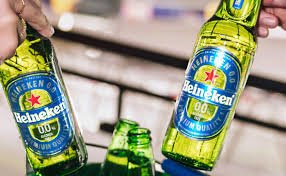
The Rise of Brewery Taprooms

The craft beer movement changed not only beer production but also how beer was consumed.

Taprooms became central to brewery business models.


Direct Consumer Relationships

Taprooms allowed breweries to:

  • Sell directly to customers
  • Gather feedback
  • Build brand loyalty

Consumers gained opportunities to interact with brewers and learn about the brewing process.


Community Spaces

Many taprooms evolved into social hubs.

They hosted:

  • Live music
  • Food trucks
  • Community events
  • Charity fundraisers

Breweries often became important contributors to local cultural life.

Economic Impact of Craft Brewing

The craft beer sector has generated substantial economic benefits.


Job Creation

Craft breweries create employment in areas such as:

  • Brewing
  • Sales
  • Marketing
  • Hospitality
  • Distribution

Indirect employment extends to suppliers and service providers.


Agricultural Support

Craft brewing increases demand for:

  • Barley
  • Hops
  • Wheat
  • Specialty ingredients

Some breweries partner directly with local farmers.


Tourism Development

Beer tourism has become a significant economic activity.

Travelers visit breweries, beer festivals, and brewing regions.

Popular destinations include:

  • Portland
  • Denver
  • Brussels
  • Munich
  • Prague

Tourism spending benefits hotels, restaurants, and local businesses.


Urban Revitalization

Many breweries occupy formerly vacant industrial buildings.

These projects often contribute to:

  • Neighborhood redevelopment
  • Increased foot traffic
  • Property investment

Craft breweries frequently play a role in urban renewal efforts.


The Global Expansion of Craft Beer

Although the movement gained momentum in the United States, it quickly spread worldwide.


Europe

European craft breweries combined local traditions with modern innovation.

Countries experiencing significant craft growth include:

  • United Kingdom
  • Italy
  • Sweden
  • Spain
  • France

Asia

Craft brewing has expanded rapidly throughout Asia.

Important markets include:

  • Japan
  • South Korea
  • China
  • Singapore
  • Thailand

Asian brewers often incorporate local ingredients and culinary influences.


Latin America

Countries such as:

  • Brazil
  • Argentina
  • Mexico
  • Chile

Have developed vibrant craft beer communities.


Africa

Craft brewing remains relatively young in many African markets but continues to grow.

Urban consumers increasingly seek premium and locally produced beverages.


Beer Festivals and Craft Beer Culture

Beer festivals became important drivers of craft beer awareness.

These events allow consumers to sample numerous beers in a single setting.

Popular festivals include:

  • Great American Beer Festival
  • European Beer Star events
  • Various regional beer festivals

Benefits include:

  • Consumer education
  • Industry networking
  • Brand exposure

Festivals helped transform beer appreciation into a cultural movement.


Social Media and Craft Beer

Digital technology accelerated craft beer growth.

Social media platforms enabled breweries to:

  • Communicate directly with consumers
  • Announce new releases
  • Build online communities

Beer enthusiasts shared:

  • Reviews
  • Photos
  • Recommendations

This digital engagement increased consumer awareness and enthusiasm.


Challenges Facing Craft Breweries

Despite their success, craft breweries face significant challenges.


Market Saturation

In some regions, brewery growth has created intense competition.

Consumers now have more choices than ever.

Standing out requires:

  • Innovation
  • Strong branding
  • Consistent quality

Distribution Difficulties

Small breweries often struggle to secure shelf space and distribution agreements.

Large competitors frequently possess significant advantages.


Rising Costs

Breweries face increasing expenses related to:

  • Ingredients
  • Labor
  • Packaging
  • Transportation
  • Energy

Cost pressures can reduce profitability.


Regulatory Complexity

Alcohol regulations vary widely across jurisdictions.

Compliance requirements can be costly and time-consuming.


Sustainability and Craft Brewing

Environmental responsibility has become increasingly important.

Many craft breweries pursue sustainability initiatives.


Water Conservation

Breweries invest in:

  • Efficient equipment
  • Water recycling
  • Waste reduction

Renewable Energy

Some breweries utilize:

  • Solar panels
  • Wind power
  • Biogas systems

Sustainable Packaging

Efforts include:

  • Lightweight cans
  • Recyclable materials
  • Reduced packaging waste

Sustainability often aligns with consumer expectations and long-term business goals.


The Influence of Craft Beer on Large Breweries

The craft movement has influenced the entire beer industry.

Large breweries have responded by:

  • Expanding product portfolios
  • Introducing specialty brands
  • Increasing innovation

Some corporations acquired successful craft breweries.

Others launched products inspired by craft beer trends.

Even consumers who primarily purchase mainstream beer have benefited from greater variety and improved quality.


Craft Beer and Food Culture

Craft beer has become closely connected to modern culinary culture.

Restaurants increasingly offer extensive beer selections.

Beer pairing has gained popularity.

Examples include:

IPA

Pairs well with:

  • Spicy cuisine
  • Grilled meats

Stout

Complements:

  • Chocolate desserts
  • Roasted foods

Saison

Works well with:

  • Seafood
  • Fresh vegetables

Beer’s role in gastronomy continues to expand.


Emerging Trends in Craft Brewing

The craft beer landscape continues evolving.

Key trends include:


Non-Alcoholic Craft Beer

Improved brewing technology has enhanced flavor quality.

Demand continues to rise.


Low-Calorie Options

Health-conscious consumers increasingly seek lighter products.


Local Ingredient Sourcing

Breweries emphasize regional identity through local ingredients.


Experimental Fermentation

Brewers explore:

  • Wild yeast strains
  • Mixed cultures
  • Alternative fermentation techniques

Collaborative Brewing

Breweries frequently collaborate on special releases.

These partnerships encourage creativity and community engagement.


The Future of Craft Beer

The future of craft brewing will likely combine innovation with tradition.

Successful breweries may focus on:

  • Quality
  • Sustainability
  • Community involvement
  • Consumer education

Technology will continue improving production efficiency, while consumer demand for authenticity and local identity remains strong.

Although market conditions will evolve, the values that inspired the craft beer movement—creativity, independence, and passion for brewing—are likely to endure.


Conclusion

The craft beer revolution represents one of the most significant developments in the history of brewing. What began as a response to industry consolidation evolved into a global movement that transformed how beer is produced, marketed, consumed, and appreciated.

Craft brewers reintroduced diversity to the beer marketplace, revived historic styles, pioneered innovative brewing techniques, and strengthened connections between producers and consumers. Their influence extends beyond beer itself, contributing to local economies, tourism, culinary culture, and community development.

Today, the craft beer movement continues to evolve, facing new opportunities and challenges in an increasingly competitive marketplace. Yet its core achievements remain undeniable. By demonstrating that consumers value flavor, authenticity, and creativity, craft brewers reshaped the global beer industry and expanded the possibilities of what beer can be.

The story of craft beer is ultimately a story of innovation, entrepreneurship, and cultural renewal—a reminder that even one of humanity’s oldest beverages can continue to inspire new ideas and experiences in the modern world.
Tags: beer
ShareTweetShare

Related Posts

Beer: The World’s Oldest and Most Influential Beverage
Beer

Beer Styles of the World: A Complete Guide to Lager, Ale, Stout, IPA, and Beyond

June 3, 2026
Beer: The World’s Oldest and Most Influential Beverage
Beer

The Global Beer Industry: Markets, Brands, and Economic Impact

June 3, 2026
Beer: The World’s Oldest and Most Influential Beverage
Beer

The Science of Beer: Ingredients, Fermentation, and Flavor

June 3, 2026
Beer: The World’s Oldest and Most Influential Beverage
Beer

Beer: The World’s Oldest and Most Influential Beverage

June 3, 2026
Beer as a Cultural and Social Force: From Ancient Brew to Modern Identity
Beer

Women in Brewing: The Untold History and Modern Transformation of Beer Culture

May 23, 2026
The Global Craft Beer Revolution: How Independent Brewers Changed Modern Drinking Culture
Beer

Beer Tourism: Exploring the World Through Breweries and Drinking Traditions

May 23, 2026
Leave Comment
  • Trending
  • Comments
  • Latest
Role of Terroir in Champagne Production

Role of Terroir in Champagne Production

January 19, 2026
Champagne Can Be Aged in Wood?

Champagne Can Be Aged in Wood?

January 18, 2026
Is Organic Wine Healthier Than Conventional Wine?

Is Organic Wine Healthier Than Conventional Wine?

January 20, 2026
Why Do Some Champagnes Use a High Proportion of Pinot Meunier?

Why Do Some Champagnes Use a High Proportion of Pinot Meunier?

January 20, 2026
The Timeless Elegance of Wine: A Journey Through History and Culture

The Timeless Elegance of Wine: A Journey Through History and Culture

Why Is Château Lafite Rothschild the Pinnacle of Fine Wine?

Why Is Château Lafite Rothschild the Pinnacle of Fine Wine?

How Did Château Lafite Rothschild Become a Global Icon of Luxury?

How Did Château Lafite Rothschild Become a Global Icon of Luxury?

What Makes Chateau Lafite Rothschild the Pinnacle of Bordeaux Wines?

What Makes Chateau Lafite Rothschild the Pinnacle of Bordeaux Wines?

The History, Culture, and Global Influence of Humanity’s Most Celebrated Beverage

The Wine Revolution: How Modern Winemaking Transformed a Global Industry

June 3, 2026
The History, Culture, and Global Influence of Humanity’s Most Celebrated Beverage

Wine Styles of the World: A Complete Guide to Red, White, Rosé, Sparkling, and Fortified Wines

June 3, 2026
The History, Culture, and Global Influence of Humanity’s Most Celebrated Beverage

The Global Wine Industry: Markets, Trade, Tourism, and Economic Impact

June 3, 2026
The History, Culture, and Global Influence of Humanity’s Most Celebrated Beverage

The Science of Wine: Grapes, Fermentation, and Flavor Development

June 3, 2026
SipsavorLife

Welcome to our comprehensive beverage guide, where you can explore the fascinating world of alcoholic drinks. From exquisite wines and rich whiskeys to refreshing beers and sparkling champagnes, we provide insights, tips, and recommendations for enthusiasts and casual drinkers alike. Discover your next favorite libation with us!

© 2025 sipsavorlife.com. contacts:sipsavorlife-35376@gmail.com

No Result
View All Result
  • Home
  • Wine
  • Whiskey
  • Beer
  • Grain Spirits
  • Champagne
  • ALL

© 2025 sipsavorlife.com. contacts:sipsavorlife-35376@gmail.com

Welcome Back!

Login to your account below

Forgotten Password?

Retrieve your password

Please enter your username or email address to reset your password.

Log In