













SipsavorLife
  • Home
  • Wine
    The History, Culture, and Global Influence of Humanity’s Most Celebrated Beverage

    The Wine Revolution: How Modern Winemaking Transformed a Global Industry

    The History, Culture, and Global Influence of Humanity’s Most Celebrated Beverage

    Wine Styles of the World: A Complete Guide to Red, White, Rosé, Sparkling, and Fortified Wines

    The History, Culture, and Global Influence of Humanity’s Most Celebrated Beverage

    The Global Wine Industry: Markets, Trade, Tourism, and Economic Impact

    The History, Culture, and Global Influence of Humanity’s Most Celebrated Beverage

    The Science of Wine: Grapes, Fermentation, and Flavor Development

    The History, Culture, and Global Influence of Humanity’s Most Celebrated Beverage

    The History, Culture, and Global Influence of Humanity’s Most Celebrated Beverage

    The Cultural History of Wine: From Ancient Rituals to Modern Luxury

    The Psychology of Wine: Why Humans Associate Wine with Emotion, Memory, and Identity

  • Whiskey
    Can Beer Be an Effective Ingredient in Culinary Cooking?

    Can Beer Be an Effective Ingredient in Culinary Cooking?

    Second Fermentation in Champagne: Is It Really That Crucial?

    Second Fermentation in Champagne: Is It Really That Crucial?

    How Do Different Grains Impact the Flavor Profile of Distilled Spirits?

    How Do Different Grains Impact the Flavor Profile of Distilled Spirits?

    How Do Whiskey Master Blenders Create Perfection?

    How Do Whiskey Master Blenders Create Perfection?

    Wine Pairings: Can They Change the Flavor Profile of a Dish?

    Wine Pairings: Can They Change the Flavor Profile of a Dish?

    Beer the Ultimate Beverage for Pairing with Spicy Food?

    Beer the Ultimate Beverage for Pairing with Spicy Food?

  • Beer
    Malt Beer: Why Does Its Sweet Malty Aroma Always Bring Endless Satisfaction?

    The Craft Beer Revolution: How Independent Breweries Changed the World of Beer

    Beer: The World’s Oldest and Most Influential Beverage

    Beer Styles of the World: A Complete Guide to Lager, Ale, Stout, IPA, and Beyond

    Beer: The World’s Oldest and Most Influential Beverage

    The Global Beer Industry: Markets, Brands, and Economic Impact

    Beer: The World’s Oldest and Most Influential Beverage

    The Science of Beer: Ingredients, Fermentation, and Flavor

    Beer: The World’s Oldest and Most Influential Beverage

    Beer: The World’s Oldest and Most Influential Beverage

    Beer as a Cultural and Social Force: From Ancient Brew to Modern Identity

    Women in Brewing: The Untold History and Modern Transformation of Beer Culture

  • Grain Spirits
    Grain Spirits: The Origins, Science, and Global Evolution of Distilled Grain Alcohol

    Bourbon: America’s Native Grain Spirit and the Global Story of Corn, Oak, Fire, and Time

    Grain Spirits: The Origins, Science, and Global Evolution of Distilled Grain Alcohol

    Gin: Botanicals, History, Cocktail Culture, and the Artistic Evolution of the World’s Most Aromatic Grain Spirit

    Grain Spirits: The Origins, Science, and Global Evolution of Distilled Grain Alcohol

    Vodka: The Global Rise of the World’s Most Versatile Grain Spirit

    Grain Spirits: The Origins, Science, and Global Evolution of Distilled Grain Alcohol

    Whiskey and the Soul of Grain Spirits: History, Craftsmanship, Culture, and the Global Rise of the World’s Most Iconic Distilled Grain Beverage

    Grain Spirits: The Origins, Science, and Global Evolution of Distilled Grain Alcohol

    Grain Spirits: The Origins, Science, and Global Evolution of Distilled Grain Alcohol

    Grain Spirits Explained — The Foundation of Global Distillation

    The Future of Grain Spirits — Technology, Sustainability, and the Next Era of Distillation

  • Champagne
    Champagne: The Sparkling Wine That Changed Global Celebration Culture

    Dom Pérignon, Cristal, Krug, and Beyond: The World’s Most Famous Champagne Houses and Their Legacy

    Champagne Beyond Celebration: The History, Craftsmanship, and Global Influence of the World’s Most Iconic Sparkling Wine

    The Future of Champagne: Climate Change, Innovation, Sustainability, and the Next Era of Sparkling Wine

    Champagne Beyond Celebration: The History, Craftsmanship, and Global Influence of the World’s Most Iconic Sparkling Wine

    Champagne and Luxury Culture: How Sparkling Wine Became a Global Symbol of Wealth, Celebration, and Prestige

    Champagne Beyond Celebration: The History, Craftsmanship, and Global Influence of the World’s Most Iconic Sparkling Wine

    The Art of Champagne Production: Inside the Science, Skill, and Tradition Behind Every Bottle

    Champagne Beyond Celebration: The History, Craftsmanship, and Global Influence of the World’s Most Iconic Sparkling Wine

    Champagne Beyond Celebration: The History, Craftsmanship, and Global Influence of the World’s Most Iconic Sparkling Wine

    Champagne: The Sparkling Wine That Changed Global Celebration Culture

    Champagne vs Prosecco vs Cava: How the World’s Sparkling Wines Reflect Culture, Geography, and Taste

  • ALL
    Can Beer Be an Effective Ingredient in Culinary Cooking?

    Can Beer Be an Effective Ingredient in Culinary Cooking?

    Second Fermentation in Champagne: Is It Really That Crucial?

    Second Fermentation in Champagne: Is It Really That Crucial?

    How Do Different Grains Impact the Flavor Profile of Distilled Spirits?

    How Do Different Grains Impact the Flavor Profile of Distilled Spirits?

    How Do Whiskey Master Blenders Create Perfection?

    How Do Whiskey Master Blenders Create Perfection?

    Wine Pairings: Can They Change the Flavor Profile of a Dish?

    Wine Pairings: Can They Change the Flavor Profile of a Dish?

    Beer the Ultimate Beverage for Pairing with Spicy Food?

    Beer the Ultimate Beverage for Pairing with Spicy Food?

SipsavorLife
  • Home
  • Wine
    The History, Culture, and Global Influence of Humanity’s Most Celebrated Beverage

    The Wine Revolution: How Modern Winemaking Transformed a Global Industry

    The History, Culture, and Global Influence of Humanity’s Most Celebrated Beverage

    Wine Styles of the World: A Complete Guide to Red, White, Rosé, Sparkling, and Fortified Wines

    The History, Culture, and Global Influence of Humanity’s Most Celebrated Beverage

    The Global Wine Industry: Markets, Trade, Tourism, and Economic Impact

    The History, Culture, and Global Influence of Humanity’s Most Celebrated Beverage

    The Science of Wine: Grapes, Fermentation, and Flavor Development

    The History, Culture, and Global Influence of Humanity’s Most Celebrated Beverage

    The History, Culture, and Global Influence of Humanity’s Most Celebrated Beverage

    The Cultural History of Wine: From Ancient Rituals to Modern Luxury

    The Psychology of Wine: Why Humans Associate Wine with Emotion, Memory, and Identity

  • Whiskey
    Can Beer Be an Effective Ingredient in Culinary Cooking?

    Can Beer Be an Effective Ingredient in Culinary Cooking?

    Second Fermentation in Champagne: Is It Really That Crucial?

    Second Fermentation in Champagne: Is It Really That Crucial?

    How Do Different Grains Impact the Flavor Profile of Distilled Spirits?

    How Do Different Grains Impact the Flavor Profile of Distilled Spirits?

    How Do Whiskey Master Blenders Create Perfection?

    How Do Whiskey Master Blenders Create Perfection?

    Wine Pairings: Can They Change the Flavor Profile of a Dish?

    Wine Pairings: Can They Change the Flavor Profile of a Dish?

    Beer the Ultimate Beverage for Pairing with Spicy Food?

    Beer the Ultimate Beverage for Pairing with Spicy Food?

  • Beer
    Malt Beer: Why Does Its Sweet Malty Aroma Always Bring Endless Satisfaction?

    The Craft Beer Revolution: How Independent Breweries Changed the World of Beer

    Beer: The World’s Oldest and Most Influential Beverage

    Beer Styles of the World: A Complete Guide to Lager, Ale, Stout, IPA, and Beyond

    Beer: The World’s Oldest and Most Influential Beverage

    The Global Beer Industry: Markets, Brands, and Economic Impact

    Beer: The World’s Oldest and Most Influential Beverage

    The Science of Beer: Ingredients, Fermentation, and Flavor

    Beer: The World’s Oldest and Most Influential Beverage

    Beer: The World’s Oldest and Most Influential Beverage

    Beer as a Cultural and Social Force: From Ancient Brew to Modern Identity

    Women in Brewing: The Untold History and Modern Transformation of Beer Culture

  • Grain Spirits
    Grain Spirits: The Origins, Science, and Global Evolution of Distilled Grain Alcohol

    Bourbon: America’s Native Grain Spirit and the Global Story of Corn, Oak, Fire, and Time

    Grain Spirits: The Origins, Science, and Global Evolution of Distilled Grain Alcohol

    Gin: Botanicals, History, Cocktail Culture, and the Artistic Evolution of the World’s Most Aromatic Grain Spirit

    Grain Spirits: The Origins, Science, and Global Evolution of Distilled Grain Alcohol

    Vodka: The Global Rise of the World’s Most Versatile Grain Spirit

    Grain Spirits: The Origins, Science, and Global Evolution of Distilled Grain Alcohol

    Whiskey and the Soul of Grain Spirits: History, Craftsmanship, Culture, and the Global Rise of the World’s Most Iconic Distilled Grain Beverage

    Grain Spirits: The Origins, Science, and Global Evolution of Distilled Grain Alcohol

    Grain Spirits: The Origins, Science, and Global Evolution of Distilled Grain Alcohol

    Grain Spirits Explained — The Foundation of Global Distillation

    The Future of Grain Spirits — Technology, Sustainability, and the Next Era of Distillation

  • Champagne
    Champagne: The Sparkling Wine That Changed Global Celebration Culture

    Dom Pérignon, Cristal, Krug, and Beyond: The World’s Most Famous Champagne Houses and Their Legacy

    Champagne Beyond Celebration: The History, Craftsmanship, and Global Influence of the World’s Most Iconic Sparkling Wine

    The Future of Champagne: Climate Change, Innovation, Sustainability, and the Next Era of Sparkling Wine

    Champagne Beyond Celebration: The History, Craftsmanship, and Global Influence of the World’s Most Iconic Sparkling Wine

    Champagne and Luxury Culture: How Sparkling Wine Became a Global Symbol of Wealth, Celebration, and Prestige

    Champagne Beyond Celebration: The History, Craftsmanship, and Global Influence of the World’s Most Iconic Sparkling Wine

    The Art of Champagne Production: Inside the Science, Skill, and Tradition Behind Every Bottle

    Champagne Beyond Celebration: The History, Craftsmanship, and Global Influence of the World’s Most Iconic Sparkling Wine

    Champagne Beyond Celebration: The History, Craftsmanship, and Global Influence of the World’s Most Iconic Sparkling Wine

    Champagne: The Sparkling Wine That Changed Global Celebration Culture

    Champagne vs Prosecco vs Cava: How the World’s Sparkling Wines Reflect Culture, Geography, and Taste

  • ALL
    Can Beer Be an Effective Ingredient in Culinary Cooking?

    Can Beer Be an Effective Ingredient in Culinary Cooking?

    Second Fermentation in Champagne: Is It Really That Crucial?

    Second Fermentation in Champagne: Is It Really That Crucial?

    How Do Different Grains Impact the Flavor Profile of Distilled Spirits?

    How Do Different Grains Impact the Flavor Profile of Distilled Spirits?

    How Do Whiskey Master Blenders Create Perfection?

    How Do Whiskey Master Blenders Create Perfection?

    Wine Pairings: Can They Change the Flavor Profile of a Dish?

    Wine Pairings: Can They Change the Flavor Profile of a Dish?

    Beer the Ultimate Beverage for Pairing with Spicy Food?

    Beer the Ultimate Beverage for Pairing with Spicy Food?

SipsavorLife
No Result
View All Result
Home Beer

Beer Styles of the World: A Complete Guide to Lager, Ale, Stout, IPA, and Beyond

June 3, 2026
in Beer
Beer: The World’s Oldest and Most Influential Beverage

Introduction

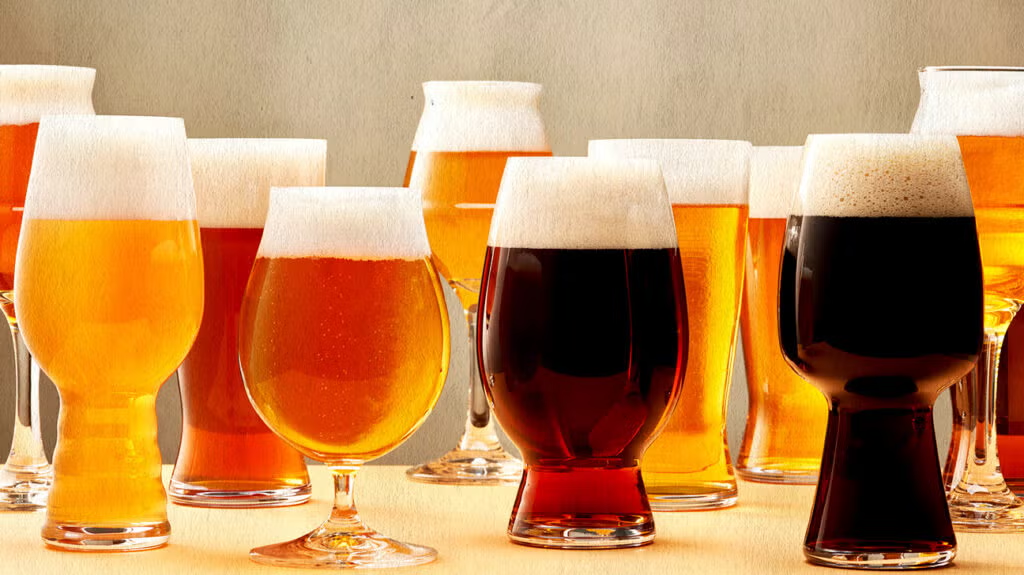
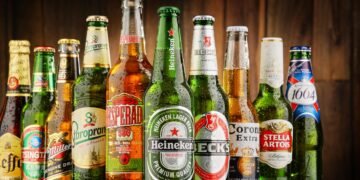
One of the most remarkable aspects of beer is its incredible diversity. Unlike many beverages that follow relatively narrow production methods, beer can vary dramatically in color, aroma, flavor, alcohol content, body, bitterness, carbonation, and appearance. A single visit to a well-stocked beer store may reveal hundreds of different products, each representing unique brewing traditions, ingredients, and techniques.

From the pale golden lagers of Central Europe to the dark stouts of Ireland, from the fruity Belgian ales to the intensely hopped India Pale Ales (IPAs) of the United States, beer styles reflect centuries of cultural development and brewing innovation. Each style tells a story about the region where it originated, the ingredients available to local brewers, and the preferences of consumers over time.

Understanding beer styles enhances appreciation of beer as both an agricultural product and a cultural artifact. Whether someone is new to beer or an experienced enthusiast, learning about different styles provides a deeper understanding of the world’s brewing heritage.

This article explores the major beer styles of the world, examining their origins, characteristics, brewing methods, and cultural significance.


Understanding Beer Styles

A beer style is a category that defines a beer’s typical characteristics.

These characteristics may include:

  • Color
  • Aroma
  • Flavor
  • Alcohol content
  • Bitterness
  • Body
  • Carbonation
  • Ingredients
  • Brewing techniques

Beer styles help consumers understand what to expect from a particular beer.

For example:

A pilsner is generally expected to be:

  • Pale in color
  • Crisp and refreshing
  • Moderately bitter
  • Highly carbonated

By contrast, a stout is typically:

  • Dark in appearance
  • Rich and roasted
  • Full-bodied
  • Lower in carbonation

Beer styles continue to evolve as brewers experiment with new ingredients and techniques.


The Two Major Beer Families

Nearly all beer styles belong to one of two primary categories:

Ales

Produced using top-fermenting yeast.

Characteristics include:

  • Warmer fermentation temperatures
  • Fruity aromas
  • Complex flavors
  • Diverse style variations

Lagers

Produced using bottom-fermenting yeast.

Characteristics include:

  • Cooler fermentation temperatures
  • Clean flavor profiles
  • Smooth finishes
  • High drinkability

Understanding these two families provides the foundation for exploring beer styles.


Lager: The World’s Most Popular Beer Family

Lager is the dominant beer category globally.

Most commercially produced beer belongs to this family.

The word “lager” comes from the German word meaning “to store,” reflecting the traditional practice of cold aging.


Pilsner

Origins

Pilsner originated in the Czech city of Plzeň (Pilsen) in 1842.

The creation of Pilsner Urquell revolutionized brewing worldwide.

Characteristics

Typical features include:

  • Pale golden color
  • Crisp finish
  • Floral hop aroma
  • Moderate bitterness
  • High carbonation

Flavor Profile

Common tasting notes:

  • Fresh bread
  • Herbal hops
  • Mild spice
  • Clean malt sweetness

Global Influence

Pilsner became one of the most copied beer styles in history.

Many modern lagers trace their roots to this style.


Helles

Origins

Helles emerged in Munich, Germany.

The style was developed partly in response to the growing popularity of pilsners.

Characteristics

Helles beers are:

  • Light gold in color
  • Malt-forward
  • Smooth and balanced
  • Less bitter than pilsners

Flavor Notes

Common characteristics include:

  • Fresh bread
  • Honey
  • Crackers
  • Gentle floral hops

Helles emphasizes drinkability and balance.


Dunkel

Origins

Dunkel is a traditional German dark lager.

The word “dunkel” means “dark.”

Appearance

Colors range from:

  • Deep amber
  • Brown
  • Dark copper

Flavor Profile

Typical flavors include:

  • Toasted bread
  • Caramel
  • Nuts
  • Mild chocolate

Unlike stouts, dunkels rarely display strong roasted bitterness.


Märzen

Historical Background

Märzen was traditionally brewed in March and stored during the summer.

It became closely associated with Oktoberfest celebrations.

Characteristics

Features include:

  • Amber color
  • Medium body
  • Rich malt character
  • Smooth finish

Flavor

Common notes include:

  • Toast
  • Bread crust
  • Caramel
  • Biscuit

Bock

Origins

Bock originated in Germany.

It is generally stronger than many other lager styles.

Characteristics

Bock beers often feature:

  • Higher alcohol content
  • Rich malt flavors
  • Minimal hop bitterness

Flavor Notes

Typical flavors include:

  • Toffee
  • Bread
  • Raisins
  • Caramel

Several variations exist, including:

  • Doppelbock
  • Eisbock
  • Maibock

Ale: The Ancient Beer Family

Ale predates lager by many centuries.

The category encompasses a vast range of styles and traditions.

Ale fermentation typically occurs at warmer temperatures, producing greater flavor complexity.


Pale Ale

Origins

Pale ale developed in England during the eighteenth century.

Improved malting technology enabled brewers to produce lighter-colored beers.

Characteristics

Pale ales generally feature:

  • Amber or golden color
  • Balanced bitterness
  • Moderate alcohol levels

Flavor Profile

Common flavors include:

  • Biscuit
  • Citrus
  • Floral hops
  • Light caramel

Pale ale remains one of the most influential beer styles worldwide.


India Pale Ale (IPA)

Historical Origins

IPA originated during the British colonial era.

Brewers increased hop content to improve beer stability during long voyages to India.

Modern Popularity

Today, IPA is among the world’s most popular craft beer styles.


American IPA

Characteristics include:

  • Strong hop aroma
  • Significant bitterness
  • Citrus flavors
  • Pine notes

Popular flavor descriptors include:

  • Grapefruit
  • Orange
  • Pine needles
  • Tropical fruit

New England IPA

Also called hazy IPA.

Characteristics include:

  • Cloudy appearance
  • Low bitterness
  • Juicy flavor
  • Soft mouthfeel

Common tasting notes:

  • Mango
  • Pineapple
  • Peach
  • Passion fruit

Double IPA

Features include:

  • Higher alcohol content
  • Intense hop character
  • Strong aroma

Double IPAs often exceed 8% alcohol by volume.


Bitter

British Tradition

Bitter is one of England’s classic pub beers.

Despite the name, bitterness is usually moderate rather than overwhelming.

Characteristics

Bitters often display:

  • Copper color
  • Balanced flavor
  • Moderate carbonation
  • Excellent drinkability

Flavor Notes

Common flavors include:

  • Toasted bread
  • Nuts
  • Earthy hops
  • Caramel

Mild Ale

Historical Importance

Mild ale was once among Britain’s most popular beer styles.

Characteristics

Typically features:

  • Lower alcohol content
  • Dark color
  • Gentle flavor

Flavor Profile

Common notes include:

  • Chocolate
  • Toast
  • Toffee
  • Nuts

Mild ale emphasizes balance rather than intensity.


Porter

Origins

Porter originated in eighteenth-century London.

It became especially popular among working-class consumers.

Appearance

Typically dark brown to black.

Flavor Characteristics

Porters often feature:

  • Chocolate
  • Coffee
  • Caramel
  • Toast

Porter laid the foundation for the development of stout.


Stout

Historical Development

Originally, stout referred to a stronger version of porter.

Eventually, stout became its own distinct category.

Appearance

Usually:

  • Very dark
  • Black
  • Opaque

Dry Stout

The most famous example is Irish stout.

Characteristics include:

  • Roasted barley
  • Coffee flavors
  • Dry finish
  • Moderate body

Oatmeal Stout

Oats contribute:

  • Smooth texture
  • Creamy mouthfeel
  • Rich body

Imperial Stout

Originally brewed for export to Russia.

Characteristics include:

  • High alcohol content
  • Intense flavor
  • Rich complexity

Flavor notes may include:

  • Dark chocolate
  • Espresso
  • Molasses
  • Dried fruit

Wheat Beer Styles

Wheat beers use substantial amounts of wheat alongside barley.

These beers are often refreshing and aromatic.


German Hefeweizen

Characteristics

Features include:

  • Cloudy appearance
  • High carbonation
  • Fruity aroma

Flavor Profile

Typical notes include:

  • Banana
  • Clove
  • Vanilla

These flavors originate primarily from yeast.


Belgian Witbier

Ingredients

Often brewed with:

  • Wheat
  • Coriander
  • Orange peel

Flavor Characteristics

Common notes:

  • Citrus
  • Spice
  • Bread
  • Herbs

Witbier is highly refreshing and popular during warm weather.


Belgian Beer Styles

Belgium possesses one of the world’s richest brewing traditions.

Belgian brewers often prioritize complexity and creativity.


Saison

Origins

Originally brewed for farm workers.

Characteristics

Features include:

  • Dry finish
  • Fruity esters
  • Peppery spice

Flavor Notes

Common descriptors include:

  • Lemon
  • Pepper
  • Herbs
  • Earthiness

Dubbel

Typically:

  • Dark amber
  • Malty
  • Complex

Flavor notes include:

  • Raisins
  • Caramel
  • Brown sugar

Tripel

Characteristics:

  • Golden color
  • Strong alcohol content
  • Dry finish

Flavor profile:

  • Pear
  • Spice
  • Honey
  • Floral notes

Quadrupel

Among the strongest Belgian styles.

Features include:

  • Rich body
  • Dark fruit flavors
  • Significant complexity

Common tasting notes:

  • Plum
  • Fig
  • Molasses
  • Caramel

Sour Beer Styles

Sour beers represent one of brewing’s oldest traditions.

Unlike conventional beers, they intentionally incorporate acidic flavors.


Lambic

Unique Fermentation

Lambics undergo spontaneous fermentation.

Wild yeast from the environment initiates fermentation.

Characteristics

Features include:

  • Funky aromas
  • Tart flavor
  • Complex acidity

Gueuze

Produced by blending young and old lambics.

Characteristics include:

  • Champagne-like carbonation
  • Sharp acidity
  • Exceptional complexity

Fruit Lambic

Common fruits include:

  • Cherry
  • Raspberry
  • Peach

Fruit additions complement natural sourness.


Barrel-Aged Beers

Barrel aging has become increasingly popular.

Brewers age beer in barrels previously used for:

  • Whiskey
  • Bourbon
  • Wine
  • Rum

Flavor Contributions

Barrels may add:

  • Vanilla
  • Oak
  • Coconut
  • Caramel
  • Spice

Aging can dramatically enhance complexity.


Smoked Beer

Historical Roots

Before modern kilning methods, many malts naturally acquired smoke flavors.

Characteristics

Smoked beers display:

  • Wood smoke
  • Campfire notes
  • Bacon-like aromas

German Rauchbier is the best-known example.


Specialty and Experimental Styles

Modern craft brewers frequently push style boundaries.

Examples include:

Pastry Stouts

Inspired by desserts.

Ingredients may include:

  • Chocolate
  • Vanilla
  • Marshmallow

Milk Stouts

Contain lactose for sweetness and body.

Coffee Beers

Incorporate roasted coffee flavors.

Fruit Beers

Feature real fruit additions.

Hybrid Styles

Combine elements from multiple traditions.

These innovations continue expanding the beer landscape.


Understanding Beer Strength

Alcohol content varies significantly among styles.

Low-Alcohol Styles

Examples:

  • Mild Ale
  • Session IPA

Usually below 5% ABV.

Moderate Strength

Examples:

  • Pale Ale
  • Pilsner

Generally between 5–7% ABV.

Strong Styles

Examples:

  • Tripel
  • Double IPA
  • Imperial Stout

May exceed 10% ABV.


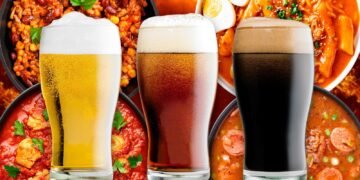
Beer and Food Pairing

Different styles complement different foods.

Pilsner

Pairs well with:

  • Seafood
  • Salads
  • Fried foods

IPA

Excellent with:

  • Spicy dishes
  • Burgers
  • Barbecue

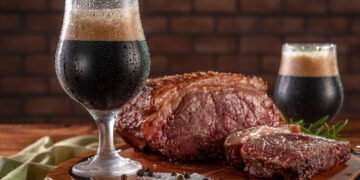
Stout

Complements:

  • Chocolate desserts
  • Oysters
  • Roasted meats

Wheat Beer

Pairs nicely with:

  • Chicken
  • Fish
  • Soft cheeses

Food pairing enhances both culinary and beer experiences.


The Future of Beer Styles

Beer styles continue evolving.

Emerging trends include:

  • Low-alcohol beer
  • Alcohol-free beer
  • Sustainable brewing
  • Novel ingredients
  • Hybrid styles

Brewers increasingly blend historical traditions with modern innovation.

As consumer preferences change, entirely new style categories may emerge.


Conclusion

The world of beer styles is extraordinarily diverse, reflecting thousands of years of brewing history, regional traditions, and creative experimentation. From crisp pilsners and smooth helles lagers to bold IPAs, rich stouts, complex Belgian ales, and tart sour beers, each style offers a unique sensory experience.

Understanding beer styles allows consumers to appreciate not only flavor differences but also the cultural and historical forces that shaped them. Every style represents a combination of local ingredients, brewing techniques, climate conditions, and consumer preferences developed over generations.

As brewing technology advances and brewers continue to innovate, the diversity of beer styles will likely expand even further. Yet whether one enjoys a centuries-old Belgian Trappist ale or a newly invented craft beer, every glass reflects the enduring creativity and craftsmanship that define the world of beer.
Tags: beer
ShareTweetShare

Related Posts

Malt Beer: Why Does Its Sweet Malty Aroma Always Bring Endless Satisfaction?
Beer

The Craft Beer Revolution: How Independent Breweries Changed the World of Beer

June 3, 2026
Beer: The World’s Oldest and Most Influential Beverage
Beer

The Global Beer Industry: Markets, Brands, and Economic Impact

June 3, 2026
Beer: The World’s Oldest and Most Influential Beverage
Beer

The Science of Beer: Ingredients, Fermentation, and Flavor

June 3, 2026
Beer: The World’s Oldest and Most Influential Beverage
Beer

Beer: The World’s Oldest and Most Influential Beverage

June 3, 2026
Beer as a Cultural and Social Force: From Ancient Brew to Modern Identity
Beer

Women in Brewing: The Untold History and Modern Transformation of Beer Culture

May 23, 2026
The Global Craft Beer Revolution: How Independent Brewers Changed Modern Drinking Culture
Beer

Beer Tourism: Exploring the World Through Breweries and Drinking Traditions

May 23, 2026
Leave Comment
  • Trending
  • Comments
  • Latest
Role of Terroir in Champagne Production

Role of Terroir in Champagne Production

January 19, 2026
Champagne Can Be Aged in Wood?

Champagne Can Be Aged in Wood?

January 18, 2026
Is Organic Wine Healthier Than Conventional Wine?

Is Organic Wine Healthier Than Conventional Wine?

January 20, 2026
Why Do Some Champagnes Use a High Proportion of Pinot Meunier?

Why Do Some Champagnes Use a High Proportion of Pinot Meunier?

January 20, 2026
The Timeless Elegance of Wine: A Journey Through History and Culture

The Timeless Elegance of Wine: A Journey Through History and Culture

Why Is Château Lafite Rothschild the Pinnacle of Fine Wine?

Why Is Château Lafite Rothschild the Pinnacle of Fine Wine?

How Did Château Lafite Rothschild Become a Global Icon of Luxury?

How Did Château Lafite Rothschild Become a Global Icon of Luxury?

What Makes Chateau Lafite Rothschild the Pinnacle of Bordeaux Wines?

What Makes Chateau Lafite Rothschild the Pinnacle of Bordeaux Wines?

The History, Culture, and Global Influence of Humanity’s Most Celebrated Beverage

The Wine Revolution: How Modern Winemaking Transformed a Global Industry

June 3, 2026
The History, Culture, and Global Influence of Humanity’s Most Celebrated Beverage

Wine Styles of the World: A Complete Guide to Red, White, Rosé, Sparkling, and Fortified Wines

June 3, 2026
The History, Culture, and Global Influence of Humanity’s Most Celebrated Beverage

The Global Wine Industry: Markets, Trade, Tourism, and Economic Impact

June 3, 2026
The History, Culture, and Global Influence of Humanity’s Most Celebrated Beverage

The Science of Wine: Grapes, Fermentation, and Flavor Development

June 3, 2026
SipsavorLife

Welcome to our comprehensive beverage guide, where you can explore the fascinating world of alcoholic drinks. From exquisite wines and rich whiskeys to refreshing beers and sparkling champagnes, we provide insights, tips, and recommendations for enthusiasts and casual drinkers alike. Discover your next favorite libation with us!

© 2025 sipsavorlife.com. contacts:sipsavorlife-35376@gmail.com

No Result
View All Result
  • Home
  • Wine
  • Whiskey
  • Beer
  • Grain Spirits
  • Champagne
  • ALL

© 2025 sipsavorlife.com. contacts:sipsavorlife-35376@gmail.com

Welcome Back!

Login to your account below

Forgotten Password?

Retrieve your password

Please enter your username or email address to reset your password.

Log In