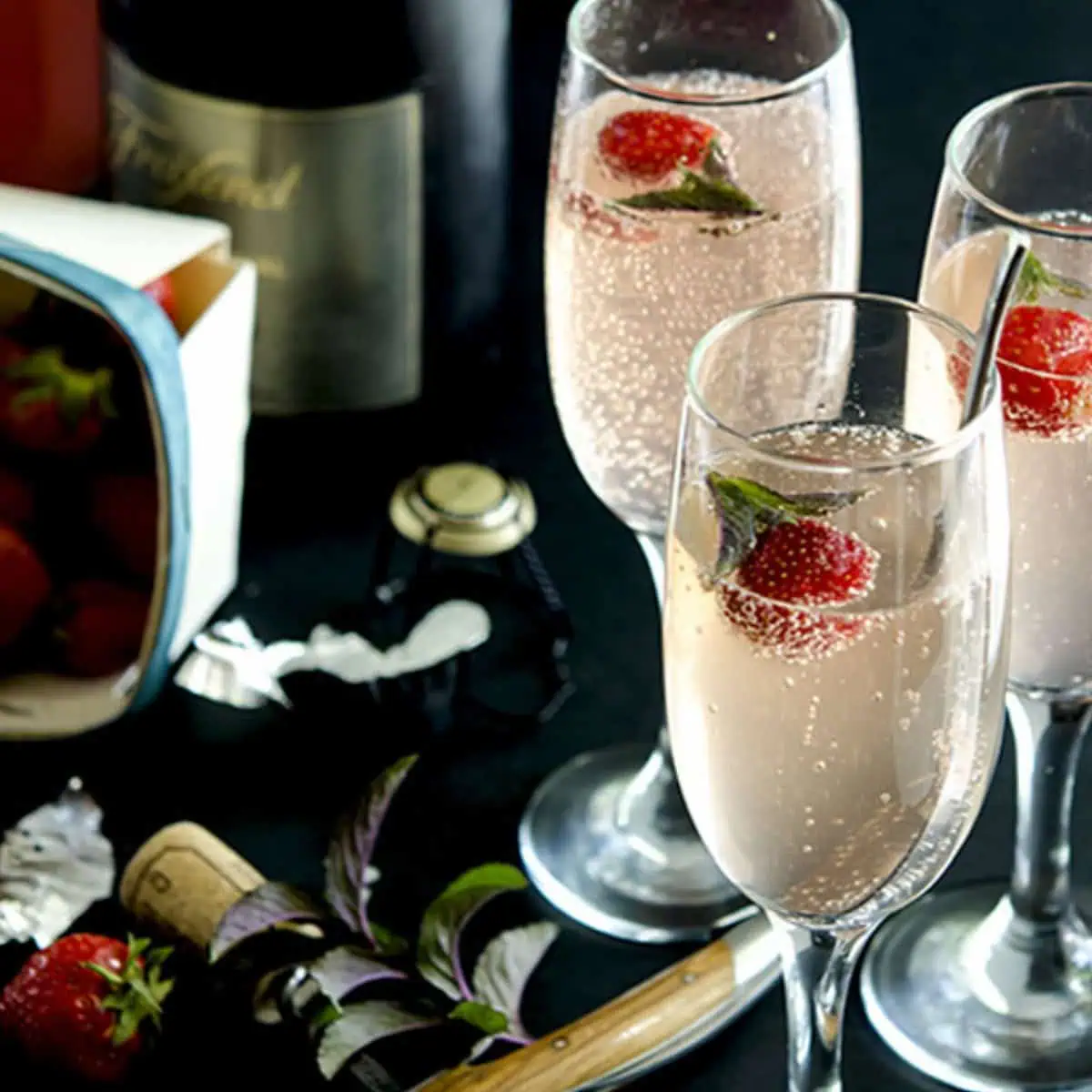
Few beverages carry the same symbolic weight as Champagne. Across cultures and generations, the sound of a cork popping has become synonymous with triumph, romance, luxury, and ceremony. Whether sprayed across Formula One podiums, poured into crystal flutes at weddings, or quietly shared between friends on New Year’s Eve, Champagne occupies a unique position in human culture. It is not simply a drink. It is an experience, a ritual, and a carefully protected expression of place.
Yet behind every bottle lies a remarkable story of geography, chemistry, agriculture, economics, and tradition. Champagne is not merely sparkling wine produced in France; it is the result of centuries of refinement in one of the world’s most distinctive wine regions. From the chalk-rich soils of northeastern France to the dim underground cellars where bottles mature for years, every step in Champagne production reflects extraordinary attention to detail.
This article explores the fascinating world of Champagne: its origins, the science behind its bubbles, the artistry of blending, the evolution of luxury branding, and its enduring impact on global culture.
The Origins of Champagne
The Champagne region is located about 90 miles northeast of Paris. Today it is celebrated worldwide, but historically it was not always associated with luxury. During the Middle Ages, the area primarily produced still wines, often competing unsuccessfully with the prestigious wines of Burgundy.
The cold climate of Champagne played a critical role in shaping its future. Winter temperatures frequently interrupted fermentation, causing yeast to become dormant before all sugar had converted into alcohol. When spring arrived and temperatures rose, fermentation restarted inside bottles, producing carbon dioxide gas. Because early winemakers did not fully understand fermentation chemistry, bottles often exploded under pressure. This phenomenon earned sparkling Champagne a dangerous reputation.
For centuries, winemakers attempted to prevent bubbles rather than encourage them.
The popular legend that Dom Pérignon “invented” Champagne is partly myth. Dom Pierre Pérignon, a Benedictine monk who worked at the Abbey of Hautvillers in the late seventeenth century, did make major contributions to wine quality. He improved vineyard management, blending techniques, and grape handling. However, he did not create sparkling wine intentionally. Instead, his work helped establish many of the foundational practices still used today.
The true rise of sparkling Champagne came through technological and scientific advances:
- Stronger English glass bottles reduced explosions.
- Improved cork closures retained carbonation.
- Better understanding of fermentation increased consistency.
- Expanding trade networks brought Champagne to royal courts.
By the eighteenth century, Champagne houses such as Ruinart, Moët, and Veuve Clicquot began transforming sparkling wine into a luxury product associated with aristocracy and celebration.
Geography and Terroir: Why Champagne Is Unique
Like many great wines, Champagne owes much of its character to terroir — the combination of soil, climate, topography, and local tradition.
The Champagne region experiences a cool continental climate with significant maritime influence. Grapes struggle to ripen fully compared with warmer wine regions. While this may seem disadvantageous, high acidity is essential for sparkling wine because it provides freshness, longevity, and balance.
Chalk Soils
One of Champagne’s greatest natural assets is its chalk-rich soil. Millions of years ago, the region lay beneath a shallow sea, leaving behind fossilized marine sediments. Chalk performs several important functions:
- Excellent drainage prevents waterlogging.
- Water retention helps vines survive dry periods.
- Reflective properties improve grape ripening.
- Mineral composition contributes to wine texture and elegance.
The region’s underground chalk cellars also provide ideal aging conditions with stable humidity and temperature.
Major Growing Areas
Champagne is divided into several important subregions:
Montagne de Reims
Known primarily for Pinot Noir, this area produces wines with structure and depth.
Vallée de la Marne
Famous for Pinot Meunier, which contributes fruitiness and approachability.
Côte des Blancs
Celebrated for Chardonnay, producing elegant and mineral-driven wines.
Côte des Bar
Located farther south, this region increasingly gains recognition for expressive Pinot Noir.
Each village and vineyard contributes distinct characteristics, making blending a central component of Champagne artistry.
The Three Main Grape Varieties
Although several grape varieties are legally permitted in Champagne production, three dominate the region.
Chardonnay
Chardonnay contributes:
- Citrus notes
- Floral aromas
- Minerality
- Longevity
- Precision
Blanc de Blancs Champagne is produced entirely from Chardonnay grapes and often displays elegance and freshness.
Pinot Noir
Pinot Noir adds:
- Structure
- Body
- Red fruit flavors
- Power
- Complexity
Despite being a red grape, careful pressing allows production of clear juice.
Pinot Meunier
Often underestimated historically, Pinot Meunier offers:
- Fruit-forward aromas
- Soft texture
- Early-drinking accessibility
- Adaptability to cooler conditions
Many modern producers increasingly value Pinot Meunier for its charm and balance.
The Méthode Champenoise
The defining feature of Champagne is its production method, officially known as the Méthode Champenoise or Traditional Method. This process is labor-intensive, time-consuming, and highly technical.
Step 1: Harvesting
Champagne grapes are harvested by hand to prevent damage and oxidation. Timing is crucial because acidity levels strongly influence final quality.
Step 2: Pressing
Gentle pressing extracts clear juice from grapes. Strict regulations limit extraction volumes to preserve finesse.
Step 3: Primary Fermentation
The juice ferments into still wine. At this stage, the wine contains no bubbles.
Step 4: Blending
Blending, known as assemblage, is one of Champagne’s greatest arts. Producers combine wines from:
- Different grape varieties
- Different vineyards
- Different years
This creates consistency and house style.
Step 5: Secondary Fermentation
A mixture of yeast and sugar called liqueur de tirage is added before bottling. Fermentation resumes inside the sealed bottle, producing carbon dioxide.
Because the gas cannot escape, bubbles dissolve into the wine.
Step 6: Aging on Lees
The wine ages with dead yeast cells, known as lees. This stage creates:
- Brioche aromas
- Toasted flavors
- Creamy texture
- Complexity
Non-vintage Champagne must age at least 15 months, while vintage Champagne requires at least three years. Many premium houses age wines far longer.
Step 7: Riddling
Bottles are gradually rotated and tilted to collect yeast sediment near the neck.
Historically this was done manually using wooden racks. Modern systems often use automated gyropalettes.
Step 8: Disgorgement
The neck is frozen and sediment removed under pressure.
Step 9: Dosage
A small amount of wine and sugar solution determines sweetness level:
- Brut Nature
- Extra Brut
- Brut
- Extra Dry
- Sec
- Demi-Sec
Brut remains the most popular style globally.
Vintage vs Non-Vintage Champagne
One of Champagne’s unique traditions is the importance of non-vintage production.
Non-Vintage Champagne
Most Champagne sold worldwide is non-vintage (NV). Producers blend multiple years together to maintain consistent house style regardless of vintage variation.
This consistency is a major hallmark of luxury branding.
Vintage Champagne
Vintage Champagne is produced only in exceptional years and uses grapes harvested from a single vintage.
These wines often display:
- Greater complexity
- Longer aging potential
- Stronger vintage character
- Higher prestige
Prestige cuvées such as Dom Pérignon, Cristal, and Krug Vintage belong to this category.
The Science of Bubbles
Champagne’s bubbles are not merely decorative. They significantly affect aroma, texture, and perception.
A typical bottle contains around:
- 49 million bubbles
- Pressure equal to approximately three car tires
- Carbon dioxide dissolved under high pressure
When poured, bubbles form at microscopic imperfections in the glass. Rising bubbles carry aromatic compounds upward, intensifying smell and flavor perception.
Bubble size matters as well:
- Smaller bubbles often indicate slower aging and higher quality.
- Persistent mousse contributes to creamy texture.
Serving temperature strongly influences carbonation behavior. Excessively cold Champagne suppresses aroma, while overly warm Champagne loses freshness.
Champagne Houses vs Grower Champagne
The Champagne industry traditionally revolved around large houses known as maisons.
Major Champagne Houses
Famous brands include:
- Moët & Chandon
- Veuve Clicquot
- Bollinger
- Krug
- Perrier-Jouët
- Louis Roederer
These houses purchase grapes from numerous growers and focus heavily on blending consistency.
Grower Champagne
In recent decades, grower Champagne has gained significant popularity.
Grower-producers cultivate their own vineyards and produce wines emphasizing terroir expression rather than consistent house style.
These wines often appeal to enthusiasts seeking individuality, authenticity, and agricultural transparency.
The Rise of Champagne as a Luxury Symbol
Champagne’s success cannot be separated from branding and social psychology.
Royal Associations
European royalty helped elevate Champagne’s reputation during the eighteenth and nineteenth centuries. French kings were crowned in Reims Cathedral, strengthening symbolic connections between Champagne and prestige.
Marketing Innovation
Champagne producers became pioneers in luxury marketing:
- Artistic labels
- Celebrity endorsements
- Elegant advertising
- International exports
Veuve Clicquot’s widow, Barbe-Nicole Ponsardin, revolutionized business strategy in the early nineteenth century by aggressively expanding exports across Europe and Russia.
Modern Luxury Culture
Today Champagne symbolizes:
- Achievement
- Sophistication
- Romance
- Wealth
- Celebration
Its cultural power extends beyond taste into emotion and aspiration.
Champagne in Popular Culture
Champagne appears constantly in music, cinema, sports, and fashion.
Sports Celebrations
The tradition of spraying Champagne on podiums began accidentally during the 1960s and soon became globally iconic.
Music and Celebrity Culture
Champagne references appear throughout:
- Hip-hop lyrics
- Hollywood films
- Luxury lifestyle branding
Prestige labels often become status symbols associated with exclusivity and nightlife.
Fashion and Art
Collaborations between Champagne houses and artists reinforce luxury identity. Limited-edition bottles and designer packaging transform wine into collectible cultural objects.
Food Pairing Beyond Caviar
Although Champagne is associated with luxury foods such as oysters and caviar, its versatility often surprises people.
Why Champagne Pairs Well With Food
High acidity and carbonation cleanse the palate, making Champagne compatible with many cuisines.
Excellent Pairings
Seafood
- Oysters
- Lobster
- Sushi
- Scallops
Fried Foods
Champagne pairs remarkably well with:
- Fried chicken
- Tempura
- French fries
The acidity balances richness beautifully.
Cheese
Soft cheeses such as Brie and triple cream cheeses complement Champagne’s texture.
Desserts
Sweeter styles pair with fruit tarts and pastries.
Climate Change and the Future of Champagne
Climate change presents both opportunities and risks for Champagne producers.
Rising Temperatures
Warmer growing seasons have:
- Increased ripeness
- Reduced acidity
- Altered harvest timing
Some recent vintages benefited from improved grape maturity, but long-term warming threatens the balance essential to Champagne style.
Sustainability Efforts
Many producers increasingly adopt:
- Organic farming
- Biodynamic practices
- Reduced chemical use
- Carbon footprint reduction
Environmental responsibility is becoming central to the region’s future identity.
Innovation vs Tradition
Champagne faces a delicate challenge:
- Preserving historical identity
- Adapting to environmental and economic change
Balancing innovation with tradition will shape the next century of Champagne production.
Champagne vs Other Sparkling Wines
Not all sparkling wine is Champagne.
Legally, only sparkling wine produced in the Champagne region under strict regulations may use the name “Champagne.”
Prosecco
Produced primarily in Italy using the Charmat method, Prosecco tends to emphasize fresh fruitiness and affordability.
Cava
Spanish Cava uses the traditional method and often delivers excellent value.
English Sparkling Wine
Climate similarities between southern England and Champagne have led to rising international recognition for English sparkling wine.
American Sparkling Wine
California producers increasingly create world-class sparkling wines using traditional methods.
Still, Champagne retains unmatched prestige due to its history, consistency, and cultural symbolism.
The Psychology of Celebration
Why do humans associate Champagne so strongly with celebration?
Part of the answer lies in sensory experience:
- The sound of the cork
- Visual sparkle
- Effervescence
- Ritualistic pouring
These elements stimulate emotional anticipation.
Champagne also carries social meaning. Opening a bottle often marks:
- Achievement
- Transition
- Hope
- Shared memory
The beverage transforms ordinary moments into symbolic events.
Anthropologists often note that rituals help societies reinforce collective identity. Champagne has become one of modern civilization’s most recognizable ritual beverages.
Investment and Collectibility
Rare Champagne increasingly functions as an investment asset.
Certain bottles appreciate significantly over time, especially:
- Limited vintages
- Prestige cuvées
- Large formats
- Historic releases
Auction houses regularly sell rare Champagne for thousands of dollars per bottle.
Collectors value:
- Provenance
- Storage conditions
- Vintage quality
- Producer reputation
The growing intersection between wine, luxury investment, and global wealth continues to elevate Champagne’s economic importance.
Women Who Changed Champagne
Women played essential roles in Champagne history, particularly widows who inherited businesses during eras when female entrepreneurship was rare.
Veuve Clicquot
Barbe-Nicole Clicquot transformed her husband’s company into an international powerhouse and helped develop riddling techniques.
Louise Pommery
Madame Pommery popularized Brut Champagne, which became the global standard.
Lily Bollinger
Lily Bollinger became one of Champagne’s most charismatic ambassadors during the twentieth century.
These women shaped both production methods and international marketing.
The Ritual of Serving Champagne
Serving Champagne correctly enhances enjoyment.
Temperature
Ideal serving temperature:
- Approximately 45–50°F (7–10°C)
Glassware
Traditional coupes are visually elegant but dissipate bubbles quickly.
Flutes preserve carbonation, while modern tulip-shaped glasses better capture aroma and complexity.
Opening Technique
Contrary to dramatic movie scenes, Champagne should ideally open with a soft sigh rather than a loud pop.
Proper technique preserves carbonation and reduces waste.
Conclusion
Champagne is far more than sparkling wine. It represents centuries of craftsmanship, scientific discovery, agricultural expertise, and cultural evolution. Few products in the world combine geography, history, chemistry, luxury, and emotion so completely within a single bottle.
Its enduring appeal lies partly in contradiction. Champagne is both ancient and modern, agricultural and glamorous, technical and emotional. It can accompany the most extravagant celebrations or transform an ordinary evening into something memorable.
Every bubble carries the legacy of generations of growers, cellar masters, merchants, and innovators who helped shape one of humanity’s most iconic beverages.
As tastes evolve and climate conditions shift, Champagne will undoubtedly continue changing. Yet its symbolic power appears remarkably resilient. Across cultures and eras, people continue reaching for Champagne when moments matter most.
That enduring connection between wine and human celebration may ultimately be Champagne’s greatest achievement.