





















Introduction
Luxury Champagne occupies a rare position in global culture. Few products combine craftsmanship, exclusivity, history, fashion, celebrity influence, and emotional symbolism as successfully as prestige Champagne. Whether served at royal banquets, Formula One podiums, fashion week parties, luxury yachts, Michelin-starred restaurants, or elite nightclubs, Champagne represents celebration elevated into art.
Unlike ordinary alcoholic beverages consumed casually or anonymously, luxury Champagne functions as both sensory experience and cultural statement. A bottle of Dom Pérignon, Cristal, Krug, Salon, or Ace of Spades communicates sophistication, status, taste, and social identity before it is even opened.
The rise of luxury Champagne reflects broader changes in modern consumer culture. Wealthy consumers increasingly seek products that provide not only quality, but also narrative, symbolism, rarity, and experience. Champagne fulfills these desires exceptionally well because it combines authentic agricultural craftsmanship with powerful emotional branding.
At the same time, luxury Champagne culture extends far beyond wealth alone. Champagne has become associated with aspiration itself. Even consumers who cannot regularly purchase the most prestigious bottles still recognize Champagne as a universal symbol of achievement, glamour, and refinement.
The luxury Champagne industry carefully cultivates this image through:
- Heritage storytelling
- Artistic collaborations
- Exclusive releases
- Architectural experiences
- Celebrity endorsements
- Fashion partnerships
- Fine dining integration
Yet beneath the glamorous image lies extraordinary technical precision.
The world’s greatest Champagnes are not simply expensive because of branding. They often require decades of vineyard expertise, blending mastery, long aging periods, and rigorous quality standards.
This article explores the evolution of luxury Champagne culture, the rise of prestige cuvées, the relationship between Champagne and fashion, celebrity influence, collector markets, experiential luxury, and the future of Champagne in a changing global economy.
Champagne and Aristocratic Origins
Luxury Champagne culture began in European aristocratic society.
During the eighteenth and nineteenth centuries, Champagne became strongly associated with royal courts and elite social circles.
French producers recognized that sparkling wine’s rarity and dramatic presentation appealed naturally to wealthy consumers.
Champagne houses strategically cultivated relationships with:
- Royal families
- Diplomats
- Military officers
- Wealthy merchants
- European nobility
The visual spectacle of Champagne enhanced its prestige.
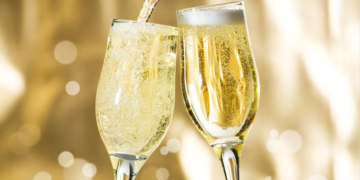
Unlike still wine, Champagne created sensory drama:
- Popping corks
- Rising bubbles
- Elegant glassware
- Golden reflections
These elements made Champagne especially suitable for ceremonial occasions.
By the nineteenth century, Champagne had become deeply embedded in elite European culture.
The drink symbolized refinement, cosmopolitanism, and luxury.
This aristocratic foundation remains central to Champagne marketing today.
The Birth of Prestige Cuvées
One of the most important developments in luxury Champagne history was the creation of prestige cuvées.
A prestige cuvée represents the highest-quality wine produced by a Champagne house.
These bottlings typically feature:
- Exceptional vineyard fruit
- Extended aging
- Limited production
- Luxury presentation
- Higher prices
Cristal and Russian Royalty
Perhaps the most famous early prestige Champagne is Cristal.
In 1876, Louis Roederer created Cristal specifically for Tsar Alexander II of Russia.
The transparent crystal bottle was designed because the Tsar feared assassination attempts involving hidden explosives inside dark glass bottles.
This extraordinary origin story contributed enormously to Cristal’s luxury mythology.
Cristal eventually became one of the world’s most recognizable luxury Champagnes.
Dom Pérignon
Moët & Chandon launched Dom Pérignon as a prestige vintage Champagne honoring the famous Benedictine monk associated with Champagne history.
Dom Pérignon marketing emphasized:
- Artistic vision
- Vintage exclusivity
- Creative inspiration
- Luxury lifestyle
The brand became globally iconic.
Krug
Krug developed a different prestige philosophy emphasizing depth, blending complexity, and gastronomic excellence.
Rather than relying solely on image, Krug cultivated reputation among sommeliers and wine experts.
Its prestige derives heavily from craftsmanship and sensory quality.
Prestige cuvées transformed Champagne into luxury collectible object.
The Relationship Between Champagne and Fashion
Few beverages maintain stronger connections to the fashion industry than Champagne.
Fashion and Champagne share several symbolic qualities:
- Elegance
- Exclusivity
- Artistry
- Social aspiration
- Visual beauty
- Luxury identity
Champagne frequently appears at:
- Fashion week events
- Luxury brand launches
- Designer after-parties
- Haute couture celebrations
Fashion photography often incorporates Champagne because the bottle instantly communicates glamour.
Luxury Champagne houses actively collaborate with fashion designers and artists.
Examples include:
- Limited-edition packaging
- Designer bottle cases
- Artistic labels
- Fashion-inspired campaigns
These collaborations reinforce Champagne’s cultural relevance beyond wine itself.
Champagne therefore operates simultaneously within:
- Wine culture
- Luxury culture
- Fashion culture
- Celebrity culture
- Art culture
This multidimensional identity helps explain its enduring prestige.
Celebrity Culture and Champagne Branding
Celebrity influence dramatically shaped modern Champagne identity.
During the twentieth century, Hollywood films associated Champagne with glamour and romance.
Movie stars frequently appeared drinking Champagne during:
- Award ceremonies
- Romantic scenes
- Luxury gatherings
- High-society events
As celebrity culture expanded globally, Champagne brands leveraged this visibility.
The relationship intensified further during the hip-hop era.
In the late twentieth and early twenty-first centuries, Champagne became central to luxury imagery within rap music and nightlife culture.
Brands such as:
- Cristal
- Dom Pérignon
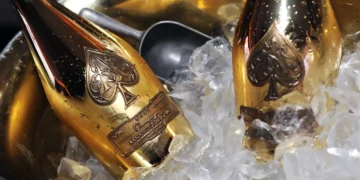
- Ace of Spades
appeared frequently in lyrics, music videos, and VIP club culture.
This association transformed Champagne from aristocratic European luxury into global aspirational luxury.
Jay-Z’s promotion and eventual ownership connection to Ace of Spades significantly elevated the brand’s visibility.
Nightclub bottle service culture further reinforced Champagne’s role as public status display.
Large-format bottles, illuminated presentations, and extravagant service rituals turned Champagne consumption into performance.
Why Luxury Consumers Love Champagne
Luxury Champagne appeals to consumers for multiple psychological and emotional reasons.
Celebration and Emotion
Champagne is deeply associated with positive life moments.
People open Champagne during:
- Weddings
- Promotions
- Anniversaries
- Victories
- Birthdays
- Artistic achievements
The emotional context enhances perceived value.
Exclusivity
Prestige cuvées are often produced in limited quantities.
Scarcity increases desirability.
Heritage and Authenticity
Luxury consumers increasingly value products connected to history and craftsmanship.
Champagne houses emphasize centuries-old traditions.
Sensory Experience
Fine Champagne offers extraordinary complexity:
- Fine mousse texture
- High acidity
- Brioche aromas
- Mineral precision
- Layered flavors
Symbolic Identity
Champagne communicates sophistication and success socially.
Thus, Champagne functions as both beverage and cultural symbol.
The Architecture of Luxury Champagne Houses
Modern Champagne houses increasingly invest in architectural prestige.
Visitor experiences became essential components of luxury branding.
Prestigious Champagne properties often feature:
- Historic chalk cellars
- Contemporary architecture
- Fine dining restaurants
- Art installations
- Exclusive tasting salons
These spaces reinforce emotional connection to the brand.
Luxury consumers increasingly seek immersive experiences rather than simple transactions.
Champagne tourism therefore plays a major economic role.
Travelers visit the Champagne region not only for tasting, but also for atmosphere, heritage, and exclusivity.
The physical environment becomes part of the luxury experience.
Prestige Through Time: Aging and Patience
One reason Champagne commands luxury status is the importance of time.
Prestige cuvées often age for many years before release.
Extended lees aging creates:
- Creamy texture
- Toasted aromas
- Nutty complexity
- Fine bubble integration
This slow maturation process increases both production costs and perceived value.
Consumers understand that great Champagne cannot be rushed easily.
Patience itself becomes luxury.
Some houses maintain extensive reserve wine libraries and cellar inventories.
These aging programs require enormous financial investment.
Thus, luxury Champagne reflects long-term vision rather than rapid production.
Collector Champagne and Investment Markets
Champagne collecting expanded significantly during the twenty-first century.
Certain bottles appreciate dramatically in value.
Collectors pursue:
- Rare vintages
- Large formats
- Limited releases
- Historic bottles
- Discontinued cuvées
Auction houses increasingly feature prestigious Champagne.
Some bottles achieve remarkable prices due to:
- Provenance
- Condition
- Rarity
- Historical importance
Collectors often treat Champagne similarly to fine Burgundy or rare whisky.
However, Champagne collecting presents challenges.
Unlike spirits, Champagne continues aging and evolving in bottle.
Storage conditions therefore become critically important.
Temperature, humidity, and light exposure strongly affect quality.
Well-preserved old Champagne can display astonishing complexity.
Poorly stored bottles may deteriorate rapidly.
Luxury Packaging and Visual Identity
Presentation plays a central role in luxury Champagne culture.
Prestige packaging may include:
- Gift boxes
- Gold accents
- Designer labels
- Artistic engravings
- Illuminated bottles
- Handcrafted cases
Bottle shape itself often becomes iconic.
For example:
- Dom Pérignon’s shield label
- Cristal’s transparent bottle
- Ace of Spades’ metallic design
Luxury packaging transforms Champagne into collectible object.
Visual identity influences consumer perception even before tasting begins.
However, critics sometimes argue that excessive marketing overshadows wine quality.
This tension between craftsmanship and branding remains central to luxury culture.
Champagne in Fine Dining
Champagne occupies a privileged position within gastronomy.
Unlike many wines, Champagne pairs successfully with remarkably diverse foods.
Its acidity and bubbles complement:
- Seafood
- Oysters
- Caviar
- Fried foods
- Sushi
- Poultry
- Soft cheeses
Prestige Champagne often appears in Michelin-starred restaurants.
Sommeliers value Champagne’s versatility and aging potential.
Some wine experts argue that great Champagne belongs among the world’s finest wines regardless of category.
The relationship between Champagne and haute cuisine reinforces luxury status.
Sustainability and Ethical Luxury
Modern luxury consumers increasingly expect environmental responsibility.
Champagne producers face pressure regarding:
- Pesticide use
- Carbon emissions
- Packaging waste
- Water management
- Vineyard biodiversity
Many houses now invest in:
- Organic viticulture
- Sustainable farming
- Renewable energy
- Lightweight bottles
- Carbon reduction initiatives
Sustainability increasingly influences luxury credibility.
Consumers want products that combine prestige with ethical responsibility.
The future of luxury Champagne may depend partly on balancing exclusivity with environmental stewardship.
Competition in the Global Sparkling Wine Market
Although Champagne retains unmatched prestige, competition has intensified.
Alternative sparkling wines include:
- Prosecco
- Cava
- Franciacorta
- English sparkling wine
- California sparkling wine
Some competitors offer excellent quality at lower prices.
However, Champagne’s cultural prestige remains exceptionally strong.
Its power derives not only from flavor, but also from centuries of branding, ritual, and symbolism.
Luxury identity is difficult to replicate.
Nevertheless, Champagne houses must continue innovating to maintain relevance among younger consumers.
The Future of Luxury Champagne
The future of luxury Champagne will likely involve several important trends.
Experiential Luxury
Consumers increasingly prioritize experiences over possessions.
Champagne tourism, private tastings, and immersive events will continue expanding.
Younger Luxury Consumers
Millennials and Gen Z consumers often value authenticity and sustainability.
Brands must adapt communication strategies accordingly.
Digital Luxury Culture
Social media strongly shapes Champagne visibility.
Visual presentation and online storytelling remain increasingly important.
Climate Challenges
Climate change may significantly affect Champagne viticulture.
Maintaining freshness and acidity will become more difficult in warmer conditions.
Continued Globalization
Emerging luxury markets in Asia and the Middle East will likely drive future demand.
Despite challenges, Champagne’s emotional symbolism remains extraordinarily powerful.
Conclusion
Luxury Champagne represents far more than sparkling wine.
It embodies centuries of craftsmanship, aristocratic heritage, artistic presentation, emotional ritual, and cultural aspiration.
From royal courts to fashion runways, from Michelin-starred restaurants to music culture, Champagne became one of the world’s most recognizable symbols of celebration and elegance.
Its prestige derives partly from branding, but also from genuine technical mastery.
Great Champagne requires:
- Exceptional vineyards
- Precise blending
- Long aging
- Scientific precision
- Artistic judgment
The finest bottles combine sensory beauty with emotional resonance.
Luxury Champagne also reflects broader human desires.
People seek experiences that feel meaningful, beautiful, and memorable.
Champagne transforms ordinary moments into ceremonial occasions.
The sound of a cork opening signals anticipation and shared emotion.
That ritual remains deeply powerful even in modern digital society.
As luxury culture evolves, Champagne will continue adapting.
Yet its essential role is unlikely to disappear.
For centuries, Champagne represented joy, success, artistry, and aspiration.
It continues to do so today.
More than any other wine, Champagne became not only something people drink, but something people celebrate through.