













SipsavorLife
  • Home
  • Wine
    The History, Culture, and Global Influence of Humanity’s Most Celebrated Beverage

    The Wine Revolution: How Modern Winemaking Transformed a Global Industry

    The History, Culture, and Global Influence of Humanity’s Most Celebrated Beverage

    Wine Styles of the World: A Complete Guide to Red, White, Rosé, Sparkling, and Fortified Wines

    The History, Culture, and Global Influence of Humanity’s Most Celebrated Beverage

    The Global Wine Industry: Markets, Trade, Tourism, and Economic Impact

    The History, Culture, and Global Influence of Humanity’s Most Celebrated Beverage

    The Science of Wine: Grapes, Fermentation, and Flavor Development

    The History, Culture, and Global Influence of Humanity’s Most Celebrated Beverage

    The History, Culture, and Global Influence of Humanity’s Most Celebrated Beverage

    The Cultural History of Wine: From Ancient Rituals to Modern Luxury

    The Psychology of Wine: Why Humans Associate Wine with Emotion, Memory, and Identity

  • Whiskey
    Can Beer Be an Effective Ingredient in Culinary Cooking?

    Can Beer Be an Effective Ingredient in Culinary Cooking?

    Second Fermentation in Champagne: Is It Really That Crucial?

    Second Fermentation in Champagne: Is It Really That Crucial?

    How Do Different Grains Impact the Flavor Profile of Distilled Spirits?

    How Do Different Grains Impact the Flavor Profile of Distilled Spirits?

    How Do Whiskey Master Blenders Create Perfection?

    How Do Whiskey Master Blenders Create Perfection?

    Wine Pairings: Can They Change the Flavor Profile of a Dish?

    Wine Pairings: Can They Change the Flavor Profile of a Dish?

    Beer the Ultimate Beverage for Pairing with Spicy Food?

    Beer the Ultimate Beverage for Pairing with Spicy Food?

  • Beer
    Malt Beer: Why Does Its Sweet Malty Aroma Always Bring Endless Satisfaction?

    The Craft Beer Revolution: How Independent Breweries Changed the World of Beer

    Beer: The World’s Oldest and Most Influential Beverage

    Beer Styles of the World: A Complete Guide to Lager, Ale, Stout, IPA, and Beyond

    Beer: The World’s Oldest and Most Influential Beverage

    The Global Beer Industry: Markets, Brands, and Economic Impact

    Beer: The World’s Oldest and Most Influential Beverage

    The Science of Beer: Ingredients, Fermentation, and Flavor

    Beer: The World’s Oldest and Most Influential Beverage

    Beer: The World’s Oldest and Most Influential Beverage

    Beer as a Cultural and Social Force: From Ancient Brew to Modern Identity

    Women in Brewing: The Untold History and Modern Transformation of Beer Culture

  • Grain Spirits
    Grain Spirits: The Origins, Science, and Global Evolution of Distilled Grain Alcohol

    Bourbon: America’s Native Grain Spirit and the Global Story of Corn, Oak, Fire, and Time

    Grain Spirits: The Origins, Science, and Global Evolution of Distilled Grain Alcohol

    Gin: Botanicals, History, Cocktail Culture, and the Artistic Evolution of the World’s Most Aromatic Grain Spirit

    Grain Spirits: The Origins, Science, and Global Evolution of Distilled Grain Alcohol

    Vodka: The Global Rise of the World’s Most Versatile Grain Spirit

    Grain Spirits: The Origins, Science, and Global Evolution of Distilled Grain Alcohol

    Whiskey and the Soul of Grain Spirits: History, Craftsmanship, Culture, and the Global Rise of the World’s Most Iconic Distilled Grain Beverage

    Grain Spirits: The Origins, Science, and Global Evolution of Distilled Grain Alcohol

    Grain Spirits: The Origins, Science, and Global Evolution of Distilled Grain Alcohol

    Grain Spirits Explained — The Foundation of Global Distillation

    The Future of Grain Spirits — Technology, Sustainability, and the Next Era of Distillation

  • Champagne
    Champagne: The Sparkling Wine That Changed Global Celebration Culture

    Dom Pérignon, Cristal, Krug, and Beyond: The World’s Most Famous Champagne Houses and Their Legacy

    Champagne Beyond Celebration: The History, Craftsmanship, and Global Influence of the World’s Most Iconic Sparkling Wine

    The Future of Champagne: Climate Change, Innovation, Sustainability, and the Next Era of Sparkling Wine

    Champagne Beyond Celebration: The History, Craftsmanship, and Global Influence of the World’s Most Iconic Sparkling Wine

    Champagne and Luxury Culture: How Sparkling Wine Became a Global Symbol of Wealth, Celebration, and Prestige

    Champagne Beyond Celebration: The History, Craftsmanship, and Global Influence of the World’s Most Iconic Sparkling Wine

    The Art of Champagne Production: Inside the Science, Skill, and Tradition Behind Every Bottle

    Champagne Beyond Celebration: The History, Craftsmanship, and Global Influence of the World’s Most Iconic Sparkling Wine

    Champagne Beyond Celebration: The History, Craftsmanship, and Global Influence of the World’s Most Iconic Sparkling Wine

    Champagne: The Sparkling Wine That Changed Global Celebration Culture

    Champagne vs Prosecco vs Cava: How the World’s Sparkling Wines Reflect Culture, Geography, and Taste

  • ALL
    Can Beer Be an Effective Ingredient in Culinary Cooking?

    Can Beer Be an Effective Ingredient in Culinary Cooking?

    Second Fermentation in Champagne: Is It Really That Crucial?

    Second Fermentation in Champagne: Is It Really That Crucial?

    How Do Different Grains Impact the Flavor Profile of Distilled Spirits?

    How Do Different Grains Impact the Flavor Profile of Distilled Spirits?

    How Do Whiskey Master Blenders Create Perfection?

    How Do Whiskey Master Blenders Create Perfection?

    Wine Pairings: Can They Change the Flavor Profile of a Dish?

    Wine Pairings: Can They Change the Flavor Profile of a Dish?

    Beer the Ultimate Beverage for Pairing with Spicy Food?

    Beer the Ultimate Beverage for Pairing with Spicy Food?

SipsavorLife
  • Home
  • Wine
    The History, Culture, and Global Influence of Humanity’s Most Celebrated Beverage

    The Wine Revolution: How Modern Winemaking Transformed a Global Industry

    The History, Culture, and Global Influence of Humanity’s Most Celebrated Beverage

    Wine Styles of the World: A Complete Guide to Red, White, Rosé, Sparkling, and Fortified Wines

    The History, Culture, and Global Influence of Humanity’s Most Celebrated Beverage

    The Global Wine Industry: Markets, Trade, Tourism, and Economic Impact

    The History, Culture, and Global Influence of Humanity’s Most Celebrated Beverage

    The Science of Wine: Grapes, Fermentation, and Flavor Development

    The History, Culture, and Global Influence of Humanity’s Most Celebrated Beverage

    The History, Culture, and Global Influence of Humanity’s Most Celebrated Beverage

    The Cultural History of Wine: From Ancient Rituals to Modern Luxury

    The Psychology of Wine: Why Humans Associate Wine with Emotion, Memory, and Identity

  • Whiskey
    Can Beer Be an Effective Ingredient in Culinary Cooking?

    Can Beer Be an Effective Ingredient in Culinary Cooking?

    Second Fermentation in Champagne: Is It Really That Crucial?

    Second Fermentation in Champagne: Is It Really That Crucial?

    How Do Different Grains Impact the Flavor Profile of Distilled Spirits?

    How Do Different Grains Impact the Flavor Profile of Distilled Spirits?

    How Do Whiskey Master Blenders Create Perfection?

    How Do Whiskey Master Blenders Create Perfection?

    Wine Pairings: Can They Change the Flavor Profile of a Dish?

    Wine Pairings: Can They Change the Flavor Profile of a Dish?

    Beer the Ultimate Beverage for Pairing with Spicy Food?

    Beer the Ultimate Beverage for Pairing with Spicy Food?

  • Beer
    Malt Beer: Why Does Its Sweet Malty Aroma Always Bring Endless Satisfaction?

    The Craft Beer Revolution: How Independent Breweries Changed the World of Beer

    Beer: The World’s Oldest and Most Influential Beverage

    Beer Styles of the World: A Complete Guide to Lager, Ale, Stout, IPA, and Beyond

    Beer: The World’s Oldest and Most Influential Beverage

    The Global Beer Industry: Markets, Brands, and Economic Impact

    Beer: The World’s Oldest and Most Influential Beverage

    The Science of Beer: Ingredients, Fermentation, and Flavor

    Beer: The World’s Oldest and Most Influential Beverage

    Beer: The World’s Oldest and Most Influential Beverage

    Beer as a Cultural and Social Force: From Ancient Brew to Modern Identity

    Women in Brewing: The Untold History and Modern Transformation of Beer Culture

  • Grain Spirits
    Grain Spirits: The Origins, Science, and Global Evolution of Distilled Grain Alcohol

    Bourbon: America’s Native Grain Spirit and the Global Story of Corn, Oak, Fire, and Time

    Grain Spirits: The Origins, Science, and Global Evolution of Distilled Grain Alcohol

    Gin: Botanicals, History, Cocktail Culture, and the Artistic Evolution of the World’s Most Aromatic Grain Spirit

    Grain Spirits: The Origins, Science, and Global Evolution of Distilled Grain Alcohol

    Vodka: The Global Rise of the World’s Most Versatile Grain Spirit

    Grain Spirits: The Origins, Science, and Global Evolution of Distilled Grain Alcohol

    Whiskey and the Soul of Grain Spirits: History, Craftsmanship, Culture, and the Global Rise of the World’s Most Iconic Distilled Grain Beverage

    Grain Spirits: The Origins, Science, and Global Evolution of Distilled Grain Alcohol

    Grain Spirits: The Origins, Science, and Global Evolution of Distilled Grain Alcohol

    Grain Spirits Explained — The Foundation of Global Distillation

    The Future of Grain Spirits — Technology, Sustainability, and the Next Era of Distillation

  • Champagne
    Champagne: The Sparkling Wine That Changed Global Celebration Culture

    Dom Pérignon, Cristal, Krug, and Beyond: The World’s Most Famous Champagne Houses and Their Legacy

    Champagne Beyond Celebration: The History, Craftsmanship, and Global Influence of the World’s Most Iconic Sparkling Wine

    The Future of Champagne: Climate Change, Innovation, Sustainability, and the Next Era of Sparkling Wine

    Champagne Beyond Celebration: The History, Craftsmanship, and Global Influence of the World’s Most Iconic Sparkling Wine

    Champagne and Luxury Culture: How Sparkling Wine Became a Global Symbol of Wealth, Celebration, and Prestige

    Champagne Beyond Celebration: The History, Craftsmanship, and Global Influence of the World’s Most Iconic Sparkling Wine

    The Art of Champagne Production: Inside the Science, Skill, and Tradition Behind Every Bottle

    Champagne Beyond Celebration: The History, Craftsmanship, and Global Influence of the World’s Most Iconic Sparkling Wine

    Champagne Beyond Celebration: The History, Craftsmanship, and Global Influence of the World’s Most Iconic Sparkling Wine

    Champagne: The Sparkling Wine That Changed Global Celebration Culture

    Champagne vs Prosecco vs Cava: How the World’s Sparkling Wines Reflect Culture, Geography, and Taste

  • ALL
    Can Beer Be an Effective Ingredient in Culinary Cooking?

    Can Beer Be an Effective Ingredient in Culinary Cooking?

    Second Fermentation in Champagne: Is It Really That Crucial?

    Second Fermentation in Champagne: Is It Really That Crucial?

    How Do Different Grains Impact the Flavor Profile of Distilled Spirits?

    How Do Different Grains Impact the Flavor Profile of Distilled Spirits?

    How Do Whiskey Master Blenders Create Perfection?

    How Do Whiskey Master Blenders Create Perfection?

    Wine Pairings: Can They Change the Flavor Profile of a Dish?

    Wine Pairings: Can They Change the Flavor Profile of a Dish?

    Beer the Ultimate Beverage for Pairing with Spicy Food?

    Beer the Ultimate Beverage for Pairing with Spicy Food?

SipsavorLife
No Result
View All Result
Home ALL

Why Are Amphora Wines Making a Quiet Comeback?

January 6, 2026
in ALL, Wine

In the world of wine, tradition and innovation are often at odds. Yet, sometimes the old ways quietly rise to prominence again, capturing the curiosity of sommeliers, wine enthusiasts, and collectors alike. One such revival is the understated but compelling return of amphora wines. These wines, fermented and aged in large clay vessels known as amphorae, have been rediscovered in modern winemaking circles for their unique qualities, historical resonance, and expressive character. But what is driving this quiet comeback? To understand, we must explore the intersection of history, science, and taste, while appreciating the artistry that goes into making wine the old-fashioned way.


A Vessel Steeped in History

Amphorae are ancient vessels, typically tall, narrow, and made from clay, with two handles for easy transportation. They were used across Mediterranean civilizations, from the Greeks to the Romans and beyond, primarily for storing and transporting wine, olive oil, and grains. Archaeological findings show that amphorae date back more than 6,000 years, highlighting a tradition deeply rooted in human civilization.

Wine’s association with amphorae is not merely utilitarian. The shape and material of the vessel influenced fermentation and storage, giving wines subtle textural differences that contemporary stainless steel tanks or oak barrels could not replicate. The porous nature of clay allows for micro-oxygenation—tiny, almost imperceptible interactions between the wine and air—which can soften tannins, enhance aromatics, and preserve the wine’s freshness.

Historically, amphora wines were the norm. Modern winemaking, dominated by stainless steel tanks and oak barrels, temporarily pushed them to the margins. Yet today, as consumers seek authenticity and provenance in what they drink, these ancient vessels are making a renaissance.


The Science Behind Clay

At first glance, using clay to ferment wine may seem archaic. Modern enology emphasizes precision, temperature control, and predictability, all features that stainless steel offers. However, the science of clay reveals why these vessels deserve attention.

Clay is naturally porous. During fermentation, it allows micro-oxygenation, a slow interaction between wine and the atmosphere. This controlled exposure can smooth harsh tannins and develop nuanced textures without introducing the flavors of oak, which some winemakers and consumers find overpowering. The clay also helps maintain temperature stability, especially in thick-walled amphorae, moderating swings that could otherwise stress the yeast.

The interaction between the clay and wine is subtle but profound. Some studies suggest that amphorae can even affect the ion content of wine, subtly influencing acidity, mouthfeel, and mineral character. In other words, the vessel itself becomes a co-creator of flavor.

NOVUM CERAMICS AMPHORAE — Beckham Estate Vineyard

A Matter of Terroir

One of the most fascinating aspects of amphora wines is their ability to express terroir. While oak barrels impart their own flavor, amphorae allow the grape’s origin—soil, climate, and microclimate—to shine through more directly. The clay does not mask; it enhances.

For regions with a long history of viticulture, like Georgia, Italy, and parts of Spain, amphora wines offer a direct link to the past. In Georgia, the cradle of wine, winemakers still use qvevri (traditional clay amphorae buried underground) for fermentation, preserving techniques unchanged for thousands of years. Modern winemakers elsewhere are inspired by this philosophy: wine should reflect its origin, and the vessel should facilitate rather than dominate.


The Flavor Profile That Speaks Volumes

When tasting amphora wines, the differences are immediately noticeable. These wines often display a vivid minerality, a sense of texture that is both silky and tactile, and a freshness that seems unusually lively. Unlike wines aged in oak, which can sometimes carry overtly sweet or smoky notes, amphora wines tend to emphasize the grape’s natural expression.

Texturally, the wines are often described as “rounded yet angular,” a paradox that fascinates sommeliers and casual drinkers alike. Aromas can range from earthy and herbal to stone-fruit-driven, sometimes with subtle oxidized notes reminiscent of vintage sherry or dry vermouth—but always restrained, never dominating.

For white wines, amphora fermentation can result in a creamy texture with lifted acidity, while reds gain structure and depth without the pronounced vanillin of oak. Skin-contact wines, a category often associated with amphorae, achieve tannic complexity while remaining fresh and aromatic.


Sustainability and Minimal Intervention

In today’s environmentally conscious world, amphora wines align perfectly with the ideals of minimal intervention and sustainability. Clay is a natural material, often sourced locally, and the vessels are reusable for decades. Unlike oak barrels, which require frequent replacement and contribute to deforestation, amphorae offer a long-term, eco-friendly alternative.

Furthermore, amphora wines are often made using organic or biodynamic practices, reinforcing the winemaker’s philosophy of letting nature guide the process. Fermentation is spontaneous or relies on native yeasts, reducing the need for additives and preservatives. This approach appeals to consumers increasingly skeptical of industrialized wine production.


Challenges of Modern Amphora Winemaking

Despite their appeal, producing amphora wine is not without challenges. Clay vessels are fragile, heavy, and labor-intensive to manage. They do not allow precise temperature control like stainless steel, and wines fermented in amphorae may require more careful monitoring.

Moreover, consumer education is essential. Many wine drinkers are unfamiliar with the flavor profile of amphora wines and may hesitate to try something outside the mainstream. Yet, sommeliers and influencers are gradually bridging this gap, emphasizing the story behind the wine as much as the taste itself.


Winemakers Leading the Renaissance

Several regions are spearheading the amphora revival.

  • Georgia: Home to the qvevri method, Georgia’s wines are arguably the most authentic examples of ancient amphora fermentation.
  • Italy: Winemakers in Tuscany, Sicily, and Friuli have embraced amphorae for whites and reds alike, citing their ability to highlight terroir and produce expressive, textural wines.
  • Spain: In regions like Rioja and Catalonia, producers are experimenting with amphorae to create wines that bridge tradition and modern taste.
  • California and Australia: Innovative winemakers in New World regions are exploring amphorae for experimental whites, orange wines, and skin-contact reds.

These producers are not just reviving old techniques—they are reinterpreting them, balancing ancient methods with contemporary understanding of microbiology, chemistry, and flavor profiling.
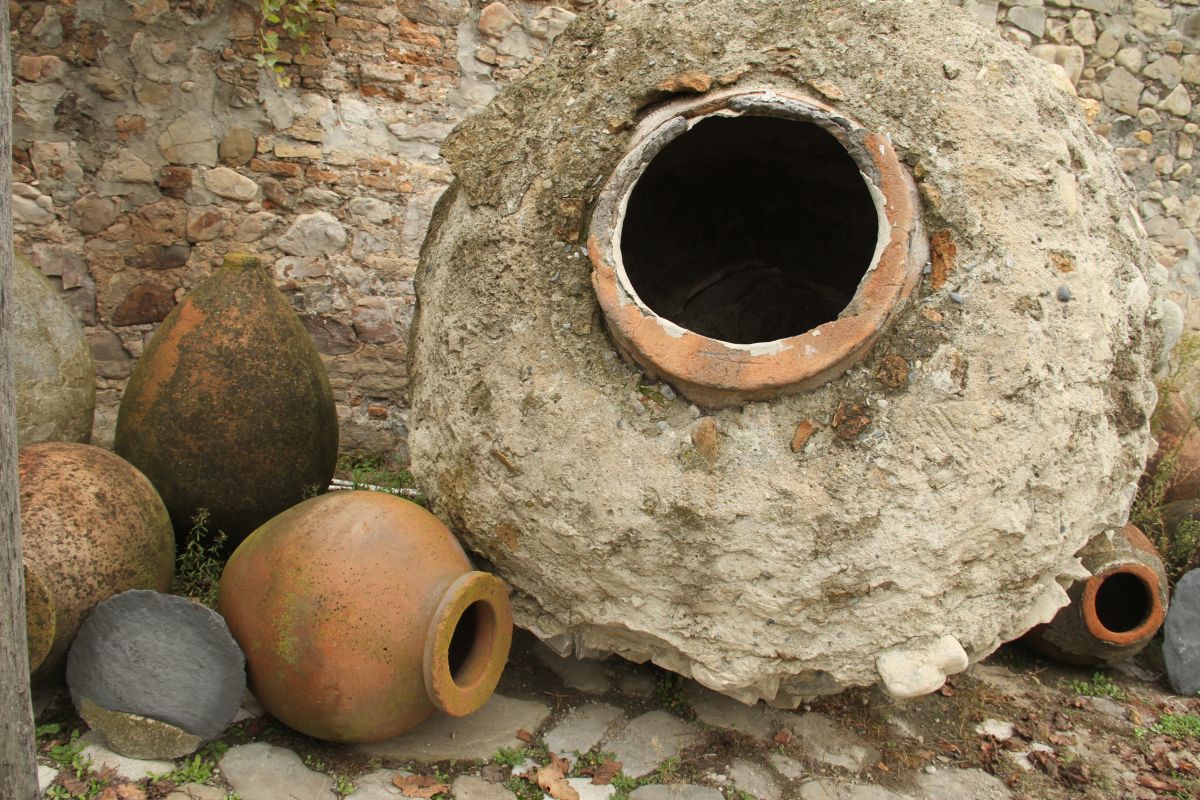
Georgian qvevri wine: if it's good enough for God . . . – Tim Atkin –  Master of Wine

The Consumer Appeal

Why are wine lovers gravitating toward amphora wines today? Several factors converge:

  1. Authenticity: Amphora wines are tangible connections to centuries of history, appealing to drinkers who value heritage and craftsmanship.
  2. Novelty: For adventurous palates, these wines offer a distinct departure from oak-heavy or stainless-steel-dominated wines.
  3. Health Perception: Minimal intervention, organic grapes, and native yeast fermentations appeal to consumers mindful of additives.
  4. Food Pairing Versatility: The textural complexity and balanced acidity of amphora wines make them surprisingly food-friendly, complementing everything from seafood and roasted vegetables to game meats and cheeses.

In short, amphora wines offer a story, a sensory experience, and a subtle rebellion against homogenized modern winemaking.


Amphora Wine in the Market

While amphora wines remain niche, their presence in fine wine restaurants, boutique wine shops, and curated online stores is steadily increasing. Collectors appreciate their aging potential—contrary to popular belief, amphora wines can age gracefully, developing complex aromatics over time.

Pricing reflects this blend of craftsmanship and rarity. While not universally expensive, amphora wines often carry a premium due to the labor-intensive production process and limited output. This exclusivity only adds to their allure among wine aficionados seeking distinctive bottles.


Pairing Amphora Wines

One of the most delightful aspects of amphora wines is how they interact with food. Their fresh yet textured profiles make them versatile companions for a variety of cuisines:

  • White Amphora Wines: Excellent with roasted root vegetables, grilled fish, and light pasta dishes. The slight oxidative notes harmonize with creamy sauces or caramelized ingredients.
  • Red Amphora Wines: Pair beautifully with roasted poultry, mushroom risottos, or slow-cooked meats. The subtle tannins complement protein-rich dishes without overpowering them.
  • Skin-Contact or Orange Wines: Serve with bold Mediterranean flavors, spiced dishes, or fermented vegetables to highlight the wine’s earthy and aromatic layers.

Sommelier tip: Serve amphora wines slightly cooler than typical reds to emphasize freshness and texture.


The Cultural and Emotional Resonance

Amphora wines are more than beverages; they are cultural artifacts. Holding a bottle of amphora wine connects you to generations of winemakers who relied on intuition, observation, and careful stewardship of natural materials. Each sip becomes a meditation on time, geography, and human creativity.

There is also an element of slow drinking inherent to these wines. Unlike mass-market, easy-drinking wines designed for rapid consumption, amphora wines encourage reflection. They invite the drinker to explore aromas, textures, and history simultaneously, making each tasting a miniature cultural journey.


Trends and the Future

Looking forward, the quiet comeback of amphora wines is likely to continue. Consumers are increasingly curious, adventurous, and environmentally conscious, seeking wines that tell a story and honor the land. Technology and research will also refine amphora winemaking, offering improved control without sacrificing authenticity.

Moreover, the narrative of rediscovery resonates in a market often dominated by commercial uniformity. As sommeliers, educators, and winemakers continue to showcase the richness of amphora wines, this ancient practice may slowly emerge from niche status to a respected alternative in the broader wine landscape.


Conclusion

The resurgence of amphora wines reflects a broader movement within the wine world: a desire to reconnect with history, embrace authenticity, and savor complexity. Through ancient clay vessels, winemakers are reviving techniques that highlight terroir, texture, and subtle aromatics. These wines are not about flash or intensity—they are about elegance, depth, and a conversation between grape, soil, and maker that transcends centuries.

In a world of fast, flashy, and industrialized wine, amphora wines offer quiet rebellion, a whisper from the past reminding us that sometimes, the oldest methods are the most profound.

For those willing to explore them, amphora wines promise not just flavor, but a journey—a sip of history, earth, and human ingenuity, all in a single glass.

Tags: fermentationflavorterroirWine
ShareTweetShare

Related Posts

The History, Culture, and Global Influence of Humanity’s Most Celebrated Beverage
Wine

The Wine Revolution: How Modern Winemaking Transformed a Global Industry

June 3, 2026
The History, Culture, and Global Influence of Humanity’s Most Celebrated Beverage
Wine

Wine Styles of the World: A Complete Guide to Red, White, Rosé, Sparkling, and Fortified Wines

June 3, 2026
The History, Culture, and Global Influence of Humanity’s Most Celebrated Beverage
Wine

The Global Wine Industry: Markets, Trade, Tourism, and Economic Impact

June 3, 2026
The History, Culture, and Global Influence of Humanity’s Most Celebrated Beverage
Wine

The Science of Wine: Grapes, Fermentation, and Flavor Development

June 3, 2026
The History, Culture, and Global Influence of Humanity’s Most Celebrated Beverage
Wine

The History, Culture, and Global Influence of Humanity’s Most Celebrated Beverage

June 3, 2026
The Cultural History of Wine: From Ancient Rituals to Modern Luxury
Wine

The Psychology of Wine: Why Humans Associate Wine with Emotion, Memory, and Identity

May 23, 2026
Leave Comment
  • Trending
  • Comments
  • Latest
Role of Terroir in Champagne Production

Role of Terroir in Champagne Production

January 19, 2026
Champagne Can Be Aged in Wood?

Champagne Can Be Aged in Wood?

January 18, 2026
Is Organic Wine Healthier Than Conventional Wine?

Is Organic Wine Healthier Than Conventional Wine?

January 20, 2026
Why Do Some Champagnes Use a High Proportion of Pinot Meunier?

Why Do Some Champagnes Use a High Proportion of Pinot Meunier?

January 20, 2026
The Timeless Elegance of Wine: A Journey Through History and Culture

The Timeless Elegance of Wine: A Journey Through History and Culture

Why Is Château Lafite Rothschild the Pinnacle of Fine Wine?

Why Is Château Lafite Rothschild the Pinnacle of Fine Wine?

How Did Château Lafite Rothschild Become a Global Icon of Luxury?

How Did Château Lafite Rothschild Become a Global Icon of Luxury?

What Makes Chateau Lafite Rothschild the Pinnacle of Bordeaux Wines?

What Makes Chateau Lafite Rothschild the Pinnacle of Bordeaux Wines?

The History, Culture, and Global Influence of Humanity’s Most Celebrated Beverage

The Wine Revolution: How Modern Winemaking Transformed a Global Industry

June 3, 2026
The History, Culture, and Global Influence of Humanity’s Most Celebrated Beverage

Wine Styles of the World: A Complete Guide to Red, White, Rosé, Sparkling, and Fortified Wines

June 3, 2026
The History, Culture, and Global Influence of Humanity’s Most Celebrated Beverage

The Global Wine Industry: Markets, Trade, Tourism, and Economic Impact

June 3, 2026
The History, Culture, and Global Influence of Humanity’s Most Celebrated Beverage

The Science of Wine: Grapes, Fermentation, and Flavor Development

June 3, 2026
SipsavorLife

Welcome to our comprehensive beverage guide, where you can explore the fascinating world of alcoholic drinks. From exquisite wines and rich whiskeys to refreshing beers and sparkling champagnes, we provide insights, tips, and recommendations for enthusiasts and casual drinkers alike. Discover your next favorite libation with us!

© 2025 sipsavorlife.com. contacts:sipsavorlife-35376@gmail.com

No Result
View All Result
  • Home
  • Wine
  • Whiskey
  • Beer
  • Grain Spirits
  • Champagne
  • ALL

© 2025 sipsavorlife.com. contacts:sipsavorlife-35376@gmail.com

Welcome Back!

Login to your account below

Forgotten Password?

Retrieve your password

Please enter your username or email address to reset your password.

Log In