SipsavorLife
  • Home
  • Wine
    Wine as a Cultural Artifact: History, Identity, and the Evolution of Taste

    The Art and Science of Wine & Food Pairing: How to Create Perfect Matches Every Time

    Wine as a Cultural Artifact: History, Identity, and the Evolution of Taste

    A Complete Guide to Wine Styles and Grape Varieties: From Cabernet Sauvignon to Riesling

    Wine as a Cultural Artifact: History, Identity, and the Evolution of Taste

    The Global Wine Industry: Economics, Markets, and the Future of Consumption

    Wine as a Cultural Artifact: History, Identity, and the Evolution of Taste

    The Science of Wine Tasting: How Chemistry, Biology, and Perception Shape Flavor

    Wine as a Cultural Artifact: History, Identity, and the Evolution of Taste

    Wine as a Cultural Artifact: History, Identity, and the Evolution of Taste

    Red Wine — The Liquid Expression of Land, Time, and Human Intention

    The Future of Red Wine — Climate Change, Technology, and the Evolution of Taste

  • Whiskey
    Can Beer Be an Effective Ingredient in Culinary Cooking?

    Can Beer Be an Effective Ingredient in Culinary Cooking?

    Second Fermentation in Champagne: Is It Really That Crucial?

    Second Fermentation in Champagne: Is It Really That Crucial?

    How Do Different Grains Impact the Flavor Profile of Distilled Spirits?

    How Do Different Grains Impact the Flavor Profile of Distilled Spirits?

    How Do Whiskey Master Blenders Create Perfection?

    How Do Whiskey Master Blenders Create Perfection?

    Wine Pairings: Can They Change the Flavor Profile of a Dish?

    Wine Pairings: Can They Change the Flavor Profile of a Dish?

    Beer the Ultimate Beverage for Pairing with Spicy Food?

    Beer the Ultimate Beverage for Pairing with Spicy Food?

  • Beer
    Beer as a Cultural and Social Force: From Ancient Brew to Modern Identity

    The Art of Beer & Food Pairing: Unlocking Flavor Through Balance, Contrast, and Texture

    Beer as a Cultural and Social Force: From Ancient Brew to Modern Identity

    A Complete Guide to Beer Styles: From Lager to Stout, Understanding Flavor, Body, and Character

    Beer as a Cultural and Social Force: From Ancient Brew to Modern Identity

    The Global Beer Industry: Craft Revolution, Market Forces, and the Future of Brewing

    Beer as a Cultural and Social Force: From Ancient Brew to Modern Identity

    The Science of Beer: Brewing Process, Ingredients, and the Chemistry of Flavor

    Beer as a Cultural and Social Force: From Ancient Brew to Modern Identity

    Beer as a Cultural and Social Force: From Ancient Brew to Modern Identity

    The Evolution of Beer — From Ancient Brews to the Craft Revolution

    The Future of Beer — Innovation, Sustainability, and Emerging Trends

  • Grain Spirits
    Grain Spirits Explained — The Foundation of Global Distillation

    The Future of Grain Spirits — Technology, Sustainability, and the Next Era of Distillation

    Grain Spirits Explained — The Foundation of Global Distillation

    Grain Spirits Around the World — Vodka, Whisky Bases, and Industrial Applications

    Grain Spirits Explained — The Foundation of Global Distillation

    Distillation Systems — Pot Still vs Column Still, and the Balance Between Efficiency and Flavor

    Grain Spirits Explained — The Foundation of Global Distillation

    Grain Selection and Fermentation Science — How Raw Ingredients Shape Grain Spirits

    Grain Spirits Explained — The Foundation of Global Distillation

    Grain Spirits Explained — The Foundation of Global Distillation

    Grain Spirits and the Industrial Birth of Neutral Alcohol

    The Future of Grain Spirits — AI Distillation, Sustainability, and the Post-Flavor Alcohol Industry

  • Champagne
    The History of Champagne — From Accidental Sparkle to Global Luxury

    The Future of Champagne — Climate Change, Innovation, and Industry Evolution

    The History of Champagne — From Accidental Sparkle to Global Luxury

    The Culture of Champagne — Luxury, Celebration, and Global Influence

    The History of Champagne — From Accidental Sparkle to Global Luxury

    Champagne Styles Explained — Brut, Rosé, Vintage, and Beyond

    The History of Champagne — From Accidental Sparkle to Global Luxury

    The Craft of Champagne — Terroir, Grapes, and the Méthode Traditionnelle

    The History of Champagne — From Accidental Sparkle to Global Luxury

    The History of Champagne — From Accidental Sparkle to Global Luxury

    The Future of Champagne — Climate Change, Innovation, and the Evolution of Sparkling Wine

    The Future of Champagne — Climate Change, Innovation, and the Evolution of Sparkling Wine

  • ALL
    Can Beer Be an Effective Ingredient in Culinary Cooking?

    Can Beer Be an Effective Ingredient in Culinary Cooking?

    Second Fermentation in Champagne: Is It Really That Crucial?

    Second Fermentation in Champagne: Is It Really That Crucial?

    How Do Different Grains Impact the Flavor Profile of Distilled Spirits?

    How Do Different Grains Impact the Flavor Profile of Distilled Spirits?

    How Do Whiskey Master Blenders Create Perfection?

    How Do Whiskey Master Blenders Create Perfection?

    Wine Pairings: Can They Change the Flavor Profile of a Dish?

    Wine Pairings: Can They Change the Flavor Profile of a Dish?

    Beer the Ultimate Beverage for Pairing with Spicy Food?

    Beer the Ultimate Beverage for Pairing with Spicy Food?

SipsavorLife
  • Home
  • Wine
    Wine as a Cultural Artifact: History, Identity, and the Evolution of Taste

    The Art and Science of Wine & Food Pairing: How to Create Perfect Matches Every Time

    Wine as a Cultural Artifact: History, Identity, and the Evolution of Taste

    A Complete Guide to Wine Styles and Grape Varieties: From Cabernet Sauvignon to Riesling

    Wine as a Cultural Artifact: History, Identity, and the Evolution of Taste

    The Global Wine Industry: Economics, Markets, and the Future of Consumption

    Wine as a Cultural Artifact: History, Identity, and the Evolution of Taste

    The Science of Wine Tasting: How Chemistry, Biology, and Perception Shape Flavor

    Wine as a Cultural Artifact: History, Identity, and the Evolution of Taste

    Wine as a Cultural Artifact: History, Identity, and the Evolution of Taste

    Red Wine — The Liquid Expression of Land, Time, and Human Intention

    The Future of Red Wine — Climate Change, Technology, and the Evolution of Taste

  • Whiskey
    Can Beer Be an Effective Ingredient in Culinary Cooking?

    Can Beer Be an Effective Ingredient in Culinary Cooking?

    Second Fermentation in Champagne: Is It Really That Crucial?

    Second Fermentation in Champagne: Is It Really That Crucial?

    How Do Different Grains Impact the Flavor Profile of Distilled Spirits?

    How Do Different Grains Impact the Flavor Profile of Distilled Spirits?

    How Do Whiskey Master Blenders Create Perfection?

    How Do Whiskey Master Blenders Create Perfection?

    Wine Pairings: Can They Change the Flavor Profile of a Dish?

    Wine Pairings: Can They Change the Flavor Profile of a Dish?

    Beer the Ultimate Beverage for Pairing with Spicy Food?

    Beer the Ultimate Beverage for Pairing with Spicy Food?

  • Beer
    Beer as a Cultural and Social Force: From Ancient Brew to Modern Identity

    The Art of Beer & Food Pairing: Unlocking Flavor Through Balance, Contrast, and Texture

    Beer as a Cultural and Social Force: From Ancient Brew to Modern Identity

    A Complete Guide to Beer Styles: From Lager to Stout, Understanding Flavor, Body, and Character

    Beer as a Cultural and Social Force: From Ancient Brew to Modern Identity

    The Global Beer Industry: Craft Revolution, Market Forces, and the Future of Brewing

    Beer as a Cultural and Social Force: From Ancient Brew to Modern Identity

    The Science of Beer: Brewing Process, Ingredients, and the Chemistry of Flavor

    Beer as a Cultural and Social Force: From Ancient Brew to Modern Identity

    Beer as a Cultural and Social Force: From Ancient Brew to Modern Identity

    The Evolution of Beer — From Ancient Brews to the Craft Revolution

    The Future of Beer — Innovation, Sustainability, and Emerging Trends

  • Grain Spirits
    Grain Spirits Explained — The Foundation of Global Distillation

    The Future of Grain Spirits — Technology, Sustainability, and the Next Era of Distillation

    Grain Spirits Explained — The Foundation of Global Distillation

    Grain Spirits Around the World — Vodka, Whisky Bases, and Industrial Applications

    Grain Spirits Explained — The Foundation of Global Distillation

    Distillation Systems — Pot Still vs Column Still, and the Balance Between Efficiency and Flavor

    Grain Spirits Explained — The Foundation of Global Distillation

    Grain Selection and Fermentation Science — How Raw Ingredients Shape Grain Spirits

    Grain Spirits Explained — The Foundation of Global Distillation

    Grain Spirits Explained — The Foundation of Global Distillation

    Grain Spirits and the Industrial Birth of Neutral Alcohol

    The Future of Grain Spirits — AI Distillation, Sustainability, and the Post-Flavor Alcohol Industry

  • Champagne
    The History of Champagne — From Accidental Sparkle to Global Luxury

    The Future of Champagne — Climate Change, Innovation, and Industry Evolution

    The History of Champagne — From Accidental Sparkle to Global Luxury

    The Culture of Champagne — Luxury, Celebration, and Global Influence

    The History of Champagne — From Accidental Sparkle to Global Luxury

    Champagne Styles Explained — Brut, Rosé, Vintage, and Beyond

    The History of Champagne — From Accidental Sparkle to Global Luxury

    The Craft of Champagne — Terroir, Grapes, and the Méthode Traditionnelle

    The History of Champagne — From Accidental Sparkle to Global Luxury

    The History of Champagne — From Accidental Sparkle to Global Luxury

    The Future of Champagne — Climate Change, Innovation, and the Evolution of Sparkling Wine

    The Future of Champagne — Climate Change, Innovation, and the Evolution of Sparkling Wine

  • ALL
    Can Beer Be an Effective Ingredient in Culinary Cooking?

    Can Beer Be an Effective Ingredient in Culinary Cooking?

    Second Fermentation in Champagne: Is It Really That Crucial?

    Second Fermentation in Champagne: Is It Really That Crucial?

    How Do Different Grains Impact the Flavor Profile of Distilled Spirits?

    How Do Different Grains Impact the Flavor Profile of Distilled Spirits?

    How Do Whiskey Master Blenders Create Perfection?

    How Do Whiskey Master Blenders Create Perfection?

    Wine Pairings: Can They Change the Flavor Profile of a Dish?

    Wine Pairings: Can They Change the Flavor Profile of a Dish?

    Beer the Ultimate Beverage for Pairing with Spicy Food?

    Beer the Ultimate Beverage for Pairing with Spicy Food?

SipsavorLife
No Result
View All Result
Home ALL

The Sparkling Magic of Champagne: How It Dances on the Palate, Offering an Unmatched Sensory Experience

July 3, 2025
in ALL, Champagne
The Sparkling Magic of Champagne: How It Dances on the Palate, Offering an Unmatched Sensory Experience

Champagne is not just a drink; it is an experience that tantalizes all of the senses. From the first glance of its effervescent bubbles to the subtle aromas that rise from the glass and the delicate sensation of its bubbles dancing on the tongue, champagne offers a unique, multisensory journey that no other beverage can quite replicate. But what is it about the effervescence of champagne that makes it so captivating and how does this sparkling magic create a sensory experience that is both luxurious and joyful?

In this article, we delve deep into the fizz, the texture, and the complexity of champagne, exploring how its bubbles elevate it from mere drink to a celebratory experience unlike any other. Let’s discover how champagne’s effervescence performs its own dance on the palate, offering a sensation that leaves us craving more.


The Magic of Bubbles: A Sensory Symphony

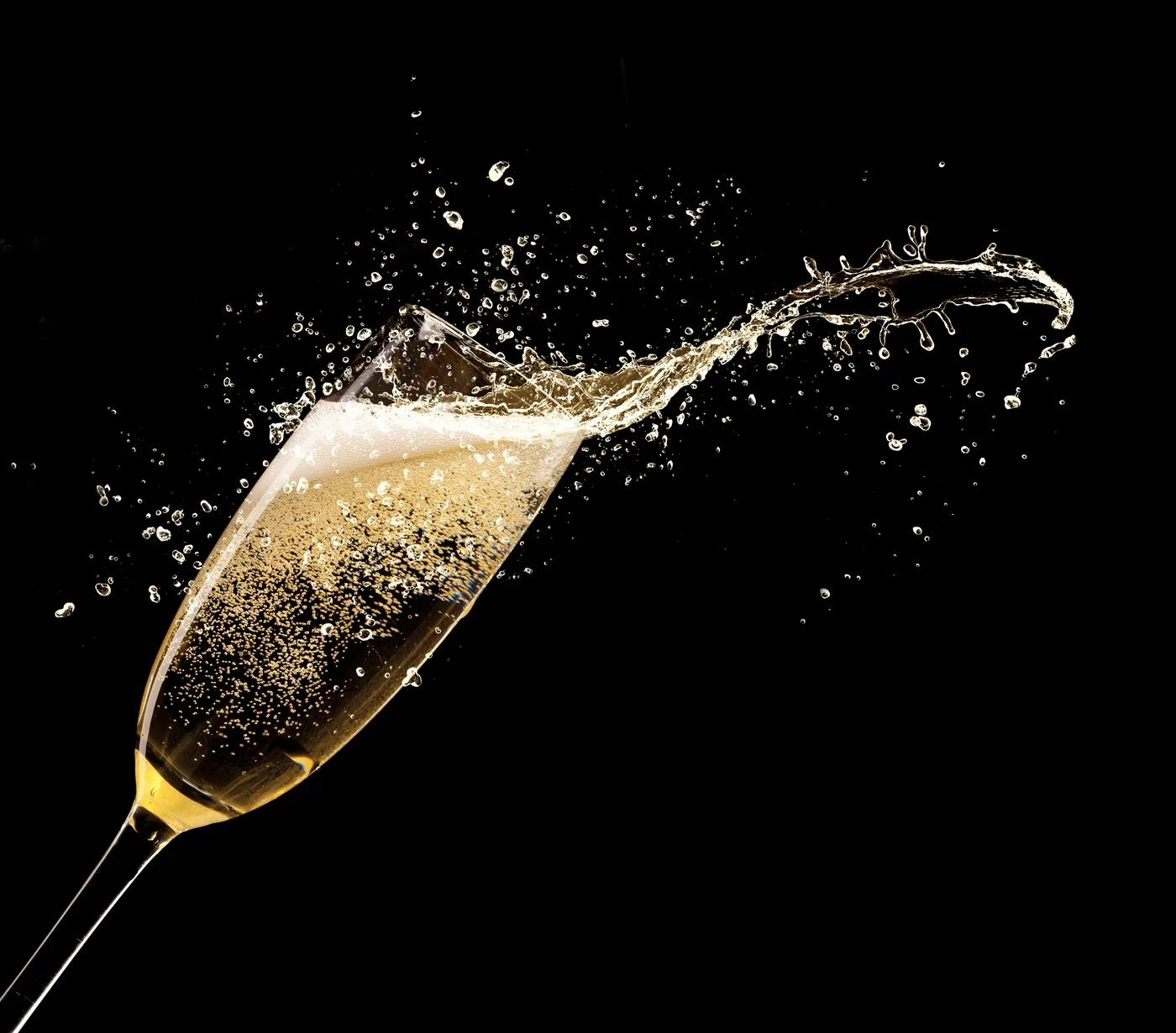
At the heart of champagne’s allure lies its bubbles—those delicate, shimmering orbs of gas that rise to the surface of the glass, sparkling and effervescent, making champagne unmistakable. But what exactly are they, and why do they have such a profound impact on the way we experience champagne?

1. The Creation of Effervescence: Science Behind the Sparkle

The effervescence in champagne is the result of a secondary fermentation process known as Méthode Champenoise. During this process, sugar and yeast are added to the base wine inside a sealed bottle, causing the wine to ferment again. The resulting carbon dioxide gas creates those iconic bubbles.

  • Carbon Dioxide Bubbles: These tiny bubbles are the product of the yeast’s consumption of sugar and their fermentation process. As they rise from the bottom of the glass, they release volatile compounds that contribute to champagne’s complex flavors and aromas. The fine quality of the bubbles is directly linked to the craftsmanship behind the champagne-making process, especially the length of time the champagne spends aging on its lees.
  • Perception of Freshness: The presence of these bubbles immediately communicates a sense of freshness and vibrancy. As the bubbles travel upward, they create a cascade of activity on the surface of the wine, adding an aesthetic dimension to the drinking experience that other still wines simply can’t match.

2. The Sensory Sensation of Bubbles in the Mouth

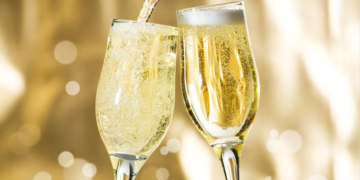
When the champagne touches your tongue, the bubbles perform their most enchanting act. Unlike carbonated sodas or sparkling waters, the bubbles in champagne are finer, more delicate, and more persistent. These tiny, effervescent beads create a gentle tingle as they burst on the palate, adding a dimension of texture that’s both refreshing and luxurious.

  • Tactile Pleasure: The sensation of bubbles bursting on the tongue adds a playful element to the drink. Each bubble carries with it a burst of flavor, but it’s the mouthfeel—the soft, caressing sensation—that is one of the most distinguishing characteristics of champagne. It creates a feeling of lightness and elegance, making champagne perfect for sipping slowly during moments of celebration.
  • Foamy Embrace: As the bubbles rise and pop, they create a foamy layer in the mouth that coats the palate with a light creaminess, helping to balance the wine’s natural acidity and freshness. This dynamic texture is a major part of champagne’s mouthfeel—a smoothness that creates an unparalleled contrast to its sharpness and crispness.

Complexity in a Glass: Champagne’s Flavor Dance

The effervescence of champagne is just one part of its allure. When combined with its intricate flavors, champagne provides a uniquely complex and rich tasting experience. How does the interplay of fruitiness, minerality, and aged character dance on your palate?

1. Aromatic Intricacies: The First Encounter

When you first raise a glass of champagne, the aromas are what hit you. They are light, delicate, and often floral or fruity in character. These aromas are the first part of champagne’s multi-layered sensory experience.

  • Fresh Fruit Notes: The first whiff often brings out aromas of green apple, pear, or citrus, which reflect the freshness and crisp acidity of the wine. These vibrant scents set the tone for the clean, refreshing taste that will follow.
  • Yeast and Brioche: As champagne ages, it picks up more complex aromas of bread, brioche, or yeasty notes, thanks to the lees on which it ages. These scents provide a depth that evolves over time, contributing to champagne’s sophisticated bouquet.

2. Flavor Profile: The Dance of Fruit, Acidity, and Complexity

The first sip of champagne is a burst of fruity freshness, but as the wine glides across your palate, it reveals a surprising complexity.

  • Citrus and Stone Fruits: Champagne’s dominant flavors often include citrus—like lemon, lime, or grapefruit—as well as green apple and occasionally stone fruits like peach or apricot. These flavors add to the freshness of the wine, keeping it light and crisp while enhancing its ability to cleanse the palate.
  • Minerality: One of the most exciting aspects of champagne is its mineral character. The soil in the Champagne region, which is rich in chalk, imparts a subtle chalky or saline note to the wine. This minerality brings a refreshing crispness, balancing the fruit flavors and contributing to the wine’s clean finish.
  • Complexity from Aging: The longer champagne ages, the more nutty, biscuity, and toasty flavors it will develop, thanks to the yeast and the time it spends in contact with the lees. These elements offer richness and depth, creating a multi-layered experience that unveils new flavors with every sip.

3. Acidity and Balance: The Backbone of Champagne’s Elegance

Champagne’s acidity plays a crucial role in its ability to refresh and delight. The high acidity of the wine is what gives it its signature crispness, helping to cut through the richness of food and giving the wine an elegant structure.

  • Crisp Freshness: The acidity helps the wine feel vibrant and lively, while also cleansing the palate, making it a perfect companion for rich foods, appetizers, or even delicate seafood. Champagne’s ability to balance acidity with its rich flavors makes it versatile and timeless.
  • Elegance and Length: The wine’s acidity also contributes to its elegance and the length of its finish. As the bubbles dissipate, the flavors continue to linger, leaving behind a long, clean aftertaste that refreshes and satisfies the taste buds.
Champagne’s Unique Role in Enhancing Sensory Pleasure

So why does champagne manage to sparkle and dazzle in such a unique way? It’s not just the bubbles or the complexity of the flavors—it’s the entire sensory experience that champagne offers. It’s the tactile pleasure of bubbles dancing on your tongue, the freshness and vibrancy of the flavors, and the long-lasting enjoyment that fills your senses long after you’ve taken a sip.

1. The Sparkling Visual Experience

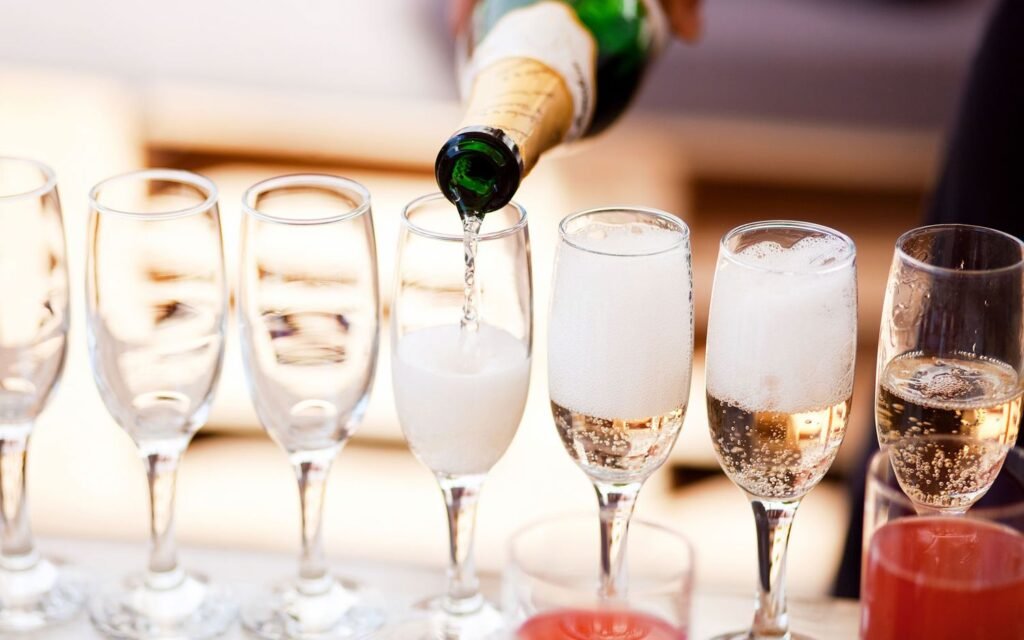
The sight of champagne is often as dazzling as its taste. The light catches the bubbles as they rise in a delicate stream, creating a visual that signals elegance, celebration, and joy.

  • Clarity and Brightness: Champagne’s bright, golden hues, often accompanied by sparkling bubbles, signal its freshness and purity. The rising bubbles create a hypnotic visual display, enhancing the drinking experience and making it feel like a special occasion every time.

2. The Feeling of Celebration

From the pop of the cork to the clink of glasses, champagne is synonymous with celebration. The mere act of pouring and tasting champagne brings an undeniable sense of joy and occasion, making every moment feel more significant and memorable.


Conclusion: Champagne, The Sensory Masterpiece

Champagne’s effervescence is not merely a physical sensation but a sensory masterpiece that elevates it above other wines. The delicate bubbles, the fresh acidity, the flavors that evolve over time—all combine to offer an experience that goes beyond taste, making champagne the ultimate drink for celebrating special moments.

The bubbles, like little dancers on your palate, create a dynamic texture that keeps you coming back for more. Whether you’re enjoying it alone, with a loved one, or at a grand celebration, champagne’s sparkling magic has an unmatched ability to delight, refresh, and uplift your senses in a way that no other drink can.

Tags: champagneFamous brand wineHealthHistoryInnovationluxurymarkettaste
ShareTweetShare

Related Posts

The History of Champagne — From Accidental Sparkle to Global Luxury
Champagne

The Future of Champagne — Climate Change, Innovation, and Industry Evolution

April 25, 2026
The History of Champagne — From Accidental Sparkle to Global Luxury
Champagne

The Culture of Champagne — Luxury, Celebration, and Global Influence

April 25, 2026
The History of Champagne — From Accidental Sparkle to Global Luxury
Champagne

Champagne Styles Explained — Brut, Rosé, Vintage, and Beyond

April 25, 2026
The History of Champagne — From Accidental Sparkle to Global Luxury
Champagne

The Craft of Champagne — Terroir, Grapes, and the Méthode Traditionnelle

April 25, 2026
The History of Champagne — From Accidental Sparkle to Global Luxury
Champagne

The History of Champagne — From Accidental Sparkle to Global Luxury

April 25, 2026
The Future of Champagne — Climate Change, Innovation, and the Evolution of Sparkling Wine
Champagne

The Future of Champagne — Climate Change, Innovation, and the Evolution of Sparkling Wine

April 22, 2026
Leave Comment
  • Trending
  • Comments
  • Latest
Role of Terroir in Champagne Production

Role of Terroir in Champagne Production

January 19, 2026
Champagne Can Be Aged in Wood?

Champagne Can Be Aged in Wood?

January 18, 2026
Is Organic Wine Healthier Than Conventional Wine?

Is Organic Wine Healthier Than Conventional Wine?

January 20, 2026
Why Do Some Champagnes Use a High Proportion of Pinot Meunier?

Why Do Some Champagnes Use a High Proportion of Pinot Meunier?

January 20, 2026
The Timeless Elegance of Wine: A Journey Through History and Culture

The Timeless Elegance of Wine: A Journey Through History and Culture

Why Is Château Lafite Rothschild the Pinnacle of Fine Wine?

Why Is Château Lafite Rothschild the Pinnacle of Fine Wine?

How Did Château Lafite Rothschild Become a Global Icon of Luxury?

How Did Château Lafite Rothschild Become a Global Icon of Luxury?

What Makes Chateau Lafite Rothschild the Pinnacle of Bordeaux Wines?

What Makes Chateau Lafite Rothschild the Pinnacle of Bordeaux Wines?

Beer as a Cultural and Social Force: From Ancient Brew to Modern Identity

The Art of Beer & Food Pairing: Unlocking Flavor Through Balance, Contrast, and Texture

April 26, 2026
Beer as a Cultural and Social Force: From Ancient Brew to Modern Identity

A Complete Guide to Beer Styles: From Lager to Stout, Understanding Flavor, Body, and Character

April 26, 2026
Beer as a Cultural and Social Force: From Ancient Brew to Modern Identity

The Global Beer Industry: Craft Revolution, Market Forces, and the Future of Brewing

April 26, 2026
Beer as a Cultural and Social Force: From Ancient Brew to Modern Identity

The Science of Beer: Brewing Process, Ingredients, and the Chemistry of Flavor

April 26, 2026
SipsavorLife

Welcome to our comprehensive beverage guide, where you can explore the fascinating world of alcoholic drinks. From exquisite wines and rich whiskeys to refreshing beers and sparkling champagnes, we provide insights, tips, and recommendations for enthusiasts and casual drinkers alike. Discover your next favorite libation with us!

© 2025 sipsavorlife.com. contacts:sipsavorlife-35376@gmail.com

No Result
View All Result
  • Home
  • Wine
  • Whiskey
  • Beer
  • Grain Spirits
  • Champagne
  • ALL

© 2025 sipsavorlife.com. contacts:sipsavorlife-35376@gmail.com

Welcome Back!

Login to your account below

Forgotten Password?

Retrieve your password

Please enter your username or email address to reset your password.

Log In