
SipsavorLife
  • Home
  • Wine
    The History, Culture, and Global Influence of Humanity’s Most Celebrated Beverage

    The Wine Revolution: How Modern Winemaking Transformed a Global Industry

    The History, Culture, and Global Influence of Humanity’s Most Celebrated Beverage

    Wine Styles of the World: A Complete Guide to Red, White, Rosé, Sparkling, and Fortified Wines

    The History, Culture, and Global Influence of Humanity’s Most Celebrated Beverage

    The Global Wine Industry: Markets, Trade, Tourism, and Economic Impact

    The History, Culture, and Global Influence of Humanity’s Most Celebrated Beverage

    The Science of Wine: Grapes, Fermentation, and Flavor Development

    The History, Culture, and Global Influence of Humanity’s Most Celebrated Beverage

    The History, Culture, and Global Influence of Humanity’s Most Celebrated Beverage

    The Cultural History of Wine: From Ancient Rituals to Modern Luxury

    The Psychology of Wine: Why Humans Associate Wine with Emotion, Memory, and Identity

  • Whiskey
    Can Beer Be an Effective Ingredient in Culinary Cooking?

    Can Beer Be an Effective Ingredient in Culinary Cooking?

    Second Fermentation in Champagne: Is It Really That Crucial?

    Second Fermentation in Champagne: Is It Really That Crucial?

    How Do Different Grains Impact the Flavor Profile of Distilled Spirits?

    How Do Different Grains Impact the Flavor Profile of Distilled Spirits?

    How Do Whiskey Master Blenders Create Perfection?

    How Do Whiskey Master Blenders Create Perfection?

    Wine Pairings: Can They Change the Flavor Profile of a Dish?

    Wine Pairings: Can They Change the Flavor Profile of a Dish?

    Beer the Ultimate Beverage for Pairing with Spicy Food?

    Beer the Ultimate Beverage for Pairing with Spicy Food?

  • Beer
    Malt Beer: Why Does Its Sweet Malty Aroma Always Bring Endless Satisfaction?

    The Craft Beer Revolution: How Independent Breweries Changed the World of Beer

    Beer: The World’s Oldest and Most Influential Beverage

    Beer Styles of the World: A Complete Guide to Lager, Ale, Stout, IPA, and Beyond

    Beer: The World’s Oldest and Most Influential Beverage

    The Global Beer Industry: Markets, Brands, and Economic Impact

    Beer: The World’s Oldest and Most Influential Beverage

    The Science of Beer: Ingredients, Fermentation, and Flavor

    Beer: The World’s Oldest and Most Influential Beverage

    Beer: The World’s Oldest and Most Influential Beverage

    Beer as a Cultural and Social Force: From Ancient Brew to Modern Identity

    Women in Brewing: The Untold History and Modern Transformation of Beer Culture

  • Grain Spirits
    Grain Spirits: The Origins, Science, and Global Evolution of Distilled Grain Alcohol

    Bourbon: America’s Native Grain Spirit and the Global Story of Corn, Oak, Fire, and Time

    Grain Spirits: The Origins, Science, and Global Evolution of Distilled Grain Alcohol

    Gin: Botanicals, History, Cocktail Culture, and the Artistic Evolution of the World’s Most Aromatic Grain Spirit

    Grain Spirits: The Origins, Science, and Global Evolution of Distilled Grain Alcohol

    Vodka: The Global Rise of the World’s Most Versatile Grain Spirit

    Grain Spirits: The Origins, Science, and Global Evolution of Distilled Grain Alcohol

    Whiskey and the Soul of Grain Spirits: History, Craftsmanship, Culture, and the Global Rise of the World’s Most Iconic Distilled Grain Beverage

    Grain Spirits: The Origins, Science, and Global Evolution of Distilled Grain Alcohol

    Grain Spirits: The Origins, Science, and Global Evolution of Distilled Grain Alcohol

    Grain Spirits Explained — The Foundation of Global Distillation

    The Future of Grain Spirits — Technology, Sustainability, and the Next Era of Distillation

  • Champagne
    Champagne: The Sparkling Wine That Changed Global Celebration Culture

    Dom Pérignon, Cristal, Krug, and Beyond: The World’s Most Famous Champagne Houses and Their Legacy

    Champagne Beyond Celebration: The History, Craftsmanship, and Global Influence of the World’s Most Iconic Sparkling Wine

    The Future of Champagne: Climate Change, Innovation, Sustainability, and the Next Era of Sparkling Wine

    Champagne Beyond Celebration: The History, Craftsmanship, and Global Influence of the World’s Most Iconic Sparkling Wine

    Champagne and Luxury Culture: How Sparkling Wine Became a Global Symbol of Wealth, Celebration, and Prestige

    Champagne Beyond Celebration: The History, Craftsmanship, and Global Influence of the World’s Most Iconic Sparkling Wine

    The Art of Champagne Production: Inside the Science, Skill, and Tradition Behind Every Bottle

    Champagne Beyond Celebration: The History, Craftsmanship, and Global Influence of the World’s Most Iconic Sparkling Wine

    Champagne Beyond Celebration: The History, Craftsmanship, and Global Influence of the World’s Most Iconic Sparkling Wine

    Champagne: The Sparkling Wine That Changed Global Celebration Culture

    Champagne vs Prosecco vs Cava: How the World’s Sparkling Wines Reflect Culture, Geography, and Taste

  • ALL
    Can Beer Be an Effective Ingredient in Culinary Cooking?

    Can Beer Be an Effective Ingredient in Culinary Cooking?

    Second Fermentation in Champagne: Is It Really That Crucial?

    Second Fermentation in Champagne: Is It Really That Crucial?

    How Do Different Grains Impact the Flavor Profile of Distilled Spirits?

    How Do Different Grains Impact the Flavor Profile of Distilled Spirits?

    How Do Whiskey Master Blenders Create Perfection?

    How Do Whiskey Master Blenders Create Perfection?

    Wine Pairings: Can They Change the Flavor Profile of a Dish?

    Wine Pairings: Can They Change the Flavor Profile of a Dish?

    Beer the Ultimate Beverage for Pairing with Spicy Food?

    Beer the Ultimate Beverage for Pairing with Spicy Food?

SipsavorLife
  • Home
  • Wine
    The History, Culture, and Global Influence of Humanity’s Most Celebrated Beverage

    The Wine Revolution: How Modern Winemaking Transformed a Global Industry

    The History, Culture, and Global Influence of Humanity’s Most Celebrated Beverage

    Wine Styles of the World: A Complete Guide to Red, White, Rosé, Sparkling, and Fortified Wines

    The History, Culture, and Global Influence of Humanity’s Most Celebrated Beverage

    The Global Wine Industry: Markets, Trade, Tourism, and Economic Impact

    The History, Culture, and Global Influence of Humanity’s Most Celebrated Beverage

    The Science of Wine: Grapes, Fermentation, and Flavor Development

    The History, Culture, and Global Influence of Humanity’s Most Celebrated Beverage

    The History, Culture, and Global Influence of Humanity’s Most Celebrated Beverage

    The Cultural History of Wine: From Ancient Rituals to Modern Luxury

    The Psychology of Wine: Why Humans Associate Wine with Emotion, Memory, and Identity

  • Whiskey
    Can Beer Be an Effective Ingredient in Culinary Cooking?

    Can Beer Be an Effective Ingredient in Culinary Cooking?

    Second Fermentation in Champagne: Is It Really That Crucial?

    Second Fermentation in Champagne: Is It Really That Crucial?

    How Do Different Grains Impact the Flavor Profile of Distilled Spirits?

    How Do Different Grains Impact the Flavor Profile of Distilled Spirits?

    How Do Whiskey Master Blenders Create Perfection?

    How Do Whiskey Master Blenders Create Perfection?

    Wine Pairings: Can They Change the Flavor Profile of a Dish?

    Wine Pairings: Can They Change the Flavor Profile of a Dish?

    Beer the Ultimate Beverage for Pairing with Spicy Food?

    Beer the Ultimate Beverage for Pairing with Spicy Food?

  • Beer
    Malt Beer: Why Does Its Sweet Malty Aroma Always Bring Endless Satisfaction?

    The Craft Beer Revolution: How Independent Breweries Changed the World of Beer

    Beer: The World’s Oldest and Most Influential Beverage

    Beer Styles of the World: A Complete Guide to Lager, Ale, Stout, IPA, and Beyond

    Beer: The World’s Oldest and Most Influential Beverage

    The Global Beer Industry: Markets, Brands, and Economic Impact

    Beer: The World’s Oldest and Most Influential Beverage

    The Science of Beer: Ingredients, Fermentation, and Flavor

    Beer: The World’s Oldest and Most Influential Beverage

    Beer: The World’s Oldest and Most Influential Beverage

    Beer as a Cultural and Social Force: From Ancient Brew to Modern Identity

    Women in Brewing: The Untold History and Modern Transformation of Beer Culture

  • Grain Spirits
    Grain Spirits: The Origins, Science, and Global Evolution of Distilled Grain Alcohol

    Bourbon: America’s Native Grain Spirit and the Global Story of Corn, Oak, Fire, and Time

    Grain Spirits: The Origins, Science, and Global Evolution of Distilled Grain Alcohol

    Gin: Botanicals, History, Cocktail Culture, and the Artistic Evolution of the World’s Most Aromatic Grain Spirit

    Grain Spirits: The Origins, Science, and Global Evolution of Distilled Grain Alcohol

    Vodka: The Global Rise of the World’s Most Versatile Grain Spirit

    Grain Spirits: The Origins, Science, and Global Evolution of Distilled Grain Alcohol

    Whiskey and the Soul of Grain Spirits: History, Craftsmanship, Culture, and the Global Rise of the World’s Most Iconic Distilled Grain Beverage

    Grain Spirits: The Origins, Science, and Global Evolution of Distilled Grain Alcohol

    Grain Spirits: The Origins, Science, and Global Evolution of Distilled Grain Alcohol

    Grain Spirits Explained — The Foundation of Global Distillation

    The Future of Grain Spirits — Technology, Sustainability, and the Next Era of Distillation

  • Champagne
    Champagne: The Sparkling Wine That Changed Global Celebration Culture

    Dom Pérignon, Cristal, Krug, and Beyond: The World’s Most Famous Champagne Houses and Their Legacy

    Champagne Beyond Celebration: The History, Craftsmanship, and Global Influence of the World’s Most Iconic Sparkling Wine

    The Future of Champagne: Climate Change, Innovation, Sustainability, and the Next Era of Sparkling Wine

    Champagne Beyond Celebration: The History, Craftsmanship, and Global Influence of the World’s Most Iconic Sparkling Wine

    Champagne and Luxury Culture: How Sparkling Wine Became a Global Symbol of Wealth, Celebration, and Prestige

    Champagne Beyond Celebration: The History, Craftsmanship, and Global Influence of the World’s Most Iconic Sparkling Wine

    The Art of Champagne Production: Inside the Science, Skill, and Tradition Behind Every Bottle

    Champagne Beyond Celebration: The History, Craftsmanship, and Global Influence of the World’s Most Iconic Sparkling Wine

    Champagne Beyond Celebration: The History, Craftsmanship, and Global Influence of the World’s Most Iconic Sparkling Wine

    Champagne: The Sparkling Wine That Changed Global Celebration Culture

    Champagne vs Prosecco vs Cava: How the World’s Sparkling Wines Reflect Culture, Geography, and Taste

  • ALL
    Can Beer Be an Effective Ingredient in Culinary Cooking?

    Can Beer Be an Effective Ingredient in Culinary Cooking?

    Second Fermentation in Champagne: Is It Really That Crucial?

    Second Fermentation in Champagne: Is It Really That Crucial?

    How Do Different Grains Impact the Flavor Profile of Distilled Spirits?

    How Do Different Grains Impact the Flavor Profile of Distilled Spirits?

    How Do Whiskey Master Blenders Create Perfection?

    How Do Whiskey Master Blenders Create Perfection?

    Wine Pairings: Can They Change the Flavor Profile of a Dish?

    Wine Pairings: Can They Change the Flavor Profile of a Dish?

    Beer the Ultimate Beverage for Pairing with Spicy Food?

    Beer the Ultimate Beverage for Pairing with Spicy Food?

SipsavorLife
No Result
View All Result
Home ALL

Why Do Some Wines Taste Better After Aging?

April 11, 2025
in ALL, Wine
Why Do Some Wines Taste Better After Aging?

Wine has long been celebrated for its ability to evolve over time. Many wine enthusiasts agree that certain wines improve as they age, developing more complexity, richness, and nuanced flavors. This phenomenon has been the subject of fascination and study for centuries, as wine lovers and winemakers alike seek to understand the scientific processes that contribute to the maturation of wine.

In this article, we will explore the science behind wine aging, including the chemical and biological changes that occur as wine matures. We will also discuss which wines are best suited for aging, why some wines improve more than others, and how to store wine for optimal aging. By the end, you will have a thorough understanding of why some wines taste better after aging and how the aging process contributes to their quality and character.

What Happens When Wine Ages?

Wine aging refers to the process of allowing wine to mature over time, which can occur both in the bottle and in the barrel. During this period, the wine undergoes a variety of chemical and physical transformations that alter its taste, aroma, texture, and appearance. These changes are primarily driven by three main factors: oxidation, evaporation, and chemical reactions between the wine’s components.

1. Oxidation: A Double-Edged Sword

Oxidation is one of the key factors that influence the aging of wine. Oxygen interacts with the compounds in the wine, leading to a gradual transformation in its flavor and color. In small, controlled amounts, oxygen can help soften the tannins in red wine and make the wine feel smoother and more integrated. It can also help mellow the acidity and bring out more complex aromas and flavors.

However, if oxidation occurs too rapidly or in excessive amounts, it can lead to undesirable outcomes, such as the degradation of fresh fruit flavors and the development of off-putting characteristics like vinegar-like sourness. This is why the storage conditions of wine, including the proper sealing of bottles with corks or screw caps, are so important for aging. The cork allows for a small, controlled amount of oxygen to interact with the wine over time, which can enhance its aging potential.

2. Polyphenol Evolution: Tannins and Antioxidants

Polyphenols, which include tannins and anthocyanins, are natural compounds found in wine, particularly in red wines. Tannins, which are derived from grape skins, seeds, and stems, are responsible for the dry, astringent sensation that you might feel in your mouth when drinking a young red wine. As wine ages, tannins undergo polymerization, a process in which they bind together and form larger molecules. This reduces the wine’s astringency, making it feel smoother and softer on the palate.

In addition to tannins, anthocyanins—pigments responsible for the color of red and purple wines—also change as wine ages. The pigments can degrade over time, leading to a deepening of the wine’s color from bright red to brick or tawny hues. In this way, both tannins and anthocyanins evolve, contributing to the overall texture, flavor, and appearance of the wine.

Furthermore, polyphenols in wine act as antioxidants, helping to protect the wine from the damaging effects of oxidation. Over time, the balance between these antioxidants and oxidizing agents in the wine can shift, leading to the development of more complex and mature aromas and flavors.

3. Esters and Aromatic Compounds: The Role of Secondary Reactions

As wine ages, a variety of chemical reactions occur between the alcohols, acids, and esters present in the wine. These reactions lead to the formation of new aromatic compounds, which contribute to the wine’s evolving bouquet. For example, esters, which are compounds formed by the reaction between alcohol and acids, can create fruity or floral notes in wine.

In red wines, the slow breakdown of organic acids, such as malic acid, can contribute to a smoother and less acidic taste. This is often a hallmark of aged red wines, which tend to have a more rounded mouthfeel. In white wines, aging can result in the development of more complex, nutty, and honeyed aromas as the wine’s ester compounds evolve.

The gradual accumulation of these new compounds results in an increase in the complexity of the wine’s aroma profile, with some wines developing more tertiary notes of leather, tobacco, forest floor, or even truffle as they mature.

4. Microbial Activity: The Role of Yeast and Bacteria

During the aging process, microbial activity, including that of yeast and bacteria, can also play a role in shaping the flavor of wine. In wines that undergo secondary fermentation, such as sparkling wines, the yeast creates flavors known as autolytic notes, which can add complexity to the wine. Additionally, lactic acid bacteria may play a role in the development of malolactic fermentation, which can soften the acidity of the wine and introduce buttery or creamy notes.

In some cases, the influence of beneficial bacteria during aging can lead to wines that develop earthy, savory, or umami flavors that enhance the wine’s complexity and overall balance. These microbial changes are often subtle but contribute to the depth of flavors in aged wines.

Which Wines Age the Best?

Not all wines are meant to age. While some wines improve with age, others are best consumed while they are still fresh and vibrant. The ability of a wine to age well depends on several factors, including its structure, acidity, tannin content, and overall balance. Generally, wines that are high in acidity and tannins tend to age better than those that are low in these components.

1. Red Wines

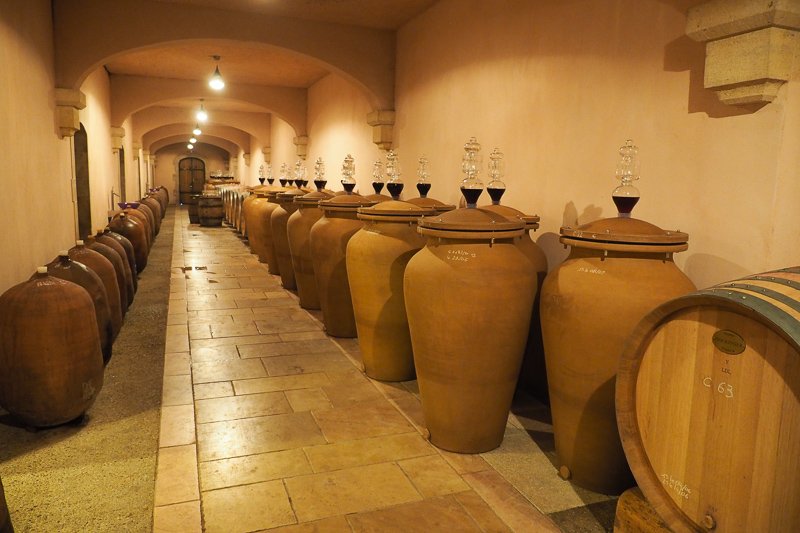
Red wines with high tannin content, such as Cabernet Sauvignon, Merlot, Nebbiolo, and Syrah, are often the best candidates for aging. These wines have the structural backbone necessary to withstand the aging process and develop more complex flavors over time. Tannins act as natural preservatives, helping to protect the wine from oxidation and allowing it to evolve over several years or even decades.

In addition to tannins, red wines with balanced acidity also age well. Wines from cooler climates, such as Bordeaux and Burgundy, are often able to maintain their freshness and acidity over time, which helps them age gracefully.
OLYMPUS DIGITAL CAMERA

2. White Wines

While white wines are generally consumed younger than reds, certain white wines can also improve with age. Wines with high acidity, such as Riesling, Sauvignon Blanc, and Chardonnay, have the potential to develop more complex and nuanced flavors as they age. Aged white wines often exhibit aromas of honey, nuts, and dried fruit, as well as a smoother texture.

Chardonnays that undergo oak aging, especially those from Burgundy (such as Chablis), often improve with age, developing rich, buttery, and nutty flavors as the wine matures. Additionally, sweet white wines, such as Sauternes and Tokaji, are known for their aging potential and can develop complex, honeyed, and caramelized flavors over time.

3. Fortified Wines

Fortified wines like Port, Sherry, and Madeira are particularly well-suited for aging. The addition of extra alcohol during fermentation helps preserve the wine, allowing it to age for extended periods. In particular, vintage Port and Madeira are known for their remarkable aging potential, with some bottles lasting for decades and developing rich, complex flavors.

How to Properly Age Wine

Proper storage is key to ensuring that wine ages in the best possible conditions. Wine should be stored in a cool, dark environment with consistent temperature and humidity levels. Ideally, wine should be kept at a temperature between 50 and 60°F (10 to 15°C) with humidity around 60 to 70%. Wine should also be stored on its side to keep the cork moist and prevent it from drying out, which could allow oxygen to enter the bottle and spoil the wine.

For optimal aging, wine should be stored in a wine cellar or a wine fridge that maintains stable conditions. Bottles should be stored away from vibrations, strong odors, and direct sunlight, all of which can negatively impact the aging process.

How Long Should Wine Be Aged?

The ideal aging time for wine varies depending on the type of wine, its structure, and personal preference. While some wines can age for just a few years to reach their peak, others may need decades to fully mature. Generally, wines with higher tannins and acidity have the longest aging potential.

For red wines, the aging potential can range from 5 to 30 years, depending on the variety and region. For white wines, the aging potential is typically shorter, ranging from 2 to 10 years, with some exceptions for wines with high acidity and structure.

Conclusion: The Magic of Wine Aging

Wine aging is a complex and fascinating process that allows wines to evolve and develop new flavors, aromas, and textures over time. While not all wines are meant to be aged, those with the right balance of acidity, tannins, and structure can improve significantly with time, offering wine lovers a deeper, more nuanced drinking experience. Understanding the science behind wine aging can help you make better choices when selecting wines for aging and enable you to appreciate the unique characteristics that develop as wines mature.

By paying attention to storage conditions and knowing which wines are best suited for aging, you can embark on a journey of discovering the magic of wine’s transformation over time, ultimately enjoying wines at their peak of complexity and refinement.

Tags: oxidationpolyphenolstanninsWine Agingwine maturation
ShareTweetShare

Related Posts

The History, Culture, and Global Influence of Humanity’s Most Celebrated Beverage
Wine

The Wine Revolution: How Modern Winemaking Transformed a Global Industry

June 3, 2026
The History, Culture, and Global Influence of Humanity’s Most Celebrated Beverage
Wine

Wine Styles of the World: A Complete Guide to Red, White, Rosé, Sparkling, and Fortified Wines

June 3, 2026
The History, Culture, and Global Influence of Humanity’s Most Celebrated Beverage
Wine

The Global Wine Industry: Markets, Trade, Tourism, and Economic Impact

June 3, 2026
The History, Culture, and Global Influence of Humanity’s Most Celebrated Beverage
Wine

The Science of Wine: Grapes, Fermentation, and Flavor Development

June 3, 2026
The History, Culture, and Global Influence of Humanity’s Most Celebrated Beverage
Wine

The History, Culture, and Global Influence of Humanity’s Most Celebrated Beverage

June 3, 2026
The Cultural History of Wine: From Ancient Rituals to Modern Luxury
Wine

The Psychology of Wine: Why Humans Associate Wine with Emotion, Memory, and Identity

May 23, 2026
Leave Comment
  • Trending
  • Comments
  • Latest
Role of Terroir in Champagne Production

Role of Terroir in Champagne Production

January 19, 2026
Champagne Can Be Aged in Wood?

Champagne Can Be Aged in Wood?

January 18, 2026
Is Organic Wine Healthier Than Conventional Wine?

Is Organic Wine Healthier Than Conventional Wine?

January 20, 2026
Why Do Some Champagnes Use a High Proportion of Pinot Meunier?

Why Do Some Champagnes Use a High Proportion of Pinot Meunier?

January 20, 2026
The Timeless Elegance of Wine: A Journey Through History and Culture

The Timeless Elegance of Wine: A Journey Through History and Culture

Why Is Château Lafite Rothschild the Pinnacle of Fine Wine?

Why Is Château Lafite Rothschild the Pinnacle of Fine Wine?

How Did Château Lafite Rothschild Become a Global Icon of Luxury?

How Did Château Lafite Rothschild Become a Global Icon of Luxury?

What Makes Chateau Lafite Rothschild the Pinnacle of Bordeaux Wines?

What Makes Chateau Lafite Rothschild the Pinnacle of Bordeaux Wines?

The History, Culture, and Global Influence of Humanity’s Most Celebrated Beverage

The Wine Revolution: How Modern Winemaking Transformed a Global Industry

June 3, 2026
The History, Culture, and Global Influence of Humanity’s Most Celebrated Beverage

Wine Styles of the World: A Complete Guide to Red, White, Rosé, Sparkling, and Fortified Wines

June 3, 2026
The History, Culture, and Global Influence of Humanity’s Most Celebrated Beverage

The Global Wine Industry: Markets, Trade, Tourism, and Economic Impact

June 3, 2026
The History, Culture, and Global Influence of Humanity’s Most Celebrated Beverage

The Science of Wine: Grapes, Fermentation, and Flavor Development

June 3, 2026
SipsavorLife

Welcome to our comprehensive beverage guide, where you can explore the fascinating world of alcoholic drinks. From exquisite wines and rich whiskeys to refreshing beers and sparkling champagnes, we provide insights, tips, and recommendations for enthusiasts and casual drinkers alike. Discover your next favorite libation with us!

© 2025 sipsavorlife.com. contacts:sipsavorlife-35376@gmail.com

No Result
View All Result
  • Home
  • Wine
  • Whiskey
  • Beer
  • Grain Spirits
  • Champagne
  • ALL

© 2025 sipsavorlife.com. contacts:sipsavorlife-35376@gmail.com

Welcome Back!

Login to your account below

Forgotten Password?

Retrieve your password

Please enter your username or email address to reset your password.

Log In