















SipsavorLife
  • Home
  • Wine
    The History, Culture, and Global Influence of Humanity’s Most Celebrated Beverage

    The Wine Revolution: How Modern Winemaking Transformed a Global Industry

    The History, Culture, and Global Influence of Humanity’s Most Celebrated Beverage

    Wine Styles of the World: A Complete Guide to Red, White, Rosé, Sparkling, and Fortified Wines

    The History, Culture, and Global Influence of Humanity’s Most Celebrated Beverage

    The Global Wine Industry: Markets, Trade, Tourism, and Economic Impact

    The History, Culture, and Global Influence of Humanity’s Most Celebrated Beverage

    The Science of Wine: Grapes, Fermentation, and Flavor Development

    The History, Culture, and Global Influence of Humanity’s Most Celebrated Beverage

    The History, Culture, and Global Influence of Humanity’s Most Celebrated Beverage

    The Cultural History of Wine: From Ancient Rituals to Modern Luxury

    The Psychology of Wine: Why Humans Associate Wine with Emotion, Memory, and Identity

  • Whiskey
    Can Beer Be an Effective Ingredient in Culinary Cooking?

    Can Beer Be an Effective Ingredient in Culinary Cooking?

    Second Fermentation in Champagne: Is It Really That Crucial?

    Second Fermentation in Champagne: Is It Really That Crucial?

    How Do Different Grains Impact the Flavor Profile of Distilled Spirits?

    How Do Different Grains Impact the Flavor Profile of Distilled Spirits?

    How Do Whiskey Master Blenders Create Perfection?

    How Do Whiskey Master Blenders Create Perfection?

    Wine Pairings: Can They Change the Flavor Profile of a Dish?

    Wine Pairings: Can They Change the Flavor Profile of a Dish?

    Beer the Ultimate Beverage for Pairing with Spicy Food?

    Beer the Ultimate Beverage for Pairing with Spicy Food?

  • Beer
    Malt Beer: Why Does Its Sweet Malty Aroma Always Bring Endless Satisfaction?

    The Craft Beer Revolution: How Independent Breweries Changed the World of Beer

    Beer: The World’s Oldest and Most Influential Beverage

    Beer Styles of the World: A Complete Guide to Lager, Ale, Stout, IPA, and Beyond

    Beer: The World’s Oldest and Most Influential Beverage

    The Global Beer Industry: Markets, Brands, and Economic Impact

    Beer: The World’s Oldest and Most Influential Beverage

    The Science of Beer: Ingredients, Fermentation, and Flavor

    Beer: The World’s Oldest and Most Influential Beverage

    Beer: The World’s Oldest and Most Influential Beverage

    Beer as a Cultural and Social Force: From Ancient Brew to Modern Identity

    Women in Brewing: The Untold History and Modern Transformation of Beer Culture

  • Grain Spirits
    Grain Spirits: The Origins, Science, and Global Evolution of Distilled Grain Alcohol

    Bourbon: America’s Native Grain Spirit and the Global Story of Corn, Oak, Fire, and Time

    Grain Spirits: The Origins, Science, and Global Evolution of Distilled Grain Alcohol

    Gin: Botanicals, History, Cocktail Culture, and the Artistic Evolution of the World’s Most Aromatic Grain Spirit

    Grain Spirits: The Origins, Science, and Global Evolution of Distilled Grain Alcohol

    Vodka: The Global Rise of the World’s Most Versatile Grain Spirit

    Grain Spirits: The Origins, Science, and Global Evolution of Distilled Grain Alcohol

    Whiskey and the Soul of Grain Spirits: History, Craftsmanship, Culture, and the Global Rise of the World’s Most Iconic Distilled Grain Beverage

    Grain Spirits: The Origins, Science, and Global Evolution of Distilled Grain Alcohol

    Grain Spirits: The Origins, Science, and Global Evolution of Distilled Grain Alcohol

    Grain Spirits Explained — The Foundation of Global Distillation

    The Future of Grain Spirits — Technology, Sustainability, and the Next Era of Distillation

  • Champagne
    Champagne: The Sparkling Wine That Changed Global Celebration Culture

    Dom Pérignon, Cristal, Krug, and Beyond: The World’s Most Famous Champagne Houses and Their Legacy

    Champagne Beyond Celebration: The History, Craftsmanship, and Global Influence of the World’s Most Iconic Sparkling Wine

    The Future of Champagne: Climate Change, Innovation, Sustainability, and the Next Era of Sparkling Wine

    Champagne Beyond Celebration: The History, Craftsmanship, and Global Influence of the World’s Most Iconic Sparkling Wine

    Champagne and Luxury Culture: How Sparkling Wine Became a Global Symbol of Wealth, Celebration, and Prestige

    Champagne Beyond Celebration: The History, Craftsmanship, and Global Influence of the World’s Most Iconic Sparkling Wine

    The Art of Champagne Production: Inside the Science, Skill, and Tradition Behind Every Bottle

    Champagne Beyond Celebration: The History, Craftsmanship, and Global Influence of the World’s Most Iconic Sparkling Wine

    Champagne Beyond Celebration: The History, Craftsmanship, and Global Influence of the World’s Most Iconic Sparkling Wine

    Champagne: The Sparkling Wine That Changed Global Celebration Culture

    Champagne vs Prosecco vs Cava: How the World’s Sparkling Wines Reflect Culture, Geography, and Taste

  • ALL
    Can Beer Be an Effective Ingredient in Culinary Cooking?

    Can Beer Be an Effective Ingredient in Culinary Cooking?

    Second Fermentation in Champagne: Is It Really That Crucial?

    Second Fermentation in Champagne: Is It Really That Crucial?

    How Do Different Grains Impact the Flavor Profile of Distilled Spirits?

    How Do Different Grains Impact the Flavor Profile of Distilled Spirits?

    How Do Whiskey Master Blenders Create Perfection?

    How Do Whiskey Master Blenders Create Perfection?

    Wine Pairings: Can They Change the Flavor Profile of a Dish?

    Wine Pairings: Can They Change the Flavor Profile of a Dish?

    Beer the Ultimate Beverage for Pairing with Spicy Food?

    Beer the Ultimate Beverage for Pairing with Spicy Food?

SipsavorLife
  • Home
  • Wine
    The History, Culture, and Global Influence of Humanity’s Most Celebrated Beverage

    The Wine Revolution: How Modern Winemaking Transformed a Global Industry

    The History, Culture, and Global Influence of Humanity’s Most Celebrated Beverage

    Wine Styles of the World: A Complete Guide to Red, White, Rosé, Sparkling, and Fortified Wines

    The History, Culture, and Global Influence of Humanity’s Most Celebrated Beverage

    The Global Wine Industry: Markets, Trade, Tourism, and Economic Impact

    The History, Culture, and Global Influence of Humanity’s Most Celebrated Beverage

    The Science of Wine: Grapes, Fermentation, and Flavor Development

    The History, Culture, and Global Influence of Humanity’s Most Celebrated Beverage

    The History, Culture, and Global Influence of Humanity’s Most Celebrated Beverage

    The Cultural History of Wine: From Ancient Rituals to Modern Luxury

    The Psychology of Wine: Why Humans Associate Wine with Emotion, Memory, and Identity

  • Whiskey
    Can Beer Be an Effective Ingredient in Culinary Cooking?

    Can Beer Be an Effective Ingredient in Culinary Cooking?

    Second Fermentation in Champagne: Is It Really That Crucial?

    Second Fermentation in Champagne: Is It Really That Crucial?

    How Do Different Grains Impact the Flavor Profile of Distilled Spirits?

    How Do Different Grains Impact the Flavor Profile of Distilled Spirits?

    How Do Whiskey Master Blenders Create Perfection?

    How Do Whiskey Master Blenders Create Perfection?

    Wine Pairings: Can They Change the Flavor Profile of a Dish?

    Wine Pairings: Can They Change the Flavor Profile of a Dish?

    Beer the Ultimate Beverage for Pairing with Spicy Food?

    Beer the Ultimate Beverage for Pairing with Spicy Food?

  • Beer
    Malt Beer: Why Does Its Sweet Malty Aroma Always Bring Endless Satisfaction?

    The Craft Beer Revolution: How Independent Breweries Changed the World of Beer

    Beer: The World’s Oldest and Most Influential Beverage

    Beer Styles of the World: A Complete Guide to Lager, Ale, Stout, IPA, and Beyond

    Beer: The World’s Oldest and Most Influential Beverage

    The Global Beer Industry: Markets, Brands, and Economic Impact

    Beer: The World’s Oldest and Most Influential Beverage

    The Science of Beer: Ingredients, Fermentation, and Flavor

    Beer: The World’s Oldest and Most Influential Beverage

    Beer: The World’s Oldest and Most Influential Beverage

    Beer as a Cultural and Social Force: From Ancient Brew to Modern Identity

    Women in Brewing: The Untold History and Modern Transformation of Beer Culture

  • Grain Spirits
    Grain Spirits: The Origins, Science, and Global Evolution of Distilled Grain Alcohol

    Bourbon: America’s Native Grain Spirit and the Global Story of Corn, Oak, Fire, and Time

    Grain Spirits: The Origins, Science, and Global Evolution of Distilled Grain Alcohol

    Gin: Botanicals, History, Cocktail Culture, and the Artistic Evolution of the World’s Most Aromatic Grain Spirit

    Grain Spirits: The Origins, Science, and Global Evolution of Distilled Grain Alcohol

    Vodka: The Global Rise of the World’s Most Versatile Grain Spirit

    Grain Spirits: The Origins, Science, and Global Evolution of Distilled Grain Alcohol

    Whiskey and the Soul of Grain Spirits: History, Craftsmanship, Culture, and the Global Rise of the World’s Most Iconic Distilled Grain Beverage

    Grain Spirits: The Origins, Science, and Global Evolution of Distilled Grain Alcohol

    Grain Spirits: The Origins, Science, and Global Evolution of Distilled Grain Alcohol

    Grain Spirits Explained — The Foundation of Global Distillation

    The Future of Grain Spirits — Technology, Sustainability, and the Next Era of Distillation

  • Champagne
    Champagne: The Sparkling Wine That Changed Global Celebration Culture

    Dom Pérignon, Cristal, Krug, and Beyond: The World’s Most Famous Champagne Houses and Their Legacy

    Champagne Beyond Celebration: The History, Craftsmanship, and Global Influence of the World’s Most Iconic Sparkling Wine

    The Future of Champagne: Climate Change, Innovation, Sustainability, and the Next Era of Sparkling Wine

    Champagne Beyond Celebration: The History, Craftsmanship, and Global Influence of the World’s Most Iconic Sparkling Wine

    Champagne and Luxury Culture: How Sparkling Wine Became a Global Symbol of Wealth, Celebration, and Prestige

    Champagne Beyond Celebration: The History, Craftsmanship, and Global Influence of the World’s Most Iconic Sparkling Wine

    The Art of Champagne Production: Inside the Science, Skill, and Tradition Behind Every Bottle

    Champagne Beyond Celebration: The History, Craftsmanship, and Global Influence of the World’s Most Iconic Sparkling Wine

    Champagne Beyond Celebration: The History, Craftsmanship, and Global Influence of the World’s Most Iconic Sparkling Wine

    Champagne: The Sparkling Wine That Changed Global Celebration Culture

    Champagne vs Prosecco vs Cava: How the World’s Sparkling Wines Reflect Culture, Geography, and Taste

  • ALL
    Can Beer Be an Effective Ingredient in Culinary Cooking?

    Can Beer Be an Effective Ingredient in Culinary Cooking?

    Second Fermentation in Champagne: Is It Really That Crucial?

    Second Fermentation in Champagne: Is It Really That Crucial?

    How Do Different Grains Impact the Flavor Profile of Distilled Spirits?

    How Do Different Grains Impact the Flavor Profile of Distilled Spirits?

    How Do Whiskey Master Blenders Create Perfection?

    How Do Whiskey Master Blenders Create Perfection?

    Wine Pairings: Can They Change the Flavor Profile of a Dish?

    Wine Pairings: Can They Change the Flavor Profile of a Dish?

    Beer the Ultimate Beverage for Pairing with Spicy Food?

    Beer the Ultimate Beverage for Pairing with Spicy Food?

SipsavorLife
No Result
View All Result
Home ALL

Can Rye Whiskey Really Be Better Than Bourbon?

April 11, 2025
in ALL, Grain Spirits
Can Rye Whiskey Really Be Better Than Bourbon?

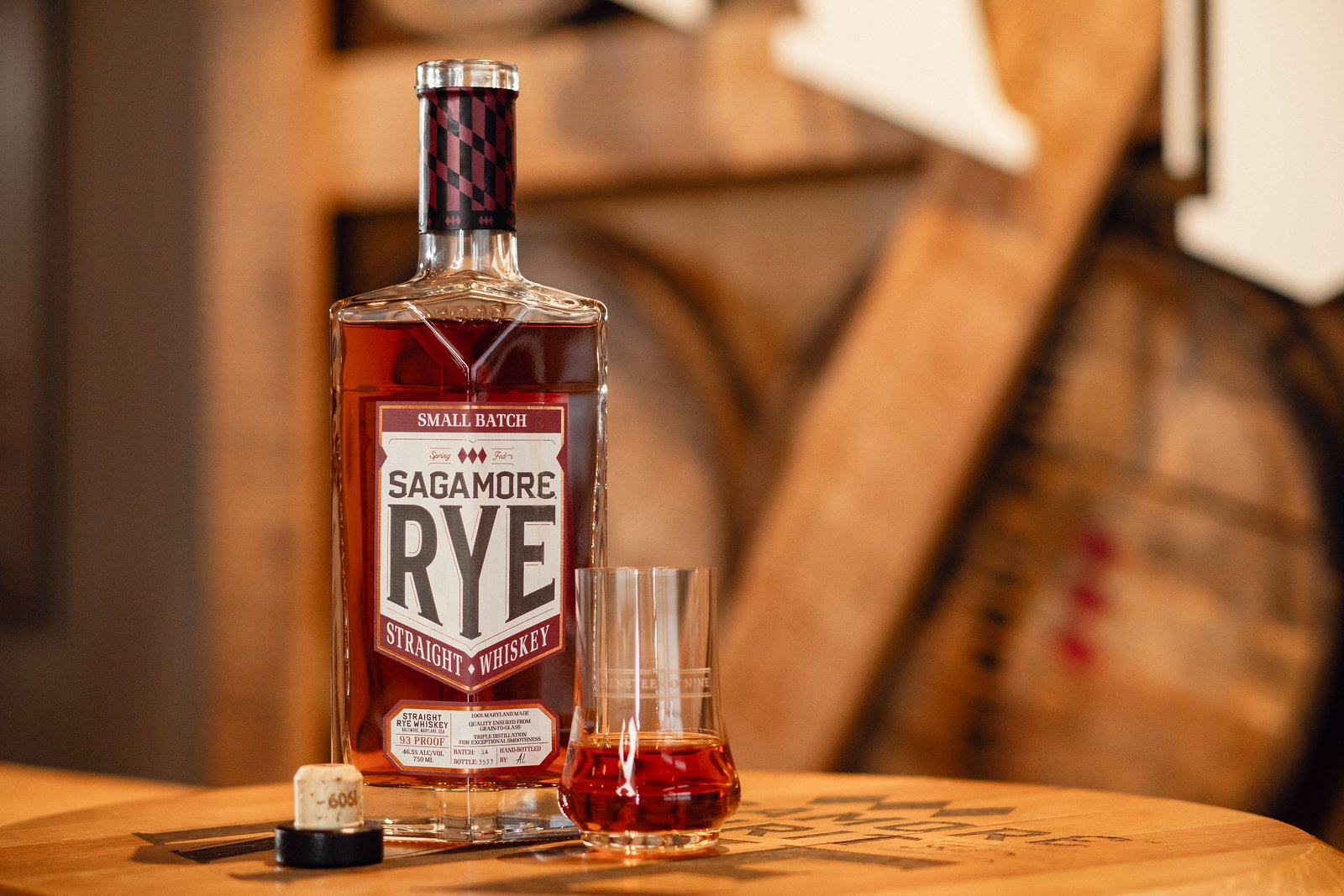
Rye whiskey and bourbon are two of the most beloved American spirits, each with its own distinct characteristics and loyal following. Though both fall under the umbrella of whiskey, they are shaped by unique traditions, regulations, and most notably, the grains used in their production. Bourbon is often considered the quintessential American whiskey, its sweet, smooth profile making it a favorite in bars and households across the globe. Rye whiskey, however, offers a spicier, more robust flavor profile that is gaining increasing attention among whiskey enthusiasts and connoisseurs. The question arises: can rye whiskey truly be better than bourbon, or is it simply a matter of personal preference?

In this article, we will explore the history, production methods, and key differences between rye whiskey and bourbon, highlighting their flavor profiles, the impact of their ingredients, and how each type of whiskey fits into modern whiskey culture. We will also consider the growing popularity of rye whiskey and whether it can rival the iconic status of bourbon in the whiskey world.

Understanding Rye Whiskey and Bourbon

Before diving into a detailed comparison, it’s essential to understand what makes rye whiskey and bourbon distinct from each other. While both are classified as whiskey, they are subject to different regulations and production processes that give them unique flavors.

Bourbon: The Sweet American Classic

Bourbon is defined by its grain bill, which must contain at least 51% corn. This grain provides bourbon with a signature sweetness, resulting in a spirit that is smooth, rich, and often described as having notes of vanilla, caramel, and oak. The other grains in bourbon can include barley, rye, and wheat, but the corn plays the dominant role in the flavor profile. Bourbon must be aged in new, charred oak barrels, which imparts flavors of toasted wood and smoky sweetness.

The spirit is often associated with Kentucky, though it can be produced anywhere in the United States. For a whiskey to be legally considered bourbon, it must meet a set of stringent guidelines, including being distilled to no more than 160 proof, aged for at least two years (for straight bourbon), and not contain any additives or colorings.

Rye Whiskey: The Spicy Counterpart

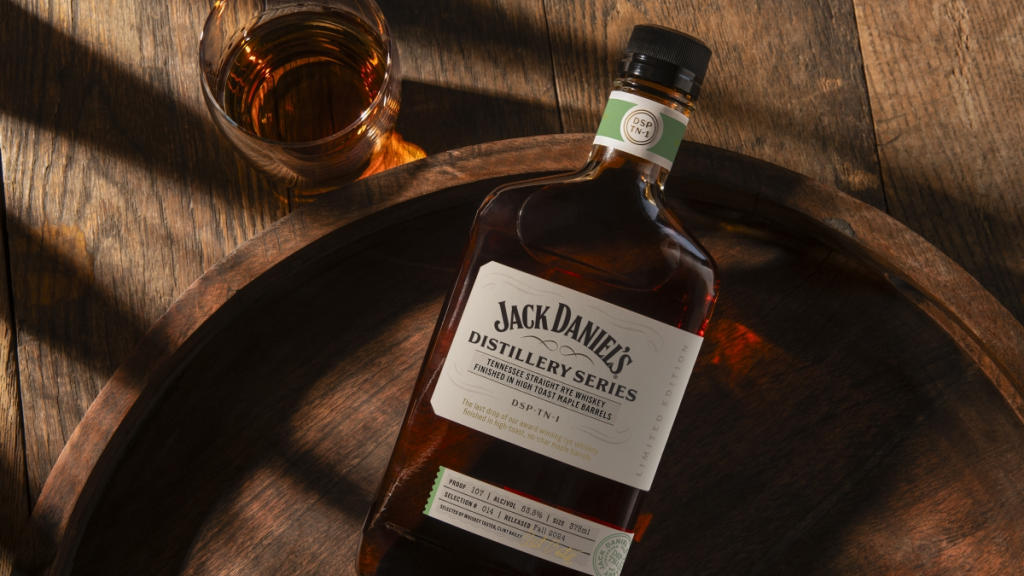
Rye whiskey, on the other hand, is made primarily from rye grain, which must constitute at least 51% of the mash bill. Rye has a spicier, more peppery flavor compared to the sweetness of corn, and this results in a more robust and complex whiskey. Rye whiskey tends to have a drier finish, with flavors often described as sharp, peppery, and full of cereal grain character.

Rye whiskey has a rich history, particularly in the northeastern United States, where it was produced extensively during the early days of American whiskey-making. Like bourbon, rye whiskey must be aged in new, charred oak barrels, though it tends to develop a different flavor profile due to the rye grain’s distinctive characteristics.

Unlike bourbon, rye whiskey is often associated with a more versatile range of styles, from the bold, spicy flavor of traditional rye to the smooth, mellow sweetness of rye whiskies aged for longer periods. Rye whiskey is experiencing a resurgence in recent years, fueled by the craft cocktail movement and a growing appreciation for its unique flavor profile.

Rye Whiskey vs. Bourbon: A Flavor Showdown

The primary factor that differentiates rye whiskey from bourbon is, of course, the grain. The use of rye instead of corn gives rye whiskey its signature spiciness and complexity. To better understand the flavor differences between rye whiskey and bourbon, let’s break down the taste experience of each spirit.

Sweet vs. Spicy: The Core Difference

Bourbon is often described as sweet, smooth, and approachable. The sweetness of the corn provides a round, full-bodied flavor with hints of caramel, vanilla, and honey. This sweetness is balanced by the influence of the oak barrels, which add a layer of smokiness and richness. Bourbon’s taste is often considered “soft,” making it an easy spirit to sip on its own or enjoy in cocktails.

Rye whiskey, in contrast, is much spicier and more assertive. Rye’s characteristic peppery bite is often the first flavor you encounter, followed by hints of dried fruit, nuts, and a grassy or herbal note. The oak aging in rye whiskey enhances its complexity, adding deeper flavors like tobacco, dark chocolate, and sometimes a touch of cinnamon or clove. While bourbon’s sweetness is what makes it approachable, rye whiskey’s spiciness and intensity provide a more challenging, yet exciting, drinking experience.
Mouthfeel and Finish

In addition to flavor, the mouthfeel and finish of rye whiskey and bourbon also differ. Bourbon tends to be smoother, with a fuller body and a rounder mouthfeel. This is due to the high corn content, which contributes to the whiskey’s sweetness and viscosity. The finish is often warm and lingering, with a sweet aftertaste that leaves you wanting another sip.

Rye whiskey, however, often has a drier finish with a sharper, more defined bite. The spice of the rye grain can create a warming sensation on the palate, and the finish can be quite crisp and clean. Rye whiskey’s dry, peppery finish is often considered a point of distinction for those who prefer a whiskey with a bit more edge and complexity.

The Role of Barrel Aging

Both bourbon and rye whiskey are aged in new, charred oak barrels, which contribute to the whiskey’s overall flavor. The charring process caramelizes the wood’s sugars, imparting flavors of vanilla, caramel, and toasted wood to the whiskey. However, the differences in the base grain influence how these flavors interact with the spirit.

In bourbon, the sweet corn lends itself to the smooth integration of the oak’s caramelized sugars, resulting in a rich, balanced whiskey with hints of vanilla, brown sugar, and toasted oak. Rye whiskey, on the other hand, often has a bolder interaction with the oak, with the spicy rye grain clashing against the charred wood, resulting in a more intense and sometimes drier flavor. The oak’s influence can give rye whiskey a distinctive flavor profile, with notes of baking spice, tobacco, and dark fruit, often accompanied by a more pronounced woody character.

The Impact of Rye’s Resurgence

In recent years, rye whiskey has seen a dramatic resurgence, particularly within the craft cocktail community. The rise of rye can be attributed to its versatility and the desire for more complex, flavorful spirits. Rye’s boldness and spice make it an ideal base for cocktails like the Manhattan, Old Fashioned, and Sazerac, where its peppery bite contrasts beautifully with the sweetness of vermouth, sugar, and bitters.

The craft cocktail movement has driven a renewed interest in rye whiskey, and many distilleries are now producing small-batch and limited-edition rye whiskies that showcase the variety of flavors rye can offer. This has led to an increasing appreciation for rye whiskey’s complexity and diversity, making it a formidable rival to bourbon in the eyes of whiskey lovers.

Can Rye Whiskey Be Better Than Bourbon?

So, can rye whiskey really be better than bourbon? The answer largely depends on personal preference and the context in which the whiskey is consumed.

For those who enjoy a sweeter, smoother whiskey, bourbon may be the preferred choice. Bourbon’s accessibility, rich flavor, and smooth mouthfeel make it a go-to for whiskey novices and seasoned drinkers alike. Its familiarity and consistency have made it a staple in bars and homes around the world.

However, for those who crave a more complex, spicier whiskey with a bit of bite, rye whiskey may be the ideal choice. Rye offers a more intense flavor experience, with its peppery, herbal qualities providing a sharp contrast to bourbon’s sweetness. Rye whiskey’s resurgence in popularity is proof that there is a growing demand for whiskey that offers something more dynamic and challenging.

In the end, neither rye whiskey nor bourbon can be definitively declared “better” than the other. Each offers a unique drinking experience, and the best choice comes down to personal taste preferences. Whether you prefer the smooth sweetness of bourbon or the bold spiciness of rye, both spirits are deserving of appreciation and enjoyment.

Conclusion: Rye Whiskey vs. Bourbon – A Personal Preference

Rye whiskey and bourbon are both exceptional in their own right, each showcasing the rich traditions and artistry behind American whiskey-making. While bourbon’s smooth sweetness and easy-drinking nature make it a beloved classic, rye whiskey’s spicy, complex character offers a bold alternative for those seeking something more intense. The growing popularity of rye whiskey reflects the evolving tastes of whiskey drinkers, but whether it can surpass bourbon in overall appeal remains a matter of individual preference.

The beauty of whiskey lies in its diversity. Whether you prefer the smoothness of bourbon or the spice of rye, both offer distinct pleasures that cater to different palates. The ongoing debate between the two will likely continue, but in the end, it’s the enjoyment of the spirit that truly matters.


Tags: bourbon whiskeyrye whiskeywhiskey comparisonwhiskey flavor profiles
ShareTweetShare

Related Posts

Grain Spirits: The Origins, Science, and Global Evolution of Distilled Grain Alcohol
Grain Spirits

Bourbon: America’s Native Grain Spirit and the Global Story of Corn, Oak, Fire, and Time

May 27, 2026
Grain Spirits: The Origins, Science, and Global Evolution of Distilled Grain Alcohol
Grain Spirits

Gin: Botanicals, History, Cocktail Culture, and the Artistic Evolution of the World’s Most Aromatic Grain Spirit

May 27, 2026
Grain Spirits: The Origins, Science, and Global Evolution of Distilled Grain Alcohol
Grain Spirits

Vodka: The Global Rise of the World’s Most Versatile Grain Spirit

May 27, 2026
Grain Spirits: The Origins, Science, and Global Evolution of Distilled Grain Alcohol
Grain Spirits

Whiskey and the Soul of Grain Spirits: History, Craftsmanship, Culture, and the Global Rise of the World’s Most Iconic Distilled Grain Beverage

May 27, 2026
Grain Spirits: The Origins, Science, and Global Evolution of Distilled Grain Alcohol
Grain Spirits

Grain Spirits: The Origins, Science, and Global Evolution of Distilled Grain Alcohol

May 27, 2026
Grain Spirits Explained — The Foundation of Global Distillation
Grain Spirits

The Future of Grain Spirits — Technology, Sustainability, and the Next Era of Distillation

April 25, 2026
Leave Comment
  • Trending
  • Comments
  • Latest
Role of Terroir in Champagne Production

Role of Terroir in Champagne Production

January 19, 2026
Champagne Can Be Aged in Wood?

Champagne Can Be Aged in Wood?

January 18, 2026
Is Organic Wine Healthier Than Conventional Wine?

Is Organic Wine Healthier Than Conventional Wine?

January 20, 2026
Why Do Some Champagnes Use a High Proportion of Pinot Meunier?

Why Do Some Champagnes Use a High Proportion of Pinot Meunier?

January 20, 2026
The Timeless Elegance of Wine: A Journey Through History and Culture

The Timeless Elegance of Wine: A Journey Through History and Culture

Why Is Château Lafite Rothschild the Pinnacle of Fine Wine?

Why Is Château Lafite Rothschild the Pinnacle of Fine Wine?

How Did Château Lafite Rothschild Become a Global Icon of Luxury?

How Did Château Lafite Rothschild Become a Global Icon of Luxury?

What Makes Chateau Lafite Rothschild the Pinnacle of Bordeaux Wines?

What Makes Chateau Lafite Rothschild the Pinnacle of Bordeaux Wines?

The History, Culture, and Global Influence of Humanity’s Most Celebrated Beverage

The Wine Revolution: How Modern Winemaking Transformed a Global Industry

June 3, 2026
The History, Culture, and Global Influence of Humanity’s Most Celebrated Beverage

Wine Styles of the World: A Complete Guide to Red, White, Rosé, Sparkling, and Fortified Wines

June 3, 2026
The History, Culture, and Global Influence of Humanity’s Most Celebrated Beverage

The Global Wine Industry: Markets, Trade, Tourism, and Economic Impact

June 3, 2026
The History, Culture, and Global Influence of Humanity’s Most Celebrated Beverage

The Science of Wine: Grapes, Fermentation, and Flavor Development

June 3, 2026
SipsavorLife

Welcome to our comprehensive beverage guide, where you can explore the fascinating world of alcoholic drinks. From exquisite wines and rich whiskeys to refreshing beers and sparkling champagnes, we provide insights, tips, and recommendations for enthusiasts and casual drinkers alike. Discover your next favorite libation with us!

© 2025 sipsavorlife.com. contacts:sipsavorlife-35376@gmail.com

No Result
View All Result
  • Home
  • Wine
  • Whiskey
  • Beer
  • Grain Spirits
  • Champagne
  • ALL

© 2025 sipsavorlife.com. contacts:sipsavorlife-35376@gmail.com

Welcome Back!

Login to your account below

Forgotten Password?

Retrieve your password

Please enter your username or email address to reset your password.

Log In