






























SipsavorLife
  • Home
  • Wine
    The History, Culture, and Global Influence of Humanity’s Most Celebrated Beverage

    The Wine Revolution: How Modern Winemaking Transformed a Global Industry

    The History, Culture, and Global Influence of Humanity’s Most Celebrated Beverage

    Wine Styles of the World: A Complete Guide to Red, White, Rosé, Sparkling, and Fortified Wines

    The History, Culture, and Global Influence of Humanity’s Most Celebrated Beverage

    The Global Wine Industry: Markets, Trade, Tourism, and Economic Impact

    The History, Culture, and Global Influence of Humanity’s Most Celebrated Beverage

    The Science of Wine: Grapes, Fermentation, and Flavor Development

    The History, Culture, and Global Influence of Humanity’s Most Celebrated Beverage

    The History, Culture, and Global Influence of Humanity’s Most Celebrated Beverage

    The Cultural History of Wine: From Ancient Rituals to Modern Luxury

    The Psychology of Wine: Why Humans Associate Wine with Emotion, Memory, and Identity

  • Whiskey
    Can Beer Be an Effective Ingredient in Culinary Cooking?

    Can Beer Be an Effective Ingredient in Culinary Cooking?

    Second Fermentation in Champagne: Is It Really That Crucial?

    Second Fermentation in Champagne: Is It Really That Crucial?

    How Do Different Grains Impact the Flavor Profile of Distilled Spirits?

    How Do Different Grains Impact the Flavor Profile of Distilled Spirits?

    How Do Whiskey Master Blenders Create Perfection?

    How Do Whiskey Master Blenders Create Perfection?

    Wine Pairings: Can They Change the Flavor Profile of a Dish?

    Wine Pairings: Can They Change the Flavor Profile of a Dish?

    Beer the Ultimate Beverage for Pairing with Spicy Food?

    Beer the Ultimate Beverage for Pairing with Spicy Food?

  • Beer
    Malt Beer: Why Does Its Sweet Malty Aroma Always Bring Endless Satisfaction?

    The Craft Beer Revolution: How Independent Breweries Changed the World of Beer

    Beer: The World’s Oldest and Most Influential Beverage

    Beer Styles of the World: A Complete Guide to Lager, Ale, Stout, IPA, and Beyond

    Beer: The World’s Oldest and Most Influential Beverage

    The Global Beer Industry: Markets, Brands, and Economic Impact

    Beer: The World’s Oldest and Most Influential Beverage

    The Science of Beer: Ingredients, Fermentation, and Flavor

    Beer: The World’s Oldest and Most Influential Beverage

    Beer: The World’s Oldest and Most Influential Beverage

    Beer as a Cultural and Social Force: From Ancient Brew to Modern Identity

    Women in Brewing: The Untold History and Modern Transformation of Beer Culture

  • Grain Spirits
    Grain Spirits: The Origins, Science, and Global Evolution of Distilled Grain Alcohol

    Bourbon: America’s Native Grain Spirit and the Global Story of Corn, Oak, Fire, and Time

    Grain Spirits: The Origins, Science, and Global Evolution of Distilled Grain Alcohol

    Gin: Botanicals, History, Cocktail Culture, and the Artistic Evolution of the World’s Most Aromatic Grain Spirit

    Grain Spirits: The Origins, Science, and Global Evolution of Distilled Grain Alcohol

    Vodka: The Global Rise of the World’s Most Versatile Grain Spirit

    Grain Spirits: The Origins, Science, and Global Evolution of Distilled Grain Alcohol

    Whiskey and the Soul of Grain Spirits: History, Craftsmanship, Culture, and the Global Rise of the World’s Most Iconic Distilled Grain Beverage

    Grain Spirits: The Origins, Science, and Global Evolution of Distilled Grain Alcohol

    Grain Spirits: The Origins, Science, and Global Evolution of Distilled Grain Alcohol

    Grain Spirits Explained — The Foundation of Global Distillation

    The Future of Grain Spirits — Technology, Sustainability, and the Next Era of Distillation

  • Champagne
    Champagne: The Sparkling Wine That Changed Global Celebration Culture

    Dom Pérignon, Cristal, Krug, and Beyond: The World’s Most Famous Champagne Houses and Their Legacy

    Champagne Beyond Celebration: The History, Craftsmanship, and Global Influence of the World’s Most Iconic Sparkling Wine

    The Future of Champagne: Climate Change, Innovation, Sustainability, and the Next Era of Sparkling Wine

    Champagne Beyond Celebration: The History, Craftsmanship, and Global Influence of the World’s Most Iconic Sparkling Wine

    Champagne and Luxury Culture: How Sparkling Wine Became a Global Symbol of Wealth, Celebration, and Prestige

    Champagne Beyond Celebration: The History, Craftsmanship, and Global Influence of the World’s Most Iconic Sparkling Wine

    The Art of Champagne Production: Inside the Science, Skill, and Tradition Behind Every Bottle

    Champagne Beyond Celebration: The History, Craftsmanship, and Global Influence of the World’s Most Iconic Sparkling Wine

    Champagne Beyond Celebration: The History, Craftsmanship, and Global Influence of the World’s Most Iconic Sparkling Wine

    Champagne: The Sparkling Wine That Changed Global Celebration Culture

    Champagne vs Prosecco vs Cava: How the World’s Sparkling Wines Reflect Culture, Geography, and Taste

  • ALL
    Can Beer Be an Effective Ingredient in Culinary Cooking?

    Can Beer Be an Effective Ingredient in Culinary Cooking?

    Second Fermentation in Champagne: Is It Really That Crucial?

    Second Fermentation in Champagne: Is It Really That Crucial?

    How Do Different Grains Impact the Flavor Profile of Distilled Spirits?

    How Do Different Grains Impact the Flavor Profile of Distilled Spirits?

    How Do Whiskey Master Blenders Create Perfection?

    How Do Whiskey Master Blenders Create Perfection?

    Wine Pairings: Can They Change the Flavor Profile of a Dish?

    Wine Pairings: Can They Change the Flavor Profile of a Dish?

    Beer the Ultimate Beverage for Pairing with Spicy Food?

    Beer the Ultimate Beverage for Pairing with Spicy Food?

SipsavorLife
  • Home
  • Wine
    The History, Culture, and Global Influence of Humanity’s Most Celebrated Beverage

    The Wine Revolution: How Modern Winemaking Transformed a Global Industry

    The History, Culture, and Global Influence of Humanity’s Most Celebrated Beverage

    Wine Styles of the World: A Complete Guide to Red, White, Rosé, Sparkling, and Fortified Wines

    The History, Culture, and Global Influence of Humanity’s Most Celebrated Beverage

    The Global Wine Industry: Markets, Trade, Tourism, and Economic Impact

    The History, Culture, and Global Influence of Humanity’s Most Celebrated Beverage

    The Science of Wine: Grapes, Fermentation, and Flavor Development

    The History, Culture, and Global Influence of Humanity’s Most Celebrated Beverage

    The History, Culture, and Global Influence of Humanity’s Most Celebrated Beverage

    The Cultural History of Wine: From Ancient Rituals to Modern Luxury

    The Psychology of Wine: Why Humans Associate Wine with Emotion, Memory, and Identity

  • Whiskey
    Can Beer Be an Effective Ingredient in Culinary Cooking?

    Can Beer Be an Effective Ingredient in Culinary Cooking?

    Second Fermentation in Champagne: Is It Really That Crucial?

    Second Fermentation in Champagne: Is It Really That Crucial?

    How Do Different Grains Impact the Flavor Profile of Distilled Spirits?

    How Do Different Grains Impact the Flavor Profile of Distilled Spirits?

    How Do Whiskey Master Blenders Create Perfection?

    How Do Whiskey Master Blenders Create Perfection?

    Wine Pairings: Can They Change the Flavor Profile of a Dish?

    Wine Pairings: Can They Change the Flavor Profile of a Dish?

    Beer the Ultimate Beverage for Pairing with Spicy Food?

    Beer the Ultimate Beverage for Pairing with Spicy Food?

  • Beer
    Malt Beer: Why Does Its Sweet Malty Aroma Always Bring Endless Satisfaction?

    The Craft Beer Revolution: How Independent Breweries Changed the World of Beer

    Beer: The World’s Oldest and Most Influential Beverage

    Beer Styles of the World: A Complete Guide to Lager, Ale, Stout, IPA, and Beyond

    Beer: The World’s Oldest and Most Influential Beverage

    The Global Beer Industry: Markets, Brands, and Economic Impact

    Beer: The World’s Oldest and Most Influential Beverage

    The Science of Beer: Ingredients, Fermentation, and Flavor

    Beer: The World’s Oldest and Most Influential Beverage

    Beer: The World’s Oldest and Most Influential Beverage

    Beer as a Cultural and Social Force: From Ancient Brew to Modern Identity

    Women in Brewing: The Untold History and Modern Transformation of Beer Culture

  • Grain Spirits
    Grain Spirits: The Origins, Science, and Global Evolution of Distilled Grain Alcohol

    Bourbon: America’s Native Grain Spirit and the Global Story of Corn, Oak, Fire, and Time

    Grain Spirits: The Origins, Science, and Global Evolution of Distilled Grain Alcohol

    Gin: Botanicals, History, Cocktail Culture, and the Artistic Evolution of the World’s Most Aromatic Grain Spirit

    Grain Spirits: The Origins, Science, and Global Evolution of Distilled Grain Alcohol

    Vodka: The Global Rise of the World’s Most Versatile Grain Spirit

    Grain Spirits: The Origins, Science, and Global Evolution of Distilled Grain Alcohol

    Whiskey and the Soul of Grain Spirits: History, Craftsmanship, Culture, and the Global Rise of the World’s Most Iconic Distilled Grain Beverage

    Grain Spirits: The Origins, Science, and Global Evolution of Distilled Grain Alcohol

    Grain Spirits: The Origins, Science, and Global Evolution of Distilled Grain Alcohol

    Grain Spirits Explained — The Foundation of Global Distillation

    The Future of Grain Spirits — Technology, Sustainability, and the Next Era of Distillation

  • Champagne
    Champagne: The Sparkling Wine That Changed Global Celebration Culture

    Dom Pérignon, Cristal, Krug, and Beyond: The World’s Most Famous Champagne Houses and Their Legacy

    Champagne Beyond Celebration: The History, Craftsmanship, and Global Influence of the World’s Most Iconic Sparkling Wine

    The Future of Champagne: Climate Change, Innovation, Sustainability, and the Next Era of Sparkling Wine

    Champagne Beyond Celebration: The History, Craftsmanship, and Global Influence of the World’s Most Iconic Sparkling Wine

    Champagne and Luxury Culture: How Sparkling Wine Became a Global Symbol of Wealth, Celebration, and Prestige

    Champagne Beyond Celebration: The History, Craftsmanship, and Global Influence of the World’s Most Iconic Sparkling Wine

    The Art of Champagne Production: Inside the Science, Skill, and Tradition Behind Every Bottle

    Champagne Beyond Celebration: The History, Craftsmanship, and Global Influence of the World’s Most Iconic Sparkling Wine

    Champagne Beyond Celebration: The History, Craftsmanship, and Global Influence of the World’s Most Iconic Sparkling Wine

    Champagne: The Sparkling Wine That Changed Global Celebration Culture

    Champagne vs Prosecco vs Cava: How the World’s Sparkling Wines Reflect Culture, Geography, and Taste

  • ALL
    Can Beer Be an Effective Ingredient in Culinary Cooking?

    Can Beer Be an Effective Ingredient in Culinary Cooking?

    Second Fermentation in Champagne: Is It Really That Crucial?

    Second Fermentation in Champagne: Is It Really That Crucial?

    How Do Different Grains Impact the Flavor Profile of Distilled Spirits?

    How Do Different Grains Impact the Flavor Profile of Distilled Spirits?

    How Do Whiskey Master Blenders Create Perfection?

    How Do Whiskey Master Blenders Create Perfection?

    Wine Pairings: Can They Change the Flavor Profile of a Dish?

    Wine Pairings: Can They Change the Flavor Profile of a Dish?

    Beer the Ultimate Beverage for Pairing with Spicy Food?

    Beer the Ultimate Beverage for Pairing with Spicy Food?

SipsavorLife
No Result
View All Result
Home ALL

How Does Aging Affect the Flavor of Champagne?

April 3, 2025
in ALL, Champagne
How Does Aging Affect the Flavor of Champagne?

Aging is one of the most important aspects of Champagne production that greatly influences its final flavor profile. While many people associate Champagne with fresh, crisp, and youthful flavors, aging Champagne for a longer period of time can lead to more complex, nuanced, and rich characteristics. The delicate balance between freshness and maturation is what makes Champagne such a fascinating and dynamic beverage. In this article, we will explore how Champagne changes over time, the different methods of aging, and the differences between aged and non-aged Champagne.

The Role of Aging in Champagne

Aging is the process by which Champagne develops more complex flavors, aromas, and textures over time. While Champagne can be consumed relatively young, many of the best and most prestigious bottles are aged for several years before they are released. Aging allows chemical reactions to take place within the wine, causing it to evolve and develop new characteristics. The quality of the Champagne, as well as the conditions under which it is aged, will determine how well it matures.

Champagne, like other wines, undergoes changes in flavor as it ages, which can be broken down into a few key phases:

1. Freshness and Youthful Characteristics

When Champagne is young, it tends to have bright, fresh flavors of green apple, citrus, and white flowers. These flavors are a result of the high acidity and the crispness that comes from the cool climate of the Champagne region. The bubbles are often more pronounced, and the wine has a clean, refreshing finish. Non-aged Champagne, often labeled as “NV” (non-vintage), is typically released within a few years of its production and is designed to be consumed while it is still youthful and lively.

2. Maturation: Complexity and Depth

As Champagne ages, its flavors become more complex. The wine undergoes a gradual transformation due to the interaction between the yeast, oxygen, and other components in the wine. Over time, these interactions lead to a more layered, intricate profile that is rich in nuances such as honey, brioche, toasted nuts, and dried fruit. The longer the aging process, the more pronounced these characteristics become.

Aged Champagne also develops a creamier, rounder mouthfeel. This is due to the breakdown of yeast cells during the aging process, which releases compounds that contribute to the texture and mouthfeel of the wine. The wine’s acidity often softens, allowing the more mature flavors to come to the forefront.

3. Oxidative Changes and Bottle Aging

Champagne that is aged in the bottle experiences oxidative changes as the wine is exposed to trace amounts of oxygen through the cork. This oxidation process can have a significant impact on the flavor of the wine, causing it to develop flavors of nuts, toast, and caramel. This effect is more pronounced in Champagne that has been aged for longer periods, particularly those that undergo long aging on the lees or in oak barrels.

Aging Methods in Champagne

The way Champagne is aged is crucial to the development of its flavors. There are several methods used in the production of Champagne, each contributing differently to the final product. The two primary aging methods that affect the flavor of Champagne are aging “on lees” and aging “in bottles.” Each method has its own set of characteristics and impacts on the flavor profile.

1. Aging on Lees (Sur Lie Aging)

One of the most distinctive features of Champagne aging is the practice of aging the wine “on lees.” The lees are the dead yeast cells that remain after fermentation. During secondary fermentation, these yeast cells break down and release compounds that enhance the wine’s flavor, texture, and complexity. This is especially important for Champagne, as the process of aging on lees can dramatically influence the flavor profile.

Aging on lees typically lasts for a minimum of 15 months for non-vintage Champagne, but many prestigious Champagne houses will age their wines for much longer. For vintage Champagne, the aging period on lees can last for several years, allowing the wine to develop a rich, complex flavor.

The impact of lees aging can be seen in the resulting flavors and aromas. Wines aged on lees often have a creamy, toasty, or biscuity character. The presence of the yeast influences the wine’s texture, making it feel smoother and more luxurious on the palate. As the wine ages longer on lees, these characteristics become more pronounced, and the wine becomes more rounded and harmonious.
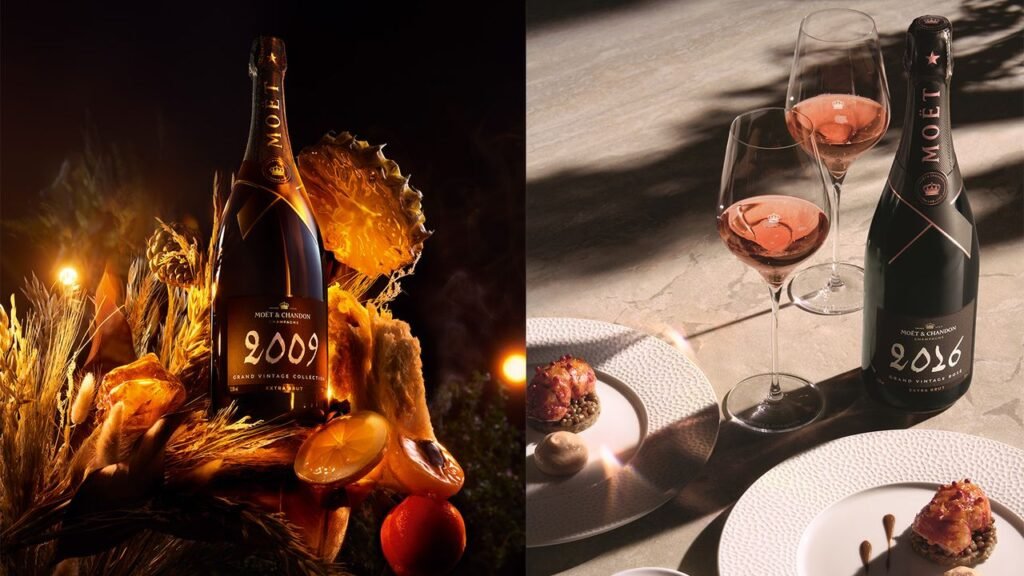
2. Bottle Aging

After Champagne is disgorged, it continues to age in the bottle. Bottle aging refers to the period of time the Champagne spends in the bottle after being sealed with a cork. During this time, the wine interacts with the small amount of oxygen in the bottle, which can lead to oxidative changes in the wine. This is where Champagne gains some of its more mature, aged characteristics.

Bottle aging allows the flavors to integrate and soften, leading to a more harmonious wine. The tiny bubbles in Champagne become finer and more delicate, contributing to a smoother, more refined mouthfeel. Additionally, the wine may develop richer aromas, such as dried fruit, honey, or even leather, as the oxidation process takes place.

Champagne houses that produce vintage Champagne often age their wines in bottles for many years before releasing them. This long aging process allows the Champagne to mature and develop complexity, which is highly prized among collectors and connoisseurs. Some prestigious Champagne producers, such as Krug and Dom Pérignon, are known for aging their wines for extended periods, often 10 years or more.

3. Aging in Oak Barrels

Though less common in Champagne production, some winemakers choose to age a portion of their Champagne in oak barrels. Barrel aging imparts additional flavors to the wine, including subtle notes of vanilla, spice, and toast. These oak-aged Champagnes are often more complex and textured than those that are aged entirely in stainless steel tanks.

Oak barrels also introduce a small amount of oxygen to the wine, further accelerating the oxidative changes and adding to the wine’s richness. Barrel aging is typically used for higher-end Champagnes, as it requires a higher level of craftsmanship and attention to detail. It can be a tool to enhance the wine’s aging potential and overall complexity.

Characteristics of Aged vs. Non-Aged Champagne

The difference between aged and non-aged Champagne is striking, and it’s important to understand how aging can transform the flavor profile of this sparkling wine. Here are some of the key differences between aged and non-aged Champagne:

1. Aroma and Flavor Profile

  • Non-Aged Champagne (NV): Non-vintage Champagne is characterized by its fresh, fruity, and crisp profile. You’ll often taste notes of green apple, citrus, white flowers, and sometimes a hint of brioche. The bubbles are lively and energetic, and the wine has a refreshing, clean finish. Non-aged Champagne tends to be lighter and more accessible, making it perfect for casual drinking and celebrations.
  • Aged Champagne: Aged Champagne, on the other hand, offers a much more complex and nuanced profile. The fresh fruit flavors become more subdued, and the wine takes on richer, more mature notes, such as honey, roasted nuts, brioche, and even dried fruit. The complexity of aged Champagne is often described as “toasty” or “biscuity,” and the mouthfeel is generally more creamy and smooth. As the wine matures, the acidity softens, allowing the more subtle flavors to come forward.

2. Mouthfeel and Texture

  • Non-Aged Champagne (NV): The mouthfeel of non-aged Champagne is generally light and effervescent. The bubbles are sharp and lively, adding a sense of refreshment. The wine feels crisp and vibrant on the palate, with a clean, dry finish. Non-vintage Champagnes are often more approachable and easy-drinking, making them perfect for casual events.
  • Aged Champagne: As Champagne ages, the mouthfeel becomes rounder and creamier. The bubbles in aged Champagne are finer and more delicate, creating a smooth, velvety sensation on the palate. The longer the Champagne has aged, the more integrated and harmonious the texture becomes. Aged Champagne feels more luxurious and refined, making it suitable for special occasions or as a wine to savor and enjoy slowly.

3. Complexity and Depth

  • Non-Aged Champagne (NV): While non-aged Champagne is undoubtedly refreshing and delightful, it lacks the complexity of its aged counterparts. Non-vintage Champagnes typically showcase youthful fruitiness and a lighter profile, without the layers of complexity that come with extended aging. They are excellent for celebrations and pair well with a wide range of foods.
  • Aged Champagne: Aged Champagne, in contrast, is much more complex and layered. The aging process allows the wine to develop deeper, more sophisticated flavors that evolve over time. It may have notes of dried fruits, toasted nuts, honey, caramel, and even coffee, creating a multi-dimensional tasting experience. Aged Champagne is often described as having “depth” or “richness,” and it is highly prized for its complexity.

Conclusion

Aging plays a critical role in shaping the flavor, texture, and complexity of Champagne. The differences between aged and non-aged Champagne are stark, with aging leading to richer, more complex, and nuanced flavors. The choice of aging methods—whether on lees, in bottles, or in oak barrels—contributes to the development of these flavors and textures, making Champagne a highly dynamic and evolving beverage. While non-vintage Champagne is perfect for those seeking fresh, crisp flavors and a lively drinking experience, aged Champagne is a treat for those who appreciate depth, complexity, and refinement. Ultimately, whether to choose aged or non-aged Champagne depends on personal preference, occasion, and the desire for a truly exceptional tasting experience.


Tags: aging methodsChampagne agingChampagne flavors
ShareTweetShare

Related Posts

Champagne: The Sparkling Wine That Changed Global Celebration Culture
Champagne

Dom Pérignon, Cristal, Krug, and Beyond: The World’s Most Famous Champagne Houses and Their Legacy

May 27, 2026
Champagne Beyond Celebration: The History, Craftsmanship, and Global Influence of the World’s Most Iconic Sparkling Wine
Champagne

The Future of Champagne: Climate Change, Innovation, Sustainability, and the Next Era of Sparkling Wine

May 27, 2026
Champagne Beyond Celebration: The History, Craftsmanship, and Global Influence of the World’s Most Iconic Sparkling Wine
Champagne

Champagne and Luxury Culture: How Sparkling Wine Became a Global Symbol of Wealth, Celebration, and Prestige

May 27, 2026
Champagne Beyond Celebration: The History, Craftsmanship, and Global Influence of the World’s Most Iconic Sparkling Wine
Champagne

The Art of Champagne Production: Inside the Science, Skill, and Tradition Behind Every Bottle

May 27, 2026
Champagne Beyond Celebration: The History, Craftsmanship, and Global Influence of the World’s Most Iconic Sparkling Wine
Champagne

Champagne Beyond Celebration: The History, Craftsmanship, and Global Influence of the World’s Most Iconic Sparkling Wine

May 27, 2026
Champagne: The Sparkling Wine That Changed Global Celebration Culture
Champagne

Champagne vs Prosecco vs Cava: How the World’s Sparkling Wines Reflect Culture, Geography, and Taste

May 24, 2026
Leave Comment
  • Trending
  • Comments
  • Latest
Role of Terroir in Champagne Production

Role of Terroir in Champagne Production

January 19, 2026
Champagne Can Be Aged in Wood?

Champagne Can Be Aged in Wood?

January 18, 2026
Is Organic Wine Healthier Than Conventional Wine?

Is Organic Wine Healthier Than Conventional Wine?

January 20, 2026
Why Do Some Champagnes Use a High Proportion of Pinot Meunier?

Why Do Some Champagnes Use a High Proportion of Pinot Meunier?

January 20, 2026
The Timeless Elegance of Wine: A Journey Through History and Culture

The Timeless Elegance of Wine: A Journey Through History and Culture

Why Is Château Lafite Rothschild the Pinnacle of Fine Wine?

Why Is Château Lafite Rothschild the Pinnacle of Fine Wine?

How Did Château Lafite Rothschild Become a Global Icon of Luxury?

How Did Château Lafite Rothschild Become a Global Icon of Luxury?

What Makes Chateau Lafite Rothschild the Pinnacle of Bordeaux Wines?

What Makes Chateau Lafite Rothschild the Pinnacle of Bordeaux Wines?

The History, Culture, and Global Influence of Humanity’s Most Celebrated Beverage

The Wine Revolution: How Modern Winemaking Transformed a Global Industry

June 3, 2026
The History, Culture, and Global Influence of Humanity’s Most Celebrated Beverage

Wine Styles of the World: A Complete Guide to Red, White, Rosé, Sparkling, and Fortified Wines

June 3, 2026
The History, Culture, and Global Influence of Humanity’s Most Celebrated Beverage

The Global Wine Industry: Markets, Trade, Tourism, and Economic Impact

June 3, 2026
The History, Culture, and Global Influence of Humanity’s Most Celebrated Beverage

The Science of Wine: Grapes, Fermentation, and Flavor Development

June 3, 2026
SipsavorLife

Welcome to our comprehensive beverage guide, where you can explore the fascinating world of alcoholic drinks. From exquisite wines and rich whiskeys to refreshing beers and sparkling champagnes, we provide insights, tips, and recommendations for enthusiasts and casual drinkers alike. Discover your next favorite libation with us!

© 2025 sipsavorlife.com. contacts:sipsavorlife-35376@gmail.com

No Result
View All Result
  • Home
  • Wine
  • Whiskey
  • Beer
  • Grain Spirits
  • Champagne
  • ALL

© 2025 sipsavorlife.com. contacts:sipsavorlife-35376@gmail.com

Welcome Back!

Login to your account below

Forgotten Password?

Retrieve your password

Please enter your username or email address to reset your password.

Log In





