






























SipsavorLife
  • Home
  • Wine
    Wine Pairings: Can They Change the Flavor Profile of a Dish?

    Wine Pairings: Can They Change the Flavor Profile of a Dish?

    How Do Wine Glasses Influence the Tasting Experience?

    How Do Wine Glasses Influence the Tasting Experience?

    Is Organic Wine Healthier Than Conventional Wine?

    Is Organic Wine Healthier Than Conventional Wine?

    Why Do Some Wines Taste Better from Specific Vintages?

    Why Do Some Wines Taste Better from Specific Vintages?

    Wine Tasting: Can It Truly Be an Art Form?

    Wine Tasting: Can It Truly Be an Art Form?

    What Does Terroir Actually Mean for Your Wine?

    What Does Terroir Actually Mean for Your Wine?

  • Whiskey
    Can Beer Be an Effective Ingredient in Culinary Cooking?

    Can Beer Be an Effective Ingredient in Culinary Cooking?

    Second Fermentation in Champagne: Is It Really That Crucial?

    Second Fermentation in Champagne: Is It Really That Crucial?

    How Do Different Grains Impact the Flavor Profile of Distilled Spirits?

    How Do Different Grains Impact the Flavor Profile of Distilled Spirits?

    How Do Whiskey Master Blenders Create Perfection?

    How Do Whiskey Master Blenders Create Perfection?

    Wine Pairings: Can They Change the Flavor Profile of a Dish?

    Wine Pairings: Can They Change the Flavor Profile of a Dish?

    Beer the Ultimate Beverage for Pairing with Spicy Food?

    Beer the Ultimate Beverage for Pairing with Spicy Food?

  • Beer
    Can Beer Be an Effective Ingredient in Culinary Cooking?

    Can Beer Be an Effective Ingredient in Culinary Cooking?

    Beer the Ultimate Beverage for Pairing with Spicy Food?

    Beer the Ultimate Beverage for Pairing with Spicy Food?

    How Did Ancient Civilizations Brew Beer Without Modern Technology?

    How Did Ancient Civilizations Brew Beer Without Modern Technology?

    Is It Possible to Brew a Beer with No Alcohol and No Compromise on Taste?

    Is It Possible to Brew a Beer with No Alcohol and No Compromise on Taste?

    Why Does Beer Taste Different at High Altitudes?

    Why Does Beer Taste Different at High Altitudes?

    Is Hops the Secret Ingredient Behind Beer’s Bold Flavor?

    Is Hops the Secret Ingredient Behind Beer’s Bold Flavor?

  • Grain Spirits
    How Do Different Grains Impact the Flavor Profile of Distilled Spirits?

    How Do Different Grains Impact the Flavor Profile of Distilled Spirits?

    Grain Spirits the Unsung Heroes of Modern Mixology

    Grain Spirits the Unsung Heroes of Modern Mixology

    What Makes Grain-Based Whiskey So Different from Its Peated Cousins?

    What Makes Grain-Based Whiskey So Different from Its Peated Cousins?

    Grain Spirits: Could They Be the Next Big Trend in Craft Cocktails?

    Grain Spirits: Could They Be the Next Big Trend in Craft Cocktails?

    Why Are Grain Spirits Often Overlooked in the World of Fine Liquor?

    Why Are Grain Spirits Often Overlooked in the World of Fine Liquor?

    Is There a Secret Art to Distilling Grain Spirits?

    Is There a Secret Art to Distilling Grain Spirits?

  • Champagne
    Second Fermentation in Champagne: Is It Really That Crucial?

    Second Fermentation in Champagne: Is It Really That Crucial?

    The Science Behind the ‘Bubble Size’ in Champagne

    The Science Behind the ‘Bubble Size’ in Champagne

    Why Do Some Champagnes Use a High Proportion of Pinot Meunier?

    Why Do Some Champagnes Use a High Proportion of Pinot Meunier?

    Role of Terroir in Champagne Production

    Role of Terroir in Champagne Production

    Champagne Can Be Aged in Wood?

    Champagne Can Be Aged in Wood?

    Is There a Difference Between Blanc de Blancs and Blanc de Noirs Champagne?

    Is There a Difference Between Blanc de Blancs and Blanc de Noirs Champagne?

  • ALL
    Can Beer Be an Effective Ingredient in Culinary Cooking?

    Can Beer Be an Effective Ingredient in Culinary Cooking?

    Second Fermentation in Champagne: Is It Really That Crucial?

    Second Fermentation in Champagne: Is It Really That Crucial?

    How Do Different Grains Impact the Flavor Profile of Distilled Spirits?

    How Do Different Grains Impact the Flavor Profile of Distilled Spirits?

    How Do Whiskey Master Blenders Create Perfection?

    How Do Whiskey Master Blenders Create Perfection?

    Wine Pairings: Can They Change the Flavor Profile of a Dish?

    Wine Pairings: Can They Change the Flavor Profile of a Dish?

    Beer the Ultimate Beverage for Pairing with Spicy Food?

    Beer the Ultimate Beverage for Pairing with Spicy Food?

SipsavorLife
  • Home
  • Wine
    Wine Pairings: Can They Change the Flavor Profile of a Dish?

    Wine Pairings: Can They Change the Flavor Profile of a Dish?

    How Do Wine Glasses Influence the Tasting Experience?

    How Do Wine Glasses Influence the Tasting Experience?

    Is Organic Wine Healthier Than Conventional Wine?

    Is Organic Wine Healthier Than Conventional Wine?

    Why Do Some Wines Taste Better from Specific Vintages?

    Why Do Some Wines Taste Better from Specific Vintages?

    Wine Tasting: Can It Truly Be an Art Form?

    Wine Tasting: Can It Truly Be an Art Form?

    What Does Terroir Actually Mean for Your Wine?

    What Does Terroir Actually Mean for Your Wine?

  • Whiskey
    Can Beer Be an Effective Ingredient in Culinary Cooking?

    Can Beer Be an Effective Ingredient in Culinary Cooking?

    Second Fermentation in Champagne: Is It Really That Crucial?

    Second Fermentation in Champagne: Is It Really That Crucial?

    How Do Different Grains Impact the Flavor Profile of Distilled Spirits?

    How Do Different Grains Impact the Flavor Profile of Distilled Spirits?

    How Do Whiskey Master Blenders Create Perfection?

    How Do Whiskey Master Blenders Create Perfection?

    Wine Pairings: Can They Change the Flavor Profile of a Dish?

    Wine Pairings: Can They Change the Flavor Profile of a Dish?

    Beer the Ultimate Beverage for Pairing with Spicy Food?

    Beer the Ultimate Beverage for Pairing with Spicy Food?

  • Beer
    Can Beer Be an Effective Ingredient in Culinary Cooking?

    Can Beer Be an Effective Ingredient in Culinary Cooking?

    Beer the Ultimate Beverage for Pairing with Spicy Food?

    Beer the Ultimate Beverage for Pairing with Spicy Food?

    How Did Ancient Civilizations Brew Beer Without Modern Technology?

    How Did Ancient Civilizations Brew Beer Without Modern Technology?

    Is It Possible to Brew a Beer with No Alcohol and No Compromise on Taste?

    Is It Possible to Brew a Beer with No Alcohol and No Compromise on Taste?

    Why Does Beer Taste Different at High Altitudes?

    Why Does Beer Taste Different at High Altitudes?

    Is Hops the Secret Ingredient Behind Beer’s Bold Flavor?

    Is Hops the Secret Ingredient Behind Beer’s Bold Flavor?

  • Grain Spirits
    How Do Different Grains Impact the Flavor Profile of Distilled Spirits?

    How Do Different Grains Impact the Flavor Profile of Distilled Spirits?

    Grain Spirits the Unsung Heroes of Modern Mixology

    Grain Spirits the Unsung Heroes of Modern Mixology

    What Makes Grain-Based Whiskey So Different from Its Peated Cousins?

    What Makes Grain-Based Whiskey So Different from Its Peated Cousins?

    Grain Spirits: Could They Be the Next Big Trend in Craft Cocktails?

    Grain Spirits: Could They Be the Next Big Trend in Craft Cocktails?

    Why Are Grain Spirits Often Overlooked in the World of Fine Liquor?

    Why Are Grain Spirits Often Overlooked in the World of Fine Liquor?

    Is There a Secret Art to Distilling Grain Spirits?

    Is There a Secret Art to Distilling Grain Spirits?

  • Champagne
    Second Fermentation in Champagne: Is It Really That Crucial?

    Second Fermentation in Champagne: Is It Really That Crucial?

    The Science Behind the ‘Bubble Size’ in Champagne

    The Science Behind the ‘Bubble Size’ in Champagne

    Why Do Some Champagnes Use a High Proportion of Pinot Meunier?

    Why Do Some Champagnes Use a High Proportion of Pinot Meunier?

    Role of Terroir in Champagne Production

    Role of Terroir in Champagne Production

    Champagne Can Be Aged in Wood?

    Champagne Can Be Aged in Wood?

    Is There a Difference Between Blanc de Blancs and Blanc de Noirs Champagne?

    Is There a Difference Between Blanc de Blancs and Blanc de Noirs Champagne?

  • ALL
    Can Beer Be an Effective Ingredient in Culinary Cooking?

    Can Beer Be an Effective Ingredient in Culinary Cooking?

    Second Fermentation in Champagne: Is It Really That Crucial?

    Second Fermentation in Champagne: Is It Really That Crucial?

    How Do Different Grains Impact the Flavor Profile of Distilled Spirits?

    How Do Different Grains Impact the Flavor Profile of Distilled Spirits?

    How Do Whiskey Master Blenders Create Perfection?

    How Do Whiskey Master Blenders Create Perfection?

    Wine Pairings: Can They Change the Flavor Profile of a Dish?

    Wine Pairings: Can They Change the Flavor Profile of a Dish?

    Beer the Ultimate Beverage for Pairing with Spicy Food?

    Beer the Ultimate Beverage for Pairing with Spicy Food?

SipsavorLife
No Result
View All Result
Home ALL

How Does the Hops Variety Change the Beer’s Aroma?

March 29, 2025
in ALL, Beer
How Does the Hops Variety Change the Beer’s Aroma?

Hops are one of the most vital ingredients in beer production, often shaping the character and personality of the beverage. While malt provides the foundation of beer, it is hops that bring complexity, bitterness, and aroma. The choice of hops can significantly alter the flavor profile of a beer, creating a variety of sensory experiences. Some hops contribute floral, citrusy aromas, while others may lend piney, earthy, or tropical notes. The question arises: how does the variety of hops influence the beer’s aroma, and why is this so important in the brewing process? This article explores the essential role of hops in beer production and dives into the unique aromas and flavors that different hop varieties can impart to the final product.

The Role of Hops in Beer Production

To understand how hop varieties affect beer aroma, it’s essential to first explore the role of hops in beer production. Hops are the flowers (or seed cones) of the hop plant Humulus lupulus, and they are used primarily in brewing for three main purposes: bitterness, flavor, and aroma.

1. Hops as a Bittering Agent

The most recognized role of hops in beer is their ability to add bitterness, which balances the sweetness from the malt. When hops are boiled during the brewing process, they release compounds called alpha acids, which impart bitterness to the beer. The amount of bitterness contributed depends on the timing and quantity of hops used during brewing. Typically, hops added at the beginning of the boil contribute more bitterness, while those added later or during fermentation influence aroma and flavor.

2. Hops and Flavor

In addition to bitterness, hops play a significant role in contributing to the overall flavor of the beer. The essential oils in hops contain a variety of compounds that produce floral, fruity, spicy, or herbal notes, depending on the variety and the way they are processed. These flavors can range from zesty citrus to tropical fruits, and from earthy pine to herbal and spicy nuances.

3. Hops and Aroma

One of the most significant ways hops affect beer is through the aroma. The volatile compounds in hop oils are what give beer its distinct scents, which vary greatly depending on the hop variety. The timing of hop addition during brewing (such as late boil, dry hopping, or fermentation) influences how the aroma develops in the final beer.

How Different Hop Varieties Create Distinct Aromas and Flavors

The unique aromas and flavors imparted by hops come from the various compounds found in the hop flowers. These compounds include terpenes, esters, phenols, and aldehydes, all of which contribute different characteristics to the beer’s aroma. There are hundreds of hop varieties, and each one has its distinct aromatic profile.

1. Citrus and Fruit-forward Aromas

One of the most popular and desirable hop characteristics in modern craft beer is a citrusy aroma, often associated with grapefruit, lemon, lime, orange, or tangerine. This fruity aroma is a result of the terpenes found in the hop oils. Terpenes are organic compounds that contribute to the smell of citrus fruits, herbs, and flowers. Several hop varieties are known for their citrus-forward profiles:

  • Citra: As the name suggests, Citra hops are famous for their citrus aromas, particularly grapefruit, lime, and tropical fruit. They also contribute notes of passion fruit, apricot, and other stone fruits, making them a favorite in hop-forward styles like IPAs and Pale Ales.
  • Cascade: One of the most iconic American hops, Cascade is known for its floral and citrus aromas, with a distinct note of grapefruit and orange peel. It is frequently used in American Pale Ales and India Pale Ales (IPAs).
  • Amarillo: This hop provides a delightful blend of citrus (especially orange) and floral notes, with some tropical fruit aromas like grapefruit and pineapple. Amarillo is often used in American IPAs, Amber Ales, and other hop-forward beer styles.

2. Piney and Resinous Aromas

Another common hop characteristic is a piney or resinous aroma, reminiscent of evergreen trees or fresh sap. This earthy and woody scent is often associated with the cooler, northern latitudes where many of these hop varieties are grown. Some hops that produce these piney aromas include:

  • Simcoe: Known for its complex and multi-layered aroma, Simcoe hops exhibit a mix of pine, citrus, and tropical fruit, with a signature resinous, earthy quality. Simcoe is used in many West Coast IPAs and other American-style ales.
  • Centennial: Often described as a “Super Cascade,” Centennial hops offer a similar citrus aroma with a dominant piney, resinous quality. They’re a staple in many American Pale Ales and IPAs.
  • Chinook: Chinook hops are known for their distinctive pine and spice character, with notes of pine resin, grapefruit, and a hint of earthiness. This hop variety is often used in American Pale Ales, IPAs, and Porters.

3. Floral and Herbal Aromas

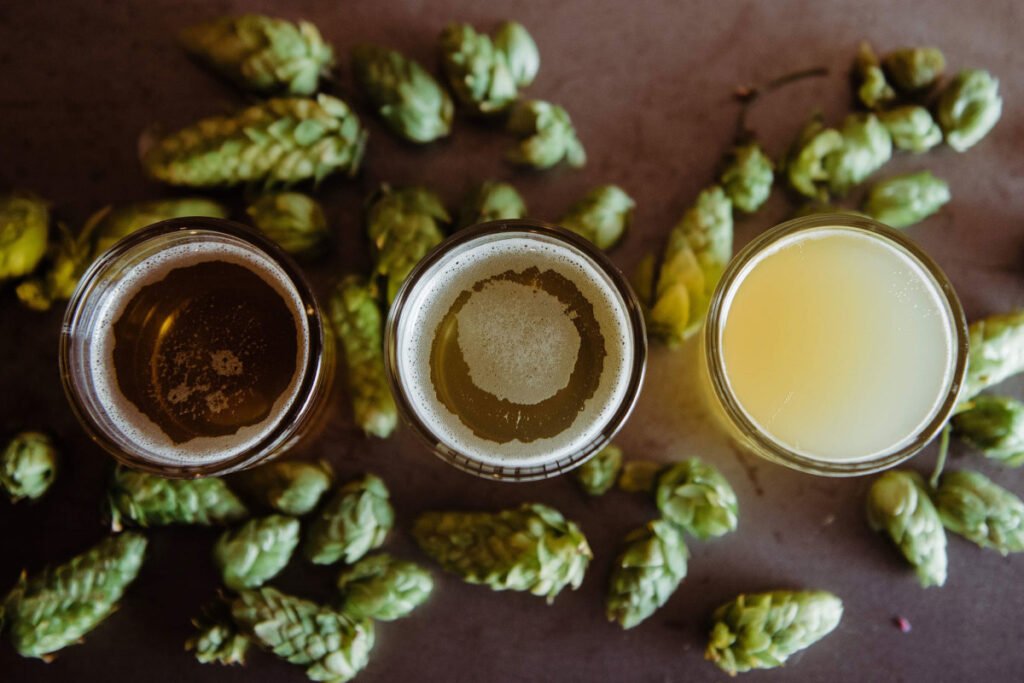
Many hop varieties also offer floral or herbal aromas, evoking the scents of flowers and fresh herbs. These hops are typically used in lighter beer styles or to add a delicate balance to stronger, more bitter beers. Some floral and herbal hop varieties include:

  • Saaz: A classic noble hop originating from the Czech Republic, Saaz hops impart a gentle, herbal aroma with subtle floral, spicy, and earthy qualities. They are often used in traditional Pilsners, Lagers, and other European beer styles.
  • Hallertau: Another noble hop, Hallertau hops are known for their floral, herbal, and spicy aromas. They are widely used in German-style Lagers, Pilsners, and Hefeweizens.
  • Tettnang: This German hop is often described as having a delicate floral and herbal aroma, with hints of spice and grassiness. It is used in a variety of European Lager styles, as well as in Pale Ales and IPAs.
4. Earthy and Spicy Aromas

Certain hops also contribute earthy or spicy notes that can lend complexity to a beer. These aromas are often associated with hops grown in particular regions or climates. Earthy and spicy hop varieties include:

  • East Kent Goldings: This classic English hop variety is known for its earthy, herbal aroma, with a touch of spice and mild floral notes. It is commonly used in English-style Ales and Bitters.
  • Fuggle: Fuggle hops are another traditional English hop known for their earthy, woody, and slightly spicy aroma. They are typically used in Porters, Stouts, and Bitter-style Ales.

5. Tropical and Fruity Aromas

With the rise of craft brewing, many new hop varieties have been developed that bring tropical fruit aromas to beer. These hops are often used to impart juicy and exotic flavors reminiscent of pineapple, mango, and passion fruit.

  • Mosaic: Known for its vibrant and tropical aroma, Mosaic hops bring a blend of tropical fruit, citrus, and earthy pine notes. They are often used in IPAs, Pale Ales, and Double IPAs.
  • Galaxy: A hop variety from Australia, Galaxy is prized for its intense tropical fruit aroma, with prominent notes of passionfruit, peach, and citrus. It’s widely used in IPAs and Double IPAs.
  • Nelson Sauvin: This hop from New Zealand is famous for its unique white wine-like aroma with tropical fruit notes of passionfruit, gooseberry, and citrus. It’s often featured in New Zealand-style IPAs and Pale Ales.

How Hop Processing Affects Aroma

The aroma of hops can vary depending on the method of processing and how the hops are added during the brewing process. The primary methods for introducing hops to beer include:

  • Boiling: When hops are boiled at the beginning of the brewing process, they release bitterness and some flavor but very little aroma. The bitterness from boiled hops is a result of the alpha acids breaking down.
  • Late Addition and Whirlpooling: Adding hops at the end of the boil or during a whirlpool process allows the essential oils to remain more intact, leading to a stronger flavor and aroma.
  • Dry Hopping: This method involves adding hops after the beer has cooled, either during fermentation or conditioning. Dry hopping maximizes hop aroma without significantly increasing bitterness. Dry-hopped beers typically have more intense, fresh, and vibrant hop aromas.

Conclusion

The variety of hops used in beer can drastically alter the final beer’s aroma and flavor, with each hop offering a unique profile of fruity, floral, earthy, or resinous characteristics. From the bright citrus notes of Citra and Cascade to the tropical aromas of Galaxy and Mosaic, hops contribute an incredible range of sensory experiences that define the character of beers like IPAs, Pale Ales, Lagers, and more. The growing variety of hop varieties available to brewers today allows for endless experimentation and creativity in crafting beers with unique and diverse aromas. Whether you prefer the piney bitterness of West Coast IPAs or the floral and herbal qualities of a classic European Lager, the choice of hops is essential in shaping the beer’s final experience.


Tags: Beer AromaHop VarietiesHopsTerpenes
ShareTweetShare

Related Posts

Can Beer Be an Effective Ingredient in Culinary Cooking?
ALL

Can Beer Be an Effective Ingredient in Culinary Cooking?

January 22, 2026
Second Fermentation in Champagne: Is It Really That Crucial?
ALL

Second Fermentation in Champagne: Is It Really That Crucial?

January 22, 2026
How Do Different Grains Impact the Flavor Profile of Distilled Spirits?
ALL

How Do Different Grains Impact the Flavor Profile of Distilled Spirits?

January 22, 2026
How Do Whiskey Master Blenders Create Perfection?
ALL

How Do Whiskey Master Blenders Create Perfection?

January 22, 2026
Wine Pairings: Can They Change the Flavor Profile of a Dish?
ALL

Wine Pairings: Can They Change the Flavor Profile of a Dish?

January 22, 2026
Beer the Ultimate Beverage for Pairing with Spicy Food?
ALL

Beer the Ultimate Beverage for Pairing with Spicy Food?

January 21, 2026
Leave Comment
  • Trending
  • Comments
  • Latest
What Hidden Craftsmanship Lies Behind a Bottle of Quality Grain Spirits?

What Hidden Craftsmanship Lies Behind a Bottle of Quality Grain Spirits?

July 3, 2025
How Is Champagne Made? The Secrets Behind the Sparkle

How Is Champagne Made? The Secrets Behind the Sparkle

April 15, 2025
Grain Spirits vs. Traditional Distilled Spirits: Which One Suits Your Taste?

Grain Spirits vs. Traditional Distilled Spirits: Which One Suits Your Taste?

July 3, 2025
Champagne Bubbles: How Do They Perfectly Convey Celebration, Joy, and Luxury?

Champagne Bubbles: How Do They Perfectly Convey Celebration, Joy, and Luxury?

July 2, 2025
The Timeless Elegance of Wine: A Journey Through History and Culture

The Timeless Elegance of Wine: A Journey Through History and Culture

Why Is Château Lafite Rothschild the Pinnacle of Fine Wine?

Why Is Château Lafite Rothschild the Pinnacle of Fine Wine?

How Did Château Lafite Rothschild Become a Global Icon of Luxury?

How Did Château Lafite Rothschild Become a Global Icon of Luxury?

What Makes Chateau Lafite Rothschild the Pinnacle of Bordeaux Wines?

What Makes Chateau Lafite Rothschild the Pinnacle of Bordeaux Wines?

Can Beer Be an Effective Ingredient in Culinary Cooking?

Can Beer Be an Effective Ingredient in Culinary Cooking?

January 22, 2026
Second Fermentation in Champagne: Is It Really That Crucial?

Second Fermentation in Champagne: Is It Really That Crucial?

January 22, 2026
How Do Different Grains Impact the Flavor Profile of Distilled Spirits?

How Do Different Grains Impact the Flavor Profile of Distilled Spirits?

January 22, 2026
How Do Whiskey Master Blenders Create Perfection?

How Do Whiskey Master Blenders Create Perfection?

January 22, 2026
SipsavorLife

Welcome to our comprehensive beverage guide, where you can explore the fascinating world of alcoholic drinks. From exquisite wines and rich whiskeys to refreshing beers and sparkling champagnes, we provide insights, tips, and recommendations for enthusiasts and casual drinkers alike. Discover your next favorite libation with us!

© 2025 sipsavorlife.com. contacts:sipsavorlife-35376@gmail.com

No Result
View All Result
  • Home
  • Wine
  • Whiskey
  • Beer
  • Grain Spirits
  • Champagne
  • ALL

© 2025 sipsavorlife.com. contacts:sipsavorlife-35376@gmail.com

Welcome Back!

Login to your account below

Forgotten Password?

Retrieve your password

Please enter your username or email address to reset your password.

Log In





