






























SipsavorLife
  • Home
  • Wine
    Wine Pairings: Can They Change the Flavor Profile of a Dish?

    Wine Pairings: Can They Change the Flavor Profile of a Dish?

    How Do Wine Glasses Influence the Tasting Experience?

    How Do Wine Glasses Influence the Tasting Experience?

    Is Organic Wine Healthier Than Conventional Wine?

    Is Organic Wine Healthier Than Conventional Wine?

    Why Do Some Wines Taste Better from Specific Vintages?

    Why Do Some Wines Taste Better from Specific Vintages?

    Wine Tasting: Can It Truly Be an Art Form?

    Wine Tasting: Can It Truly Be an Art Form?

    What Does Terroir Actually Mean for Your Wine?

    What Does Terroir Actually Mean for Your Wine?

  • Whiskey
    Can Beer Be an Effective Ingredient in Culinary Cooking?

    Can Beer Be an Effective Ingredient in Culinary Cooking?

    Second Fermentation in Champagne: Is It Really That Crucial?

    Second Fermentation in Champagne: Is It Really That Crucial?

    How Do Different Grains Impact the Flavor Profile of Distilled Spirits?

    How Do Different Grains Impact the Flavor Profile of Distilled Spirits?

    How Do Whiskey Master Blenders Create Perfection?

    How Do Whiskey Master Blenders Create Perfection?

    Wine Pairings: Can They Change the Flavor Profile of a Dish?

    Wine Pairings: Can They Change the Flavor Profile of a Dish?

    Beer the Ultimate Beverage for Pairing with Spicy Food?

    Beer the Ultimate Beverage for Pairing with Spicy Food?

  • Beer
    Can Beer Be an Effective Ingredient in Culinary Cooking?

    Can Beer Be an Effective Ingredient in Culinary Cooking?

    Beer the Ultimate Beverage for Pairing with Spicy Food?

    Beer the Ultimate Beverage for Pairing with Spicy Food?

    How Did Ancient Civilizations Brew Beer Without Modern Technology?

    How Did Ancient Civilizations Brew Beer Without Modern Technology?

    Is It Possible to Brew a Beer with No Alcohol and No Compromise on Taste?

    Is It Possible to Brew a Beer with No Alcohol and No Compromise on Taste?

    Why Does Beer Taste Different at High Altitudes?

    Why Does Beer Taste Different at High Altitudes?

    Is Hops the Secret Ingredient Behind Beer’s Bold Flavor?

    Is Hops the Secret Ingredient Behind Beer’s Bold Flavor?

  • Grain Spirits
    How Do Different Grains Impact the Flavor Profile of Distilled Spirits?

    How Do Different Grains Impact the Flavor Profile of Distilled Spirits?

    Grain Spirits the Unsung Heroes of Modern Mixology

    Grain Spirits the Unsung Heroes of Modern Mixology

    What Makes Grain-Based Whiskey So Different from Its Peated Cousins?

    What Makes Grain-Based Whiskey So Different from Its Peated Cousins?

    Grain Spirits: Could They Be the Next Big Trend in Craft Cocktails?

    Grain Spirits: Could They Be the Next Big Trend in Craft Cocktails?

    Why Are Grain Spirits Often Overlooked in the World of Fine Liquor?

    Why Are Grain Spirits Often Overlooked in the World of Fine Liquor?

    Is There a Secret Art to Distilling Grain Spirits?

    Is There a Secret Art to Distilling Grain Spirits?

  • Champagne
    Second Fermentation in Champagne: Is It Really That Crucial?

    Second Fermentation in Champagne: Is It Really That Crucial?

    The Science Behind the ‘Bubble Size’ in Champagne

    The Science Behind the ‘Bubble Size’ in Champagne

    Why Do Some Champagnes Use a High Proportion of Pinot Meunier?

    Why Do Some Champagnes Use a High Proportion of Pinot Meunier?

    Role of Terroir in Champagne Production

    Role of Terroir in Champagne Production

    Champagne Can Be Aged in Wood?

    Champagne Can Be Aged in Wood?

    Is There a Difference Between Blanc de Blancs and Blanc de Noirs Champagne?

    Is There a Difference Between Blanc de Blancs and Blanc de Noirs Champagne?

  • ALL
    Can Beer Be an Effective Ingredient in Culinary Cooking?

    Can Beer Be an Effective Ingredient in Culinary Cooking?

    Second Fermentation in Champagne: Is It Really That Crucial?

    Second Fermentation in Champagne: Is It Really That Crucial?

    How Do Different Grains Impact the Flavor Profile of Distilled Spirits?

    How Do Different Grains Impact the Flavor Profile of Distilled Spirits?

    How Do Whiskey Master Blenders Create Perfection?

    How Do Whiskey Master Blenders Create Perfection?

    Wine Pairings: Can They Change the Flavor Profile of a Dish?

    Wine Pairings: Can They Change the Flavor Profile of a Dish?

    Beer the Ultimate Beverage for Pairing with Spicy Food?

    Beer the Ultimate Beverage for Pairing with Spicy Food?

SipsavorLife
  • Home
  • Wine
    Wine Pairings: Can They Change the Flavor Profile of a Dish?

    Wine Pairings: Can They Change the Flavor Profile of a Dish?

    How Do Wine Glasses Influence the Tasting Experience?

    How Do Wine Glasses Influence the Tasting Experience?

    Is Organic Wine Healthier Than Conventional Wine?

    Is Organic Wine Healthier Than Conventional Wine?

    Why Do Some Wines Taste Better from Specific Vintages?

    Why Do Some Wines Taste Better from Specific Vintages?

    Wine Tasting: Can It Truly Be an Art Form?

    Wine Tasting: Can It Truly Be an Art Form?

    What Does Terroir Actually Mean for Your Wine?

    What Does Terroir Actually Mean for Your Wine?

  • Whiskey
    Can Beer Be an Effective Ingredient in Culinary Cooking?

    Can Beer Be an Effective Ingredient in Culinary Cooking?

    Second Fermentation in Champagne: Is It Really That Crucial?

    Second Fermentation in Champagne: Is It Really That Crucial?

    How Do Different Grains Impact the Flavor Profile of Distilled Spirits?

    How Do Different Grains Impact the Flavor Profile of Distilled Spirits?

    How Do Whiskey Master Blenders Create Perfection?

    How Do Whiskey Master Blenders Create Perfection?

    Wine Pairings: Can They Change the Flavor Profile of a Dish?

    Wine Pairings: Can They Change the Flavor Profile of a Dish?

    Beer the Ultimate Beverage for Pairing with Spicy Food?

    Beer the Ultimate Beverage for Pairing with Spicy Food?

  • Beer
    Can Beer Be an Effective Ingredient in Culinary Cooking?

    Can Beer Be an Effective Ingredient in Culinary Cooking?

    Beer the Ultimate Beverage for Pairing with Spicy Food?

    Beer the Ultimate Beverage for Pairing with Spicy Food?

    How Did Ancient Civilizations Brew Beer Without Modern Technology?

    How Did Ancient Civilizations Brew Beer Without Modern Technology?

    Is It Possible to Brew a Beer with No Alcohol and No Compromise on Taste?

    Is It Possible to Brew a Beer with No Alcohol and No Compromise on Taste?

    Why Does Beer Taste Different at High Altitudes?

    Why Does Beer Taste Different at High Altitudes?

    Is Hops the Secret Ingredient Behind Beer’s Bold Flavor?

    Is Hops the Secret Ingredient Behind Beer’s Bold Flavor?

  • Grain Spirits
    How Do Different Grains Impact the Flavor Profile of Distilled Spirits?

    How Do Different Grains Impact the Flavor Profile of Distilled Spirits?

    Grain Spirits the Unsung Heroes of Modern Mixology

    Grain Spirits the Unsung Heroes of Modern Mixology

    What Makes Grain-Based Whiskey So Different from Its Peated Cousins?

    What Makes Grain-Based Whiskey So Different from Its Peated Cousins?

    Grain Spirits: Could They Be the Next Big Trend in Craft Cocktails?

    Grain Spirits: Could They Be the Next Big Trend in Craft Cocktails?

    Why Are Grain Spirits Often Overlooked in the World of Fine Liquor?

    Why Are Grain Spirits Often Overlooked in the World of Fine Liquor?

    Is There a Secret Art to Distilling Grain Spirits?

    Is There a Secret Art to Distilling Grain Spirits?

  • Champagne
    Second Fermentation in Champagne: Is It Really That Crucial?

    Second Fermentation in Champagne: Is It Really That Crucial?

    The Science Behind the ‘Bubble Size’ in Champagne

    The Science Behind the ‘Bubble Size’ in Champagne

    Why Do Some Champagnes Use a High Proportion of Pinot Meunier?

    Why Do Some Champagnes Use a High Proportion of Pinot Meunier?

    Role of Terroir in Champagne Production

    Role of Terroir in Champagne Production

    Champagne Can Be Aged in Wood?

    Champagne Can Be Aged in Wood?

    Is There a Difference Between Blanc de Blancs and Blanc de Noirs Champagne?

    Is There a Difference Between Blanc de Blancs and Blanc de Noirs Champagne?

  • ALL
    Can Beer Be an Effective Ingredient in Culinary Cooking?

    Can Beer Be an Effective Ingredient in Culinary Cooking?

    Second Fermentation in Champagne: Is It Really That Crucial?

    Second Fermentation in Champagne: Is It Really That Crucial?

    How Do Different Grains Impact the Flavor Profile of Distilled Spirits?

    How Do Different Grains Impact the Flavor Profile of Distilled Spirits?

    How Do Whiskey Master Blenders Create Perfection?

    How Do Whiskey Master Blenders Create Perfection?

    Wine Pairings: Can They Change the Flavor Profile of a Dish?

    Wine Pairings: Can They Change the Flavor Profile of a Dish?

    Beer the Ultimate Beverage for Pairing with Spicy Food?

    Beer the Ultimate Beverage for Pairing with Spicy Food?

SipsavorLife
No Result
View All Result
Home ALL

What Is the Secret to Perfectly Pairing Wine with Cheese?

February 27, 2025
in ALL, Wine
What Is the Secret to Perfectly Pairing Wine with Cheese?

Wine and cheese pairing is an art form that has fascinated food and drink enthusiasts for centuries. There’s a harmonious relationship between the two, but what exactly makes a pairing successful? While personal taste plays a large role in how we enjoy wine and cheese, there are fundamental principles at work that can elevate a pairing from good to extraordinary. In this article, we will uncover the science behind wine and cheese pairings, explore classic combinations and adventurous pairings, and share expert tips from sommeliers to help you create the perfect wine and cheese board.

Understanding the Science Behind Wine and Cheese Pairings

At its core, wine and cheese pairing is about balancing complementary flavors, textures, and aromas. Wine and cheese share several taste elements, such as acidity, sweetness, and saltiness, that work together or contrast with one another to create a harmonious experience. The chemistry behind this pairing is grounded in several principles:

1. Balance of Fat and Acidity
Cheese is rich in fat, which can coat the palate and create a luxurious mouthfeel. To balance the richness of the cheese, wines with good acidity, such as Sauvignon Blanc or Champagne, can cut through the fat and cleanse the palate between bites. The acidity of the wine helps to refresh the taste buds and prevent the cheese from feeling overwhelming.

2. Tannins and Texture
Tannins, found in red wines like Cabernet Sauvignon, interact with the fat in cheese, which can either create a pleasing balance or an unpleasant sensation. Tannins can cause a drying effect in the mouth, which can be countered by pairing them with creamy or fatty cheeses like Brie or cheddar. On the other hand, wines with lower tannins, such as Pinot Noir or Beaujolais, pair well with more delicate cheeses.

3. Complementary and Contrasting Flavors
Pairing wine and cheese involves both complementing and contrasting flavors. For instance, a rich, creamy cheese like Roquefort pairs beautifully with a sweet wine like Sauternes, as the sweetness of the wine balances the saltiness of the cheese. Alternatively, the saltiness of aged cheeses like Parmesan can be offset by wines that have high acidity, such as Chianti or Barbera.

Classic Combinations and Adventurous Pairings

Wine and cheese pairing has its traditional classics, but the world of possibilities is vast, with many exciting and unexpected pairings to explore. Here’s a guide to both the tried-and-true and the adventurous side of wine and cheese pairing:

1. Classic Pairings

  • Brie and Champagne: This elegant and creamy cheese pairs beautifully with the crisp acidity and effervescence of Champagne. The bubbles of the Champagne help cleanse the palate, while the richness of the Brie is complemented by the wine’s delicate fruitiness.
  • Cheddar and Cabernet Sauvignon: A bold red wine like Cabernet Sauvignon with its tannic structure works wonderfully with the sharp, nutty flavors of a mature cheddar. The tannins in the wine help balance the richness of the cheese.
  • Goat Cheese and Sauvignon Blanc: The tangy and slightly earthy flavors of goat cheese are perfectly balanced by the fresh, zesty acidity of Sauvignon Blanc. This pairing enhances the herbal notes in the wine and complements the creaminess of the cheese.
  • Blue Cheese and Port: The strong, pungent flavors of blue cheese are beautifully offset by the sweetness of Port. The wine’s rich fruitiness contrasts with the saltiness and sharpness of the cheese, creating a harmonious pairing.

2. Adventurous Pairings

  • Aged Gouda and Belgian Dubbel: The caramel and toffee notes in a well-aged Gouda pair beautifully with the malty sweetness and complexity of a Belgian Dubbel beer. The richness of the cheese and the beer’s deep flavor profile make for an indulgent experience.
  • Manchego and Tempranillo: The nutty, tangy flavor of Manchego cheese, which hails from Spain, is wonderfully complemented by the dark fruit and earthy flavors of Tempranillo. This classic Spanish pairing offers a taste of regional authenticity and balance.
  • Brie and Red Wine: While Brie is often paired with Champagne, it also works surprisingly well with a light red wine, such as Pinot Noir. The fruity notes of the red wine enhance the soft, creamy texture of the Brie and provide a refreshing contrast.
  • Smoked Cheddar and Riesling: The smoky, intense flavor of aged cheddar pairs wonderfully with the aromatic sweetness and bright acidity of Riesling. The wine’s fruitiness helps to balance the cheese’s smokiness while refreshing the palate between bites.
  • Truffle Cheese and Chardonnay: The earthy, aromatic flavor of truffle-infused cheese is a luxurious pairing for a full-bodied, oaky Chardonnay. The wine’s richness and oak notes complement the truffle’s deep, savory qualities.
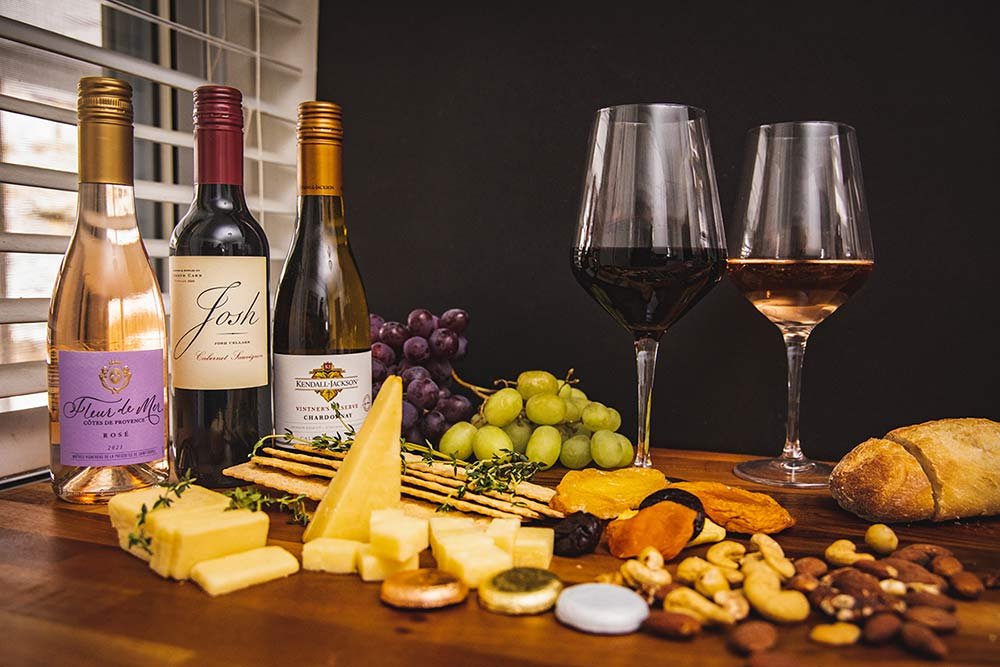
Tips from Sommeliers for Creating a Winning Wine and Cheese Board

Building the perfect wine and cheese board is an art in itself. Whether you’re hosting a dinner party or simply enjoying a quiet evening, following expert advice can ensure a satisfying and memorable experience. Here are some tips from sommeliers on how to create a balanced and exciting wine and cheese selection:

1. Think About Texture
When selecting cheese for your wine board, it’s important to consider the textures. A variety of cheeses with different textures—ranging from soft and creamy to firm and crumbly—can make for an interesting tasting experience. Pairing textures with complementary wine styles (e.g., creamy cheeses with crisp whites or firm cheeses with tannic reds) will help create balance.

2. Create Contrasts
Don’t be afraid to experiment with contrasting flavors. Pair a rich, creamy cheese with a bright, acidic wine, or a tangy cheese with a sweet wine. The contrast will highlight the best qualities of both the wine and cheese, and can offer a new sensory experience with every bite.

3. Serve at the Right Temperature
For the best taste experience, it’s crucial to serve both wine and cheese at the optimal temperature. Red wines should be slightly cooler than room temperature (about 60-65°F), while whites and rosés are best served chilled (45-55°F). Cheese should be served at room temperature, as this allows the flavors and textures to develop fully. Taking your cheeses out of the fridge about 30-60 minutes before serving will ensure they reach their best flavor.

4. Incorporate Some Variety
A great wine and cheese board features a variety of flavors and types, so try to include different categories of cheese—fresh cheeses, aged cheeses, blue cheeses, and creamy varieties. Choose wines that range from light and fresh to bold and complex, offering your guests an experience of both contrast and harmony.

5. Include Garnishes and Accompaniments
To elevate your wine and cheese board, add accompaniments such as fresh fruits, nuts, honey, jams, or olives. These add extra flavor and texture, and can enhance the overall tasting experience by offering new flavors that complement the wine and cheese.

Conclusion

Pairing wine and cheese is more than just an enjoyable pastime—it’s a delightful experience that balances science, creativity, and personal taste. By understanding the science behind wine and cheese pairings, exploring both classic combinations and more adventurous ones, and following expert tips, you can create a wine and cheese board that dazzles the senses. Whether you stick with traditional pairings or push the boundaries with new combinations, the right pairing can transform a simple cheese platter into an unforgettable culinary experience.


Tags: sommeliers tipswine and cheese boardwine and cheese pairing
ShareTweetShare

Related Posts

Can Beer Be an Effective Ingredient in Culinary Cooking?
ALL

Can Beer Be an Effective Ingredient in Culinary Cooking?

January 22, 2026
Second Fermentation in Champagne: Is It Really That Crucial?
ALL

Second Fermentation in Champagne: Is It Really That Crucial?

January 22, 2026
How Do Different Grains Impact the Flavor Profile of Distilled Spirits?
ALL

How Do Different Grains Impact the Flavor Profile of Distilled Spirits?

January 22, 2026
How Do Whiskey Master Blenders Create Perfection?
ALL

How Do Whiskey Master Blenders Create Perfection?

January 22, 2026
Wine Pairings: Can They Change the Flavor Profile of a Dish?
ALL

Wine Pairings: Can They Change the Flavor Profile of a Dish?

January 22, 2026
Beer the Ultimate Beverage for Pairing with Spicy Food?
ALL

Beer the Ultimate Beverage for Pairing with Spicy Food?

January 21, 2026
Leave Comment
  • Trending
  • Comments
  • Latest
Role of Terroir in Champagne Production

Role of Terroir in Champagne Production

January 19, 2026
What Hidden Craftsmanship Lies Behind a Bottle of Quality Grain Spirits?

What Hidden Craftsmanship Lies Behind a Bottle of Quality Grain Spirits?

July 3, 2025
Champagne Can Be Aged in Wood?

Champagne Can Be Aged in Wood?

January 18, 2026
Is Organic Wine Healthier Than Conventional Wine?

Is Organic Wine Healthier Than Conventional Wine?

January 20, 2026
The Timeless Elegance of Wine: A Journey Through History and Culture

The Timeless Elegance of Wine: A Journey Through History and Culture

Why Is Château Lafite Rothschild the Pinnacle of Fine Wine?

Why Is Château Lafite Rothschild the Pinnacle of Fine Wine?

How Did Château Lafite Rothschild Become a Global Icon of Luxury?

How Did Château Lafite Rothschild Become a Global Icon of Luxury?

What Makes Chateau Lafite Rothschild the Pinnacle of Bordeaux Wines?

What Makes Chateau Lafite Rothschild the Pinnacle of Bordeaux Wines?

Can Beer Be an Effective Ingredient in Culinary Cooking?

Can Beer Be an Effective Ingredient in Culinary Cooking?

January 22, 2026
Second Fermentation in Champagne: Is It Really That Crucial?

Second Fermentation in Champagne: Is It Really That Crucial?

January 22, 2026
How Do Different Grains Impact the Flavor Profile of Distilled Spirits?

How Do Different Grains Impact the Flavor Profile of Distilled Spirits?

January 22, 2026
How Do Whiskey Master Blenders Create Perfection?

How Do Whiskey Master Blenders Create Perfection?

January 22, 2026
SipsavorLife

Welcome to our comprehensive beverage guide, where you can explore the fascinating world of alcoholic drinks. From exquisite wines and rich whiskeys to refreshing beers and sparkling champagnes, we provide insights, tips, and recommendations for enthusiasts and casual drinkers alike. Discover your next favorite libation with us!

© 2025 sipsavorlife.com. contacts:sipsavorlife-35376@gmail.com

No Result
View All Result
  • Home
  • Wine
  • Whiskey
  • Beer
  • Grain Spirits
  • Champagne
  • ALL

© 2025 sipsavorlife.com. contacts:sipsavorlife-35376@gmail.com

Welcome Back!

Login to your account below

Forgotten Password?

Retrieve your password

Please enter your username or email address to reset your password.

Log In





