










SipsavorLife
  • Home
  • Wine
    Wine as a Cultural Artifact: History, Identity, and the Evolution of Taste

    The Art and Science of Wine & Food Pairing: How to Create Perfect Matches Every Time

    Wine as a Cultural Artifact: History, Identity, and the Evolution of Taste

    A Complete Guide to Wine Styles and Grape Varieties: From Cabernet Sauvignon to Riesling

    Wine as a Cultural Artifact: History, Identity, and the Evolution of Taste

    The Global Wine Industry: Economics, Markets, and the Future of Consumption

    Wine as a Cultural Artifact: History, Identity, and the Evolution of Taste

    The Science of Wine Tasting: How Chemistry, Biology, and Perception Shape Flavor

    Wine as a Cultural Artifact: History, Identity, and the Evolution of Taste

    Wine as a Cultural Artifact: History, Identity, and the Evolution of Taste

    Red Wine — The Liquid Expression of Land, Time, and Human Intention

    The Future of Red Wine — Climate Change, Technology, and the Evolution of Taste

  • Whiskey
    Can Beer Be an Effective Ingredient in Culinary Cooking?

    Can Beer Be an Effective Ingredient in Culinary Cooking?

    Second Fermentation in Champagne: Is It Really That Crucial?

    Second Fermentation in Champagne: Is It Really That Crucial?

    How Do Different Grains Impact the Flavor Profile of Distilled Spirits?

    How Do Different Grains Impact the Flavor Profile of Distilled Spirits?

    How Do Whiskey Master Blenders Create Perfection?

    How Do Whiskey Master Blenders Create Perfection?

    Wine Pairings: Can They Change the Flavor Profile of a Dish?

    Wine Pairings: Can They Change the Flavor Profile of a Dish?

    Beer the Ultimate Beverage for Pairing with Spicy Food?

    Beer the Ultimate Beverage for Pairing with Spicy Food?

  • Beer
    Beer as a Cultural and Social Force: From Ancient Brew to Modern Identity

    The Art of Beer & Food Pairing: Unlocking Flavor Through Balance, Contrast, and Texture

    Beer as a Cultural and Social Force: From Ancient Brew to Modern Identity

    A Complete Guide to Beer Styles: From Lager to Stout, Understanding Flavor, Body, and Character

    Beer as a Cultural and Social Force: From Ancient Brew to Modern Identity

    The Global Beer Industry: Craft Revolution, Market Forces, and the Future of Brewing

    Beer as a Cultural and Social Force: From Ancient Brew to Modern Identity

    The Science of Beer: Brewing Process, Ingredients, and the Chemistry of Flavor

    Beer as a Cultural and Social Force: From Ancient Brew to Modern Identity

    Beer as a Cultural and Social Force: From Ancient Brew to Modern Identity

    The Evolution of Beer — From Ancient Brews to the Craft Revolution

    The Future of Beer — Innovation, Sustainability, and Emerging Trends

  • Grain Spirits
    Grain Spirits Explained — The Foundation of Global Distillation

    The Future of Grain Spirits — Technology, Sustainability, and the Next Era of Distillation

    Grain Spirits Explained — The Foundation of Global Distillation

    Grain Spirits Around the World — Vodka, Whisky Bases, and Industrial Applications

    Grain Spirits Explained — The Foundation of Global Distillation

    Distillation Systems — Pot Still vs Column Still, and the Balance Between Efficiency and Flavor

    Grain Spirits Explained — The Foundation of Global Distillation

    Grain Selection and Fermentation Science — How Raw Ingredients Shape Grain Spirits

    Grain Spirits Explained — The Foundation of Global Distillation

    Grain Spirits Explained — The Foundation of Global Distillation

    Grain Spirits and the Industrial Birth of Neutral Alcohol

    The Future of Grain Spirits — AI Distillation, Sustainability, and the Post-Flavor Alcohol Industry

  • Champagne
    The History of Champagne — From Accidental Sparkle to Global Luxury

    The Future of Champagne — Climate Change, Innovation, and Industry Evolution

    The History of Champagne — From Accidental Sparkle to Global Luxury

    The Culture of Champagne — Luxury, Celebration, and Global Influence

    The History of Champagne — From Accidental Sparkle to Global Luxury

    Champagne Styles Explained — Brut, Rosé, Vintage, and Beyond

    The History of Champagne — From Accidental Sparkle to Global Luxury

    The Craft of Champagne — Terroir, Grapes, and the Méthode Traditionnelle

    The History of Champagne — From Accidental Sparkle to Global Luxury

    The History of Champagne — From Accidental Sparkle to Global Luxury

    The Future of Champagne — Climate Change, Innovation, and the Evolution of Sparkling Wine

    The Future of Champagne — Climate Change, Innovation, and the Evolution of Sparkling Wine

  • ALL
    Can Beer Be an Effective Ingredient in Culinary Cooking?

    Can Beer Be an Effective Ingredient in Culinary Cooking?

    Second Fermentation in Champagne: Is It Really That Crucial?

    Second Fermentation in Champagne: Is It Really That Crucial?

    How Do Different Grains Impact the Flavor Profile of Distilled Spirits?

    How Do Different Grains Impact the Flavor Profile of Distilled Spirits?

    How Do Whiskey Master Blenders Create Perfection?

    How Do Whiskey Master Blenders Create Perfection?

    Wine Pairings: Can They Change the Flavor Profile of a Dish?

    Wine Pairings: Can They Change the Flavor Profile of a Dish?

    Beer the Ultimate Beverage for Pairing with Spicy Food?

    Beer the Ultimate Beverage for Pairing with Spicy Food?

SipsavorLife
  • Home
  • Wine
    Wine as a Cultural Artifact: History, Identity, and the Evolution of Taste

    The Art and Science of Wine & Food Pairing: How to Create Perfect Matches Every Time

    Wine as a Cultural Artifact: History, Identity, and the Evolution of Taste

    A Complete Guide to Wine Styles and Grape Varieties: From Cabernet Sauvignon to Riesling

    Wine as a Cultural Artifact: History, Identity, and the Evolution of Taste

    The Global Wine Industry: Economics, Markets, and the Future of Consumption

    Wine as a Cultural Artifact: History, Identity, and the Evolution of Taste

    The Science of Wine Tasting: How Chemistry, Biology, and Perception Shape Flavor

    Wine as a Cultural Artifact: History, Identity, and the Evolution of Taste

    Wine as a Cultural Artifact: History, Identity, and the Evolution of Taste

    Red Wine — The Liquid Expression of Land, Time, and Human Intention

    The Future of Red Wine — Climate Change, Technology, and the Evolution of Taste

  • Whiskey
    Can Beer Be an Effective Ingredient in Culinary Cooking?

    Can Beer Be an Effective Ingredient in Culinary Cooking?

    Second Fermentation in Champagne: Is It Really That Crucial?

    Second Fermentation in Champagne: Is It Really That Crucial?

    How Do Different Grains Impact the Flavor Profile of Distilled Spirits?

    How Do Different Grains Impact the Flavor Profile of Distilled Spirits?

    How Do Whiskey Master Blenders Create Perfection?

    How Do Whiskey Master Blenders Create Perfection?

    Wine Pairings: Can They Change the Flavor Profile of a Dish?

    Wine Pairings: Can They Change the Flavor Profile of a Dish?

    Beer the Ultimate Beverage for Pairing with Spicy Food?

    Beer the Ultimate Beverage for Pairing with Spicy Food?

  • Beer
    Beer as a Cultural and Social Force: From Ancient Brew to Modern Identity

    The Art of Beer & Food Pairing: Unlocking Flavor Through Balance, Contrast, and Texture

    Beer as a Cultural and Social Force: From Ancient Brew to Modern Identity

    A Complete Guide to Beer Styles: From Lager to Stout, Understanding Flavor, Body, and Character

    Beer as a Cultural and Social Force: From Ancient Brew to Modern Identity

    The Global Beer Industry: Craft Revolution, Market Forces, and the Future of Brewing

    Beer as a Cultural and Social Force: From Ancient Brew to Modern Identity

    The Science of Beer: Brewing Process, Ingredients, and the Chemistry of Flavor

    Beer as a Cultural and Social Force: From Ancient Brew to Modern Identity

    Beer as a Cultural and Social Force: From Ancient Brew to Modern Identity

    The Evolution of Beer — From Ancient Brews to the Craft Revolution

    The Future of Beer — Innovation, Sustainability, and Emerging Trends

  • Grain Spirits
    Grain Spirits Explained — The Foundation of Global Distillation

    The Future of Grain Spirits — Technology, Sustainability, and the Next Era of Distillation

    Grain Spirits Explained — The Foundation of Global Distillation

    Grain Spirits Around the World — Vodka, Whisky Bases, and Industrial Applications

    Grain Spirits Explained — The Foundation of Global Distillation

    Distillation Systems — Pot Still vs Column Still, and the Balance Between Efficiency and Flavor

    Grain Spirits Explained — The Foundation of Global Distillation

    Grain Selection and Fermentation Science — How Raw Ingredients Shape Grain Spirits

    Grain Spirits Explained — The Foundation of Global Distillation

    Grain Spirits Explained — The Foundation of Global Distillation

    Grain Spirits and the Industrial Birth of Neutral Alcohol

    The Future of Grain Spirits — AI Distillation, Sustainability, and the Post-Flavor Alcohol Industry

  • Champagne
    The History of Champagne — From Accidental Sparkle to Global Luxury

    The Future of Champagne — Climate Change, Innovation, and Industry Evolution

    The History of Champagne — From Accidental Sparkle to Global Luxury

    The Culture of Champagne — Luxury, Celebration, and Global Influence

    The History of Champagne — From Accidental Sparkle to Global Luxury

    Champagne Styles Explained — Brut, Rosé, Vintage, and Beyond

    The History of Champagne — From Accidental Sparkle to Global Luxury

    The Craft of Champagne — Terroir, Grapes, and the Méthode Traditionnelle

    The History of Champagne — From Accidental Sparkle to Global Luxury

    The History of Champagne — From Accidental Sparkle to Global Luxury

    The Future of Champagne — Climate Change, Innovation, and the Evolution of Sparkling Wine

    The Future of Champagne — Climate Change, Innovation, and the Evolution of Sparkling Wine

  • ALL
    Can Beer Be an Effective Ingredient in Culinary Cooking?

    Can Beer Be an Effective Ingredient in Culinary Cooking?

    Second Fermentation in Champagne: Is It Really That Crucial?

    Second Fermentation in Champagne: Is It Really That Crucial?

    How Do Different Grains Impact the Flavor Profile of Distilled Spirits?

    How Do Different Grains Impact the Flavor Profile of Distilled Spirits?

    How Do Whiskey Master Blenders Create Perfection?

    How Do Whiskey Master Blenders Create Perfection?

    Wine Pairings: Can They Change the Flavor Profile of a Dish?

    Wine Pairings: Can They Change the Flavor Profile of a Dish?

    Beer the Ultimate Beverage for Pairing with Spicy Food?

    Beer the Ultimate Beverage for Pairing with Spicy Food?

SipsavorLife
No Result
View All Result
Home ALL

Can You Taste the Difference Between Barley and Corn in Bourbon?

February 28, 2025
in ALL, Grain Spirits
Can You Taste the Difference Between Barley and Corn in Bourbon?

Bourbon is one of the most iconic American spirits, known for its rich flavors and smooth textures. While it’s often associated with sweet notes of caramel and vanilla, the grains used in its production—particularly barley and corn—play a crucial role in shaping the flavor profile of the final product. Bourbon must contain at least 51% corn, but the inclusion of other grains, such as barley, significantly influences its taste, mouthfeel, and overall character. In this article, we’ll dive deep into the grain bill of bourbon, explore how barley and corn impact the spirit’s sweetness and texture, and take a closer look at how different varieties of bourbon are affected by these grains.

A Deep Dive Into the Grain Bill of Bourbon

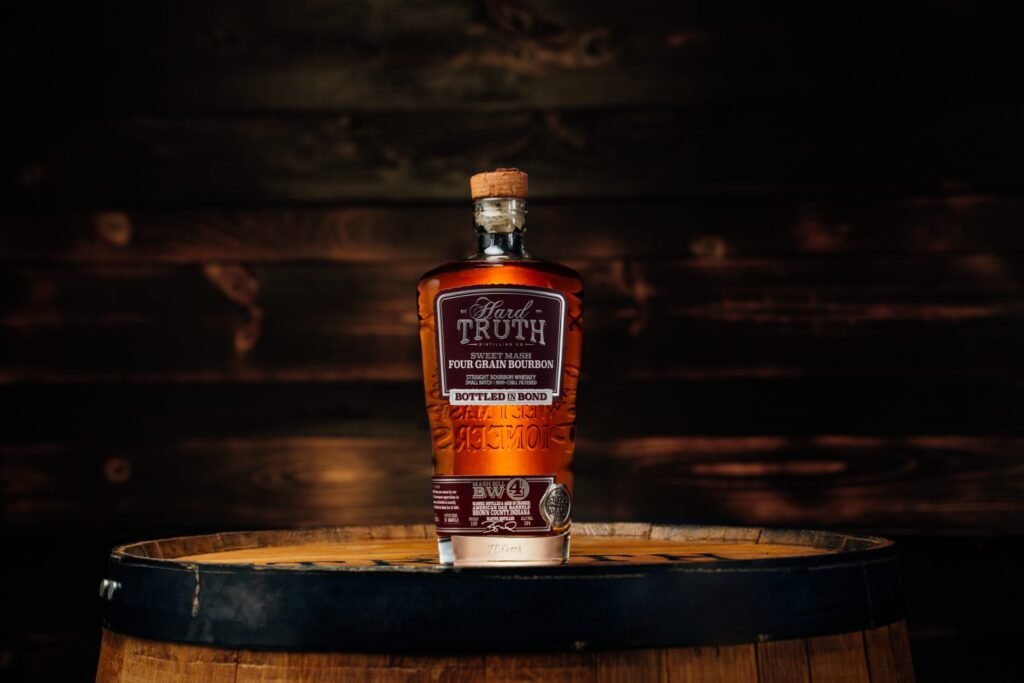
The grain bill refers to the combination of grains used in the production of bourbon. While corn is the primary grain, other grains such as barley, rye, and wheat are often used in varying amounts to create different flavor profiles. Bourbon, by definition, must contain at least 51% corn, but the remaining 49% can consist of other grains that influence the final taste.

1. The Role of Corn in Bourbon Production
Corn is the backbone of bourbon, contributing to the sweet, smooth characteristics that define the spirit. The high starch content in corn makes it ideal for fermentation, which leads to the production of alcohol. Corn’s natural sweetness is one of the key features of bourbon, contributing to its signature flavor profile of caramel, vanilla, and sometimes even a hint of honey. This sweetness is especially noticeable in the early sips of a bourbon, and it plays a key role in creating a rounded, easy-to-drink profile.

2. The Role of Barley in Bourbon Production
While corn provides sweetness and body to bourbon, barley serves a different purpose. Barley is the key grain used to produce malt, which is essential for the fermentation process. Malting barley converts the starches into fermentable sugars, which yeast then transforms into alcohol. Though barley only makes up a small percentage of the grain bill (usually 5-10%), it still has a significant impact on bourbon’s flavor. It contributes subtle, malty flavors and can add complexity, depth, and a light toastiness to the bourbon. The more barley used, the more the malt flavors become prominent.

3. The Use of Other Grains
In addition to corn and barley, many bourbons incorporate other grains, such as rye or wheat. Rye adds a spicy, peppery character to the bourbon, while wheat tends to contribute a softer, smoother mouthfeel and a slight sweetness. These additional grains help create distinct variations of bourbon, allowing distillers to experiment with different flavor profiles and textures.

How Barley and Corn Influence Bourbon’s Sweetness and Texture

The sweetness and texture of bourbon are largely shaped by the combination of corn and barley in the grain bill. Both grains influence the final product in different ways, from the spirit’s initial sweetness to its mouthfeel and overall structure.

1. The Sweetness from Corn
Corn is the primary source of sweetness in bourbon. As the grain with the highest sugar content, it provides a rich, syrupy sweetness that is often associated with caramel and vanilla flavors in bourbon. This sweetness comes through clearly in the initial taste and lingers through the finish. The high corn content also makes bourbon more approachable, especially for those who are new to whiskey or prefer spirits with smoother, sweeter flavors.

The sweetness of corn can also be accentuated by the aging process. As the bourbon matures in charred oak barrels, it picks up flavors from the wood, which can enhance the sweet, vanilla-like notes. The longer the bourbon ages, the more pronounced these sweet characteristics become, although they are always balanced by the grain’s inherent flavors.
2. The Subtlety of Barley
Barley, on the other hand, is much subtler in its impact on bourbon. While it doesn’t contribute the same level of sweetness as corn, it adds a layer of complexity that can’t be overlooked. Barley contributes malty, biscuity, or even nutty flavors to the spirit. This complexity balances the sweetness of the corn, ensuring that bourbon isn’t overly sugary. Instead, the maltiness of barley gives the bourbon a more rounded, well-balanced flavor profile.

Additionally, the presence of barley can enhance the texture of the bourbon, contributing to a smoother, creamier mouthfeel. The maltiness of barley helps soften the spirit’s bite, creating a more harmonious drinking experience, especially when combined with the sweetness from corn.

3. Balancing Sweetness and Spice
The balance between the sweetness of corn and the maltiness of barley is a key aspect of what makes bourbon so enjoyable. When these two grains are combined, they create a harmony of flavors and textures that is greater than the sum of their parts. The sweetness of the corn is tempered by the subtle maltiness of barley, and the result is a bourbon that has both smoothness and complexity. The interaction between corn and barley ensures that bourbon has depth without being too heavy or overly sweet.

Exploring the Flavor Profiles of Different Bourbon Varieties

Different combinations of corn and barley, along with the addition of other grains like rye or wheat, create a variety of bourbon styles, each with its own distinct flavor profile. Let’s take a look at how different bourbon varieties are influenced by their grain bills.

1. Traditional Bourbon (Corn and Barley Dominant)
In traditional bourbon, where corn makes up the majority of the grain bill (often 70-80%), the spirit is typically characterized by its sweet, smooth, and full-bodied flavor. The high corn content gives the bourbon its signature caramel, vanilla, and toasty notes, while the barley adds complexity and smoothness. This style of bourbon is rich but approachable, with a sweet, slightly nutty finish.

2. Rye Bourbon (Corn, Barley, and Rye)
Bourbon made with a higher percentage of rye (often 15-25%) brings a spicy kick to the flavor profile. Rye adds a peppery, herbal note that complements the sweetness of the corn. The barley still provides some maltiness, but the rye tends to dominate the flavor, resulting in a bourbon that is more robust and bold. Rye bourbons are perfect for those who enjoy a spicier, more complex drink.

3. Wheat Bourbon (Corn, Barley, and Wheat)
Wheat bourbon has a softer, smoother profile, with a slightly sweeter finish than traditional rye bourbon. The addition of wheat (often 15-20%) lends a creamy, mellow mouthfeel to the bourbon, enhancing the sweetness of the corn and softening the spicy bite that rye can bring. Wheat bourbons tend to have flavors of honey, butterscotch, and vanilla, with a smooth, rounded texture that makes them incredibly drinkable.

4. High Corn Bourbon (Corn and Barley Dominant with Low Rye)
Some bourbons are made with an even higher percentage of corn—up to 90%—creating an intensely sweet and smooth profile. In these bourbons, the corn’s natural sugars dominate the flavor, with only a small amount of barley and/or rye added to balance out the sweetness. These bourbons are exceptionally smooth, with flavors of caramel, vanilla, and honey. They are perfect for those who prefer a sweeter, more approachable whiskey.

Conclusion

The grains used in bourbon production, particularly corn and barley, are essential to shaping the spirit’s sweetness, texture, and overall flavor profile. Corn provides the foundational sweetness and body, while barley adds maltiness and complexity. The balance between these two grains creates a bourbon that is both rich and smooth, with enough depth to satisfy even the most discerning whisky drinker. Whether you prefer a sweeter, mellow bourbon or a spicier, more complex one, the combination of corn and barley allows for a wide range of bourbon styles to suit any palate. As you explore the world of bourbon, pay attention to how the different grain bills influence the flavor profile—there’s always something new to discover.

Tags: barley in bourbonbourbon grainsbourbon sweetnesscorn in bourbon
ShareTweetShare

Related Posts

Grain Spirits Explained — The Foundation of Global Distillation
Grain Spirits

The Future of Grain Spirits — Technology, Sustainability, and the Next Era of Distillation

April 25, 2026
Grain Spirits Explained — The Foundation of Global Distillation
Grain Spirits

Grain Spirits Around the World — Vodka, Whisky Bases, and Industrial Applications

April 25, 2026
Grain Spirits Explained — The Foundation of Global Distillation
Grain Spirits

Distillation Systems — Pot Still vs Column Still, and the Balance Between Efficiency and Flavor

April 25, 2026
Grain Spirits Explained — The Foundation of Global Distillation
Grain Spirits

Grain Selection and Fermentation Science — How Raw Ingredients Shape Grain Spirits

April 25, 2026
Grain Spirits Explained — The Foundation of Global Distillation
Grain Spirits

Grain Spirits Explained — The Foundation of Global Distillation

April 25, 2026
Grain Spirits and the Industrial Birth of Neutral Alcohol
Grain Spirits

The Future of Grain Spirits — AI Distillation, Sustainability, and the Post-Flavor Alcohol Industry

April 21, 2026
Leave Comment
  • Trending
  • Comments
  • Latest
Role of Terroir in Champagne Production

Role of Terroir in Champagne Production

January 19, 2026
Champagne Can Be Aged in Wood?

Champagne Can Be Aged in Wood?

January 18, 2026
Is Organic Wine Healthier Than Conventional Wine?

Is Organic Wine Healthier Than Conventional Wine?

January 20, 2026
Why Do Some Champagnes Use a High Proportion of Pinot Meunier?

Why Do Some Champagnes Use a High Proportion of Pinot Meunier?

January 20, 2026
The Timeless Elegance of Wine: A Journey Through History and Culture

The Timeless Elegance of Wine: A Journey Through History and Culture

Why Is Château Lafite Rothschild the Pinnacle of Fine Wine?

Why Is Château Lafite Rothschild the Pinnacle of Fine Wine?

How Did Château Lafite Rothschild Become a Global Icon of Luxury?

How Did Château Lafite Rothschild Become a Global Icon of Luxury?

What Makes Chateau Lafite Rothschild the Pinnacle of Bordeaux Wines?

What Makes Chateau Lafite Rothschild the Pinnacle of Bordeaux Wines?

Beer as a Cultural and Social Force: From Ancient Brew to Modern Identity

The Art of Beer & Food Pairing: Unlocking Flavor Through Balance, Contrast, and Texture

April 26, 2026
Beer as a Cultural and Social Force: From Ancient Brew to Modern Identity

A Complete Guide to Beer Styles: From Lager to Stout, Understanding Flavor, Body, and Character

April 26, 2026
Beer as a Cultural and Social Force: From Ancient Brew to Modern Identity

The Global Beer Industry: Craft Revolution, Market Forces, and the Future of Brewing

April 26, 2026
Beer as a Cultural and Social Force: From Ancient Brew to Modern Identity

The Science of Beer: Brewing Process, Ingredients, and the Chemistry of Flavor

April 26, 2026
SipsavorLife

Welcome to our comprehensive beverage guide, where you can explore the fascinating world of alcoholic drinks. From exquisite wines and rich whiskeys to refreshing beers and sparkling champagnes, we provide insights, tips, and recommendations for enthusiasts and casual drinkers alike. Discover your next favorite libation with us!

© 2025 sipsavorlife.com. contacts:sipsavorlife-35376@gmail.com

No Result
View All Result
  • Home
  • Wine
  • Whiskey
  • Beer
  • Grain Spirits
  • Champagne
  • ALL

© 2025 sipsavorlife.com. contacts:sipsavorlife-35376@gmail.com

Welcome Back!

Login to your account below

Forgotten Password?

Retrieve your password

Please enter your username or email address to reset your password.

Log In