















SipsavorLife
  • Home
  • Wine
    Wine Pairings: Can They Change the Flavor Profile of a Dish?

    Wine Pairings: Can They Change the Flavor Profile of a Dish?

    How Do Wine Glasses Influence the Tasting Experience?

    How Do Wine Glasses Influence the Tasting Experience?

    Is Organic Wine Healthier Than Conventional Wine?

    Is Organic Wine Healthier Than Conventional Wine?

    Why Do Some Wines Taste Better from Specific Vintages?

    Why Do Some Wines Taste Better from Specific Vintages?

    Wine Tasting: Can It Truly Be an Art Form?

    Wine Tasting: Can It Truly Be an Art Form?

    What Does Terroir Actually Mean for Your Wine?

    What Does Terroir Actually Mean for Your Wine?

  • Whiskey
    Can Beer Be an Effective Ingredient in Culinary Cooking?

    Can Beer Be an Effective Ingredient in Culinary Cooking?

    Second Fermentation in Champagne: Is It Really That Crucial?

    Second Fermentation in Champagne: Is It Really That Crucial?

    How Do Different Grains Impact the Flavor Profile of Distilled Spirits?

    How Do Different Grains Impact the Flavor Profile of Distilled Spirits?

    How Do Whiskey Master Blenders Create Perfection?

    How Do Whiskey Master Blenders Create Perfection?

    Wine Pairings: Can They Change the Flavor Profile of a Dish?

    Wine Pairings: Can They Change the Flavor Profile of a Dish?

    Beer the Ultimate Beverage for Pairing with Spicy Food?

    Beer the Ultimate Beverage for Pairing with Spicy Food?

  • Beer
    Can Beer Be an Effective Ingredient in Culinary Cooking?

    Can Beer Be an Effective Ingredient in Culinary Cooking?

    Beer the Ultimate Beverage for Pairing with Spicy Food?

    Beer the Ultimate Beverage for Pairing with Spicy Food?

    How Did Ancient Civilizations Brew Beer Without Modern Technology?

    How Did Ancient Civilizations Brew Beer Without Modern Technology?

    Is It Possible to Brew a Beer with No Alcohol and No Compromise on Taste?

    Is It Possible to Brew a Beer with No Alcohol and No Compromise on Taste?

    Why Does Beer Taste Different at High Altitudes?

    Why Does Beer Taste Different at High Altitudes?

    Is Hops the Secret Ingredient Behind Beer’s Bold Flavor?

    Is Hops the Secret Ingredient Behind Beer’s Bold Flavor?

  • Grain Spirits
    How Do Different Grains Impact the Flavor Profile of Distilled Spirits?

    How Do Different Grains Impact the Flavor Profile of Distilled Spirits?

    Grain Spirits the Unsung Heroes of Modern Mixology

    Grain Spirits the Unsung Heroes of Modern Mixology

    What Makes Grain-Based Whiskey So Different from Its Peated Cousins?

    What Makes Grain-Based Whiskey So Different from Its Peated Cousins?

    Grain Spirits: Could They Be the Next Big Trend in Craft Cocktails?

    Grain Spirits: Could They Be the Next Big Trend in Craft Cocktails?

    Why Are Grain Spirits Often Overlooked in the World of Fine Liquor?

    Why Are Grain Spirits Often Overlooked in the World of Fine Liquor?

    Is There a Secret Art to Distilling Grain Spirits?

    Is There a Secret Art to Distilling Grain Spirits?

  • Champagne
    Second Fermentation in Champagne: Is It Really That Crucial?

    Second Fermentation in Champagne: Is It Really That Crucial?

    The Science Behind the ‘Bubble Size’ in Champagne

    The Science Behind the ‘Bubble Size’ in Champagne

    Why Do Some Champagnes Use a High Proportion of Pinot Meunier?

    Why Do Some Champagnes Use a High Proportion of Pinot Meunier?

    Role of Terroir in Champagne Production

    Role of Terroir in Champagne Production

    Champagne Can Be Aged in Wood?

    Champagne Can Be Aged in Wood?

    Is There a Difference Between Blanc de Blancs and Blanc de Noirs Champagne?

    Is There a Difference Between Blanc de Blancs and Blanc de Noirs Champagne?

  • ALL
    Can Beer Be an Effective Ingredient in Culinary Cooking?

    Can Beer Be an Effective Ingredient in Culinary Cooking?

    Second Fermentation in Champagne: Is It Really That Crucial?

    Second Fermentation in Champagne: Is It Really That Crucial?

    How Do Different Grains Impact the Flavor Profile of Distilled Spirits?

    How Do Different Grains Impact the Flavor Profile of Distilled Spirits?

    How Do Whiskey Master Blenders Create Perfection?

    How Do Whiskey Master Blenders Create Perfection?

    Wine Pairings: Can They Change the Flavor Profile of a Dish?

    Wine Pairings: Can They Change the Flavor Profile of a Dish?

    Beer the Ultimate Beverage for Pairing with Spicy Food?

    Beer the Ultimate Beverage for Pairing with Spicy Food?

SipsavorLife
  • Home
  • Wine
    Wine Pairings: Can They Change the Flavor Profile of a Dish?

    Wine Pairings: Can They Change the Flavor Profile of a Dish?

    How Do Wine Glasses Influence the Tasting Experience?

    How Do Wine Glasses Influence the Tasting Experience?

    Is Organic Wine Healthier Than Conventional Wine?

    Is Organic Wine Healthier Than Conventional Wine?

    Why Do Some Wines Taste Better from Specific Vintages?

    Why Do Some Wines Taste Better from Specific Vintages?

    Wine Tasting: Can It Truly Be an Art Form?

    Wine Tasting: Can It Truly Be an Art Form?

    What Does Terroir Actually Mean for Your Wine?

    What Does Terroir Actually Mean for Your Wine?

  • Whiskey
    Can Beer Be an Effective Ingredient in Culinary Cooking?

    Can Beer Be an Effective Ingredient in Culinary Cooking?

    Second Fermentation in Champagne: Is It Really That Crucial?

    Second Fermentation in Champagne: Is It Really That Crucial?

    How Do Different Grains Impact the Flavor Profile of Distilled Spirits?

    How Do Different Grains Impact the Flavor Profile of Distilled Spirits?

    How Do Whiskey Master Blenders Create Perfection?

    How Do Whiskey Master Blenders Create Perfection?

    Wine Pairings: Can They Change the Flavor Profile of a Dish?

    Wine Pairings: Can They Change the Flavor Profile of a Dish?

    Beer the Ultimate Beverage for Pairing with Spicy Food?

    Beer the Ultimate Beverage for Pairing with Spicy Food?

  • Beer
    Can Beer Be an Effective Ingredient in Culinary Cooking?

    Can Beer Be an Effective Ingredient in Culinary Cooking?

    Beer the Ultimate Beverage for Pairing with Spicy Food?

    Beer the Ultimate Beverage for Pairing with Spicy Food?

    How Did Ancient Civilizations Brew Beer Without Modern Technology?

    How Did Ancient Civilizations Brew Beer Without Modern Technology?

    Is It Possible to Brew a Beer with No Alcohol and No Compromise on Taste?

    Is It Possible to Brew a Beer with No Alcohol and No Compromise on Taste?

    Why Does Beer Taste Different at High Altitudes?

    Why Does Beer Taste Different at High Altitudes?

    Is Hops the Secret Ingredient Behind Beer’s Bold Flavor?

    Is Hops the Secret Ingredient Behind Beer’s Bold Flavor?

  • Grain Spirits
    How Do Different Grains Impact the Flavor Profile of Distilled Spirits?

    How Do Different Grains Impact the Flavor Profile of Distilled Spirits?

    Grain Spirits the Unsung Heroes of Modern Mixology

    Grain Spirits the Unsung Heroes of Modern Mixology

    What Makes Grain-Based Whiskey So Different from Its Peated Cousins?

    What Makes Grain-Based Whiskey So Different from Its Peated Cousins?

    Grain Spirits: Could They Be the Next Big Trend in Craft Cocktails?

    Grain Spirits: Could They Be the Next Big Trend in Craft Cocktails?

    Why Are Grain Spirits Often Overlooked in the World of Fine Liquor?

    Why Are Grain Spirits Often Overlooked in the World of Fine Liquor?

    Is There a Secret Art to Distilling Grain Spirits?

    Is There a Secret Art to Distilling Grain Spirits?

  • Champagne
    Second Fermentation in Champagne: Is It Really That Crucial?

    Second Fermentation in Champagne: Is It Really That Crucial?

    The Science Behind the ‘Bubble Size’ in Champagne

    The Science Behind the ‘Bubble Size’ in Champagne

    Why Do Some Champagnes Use a High Proportion of Pinot Meunier?

    Why Do Some Champagnes Use a High Proportion of Pinot Meunier?

    Role of Terroir in Champagne Production

    Role of Terroir in Champagne Production

    Champagne Can Be Aged in Wood?

    Champagne Can Be Aged in Wood?

    Is There a Difference Between Blanc de Blancs and Blanc de Noirs Champagne?

    Is There a Difference Between Blanc de Blancs and Blanc de Noirs Champagne?

  • ALL
    Can Beer Be an Effective Ingredient in Culinary Cooking?

    Can Beer Be an Effective Ingredient in Culinary Cooking?

    Second Fermentation in Champagne: Is It Really That Crucial?

    Second Fermentation in Champagne: Is It Really That Crucial?

    How Do Different Grains Impact the Flavor Profile of Distilled Spirits?

    How Do Different Grains Impact the Flavor Profile of Distilled Spirits?

    How Do Whiskey Master Blenders Create Perfection?

    How Do Whiskey Master Blenders Create Perfection?

    Wine Pairings: Can They Change the Flavor Profile of a Dish?

    Wine Pairings: Can They Change the Flavor Profile of a Dish?

    Beer the Ultimate Beverage for Pairing with Spicy Food?

    Beer the Ultimate Beverage for Pairing with Spicy Food?

SipsavorLife
No Result
View All Result
Home ALL

What’s the Secret to Mastering the Art of Grain-Based Vodka?

February 25, 2025
in ALL, Grain Spirits
What’s the Secret to Mastering the Art of Grain-Based Vodka?

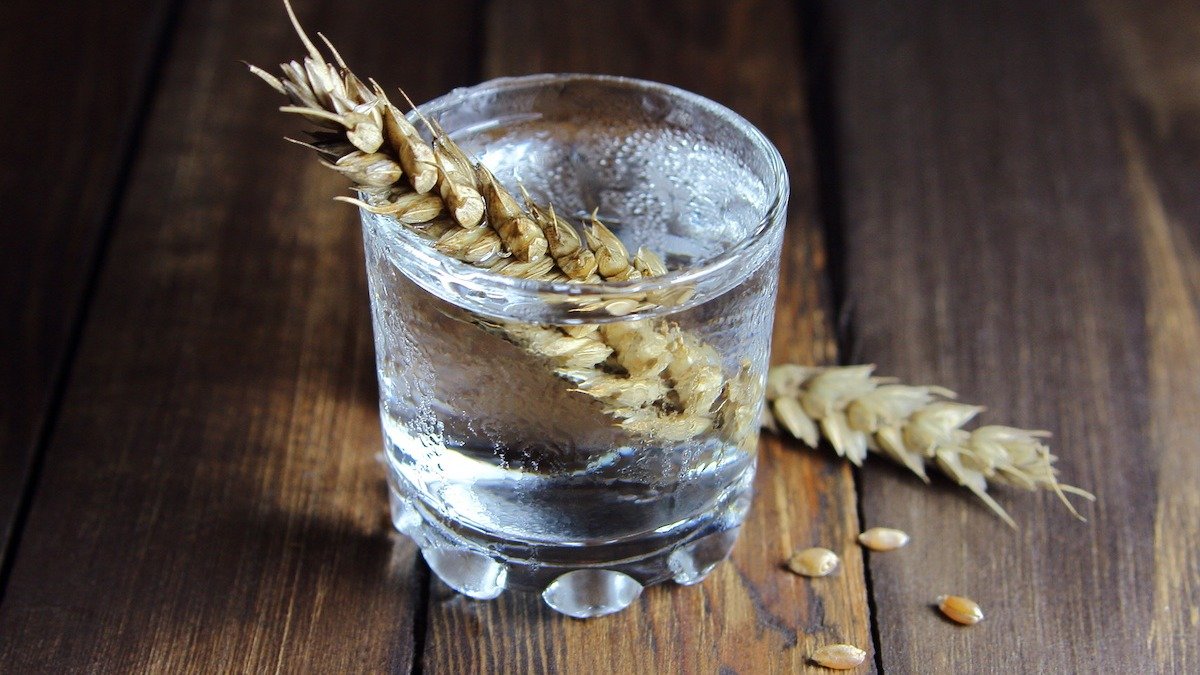
Vodka is one of the most popular spirits worldwide, often celebrated for its versatility in cocktails and its clean, crisp profile. While vodka may seem like a simple drink to some, crafting a premium vodka requires a deep understanding of its key ingredients and production techniques. One of the most important factors in producing high-quality vodka is the selection and use of grains. The choice of grain significantly impacts the vodka’s flavor, texture, and smoothness. In this article, we will explore the art of making grain-based vodka, including the crucial role of grain selection, how different grains influence the final product, and the distillation process that ensures the purity and excellence of the spirit.

The Importance of Grain Selection in Vodka Production

Unlike many other spirits that can be made from a variety of ingredients—such as fruits, potatoes, or even sugarcane—vodka is primarily made from grains or sometimes other base ingredients. The choice of grain plays an essential role in the final taste and texture of the vodka. Traditional grain-based vodkas are often made from wheat, rye, or corn, each bringing unique characteristics to the finished product.

1. Wheat Vodka
Wheat is one of the most common grains used in vodka production, especially in countries like Russia and Poland, where the spirit has a long tradition. Wheat-based vodkas are known for their smooth, creamy mouthfeel and light, subtle flavor. The fermentation of wheat creates a clean and mellow profile, which serves as a perfect base for a vodka that is smooth enough to be sipped neat or mixed in cocktails. The relatively neutral character of wheat vodka allows for easy blending with other ingredients without overpowering the drink.

2. Rye Vodka
Rye is another popular choice for making vodka, particularly in countries like Sweden and Finland. Rye-based vodka tends to have a spicier, more robust character compared to wheat vodka, with subtle flavors of bread and a slight earthiness. Rye vodkas are often described as having a richer mouthfeel and more complexity, which makes them a great choice for sipping or crafting sophisticated cocktails. Rye can also impart a slightly peppery note that adds depth to the vodka, setting it apart from more neutral options.

3. Corn Vodka
Corn is the preferred grain in some American vodka brands, and it’s particularly popular in the production of mass-market vodkas. Corn-based vodka tends to have a slightly sweeter taste than wheat or rye vodka, with a smooth and clean profile. The use of corn results in a vodka that has a lighter, less complex flavor but an incredibly smooth texture. This makes corn vodka a versatile choice for mixing in cocktails, as it won’t overpower the other ingredients while still offering a pleasant, subtle flavor.

4. Other Grains and Alternative Ingredients
In addition to the traditional grains, some vodka producers experiment with alternative ingredients to create unique flavor profiles. Some craft distillers use barley, buckwheat, or even oats to create a distinctive vodka. For example, barley can add a slight sweetness and maltiness, while oats can provide a smooth, creamy texture. Other non-grain base ingredients, such as fruits or potatoes, can also be used to create vodka with a different flavor experience, though grain remains the most common choice.
How Different Grains Influence the Taste and Texture

The grain used in vodka production doesn’t just influence the flavor; it also plays a key role in the texture and mouthfeel of the spirit. Each grain has its own starch composition, which affects how the fermentation process unfolds and how the spirit interacts with the palate.

1. Wheat’s Neutrality and Smoothness
Wheat is known for its relatively neutral flavor, making it an ideal choice for producing a clean, smooth vodka. The mildness of wheat gives vodka a light, subtle sweetness that is easy on the palate. The smoothness and mouthfeel of wheat vodka are often described as velvety or creamy, which makes it a favorite for those who enjoy a more refined, easy-drinking spirit. This neutral character allows wheat vodka to blend seamlessly into a variety of cocktails, where it acts as a base without overshadowing other ingredients.

2. Rye’s Spiciness and Complexity
Rye, on the other hand, imparts a more complex flavor profile to vodka. The slight spice and peppery notes of rye can add character to the vodka, giving it more personality than the cleaner, milder wheat vodka. Rye-based vodka often has a thicker mouthfeel, which makes it feel more substantial in the mouth. The complexity of rye vodka also allows it to hold its own in cocktails, providing a depth of flavor that complements mixers like fruit juices or tonic water.

3. Corn’s Sweetness and Clean Finish
Corn is often used for its sweet, mild flavor and clean finish. Corn-based vodka tends to have a very light and smooth texture with a faint sweetness that doesn’t overpower the palate. This grain creates a vodka that is soft and easy to drink, with a very clean finish. For those who prefer a vodka that is light on flavor but smooth in texture, corn vodka is an ideal choice. It is also a popular option for those who enjoy vodka cocktails, as it mixes well without dominating the drink.

The Distillation Process and Achieving Purity

The distillation process is a critical step in vodka production, especially when it comes to achieving the purity that vodka is known for. While the choice of grain contributes to the flavor and texture of the spirit, distillation is where vodka is purified and refined. The goal is to produce a vodka that is as clean, smooth, and free of impurities as possible.

1. Multiple Distillations for Purity
Vodka is typically distilled multiple times to remove impurities and achieve a high level of purity. While some vodka producers distill their spirits three or four times, others go as far as five or more distillations. Each round of distillation helps to refine the alcohol, removing unwanted compounds like fusel oils, which can create harsh or off-putting flavors. The more times a vodka is distilled, the smoother and purer the final product tends to be. This process is key in ensuring that the vodka retains its clean, crisp character, regardless of the grain used.

2. Filtration for Smoothness
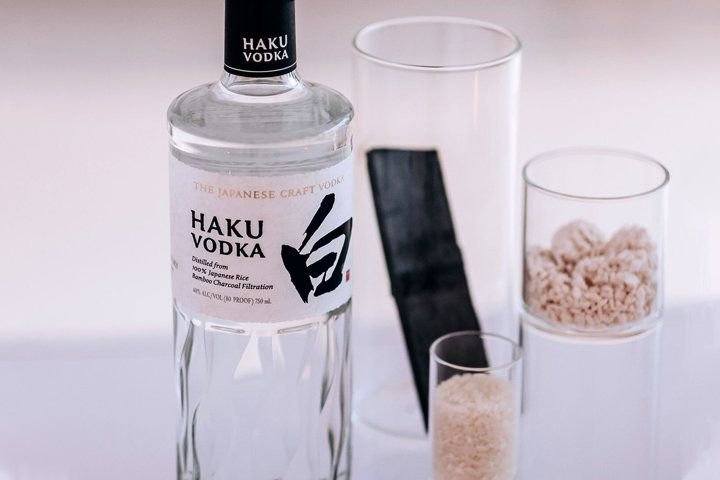
After distillation, many vodka producers use a variety of filtration methods to further purify and refine the spirit. Common filtration techniques include charcoal filtration, where the vodka is passed through activated charcoal to remove impurities and soften the taste, or mineral-based filtration, where the vodka is filtered through sand or crystals to impart a smooth, silky finish. Filtration helps to enhance the texture of the vodka, making it even smoother and more enjoyable to drink.

3. Achieving a Balanced Flavor Profile
In addition to achieving purity, distillation allows the vodka maker to balance the flavors extracted from the grain. By adjusting the distillation process—such as controlling the heat and the distillation cuts (the separation of the alcohol into fractions)—the distiller can fine-tune the flavor profile of the vodka. Some distillers may choose to leave a bit of the grain character in the final product, while others may aim for a more neutral, clean finish.

Conclusion

Mastering the art of grain-based vodka is a delicate balance of selecting the right grain, refining the distillation process, and ensuring the purity and smoothness that vodka lovers expect. The choice of grain significantly influences the vodka’s flavor, texture, and mouthfeel. Whether it’s the neutral smoothness of wheat, the spicy complexity of rye, or the sweet lightness of corn, each grain offers distinct qualities that shape the final spirit. Through careful distillation and filtration, vodka producers can create a clean, smooth, and refined product that showcases the best aspects of the chosen grain. Understanding the intricate process behind grain-based vodka allows connoisseurs to appreciate the craft and complexity of this iconic spirit.


Tags: corn vodkagrain-based vodkarye vodkavodka productionwheat vodka
ShareTweetShare

Related Posts

Can Beer Be an Effective Ingredient in Culinary Cooking?
ALL

Can Beer Be an Effective Ingredient in Culinary Cooking?

January 22, 2026
Second Fermentation in Champagne: Is It Really That Crucial?
ALL

Second Fermentation in Champagne: Is It Really That Crucial?

January 22, 2026
How Do Different Grains Impact the Flavor Profile of Distilled Spirits?
ALL

How Do Different Grains Impact the Flavor Profile of Distilled Spirits?

January 22, 2026
How Do Whiskey Master Blenders Create Perfection?
ALL

How Do Whiskey Master Blenders Create Perfection?

January 22, 2026
Wine Pairings: Can They Change the Flavor Profile of a Dish?
ALL

Wine Pairings: Can They Change the Flavor Profile of a Dish?

January 22, 2026
Beer the Ultimate Beverage for Pairing with Spicy Food?
ALL

Beer the Ultimate Beverage for Pairing with Spicy Food?

January 21, 2026
Leave Comment
  • Trending
  • Comments
  • Latest
Role of Terroir in Champagne Production

Role of Terroir in Champagne Production

January 19, 2026
What Hidden Craftsmanship Lies Behind a Bottle of Quality Grain Spirits?

What Hidden Craftsmanship Lies Behind a Bottle of Quality Grain Spirits?

July 3, 2025
Champagne Can Be Aged in Wood?

Champagne Can Be Aged in Wood?

January 18, 2026
Is Organic Wine Healthier Than Conventional Wine?

Is Organic Wine Healthier Than Conventional Wine?

January 20, 2026
The Timeless Elegance of Wine: A Journey Through History and Culture

The Timeless Elegance of Wine: A Journey Through History and Culture

Why Is Château Lafite Rothschild the Pinnacle of Fine Wine?

Why Is Château Lafite Rothschild the Pinnacle of Fine Wine?

How Did Château Lafite Rothschild Become a Global Icon of Luxury?

How Did Château Lafite Rothschild Become a Global Icon of Luxury?

What Makes Chateau Lafite Rothschild the Pinnacle of Bordeaux Wines?

What Makes Chateau Lafite Rothschild the Pinnacle of Bordeaux Wines?

Can Beer Be an Effective Ingredient in Culinary Cooking?

Can Beer Be an Effective Ingredient in Culinary Cooking?

January 22, 2026
Second Fermentation in Champagne: Is It Really That Crucial?

Second Fermentation in Champagne: Is It Really That Crucial?

January 22, 2026
How Do Different Grains Impact the Flavor Profile of Distilled Spirits?

How Do Different Grains Impact the Flavor Profile of Distilled Spirits?

January 22, 2026
How Do Whiskey Master Blenders Create Perfection?

How Do Whiskey Master Blenders Create Perfection?

January 22, 2026
SipsavorLife

Welcome to our comprehensive beverage guide, where you can explore the fascinating world of alcoholic drinks. From exquisite wines and rich whiskeys to refreshing beers and sparkling champagnes, we provide insights, tips, and recommendations for enthusiasts and casual drinkers alike. Discover your next favorite libation with us!

© 2025 sipsavorlife.com. contacts:sipsavorlife-35376@gmail.com

No Result
View All Result
  • Home
  • Wine
  • Whiskey
  • Beer
  • Grain Spirits
  • Champagne
  • ALL

© 2025 sipsavorlife.com. contacts:sipsavorlife-35376@gmail.com

Welcome Back!

Login to your account below

Forgotten Password?

Retrieve your password

Please enter your username or email address to reset your password.

Log In