







SipsavorLife
  • Home
  • Wine
    Wine Pairings: Can They Change the Flavor Profile of a Dish?

    Wine Pairings: Can They Change the Flavor Profile of a Dish?

    How Do Wine Glasses Influence the Tasting Experience?

    How Do Wine Glasses Influence the Tasting Experience?

    Is Organic Wine Healthier Than Conventional Wine?

    Is Organic Wine Healthier Than Conventional Wine?

    Why Do Some Wines Taste Better from Specific Vintages?

    Why Do Some Wines Taste Better from Specific Vintages?

    Wine Tasting: Can It Truly Be an Art Form?

    Wine Tasting: Can It Truly Be an Art Form?

    What Does Terroir Actually Mean for Your Wine?

    What Does Terroir Actually Mean for Your Wine?

  • Whiskey
    Can Beer Be an Effective Ingredient in Culinary Cooking?

    Can Beer Be an Effective Ingredient in Culinary Cooking?

    Second Fermentation in Champagne: Is It Really That Crucial?

    Second Fermentation in Champagne: Is It Really That Crucial?

    How Do Different Grains Impact the Flavor Profile of Distilled Spirits?

    How Do Different Grains Impact the Flavor Profile of Distilled Spirits?

    How Do Whiskey Master Blenders Create Perfection?

    How Do Whiskey Master Blenders Create Perfection?

    Wine Pairings: Can They Change the Flavor Profile of a Dish?

    Wine Pairings: Can They Change the Flavor Profile of a Dish?

    Beer the Ultimate Beverage for Pairing with Spicy Food?

    Beer the Ultimate Beverage for Pairing with Spicy Food?

  • Beer
    Can Beer Be an Effective Ingredient in Culinary Cooking?

    Can Beer Be an Effective Ingredient in Culinary Cooking?

    Beer the Ultimate Beverage for Pairing with Spicy Food?

    Beer the Ultimate Beverage for Pairing with Spicy Food?

    How Did Ancient Civilizations Brew Beer Without Modern Technology?

    How Did Ancient Civilizations Brew Beer Without Modern Technology?

    Is It Possible to Brew a Beer with No Alcohol and No Compromise on Taste?

    Is It Possible to Brew a Beer with No Alcohol and No Compromise on Taste?

    Why Does Beer Taste Different at High Altitudes?

    Why Does Beer Taste Different at High Altitudes?

    Is Hops the Secret Ingredient Behind Beer’s Bold Flavor?

    Is Hops the Secret Ingredient Behind Beer’s Bold Flavor?

  • Grain Spirits
    How Do Different Grains Impact the Flavor Profile of Distilled Spirits?

    How Do Different Grains Impact the Flavor Profile of Distilled Spirits?

    Grain Spirits the Unsung Heroes of Modern Mixology

    Grain Spirits the Unsung Heroes of Modern Mixology

    What Makes Grain-Based Whiskey So Different from Its Peated Cousins?

    What Makes Grain-Based Whiskey So Different from Its Peated Cousins?

    Grain Spirits: Could They Be the Next Big Trend in Craft Cocktails?

    Grain Spirits: Could They Be the Next Big Trend in Craft Cocktails?

    Why Are Grain Spirits Often Overlooked in the World of Fine Liquor?

    Why Are Grain Spirits Often Overlooked in the World of Fine Liquor?

    Is There a Secret Art to Distilling Grain Spirits?

    Is There a Secret Art to Distilling Grain Spirits?

  • Champagne
    Second Fermentation in Champagne: Is It Really That Crucial?

    Second Fermentation in Champagne: Is It Really That Crucial?

    The Science Behind the ‘Bubble Size’ in Champagne

    The Science Behind the ‘Bubble Size’ in Champagne

    Why Do Some Champagnes Use a High Proportion of Pinot Meunier?

    Why Do Some Champagnes Use a High Proportion of Pinot Meunier?

    Role of Terroir in Champagne Production

    Role of Terroir in Champagne Production

    Champagne Can Be Aged in Wood?

    Champagne Can Be Aged in Wood?

    Is There a Difference Between Blanc de Blancs and Blanc de Noirs Champagne?

    Is There a Difference Between Blanc de Blancs and Blanc de Noirs Champagne?

  • ALL
    Can Beer Be an Effective Ingredient in Culinary Cooking?

    Can Beer Be an Effective Ingredient in Culinary Cooking?

    Second Fermentation in Champagne: Is It Really That Crucial?

    Second Fermentation in Champagne: Is It Really That Crucial?

    How Do Different Grains Impact the Flavor Profile of Distilled Spirits?

    How Do Different Grains Impact the Flavor Profile of Distilled Spirits?

    How Do Whiskey Master Blenders Create Perfection?

    How Do Whiskey Master Blenders Create Perfection?

    Wine Pairings: Can They Change the Flavor Profile of a Dish?

    Wine Pairings: Can They Change the Flavor Profile of a Dish?

    Beer the Ultimate Beverage for Pairing with Spicy Food?

    Beer the Ultimate Beverage for Pairing with Spicy Food?

SipsavorLife
  • Home
  • Wine
    Wine Pairings: Can They Change the Flavor Profile of a Dish?

    Wine Pairings: Can They Change the Flavor Profile of a Dish?

    How Do Wine Glasses Influence the Tasting Experience?

    How Do Wine Glasses Influence the Tasting Experience?

    Is Organic Wine Healthier Than Conventional Wine?

    Is Organic Wine Healthier Than Conventional Wine?

    Why Do Some Wines Taste Better from Specific Vintages?

    Why Do Some Wines Taste Better from Specific Vintages?

    Wine Tasting: Can It Truly Be an Art Form?

    Wine Tasting: Can It Truly Be an Art Form?

    What Does Terroir Actually Mean for Your Wine?

    What Does Terroir Actually Mean for Your Wine?

  • Whiskey
    Can Beer Be an Effective Ingredient in Culinary Cooking?

    Can Beer Be an Effective Ingredient in Culinary Cooking?

    Second Fermentation in Champagne: Is It Really That Crucial?

    Second Fermentation in Champagne: Is It Really That Crucial?

    How Do Different Grains Impact the Flavor Profile of Distilled Spirits?

    How Do Different Grains Impact the Flavor Profile of Distilled Spirits?

    How Do Whiskey Master Blenders Create Perfection?

    How Do Whiskey Master Blenders Create Perfection?

    Wine Pairings: Can They Change the Flavor Profile of a Dish?

    Wine Pairings: Can They Change the Flavor Profile of a Dish?

    Beer the Ultimate Beverage for Pairing with Spicy Food?

    Beer the Ultimate Beverage for Pairing with Spicy Food?

  • Beer
    Can Beer Be an Effective Ingredient in Culinary Cooking?

    Can Beer Be an Effective Ingredient in Culinary Cooking?

    Beer the Ultimate Beverage for Pairing with Spicy Food?

    Beer the Ultimate Beverage for Pairing with Spicy Food?

    How Did Ancient Civilizations Brew Beer Without Modern Technology?

    How Did Ancient Civilizations Brew Beer Without Modern Technology?

    Is It Possible to Brew a Beer with No Alcohol and No Compromise on Taste?

    Is It Possible to Brew a Beer with No Alcohol and No Compromise on Taste?

    Why Does Beer Taste Different at High Altitudes?

    Why Does Beer Taste Different at High Altitudes?

    Is Hops the Secret Ingredient Behind Beer’s Bold Flavor?

    Is Hops the Secret Ingredient Behind Beer’s Bold Flavor?

  • Grain Spirits
    How Do Different Grains Impact the Flavor Profile of Distilled Spirits?

    How Do Different Grains Impact the Flavor Profile of Distilled Spirits?

    Grain Spirits the Unsung Heroes of Modern Mixology

    Grain Spirits the Unsung Heroes of Modern Mixology

    What Makes Grain-Based Whiskey So Different from Its Peated Cousins?

    What Makes Grain-Based Whiskey So Different from Its Peated Cousins?

    Grain Spirits: Could They Be the Next Big Trend in Craft Cocktails?

    Grain Spirits: Could They Be the Next Big Trend in Craft Cocktails?

    Why Are Grain Spirits Often Overlooked in the World of Fine Liquor?

    Why Are Grain Spirits Often Overlooked in the World of Fine Liquor?

    Is There a Secret Art to Distilling Grain Spirits?

    Is There a Secret Art to Distilling Grain Spirits?

  • Champagne
    Second Fermentation in Champagne: Is It Really That Crucial?

    Second Fermentation in Champagne: Is It Really That Crucial?

    The Science Behind the ‘Bubble Size’ in Champagne

    The Science Behind the ‘Bubble Size’ in Champagne

    Why Do Some Champagnes Use a High Proportion of Pinot Meunier?

    Why Do Some Champagnes Use a High Proportion of Pinot Meunier?

    Role of Terroir in Champagne Production

    Role of Terroir in Champagne Production

    Champagne Can Be Aged in Wood?

    Champagne Can Be Aged in Wood?

    Is There a Difference Between Blanc de Blancs and Blanc de Noirs Champagne?

    Is There a Difference Between Blanc de Blancs and Blanc de Noirs Champagne?

  • ALL
    Can Beer Be an Effective Ingredient in Culinary Cooking?

    Can Beer Be an Effective Ingredient in Culinary Cooking?

    Second Fermentation in Champagne: Is It Really That Crucial?

    Second Fermentation in Champagne: Is It Really That Crucial?

    How Do Different Grains Impact the Flavor Profile of Distilled Spirits?

    How Do Different Grains Impact the Flavor Profile of Distilled Spirits?

    How Do Whiskey Master Blenders Create Perfection?

    How Do Whiskey Master Blenders Create Perfection?

    Wine Pairings: Can They Change the Flavor Profile of a Dish?

    Wine Pairings: Can They Change the Flavor Profile of a Dish?

    Beer the Ultimate Beverage for Pairing with Spicy Food?

    Beer the Ultimate Beverage for Pairing with Spicy Food?

SipsavorLife
No Result
View All Result
Home ALL

Why Is Champagne Only Made in the Champagne Region?

February 25, 2025
in ALL, Champagne
Why Is Champagne Only Made in the Champagne Region?

Champagne is undoubtedly one of the most iconic beverages in the world, associated with luxury, celebration, and refinement. But what makes this sparkling wine so special? While other sparkling wines are produced across the globe, Champagne is a unique and protected product, created only in a specific region of France. The name “Champagne” itself is legally protected, and only sparkling wines produced in the Champagne region can bear the name. But why is this the case, and what is it about this particular region that makes its wines so distinct? In this article, we’ll explore the rules behind the Champagne designation, how the region’s terroir and climate impact the final product, and the importance of its unique soil and weather conditions.

The Rules Behind the Champagne Designation

The first and most important reason why Champagne can only be made in the Champagne region is due to strict regulations that protect the integrity and authenticity of the product. This protection is granted under French law and the European Union’s Denomination of Origin system (AOC – Appellation d’Origine Contrôlée). The Champagne designation is not just a name; it’s a legally protected term that ensures the wine’s quality and production methods.

1. The Role of the Appellation d’Origine Contrôlée (AOC) The AOC system is a set of rules and regulations that govern the production of specific wines, ensuring they are made according to strict guidelines in a designated geographical region. The Champagne region was granted AOC status in 1936, which means that only sparkling wines produced within this defined area can legally be called “Champagne.”

To earn this designation, a sparkling wine must meet several criteria, such as the geographical origin of the grapes, the specific methods of production, and even the grape varieties used. The Champagne region has been legally defined, and the boundaries of this area are carefully controlled to ensure that only wine produced within these limits is allowed to carry the prestigious Champagne name.

2. Champagne’s Legal Protection and Its Global Impact The protection of the Champagne name is not limited to France; it has international recognition and is protected in many countries around the world through trade agreements. This means that wines produced in other regions or countries, even if they are made using similar methods, cannot legally be called “Champagne.” This exclusivity has played a key role in preserving the Champagne region’s identity and reputation.

For example, sparkling wines produced in Italy can be called Prosecco, while sparkling wines from Spain are known as Cava. These wines may be similar to Champagne in terms of their sparkling quality, but they are produced in different regions, and they follow different regulations. The legal protection of the Champagne name ensures that consumers know they are purchasing a product made in this specific, renowned region, with a long history and unique production process.

How Terroir and Climate Impact the Final Product

Terroir is a French term that refers to the combination of environmental factors that influence the characteristics of a wine. In the case of Champagne, the unique terroir of the Champagne region is one of the primary factors that makes it distinct from other sparkling wines.

1. Climate and Weather Conditions The climate of the Champagne region plays a crucial role in shaping the style and character of the wine. Champagne’s climate is classified as semi-continental, with cool temperatures and variable weather patterns. This unique climate, characterized by cold winters and relatively short, warm summers, is ideal for producing high-acid grapes that are essential for the crisp, refreshing profile of Champagne.

The cooler climate of Champagne means that the grapes do not fully ripen, preserving their acidity and preventing them from becoming overly sweet. This acidity is critical in producing the clean, crisp taste that Champagne is known for. Additionally, the cooler temperatures help preserve the bubbles, giving Champagne its signature effervescence.

However, Champagne’s climate can also be unpredictable. The region is susceptible to sudden weather shifts, including frosts, which can damage crops. In some years, such as in cases of excessive rainfall or unseasonably warm temperatures, the harvest may be smaller or the quality may be affected. This variability in climate is one of the challenges of Champagne production but also contributes to its distinctive nature, as each year’s Champagne will reflect the weather conditions of that particular growing season.

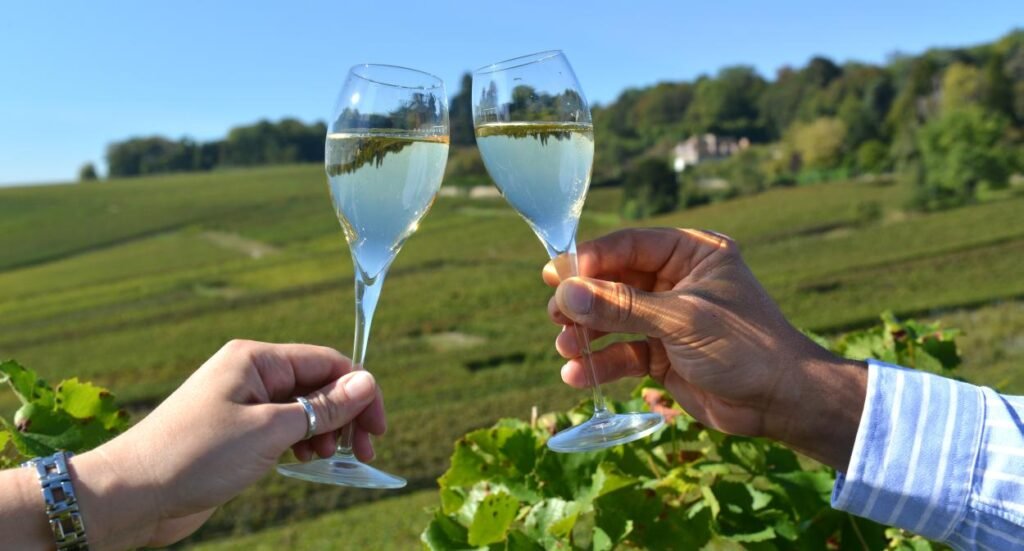
2. The Role of Terroir in Grape Characteristics In addition to the climate, the terroir of Champagne is heavily influenced by the region’s soils, topography, and grape-growing practices. Champagne’s soil is rich in limestone, which is particularly well-suited for growing grapevines. The limestone allows for good drainage, which helps the vines develop deep root systems that access the minerals in the soil. This mineral-rich environment imparts unique flavors to the grapes, resulting in wines that are fresh, mineral-driven, and full of character.

The combination of soil, climate, and topography in Champagne gives the wines a unique and complex flavor profile. Grapes grown in different areas of the region can produce subtle variations in flavor, and this complexity is part of what makes Champagne so exceptional. It’s the interaction of all of these environmental factors—terroir—that makes Champagne’s flavor distinct from other sparkling wines made elsewhere.
The Importance of the Region’s Unique Soil and Weather

The soil and weather in Champagne are two of the most defining factors that contribute to the production of exceptional sparkling wine. As we have seen, the Champagne region is blessed with ideal soil conditions and a climate that encourages the growth of high-quality grapes with distinct characteristics.

1. Unique Soil Types One of the most important elements of Champagne’s terroir is its soil. The region’s soil is rich in chalk and limestone, both of which are ideal for grapevine cultivation. The chalky soil has excellent drainage properties, allowing for the roots of the vines to dig deep and access the essential minerals. This creates a balance of acidity and minerality in the grapes, which is essential to Champagne’s refreshing and crisp flavor profile.

Chalk is a particularly important component of Champagne’s terroir. It is believed that the roots of the vines actually draw up minerals from the chalky soil, which imparts a characteristic “minerality” to the wine. This is a feature that Champagne lovers often note, especially in vintage Champagnes, which can have a pronounced mineral edge. Additionally, the chalk helps to maintain the ideal temperature in the vineyards, protecting the vines from extreme weather fluctuations.

2. Weather Challenges While Champagne’s climate is well-suited for growing grapes, it is not without its challenges. The region’s cool, semi-continental climate can lead to unpredictable weather patterns that can affect the vines and the harvest. Frosts in the spring, heavy rain during the growing season, and occasional hailstorms can damage crops, reducing yields or affecting the quality of the grapes.

However, these challenges are what make Champagne production so highly specialized and skillful. Champagne growers and winemakers have developed techniques over the centuries to cope with these weather variations and adapt to the region’s unique conditions. For example, the cool climate encourages the use of early-harvested grapes, which helps to preserve their acidity and freshness, essential for producing the signature crispness of Champagne.

Conclusion

The Champagne region’s uniqueness is the result of a delicate balance between its history, rules, terroir, and climate. The strict regulations governing the Champagne designation protect the authenticity of the product and ensure that only wines from this specific region can carry the prestigious name. The region’s terroir—its soil, climate, and grape-growing conditions—plays a pivotal role in shaping the style and character of the wine. The combination of chalky soil, a cool climate, and a rich heritage makes Champagne unlike any other sparkling wine in the world.

Whether you are savoring a glass of Champagne during a special occasion or simply enjoying its effervescence, it’s important to remember that this iconic drink is more than just a bubbly beverage. It’s a product of centuries of tradition, craftsmanship, and unique natural factors that come together to create a sparkling wine like no other. The Champagne region’s influence is undeniable, and it is this very influence that makes Champagne so special and worthy of its protected name.

Tags: AOC ChampagneChampagne regionChampagne soilclimatesparkling wineterroir
ShareTweetShare

Related Posts

Can Beer Be an Effective Ingredient in Culinary Cooking?
ALL

Can Beer Be an Effective Ingredient in Culinary Cooking?

January 22, 2026
Second Fermentation in Champagne: Is It Really That Crucial?
ALL

Second Fermentation in Champagne: Is It Really That Crucial?

January 22, 2026
How Do Different Grains Impact the Flavor Profile of Distilled Spirits?
ALL

How Do Different Grains Impact the Flavor Profile of Distilled Spirits?

January 22, 2026
How Do Whiskey Master Blenders Create Perfection?
ALL

How Do Whiskey Master Blenders Create Perfection?

January 22, 2026
Wine Pairings: Can They Change the Flavor Profile of a Dish?
ALL

Wine Pairings: Can They Change the Flavor Profile of a Dish?

January 22, 2026
Beer the Ultimate Beverage for Pairing with Spicy Food?
ALL

Beer the Ultimate Beverage for Pairing with Spicy Food?

January 21, 2026
Leave Comment
  • Trending
  • Comments
  • Latest
What Hidden Craftsmanship Lies Behind a Bottle of Quality Grain Spirits?

What Hidden Craftsmanship Lies Behind a Bottle of Quality Grain Spirits?

July 3, 2025
How Is Champagne Made? The Secrets Behind the Sparkle

How Is Champagne Made? The Secrets Behind the Sparkle

April 15, 2025
Grain Spirits vs. Traditional Distilled Spirits: Which One Suits Your Taste?

Grain Spirits vs. Traditional Distilled Spirits: Which One Suits Your Taste?

July 3, 2025
Champagne Bubbles: How Do They Perfectly Convey Celebration, Joy, and Luxury?

Champagne Bubbles: How Do They Perfectly Convey Celebration, Joy, and Luxury?

July 2, 2025
The Timeless Elegance of Wine: A Journey Through History and Culture

The Timeless Elegance of Wine: A Journey Through History and Culture

Why Is Château Lafite Rothschild the Pinnacle of Fine Wine?

Why Is Château Lafite Rothschild the Pinnacle of Fine Wine?

How Did Château Lafite Rothschild Become a Global Icon of Luxury?

How Did Château Lafite Rothschild Become a Global Icon of Luxury?

What Makes Chateau Lafite Rothschild the Pinnacle of Bordeaux Wines?

What Makes Chateau Lafite Rothschild the Pinnacle of Bordeaux Wines?

Can Beer Be an Effective Ingredient in Culinary Cooking?

Can Beer Be an Effective Ingredient in Culinary Cooking?

January 22, 2026
Second Fermentation in Champagne: Is It Really That Crucial?

Second Fermentation in Champagne: Is It Really That Crucial?

January 22, 2026
How Do Different Grains Impact the Flavor Profile of Distilled Spirits?

How Do Different Grains Impact the Flavor Profile of Distilled Spirits?

January 22, 2026
How Do Whiskey Master Blenders Create Perfection?

How Do Whiskey Master Blenders Create Perfection?

January 22, 2026
SipsavorLife

Welcome to our comprehensive beverage guide, where you can explore the fascinating world of alcoholic drinks. From exquisite wines and rich whiskeys to refreshing beers and sparkling champagnes, we provide insights, tips, and recommendations for enthusiasts and casual drinkers alike. Discover your next favorite libation with us!

© 2025 sipsavorlife.com. contacts:sipsavorlife-35376@gmail.com

No Result
View All Result
  • Home
  • Wine
  • Whiskey
  • Beer
  • Grain Spirits
  • Champagne
  • ALL

© 2025 sipsavorlife.com. contacts:sipsavorlife-35376@gmail.com

Welcome Back!

Login to your account below

Forgotten Password?

Retrieve your password

Please enter your username or email address to reset your password.

Log In