







SipsavorLife
  • Home
  • Wine
    Wine as a Cultural Artifact: History, Identity, and the Evolution of Taste

    The Art and Science of Wine & Food Pairing: How to Create Perfect Matches Every Time

    Wine as a Cultural Artifact: History, Identity, and the Evolution of Taste

    A Complete Guide to Wine Styles and Grape Varieties: From Cabernet Sauvignon to Riesling

    Wine as a Cultural Artifact: History, Identity, and the Evolution of Taste

    The Global Wine Industry: Economics, Markets, and the Future of Consumption

    Wine as a Cultural Artifact: History, Identity, and the Evolution of Taste

    The Science of Wine Tasting: How Chemistry, Biology, and Perception Shape Flavor

    Wine as a Cultural Artifact: History, Identity, and the Evolution of Taste

    Wine as a Cultural Artifact: History, Identity, and the Evolution of Taste

    Red Wine — The Liquid Expression of Land, Time, and Human Intention

    The Future of Red Wine — Climate Change, Technology, and the Evolution of Taste

  • Whiskey
    Can Beer Be an Effective Ingredient in Culinary Cooking?

    Can Beer Be an Effective Ingredient in Culinary Cooking?

    Second Fermentation in Champagne: Is It Really That Crucial?

    Second Fermentation in Champagne: Is It Really That Crucial?

    How Do Different Grains Impact the Flavor Profile of Distilled Spirits?

    How Do Different Grains Impact the Flavor Profile of Distilled Spirits?

    How Do Whiskey Master Blenders Create Perfection?

    How Do Whiskey Master Blenders Create Perfection?

    Wine Pairings: Can They Change the Flavor Profile of a Dish?

    Wine Pairings: Can They Change the Flavor Profile of a Dish?

    Beer the Ultimate Beverage for Pairing with Spicy Food?

    Beer the Ultimate Beverage for Pairing with Spicy Food?

  • Beer
    Beer as a Cultural and Social Force: From Ancient Brew to Modern Identity

    The Art of Beer & Food Pairing: Unlocking Flavor Through Balance, Contrast, and Texture

    Beer as a Cultural and Social Force: From Ancient Brew to Modern Identity

    A Complete Guide to Beer Styles: From Lager to Stout, Understanding Flavor, Body, and Character

    Beer as a Cultural and Social Force: From Ancient Brew to Modern Identity

    The Global Beer Industry: Craft Revolution, Market Forces, and the Future of Brewing

    Beer as a Cultural and Social Force: From Ancient Brew to Modern Identity

    The Science of Beer: Brewing Process, Ingredients, and the Chemistry of Flavor

    Beer as a Cultural and Social Force: From Ancient Brew to Modern Identity

    Beer as a Cultural and Social Force: From Ancient Brew to Modern Identity

    The Evolution of Beer — From Ancient Brews to the Craft Revolution

    The Future of Beer — Innovation, Sustainability, and Emerging Trends

  • Grain Spirits
    Grain Spirits Explained — The Foundation of Global Distillation

    The Future of Grain Spirits — Technology, Sustainability, and the Next Era of Distillation

    Grain Spirits Explained — The Foundation of Global Distillation

    Grain Spirits Around the World — Vodka, Whisky Bases, and Industrial Applications

    Grain Spirits Explained — The Foundation of Global Distillation

    Distillation Systems — Pot Still vs Column Still, and the Balance Between Efficiency and Flavor

    Grain Spirits Explained — The Foundation of Global Distillation

    Grain Selection and Fermentation Science — How Raw Ingredients Shape Grain Spirits

    Grain Spirits Explained — The Foundation of Global Distillation

    Grain Spirits Explained — The Foundation of Global Distillation

    Grain Spirits and the Industrial Birth of Neutral Alcohol

    The Future of Grain Spirits — AI Distillation, Sustainability, and the Post-Flavor Alcohol Industry

  • Champagne
    The History of Champagne — From Accidental Sparkle to Global Luxury

    The Future of Champagne — Climate Change, Innovation, and Industry Evolution

    The History of Champagne — From Accidental Sparkle to Global Luxury

    The Culture of Champagne — Luxury, Celebration, and Global Influence

    The History of Champagne — From Accidental Sparkle to Global Luxury

    Champagne Styles Explained — Brut, Rosé, Vintage, and Beyond

    The History of Champagne — From Accidental Sparkle to Global Luxury

    The Craft of Champagne — Terroir, Grapes, and the Méthode Traditionnelle

    The History of Champagne — From Accidental Sparkle to Global Luxury

    The History of Champagne — From Accidental Sparkle to Global Luxury

    The Future of Champagne — Climate Change, Innovation, and the Evolution of Sparkling Wine

    The Future of Champagne — Climate Change, Innovation, and the Evolution of Sparkling Wine

  • ALL
    Can Beer Be an Effective Ingredient in Culinary Cooking?

    Can Beer Be an Effective Ingredient in Culinary Cooking?

    Second Fermentation in Champagne: Is It Really That Crucial?

    Second Fermentation in Champagne: Is It Really That Crucial?

    How Do Different Grains Impact the Flavor Profile of Distilled Spirits?

    How Do Different Grains Impact the Flavor Profile of Distilled Spirits?

    How Do Whiskey Master Blenders Create Perfection?

    How Do Whiskey Master Blenders Create Perfection?

    Wine Pairings: Can They Change the Flavor Profile of a Dish?

    Wine Pairings: Can They Change the Flavor Profile of a Dish?

    Beer the Ultimate Beverage for Pairing with Spicy Food?

    Beer the Ultimate Beverage for Pairing with Spicy Food?

SipsavorLife
  • Home
  • Wine
    Wine as a Cultural Artifact: History, Identity, and the Evolution of Taste

    The Art and Science of Wine & Food Pairing: How to Create Perfect Matches Every Time

    Wine as a Cultural Artifact: History, Identity, and the Evolution of Taste

    A Complete Guide to Wine Styles and Grape Varieties: From Cabernet Sauvignon to Riesling

    Wine as a Cultural Artifact: History, Identity, and the Evolution of Taste

    The Global Wine Industry: Economics, Markets, and the Future of Consumption

    Wine as a Cultural Artifact: History, Identity, and the Evolution of Taste

    The Science of Wine Tasting: How Chemistry, Biology, and Perception Shape Flavor

    Wine as a Cultural Artifact: History, Identity, and the Evolution of Taste

    Wine as a Cultural Artifact: History, Identity, and the Evolution of Taste

    Red Wine — The Liquid Expression of Land, Time, and Human Intention

    The Future of Red Wine — Climate Change, Technology, and the Evolution of Taste

  • Whiskey
    Can Beer Be an Effective Ingredient in Culinary Cooking?

    Can Beer Be an Effective Ingredient in Culinary Cooking?

    Second Fermentation in Champagne: Is It Really That Crucial?

    Second Fermentation in Champagne: Is It Really That Crucial?

    How Do Different Grains Impact the Flavor Profile of Distilled Spirits?

    How Do Different Grains Impact the Flavor Profile of Distilled Spirits?

    How Do Whiskey Master Blenders Create Perfection?

    How Do Whiskey Master Blenders Create Perfection?

    Wine Pairings: Can They Change the Flavor Profile of a Dish?

    Wine Pairings: Can They Change the Flavor Profile of a Dish?

    Beer the Ultimate Beverage for Pairing with Spicy Food?

    Beer the Ultimate Beverage for Pairing with Spicy Food?

  • Beer
    Beer as a Cultural and Social Force: From Ancient Brew to Modern Identity

    The Art of Beer & Food Pairing: Unlocking Flavor Through Balance, Contrast, and Texture

    Beer as a Cultural and Social Force: From Ancient Brew to Modern Identity

    A Complete Guide to Beer Styles: From Lager to Stout, Understanding Flavor, Body, and Character

    Beer as a Cultural and Social Force: From Ancient Brew to Modern Identity

    The Global Beer Industry: Craft Revolution, Market Forces, and the Future of Brewing

    Beer as a Cultural and Social Force: From Ancient Brew to Modern Identity

    The Science of Beer: Brewing Process, Ingredients, and the Chemistry of Flavor

    Beer as a Cultural and Social Force: From Ancient Brew to Modern Identity

    Beer as a Cultural and Social Force: From Ancient Brew to Modern Identity

    The Evolution of Beer — From Ancient Brews to the Craft Revolution

    The Future of Beer — Innovation, Sustainability, and Emerging Trends

  • Grain Spirits
    Grain Spirits Explained — The Foundation of Global Distillation

    The Future of Grain Spirits — Technology, Sustainability, and the Next Era of Distillation

    Grain Spirits Explained — The Foundation of Global Distillation

    Grain Spirits Around the World — Vodka, Whisky Bases, and Industrial Applications

    Grain Spirits Explained — The Foundation of Global Distillation

    Distillation Systems — Pot Still vs Column Still, and the Balance Between Efficiency and Flavor

    Grain Spirits Explained — The Foundation of Global Distillation

    Grain Selection and Fermentation Science — How Raw Ingredients Shape Grain Spirits

    Grain Spirits Explained — The Foundation of Global Distillation

    Grain Spirits Explained — The Foundation of Global Distillation

    Grain Spirits and the Industrial Birth of Neutral Alcohol

    The Future of Grain Spirits — AI Distillation, Sustainability, and the Post-Flavor Alcohol Industry

  • Champagne
    The History of Champagne — From Accidental Sparkle to Global Luxury

    The Future of Champagne — Climate Change, Innovation, and Industry Evolution

    The History of Champagne — From Accidental Sparkle to Global Luxury

    The Culture of Champagne — Luxury, Celebration, and Global Influence

    The History of Champagne — From Accidental Sparkle to Global Luxury

    Champagne Styles Explained — Brut, Rosé, Vintage, and Beyond

    The History of Champagne — From Accidental Sparkle to Global Luxury

    The Craft of Champagne — Terroir, Grapes, and the Méthode Traditionnelle

    The History of Champagne — From Accidental Sparkle to Global Luxury

    The History of Champagne — From Accidental Sparkle to Global Luxury

    The Future of Champagne — Climate Change, Innovation, and the Evolution of Sparkling Wine

    The Future of Champagne — Climate Change, Innovation, and the Evolution of Sparkling Wine

  • ALL
    Can Beer Be an Effective Ingredient in Culinary Cooking?

    Can Beer Be an Effective Ingredient in Culinary Cooking?

    Second Fermentation in Champagne: Is It Really That Crucial?

    Second Fermentation in Champagne: Is It Really That Crucial?

    How Do Different Grains Impact the Flavor Profile of Distilled Spirits?

    How Do Different Grains Impact the Flavor Profile of Distilled Spirits?

    How Do Whiskey Master Blenders Create Perfection?

    How Do Whiskey Master Blenders Create Perfection?

    Wine Pairings: Can They Change the Flavor Profile of a Dish?

    Wine Pairings: Can They Change the Flavor Profile of a Dish?

    Beer the Ultimate Beverage for Pairing with Spicy Food?

    Beer the Ultimate Beverage for Pairing with Spicy Food?

SipsavorLife
No Result
View All Result
Home ALL

What Makes Chivas Regal One of the Most Iconic Whisky Brands in the World?

January 12, 2025
in ALL, Grain Spirits
What Makes Chivas Regal One of the Most Iconic Whisky Brands in the World?

Introduction: The Legacy of Chivas Regal

Chivas Regal is a name that resonates across the globe. Known for its craftsmanship, luxurious image, and pioneering role in the world of blended Scotch whisky, it has become one of the most recognizable whisky brands in the world. But how did this iconic brand come to represent quality, tradition, and excellence? What factors contributed to its rise to prominence, and how has it maintained its position as a leader in the whisky market?

This article explores the history and legacy of Chivas Regal, delving into the roots of the brand, its evolution, and how it has shaped the world of whisky for more than a century. From its humble beginnings in 19th-century Scotland to its global presence today, the Chivas Regal brand embodies more than just a drink—it’s a symbol of sophistication, refinement, and heritage. Through strategic innovations, masterful blending, and a carefully cultivated image, Chivas Regal has made a lasting impact on the whisky industry and on global drinking culture.


1. Origins: The Birth of Chivas Regal

Early Beginnings: The Chivas Brothers

The Chivas Regal story began in 19th-century Scotland, in the city of Aberdeen. In 1801, two brothers—James and John Chivas—opened a small grocery store, Chivas Brothers, which sold a variety of goods, including food, spices, and luxury items. The business quickly gained a reputation for quality, which led the brothers to start selling more refined products, such as fine wines and spirits. It was in this store that Chivas Brothers began experimenting with blending Scotch whisky—a practice that would ultimately define the brand.

  • The First Whisky Blends: In the early days, Chivas Brothers started blending whiskies for their wealthy clientele who sought a smoother and more refined taste than the single malts that were typical of the time. This marked the beginning of the Chivas Regal brand, a product aimed at delivering an approachable yet premium whisky experience.
  • The Importance of Blending: James and John’s ability to combine different malt whiskies and grain spirits helped create a more consistent and approachable product, something that would later become the hallmark of Chivas Regal. Their focus on blending laid the foundation for the brand’s rise to global prominence.

Chivas Regal’s First Steps in Branding and Marketing

  • The Founding of the Regal Name: In 1890, Chivas Brothers officially introduced the Chivas Regal blend. At this time, the whisky was marketed as a high-quality product designed for those with refined tastes. The “Regal” in Chivas Regal was chosen to reflect the premium nature of the product, as the term “regal” connoted royalty and luxury.
  • Royal Recognition: In 1909, Chivas Regal received royal recognition when it was granted a royal warrant by King Edward VII. This prestigious endorsement affirmed the brand’s reputation as a premium product and helped solidify its place among the elite whisky brands.

2. The Evolution of Chivas Regal: From the Early 20th Century to the Present

Seagram’s Ownership and Global Expansion

The 20th century brought major changes for Chivas Regal. In the early 1900s, the Chivas Brothers sold their business to the Seagram Company, a large Canadian distillery. Under Seagram’s ownership, Chivas Regal became part of a larger strategy to expand its presence on the international market.

  • International Growth: Seagram’s investment in Chivas Regal allowed the brand to expand beyond Scotland. In the mid-20th century, Chivas Regal began reaching global markets, particularly in the United States, where it would go on to become a leader in the premium blended whisky segment.
  • The 12-Year-Old Blend: One of the most significant milestones in Chivas Regal’s history was the release of its 12-Year-Old blend in 1909. This was the first whisky of its kind to be labeled with a specific age, setting a new standard for quality and establishing Chivas Regal as a pioneer in the whisky industry.

The 21st Century: Refinement and Innovation

The 21st century has seen Chivas Regal continue to innovate while staying true to its roots. The brand has expanded its portfolio to include new expressions, such as Chivas Regal 18 Year Old, Chivas Regal 25 Year Old, and various limited-edition bottlings.

  • Sustainability and Innovation: In recent years, Chivas Regal has focused on sustainable practices in both production and packaging. The brand has introduced initiatives to reduce carbon emissions, promote recycling, and source ingredients responsibly.
  • Chivas Regal’s Global Presence: Today, Chivas Regal is sold in over 150 countries and continues to be one of the top-selling Scotch whiskies in the world. The brand’s success lies in its ability to blend tradition with innovation, maintaining its premium status while appealing to modern consumers.
3. The Signature Blending Process: Crafting a Premium Whisky

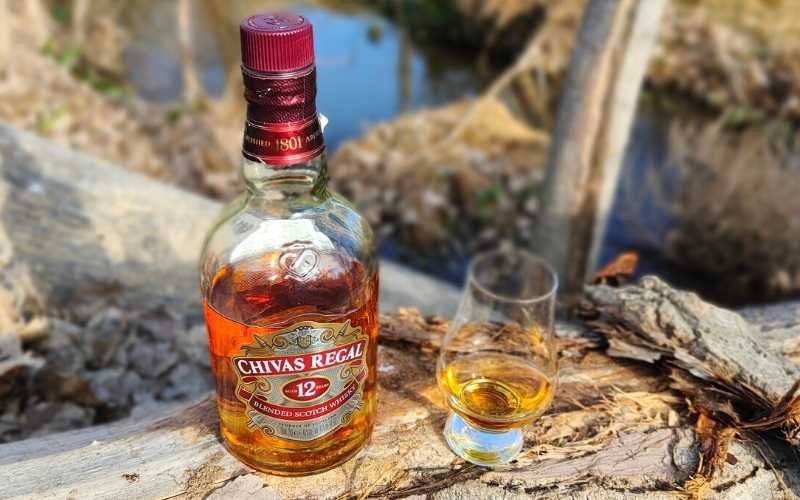
One of the key factors behind Chivas Regal’s success is its dedication to the art of blending. Unlike single malt Scotch whiskies, which are made from malted barley at a single distillery, blended Scotch whiskies like Chivas Regal are made by combining different single malts and grain whiskies. This process requires a skilled master blender who can craft a harmonious and consistent flavor profile.

The Role of the Master Blender

  • Master Blender Colin Scott: Colin Scott was one of Chivas Regal’s most notable master blenders. He joined the brand in the 1980s and played a critical role in refining the taste and consistency of Chivas Regal blends. Under his guidance, Chivas Regal released several premium products, including the 18-Year-Old and 25-Year-Old blends.
  • Creating Harmony: The art of blending requires a deep understanding of how different malts and grains interact with each other. Chivas Regal’s blending process focuses on creating a balanced, smooth whisky with rich flavors that appeal to a wide range of consumers.

Chivas Regal’s Flavor Profile

Chivas Regal is known for its smooth and rich flavor profile. The whisky often features notes of honey, vanilla, dried fruits, and a hint of oak, with a touch of spice. The 12-Year-Old blend is particularly recognized for its easy-drinking, approachable nature, while the 18-Year-Old and 25-Year-Old expressions offer more complex, nuanced flavors.

  • Complexity and Smoothness: Chivas Regal’s signature style is one of balance. The whisky is neither too bold nor too light, making it an excellent choice for both casual drinkers and whisky connoisseurs. The aging process, which includes maturation in oak barrels, imparts a smoothness that is central to Chivas Regal’s identity.

4. Chivas Regal’s Branding and Market Positioning

The Lifestyle of Luxury

One of the cornerstones of Chivas Regal’s brand identity is its association with luxury. From the earliest days of the brand, Chivas Regal was marketed as a whisky for those with discerning tastes and refined lifestyles. The branding emphasized its connection to royalty and the elite, and over the years, Chivas Regal has consistently positioned itself as a drink for special occasions.

  • Advertising and Ambassadors: Chivas Regal has made use of a variety of marketing strategies to cement its position as a luxury product. High-end advertising campaigns, partnerships with celebrities, and sponsorship of prestigious events have all contributed to its upscale image.
  • Chivas Regal and the Business World: Chivas Regal’s association with success is reinforced by its frequent presence at high-profile business gatherings and corporate events. The brand has long been a symbol of achievement and wealth.

Appealing to Modern Consumers

Chivas Regal has also successfully adapted to contemporary tastes and preferences. The brand continues to innovate with new products and expressions, while also focusing on sustainability and environmental responsibility—appealing to a younger generation of whisky drinkers who value both quality and ethics.

  • Chivas Regal’s Digital Strategy: With the rise of digital marketing, Chivas Regal has embraced social media and online platforms to engage with younger, tech-savvy consumers. The brand frequently creates content that highlights its history, craftsmanship, and modern innovations.

5. Conclusion: Chivas Regal’s Enduring Legacy

Chivas Regal’s rich history, dedication to quality, and ability to adapt to the times have solidified its place as one of the most iconic whisky brands in the world. From its humble beginnings in Aberdeen to its status as a global leader in premium Scotch whisky, Chivas Regal has consistently pushed the boundaries of what a blended whisky can be. Today, the brand continues to shape whisky culture, offering a product that is both timeless and modern.

Chivas Regal’s commitment to craftsmanship, sustainability, and luxury ensures that it will remain a force in the whisky industry for generations to come. Its enduring legacy is a testament to the vision of the Chivas Brothers and the generations of distillers, blenders, and marketers who have helped elevate it to the top of the whisky world.

Tags: brandCultureHealthHistoryInnovation
ShareTweetShare

Related Posts

Grain Spirits Explained — The Foundation of Global Distillation
Grain Spirits

The Future of Grain Spirits — Technology, Sustainability, and the Next Era of Distillation

April 25, 2026
Grain Spirits Explained — The Foundation of Global Distillation
Grain Spirits

Grain Spirits Around the World — Vodka, Whisky Bases, and Industrial Applications

April 25, 2026
Grain Spirits Explained — The Foundation of Global Distillation
Grain Spirits

Distillation Systems — Pot Still vs Column Still, and the Balance Between Efficiency and Flavor

April 25, 2026
Grain Spirits Explained — The Foundation of Global Distillation
Grain Spirits

Grain Selection and Fermentation Science — How Raw Ingredients Shape Grain Spirits

April 25, 2026
Grain Spirits Explained — The Foundation of Global Distillation
Grain Spirits

Grain Spirits Explained — The Foundation of Global Distillation

April 25, 2026
Grain Spirits and the Industrial Birth of Neutral Alcohol
Grain Spirits

The Future of Grain Spirits — AI Distillation, Sustainability, and the Post-Flavor Alcohol Industry

April 21, 2026
Leave Comment
  • Trending
  • Comments
  • Latest
Role of Terroir in Champagne Production

Role of Terroir in Champagne Production

January 19, 2026
Champagne Can Be Aged in Wood?

Champagne Can Be Aged in Wood?

January 18, 2026
Is Organic Wine Healthier Than Conventional Wine?

Is Organic Wine Healthier Than Conventional Wine?

January 20, 2026
Why Do Some Champagnes Use a High Proportion of Pinot Meunier?

Why Do Some Champagnes Use a High Proportion of Pinot Meunier?

January 20, 2026
The Timeless Elegance of Wine: A Journey Through History and Culture

The Timeless Elegance of Wine: A Journey Through History and Culture

Why Is Château Lafite Rothschild the Pinnacle of Fine Wine?

Why Is Château Lafite Rothschild the Pinnacle of Fine Wine?

How Did Château Lafite Rothschild Become a Global Icon of Luxury?

How Did Château Lafite Rothschild Become a Global Icon of Luxury?

What Makes Chateau Lafite Rothschild the Pinnacle of Bordeaux Wines?

What Makes Chateau Lafite Rothschild the Pinnacle of Bordeaux Wines?

Beer as a Cultural and Social Force: From Ancient Brew to Modern Identity

The Art of Beer & Food Pairing: Unlocking Flavor Through Balance, Contrast, and Texture

April 26, 2026
Beer as a Cultural and Social Force: From Ancient Brew to Modern Identity

A Complete Guide to Beer Styles: From Lager to Stout, Understanding Flavor, Body, and Character

April 26, 2026
Beer as a Cultural and Social Force: From Ancient Brew to Modern Identity

The Global Beer Industry: Craft Revolution, Market Forces, and the Future of Brewing

April 26, 2026
Beer as a Cultural and Social Force: From Ancient Brew to Modern Identity

The Science of Beer: Brewing Process, Ingredients, and the Chemistry of Flavor

April 26, 2026
SipsavorLife

Welcome to our comprehensive beverage guide, where you can explore the fascinating world of alcoholic drinks. From exquisite wines and rich whiskeys to refreshing beers and sparkling champagnes, we provide insights, tips, and recommendations for enthusiasts and casual drinkers alike. Discover your next favorite libation with us!

© 2025 sipsavorlife.com. contacts:sipsavorlife-35376@gmail.com

No Result
View All Result
  • Home
  • Wine
  • Whiskey
  • Beer
  • Grain Spirits
  • Champagne
  • ALL

© 2025 sipsavorlife.com. contacts:sipsavorlife-35376@gmail.com

Welcome Back!

Login to your account below

Forgotten Password?

Retrieve your password

Please enter your username or email address to reset your password.

Log In