












SipsavorLife
  • Home
  • Wine
    Wine as a Cultural Artifact: History, Identity, and the Evolution of Taste

    The Art and Science of Wine & Food Pairing: How to Create Perfect Matches Every Time

    Wine as a Cultural Artifact: History, Identity, and the Evolution of Taste

    A Complete Guide to Wine Styles and Grape Varieties: From Cabernet Sauvignon to Riesling

    Wine as a Cultural Artifact: History, Identity, and the Evolution of Taste

    The Global Wine Industry: Economics, Markets, and the Future of Consumption

    Wine as a Cultural Artifact: History, Identity, and the Evolution of Taste

    The Science of Wine Tasting: How Chemistry, Biology, and Perception Shape Flavor

    Wine as a Cultural Artifact: History, Identity, and the Evolution of Taste

    Wine as a Cultural Artifact: History, Identity, and the Evolution of Taste

    Red Wine — The Liquid Expression of Land, Time, and Human Intention

    The Future of Red Wine — Climate Change, Technology, and the Evolution of Taste

  • Whiskey
    Can Beer Be an Effective Ingredient in Culinary Cooking?

    Can Beer Be an Effective Ingredient in Culinary Cooking?

    Second Fermentation in Champagne: Is It Really That Crucial?

    Second Fermentation in Champagne: Is It Really That Crucial?

    How Do Different Grains Impact the Flavor Profile of Distilled Spirits?

    How Do Different Grains Impact the Flavor Profile of Distilled Spirits?

    How Do Whiskey Master Blenders Create Perfection?

    How Do Whiskey Master Blenders Create Perfection?

    Wine Pairings: Can They Change the Flavor Profile of a Dish?

    Wine Pairings: Can They Change the Flavor Profile of a Dish?

    Beer the Ultimate Beverage for Pairing with Spicy Food?

    Beer the Ultimate Beverage for Pairing with Spicy Food?

  • Beer
    Beer as a Cultural and Social Force: From Ancient Brew to Modern Identity

    The Art of Beer & Food Pairing: Unlocking Flavor Through Balance, Contrast, and Texture

    Beer as a Cultural and Social Force: From Ancient Brew to Modern Identity

    A Complete Guide to Beer Styles: From Lager to Stout, Understanding Flavor, Body, and Character

    Beer as a Cultural and Social Force: From Ancient Brew to Modern Identity

    The Global Beer Industry: Craft Revolution, Market Forces, and the Future of Brewing

    Beer as a Cultural and Social Force: From Ancient Brew to Modern Identity

    The Science of Beer: Brewing Process, Ingredients, and the Chemistry of Flavor

    Beer as a Cultural and Social Force: From Ancient Brew to Modern Identity

    Beer as a Cultural and Social Force: From Ancient Brew to Modern Identity

    The Evolution of Beer — From Ancient Brews to the Craft Revolution

    The Future of Beer — Innovation, Sustainability, and Emerging Trends

  • Grain Spirits
    Grain Spirits Explained — The Foundation of Global Distillation

    The Future of Grain Spirits — Technology, Sustainability, and the Next Era of Distillation

    Grain Spirits Explained — The Foundation of Global Distillation

    Grain Spirits Around the World — Vodka, Whisky Bases, and Industrial Applications

    Grain Spirits Explained — The Foundation of Global Distillation

    Distillation Systems — Pot Still vs Column Still, and the Balance Between Efficiency and Flavor

    Grain Spirits Explained — The Foundation of Global Distillation

    Grain Selection and Fermentation Science — How Raw Ingredients Shape Grain Spirits

    Grain Spirits Explained — The Foundation of Global Distillation

    Grain Spirits Explained — The Foundation of Global Distillation

    Grain Spirits and the Industrial Birth of Neutral Alcohol

    The Future of Grain Spirits — AI Distillation, Sustainability, and the Post-Flavor Alcohol Industry

  • Champagne
    The History of Champagne — From Accidental Sparkle to Global Luxury

    The Future of Champagne — Climate Change, Innovation, and Industry Evolution

    The History of Champagne — From Accidental Sparkle to Global Luxury

    The Culture of Champagne — Luxury, Celebration, and Global Influence

    The History of Champagne — From Accidental Sparkle to Global Luxury

    Champagne Styles Explained — Brut, Rosé, Vintage, and Beyond

    The History of Champagne — From Accidental Sparkle to Global Luxury

    The Craft of Champagne — Terroir, Grapes, and the Méthode Traditionnelle

    The History of Champagne — From Accidental Sparkle to Global Luxury

    The History of Champagne — From Accidental Sparkle to Global Luxury

    The Future of Champagne — Climate Change, Innovation, and the Evolution of Sparkling Wine

    The Future of Champagne — Climate Change, Innovation, and the Evolution of Sparkling Wine

  • ALL
    Can Beer Be an Effective Ingredient in Culinary Cooking?

    Can Beer Be an Effective Ingredient in Culinary Cooking?

    Second Fermentation in Champagne: Is It Really That Crucial?

    Second Fermentation in Champagne: Is It Really That Crucial?

    How Do Different Grains Impact the Flavor Profile of Distilled Spirits?

    How Do Different Grains Impact the Flavor Profile of Distilled Spirits?

    How Do Whiskey Master Blenders Create Perfection?

    How Do Whiskey Master Blenders Create Perfection?

    Wine Pairings: Can They Change the Flavor Profile of a Dish?

    Wine Pairings: Can They Change the Flavor Profile of a Dish?

    Beer the Ultimate Beverage for Pairing with Spicy Food?

    Beer the Ultimate Beverage for Pairing with Spicy Food?

SipsavorLife
  • Home
  • Wine
    Wine as a Cultural Artifact: History, Identity, and the Evolution of Taste

    The Art and Science of Wine & Food Pairing: How to Create Perfect Matches Every Time

    Wine as a Cultural Artifact: History, Identity, and the Evolution of Taste

    A Complete Guide to Wine Styles and Grape Varieties: From Cabernet Sauvignon to Riesling

    Wine as a Cultural Artifact: History, Identity, and the Evolution of Taste

    The Global Wine Industry: Economics, Markets, and the Future of Consumption

    Wine as a Cultural Artifact: History, Identity, and the Evolution of Taste

    The Science of Wine Tasting: How Chemistry, Biology, and Perception Shape Flavor

    Wine as a Cultural Artifact: History, Identity, and the Evolution of Taste

    Wine as a Cultural Artifact: History, Identity, and the Evolution of Taste

    Red Wine — The Liquid Expression of Land, Time, and Human Intention

    The Future of Red Wine — Climate Change, Technology, and the Evolution of Taste

  • Whiskey
    Can Beer Be an Effective Ingredient in Culinary Cooking?

    Can Beer Be an Effective Ingredient in Culinary Cooking?

    Second Fermentation in Champagne: Is It Really That Crucial?

    Second Fermentation in Champagne: Is It Really That Crucial?

    How Do Different Grains Impact the Flavor Profile of Distilled Spirits?

    How Do Different Grains Impact the Flavor Profile of Distilled Spirits?

    How Do Whiskey Master Blenders Create Perfection?

    How Do Whiskey Master Blenders Create Perfection?

    Wine Pairings: Can They Change the Flavor Profile of a Dish?

    Wine Pairings: Can They Change the Flavor Profile of a Dish?

    Beer the Ultimate Beverage for Pairing with Spicy Food?

    Beer the Ultimate Beverage for Pairing with Spicy Food?

  • Beer
    Beer as a Cultural and Social Force: From Ancient Brew to Modern Identity

    The Art of Beer & Food Pairing: Unlocking Flavor Through Balance, Contrast, and Texture

    Beer as a Cultural and Social Force: From Ancient Brew to Modern Identity

    A Complete Guide to Beer Styles: From Lager to Stout, Understanding Flavor, Body, and Character

    Beer as a Cultural and Social Force: From Ancient Brew to Modern Identity

    The Global Beer Industry: Craft Revolution, Market Forces, and the Future of Brewing

    Beer as a Cultural and Social Force: From Ancient Brew to Modern Identity

    The Science of Beer: Brewing Process, Ingredients, and the Chemistry of Flavor

    Beer as a Cultural and Social Force: From Ancient Brew to Modern Identity

    Beer as a Cultural and Social Force: From Ancient Brew to Modern Identity

    The Evolution of Beer — From Ancient Brews to the Craft Revolution

    The Future of Beer — Innovation, Sustainability, and Emerging Trends

  • Grain Spirits
    Grain Spirits Explained — The Foundation of Global Distillation

    The Future of Grain Spirits — Technology, Sustainability, and the Next Era of Distillation

    Grain Spirits Explained — The Foundation of Global Distillation

    Grain Spirits Around the World — Vodka, Whisky Bases, and Industrial Applications

    Grain Spirits Explained — The Foundation of Global Distillation

    Distillation Systems — Pot Still vs Column Still, and the Balance Between Efficiency and Flavor

    Grain Spirits Explained — The Foundation of Global Distillation

    Grain Selection and Fermentation Science — How Raw Ingredients Shape Grain Spirits

    Grain Spirits Explained — The Foundation of Global Distillation

    Grain Spirits Explained — The Foundation of Global Distillation

    Grain Spirits and the Industrial Birth of Neutral Alcohol

    The Future of Grain Spirits — AI Distillation, Sustainability, and the Post-Flavor Alcohol Industry

  • Champagne
    The History of Champagne — From Accidental Sparkle to Global Luxury

    The Future of Champagne — Climate Change, Innovation, and Industry Evolution

    The History of Champagne — From Accidental Sparkle to Global Luxury

    The Culture of Champagne — Luxury, Celebration, and Global Influence

    The History of Champagne — From Accidental Sparkle to Global Luxury

    Champagne Styles Explained — Brut, Rosé, Vintage, and Beyond

    The History of Champagne — From Accidental Sparkle to Global Luxury

    The Craft of Champagne — Terroir, Grapes, and the Méthode Traditionnelle

    The History of Champagne — From Accidental Sparkle to Global Luxury

    The History of Champagne — From Accidental Sparkle to Global Luxury

    The Future of Champagne — Climate Change, Innovation, and the Evolution of Sparkling Wine

    The Future of Champagne — Climate Change, Innovation, and the Evolution of Sparkling Wine

  • ALL
    Can Beer Be an Effective Ingredient in Culinary Cooking?

    Can Beer Be an Effective Ingredient in Culinary Cooking?

    Second Fermentation in Champagne: Is It Really That Crucial?

    Second Fermentation in Champagne: Is It Really That Crucial?

    How Do Different Grains Impact the Flavor Profile of Distilled Spirits?

    How Do Different Grains Impact the Flavor Profile of Distilled Spirits?

    How Do Whiskey Master Blenders Create Perfection?

    How Do Whiskey Master Blenders Create Perfection?

    Wine Pairings: Can They Change the Flavor Profile of a Dish?

    Wine Pairings: Can They Change the Flavor Profile of a Dish?

    Beer the Ultimate Beverage for Pairing with Spicy Food?

    Beer the Ultimate Beverage for Pairing with Spicy Food?

SipsavorLife
No Result
View All Result
Home ALL

What Drives Álvaro Palacios’ Unmatched Influence on Spanish Wine Culture?

January 10, 2025
in ALL, Wine
What Drives Álvaro Palacios’ Unmatched Influence on Spanish Wine Culture?

Álvaro Palacios has firmly established himself as one of Spain’s most influential and celebrated winemakers, with a portfolio of wines that not only captivate the palates of wine enthusiasts but also command significant attention on the global stage. Through his commitment to quality, unique terroirs, and innovative winemaking practices, Palacios has positioned his brand at the very forefront of Spanish fine wines, making it a symbol of luxury, prestige, and craftsmanship.

In this section, we will explore the market and positioning of Álvaro Palacios wines, examining how he has successfully created a niche in the competitive world of fine wine and earned his reputation as a trailblazer in Spain’s wine industry.


1. The Early Market Success and Establishment of the Brand

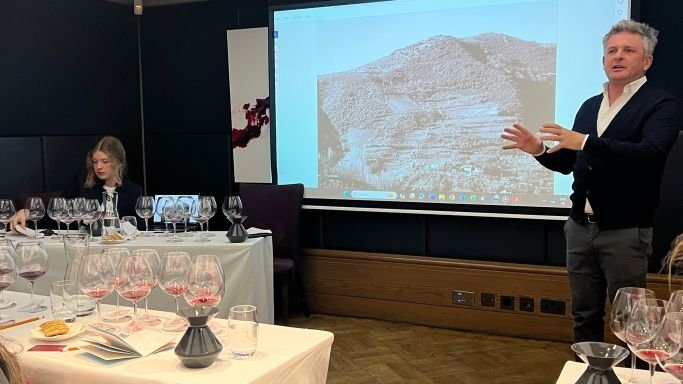
Álvaro Palacios began his winemaking journey in the early 1990s with a focused ambition to produce wines that could stand shoulder to shoulder with the finest in the world. His roots in Priorat were set through his family heritage, but his vision was always far-reaching. By investing in old, low-yielding vines and focusing on indigenous Spanish grape varieties, Palacios sought to create wines that highlighted Spain’s unique terroirs, blending tradition with cutting-edge innovation.

At first, the Priorat region was not yet recognized as a leading fine wine-producing area, but Palacios’ work in the region changed the landscape entirely. His focus on Garnacha and Cariñena from the slate soils of Priorat elevated the region to international prominence. The L’Ermita wine quickly became the flagship of the brand, a wine that commanded a cult following for its exceptional quality and ability to age beautifully.

His early success in Priorat served as a springboard to expand into Bierzo, a cooler region in northern Spain. Mencía, the main grape of Bierzo, became Palacios’ focus, and in doing so, he brought attention to a previously underappreciated variety. His investments in quality-driven viticulture and a commitment to handcrafted winemaking set him apart from many of his peers in Spain, allowing him to attract the attention of high-end collectors and global wine critics alike.

From the outset, Palacios positioned himself as a premium brand. His wines were marketed as highly exclusive and limited production, which immediately garnered interest from the wine elite. His wines’ focus on terroir-driven expression and minimal intervention during fermentation made them highly sought after, and Palacios quickly established himself as a leader in the luxury wine market.


2. Brand Identity: Prestige, Innovation, and Craftsmanship

Álvaro Palacios has successfully built a brand around the core values of prestige, innovation, and craftsmanship. His wines are not merely commodities—they are reflections of his dedication to producing wines of exceptional quality, rooted in history and expressed through modern techniques.

Prestige and Reputation

The reputation of Álvaro Palacios wines is intrinsically tied to the concept of luxury and exclusivity. His flagship wines, particularly L’Ermita from Priorat, have achieved near-mythical status among collectors and connoisseurs. The scarcity of these wines—due to limited production and the high standards of viticulture and winemaking—only adds to their desirability. His wines are often considered investments, not only because of their quality but also their ability to age and evolve over time. This positioning appeals to those in the luxury market who value both prestige and investment.

Palacios’ wines have also garnered rave reviews from critics, particularly from respected publications like Wine Spectator and Robert Parker’s Wine Advocate. As a result, his wines have become highly rated and associated with the top echelon of fine wine in Spain, further cementing the brand’s reputation for excellence.

Innovation and Pioneering Spirit

Despite his deep respect for tradition, Álvaro Palacios is also known for his innovative approach to winemaking. His work in Priorat was groundbreaking, helping to transform the region into one of Spain’s most renowned wine areas. His ability to work with old vines and low yields, along with his philosophy of minimal intervention, set a new standard for quality-driven production in Priorat. By focusing on maintaining the integrity of the terroir and respecting the unique characteristics of the vines, Palacios created wines that were not only distinctive but also marketable as the epitome of fine craftsmanship.

In Bierzo, he pioneered the resurgence of the Mencía grape, which had fallen out of favor in the region, showcasing it as a grape capable of producing wines of elegance, balance, and structure. His ability to revitalize and redefine lesser-known wine regions has contributed to his brand’s image as an innovator who pushes the boundaries of Spanish winemaking.

Craftsmanship and Minimal Intervention

Palacios’ dedication to minimal intervention winemaking has been key to the distinctiveness of his wines. His focus is on creating wines that are expressive of their terroir, which means allowing the natural elements of the vineyard to shine through. This philosophy of craftsmanship has been a hallmark of his approach and a significant reason his wines stand out. From hand-harvesting to small-batch fermentation, every step of the process is designed to preserve the integrity of the grapes and ensure that each bottle reflects the unique conditions of the vineyard and vintage.


3. The Global Appeal of Álvaro Palacios Wines

One of the most impressive aspects of Álvaro Palacios’ success is his ability to position his wines in both the domestic Spanish market and on the global stage. While Palacios’ primary market is in Spain, his wines are highly sought after in key international markets, including the United States, the United Kingdom, Germany, and Asia. In particular, U.S. collectors have driven much of the demand for Priorat wines, with Palacios’ bottlings commanding high prices at auction and in retail.

The global appeal of his wines is a testament to the fact that fine wine lovers are willing to pay top dollar for wines that offer authenticity, quality, and heritage. With increasing interest in Spanish wines, especially those from lesser-known regions like Priorat and Bierzo, Álvaro Palacios has managed to build a truly international brand that resonates with wine connoisseurs around the world.

In Asia, Palacios’ wines have found a particularly enthusiastic audience, as collectors in markets such as China and Japan seek out premium wines from regions with strong wine reputations. This growing market for Spanish wines, coupled with the rise of luxury consumption in these regions, has allowed Palacios to expand his influence even further.

4. Market Positioning: Luxury, Collectability, and Craftsmanship

Álvaro Palacios has expertly positioned his brand as a luxury product, blending exclusivity with the tradition of old-world winemaking. His wines, especially those from L’Ermita, are highly collectible, with the ability to age beautifully and increase in value over time. This positioning aligns with the desires of high-net-worth individuals and wine collectors who are not only seeking great taste but also long-term value in their wine investments.

The collectability factor of Palacios’ wines has made them a staple in the collections of serious wine enthusiasts. Palacios’ commitment to small production and old-vine vineyards ensures that his wines are limited in supply, and this rarity only enhances their appeal to collectors. Many collectors seek out these wines with the anticipation of watching them evolve and improve over decades, making them highly prized assets.

Palacios also aligns with a growing demand for wines that reflect authenticity and place. The connection between his wines and the terroir in which they are grown is clear and unmistakable. In a world where wines are increasingly homogenized and mass-produced, Palacios’ commitment to traditional winemaking, terroir-driven expression, and low-intervention techniques positions him as a winemaker who is focused on quality over quantity.


5. Conclusion: A Brand that Defines Spanish Excellence

Álvaro Palacios has successfully positioned his wines as the epitome of Spanish winemaking excellence. Through his dedication to quality, craftsmanship, and terroir, he has created a brand that is synonymous with luxury, collectability, and innovation. His wines have become a benchmark for Spanish fine wine, showcasing the potential of regions like Priorat and Bierzo, and earning a place among the world’s finest wines.

Palacios has proven that a combination of passion, vision, and respect for tradition can result in wines that are not only sought after for their flavor but also revered for their investment potential and cultural significance. As the global demand for premium Spanish wines continues to grow, Álvaro Palacios is sure to remain at the forefront of this movement, with his wines continuing to shape the future of Spanish fine wine for generations to come.

Tags: CultureFamous brand wineHealthHistoryInnovationluxurymarketpositioningtasteWine
ShareTweetShare

Related Posts

Wine as a Cultural Artifact: History, Identity, and the Evolution of Taste
Wine

The Art and Science of Wine & Food Pairing: How to Create Perfect Matches Every Time

April 26, 2026
Wine as a Cultural Artifact: History, Identity, and the Evolution of Taste
Wine

A Complete Guide to Wine Styles and Grape Varieties: From Cabernet Sauvignon to Riesling

April 26, 2026
Wine as a Cultural Artifact: History, Identity, and the Evolution of Taste
Wine

The Global Wine Industry: Economics, Markets, and the Future of Consumption

April 26, 2026
Wine as a Cultural Artifact: History, Identity, and the Evolution of Taste
Wine

The Science of Wine Tasting: How Chemistry, Biology, and Perception Shape Flavor

April 26, 2026
Wine as a Cultural Artifact: History, Identity, and the Evolution of Taste
Wine

Wine as a Cultural Artifact: History, Identity, and the Evolution of Taste

April 26, 2026
Red Wine — The Liquid Expression of Land, Time, and Human Intention
Wine

The Future of Red Wine — Climate Change, Technology, and the Evolution of Taste

April 22, 2026
Leave Comment
  • Trending
  • Comments
  • Latest
Role of Terroir in Champagne Production

Role of Terroir in Champagne Production

January 19, 2026
Champagne Can Be Aged in Wood?

Champagne Can Be Aged in Wood?

January 18, 2026
Is Organic Wine Healthier Than Conventional Wine?

Is Organic Wine Healthier Than Conventional Wine?

January 20, 2026
Why Do Some Champagnes Use a High Proportion of Pinot Meunier?

Why Do Some Champagnes Use a High Proportion of Pinot Meunier?

January 20, 2026
The Timeless Elegance of Wine: A Journey Through History and Culture

The Timeless Elegance of Wine: A Journey Through History and Culture

Why Is Château Lafite Rothschild the Pinnacle of Fine Wine?

Why Is Château Lafite Rothschild the Pinnacle of Fine Wine?

How Did Château Lafite Rothschild Become a Global Icon of Luxury?

How Did Château Lafite Rothschild Become a Global Icon of Luxury?

What Makes Chateau Lafite Rothschild the Pinnacle of Bordeaux Wines?

What Makes Chateau Lafite Rothschild the Pinnacle of Bordeaux Wines?

Beer as a Cultural and Social Force: From Ancient Brew to Modern Identity

The Art of Beer & Food Pairing: Unlocking Flavor Through Balance, Contrast, and Texture

April 26, 2026
Beer as a Cultural and Social Force: From Ancient Brew to Modern Identity

A Complete Guide to Beer Styles: From Lager to Stout, Understanding Flavor, Body, and Character

April 26, 2026
Beer as a Cultural and Social Force: From Ancient Brew to Modern Identity

The Global Beer Industry: Craft Revolution, Market Forces, and the Future of Brewing

April 26, 2026
Beer as a Cultural and Social Force: From Ancient Brew to Modern Identity

The Science of Beer: Brewing Process, Ingredients, and the Chemistry of Flavor

April 26, 2026
SipsavorLife

Welcome to our comprehensive beverage guide, where you can explore the fascinating world of alcoholic drinks. From exquisite wines and rich whiskeys to refreshing beers and sparkling champagnes, we provide insights, tips, and recommendations for enthusiasts and casual drinkers alike. Discover your next favorite libation with us!

© 2025 sipsavorlife.com. contacts:sipsavorlife-35376@gmail.com

No Result
View All Result
  • Home
  • Wine
  • Whiskey
  • Beer
  • Grain Spirits
  • Champagne
  • ALL

© 2025 sipsavorlife.com. contacts:sipsavorlife-35376@gmail.com

Welcome Back!

Login to your account below

Forgotten Password?

Retrieve your password

Please enter your username or email address to reset your password.

Log In