








SipsavorLife
  • Home
  • Wine
    Wine as a Cultural Artifact: History, Identity, and the Evolution of Taste

    The Art and Science of Wine & Food Pairing: How to Create Perfect Matches Every Time

    Wine as a Cultural Artifact: History, Identity, and the Evolution of Taste

    A Complete Guide to Wine Styles and Grape Varieties: From Cabernet Sauvignon to Riesling

    Wine as a Cultural Artifact: History, Identity, and the Evolution of Taste

    The Global Wine Industry: Economics, Markets, and the Future of Consumption

    Wine as a Cultural Artifact: History, Identity, and the Evolution of Taste

    The Science of Wine Tasting: How Chemistry, Biology, and Perception Shape Flavor

    Wine as a Cultural Artifact: History, Identity, and the Evolution of Taste

    Wine as a Cultural Artifact: History, Identity, and the Evolution of Taste

    Red Wine — The Liquid Expression of Land, Time, and Human Intention

    The Future of Red Wine — Climate Change, Technology, and the Evolution of Taste

  • Whiskey
    Can Beer Be an Effective Ingredient in Culinary Cooking?

    Can Beer Be an Effective Ingredient in Culinary Cooking?

    Second Fermentation in Champagne: Is It Really That Crucial?

    Second Fermentation in Champagne: Is It Really That Crucial?

    How Do Different Grains Impact the Flavor Profile of Distilled Spirits?

    How Do Different Grains Impact the Flavor Profile of Distilled Spirits?

    How Do Whiskey Master Blenders Create Perfection?

    How Do Whiskey Master Blenders Create Perfection?

    Wine Pairings: Can They Change the Flavor Profile of a Dish?

    Wine Pairings: Can They Change the Flavor Profile of a Dish?

    Beer the Ultimate Beverage for Pairing with Spicy Food?

    Beer the Ultimate Beverage for Pairing with Spicy Food?

  • Beer
    Beer as a Cultural and Social Force: From Ancient Brew to Modern Identity

    The Art of Beer & Food Pairing: Unlocking Flavor Through Balance, Contrast, and Texture

    Beer as a Cultural and Social Force: From Ancient Brew to Modern Identity

    A Complete Guide to Beer Styles: From Lager to Stout, Understanding Flavor, Body, and Character

    Beer as a Cultural and Social Force: From Ancient Brew to Modern Identity

    The Global Beer Industry: Craft Revolution, Market Forces, and the Future of Brewing

    Beer as a Cultural and Social Force: From Ancient Brew to Modern Identity

    The Science of Beer: Brewing Process, Ingredients, and the Chemistry of Flavor

    Beer as a Cultural and Social Force: From Ancient Brew to Modern Identity

    Beer as a Cultural and Social Force: From Ancient Brew to Modern Identity

    The Evolution of Beer — From Ancient Brews to the Craft Revolution

    The Future of Beer — Innovation, Sustainability, and Emerging Trends

  • Grain Spirits
    Grain Spirits Explained — The Foundation of Global Distillation

    The Future of Grain Spirits — Technology, Sustainability, and the Next Era of Distillation

    Grain Spirits Explained — The Foundation of Global Distillation

    Grain Spirits Around the World — Vodka, Whisky Bases, and Industrial Applications

    Grain Spirits Explained — The Foundation of Global Distillation

    Distillation Systems — Pot Still vs Column Still, and the Balance Between Efficiency and Flavor

    Grain Spirits Explained — The Foundation of Global Distillation

    Grain Selection and Fermentation Science — How Raw Ingredients Shape Grain Spirits

    Grain Spirits Explained — The Foundation of Global Distillation

    Grain Spirits Explained — The Foundation of Global Distillation

    Grain Spirits and the Industrial Birth of Neutral Alcohol

    The Future of Grain Spirits — AI Distillation, Sustainability, and the Post-Flavor Alcohol Industry

  • Champagne
    The History of Champagne — From Accidental Sparkle to Global Luxury

    The Future of Champagne — Climate Change, Innovation, and Industry Evolution

    The History of Champagne — From Accidental Sparkle to Global Luxury

    The Culture of Champagne — Luxury, Celebration, and Global Influence

    The History of Champagne — From Accidental Sparkle to Global Luxury

    Champagne Styles Explained — Brut, Rosé, Vintage, and Beyond

    The History of Champagne — From Accidental Sparkle to Global Luxury

    The Craft of Champagne — Terroir, Grapes, and the Méthode Traditionnelle

    The History of Champagne — From Accidental Sparkle to Global Luxury

    The History of Champagne — From Accidental Sparkle to Global Luxury

    The Future of Champagne — Climate Change, Innovation, and the Evolution of Sparkling Wine

    The Future of Champagne — Climate Change, Innovation, and the Evolution of Sparkling Wine

  • ALL
    Can Beer Be an Effective Ingredient in Culinary Cooking?

    Can Beer Be an Effective Ingredient in Culinary Cooking?

    Second Fermentation in Champagne: Is It Really That Crucial?

    Second Fermentation in Champagne: Is It Really That Crucial?

    How Do Different Grains Impact the Flavor Profile of Distilled Spirits?

    How Do Different Grains Impact the Flavor Profile of Distilled Spirits?

    How Do Whiskey Master Blenders Create Perfection?

    How Do Whiskey Master Blenders Create Perfection?

    Wine Pairings: Can They Change the Flavor Profile of a Dish?

    Wine Pairings: Can They Change the Flavor Profile of a Dish?

    Beer the Ultimate Beverage for Pairing with Spicy Food?

    Beer the Ultimate Beverage for Pairing with Spicy Food?

SipsavorLife
  • Home
  • Wine
    Wine as a Cultural Artifact: History, Identity, and the Evolution of Taste

    The Art and Science of Wine & Food Pairing: How to Create Perfect Matches Every Time

    Wine as a Cultural Artifact: History, Identity, and the Evolution of Taste

    A Complete Guide to Wine Styles and Grape Varieties: From Cabernet Sauvignon to Riesling

    Wine as a Cultural Artifact: History, Identity, and the Evolution of Taste

    The Global Wine Industry: Economics, Markets, and the Future of Consumption

    Wine as a Cultural Artifact: History, Identity, and the Evolution of Taste

    The Science of Wine Tasting: How Chemistry, Biology, and Perception Shape Flavor

    Wine as a Cultural Artifact: History, Identity, and the Evolution of Taste

    Wine as a Cultural Artifact: History, Identity, and the Evolution of Taste

    Red Wine — The Liquid Expression of Land, Time, and Human Intention

    The Future of Red Wine — Climate Change, Technology, and the Evolution of Taste

  • Whiskey
    Can Beer Be an Effective Ingredient in Culinary Cooking?

    Can Beer Be an Effective Ingredient in Culinary Cooking?

    Second Fermentation in Champagne: Is It Really That Crucial?

    Second Fermentation in Champagne: Is It Really That Crucial?

    How Do Different Grains Impact the Flavor Profile of Distilled Spirits?

    How Do Different Grains Impact the Flavor Profile of Distilled Spirits?

    How Do Whiskey Master Blenders Create Perfection?

    How Do Whiskey Master Blenders Create Perfection?

    Wine Pairings: Can They Change the Flavor Profile of a Dish?

    Wine Pairings: Can They Change the Flavor Profile of a Dish?

    Beer the Ultimate Beverage for Pairing with Spicy Food?

    Beer the Ultimate Beverage for Pairing with Spicy Food?

  • Beer
    Beer as a Cultural and Social Force: From Ancient Brew to Modern Identity

    The Art of Beer & Food Pairing: Unlocking Flavor Through Balance, Contrast, and Texture

    Beer as a Cultural and Social Force: From Ancient Brew to Modern Identity

    A Complete Guide to Beer Styles: From Lager to Stout, Understanding Flavor, Body, and Character

    Beer as a Cultural and Social Force: From Ancient Brew to Modern Identity

    The Global Beer Industry: Craft Revolution, Market Forces, and the Future of Brewing

    Beer as a Cultural and Social Force: From Ancient Brew to Modern Identity

    The Science of Beer: Brewing Process, Ingredients, and the Chemistry of Flavor

    Beer as a Cultural and Social Force: From Ancient Brew to Modern Identity

    Beer as a Cultural and Social Force: From Ancient Brew to Modern Identity

    The Evolution of Beer — From Ancient Brews to the Craft Revolution

    The Future of Beer — Innovation, Sustainability, and Emerging Trends

  • Grain Spirits
    Grain Spirits Explained — The Foundation of Global Distillation

    The Future of Grain Spirits — Technology, Sustainability, and the Next Era of Distillation

    Grain Spirits Explained — The Foundation of Global Distillation

    Grain Spirits Around the World — Vodka, Whisky Bases, and Industrial Applications

    Grain Spirits Explained — The Foundation of Global Distillation

    Distillation Systems — Pot Still vs Column Still, and the Balance Between Efficiency and Flavor

    Grain Spirits Explained — The Foundation of Global Distillation

    Grain Selection and Fermentation Science — How Raw Ingredients Shape Grain Spirits

    Grain Spirits Explained — The Foundation of Global Distillation

    Grain Spirits Explained — The Foundation of Global Distillation

    Grain Spirits and the Industrial Birth of Neutral Alcohol

    The Future of Grain Spirits — AI Distillation, Sustainability, and the Post-Flavor Alcohol Industry

  • Champagne
    The History of Champagne — From Accidental Sparkle to Global Luxury

    The Future of Champagne — Climate Change, Innovation, and Industry Evolution

    The History of Champagne — From Accidental Sparkle to Global Luxury

    The Culture of Champagne — Luxury, Celebration, and Global Influence

    The History of Champagne — From Accidental Sparkle to Global Luxury

    Champagne Styles Explained — Brut, Rosé, Vintage, and Beyond

    The History of Champagne — From Accidental Sparkle to Global Luxury

    The Craft of Champagne — Terroir, Grapes, and the Méthode Traditionnelle

    The History of Champagne — From Accidental Sparkle to Global Luxury

    The History of Champagne — From Accidental Sparkle to Global Luxury

    The Future of Champagne — Climate Change, Innovation, and the Evolution of Sparkling Wine

    The Future of Champagne — Climate Change, Innovation, and the Evolution of Sparkling Wine

  • ALL
    Can Beer Be an Effective Ingredient in Culinary Cooking?

    Can Beer Be an Effective Ingredient in Culinary Cooking?

    Second Fermentation in Champagne: Is It Really That Crucial?

    Second Fermentation in Champagne: Is It Really That Crucial?

    How Do Different Grains Impact the Flavor Profile of Distilled Spirits?

    How Do Different Grains Impact the Flavor Profile of Distilled Spirits?

    How Do Whiskey Master Blenders Create Perfection?

    How Do Whiskey Master Blenders Create Perfection?

    Wine Pairings: Can They Change the Flavor Profile of a Dish?

    Wine Pairings: Can They Change the Flavor Profile of a Dish?

    Beer the Ultimate Beverage for Pairing with Spicy Food?

    Beer the Ultimate Beverage for Pairing with Spicy Food?

SipsavorLife
No Result
View All Result
Home ALL

Is This the Ultimate Guide to Understanding IPA Hops?

February 27, 2025
in ALL, Beer
Is This the Ultimate Guide to Understanding IPA Hops?

The Different Types of Hops Used in IPA Brewing

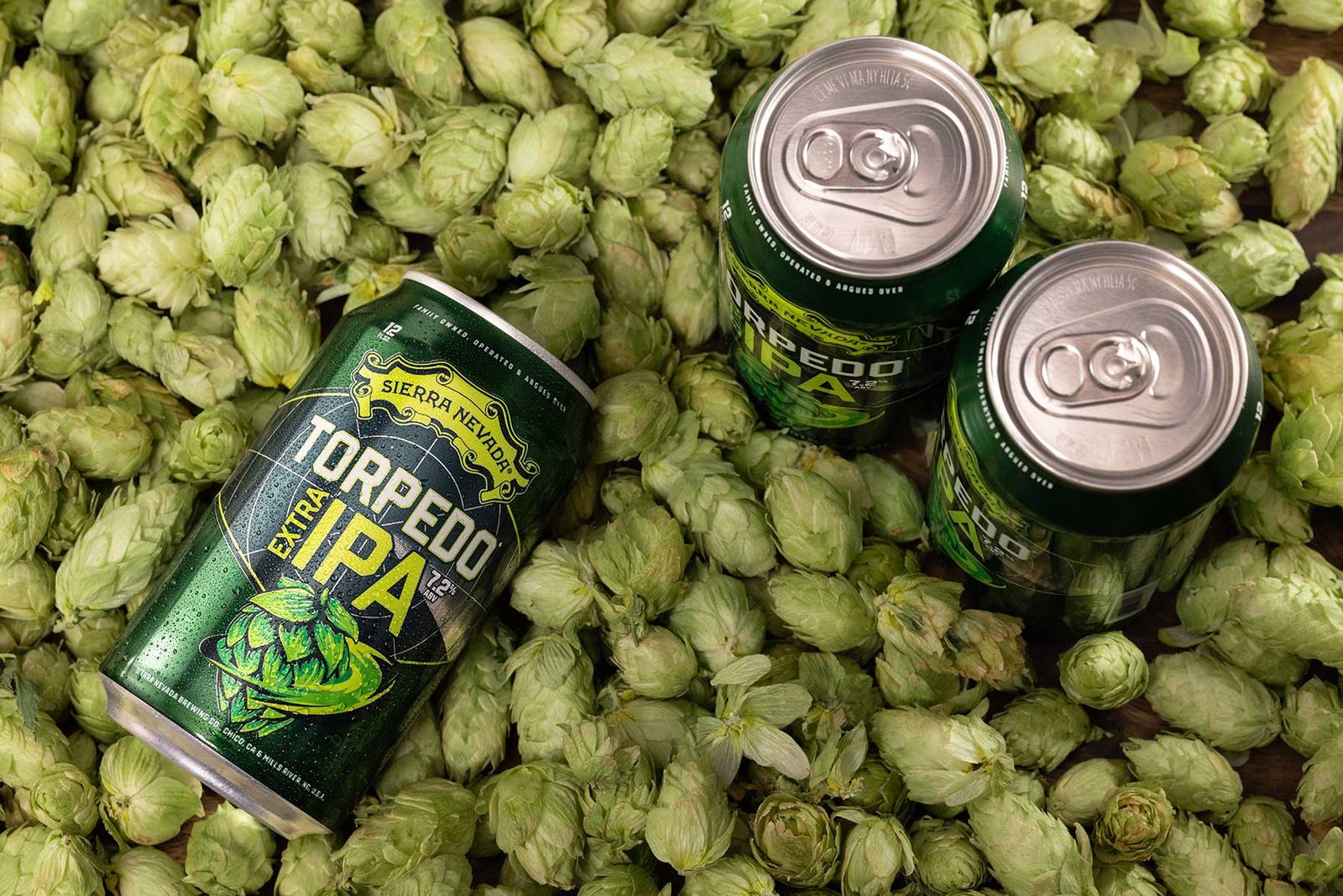
India Pale Ales (IPAs) are all about the hops. These beers are known for their intense hop character, which provides the signature bitterness, aroma, and flavor profile that makes IPAs so unique and beloved. The type of hops used in an IPA plays a crucial role in defining its taste, and the variety of hops brewers can use is vast. Understanding the different types of hops and their characteristics is essential for anyone looking to explore or appreciate IPAs more deeply.

1. American Hops: Bold and Citrusy American hops are among the most popular hops used in brewing IPAs due to their bold, vibrant flavors and aromas. These hops are typically known for their citrus and pine characteristics, making them ideal for creating hoppy beers with a zesty, fresh character. Some of the most popular American hops used in IPAs include:

  • Citra: Known for its tropical fruit flavors, Citra hops impart aromas of lime, grapefruit, and tropical fruit like passionfruit and mango.
  • Simcoe: This hop provides a complex blend of pine, citrus, and earthy flavors, along with tropical fruit aromas like apricot and orange.
  • Centennial: Often described as a more refined Cascade, Centennial hops offer floral, citrus, and grapefruit notes, adding to the crispness of an IPA.
  • Amarillo: This hop brings aromas of orange, lemon, and grapefruit, along with floral and herbal notes, which makes it a perfect complement to the bold bitterness of IPAs.

2. English Hops: A More Subtle Approach While American hops dominate the IPA scene, English hops have also earned their place in many IPA recipes, particularly for those who prefer a more balanced, earthy beer. English hops tend to offer more subtle bitterness and earthy flavors, adding a unique depth to the beer. Some popular English hops include:

  • East Kent Goldings: Known for its mild bitterness and complex floral, herbal, and earthy flavors, this hop brings a refined bitterness that complements other hops used in an IPA.
  • Fuggle: Fuggle hops are used in many traditional English beers but also find their way into IPAs, offering an earthy, woody flavor with mild bitterness that provides a subtle depth.

3. New Zealand and Australian Hops: Tropical and Exotic Flavors Hops from the Southern Hemisphere are gaining increasing popularity in IPA brewing, bringing tropical and exotic fruit flavors to the mix. These hops are known for their vibrant, juicy character and bold aromatic profiles. Some noteworthy hops from this region include:

  • Nelson Sauvin (New Zealand): This hop is famous for its distinctive white wine-like aroma, with notes of gooseberry, tropical fruit, and pine.
  • Galaxy (Australia): Galaxy hops offer strong tropical fruit flavors, such as passionfruit, citrus, and peach, adding complexity and a punch of fruitiness to IPAs.

These international hops are often used to create unique variations of IPAs, with an emphasis on bright, fruity, and tropical flavors.
How Hops Influence Bitterness and Aroma

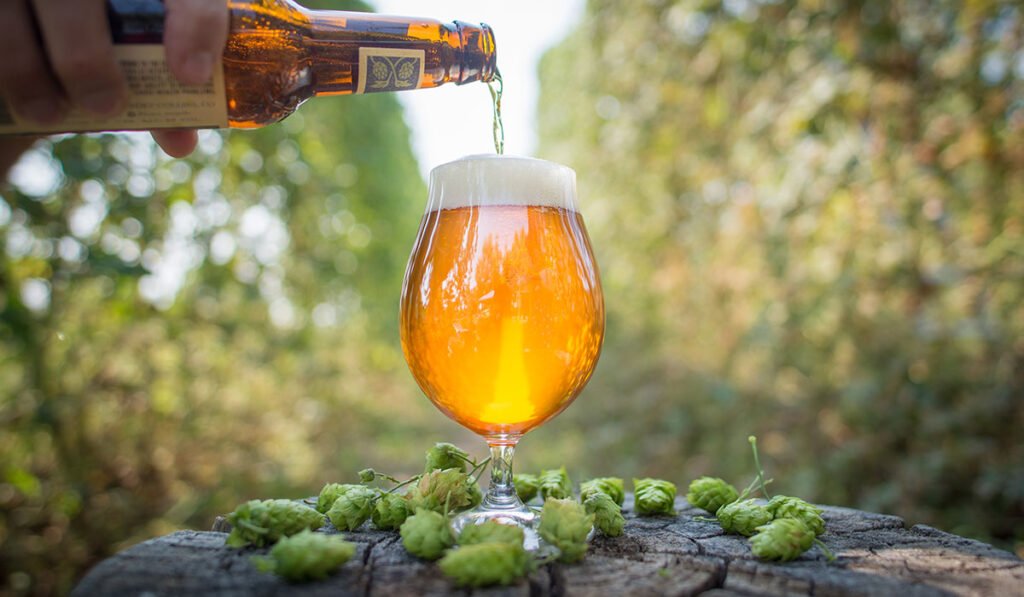
Hops are integral to creating the flavor and aroma profiles that make IPAs so distinct, but they also serve a crucial functional role in balancing the beer’s taste. The bitterness that hops bring to the beer helps to counterbalance the sweetness of the malt, making the beer more refreshing and drinkable. The level of bitterness and aroma from hops varies depending on when and how they are added during the brewing process.

1. The Role of Bitterness in IPAs Bitterness in IPAs is a key component of their character, and it’s largely influenced by the timing of the hop additions during brewing. In the boil, hops are added at different stages, each contributing a different degree of bitterness:

  • Early Boil Additions (60 minutes): The primary function of hops added early in the boil is to impart bitterness. These hops have a longer time to break down and release their alpha acids, which are responsible for bitterness. The longer the hop boil time, the more bitterness is extracted.
  • Late Boil Additions (10-15 minutes): Hops added later in the boil provide less bitterness but more flavor. These hops contribute to the overall hop flavor and aromatic profile but don’t significantly increase bitterness.
  • Dry Hopping (After Fermentation): Dry hopping is the process of adding hops after the fermentation process, which results in a burst of hop aroma without adding significant bitterness. This is why many IPAs, particularly double and triple IPAs, can be intensely hoppy but still quite smooth.

2. Aroma and Flavor Contributions The aroma and flavor of hops can vary widely depending on the hop variety and when they’re added during the brewing process. The oils in hops contain a range of compounds, including terpenes and other aromatic molecules, which are responsible for the distinct smells and tastes that hops impart to the beer.

  • Citrus and Pine: Many American hops (like Cascade, Centennial, and Chinook) offer bright citrus and pine aromas, which are foundational to the classic IPA profile.
  • Tropical Fruits: Hops like Citra and Galaxy contribute strong tropical fruit flavors, such as pineapple, mango, and passionfruit, lending IPAs a juicy and refreshing character.
  • Floral and Herbal: Some hops, particularly English varieties like East Kent Goldings and Fuggle, offer floral, herbal, and earthy aromas, which can add complexity and refinement to the beer.
  • Resinous and Dank: Some hops (like Simcoe and Mosaic) add a resinous, almost “sticky” quality to the beer, with earthy, piney, and sometimes dank characteristics that are highly prized in certain IPA styles, especially West Coast IPAs.

A Breakdown of Hop-Forward Flavors in IPAs

Hop-forward flavors are the defining characteristic of any IPA, and understanding how different hops contribute to these flavors is key to appreciating the complexity of the style. The hops used in an IPA influence everything from the initial taste to the finish of the beer.

1. Bitter and Crisp vs. Juicy and Smooth IPAs can be divided into two broad categories based on their hop-forward flavors: bitter and crisp (typically West Coast IPAs) and juicy and smooth (commonly East Coast IPAs).

  • West Coast IPAs: These beers are typically more bitter, with prominent piney, resinous flavors and a clean finish. The bitterness comes from a large quantity of hops added early in the brewing process, which imparts a sharp, crisp bitterness that lingers. West Coast IPAs tend to highlight earthy and piney hop notes, with little to no sweetness or malt character to offset the bitterness.
  • East Coast IPAs: These tend to be juicier and less bitter, with tropical fruit flavors and smooth mouthfeel. The bitterness is often more subdued, and the hops are added later in the process, allowing for the fruity and aromatic qualities to shine through. Many New England IPAs (NEIPAs) fall into this category, offering a haze-packed, juicy experience that’s full of citrus, tropical fruit, and sometimes even juicy peach or apricot flavors.

2. Double and Triple IPAs: A Bold, Intensified Hop Experience Double and triple IPAs (DIPAs and TIPAs) are styles where the hop-forward character is ramped up to an extreme level. These beers usually have higher alcohol content (usually above 8%) and a more pronounced hop presence. Brewers use larger quantities of hops, often with a combination of late additions and dry hopping, to create bold and intense aromas and flavors. These beers can be either intensely bitter (for West Coast-style DIPAs) or exceedingly juicy (for East Coast-style DIPAs and TIPAs), but in either case, the hop character is the dominant feature of the beer.

3. The Role of Terroir in Hop Flavor Just like wine, hops can have regional variations based on where they are grown—this is known as hop “terroir.” Different climates, soil compositions, and cultivation practices affect how hops develop their flavors. For example, hops grown in the Pacific Northwest of the United States, such as Cascade and Citra, are known for their citrus and pine characteristics, while hops grown in New Zealand, like Nelson Sauvin, often have unique tropical and fruity notes. The terroir of hops contributes to the complexity and range of flavors found in IPAs.

Conclusion

IPA hops are at the heart of what makes this style of beer so exciting and distinctive. The variety of hops available to brewers, each with its own unique flavor profile, allows for endless experimentation and creativity. Whether you’re enjoying a piney West Coast IPA, a juicy New England IPA, or an intensely hopped Double IPA, it’s the hops that drive the flavor. By understanding the different types of hops used in IPAs and how they influence bitterness, aroma, and flavor, you can gain a deeper appreciation for this beloved beer style and the intricate craftsmanship that goes into brewing the perfect IPA.

Tags: bitterness in beerhop aromashops in beerIPA brewingIPA hops
ShareTweetShare

Related Posts

Beer as a Cultural and Social Force: From Ancient Brew to Modern Identity
Beer

The Art of Beer & Food Pairing: Unlocking Flavor Through Balance, Contrast, and Texture

April 26, 2026
Beer as a Cultural and Social Force: From Ancient Brew to Modern Identity
Beer

A Complete Guide to Beer Styles: From Lager to Stout, Understanding Flavor, Body, and Character

April 26, 2026
Beer as a Cultural and Social Force: From Ancient Brew to Modern Identity
Beer

The Global Beer Industry: Craft Revolution, Market Forces, and the Future of Brewing

April 26, 2026
Beer as a Cultural and Social Force: From Ancient Brew to Modern Identity
Beer

The Science of Beer: Brewing Process, Ingredients, and the Chemistry of Flavor

April 26, 2026
Beer as a Cultural and Social Force: From Ancient Brew to Modern Identity
Beer

Beer as a Cultural and Social Force: From Ancient Brew to Modern Identity

April 26, 2026
The Evolution of Beer — From Ancient Brews to the Craft Revolution
Beer

The Future of Beer — Innovation, Sustainability, and Emerging Trends

April 23, 2026
Leave Comment
  • Trending
  • Comments
  • Latest
Role of Terroir in Champagne Production

Role of Terroir in Champagne Production

January 19, 2026
Champagne Can Be Aged in Wood?

Champagne Can Be Aged in Wood?

January 18, 2026
Is Organic Wine Healthier Than Conventional Wine?

Is Organic Wine Healthier Than Conventional Wine?

January 20, 2026
Why Do Some Champagnes Use a High Proportion of Pinot Meunier?

Why Do Some Champagnes Use a High Proportion of Pinot Meunier?

January 20, 2026
The Timeless Elegance of Wine: A Journey Through History and Culture

The Timeless Elegance of Wine: A Journey Through History and Culture

Why Is Château Lafite Rothschild the Pinnacle of Fine Wine?

Why Is Château Lafite Rothschild the Pinnacle of Fine Wine?

How Did Château Lafite Rothschild Become a Global Icon of Luxury?

How Did Château Lafite Rothschild Become a Global Icon of Luxury?

What Makes Chateau Lafite Rothschild the Pinnacle of Bordeaux Wines?

What Makes Chateau Lafite Rothschild the Pinnacle of Bordeaux Wines?

Beer as a Cultural and Social Force: From Ancient Brew to Modern Identity

The Art of Beer & Food Pairing: Unlocking Flavor Through Balance, Contrast, and Texture

April 26, 2026
Beer as a Cultural and Social Force: From Ancient Brew to Modern Identity

A Complete Guide to Beer Styles: From Lager to Stout, Understanding Flavor, Body, and Character

April 26, 2026
Beer as a Cultural and Social Force: From Ancient Brew to Modern Identity

The Global Beer Industry: Craft Revolution, Market Forces, and the Future of Brewing

April 26, 2026
Beer as a Cultural and Social Force: From Ancient Brew to Modern Identity

The Science of Beer: Brewing Process, Ingredients, and the Chemistry of Flavor

April 26, 2026
SipsavorLife

Welcome to our comprehensive beverage guide, where you can explore the fascinating world of alcoholic drinks. From exquisite wines and rich whiskeys to refreshing beers and sparkling champagnes, we provide insights, tips, and recommendations for enthusiasts and casual drinkers alike. Discover your next favorite libation with us!

© 2025 sipsavorlife.com. contacts:sipsavorlife-35376@gmail.com

No Result
View All Result
  • Home
  • Wine
  • Whiskey
  • Beer
  • Grain Spirits
  • Champagne
  • ALL

© 2025 sipsavorlife.com. contacts:sipsavorlife-35376@gmail.com

Welcome Back!

Login to your account below

Forgotten Password?

Retrieve your password

Please enter your username or email address to reset your password.

Log In