






























SipsavorLife
  • Home
  • Wine
    The History and Culture of Wine: From Ancient Traditions to Modern Lifestyle

    Wine, Health, and Lifestyle: Balancing Pleasure, Well-Being, and Culture

    The History and Culture of Wine: From Ancient Traditions to Modern Lifestyle

    Global Wine Market Trends and Collecting: Economics, Culture, and Investment

    The History and Culture of Wine: From Ancient Traditions to Modern Lifestyle

    The Art of Wine Tasting: A Journey Through Senses and Culture

    The History and Culture of Wine: From Ancient Traditions to Modern Lifestyle

    The Art and Science of Winemaking: From Vineyard to Glass

    The History and Culture of Wine: From Ancient Traditions to Modern Lifestyle

    The History and Culture of Wine: From Ancient Traditions to Modern Lifestyle

    The World of Wine: A Deep Dive into Taste, Terroir, and Tradition

    The World of Wine: A Deep Dive into Taste, Terroir, and Tradition

  • Whiskey
    Can Beer Be an Effective Ingredient in Culinary Cooking?

    Can Beer Be an Effective Ingredient in Culinary Cooking?

    Second Fermentation in Champagne: Is It Really That Crucial?

    Second Fermentation in Champagne: Is It Really That Crucial?

    How Do Different Grains Impact the Flavor Profile of Distilled Spirits?

    How Do Different Grains Impact the Flavor Profile of Distilled Spirits?

    How Do Whiskey Master Blenders Create Perfection?

    How Do Whiskey Master Blenders Create Perfection?

    Wine Pairings: Can They Change the Flavor Profile of a Dish?

    Wine Pairings: Can They Change the Flavor Profile of a Dish?

    Beer the Ultimate Beverage for Pairing with Spicy Food?

    Beer the Ultimate Beverage for Pairing with Spicy Food?

  • Beer
    The World of Beer — A Deep Dive into Craft, Culture, and Evolution

    Mastering Beer Tasting — From Casual Drinker to Connoisseur

    The World of Beer — A Deep Dive into Craft, Culture, and Evolution

    The Business of Beer — Global Markets, Brand Power, and the Economics Behind the Brew

    The World of Beer — A Deep Dive into Craft, Culture, and Evolution

    The Science of Beer — Chemistry, Biology, and the Invisible Forces Behind Flavor

    The World of Beer — A Deep Dive into Craft, Culture, and Evolution

    Craft Beer Culture — A Lifestyle, A Movement, A New Way of Experiencing the World

    The World of Beer — A Deep Dive into Craft, Culture, and Evolution

    The World of Beer — A Deep Dive into Craft, Culture, and Evolution

    Beer History and Cultural Evolution: From Ancient Grains to Modern Brews

    Beer Trends and Future Innovations: Shaping the Next Era of Brewing

  • Grain Spirits
    The Origins of Grain Spirits: Power, Society, and the Birth of Distilled Alcohol

    The Future of Grain Spirits: Reinvention in an Age of Change

    The Origins of Grain Spirits: Power, Society, and the Birth of Distilled Alcohol

    The Psychology of Grain Spirits: Identity, Control, and the Language of Power

    The Origins of Grain Spirits: Power, Society, and the Birth of Distilled Alcohol

    A World in a Glass: Mapping Grain Spirits Across Cultures and Continents

    The Origins of Grain Spirits: Power, Society, and the Birth of Distilled Alcohol

    From Grain to Glass: The Complete Process of Making Grain Spirits

    The Origins of Grain Spirits: Power, Society, and the Birth of Distilled Alcohol

    The Origins of Grain Spirits: Power, Society, and the Birth of Distilled Alcohol

    How Do Different Grains Impact the Flavor Profile of Distilled Spirits?

    How Do Different Grains Impact the Flavor Profile of Distilled Spirits?

  • Champagne
    Champagne — The Ultimate Symbol of Elegance, Celebration, and Craft

    The Art of Champagne Tasting — A Refined Guide to Elegance, Precision, and Sensory Mastery

    Champagne — The Ultimate Symbol of Elegance, Celebration, and Craft

    The Business of Champagne — Luxury Strategy, Brand Power, and the Economics of Prestige

    Champagne — The Ultimate Symbol of Elegance, Celebration, and Craft

    The Science of Champagne — Bubbles, Pressure, and the Precision Behind Elegance

    Champagne — The Ultimate Symbol of Elegance, Celebration, and Craft

    Champagne Lifestyle — Luxury, Ritual, and the Art of Celebration

    Champagne — The Ultimate Symbol of Elegance, Celebration, and Craft

    Champagne — The Ultimate Symbol of Elegance, Celebration, and Craft

    Champagne: The Drink of Celebration and Power

    The Future of Champagne: Sustainability, Innovation, and the Redefinition of Luxury

  • ALL
    Can Beer Be an Effective Ingredient in Culinary Cooking?

    Can Beer Be an Effective Ingredient in Culinary Cooking?

    Second Fermentation in Champagne: Is It Really That Crucial?

    Second Fermentation in Champagne: Is It Really That Crucial?

    How Do Different Grains Impact the Flavor Profile of Distilled Spirits?

    How Do Different Grains Impact the Flavor Profile of Distilled Spirits?

    How Do Whiskey Master Blenders Create Perfection?

    How Do Whiskey Master Blenders Create Perfection?

    Wine Pairings: Can They Change the Flavor Profile of a Dish?

    Wine Pairings: Can They Change the Flavor Profile of a Dish?

    Beer the Ultimate Beverage for Pairing with Spicy Food?

    Beer the Ultimate Beverage for Pairing with Spicy Food?

SipsavorLife
  • Home
  • Wine
    The History and Culture of Wine: From Ancient Traditions to Modern Lifestyle

    Wine, Health, and Lifestyle: Balancing Pleasure, Well-Being, and Culture

    The History and Culture of Wine: From Ancient Traditions to Modern Lifestyle

    Global Wine Market Trends and Collecting: Economics, Culture, and Investment

    The History and Culture of Wine: From Ancient Traditions to Modern Lifestyle

    The Art of Wine Tasting: A Journey Through Senses and Culture

    The History and Culture of Wine: From Ancient Traditions to Modern Lifestyle

    The Art and Science of Winemaking: From Vineyard to Glass

    The History and Culture of Wine: From Ancient Traditions to Modern Lifestyle

    The History and Culture of Wine: From Ancient Traditions to Modern Lifestyle

    The World of Wine: A Deep Dive into Taste, Terroir, and Tradition

    The World of Wine: A Deep Dive into Taste, Terroir, and Tradition

  • Whiskey
    Can Beer Be an Effective Ingredient in Culinary Cooking?

    Can Beer Be an Effective Ingredient in Culinary Cooking?

    Second Fermentation in Champagne: Is It Really That Crucial?

    Second Fermentation in Champagne: Is It Really That Crucial?

    How Do Different Grains Impact the Flavor Profile of Distilled Spirits?

    How Do Different Grains Impact the Flavor Profile of Distilled Spirits?

    How Do Whiskey Master Blenders Create Perfection?

    How Do Whiskey Master Blenders Create Perfection?

    Wine Pairings: Can They Change the Flavor Profile of a Dish?

    Wine Pairings: Can They Change the Flavor Profile of a Dish?

    Beer the Ultimate Beverage for Pairing with Spicy Food?

    Beer the Ultimate Beverage for Pairing with Spicy Food?

  • Beer
    The World of Beer — A Deep Dive into Craft, Culture, and Evolution

    Mastering Beer Tasting — From Casual Drinker to Connoisseur

    The World of Beer — A Deep Dive into Craft, Culture, and Evolution

    The Business of Beer — Global Markets, Brand Power, and the Economics Behind the Brew

    The World of Beer — A Deep Dive into Craft, Culture, and Evolution

    The Science of Beer — Chemistry, Biology, and the Invisible Forces Behind Flavor

    The World of Beer — A Deep Dive into Craft, Culture, and Evolution

    Craft Beer Culture — A Lifestyle, A Movement, A New Way of Experiencing the World

    The World of Beer — A Deep Dive into Craft, Culture, and Evolution

    The World of Beer — A Deep Dive into Craft, Culture, and Evolution

    Beer History and Cultural Evolution: From Ancient Grains to Modern Brews

    Beer Trends and Future Innovations: Shaping the Next Era of Brewing

  • Grain Spirits
    The Origins of Grain Spirits: Power, Society, and the Birth of Distilled Alcohol

    The Future of Grain Spirits: Reinvention in an Age of Change

    The Origins of Grain Spirits: Power, Society, and the Birth of Distilled Alcohol

    The Psychology of Grain Spirits: Identity, Control, and the Language of Power

    The Origins of Grain Spirits: Power, Society, and the Birth of Distilled Alcohol

    A World in a Glass: Mapping Grain Spirits Across Cultures and Continents

    The Origins of Grain Spirits: Power, Society, and the Birth of Distilled Alcohol

    From Grain to Glass: The Complete Process of Making Grain Spirits

    The Origins of Grain Spirits: Power, Society, and the Birth of Distilled Alcohol

    The Origins of Grain Spirits: Power, Society, and the Birth of Distilled Alcohol

    How Do Different Grains Impact the Flavor Profile of Distilled Spirits?

    How Do Different Grains Impact the Flavor Profile of Distilled Spirits?

  • Champagne
    Champagne — The Ultimate Symbol of Elegance, Celebration, and Craft

    The Art of Champagne Tasting — A Refined Guide to Elegance, Precision, and Sensory Mastery

    Champagne — The Ultimate Symbol of Elegance, Celebration, and Craft

    The Business of Champagne — Luxury Strategy, Brand Power, and the Economics of Prestige

    Champagne — The Ultimate Symbol of Elegance, Celebration, and Craft

    The Science of Champagne — Bubbles, Pressure, and the Precision Behind Elegance

    Champagne — The Ultimate Symbol of Elegance, Celebration, and Craft

    Champagne Lifestyle — Luxury, Ritual, and the Art of Celebration

    Champagne — The Ultimate Symbol of Elegance, Celebration, and Craft

    Champagne — The Ultimate Symbol of Elegance, Celebration, and Craft

    Champagne: The Drink of Celebration and Power

    The Future of Champagne: Sustainability, Innovation, and the Redefinition of Luxury

  • ALL
    Can Beer Be an Effective Ingredient in Culinary Cooking?

    Can Beer Be an Effective Ingredient in Culinary Cooking?

    Second Fermentation in Champagne: Is It Really That Crucial?

    Second Fermentation in Champagne: Is It Really That Crucial?

    How Do Different Grains Impact the Flavor Profile of Distilled Spirits?

    How Do Different Grains Impact the Flavor Profile of Distilled Spirits?

    How Do Whiskey Master Blenders Create Perfection?

    How Do Whiskey Master Blenders Create Perfection?

    Wine Pairings: Can They Change the Flavor Profile of a Dish?

    Wine Pairings: Can They Change the Flavor Profile of a Dish?

    Beer the Ultimate Beverage for Pairing with Spicy Food?

    Beer the Ultimate Beverage for Pairing with Spicy Food?

SipsavorLife
No Result
View All Result
Home ALL

How Does Whisky Get Its Unique Character from Grain?

February 24, 2025
in ALL, Grain Spirits
How Does Whisky Get Its Unique Character from Grain?

Whisky is one of the most revered spirits worldwide, known for its complexity, depth, and rich flavors. What many may not realize is that the foundation of a whisky’s unique character begins with its primary ingredient: grain. The choice of grain, the way it’s processed, and how it interacts with other factors like water and time, are all key to creating the distinct flavors that make whisky so fascinating. In this article, we will explore how grains play a crucial role in shaping whisky’s flavor profile, delve into the differences in grain types used in whisky production, and explain how grain influences the distillation process.

The Role of Grains in Shaping Whisky Flavors

Grain plays an essential role in whisky production, as it provides both the base for fermentation and the underlying flavor characteristics of the final spirit. Whisky is typically made from barley, corn, rye, and wheat, with each grain contributing different elements to the flavor profile. Whether it’s the sweetness of corn, the spiciness of rye, or the malty richness of barley, the choice of grain is a primary determinant of the whisky’s overall taste.

1. Barley
Barley is the traditional grain used in many whisky styles, particularly Scotch whisky. Its high starch content allows for efficient fermentation, and it’s often malted before being used. Malted barley tends to give whisky a rich, full-bodied character, with flavors ranging from toasted bread to honeyed sweetness. In particular, barley imparts a distinctive malty flavor, which is essential for many classic whisky expressions.

2. Corn
Corn is the primary grain used in American bourbon, and it’s responsible for the signature sweetness found in the spirit. Bourbon must contain at least 51% corn, and this grain contributes notes of caramel, vanilla, and butterscotch. Corn whisky tends to have a smooth, mellow flavor, which makes it an ideal base for cocktails like the Old Fashioned or Manhattan.

3. Rye
Rye is used in both American rye whiskey and some Canadian whiskies. This grain brings a spicier, peppery character to the whisky, often described as having a bold, dry finish. Rye whisky tends to have more complexity and depth than corn-based whiskies, with flavors ranging from baked bread to licorice, clove, and even fruit. Rye’s influence on whisky gives it a slightly more robust, fiery edge, making it popular for those who enjoy a more intense dram.

4. Wheat
While less common than barley, corn, and rye, wheat is used in some whisky styles, such as wheat bourbon and certain Scotch whiskies. Wheat adds a softer, smoother profile compared to rye or barley, lending the whisky a round, creamy texture with flavors like vanilla, honey, and light fruits. Wheat-based whiskies tend to be smoother and less spicy, offering a more mellow drinking experience.

Differences in Grain Types Used in Whisky Production

The type of grain used in whisky production is more than just a matter of taste; it also affects the entire production process, including fermentation, mashing, and distillation. Each grain type has its own characteristics, which influence everything from the whisky’s mouthfeel to its final flavor.

1. Single Malt Whisky
Single malt whisky is made from 100% malted barley. Barley is the traditional grain for Scotch whisky, and single malts made from this grain are typically considered the purest form of whisky. Barley gives these whiskies complex, nutty, and malty notes, which are further influenced by the distillation process and aging. The specific terroir of the barley used, the type of casks, and the water source can further influence the flavor, making single malt whiskies incredibly diverse.

2. Bourbon (Corn Whisky)
Bourbon, primarily made with corn, must contain at least 51% corn in its mash bill. The rest of the mash bill may contain rye, wheat, or barley. The higher corn content results in a whisky that’s sweeter, with notes of caramel, honey, and vanilla. Bourbon is typically distilled to a higher proof than other whiskies, which contributes to its bold flavors. Aging bourbon in new charred oak barrels imparts additional layers of flavor, including rich spices, smoke, and oak, creating a deep, complex whisky.

3. Rye Whisky
Rye whisky is typically made with at least 51% rye in the mash bill. Rye imparts a spicier, more robust character to the whisky, with notes ranging from pepper and cinnamon to fruits like apple or cherry. Rye whisky also tends to have a sharper, more tannic finish than bourbon, making it a favorite for those who enjoy a spicier, more complex whisky.

4. Blended Whisky
Blended whisky is a combination of malt whisky and grain whisky, which is typically made from a mix of barley, corn, and wheat. The grain whisky is often used to lighten the overall profile of the blend, while the malt whisky provides depth and complexity. Blended whiskies can range from light and approachable to rich and flavorful, depending on the proportions and types of grains used. Well-known blends like Johnnie Walker and Chivas Regal use a balance of malt and grain whisky to create their signature smooth, yet multi-layered, character.
How Grain Impacts the Distillation Process

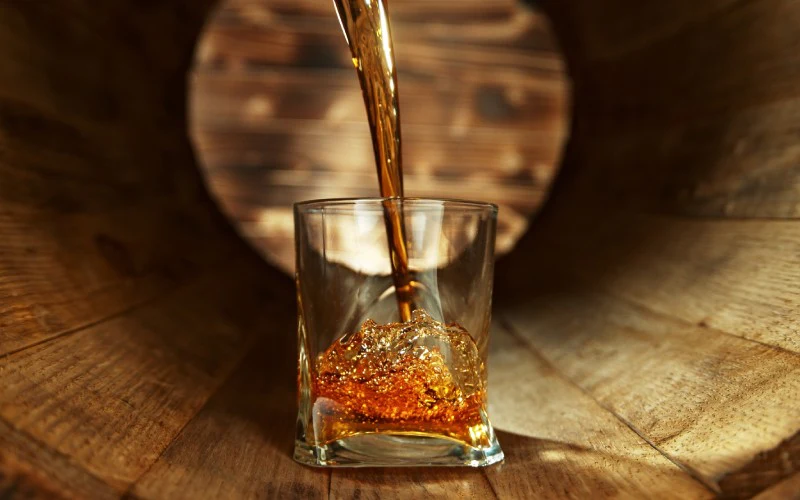
Once the grain is selected and processed, it undergoes fermentation, where the sugars in the grains are converted into alcohol. The distillation process, which follows fermentation, is where the grain’s influence truly shines. The grain’s composition, its starch content, and the way it reacts to heat all contribute to the distillation process.

1. Fermentation and Mashing
The first step in whisky production is mashing, where grains are ground and combined with water to release their starches. For whisky, the grains are usually mashed together with hot water to convert the starches into fermentable sugars. This process is crucial because the higher the starch content in the grain, the more sugar can be converted, leading to a higher alcohol yield. Barley, for example, is a highly fermentable grain and is often used for malt whisky because it yields a higher amount of alcohol during fermentation.

2. Distillation
Once fermentation is complete, the resulting wash is distilled to separate the alcohol from the water and other components. Different grains have varying levels of fermentable sugars, which affects how much alcohol can be distilled. For example, corn-based whiskies like bourbon are distilled to a higher proof because the fermentation process produces more alcohol due to the high sugar content of corn. Rye and barley-based whiskies, on the other hand, tend to have a lower proof because they yield less alcohol during fermentation. The distillation process can also be influenced by the type of still used, with pot stills often giving more flavor complexity compared to column stills.

3. Aging
Although grain contributes to the initial flavors of whisky, aging is another critical factor in shaping the final character. The interaction between the whisky and the wooden cask—whether it’s oak or another wood—allows the spirit to absorb additional flavors over time. The grain’s interaction with the cask influences the whisky’s sweetness, spiciness, and richness. A whisky made from rye, for instance, may absorb more intense flavors from the wood, while a corn-based whisky like bourbon may mellow out and take on smoother, sweeter notes during aging.

Conclusion

Grain plays a vital role in shaping the unique character of whisky, from the flavors it imparts to the distillation process. Whether it’s the rich maltiness of barley, the sweetness of corn, the spiciness of rye, or the smoothness of wheat, each grain offers distinct qualities that contribute to the final profile of the whisky. The grain used not only impacts the flavor but also determines the distillation process and influences the aging process. By understanding the relationship between grain and whisky, enthusiasts can gain a deeper appreciation for the complex, rich flavors that make whisky one of the world’s most celebrated spirits.


Tags: barley whiskybourbongrain in whiskywhiskey productionwhisky
ShareTweetShare

Related Posts

The Origins of Grain Spirits: Power, Society, and the Birth of Distilled Alcohol
Grain Spirits

The Future of Grain Spirits: Reinvention in an Age of Change

March 30, 2026
The Origins of Grain Spirits: Power, Society, and the Birth of Distilled Alcohol
Grain Spirits

The Psychology of Grain Spirits: Identity, Control, and the Language of Power

March 30, 2026
The Origins of Grain Spirits: Power, Society, and the Birth of Distilled Alcohol
Grain Spirits

A World in a Glass: Mapping Grain Spirits Across Cultures and Continents

March 30, 2026
The Origins of Grain Spirits: Power, Society, and the Birth of Distilled Alcohol
Grain Spirits

From Grain to Glass: The Complete Process of Making Grain Spirits

March 30, 2026
The Origins of Grain Spirits: Power, Society, and the Birth of Distilled Alcohol
Grain Spirits

The Origins of Grain Spirits: Power, Society, and the Birth of Distilled Alcohol

March 30, 2026
Can Beer Be an Effective Ingredient in Culinary Cooking?
ALL

Can Beer Be an Effective Ingredient in Culinary Cooking?

January 22, 2026
Leave Comment
  • Trending
  • Comments
  • Latest
Role of Terroir in Champagne Production

Role of Terroir in Champagne Production

January 19, 2026
Champagne Can Be Aged in Wood?

Champagne Can Be Aged in Wood?

January 18, 2026
Is Organic Wine Healthier Than Conventional Wine?

Is Organic Wine Healthier Than Conventional Wine?

January 20, 2026
Why Do Some Champagnes Use a High Proportion of Pinot Meunier?

Why Do Some Champagnes Use a High Proportion of Pinot Meunier?

January 20, 2026
The Timeless Elegance of Wine: A Journey Through History and Culture

The Timeless Elegance of Wine: A Journey Through History and Culture

Why Is Château Lafite Rothschild the Pinnacle of Fine Wine?

Why Is Château Lafite Rothschild the Pinnacle of Fine Wine?

How Did Château Lafite Rothschild Become a Global Icon of Luxury?

How Did Château Lafite Rothschild Become a Global Icon of Luxury?

What Makes Chateau Lafite Rothschild the Pinnacle of Bordeaux Wines?

What Makes Chateau Lafite Rothschild the Pinnacle of Bordeaux Wines?

Champagne — The Ultimate Symbol of Elegance, Celebration, and Craft

The Art of Champagne Tasting — A Refined Guide to Elegance, Precision, and Sensory Mastery

April 15, 2026
Champagne — The Ultimate Symbol of Elegance, Celebration, and Craft

The Business of Champagne — Luxury Strategy, Brand Power, and the Economics of Prestige

April 15, 2026
Champagne — The Ultimate Symbol of Elegance, Celebration, and Craft

The Science of Champagne — Bubbles, Pressure, and the Precision Behind Elegance

April 15, 2026
Champagne — The Ultimate Symbol of Elegance, Celebration, and Craft

Champagne Lifestyle — Luxury, Ritual, and the Art of Celebration

April 15, 2026
SipsavorLife

Welcome to our comprehensive beverage guide, where you can explore the fascinating world of alcoholic drinks. From exquisite wines and rich whiskeys to refreshing beers and sparkling champagnes, we provide insights, tips, and recommendations for enthusiasts and casual drinkers alike. Discover your next favorite libation with us!

© 2025 sipsavorlife.com. contacts:sipsavorlife-35376@gmail.com

No Result
View All Result
  • Home
  • Wine
  • Whiskey
  • Beer
  • Grain Spirits
  • Champagne
  • ALL

© 2025 sipsavorlife.com. contacts:sipsavorlife-35376@gmail.com

Welcome Back!

Login to your account below

Forgotten Password?

Retrieve your password

Please enter your username or email address to reset your password.

Log In





