









SipsavorLife
  • Home
  • Wine
    Wine Pairings: Can They Change the Flavor Profile of a Dish?

    Wine Pairings: Can They Change the Flavor Profile of a Dish?

    How Do Wine Glasses Influence the Tasting Experience?

    How Do Wine Glasses Influence the Tasting Experience?

    Is Organic Wine Healthier Than Conventional Wine?

    Is Organic Wine Healthier Than Conventional Wine?

    Why Do Some Wines Taste Better from Specific Vintages?

    Why Do Some Wines Taste Better from Specific Vintages?

    Wine Tasting: Can It Truly Be an Art Form?

    Wine Tasting: Can It Truly Be an Art Form?

    What Does Terroir Actually Mean for Your Wine?

    What Does Terroir Actually Mean for Your Wine?

  • Whiskey
    Can Beer Be an Effective Ingredient in Culinary Cooking?

    Can Beer Be an Effective Ingredient in Culinary Cooking?

    Second Fermentation in Champagne: Is It Really That Crucial?

    Second Fermentation in Champagne: Is It Really That Crucial?

    How Do Different Grains Impact the Flavor Profile of Distilled Spirits?

    How Do Different Grains Impact the Flavor Profile of Distilled Spirits?

    How Do Whiskey Master Blenders Create Perfection?

    How Do Whiskey Master Blenders Create Perfection?

    Wine Pairings: Can They Change the Flavor Profile of a Dish?

    Wine Pairings: Can They Change the Flavor Profile of a Dish?

    Beer the Ultimate Beverage for Pairing with Spicy Food?

    Beer the Ultimate Beverage for Pairing with Spicy Food?

  • Beer
    Can Beer Be an Effective Ingredient in Culinary Cooking?

    Can Beer Be an Effective Ingredient in Culinary Cooking?

    Beer the Ultimate Beverage for Pairing with Spicy Food?

    Beer the Ultimate Beverage for Pairing with Spicy Food?

    How Did Ancient Civilizations Brew Beer Without Modern Technology?

    How Did Ancient Civilizations Brew Beer Without Modern Technology?

    Is It Possible to Brew a Beer with No Alcohol and No Compromise on Taste?

    Is It Possible to Brew a Beer with No Alcohol and No Compromise on Taste?

    Why Does Beer Taste Different at High Altitudes?

    Why Does Beer Taste Different at High Altitudes?

    Is Hops the Secret Ingredient Behind Beer’s Bold Flavor?

    Is Hops the Secret Ingredient Behind Beer’s Bold Flavor?

  • Grain Spirits
    How Do Different Grains Impact the Flavor Profile of Distilled Spirits?

    How Do Different Grains Impact the Flavor Profile of Distilled Spirits?

    Grain Spirits the Unsung Heroes of Modern Mixology

    Grain Spirits the Unsung Heroes of Modern Mixology

    What Makes Grain-Based Whiskey So Different from Its Peated Cousins?

    What Makes Grain-Based Whiskey So Different from Its Peated Cousins?

    Grain Spirits: Could They Be the Next Big Trend in Craft Cocktails?

    Grain Spirits: Could They Be the Next Big Trend in Craft Cocktails?

    Why Are Grain Spirits Often Overlooked in the World of Fine Liquor?

    Why Are Grain Spirits Often Overlooked in the World of Fine Liquor?

    Is There a Secret Art to Distilling Grain Spirits?

    Is There a Secret Art to Distilling Grain Spirits?

  • Champagne
    Second Fermentation in Champagne: Is It Really That Crucial?

    Second Fermentation in Champagne: Is It Really That Crucial?

    The Science Behind the ‘Bubble Size’ in Champagne

    The Science Behind the ‘Bubble Size’ in Champagne

    Why Do Some Champagnes Use a High Proportion of Pinot Meunier?

    Why Do Some Champagnes Use a High Proportion of Pinot Meunier?

    Role of Terroir in Champagne Production

    Role of Terroir in Champagne Production

    Champagne Can Be Aged in Wood?

    Champagne Can Be Aged in Wood?

    Is There a Difference Between Blanc de Blancs and Blanc de Noirs Champagne?

    Is There a Difference Between Blanc de Blancs and Blanc de Noirs Champagne?

  • ALL
    Can Beer Be an Effective Ingredient in Culinary Cooking?

    Can Beer Be an Effective Ingredient in Culinary Cooking?

    Second Fermentation in Champagne: Is It Really That Crucial?

    Second Fermentation in Champagne: Is It Really That Crucial?

    How Do Different Grains Impact the Flavor Profile of Distilled Spirits?

    How Do Different Grains Impact the Flavor Profile of Distilled Spirits?

    How Do Whiskey Master Blenders Create Perfection?

    How Do Whiskey Master Blenders Create Perfection?

    Wine Pairings: Can They Change the Flavor Profile of a Dish?

    Wine Pairings: Can They Change the Flavor Profile of a Dish?

    Beer the Ultimate Beverage for Pairing with Spicy Food?

    Beer the Ultimate Beverage for Pairing with Spicy Food?

SipsavorLife
  • Home
  • Wine
    Wine Pairings: Can They Change the Flavor Profile of a Dish?

    Wine Pairings: Can They Change the Flavor Profile of a Dish?

    How Do Wine Glasses Influence the Tasting Experience?

    How Do Wine Glasses Influence the Tasting Experience?

    Is Organic Wine Healthier Than Conventional Wine?

    Is Organic Wine Healthier Than Conventional Wine?

    Why Do Some Wines Taste Better from Specific Vintages?

    Why Do Some Wines Taste Better from Specific Vintages?

    Wine Tasting: Can It Truly Be an Art Form?

    Wine Tasting: Can It Truly Be an Art Form?

    What Does Terroir Actually Mean for Your Wine?

    What Does Terroir Actually Mean for Your Wine?

  • Whiskey
    Can Beer Be an Effective Ingredient in Culinary Cooking?

    Can Beer Be an Effective Ingredient in Culinary Cooking?

    Second Fermentation in Champagne: Is It Really That Crucial?

    Second Fermentation in Champagne: Is It Really That Crucial?

    How Do Different Grains Impact the Flavor Profile of Distilled Spirits?

    How Do Different Grains Impact the Flavor Profile of Distilled Spirits?

    How Do Whiskey Master Blenders Create Perfection?

    How Do Whiskey Master Blenders Create Perfection?

    Wine Pairings: Can They Change the Flavor Profile of a Dish?

    Wine Pairings: Can They Change the Flavor Profile of a Dish?

    Beer the Ultimate Beverage for Pairing with Spicy Food?

    Beer the Ultimate Beverage for Pairing with Spicy Food?

  • Beer
    Can Beer Be an Effective Ingredient in Culinary Cooking?

    Can Beer Be an Effective Ingredient in Culinary Cooking?

    Beer the Ultimate Beverage for Pairing with Spicy Food?

    Beer the Ultimate Beverage for Pairing with Spicy Food?

    How Did Ancient Civilizations Brew Beer Without Modern Technology?

    How Did Ancient Civilizations Brew Beer Without Modern Technology?

    Is It Possible to Brew a Beer with No Alcohol and No Compromise on Taste?

    Is It Possible to Brew a Beer with No Alcohol and No Compromise on Taste?

    Why Does Beer Taste Different at High Altitudes?

    Why Does Beer Taste Different at High Altitudes?

    Is Hops the Secret Ingredient Behind Beer’s Bold Flavor?

    Is Hops the Secret Ingredient Behind Beer’s Bold Flavor?

  • Grain Spirits
    How Do Different Grains Impact the Flavor Profile of Distilled Spirits?

    How Do Different Grains Impact the Flavor Profile of Distilled Spirits?

    Grain Spirits the Unsung Heroes of Modern Mixology

    Grain Spirits the Unsung Heroes of Modern Mixology

    What Makes Grain-Based Whiskey So Different from Its Peated Cousins?

    What Makes Grain-Based Whiskey So Different from Its Peated Cousins?

    Grain Spirits: Could They Be the Next Big Trend in Craft Cocktails?

    Grain Spirits: Could They Be the Next Big Trend in Craft Cocktails?

    Why Are Grain Spirits Often Overlooked in the World of Fine Liquor?

    Why Are Grain Spirits Often Overlooked in the World of Fine Liquor?

    Is There a Secret Art to Distilling Grain Spirits?

    Is There a Secret Art to Distilling Grain Spirits?

  • Champagne
    Second Fermentation in Champagne: Is It Really That Crucial?

    Second Fermentation in Champagne: Is It Really That Crucial?

    The Science Behind the ‘Bubble Size’ in Champagne

    The Science Behind the ‘Bubble Size’ in Champagne

    Why Do Some Champagnes Use a High Proportion of Pinot Meunier?

    Why Do Some Champagnes Use a High Proportion of Pinot Meunier?

    Role of Terroir in Champagne Production

    Role of Terroir in Champagne Production

    Champagne Can Be Aged in Wood?

    Champagne Can Be Aged in Wood?

    Is There a Difference Between Blanc de Blancs and Blanc de Noirs Champagne?

    Is There a Difference Between Blanc de Blancs and Blanc de Noirs Champagne?

  • ALL
    Can Beer Be an Effective Ingredient in Culinary Cooking?

    Can Beer Be an Effective Ingredient in Culinary Cooking?

    Second Fermentation in Champagne: Is It Really That Crucial?

    Second Fermentation in Champagne: Is It Really That Crucial?

    How Do Different Grains Impact the Flavor Profile of Distilled Spirits?

    How Do Different Grains Impact the Flavor Profile of Distilled Spirits?

    How Do Whiskey Master Blenders Create Perfection?

    How Do Whiskey Master Blenders Create Perfection?

    Wine Pairings: Can They Change the Flavor Profile of a Dish?

    Wine Pairings: Can They Change the Flavor Profile of a Dish?

    Beer the Ultimate Beverage for Pairing with Spicy Food?

    Beer the Ultimate Beverage for Pairing with Spicy Food?

SipsavorLife
No Result
View All Result
Home ALL

What’s the Secret Behind the Perfect Malt in Every Beer?

February 24, 2025
in ALL, Beer
What’s the Secret Behind the Perfect Malt in Every Beer?

Types of Malt and Their Contribution to Beer

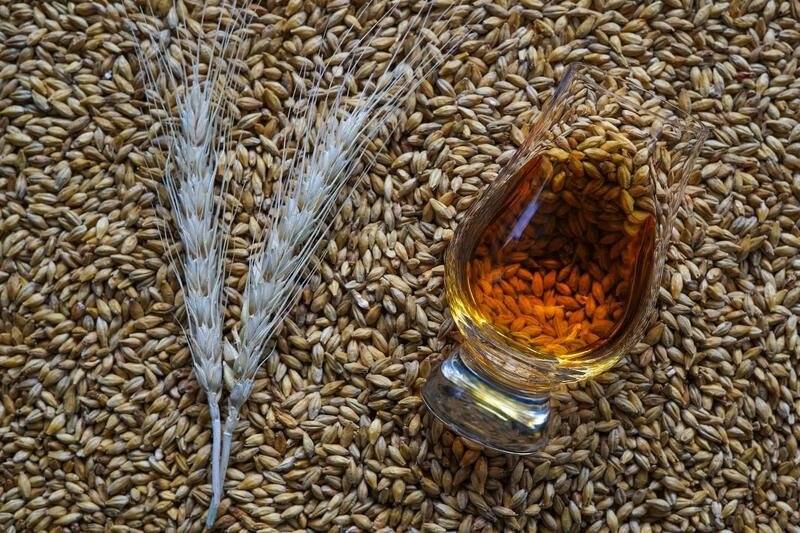
Malt is one of the four essential ingredients in beer, alongside water, hops, and yeast. It provides the foundation for the flavor, color, and body of the beer, and it plays a key role in defining the style of the brew. At its core, malt is simply barley (or other grains) that has been germinated and then dried through a process known as malting. However, the way this process is carried out and the type of malt used can have a significant impact on the final beer product.

1. Base Malts Base malts, which make up the majority of the malt bill in most beers, are essential for providing fermentable sugars. These malts have been kilned to a lighter color and have a mild flavor that serves as the foundation for the beer. Common base malts include pale malt, pilsner malt, and two-row malt. Pale malt is the most widely used and is typically used in styles such as pale ales, IPAs, and lagers. It contributes a light, bready flavor and is the primary source of sugar that yeast will ferment into alcohol.

2. Specialty Malts Specialty malts are used in smaller quantities and add specific flavors, colors, and textures to the beer. They can range from light to dark and impart a wide variety of flavors, from toasty and biscuity to caramel, chocolate, and coffee. These malts are kilned at higher temperatures to develop deeper flavors and darker colors. Examples of specialty malts include caramel (or crystal) malt, chocolate malt, roasted barley, and Munich malt.

  • Caramel/Crystal Malt: Adds sweetness, body, and color, with a characteristic caramel or toasty flavor. It’s used in many styles such as amber ales, porters, and stouts.
  • Chocolate Malt: As the name suggests, chocolate malt adds flavors reminiscent of chocolate and coffee. It’s typically used in darker beer styles like stouts and porters.
  • Roasted Barley: Adds a bold, roasted, and slightly bitter flavor. It is commonly used in stouts to give them their signature dark, roasted characteristics.
  • Munich Malt: Adds a malty, rich flavor with a slight sweetness and is often used in beers like Bocks, Dunkels, and Märzen.

3. Adjunct Malts Adjunct malts are used to complement or enhance the flavor of base and specialty malts. They might not be malted in the traditional sense but are often included for their unique properties. Common adjuncts include wheat, oats, rye, corn, and rice. Wheat malts, for example, add a slightly grainy flavor and improve head retention, making them popular in wheat beers like Hefeweizens. Oats are often used in stouts and IPAs to improve mouthfeel and give the beer a silky, smooth texture.

How Malt Impacts Sweetness, Color, and Mouthfeel

The choice of malt in beer can greatly affect its sweetness, color, and mouthfeel. The malting process, as well as the way the malt is used during brewing, determines these key characteristics.

1. Sweetness Malt is the primary source of fermentable sugars in beer, and it contributes to the beer’s overall sweetness. During the mashing process, enzymes in the malt break down the starches into simpler sugars that yeast can ferment into alcohol. However, some of the sugars remain unfermented, contributing residual sweetness.

  • High-Gravity Beers: Strong beers like barleywines or imperial stouts often use a higher proportion of specialty malts like caramel malt to boost sweetness and create a fuller, more syrupy flavor.
  • Lighter Beers: Lighter beers such as pilsners or pale ales use a greater proportion of base malts like pale malt, which imparts a milder sweetness that allows other flavors, like hops, to shine through.

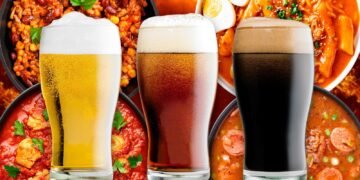
2. Color Malt is also responsible for the color of the beer, which can range from pale gold to deep brown or black, depending on the types of malts used. The color of the malt is determined by how long it has been kilned and at what temperature. Lighter malts, like pale malt, result in lighter beer colors, while darker malts, such as roasted barley, contribute to darker beer styles like stouts and porters.

  • Light Malts: Pale malt and pilsner malt result in light-colored beers, such as lagers and pale ales, where the color ranges from golden to pale amber.
  • Dark Malts: Roasted barley, chocolate malt, and black malt are used in darker beers like stouts and porters, producing deep brown to black beers with a rich, dark appearance.

3. Mouthfeel Mouthfeel refers to the texture and body of the beer, and malt plays an essential role in how a beer feels in the mouth. The combination of the malt’s residual sweetness, proteins, and starches can create a smooth, creamy, or dry mouthfeel.

  • High Protein Malts: Malts like wheat and oats contain higher protein content, which contributes to a smooth, creamy, and full-bodied mouthfeel. Wheat malts are especially prized in beers like Hefeweizens for their mouthfeel and ability to retain a thick head.
  • Dry Malts: On the other hand, highly kilned malts or those used in lighter beers will result in a drier mouthfeel, which is often preferred in styles like pilsners or lagers.
The Art of Selecting the Right Malt for Each Style

Selecting the right malt for a beer is a delicate balance of art and science. The right malt can elevate a beer’s flavor, enhance its color, and refine its mouthfeel. Brewers must consider the desired characteristics of the beer style they’re brewing and carefully select the appropriate malts to achieve the desired result.

1. Matching Malts to Beer Styles Every beer style has its own set of guidelines, both in terms of flavor profile and appearance. A pale ale, for example, will require a light malt base, such as pale malt, with a small addition of specialty malts to add depth. On the other hand, a stout will need a combination of darker malts, like roasted barley and chocolate malt, to provide its characteristic bold flavor and dark color.

  • Pale Ales & IPAs: These beers require a clean malt profile that allows the hops to shine through. Pale malts form the backbone of these beers, with a slight addition of caramel malts for balance and body.
  • Stouts & Porters: Dark, roasted malts are essential to create the deep, roasted flavors found in stouts and porters. The right balance of roasted barley, chocolate malt, and caramel malt can create a rich, complex flavor profile with a smooth, creamy body.
  • Wheat Beers: Wheat malts, along with barley, are often used to create refreshing wheat beers. These malts contribute to the cloudy appearance, smooth texture, and light, bready flavor found in beers like Hefeweizen or Witbier.

2. Adjusting Malt to Enhance Flavor In some cases, a brewer might adjust their malt choice to enhance a specific flavor or characteristic they want to emphasize. For example, a brewer aiming for a malty, rich flavor might increase the proportion of Munich malt or caramel malt in their recipe. A brewer looking to create a more complex flavor profile might use a combination of light and dark malts, playing with the balance to create layered flavors of toast, caramel, or even nuttiness.

3. Experimenting with New Malts Brewers are always experimenting with new and innovative malt varieties to create unique beer styles. Some craft brewers even source special malts from specific regions or use ancient grains to add character to their beer. For example, the use of rye malts can add a subtle spiciness to a beer, while oats create a silky mouthfeel. As brewing techniques and malt varieties evolve, the possibilities for creating new, exciting flavors continue to expand.

Conclusion

Malt is a cornerstone of beer flavor, contributing sweetness, color, and mouthfeel that define each beer style. Understanding the different types of malts and their contributions allows brewers to craft beers that express a wide range of flavors and textures. From the light, bready maltiness of a pilsner to the deep, roasted flavors of a stout, the role of malt is pivotal in every beer. Selecting the right malt is not just a technical decision—it’s an art form that helps brewers create beers that are complex, balanced, and unforgettable.

Tags: beer flavorsbeer maltsbeer stylesbrewing processmalt
ShareTweetShare

Related Posts

Can Beer Be an Effective Ingredient in Culinary Cooking?
ALL

Can Beer Be an Effective Ingredient in Culinary Cooking?

January 22, 2026
Second Fermentation in Champagne: Is It Really That Crucial?
ALL

Second Fermentation in Champagne: Is It Really That Crucial?

January 22, 2026
How Do Different Grains Impact the Flavor Profile of Distilled Spirits?
ALL

How Do Different Grains Impact the Flavor Profile of Distilled Spirits?

January 22, 2026
How Do Whiskey Master Blenders Create Perfection?
ALL

How Do Whiskey Master Blenders Create Perfection?

January 22, 2026
Wine Pairings: Can They Change the Flavor Profile of a Dish?
ALL

Wine Pairings: Can They Change the Flavor Profile of a Dish?

January 22, 2026
Beer the Ultimate Beverage for Pairing with Spicy Food?
ALL

Beer the Ultimate Beverage for Pairing with Spicy Food?

January 21, 2026
Leave Comment
  • Trending
  • Comments
  • Latest
What Hidden Craftsmanship Lies Behind a Bottle of Quality Grain Spirits?

What Hidden Craftsmanship Lies Behind a Bottle of Quality Grain Spirits?

July 3, 2025
How Is Champagne Made? The Secrets Behind the Sparkle

How Is Champagne Made? The Secrets Behind the Sparkle

April 15, 2025
Grain Spirits vs. Traditional Distilled Spirits: Which One Suits Your Taste?

Grain Spirits vs. Traditional Distilled Spirits: Which One Suits Your Taste?

July 3, 2025
Champagne Bubbles: How Do They Perfectly Convey Celebration, Joy, and Luxury?

Champagne Bubbles: How Do They Perfectly Convey Celebration, Joy, and Luxury?

July 2, 2025
The Timeless Elegance of Wine: A Journey Through History and Culture

The Timeless Elegance of Wine: A Journey Through History and Culture

Why Is Château Lafite Rothschild the Pinnacle of Fine Wine?

Why Is Château Lafite Rothschild the Pinnacle of Fine Wine?

How Did Château Lafite Rothschild Become a Global Icon of Luxury?

How Did Château Lafite Rothschild Become a Global Icon of Luxury?

What Makes Chateau Lafite Rothschild the Pinnacle of Bordeaux Wines?

What Makes Chateau Lafite Rothschild the Pinnacle of Bordeaux Wines?

Can Beer Be an Effective Ingredient in Culinary Cooking?

Can Beer Be an Effective Ingredient in Culinary Cooking?

January 22, 2026
Second Fermentation in Champagne: Is It Really That Crucial?

Second Fermentation in Champagne: Is It Really That Crucial?

January 22, 2026
How Do Different Grains Impact the Flavor Profile of Distilled Spirits?

How Do Different Grains Impact the Flavor Profile of Distilled Spirits?

January 22, 2026
How Do Whiskey Master Blenders Create Perfection?

How Do Whiskey Master Blenders Create Perfection?

January 22, 2026
SipsavorLife

Welcome to our comprehensive beverage guide, where you can explore the fascinating world of alcoholic drinks. From exquisite wines and rich whiskeys to refreshing beers and sparkling champagnes, we provide insights, tips, and recommendations for enthusiasts and casual drinkers alike. Discover your next favorite libation with us!

© 2025 sipsavorlife.com. contacts:sipsavorlife-35376@gmail.com

No Result
View All Result
  • Home
  • Wine
  • Whiskey
  • Beer
  • Grain Spirits
  • Champagne
  • ALL

© 2025 sipsavorlife.com. contacts:sipsavorlife-35376@gmail.com

Welcome Back!

Login to your account below

Forgotten Password?

Retrieve your password

Please enter your username or email address to reset your password.

Log In