SipsavorLife
  • Home
  • Wine
    Wine as a Cultural Artifact: History, Identity, and the Evolution of Taste

    The Art and Science of Wine & Food Pairing: How to Create Perfect Matches Every Time

    Wine as a Cultural Artifact: History, Identity, and the Evolution of Taste

    A Complete Guide to Wine Styles and Grape Varieties: From Cabernet Sauvignon to Riesling

    Wine as a Cultural Artifact: History, Identity, and the Evolution of Taste

    The Global Wine Industry: Economics, Markets, and the Future of Consumption

    Wine as a Cultural Artifact: History, Identity, and the Evolution of Taste

    The Science of Wine Tasting: How Chemistry, Biology, and Perception Shape Flavor

    Wine as a Cultural Artifact: History, Identity, and the Evolution of Taste

    Wine as a Cultural Artifact: History, Identity, and the Evolution of Taste

    Red Wine — The Liquid Expression of Land, Time, and Human Intention

    The Future of Red Wine — Climate Change, Technology, and the Evolution of Taste

  • Whiskey
    Can Beer Be an Effective Ingredient in Culinary Cooking?

    Can Beer Be an Effective Ingredient in Culinary Cooking?

    Second Fermentation in Champagne: Is It Really That Crucial?

    Second Fermentation in Champagne: Is It Really That Crucial?

    How Do Different Grains Impact the Flavor Profile of Distilled Spirits?

    How Do Different Grains Impact the Flavor Profile of Distilled Spirits?

    How Do Whiskey Master Blenders Create Perfection?

    How Do Whiskey Master Blenders Create Perfection?

    Wine Pairings: Can They Change the Flavor Profile of a Dish?

    Wine Pairings: Can They Change the Flavor Profile of a Dish?

    Beer the Ultimate Beverage for Pairing with Spicy Food?

    Beer the Ultimate Beverage for Pairing with Spicy Food?

  • Beer
    The Global Craft Beer Revolution: How Independent Breweries Changed Modern Drinking Culture

    The Future of Beer: Innovation, Sustainability, and the Changing Global Drinking Culture

    The Global Craft Beer Revolution: How Independent Breweries Changed Modern Drinking Culture

    Beer Around the World: A Journey Through Global Brewing Traditions

    The Global Craft Beer Revolution: How Independent Breweries Changed Modern Drinking Culture

    The Science of Beer: Fermentation, Chemistry, and the Art of Brewing

    The Global Craft Beer Revolution: How Independent Breweries Changed Modern Drinking Culture

    Beer and Civilization: The Ancient History of Humanity’s Oldest Social Drink

    The Global Craft Beer Revolution: How Independent Breweries Changed Modern Drinking Culture

    The Global Craft Beer Revolution: How Independent Breweries Changed Modern Drinking Culture

    Beer as a Cultural and Social Force: From Ancient Brew to Modern Identity

    The Art of Beer & Food Pairing: Unlocking Flavor Through Balance, Contrast, and Texture

  • Grain Spirits
    Grain Spirits Explained — The Foundation of Global Distillation

    The Future of Grain Spirits — Technology, Sustainability, and the Next Era of Distillation

    Grain Spirits Explained — The Foundation of Global Distillation

    Grain Spirits Around the World — Vodka, Whisky Bases, and Industrial Applications

    Grain Spirits Explained — The Foundation of Global Distillation

    Distillation Systems — Pot Still vs Column Still, and the Balance Between Efficiency and Flavor

    Grain Spirits Explained — The Foundation of Global Distillation

    Grain Selection and Fermentation Science — How Raw Ingredients Shape Grain Spirits

    Grain Spirits Explained — The Foundation of Global Distillation

    Grain Spirits Explained — The Foundation of Global Distillation

    Grain Spirits and the Industrial Birth of Neutral Alcohol

    The Future of Grain Spirits — AI Distillation, Sustainability, and the Post-Flavor Alcohol Industry

  • Champagne
    The History of Champagne — From Accidental Sparkle to Global Luxury

    The Future of Champagne — Climate Change, Innovation, and Industry Evolution

    The History of Champagne — From Accidental Sparkle to Global Luxury

    The Culture of Champagne — Luxury, Celebration, and Global Influence

    The History of Champagne — From Accidental Sparkle to Global Luxury

    Champagne Styles Explained — Brut, Rosé, Vintage, and Beyond

    The History of Champagne — From Accidental Sparkle to Global Luxury

    The Craft of Champagne — Terroir, Grapes, and the Méthode Traditionnelle

    The History of Champagne — From Accidental Sparkle to Global Luxury

    The History of Champagne — From Accidental Sparkle to Global Luxury

    The Future of Champagne — Climate Change, Innovation, and the Evolution of Sparkling Wine

    The Future of Champagne — Climate Change, Innovation, and the Evolution of Sparkling Wine

  • ALL
    Can Beer Be an Effective Ingredient in Culinary Cooking?

    Can Beer Be an Effective Ingredient in Culinary Cooking?

    Second Fermentation in Champagne: Is It Really That Crucial?

    Second Fermentation in Champagne: Is It Really That Crucial?

    How Do Different Grains Impact the Flavor Profile of Distilled Spirits?

    How Do Different Grains Impact the Flavor Profile of Distilled Spirits?

    How Do Whiskey Master Blenders Create Perfection?

    How Do Whiskey Master Blenders Create Perfection?

    Wine Pairings: Can They Change the Flavor Profile of a Dish?

    Wine Pairings: Can They Change the Flavor Profile of a Dish?

    Beer the Ultimate Beverage for Pairing with Spicy Food?

    Beer the Ultimate Beverage for Pairing with Spicy Food?

SipsavorLife
  • Home
  • Wine
    Wine as a Cultural Artifact: History, Identity, and the Evolution of Taste

    The Art and Science of Wine & Food Pairing: How to Create Perfect Matches Every Time

    Wine as a Cultural Artifact: History, Identity, and the Evolution of Taste

    A Complete Guide to Wine Styles and Grape Varieties: From Cabernet Sauvignon to Riesling

    Wine as a Cultural Artifact: History, Identity, and the Evolution of Taste

    The Global Wine Industry: Economics, Markets, and the Future of Consumption

    Wine as a Cultural Artifact: History, Identity, and the Evolution of Taste

    The Science of Wine Tasting: How Chemistry, Biology, and Perception Shape Flavor

    Wine as a Cultural Artifact: History, Identity, and the Evolution of Taste

    Wine as a Cultural Artifact: History, Identity, and the Evolution of Taste

    Red Wine — The Liquid Expression of Land, Time, and Human Intention

    The Future of Red Wine — Climate Change, Technology, and the Evolution of Taste

  • Whiskey
    Can Beer Be an Effective Ingredient in Culinary Cooking?

    Can Beer Be an Effective Ingredient in Culinary Cooking?

    Second Fermentation in Champagne: Is It Really That Crucial?

    Second Fermentation in Champagne: Is It Really That Crucial?

    How Do Different Grains Impact the Flavor Profile of Distilled Spirits?

    How Do Different Grains Impact the Flavor Profile of Distilled Spirits?

    How Do Whiskey Master Blenders Create Perfection?

    How Do Whiskey Master Blenders Create Perfection?

    Wine Pairings: Can They Change the Flavor Profile of a Dish?

    Wine Pairings: Can They Change the Flavor Profile of a Dish?

    Beer the Ultimate Beverage for Pairing with Spicy Food?

    Beer the Ultimate Beverage for Pairing with Spicy Food?

  • Beer
    The Global Craft Beer Revolution: How Independent Breweries Changed Modern Drinking Culture

    The Future of Beer: Innovation, Sustainability, and the Changing Global Drinking Culture

    The Global Craft Beer Revolution: How Independent Breweries Changed Modern Drinking Culture

    Beer Around the World: A Journey Through Global Brewing Traditions

    The Global Craft Beer Revolution: How Independent Breweries Changed Modern Drinking Culture

    The Science of Beer: Fermentation, Chemistry, and the Art of Brewing

    The Global Craft Beer Revolution: How Independent Breweries Changed Modern Drinking Culture

    Beer and Civilization: The Ancient History of Humanity’s Oldest Social Drink

    The Global Craft Beer Revolution: How Independent Breweries Changed Modern Drinking Culture

    The Global Craft Beer Revolution: How Independent Breweries Changed Modern Drinking Culture

    Beer as a Cultural and Social Force: From Ancient Brew to Modern Identity

    The Art of Beer & Food Pairing: Unlocking Flavor Through Balance, Contrast, and Texture

  • Grain Spirits
    Grain Spirits Explained — The Foundation of Global Distillation

    The Future of Grain Spirits — Technology, Sustainability, and the Next Era of Distillation

    Grain Spirits Explained — The Foundation of Global Distillation

    Grain Spirits Around the World — Vodka, Whisky Bases, and Industrial Applications

    Grain Spirits Explained — The Foundation of Global Distillation

    Distillation Systems — Pot Still vs Column Still, and the Balance Between Efficiency and Flavor

    Grain Spirits Explained — The Foundation of Global Distillation

    Grain Selection and Fermentation Science — How Raw Ingredients Shape Grain Spirits

    Grain Spirits Explained — The Foundation of Global Distillation

    Grain Spirits Explained — The Foundation of Global Distillation

    Grain Spirits and the Industrial Birth of Neutral Alcohol

    The Future of Grain Spirits — AI Distillation, Sustainability, and the Post-Flavor Alcohol Industry

  • Champagne
    The History of Champagne — From Accidental Sparkle to Global Luxury

    The Future of Champagne — Climate Change, Innovation, and Industry Evolution

    The History of Champagne — From Accidental Sparkle to Global Luxury

    The Culture of Champagne — Luxury, Celebration, and Global Influence

    The History of Champagne — From Accidental Sparkle to Global Luxury

    Champagne Styles Explained — Brut, Rosé, Vintage, and Beyond

    The History of Champagne — From Accidental Sparkle to Global Luxury

    The Craft of Champagne — Terroir, Grapes, and the Méthode Traditionnelle

    The History of Champagne — From Accidental Sparkle to Global Luxury

    The History of Champagne — From Accidental Sparkle to Global Luxury

    The Future of Champagne — Climate Change, Innovation, and the Evolution of Sparkling Wine

    The Future of Champagne — Climate Change, Innovation, and the Evolution of Sparkling Wine

  • ALL
    Can Beer Be an Effective Ingredient in Culinary Cooking?

    Can Beer Be an Effective Ingredient in Culinary Cooking?

    Second Fermentation in Champagne: Is It Really That Crucial?

    Second Fermentation in Champagne: Is It Really That Crucial?

    How Do Different Grains Impact the Flavor Profile of Distilled Spirits?

    How Do Different Grains Impact the Flavor Profile of Distilled Spirits?

    How Do Whiskey Master Blenders Create Perfection?

    How Do Whiskey Master Blenders Create Perfection?

    Wine Pairings: Can They Change the Flavor Profile of a Dish?

    Wine Pairings: Can They Change the Flavor Profile of a Dish?

    Beer the Ultimate Beverage for Pairing with Spicy Food?

    Beer the Ultimate Beverage for Pairing with Spicy Food?

SipsavorLife
No Result
View All Result
Home ALL

How Does the Grain Choice Impact Your Favorite Whiskey?

February 24, 2025
in ALL, Whiskey
How Does the Grain Choice Impact Your Favorite Whiskey?

The grains used in whiskey production are one of the key factors that determine its flavor, mouthfeel, and overall character. From barley and corn to rye and wheat, each grain imparts unique qualities to the final product, making the choice of grain one of the most important decisions in whiskey-making. In this article, we’ll explore how different grains impact whiskey production, how each grain influences the flavor, and we’ll even dive into tasting notes for whiskeys made from each type of grain. Let’s unravel the secrets of grain choice in whiskey-making!

The Role of Different Grains in Whiskey Production

Whiskey is made from a mash bill, which is a mixture of grains that are mashed, fermented, distilled, and aged to create the final spirit. The grains used in whiskey production are not just a matter of tradition or availability—they have a profound impact on the whiskey’s flavor, texture, and smoothness. Here’s how each grain contributes to the production process:

1. Barley: The Heart of Malt Whiskey
Barley is the foundation of many whiskey styles, especially single malt Scotch and some Irish whiskeys. The grain is malted by soaking it in water and allowing it to germinate, which activates enzymes that convert the starches into fermentable sugars.

  • Malt Whiskey: When barley is used as the sole grain in whiskey production (as in single malt Scotch or Irish whiskey), it provides a rich, malty flavor and a smooth mouthfeel. The malted barley gives the whiskey depth and complexity with subtle sweetness and nutty undertones.

2. Corn: The Sweetness of Bourbon
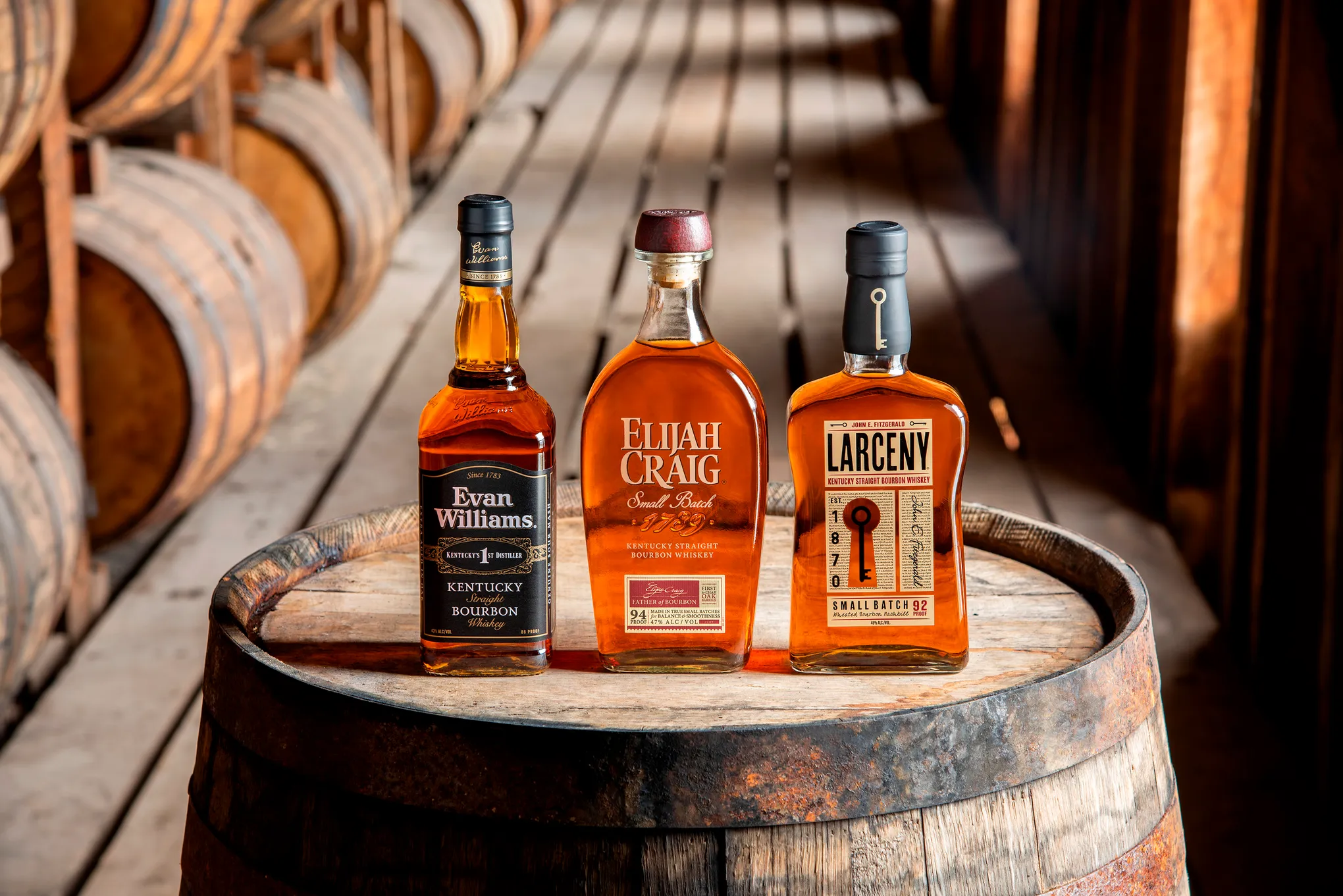
Corn is the primary grain used in bourbon production, and it has a significant influence on the whiskey’s overall character. Bourbon must be made from at least 51% corn, although many bourbons use a higher percentage.

  • Sweet and Full-Bodied: Corn contributes sweetness and roundness to bourbon. It imparts rich notes of caramel, vanilla, and honey, giving bourbon its characteristic smooth and full-bodied profile. Corn also tends to make bourbon feel slightly softer on the palate, making it more approachable for newcomers.

3. Rye: Spice and Boldness
Rye has a distinctive flavor profile that sets it apart from other grains. Rye whiskey must be made from at least 51% rye, and it is often associated with spicier, bolder whiskeys.

  • Spicy and Peppery: Rye adds a peppery and spicy edge to whiskey, creating a more complex and robust flavor. Whiskeys made with rye often have hints of clove, cinnamon, and nutmeg, and they tend to have a drier finish compared to those made with corn. Rye whiskey is perfect for those who appreciate a bit of heat and complexity in their drink.

4. Wheat: Soft and Smooth Whiskey
Wheat is a softer grain, and when it is used in whiskey production, it tends to create a smoother, more delicate spirit. Many wheated bourbons use wheat as the second grain, after corn, to soften the flavor profile.

  • Mellow and Creamy: Wheat brings a softer, creamier texture to whiskey. Whiskeys made with wheat tend to have a smooth, velvety mouthfeel with sweet flavors of vanilla, bread, and honey. Wheat whiskey is often less intense than rye whiskey, offering a gentler and more approachable flavor.

How Barley, Corn, Rye, and Wheat Change the Flavor

Each grain imparts specific flavors that contribute to the whiskey’s overall profile. Here’s a breakdown of how each grain affects the flavor of the whiskey:

1. Barley: Nutty and Sweet
Whiskeys made from barley, particularly malted barley, tend to have a malt-forward profile with rich, nutty flavors. The sweetness from the malted barley often manifests as honey, biscuit, or toffee. The fermentation process can also impart fruity notes, such as apple, pear, and dried fruit, which add to the complexity of the whiskey. Malt whiskey is often smoother and more refined compared to other grain-based whiskeys.

2. Corn: Sweet and Rich
Corn brings sweetness to the whiskey, which is most noticeable in bourbon. The high starch content in corn results in a sweeter, smoother whiskey with flavors of caramel, vanilla, and honey. The whiskey tends to be full-bodied, with a soft and rich mouthfeel. Corn-based whiskeys may also feature hints of oak, due to their aging in charred barrels, which further enhances their sweetness.

3. Rye: Bold and Spicy
Rye is known for its bold, spicy character. Rye whiskey often has a sharp, peppery flavor that makes it stand out from the more mellow corn-based whiskeys. Rye imparts flavors of black pepper, cloves, cinnamon, and nutmeg. These spicy elements make rye whiskeys ideal for those who enjoy a bolder, more intense drinking experience. Rye whiskeys may also have a dry finish, which balances out the spiciness.

4. Wheat: Soft and Smooth
Wheat-based whiskeys are typically lighter and smoother than other types of whiskey. The use of wheat in the mash bill creates a whiskey with a soft, creamy texture and a flavor profile that emphasizes vanilla, honey, and toasted bread. Wheat whiskey tends to be more delicate and less complex than other grain-based whiskeys, making it a good choice for those who prefer a gentler, more approachable drink.
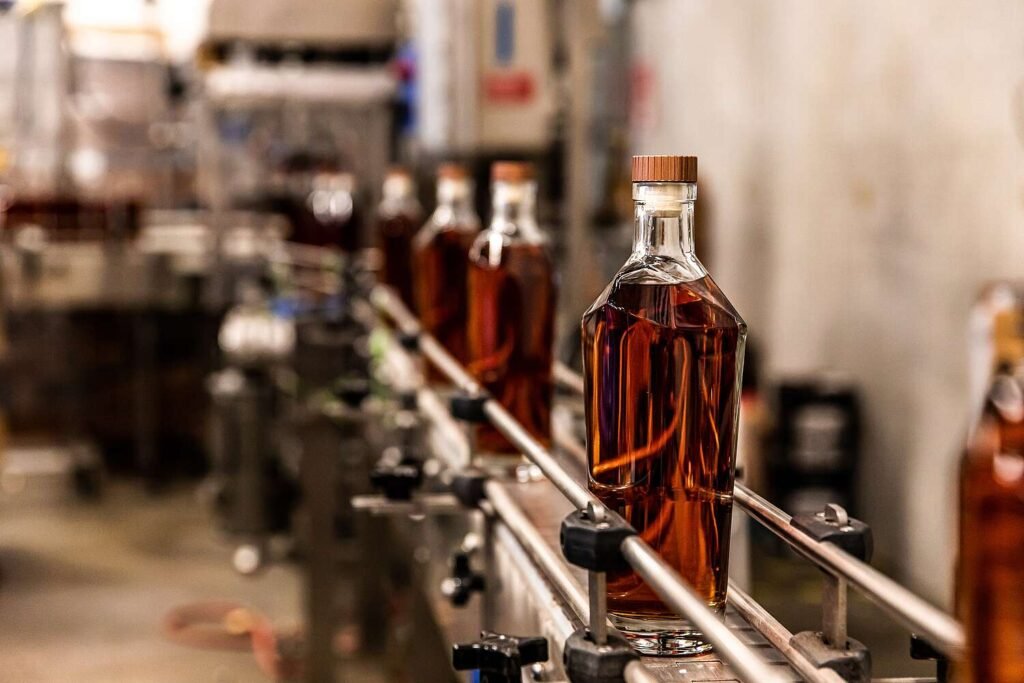
Tasting Notes of Whiskeys Made from Each Grain

Let’s explore some tasting notes from popular whiskeys made from each type of grain, highlighting the flavors and aromas that each grain brings to the spirit.

1. Barley (Single Malt Scotch)

  • Nose: Light and malty, with notes of fresh bread, honey, and a hint of dried fruit.
  • Palate: Smooth and slightly sweet, with flavors of toffee, biscuits, and a touch of nuttiness. Some single malts may have a peaty or smoky finish.
  • Finish: Long and warming, with a slight sweetness and a gentle malt aftertaste.

2. Corn (Bourbon)

  • Nose: Rich and sweet, with aromas of caramel, vanilla, and oak.
  • Palate: Full-bodied and sweet, with flavors of brown sugar, honey, and toffee. There’s a rich mouthfeel that’s soft and smooth.
  • Finish: A warm, long finish with hints of vanilla and toasted oak, creating a satisfying and sweet conclusion.

3. Rye (Rye Whiskey)

  • Nose: Bold and spicy, with notes of black pepper, cinnamon, and cloves.
  • Palate: Dry and spicy, with flavors of rye bread, peppercorn, and a subtle sweetness. Rye whiskey often has a bit of a bite compared to other whiskeys.
  • Finish: A dry, spicy finish with lingering warmth and peppery heat.

4. Wheat (Wheated Bourbon)

  • Nose: Soft and sweet, with aromas of vanilla, honey, and baked bread.
  • Palate: Smooth and mellow, with flavors of caramel, toasted grains, and light honey. The wheat gives it a creamy, velvety mouthfeel.
  • Finish: A soft, smooth finish with a touch of sweetness and a light, lingering honey flavor.

Conclusion

The choice of grain in whiskey production is far more than a technical decision—it is the key to the unique flavor, texture, and complexity of the spirit. Barley, corn, rye, and wheat each contribute distinct qualities to whiskey, whether it’s the smooth sweetness of corn, the bold spice of rye, the rich maltiness of barley, or the gentle creaminess of wheat. Understanding the role of different grains in whiskey production not only enhances your appreciation of the spirit but also helps you choose the whiskey that best suits your flavor preferences. So, the next time you sip your favorite whiskey, consider the grain that made it possible and savor the unique characteristics it brings to the glass.
Tags: barley whiskeycorn whiskeyrye whiskeywheat whiskeywhiskey grainswhiskey tasting notes
ShareTweetShare

Related Posts

The History of Whisky — From Monastic Origins to Global Industry
Whiskey

The Future of Whisky — Innovation, Sustainability, and Global Trends

April 25, 2026
The History of Whisky — From Monastic Origins to Global Industry
Whiskey

Whisky Culture — Rituals, Tasting, and Lifestyle

April 25, 2026
The History of Whisky — From Monastic Origins to Global Industry
Whiskey

Global Whisky Styles — Scotch, Bourbon, Japanese, and Beyond

April 25, 2026
The History of Whisky — From Monastic Origins to Global Industry
Whiskey

How Whisky Is Made — Grains, Distillation, and the Science of Aging

April 25, 2026
The History of Whisky — From Monastic Origins to Global Industry
Whiskey

The History of Whisky — From Monastic Origins to Global Industry

April 25, 2026
Whiskey and the Shape of Civilization — From Monasteries to Modern Glasses
Whiskey

The Economics of Whiskey — Scarcity, Investment, and the Psychology of Value

April 21, 2026
Leave Comment
  • Trending
  • Comments
  • Latest
Role of Terroir in Champagne Production

Role of Terroir in Champagne Production

January 19, 2026
Champagne Can Be Aged in Wood?

Champagne Can Be Aged in Wood?

January 18, 2026
Is Organic Wine Healthier Than Conventional Wine?

Is Organic Wine Healthier Than Conventional Wine?

January 20, 2026
Why Do Some Champagnes Use a High Proportion of Pinot Meunier?

Why Do Some Champagnes Use a High Proportion of Pinot Meunier?

January 20, 2026
The Timeless Elegance of Wine: A Journey Through History and Culture

The Timeless Elegance of Wine: A Journey Through History and Culture

Why Is Château Lafite Rothschild the Pinnacle of Fine Wine?

Why Is Château Lafite Rothschild the Pinnacle of Fine Wine?

How Did Château Lafite Rothschild Become a Global Icon of Luxury?

How Did Château Lafite Rothschild Become a Global Icon of Luxury?

What Makes Chateau Lafite Rothschild the Pinnacle of Bordeaux Wines?

What Makes Chateau Lafite Rothschild the Pinnacle of Bordeaux Wines?

The Global Craft Beer Revolution: How Independent Breweries Changed Modern Drinking Culture

The Future of Beer: Innovation, Sustainability, and the Changing Global Drinking Culture

May 18, 2026
The Global Craft Beer Revolution: How Independent Breweries Changed Modern Drinking Culture

Beer Around the World: A Journey Through Global Brewing Traditions

May 18, 2026
The Global Craft Beer Revolution: How Independent Breweries Changed Modern Drinking Culture

The Science of Beer: Fermentation, Chemistry, and the Art of Brewing

May 18, 2026
The Global Craft Beer Revolution: How Independent Breweries Changed Modern Drinking Culture

Beer and Civilization: The Ancient History of Humanity’s Oldest Social Drink

May 18, 2026
SipsavorLife

Welcome to our comprehensive beverage guide, where you can explore the fascinating world of alcoholic drinks. From exquisite wines and rich whiskeys to refreshing beers and sparkling champagnes, we provide insights, tips, and recommendations for enthusiasts and casual drinkers alike. Discover your next favorite libation with us!

© 2025 sipsavorlife.com. contacts:sipsavorlife-35376@gmail.com

No Result
View All Result
  • Home
  • Wine
  • Whiskey
  • Beer
  • Grain Spirits
  • Champagne
  • ALL

© 2025 sipsavorlife.com. contacts:sipsavorlife-35376@gmail.com

Welcome Back!

Login to your account below

Forgotten Password?

Retrieve your password

Please enter your username or email address to reset your password.

Log In