























SipsavorLife
  • Home
  • Wine
    The History, Culture, and Global Influence of Humanity’s Most Celebrated Beverage

    The Wine Revolution: How Modern Winemaking Transformed a Global Industry

    The History, Culture, and Global Influence of Humanity’s Most Celebrated Beverage

    Wine Styles of the World: A Complete Guide to Red, White, Rosé, Sparkling, and Fortified Wines

    The History, Culture, and Global Influence of Humanity’s Most Celebrated Beverage

    The Global Wine Industry: Markets, Trade, Tourism, and Economic Impact

    The History, Culture, and Global Influence of Humanity’s Most Celebrated Beverage

    The Science of Wine: Grapes, Fermentation, and Flavor Development

    The History, Culture, and Global Influence of Humanity’s Most Celebrated Beverage

    The History, Culture, and Global Influence of Humanity’s Most Celebrated Beverage

    The Cultural History of Wine: From Ancient Rituals to Modern Luxury

    The Psychology of Wine: Why Humans Associate Wine with Emotion, Memory, and Identity

  • Whiskey
    Can Beer Be an Effective Ingredient in Culinary Cooking?

    Can Beer Be an Effective Ingredient in Culinary Cooking?

    Second Fermentation in Champagne: Is It Really That Crucial?

    Second Fermentation in Champagne: Is It Really That Crucial?

    How Do Different Grains Impact the Flavor Profile of Distilled Spirits?

    How Do Different Grains Impact the Flavor Profile of Distilled Spirits?

    How Do Whiskey Master Blenders Create Perfection?

    How Do Whiskey Master Blenders Create Perfection?

    Wine Pairings: Can They Change the Flavor Profile of a Dish?

    Wine Pairings: Can They Change the Flavor Profile of a Dish?

    Beer the Ultimate Beverage for Pairing with Spicy Food?

    Beer the Ultimate Beverage for Pairing with Spicy Food?

  • Beer
    Malt Beer: Why Does Its Sweet Malty Aroma Always Bring Endless Satisfaction?

    The Craft Beer Revolution: How Independent Breweries Changed the World of Beer

    Beer: The World’s Oldest and Most Influential Beverage

    Beer Styles of the World: A Complete Guide to Lager, Ale, Stout, IPA, and Beyond

    Beer: The World’s Oldest and Most Influential Beverage

    The Global Beer Industry: Markets, Brands, and Economic Impact

    Beer: The World’s Oldest and Most Influential Beverage

    The Science of Beer: Ingredients, Fermentation, and Flavor

    Beer: The World’s Oldest and Most Influential Beverage

    Beer: The World’s Oldest and Most Influential Beverage

    Beer as a Cultural and Social Force: From Ancient Brew to Modern Identity

    Women in Brewing: The Untold History and Modern Transformation of Beer Culture

  • Grain Spirits
    Grain Spirits: The Origins, Science, and Global Evolution of Distilled Grain Alcohol

    Bourbon: America’s Native Grain Spirit and the Global Story of Corn, Oak, Fire, and Time

    Grain Spirits: The Origins, Science, and Global Evolution of Distilled Grain Alcohol

    Gin: Botanicals, History, Cocktail Culture, and the Artistic Evolution of the World’s Most Aromatic Grain Spirit

    Grain Spirits: The Origins, Science, and Global Evolution of Distilled Grain Alcohol

    Vodka: The Global Rise of the World’s Most Versatile Grain Spirit

    Grain Spirits: The Origins, Science, and Global Evolution of Distilled Grain Alcohol

    Whiskey and the Soul of Grain Spirits: History, Craftsmanship, Culture, and the Global Rise of the World’s Most Iconic Distilled Grain Beverage

    Grain Spirits: The Origins, Science, and Global Evolution of Distilled Grain Alcohol

    Grain Spirits: The Origins, Science, and Global Evolution of Distilled Grain Alcohol

    Grain Spirits Explained — The Foundation of Global Distillation

    The Future of Grain Spirits — Technology, Sustainability, and the Next Era of Distillation

  • Champagne
    Champagne: The Sparkling Wine That Changed Global Celebration Culture

    Dom Pérignon, Cristal, Krug, and Beyond: The World’s Most Famous Champagne Houses and Their Legacy

    Champagne Beyond Celebration: The History, Craftsmanship, and Global Influence of the World’s Most Iconic Sparkling Wine

    The Future of Champagne: Climate Change, Innovation, Sustainability, and the Next Era of Sparkling Wine

    Champagne Beyond Celebration: The History, Craftsmanship, and Global Influence of the World’s Most Iconic Sparkling Wine

    Champagne and Luxury Culture: How Sparkling Wine Became a Global Symbol of Wealth, Celebration, and Prestige

    Champagne Beyond Celebration: The History, Craftsmanship, and Global Influence of the World’s Most Iconic Sparkling Wine

    The Art of Champagne Production: Inside the Science, Skill, and Tradition Behind Every Bottle

    Champagne Beyond Celebration: The History, Craftsmanship, and Global Influence of the World’s Most Iconic Sparkling Wine

    Champagne Beyond Celebration: The History, Craftsmanship, and Global Influence of the World’s Most Iconic Sparkling Wine

    Champagne: The Sparkling Wine That Changed Global Celebration Culture

    Champagne vs Prosecco vs Cava: How the World’s Sparkling Wines Reflect Culture, Geography, and Taste

  • ALL
    Can Beer Be an Effective Ingredient in Culinary Cooking?

    Can Beer Be an Effective Ingredient in Culinary Cooking?

    Second Fermentation in Champagne: Is It Really That Crucial?

    Second Fermentation in Champagne: Is It Really That Crucial?

    How Do Different Grains Impact the Flavor Profile of Distilled Spirits?

    How Do Different Grains Impact the Flavor Profile of Distilled Spirits?

    How Do Whiskey Master Blenders Create Perfection?

    How Do Whiskey Master Blenders Create Perfection?

    Wine Pairings: Can They Change the Flavor Profile of a Dish?

    Wine Pairings: Can They Change the Flavor Profile of a Dish?

    Beer the Ultimate Beverage for Pairing with Spicy Food?

    Beer the Ultimate Beverage for Pairing with Spicy Food?

SipsavorLife
  • Home
  • Wine
    The History, Culture, and Global Influence of Humanity’s Most Celebrated Beverage

    The Wine Revolution: How Modern Winemaking Transformed a Global Industry

    The History, Culture, and Global Influence of Humanity’s Most Celebrated Beverage

    Wine Styles of the World: A Complete Guide to Red, White, Rosé, Sparkling, and Fortified Wines

    The History, Culture, and Global Influence of Humanity’s Most Celebrated Beverage

    The Global Wine Industry: Markets, Trade, Tourism, and Economic Impact

    The History, Culture, and Global Influence of Humanity’s Most Celebrated Beverage

    The Science of Wine: Grapes, Fermentation, and Flavor Development

    The History, Culture, and Global Influence of Humanity’s Most Celebrated Beverage

    The History, Culture, and Global Influence of Humanity’s Most Celebrated Beverage

    The Cultural History of Wine: From Ancient Rituals to Modern Luxury

    The Psychology of Wine: Why Humans Associate Wine with Emotion, Memory, and Identity

  • Whiskey
    Can Beer Be an Effective Ingredient in Culinary Cooking?

    Can Beer Be an Effective Ingredient in Culinary Cooking?

    Second Fermentation in Champagne: Is It Really That Crucial?

    Second Fermentation in Champagne: Is It Really That Crucial?

    How Do Different Grains Impact the Flavor Profile of Distilled Spirits?

    How Do Different Grains Impact the Flavor Profile of Distilled Spirits?

    How Do Whiskey Master Blenders Create Perfection?

    How Do Whiskey Master Blenders Create Perfection?

    Wine Pairings: Can They Change the Flavor Profile of a Dish?

    Wine Pairings: Can They Change the Flavor Profile of a Dish?

    Beer the Ultimate Beverage for Pairing with Spicy Food?

    Beer the Ultimate Beverage for Pairing with Spicy Food?

  • Beer
    Malt Beer: Why Does Its Sweet Malty Aroma Always Bring Endless Satisfaction?

    The Craft Beer Revolution: How Independent Breweries Changed the World of Beer

    Beer: The World’s Oldest and Most Influential Beverage

    Beer Styles of the World: A Complete Guide to Lager, Ale, Stout, IPA, and Beyond

    Beer: The World’s Oldest and Most Influential Beverage

    The Global Beer Industry: Markets, Brands, and Economic Impact

    Beer: The World’s Oldest and Most Influential Beverage

    The Science of Beer: Ingredients, Fermentation, and Flavor

    Beer: The World’s Oldest and Most Influential Beverage

    Beer: The World’s Oldest and Most Influential Beverage

    Beer as a Cultural and Social Force: From Ancient Brew to Modern Identity

    Women in Brewing: The Untold History and Modern Transformation of Beer Culture

  • Grain Spirits
    Grain Spirits: The Origins, Science, and Global Evolution of Distilled Grain Alcohol

    Bourbon: America’s Native Grain Spirit and the Global Story of Corn, Oak, Fire, and Time

    Grain Spirits: The Origins, Science, and Global Evolution of Distilled Grain Alcohol

    Gin: Botanicals, History, Cocktail Culture, and the Artistic Evolution of the World’s Most Aromatic Grain Spirit

    Grain Spirits: The Origins, Science, and Global Evolution of Distilled Grain Alcohol

    Vodka: The Global Rise of the World’s Most Versatile Grain Spirit

    Grain Spirits: The Origins, Science, and Global Evolution of Distilled Grain Alcohol

    Whiskey and the Soul of Grain Spirits: History, Craftsmanship, Culture, and the Global Rise of the World’s Most Iconic Distilled Grain Beverage

    Grain Spirits: The Origins, Science, and Global Evolution of Distilled Grain Alcohol

    Grain Spirits: The Origins, Science, and Global Evolution of Distilled Grain Alcohol

    Grain Spirits Explained — The Foundation of Global Distillation

    The Future of Grain Spirits — Technology, Sustainability, and the Next Era of Distillation

  • Champagne
    Champagne: The Sparkling Wine That Changed Global Celebration Culture

    Dom Pérignon, Cristal, Krug, and Beyond: The World’s Most Famous Champagne Houses and Their Legacy

    Champagne Beyond Celebration: The History, Craftsmanship, and Global Influence of the World’s Most Iconic Sparkling Wine

    The Future of Champagne: Climate Change, Innovation, Sustainability, and the Next Era of Sparkling Wine

    Champagne Beyond Celebration: The History, Craftsmanship, and Global Influence of the World’s Most Iconic Sparkling Wine

    Champagne and Luxury Culture: How Sparkling Wine Became a Global Symbol of Wealth, Celebration, and Prestige

    Champagne Beyond Celebration: The History, Craftsmanship, and Global Influence of the World’s Most Iconic Sparkling Wine

    The Art of Champagne Production: Inside the Science, Skill, and Tradition Behind Every Bottle

    Champagne Beyond Celebration: The History, Craftsmanship, and Global Influence of the World’s Most Iconic Sparkling Wine

    Champagne Beyond Celebration: The History, Craftsmanship, and Global Influence of the World’s Most Iconic Sparkling Wine

    Champagne: The Sparkling Wine That Changed Global Celebration Culture

    Champagne vs Prosecco vs Cava: How the World’s Sparkling Wines Reflect Culture, Geography, and Taste

  • ALL
    Can Beer Be an Effective Ingredient in Culinary Cooking?

    Can Beer Be an Effective Ingredient in Culinary Cooking?

    Second Fermentation in Champagne: Is It Really That Crucial?

    Second Fermentation in Champagne: Is It Really That Crucial?

    How Do Different Grains Impact the Flavor Profile of Distilled Spirits?

    How Do Different Grains Impact the Flavor Profile of Distilled Spirits?

    How Do Whiskey Master Blenders Create Perfection?

    How Do Whiskey Master Blenders Create Perfection?

    Wine Pairings: Can They Change the Flavor Profile of a Dish?

    Wine Pairings: Can They Change the Flavor Profile of a Dish?

    Beer the Ultimate Beverage for Pairing with Spicy Food?

    Beer the Ultimate Beverage for Pairing with Spicy Food?

SipsavorLife
No Result
View All Result
Home ALL

What Makes Budweiser One of the Most Iconic Beer Brands in History? Exploring Its Legacy and Evolution

January 10, 2025
in ALL, Beer
What Makes Budweiser One of the Most Iconic Beer Brands in History? Exploring Its Legacy and Evolution

Introduction

When one thinks of beer on a global scale, there are few names as universally recognized as Budweiser. Known as the “King of Beers,” Budweiser has achieved not only commercial success but cultural prominence. As one of the most iconic beer brands in history, it has grown from a regional American beverage to a global powerhouse in the beer industry. But what makes Budweiser stand out from the myriad of beer brands worldwide? How did it evolve to become an international phenomenon? And what lessons can be drawn from its more than 140-year history?

This detailed article will delve into the brand and history of Budweiser, tracing its origins, key milestones, and the strategic decisions that propelled it to global recognition. By examining its evolution, key marketing initiatives, and the historical context that shaped its path, we will explore what has allowed Budweiser to maintain its dominant position in a rapidly changing beer landscape.

From its origins in the late 19th century to its status as a multinational corporation, the story of Budweiser is one of innovation, perseverance, and cultural influence. In this article, we will explore how Budweiser’s brand identity has evolved over time and how it has managed to capture the hearts of beer drinkers across generations and continents.

The Origins of Budweiser: The Birth of an Icon

The Creation of Budweiser: Adolphus Busch and the Vision for a Premium Beer

Budweiser’s journey began in 1876, when Adolphus Busch, a German immigrant and visionary businessman, founded the brand in St. Louis, Missouri. Busch’s passion for brewing began when he was a young man in Germany, where he learned about beer brewing from his father. After arriving in the United States, Busch joined his father-in-law’s brewing company, Eberhard Anheuser & Co. By the time he married Lilly Anheuser in 1861, Busch had already begun implementing his ideas for improving beer quality and distribution.

In 1876, after years of research and experimentation, Busch created Budweiser, a pale lager inspired by the light, crisp beers of Bohemia (modern-day Czech Republic). With the advent of refrigeration and pasteurization, Busch was able to produce a beer that was consistent, smooth, and stable enough to withstand the rigors of mass distribution. Budweiser’s flavor profile—light yet full-bodied—distinguished it from the traditional, darker ales of the time. The use of hops, malt, and Saaz hops gave it a clean, crisp finish that quickly became popular with beer drinkers in the U.S.

The Introduction of the Brand: Mass Production and Marketing Strategy

Upon its creation, Budweiser was sold locally in St. Louis. The beer’s success was largely attributed to Adolphus Busch’s forward-thinking approach to marketing and distribution. Rather than focusing solely on local sales, Busch sought to scale the brand nationally by employing an ambitious strategy to build a strong distribution network across the United States. Through a combination of wholesale partnerships and an innovative marketing campaign, Budweiser quickly gained traction outside of its home city.

In the 1880s, Anheuser-Busch introduced the iconic red label on Budweiser bottles, a design that would become synonymous with the brand. The label featured the Budweiser name, a regal-looking crest, and the image of a royal crown, which reinforced its status as a premium, high-quality beer. Budweiser’s brand image was further strengthened by its consistent advertising efforts, which reinforced its image as a refined and upscale product.

Through strategic expansion and a focus on consistency, Budweiser became the go-to lager in the U.S., and by the turn of the century, it had grown into one of the country’s leading beer brands.

The Growth of Budweiser: Expanding Beyond U.S. Borders

Entering the Global Market: The Path to International Recognition

While Budweiser had established itself as a major player in the U.S. beer market by the early 1900s, the brand’s global ambitions were still in their infancy. However, this changed as Budweiser entered international markets in the 20th century. In the post-World War II era, the company began to gain significant traction in markets outside the U.S., particularly in Canada and parts of Europe.

One of the keys to Budweiser’s international success was its ability to position itself as the “American beer,” an image that resonated with consumers in foreign countries, particularly in post-war Europe. As the U.S. had emerged as a global superpower, Budweiser became synonymous with American values of freedom, democracy, and prosperity. By leveraging its American heritage, the brand found a niche in international markets where consumers were seeking to experience what they perceived as the epitome of American quality and lifestyle.

In the 1980s, Budweiser made a concerted effort to further expand its global footprint. The company built a brewery in China, helping the brand establish a foothold in the rapidly growing Asian market. Budweiser’s expansion into these international markets was aided by its consistent marketing efforts and the growing trend of globalization in consumer goods.

The Role of Anheuser-Busch: The Rise of a Brewing Empire

Budweiser’s global growth would not have been possible without the strategic decisions made by Anheuser-Busch, the parent company that oversees its operations. Under the leadership of Adolphus Busch, Anheuser-Busch became a major force in the brewing industry, acquiring smaller regional breweries and increasing its capacity for mass production.

The company’s success in beer production was largely a result of its commitment to quality control and innovation. Anheuser-Busch introduced new technologies such as pasteurization, refrigeration, and bottling that allowed Budweiser to reach a broader audience while maintaining the beer’s quality. The company’s dedication to consistency and its ability to adapt to changing consumer tastes helped it become the largest brewing company in the world by the late 20th century.
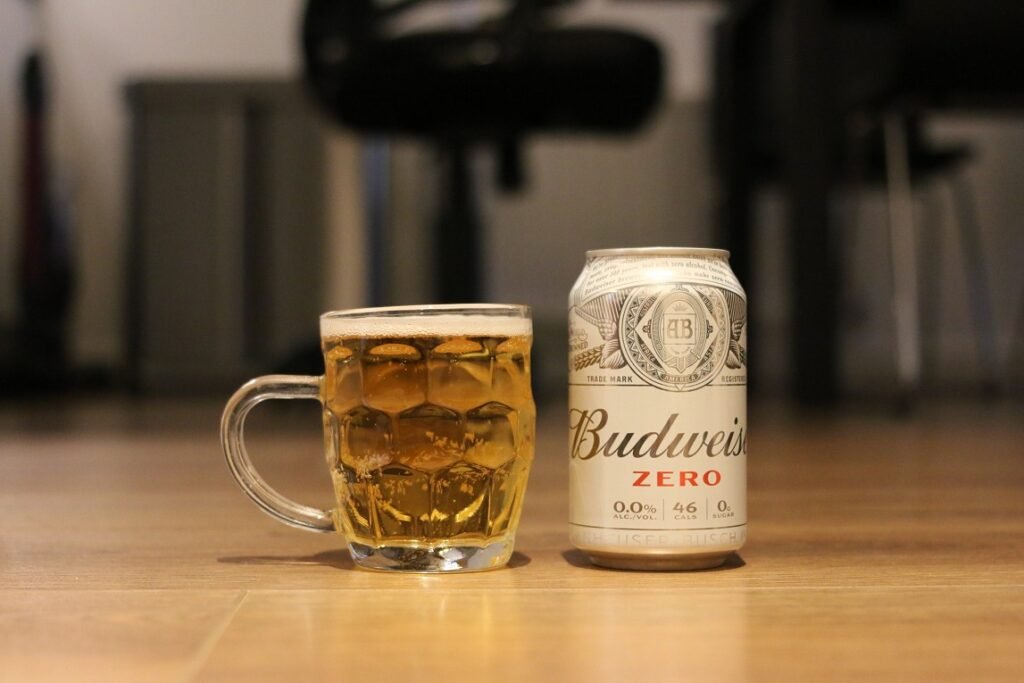
The Marketing Evolution: Reinforcing Budweiser’s Iconic Image

Advertising Campaigns: Memorable and Cultural Impact

Budweiser’s advertising has played a central role in establishing its cultural presence. From its earliest days, the brand embraced bold and innovative marketing strategies that captured the attention of American beer drinkers. In the mid-20th century, the company began to produce some of the most memorable and iconic advertising campaigns in history, solidifying Budweiser as a symbol of American leisure, celebration, and camaraderie.

Some of the most famous Budweiser ads include the “Whassup?” campaign from the late 1990s, the “Budweiser Frogs” of the 1990s, and the now-legendary “Clydesdales” commercials. Each of these campaigns has played a pivotal role in shaping the public perception of Budweiser as a beer of fun, friendship, and tradition.

These advertisements have become ingrained in popular culture, helping to reinforce Budweiser’s status as a symbol of social connection. Through humor, nostalgia, and catchy slogans, Budweiser successfully built an emotional connection with its consumers, turning the beer into more than just a product but a representation of shared experiences.

Super Bowl and Major Events: Budweiser’s Continued Cultural Relevance

Perhaps no platform has been more instrumental in maintaining Budweiser’s cultural relevance than the Super Bowl. For decades, Budweiser has been a key sponsor of the event, and its iconic Super Bowl ads have garnered millions of views each year. The “Whassup?” campaign in 1999, for example, became an internet sensation and an integral part of Super Bowl advertising history.

By associating itself with one of the most watched television events in the world, Budweiser solidified its position as the beer of choice for celebratory occasions. Its sponsorship of major sporting events, music festivals, and cultural happenings further reinforced its image as a beer that brings people together.

The Challenges of the 21st Century: Competing with Craft Beer and Evolving Consumer Preferences

The Rise of Craft Beer: The Changing Beer Landscape

In the late 20th and early 21st centuries, Budweiser faced new challenges in the form of the craft beer revolution. Smaller, independent breweries began producing a wide variety of innovative beers that catered to a growing demand for unique, bold flavors. These craft beers, often marketed as premium and artisanal, challenged Budweiser’s image as a mass-market, mainstream lager.

In response to these challenges, Anheuser-Busch, the parent company of Budweiser, embarked on a strategy of diversification. By acquiring several popular craft beer brands, including Goose Island and Elysian Brewing, Anheuser-Busch sought to capture the growing interest in craft beer while continuing to build Budweiser’s mass-market appeal. At the same time, Budweiser introduced new variations, such as Bud Light Lime and Budweiser Nitro, to appeal to younger, more adventurous beer drinkers.

Budweiser’s Global Positioning in the Modern Era

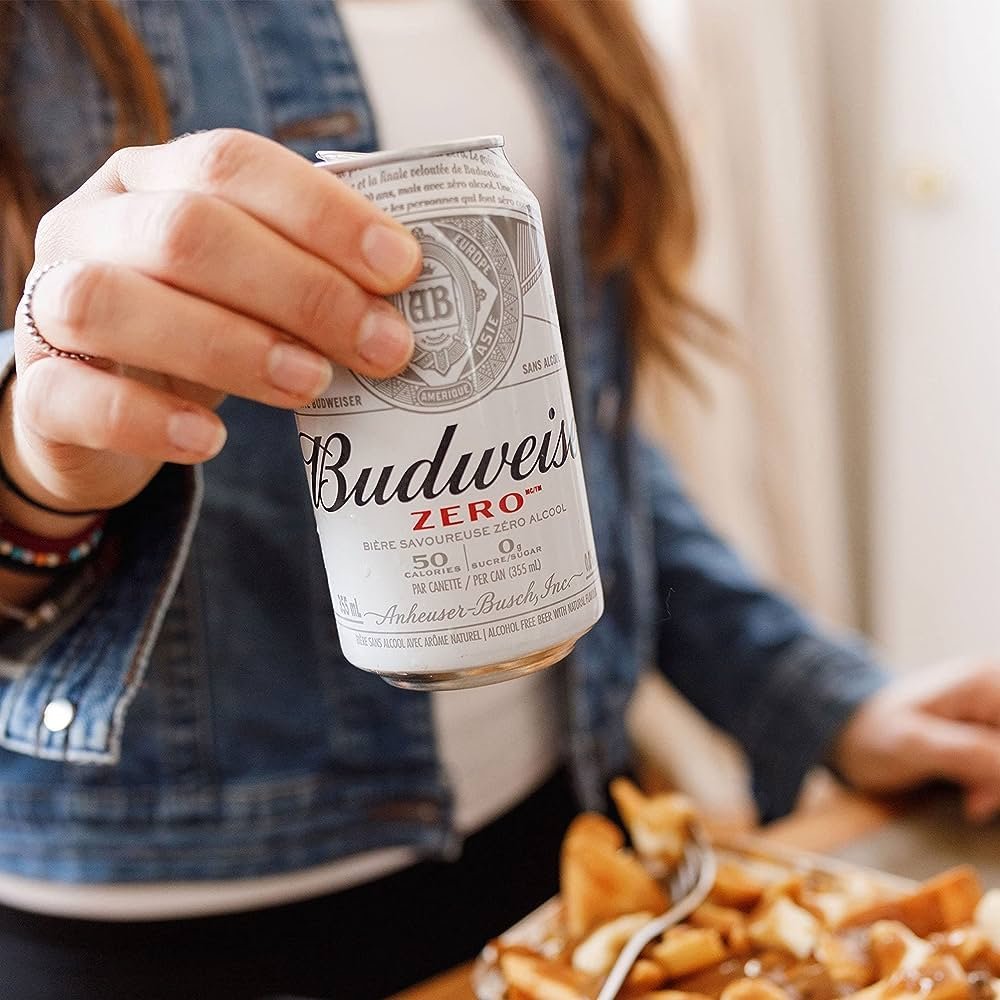
Today, Budweiser continues to enjoy a dominant position in the global beer market, though it faces competition from both craft breweries and other international beer brands. In an era where consumer preferences are shifting toward more diverse and specialized options, Budweiser has maintained its relevance by positioning itself as a premium product while still offering the mass-market appeal that it has always had. The brand has also embraced modern advertising platforms, such as social media, to maintain its cultural presence among younger generations.

Conclusion: Budweiser’s Enduring Legacy

Budweiser’s success over the past 140 years can be attributed to its ability to adapt to the changing beer landscape while maintaining its core values of quality, consistency, and American heritage. From its early days as a local St. Louis brewery to its rise as a global brand, Budweiser has evolved to meet the needs of consumers while never losing sight of its roots.

Through innovative marketing, strategic partnerships, and a relentless focus on quality, Budweiser has earned its place as one of the most iconic beer brands in history. As it faces new challenges in an increasingly competitive market, Budweiser’s ability to stay relevant and adapt to shifting tastes will determine its future. But for now, Budweiser remains the undisputed “King of Beers,” a brand whose influence transcends borders and whose legacy continues to shape the beer industry for generations to come.

Tags: beerbrandCultureHealthHistoryInnovationluxury
ShareTweetShare

Related Posts

Malt Beer: Why Does Its Sweet Malty Aroma Always Bring Endless Satisfaction?
Beer

The Craft Beer Revolution: How Independent Breweries Changed the World of Beer

June 3, 2026
Beer: The World’s Oldest and Most Influential Beverage
Beer

Beer Styles of the World: A Complete Guide to Lager, Ale, Stout, IPA, and Beyond

June 3, 2026
Beer: The World’s Oldest and Most Influential Beverage
Beer

The Global Beer Industry: Markets, Brands, and Economic Impact

June 3, 2026
Beer: The World’s Oldest and Most Influential Beverage
Beer

The Science of Beer: Ingredients, Fermentation, and Flavor

June 3, 2026
Beer: The World’s Oldest and Most Influential Beverage
Beer

Beer: The World’s Oldest and Most Influential Beverage

June 3, 2026
Beer as a Cultural and Social Force: From Ancient Brew to Modern Identity
Beer

Women in Brewing: The Untold History and Modern Transformation of Beer Culture

May 23, 2026
Leave Comment
  • Trending
  • Comments
  • Latest
Role of Terroir in Champagne Production

Role of Terroir in Champagne Production

January 19, 2026
Champagne Can Be Aged in Wood?

Champagne Can Be Aged in Wood?

January 18, 2026
Is Organic Wine Healthier Than Conventional Wine?

Is Organic Wine Healthier Than Conventional Wine?

January 20, 2026
Why Do Some Champagnes Use a High Proportion of Pinot Meunier?

Why Do Some Champagnes Use a High Proportion of Pinot Meunier?

January 20, 2026
The Timeless Elegance of Wine: A Journey Through History and Culture

The Timeless Elegance of Wine: A Journey Through History and Culture

Why Is Château Lafite Rothschild the Pinnacle of Fine Wine?

Why Is Château Lafite Rothschild the Pinnacle of Fine Wine?

How Did Château Lafite Rothschild Become a Global Icon of Luxury?

How Did Château Lafite Rothschild Become a Global Icon of Luxury?

What Makes Chateau Lafite Rothschild the Pinnacle of Bordeaux Wines?

What Makes Chateau Lafite Rothschild the Pinnacle of Bordeaux Wines?

The History, Culture, and Global Influence of Humanity’s Most Celebrated Beverage

The Wine Revolution: How Modern Winemaking Transformed a Global Industry

June 3, 2026
The History, Culture, and Global Influence of Humanity’s Most Celebrated Beverage

Wine Styles of the World: A Complete Guide to Red, White, Rosé, Sparkling, and Fortified Wines

June 3, 2026
The History, Culture, and Global Influence of Humanity’s Most Celebrated Beverage

The Global Wine Industry: Markets, Trade, Tourism, and Economic Impact

June 3, 2026
The History, Culture, and Global Influence of Humanity’s Most Celebrated Beverage

The Science of Wine: Grapes, Fermentation, and Flavor Development

June 3, 2026
SipsavorLife

Welcome to our comprehensive beverage guide, where you can explore the fascinating world of alcoholic drinks. From exquisite wines and rich whiskeys to refreshing beers and sparkling champagnes, we provide insights, tips, and recommendations for enthusiasts and casual drinkers alike. Discover your next favorite libation with us!

© 2025 sipsavorlife.com. contacts:sipsavorlife-35376@gmail.com

No Result
View All Result
  • Home
  • Wine
  • Whiskey
  • Beer
  • Grain Spirits
  • Champagne
  • ALL

© 2025 sipsavorlife.com. contacts:sipsavorlife-35376@gmail.com

Welcome Back!

Login to your account below

Forgotten Password?

Retrieve your password

Please enter your username or email address to reset your password.

Log In