







SipsavorLife
  • Home
  • Wine
    Wine as a Cultural Artifact: History, Identity, and the Evolution of Taste

    The Art and Science of Wine & Food Pairing: How to Create Perfect Matches Every Time

    Wine as a Cultural Artifact: History, Identity, and the Evolution of Taste

    A Complete Guide to Wine Styles and Grape Varieties: From Cabernet Sauvignon to Riesling

    Wine as a Cultural Artifact: History, Identity, and the Evolution of Taste

    The Global Wine Industry: Economics, Markets, and the Future of Consumption

    Wine as a Cultural Artifact: History, Identity, and the Evolution of Taste

    The Science of Wine Tasting: How Chemistry, Biology, and Perception Shape Flavor

    Wine as a Cultural Artifact: History, Identity, and the Evolution of Taste

    Wine as a Cultural Artifact: History, Identity, and the Evolution of Taste

    Red Wine — The Liquid Expression of Land, Time, and Human Intention

    The Future of Red Wine — Climate Change, Technology, and the Evolution of Taste

  • Whiskey
    Can Beer Be an Effective Ingredient in Culinary Cooking?

    Can Beer Be an Effective Ingredient in Culinary Cooking?

    Second Fermentation in Champagne: Is It Really That Crucial?

    Second Fermentation in Champagne: Is It Really That Crucial?

    How Do Different Grains Impact the Flavor Profile of Distilled Spirits?

    How Do Different Grains Impact the Flavor Profile of Distilled Spirits?

    How Do Whiskey Master Blenders Create Perfection?

    How Do Whiskey Master Blenders Create Perfection?

    Wine Pairings: Can They Change the Flavor Profile of a Dish?

    Wine Pairings: Can They Change the Flavor Profile of a Dish?

    Beer the Ultimate Beverage for Pairing with Spicy Food?

    Beer the Ultimate Beverage for Pairing with Spicy Food?

  • Beer
    Beer as a Cultural and Social Force: From Ancient Brew to Modern Identity

    The Art of Beer & Food Pairing: Unlocking Flavor Through Balance, Contrast, and Texture

    Beer as a Cultural and Social Force: From Ancient Brew to Modern Identity

    A Complete Guide to Beer Styles: From Lager to Stout, Understanding Flavor, Body, and Character

    Beer as a Cultural and Social Force: From Ancient Brew to Modern Identity

    The Global Beer Industry: Craft Revolution, Market Forces, and the Future of Brewing

    Beer as a Cultural and Social Force: From Ancient Brew to Modern Identity

    The Science of Beer: Brewing Process, Ingredients, and the Chemistry of Flavor

    Beer as a Cultural and Social Force: From Ancient Brew to Modern Identity

    Beer as a Cultural and Social Force: From Ancient Brew to Modern Identity

    The Evolution of Beer — From Ancient Brews to the Craft Revolution

    The Future of Beer — Innovation, Sustainability, and Emerging Trends

  • Grain Spirits
    Grain Spirits Explained — The Foundation of Global Distillation

    The Future of Grain Spirits — Technology, Sustainability, and the Next Era of Distillation

    Grain Spirits Explained — The Foundation of Global Distillation

    Grain Spirits Around the World — Vodka, Whisky Bases, and Industrial Applications

    Grain Spirits Explained — The Foundation of Global Distillation

    Distillation Systems — Pot Still vs Column Still, and the Balance Between Efficiency and Flavor

    Grain Spirits Explained — The Foundation of Global Distillation

    Grain Selection and Fermentation Science — How Raw Ingredients Shape Grain Spirits

    Grain Spirits Explained — The Foundation of Global Distillation

    Grain Spirits Explained — The Foundation of Global Distillation

    Grain Spirits and the Industrial Birth of Neutral Alcohol

    The Future of Grain Spirits — AI Distillation, Sustainability, and the Post-Flavor Alcohol Industry

  • Champagne
    The History of Champagne — From Accidental Sparkle to Global Luxury

    The Future of Champagne — Climate Change, Innovation, and Industry Evolution

    The History of Champagne — From Accidental Sparkle to Global Luxury

    The Culture of Champagne — Luxury, Celebration, and Global Influence

    The History of Champagne — From Accidental Sparkle to Global Luxury

    Champagne Styles Explained — Brut, Rosé, Vintage, and Beyond

    The History of Champagne — From Accidental Sparkle to Global Luxury

    The Craft of Champagne — Terroir, Grapes, and the Méthode Traditionnelle

    The History of Champagne — From Accidental Sparkle to Global Luxury

    The History of Champagne — From Accidental Sparkle to Global Luxury

    The Future of Champagne — Climate Change, Innovation, and the Evolution of Sparkling Wine

    The Future of Champagne — Climate Change, Innovation, and the Evolution of Sparkling Wine

  • ALL
    Can Beer Be an Effective Ingredient in Culinary Cooking?

    Can Beer Be an Effective Ingredient in Culinary Cooking?

    Second Fermentation in Champagne: Is It Really That Crucial?

    Second Fermentation in Champagne: Is It Really That Crucial?

    How Do Different Grains Impact the Flavor Profile of Distilled Spirits?

    How Do Different Grains Impact the Flavor Profile of Distilled Spirits?

    How Do Whiskey Master Blenders Create Perfection?

    How Do Whiskey Master Blenders Create Perfection?

    Wine Pairings: Can They Change the Flavor Profile of a Dish?

    Wine Pairings: Can They Change the Flavor Profile of a Dish?

    Beer the Ultimate Beverage for Pairing with Spicy Food?

    Beer the Ultimate Beverage for Pairing with Spicy Food?

SipsavorLife
  • Home
  • Wine
    Wine as a Cultural Artifact: History, Identity, and the Evolution of Taste

    The Art and Science of Wine & Food Pairing: How to Create Perfect Matches Every Time

    Wine as a Cultural Artifact: History, Identity, and the Evolution of Taste

    A Complete Guide to Wine Styles and Grape Varieties: From Cabernet Sauvignon to Riesling

    Wine as a Cultural Artifact: History, Identity, and the Evolution of Taste

    The Global Wine Industry: Economics, Markets, and the Future of Consumption

    Wine as a Cultural Artifact: History, Identity, and the Evolution of Taste

    The Science of Wine Tasting: How Chemistry, Biology, and Perception Shape Flavor

    Wine as a Cultural Artifact: History, Identity, and the Evolution of Taste

    Wine as a Cultural Artifact: History, Identity, and the Evolution of Taste

    Red Wine — The Liquid Expression of Land, Time, and Human Intention

    The Future of Red Wine — Climate Change, Technology, and the Evolution of Taste

  • Whiskey
    Can Beer Be an Effective Ingredient in Culinary Cooking?

    Can Beer Be an Effective Ingredient in Culinary Cooking?

    Second Fermentation in Champagne: Is It Really That Crucial?

    Second Fermentation in Champagne: Is It Really That Crucial?

    How Do Different Grains Impact the Flavor Profile of Distilled Spirits?

    How Do Different Grains Impact the Flavor Profile of Distilled Spirits?

    How Do Whiskey Master Blenders Create Perfection?

    How Do Whiskey Master Blenders Create Perfection?

    Wine Pairings: Can They Change the Flavor Profile of a Dish?

    Wine Pairings: Can They Change the Flavor Profile of a Dish?

    Beer the Ultimate Beverage for Pairing with Spicy Food?

    Beer the Ultimate Beverage for Pairing with Spicy Food?

  • Beer
    Beer as a Cultural and Social Force: From Ancient Brew to Modern Identity

    The Art of Beer & Food Pairing: Unlocking Flavor Through Balance, Contrast, and Texture

    Beer as a Cultural and Social Force: From Ancient Brew to Modern Identity

    A Complete Guide to Beer Styles: From Lager to Stout, Understanding Flavor, Body, and Character

    Beer as a Cultural and Social Force: From Ancient Brew to Modern Identity

    The Global Beer Industry: Craft Revolution, Market Forces, and the Future of Brewing

    Beer as a Cultural and Social Force: From Ancient Brew to Modern Identity

    The Science of Beer: Brewing Process, Ingredients, and the Chemistry of Flavor

    Beer as a Cultural and Social Force: From Ancient Brew to Modern Identity

    Beer as a Cultural and Social Force: From Ancient Brew to Modern Identity

    The Evolution of Beer — From Ancient Brews to the Craft Revolution

    The Future of Beer — Innovation, Sustainability, and Emerging Trends

  • Grain Spirits
    Grain Spirits Explained — The Foundation of Global Distillation

    The Future of Grain Spirits — Technology, Sustainability, and the Next Era of Distillation

    Grain Spirits Explained — The Foundation of Global Distillation

    Grain Spirits Around the World — Vodka, Whisky Bases, and Industrial Applications

    Grain Spirits Explained — The Foundation of Global Distillation

    Distillation Systems — Pot Still vs Column Still, and the Balance Between Efficiency and Flavor

    Grain Spirits Explained — The Foundation of Global Distillation

    Grain Selection and Fermentation Science — How Raw Ingredients Shape Grain Spirits

    Grain Spirits Explained — The Foundation of Global Distillation

    Grain Spirits Explained — The Foundation of Global Distillation

    Grain Spirits and the Industrial Birth of Neutral Alcohol

    The Future of Grain Spirits — AI Distillation, Sustainability, and the Post-Flavor Alcohol Industry

  • Champagne
    The History of Champagne — From Accidental Sparkle to Global Luxury

    The Future of Champagne — Climate Change, Innovation, and Industry Evolution

    The History of Champagne — From Accidental Sparkle to Global Luxury

    The Culture of Champagne — Luxury, Celebration, and Global Influence

    The History of Champagne — From Accidental Sparkle to Global Luxury

    Champagne Styles Explained — Brut, Rosé, Vintage, and Beyond

    The History of Champagne — From Accidental Sparkle to Global Luxury

    The Craft of Champagne — Terroir, Grapes, and the Méthode Traditionnelle

    The History of Champagne — From Accidental Sparkle to Global Luxury

    The History of Champagne — From Accidental Sparkle to Global Luxury

    The Future of Champagne — Climate Change, Innovation, and the Evolution of Sparkling Wine

    The Future of Champagne — Climate Change, Innovation, and the Evolution of Sparkling Wine

  • ALL
    Can Beer Be an Effective Ingredient in Culinary Cooking?

    Can Beer Be an Effective Ingredient in Culinary Cooking?

    Second Fermentation in Champagne: Is It Really That Crucial?

    Second Fermentation in Champagne: Is It Really That Crucial?

    How Do Different Grains Impact the Flavor Profile of Distilled Spirits?

    How Do Different Grains Impact the Flavor Profile of Distilled Spirits?

    How Do Whiskey Master Blenders Create Perfection?

    How Do Whiskey Master Blenders Create Perfection?

    Wine Pairings: Can They Change the Flavor Profile of a Dish?

    Wine Pairings: Can They Change the Flavor Profile of a Dish?

    Beer the Ultimate Beverage for Pairing with Spicy Food?

    Beer the Ultimate Beverage for Pairing with Spicy Food?

SipsavorLife
No Result
View All Result
Home ALL

How Has Opus One Mastered the Art of Market Positioning and Continued Global Success?

January 10, 2025
in ALL, Wine
How Has Opus One Mastered the Art of Market Positioning and Continued Global Success?

Opus One, the iconic wine produced from a collaboration between two legendary winemaking figures—Baron Philippe de Rothschild of Château Mouton Rothschild and Robert Mondavi of California’s Mondavi Winery—has achieved a remarkable position in the global wine market. Since its first release in 1984, Opus One has become synonymous with luxury, exclusivity, and excellence, firmly establishing itself as a benchmark in fine wine. This article delves into how Opus One has skillfully navigated the complexities of the wine market to become a global icon.

The Birth of Opus One: A Vision of Prestige

The inception of Opus One is rooted in the shared vision of its founders, each bringing their own esteemed legacy to the table. Robert Mondavi, with his extensive experience in Napa Valley, sought to create a wine that would rival the finest Bordeaux. Meanwhile, Baron Philippe de Rothschild, renowned for his expertise in the world’s most celebrated wine estates, brought a deep commitment to traditional Bordeaux winemaking practices. Their partnership was not merely a blending of different winemaking philosophies; it was a merging of cultures, brands, and global recognition that would forever change the landscape of fine wine.

Opus One was created with one goal: to craft a wine of impeccable quality, drawing on both Napa’s terroir and Bordeaux’s winemaking techniques, that would appeal to connoisseurs and collectors worldwide. The blend of Cabernet Sauvignon, Merlot, Petit Verdot, Cabernet Franc, and Malbec resulted in a wine that was not only unique in flavor but also positioned to be a global symbol of luxury and refinement.

The Opus One Brand: A Legacy of Elegance and Innovation

The Opus One brand is built around the core principles of exclusivity, craftsmanship, and luxury. Every aspect of the wine’s production, from the careful vineyard management to the precision winemaking techniques, is designed to elevate its perception in the market. Opus One has carefully maintained an image of prestige by producing wines that are not only of exceptional quality but also limited in availability. The winery produces a small quantity of wine each year, ensuring that demand consistently outstrips supply, contributing to the wine’s exclusivity and high perceived value.

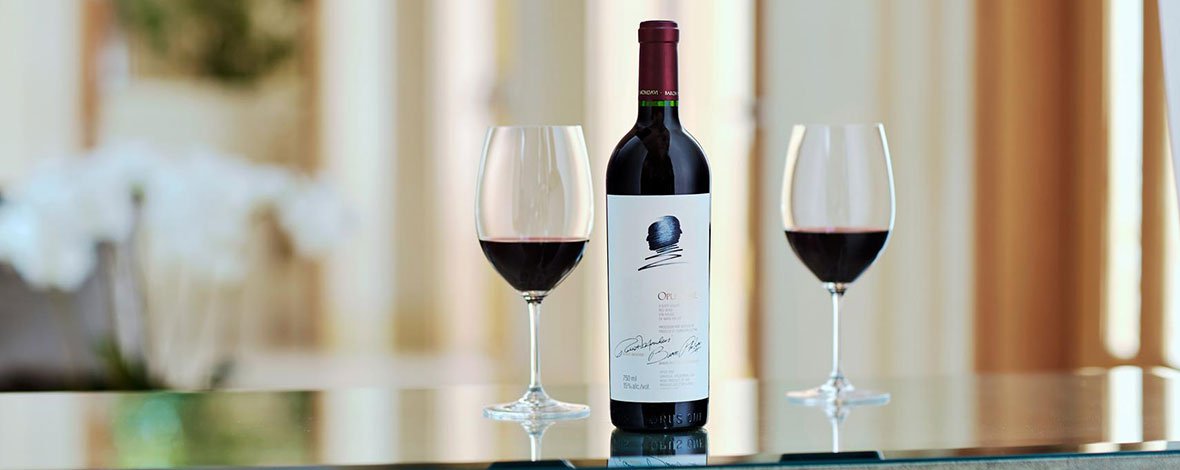
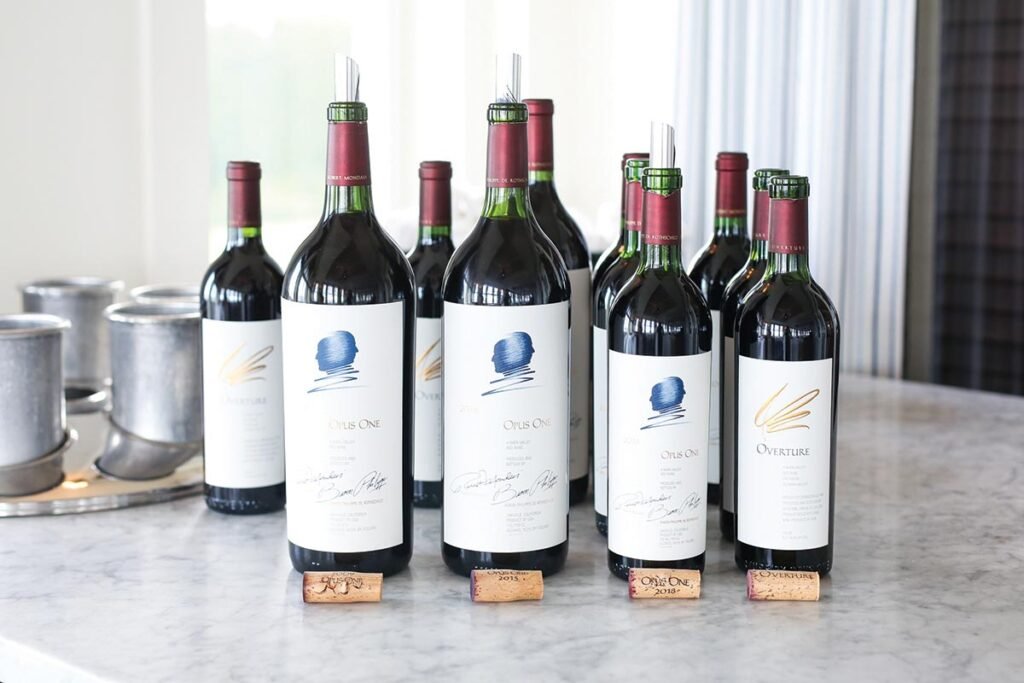
The marketing strategy behind Opus One has always been centered around luxury and exclusivity. The packaging, with its iconic sleek and minimalist design, exudes sophistication. The wine’s elegant label, featuring a simple gold emblem and the signatures of both Mondavi and Rothschild, reinforces its high-end positioning in the marketplace.

One of the key elements of Opus One’s branding is its commitment to producing a single wine, a move that distinguishes the brand in an industry where multi-label estates are common. This singular focus on creating one flagship wine allows Opus One to concentrate all of its resources on crafting the highest possible quality in every bottle. As a result, each vintage of Opus One has become a coveted collectible among wine enthusiasts and investors alike.

Opus One’s Market Positioning: A Global Icon of Luxury

Opus One’s market positioning can be described as premium, luxury, and global. It has strategically carved out a niche within the world’s finest wine market, where it is viewed not just as a beverage but as a status symbol. The brand’s limited production ensures that its wines remain exclusive and are sought after by collectors, connoisseurs, and wine investors around the world.

Opus One enjoys widespread recognition not only in North America but also in Europe, Asia, and other high-demand regions, where its wines are regarded as some of the best in the world. It is regularly featured in top wine auctions, where rare bottles of older vintages can fetch significant sums, further cementing its place as a luxury investment.

The winery has also built a strong direct-to-consumer presence, offering exclusive access to its latest releases and special events for loyal customers. The Opus One Experience, which includes tours and tastings at the winery in Oakville, Napa, adds an element of personalized luxury that enhances the brand’s allure. By offering unique, behind-the-scenes access, Opus One fosters a deep connection with its customers, adding to its lifestyle appeal.
Price Point and Exclusivity: The Luxury Wine Market

Opus One has successfully positioned itself within the super-premium price range, making it accessible to a select group of consumers but highly exclusive to others. Its price point consistently places it among the most expensive wines in Napa Valley and in the world, with bottles of current releases often priced at $350 to $500 or more per bottle. Older vintages or those from particularly highly regarded years can command much higher prices, sometimes reaching into the thousands at auction.

This high price point reflects the meticulous work and investment in both the vineyard and the cellar, as well as the wine’s luxury status. Opus One’s pricing strategy capitalizes on its exclusivity, ensuring that it is not only a fine wine but also an object of desire for collectors and connoisseurs who seek to demonstrate their refined taste and wealth.

By maintaining a high price point while simultaneously limiting production, Opus One has ensured that its wines continue to be viewed as a symbol of affluence, further driving its market demand. The winery’s limited output—approximately 25,000 cases per year—further contributes to its exclusivity and scarcity, which in turn elevates its desirability and prestige.

Opus One and the Global Fine Wine Market

Opus One’s place in the global wine market is undeniably one of prominence. Since its inception, the brand has capitalized on the prestige of both Robert Mondavi and Baron Rothschild. However, it has evolved into its own identity—one that blends the best elements of Old World Bordeaux winemaking with New World innovation. Opus One has transcended being a mere Napa Valley wine to become an international symbol of luxury.

Through a combination of exceptional wine quality, branding, and marketing, Opus One has positioned itself at the pinnacle of the global fine wine market, maintaining its prestige and reputation among the world’s most distinguished wines. Whether in the cellars of collectors, on the wine lists of Michelin-starred restaurants, or in the fine wine auctions, Opus One is a benchmark of quality, known for timelessness, elegance, and luxury.

Opus One’s Legacy in the Wine World

Opus One has secured a place in the history of fine wine. Its production, though relatively small compared to some of the world’s largest estates, has garnered an immense following. Its reputation is built not just on the wine’s exceptional quality, but also on its legacy of two great winemaking families joining forces to craft a wine that would forever change the global wine landscape.

While Opus One continues to maintain its exclusive appeal, it also serves as a trailblazer for other high-end Napa Valley wineries, showing that there is room for a premium product that can successfully combine the best practices of Bordeaux with the unique terroir and innovation of Napa Valley.

The brand’s global success is a testament to the power of vision, partnership, and the ability to craft a wine that speaks to both the heart and the palate of wine lovers worldwide. Opus One’s market positioning as a luxury wine, combined with its exclusive availability and commitment to quality, has ensured that it remains at the top of the global fine wine market for generations to come.


Conclusion: How Has Opus One Mastered the Art of Market Positioning and Continued Global Success?

Through careful cultivation, branding, and an unwavering commitment to quality, Opus One has cemented itself as one of the most celebrated wines in the world. Its blend of luxury, exclusivity, and legacy has allowed it to occupy a unique space in the wine market, appealing to connoisseurs, collectors, and investors alike. Opus One has not only succeeded in elevating the Napa Valley wine scene but has also become a global symbol of sophistication, proving that the combination of two legendary winemaking families can create a product that is truly unparalleled in both taste and status.

Tags: CultureFamous brand wineHealthHistoryInnovationluxurypositioningtasteWine
ShareTweetShare

Related Posts

Wine as a Cultural Artifact: History, Identity, and the Evolution of Taste
Wine

The Art and Science of Wine & Food Pairing: How to Create Perfect Matches Every Time

April 26, 2026
Wine as a Cultural Artifact: History, Identity, and the Evolution of Taste
Wine

A Complete Guide to Wine Styles and Grape Varieties: From Cabernet Sauvignon to Riesling

April 26, 2026
Wine as a Cultural Artifact: History, Identity, and the Evolution of Taste
Wine

The Global Wine Industry: Economics, Markets, and the Future of Consumption

April 26, 2026
Wine as a Cultural Artifact: History, Identity, and the Evolution of Taste
Wine

The Science of Wine Tasting: How Chemistry, Biology, and Perception Shape Flavor

April 26, 2026
Wine as a Cultural Artifact: History, Identity, and the Evolution of Taste
Wine

Wine as a Cultural Artifact: History, Identity, and the Evolution of Taste

April 26, 2026
Red Wine — The Liquid Expression of Land, Time, and Human Intention
Wine

The Future of Red Wine — Climate Change, Technology, and the Evolution of Taste

April 22, 2026
Leave Comment
  • Trending
  • Comments
  • Latest
Role of Terroir in Champagne Production

Role of Terroir in Champagne Production

January 19, 2026
Champagne Can Be Aged in Wood?

Champagne Can Be Aged in Wood?

January 18, 2026
Is Organic Wine Healthier Than Conventional Wine?

Is Organic Wine Healthier Than Conventional Wine?

January 20, 2026
Why Do Some Champagnes Use a High Proportion of Pinot Meunier?

Why Do Some Champagnes Use a High Proportion of Pinot Meunier?

January 20, 2026
The Timeless Elegance of Wine: A Journey Through History and Culture

The Timeless Elegance of Wine: A Journey Through History and Culture

Why Is Château Lafite Rothschild the Pinnacle of Fine Wine?

Why Is Château Lafite Rothschild the Pinnacle of Fine Wine?

How Did Château Lafite Rothschild Become a Global Icon of Luxury?

How Did Château Lafite Rothschild Become a Global Icon of Luxury?

What Makes Chateau Lafite Rothschild the Pinnacle of Bordeaux Wines?

What Makes Chateau Lafite Rothschild the Pinnacle of Bordeaux Wines?

Beer as a Cultural and Social Force: From Ancient Brew to Modern Identity

The Art of Beer & Food Pairing: Unlocking Flavor Through Balance, Contrast, and Texture

April 26, 2026
Beer as a Cultural and Social Force: From Ancient Brew to Modern Identity

A Complete Guide to Beer Styles: From Lager to Stout, Understanding Flavor, Body, and Character

April 26, 2026
Beer as a Cultural and Social Force: From Ancient Brew to Modern Identity

The Global Beer Industry: Craft Revolution, Market Forces, and the Future of Brewing

April 26, 2026
Beer as a Cultural and Social Force: From Ancient Brew to Modern Identity

The Science of Beer: Brewing Process, Ingredients, and the Chemistry of Flavor

April 26, 2026
SipsavorLife

Welcome to our comprehensive beverage guide, where you can explore the fascinating world of alcoholic drinks. From exquisite wines and rich whiskeys to refreshing beers and sparkling champagnes, we provide insights, tips, and recommendations for enthusiasts and casual drinkers alike. Discover your next favorite libation with us!

© 2025 sipsavorlife.com. contacts:sipsavorlife-35376@gmail.com

No Result
View All Result
  • Home
  • Wine
  • Whiskey
  • Beer
  • Grain Spirits
  • Champagne
  • ALL

© 2025 sipsavorlife.com. contacts:sipsavorlife-35376@gmail.com

Welcome Back!

Login to your account below

Forgotten Password?

Retrieve your password

Please enter your username or email address to reset your password.

Log In