






























SipsavorLife
  • Home
  • Wine
    Wine Pairings: Can They Change the Flavor Profile of a Dish?

    Wine Pairings: Can They Change the Flavor Profile of a Dish?

    How Do Wine Glasses Influence the Tasting Experience?

    How Do Wine Glasses Influence the Tasting Experience?

    Is Organic Wine Healthier Than Conventional Wine?

    Is Organic Wine Healthier Than Conventional Wine?

    Why Do Some Wines Taste Better from Specific Vintages?

    Why Do Some Wines Taste Better from Specific Vintages?

    Wine Tasting: Can It Truly Be an Art Form?

    Wine Tasting: Can It Truly Be an Art Form?

    What Does Terroir Actually Mean for Your Wine?

    What Does Terroir Actually Mean for Your Wine?

  • Whiskey
    Can Beer Be an Effective Ingredient in Culinary Cooking?

    Can Beer Be an Effective Ingredient in Culinary Cooking?

    Second Fermentation in Champagne: Is It Really That Crucial?

    Second Fermentation in Champagne: Is It Really That Crucial?

    How Do Different Grains Impact the Flavor Profile of Distilled Spirits?

    How Do Different Grains Impact the Flavor Profile of Distilled Spirits?

    How Do Whiskey Master Blenders Create Perfection?

    How Do Whiskey Master Blenders Create Perfection?

    Wine Pairings: Can They Change the Flavor Profile of a Dish?

    Wine Pairings: Can They Change the Flavor Profile of a Dish?

    Beer the Ultimate Beverage for Pairing with Spicy Food?

    Beer the Ultimate Beverage for Pairing with Spicy Food?

  • Beer
    Can Beer Be an Effective Ingredient in Culinary Cooking?

    Can Beer Be an Effective Ingredient in Culinary Cooking?

    Beer the Ultimate Beverage for Pairing with Spicy Food?

    Beer the Ultimate Beverage for Pairing with Spicy Food?

    How Did Ancient Civilizations Brew Beer Without Modern Technology?

    How Did Ancient Civilizations Brew Beer Without Modern Technology?

    Is It Possible to Brew a Beer with No Alcohol and No Compromise on Taste?

    Is It Possible to Brew a Beer with No Alcohol and No Compromise on Taste?

    Why Does Beer Taste Different at High Altitudes?

    Why Does Beer Taste Different at High Altitudes?

    Is Hops the Secret Ingredient Behind Beer’s Bold Flavor?

    Is Hops the Secret Ingredient Behind Beer’s Bold Flavor?

  • Grain Spirits
    How Do Different Grains Impact the Flavor Profile of Distilled Spirits?

    How Do Different Grains Impact the Flavor Profile of Distilled Spirits?

    Grain Spirits the Unsung Heroes of Modern Mixology

    Grain Spirits the Unsung Heroes of Modern Mixology

    What Makes Grain-Based Whiskey So Different from Its Peated Cousins?

    What Makes Grain-Based Whiskey So Different from Its Peated Cousins?

    Grain Spirits: Could They Be the Next Big Trend in Craft Cocktails?

    Grain Spirits: Could They Be the Next Big Trend in Craft Cocktails?

    Why Are Grain Spirits Often Overlooked in the World of Fine Liquor?

    Why Are Grain Spirits Often Overlooked in the World of Fine Liquor?

    Is There a Secret Art to Distilling Grain Spirits?

    Is There a Secret Art to Distilling Grain Spirits?

  • Champagne
    Second Fermentation in Champagne: Is It Really That Crucial?

    Second Fermentation in Champagne: Is It Really That Crucial?

    The Science Behind the ‘Bubble Size’ in Champagne

    The Science Behind the ‘Bubble Size’ in Champagne

    Why Do Some Champagnes Use a High Proportion of Pinot Meunier?

    Why Do Some Champagnes Use a High Proportion of Pinot Meunier?

    Role of Terroir in Champagne Production

    Role of Terroir in Champagne Production

    Champagne Can Be Aged in Wood?

    Champagne Can Be Aged in Wood?

    Is There a Difference Between Blanc de Blancs and Blanc de Noirs Champagne?

    Is There a Difference Between Blanc de Blancs and Blanc de Noirs Champagne?

  • ALL
    Can Beer Be an Effective Ingredient in Culinary Cooking?

    Can Beer Be an Effective Ingredient in Culinary Cooking?

    Second Fermentation in Champagne: Is It Really That Crucial?

    Second Fermentation in Champagne: Is It Really That Crucial?

    How Do Different Grains Impact the Flavor Profile of Distilled Spirits?

    How Do Different Grains Impact the Flavor Profile of Distilled Spirits?

    How Do Whiskey Master Blenders Create Perfection?

    How Do Whiskey Master Blenders Create Perfection?

    Wine Pairings: Can They Change the Flavor Profile of a Dish?

    Wine Pairings: Can They Change the Flavor Profile of a Dish?

    Beer the Ultimate Beverage for Pairing with Spicy Food?

    Beer the Ultimate Beverage for Pairing with Spicy Food?

SipsavorLife
  • Home
  • Wine
    Wine Pairings: Can They Change the Flavor Profile of a Dish?

    Wine Pairings: Can They Change the Flavor Profile of a Dish?

    How Do Wine Glasses Influence the Tasting Experience?

    How Do Wine Glasses Influence the Tasting Experience?

    Is Organic Wine Healthier Than Conventional Wine?

    Is Organic Wine Healthier Than Conventional Wine?

    Why Do Some Wines Taste Better from Specific Vintages?

    Why Do Some Wines Taste Better from Specific Vintages?

    Wine Tasting: Can It Truly Be an Art Form?

    Wine Tasting: Can It Truly Be an Art Form?

    What Does Terroir Actually Mean for Your Wine?

    What Does Terroir Actually Mean for Your Wine?

  • Whiskey
    Can Beer Be an Effective Ingredient in Culinary Cooking?

    Can Beer Be an Effective Ingredient in Culinary Cooking?

    Second Fermentation in Champagne: Is It Really That Crucial?

    Second Fermentation in Champagne: Is It Really That Crucial?

    How Do Different Grains Impact the Flavor Profile of Distilled Spirits?

    How Do Different Grains Impact the Flavor Profile of Distilled Spirits?

    How Do Whiskey Master Blenders Create Perfection?

    How Do Whiskey Master Blenders Create Perfection?

    Wine Pairings: Can They Change the Flavor Profile of a Dish?

    Wine Pairings: Can They Change the Flavor Profile of a Dish?

    Beer the Ultimate Beverage for Pairing with Spicy Food?

    Beer the Ultimate Beverage for Pairing with Spicy Food?

  • Beer
    Can Beer Be an Effective Ingredient in Culinary Cooking?

    Can Beer Be an Effective Ingredient in Culinary Cooking?

    Beer the Ultimate Beverage for Pairing with Spicy Food?

    Beer the Ultimate Beverage for Pairing with Spicy Food?

    How Did Ancient Civilizations Brew Beer Without Modern Technology?

    How Did Ancient Civilizations Brew Beer Without Modern Technology?

    Is It Possible to Brew a Beer with No Alcohol and No Compromise on Taste?

    Is It Possible to Brew a Beer with No Alcohol and No Compromise on Taste?

    Why Does Beer Taste Different at High Altitudes?

    Why Does Beer Taste Different at High Altitudes?

    Is Hops the Secret Ingredient Behind Beer’s Bold Flavor?

    Is Hops the Secret Ingredient Behind Beer’s Bold Flavor?

  • Grain Spirits
    How Do Different Grains Impact the Flavor Profile of Distilled Spirits?

    How Do Different Grains Impact the Flavor Profile of Distilled Spirits?

    Grain Spirits the Unsung Heroes of Modern Mixology

    Grain Spirits the Unsung Heroes of Modern Mixology

    What Makes Grain-Based Whiskey So Different from Its Peated Cousins?

    What Makes Grain-Based Whiskey So Different from Its Peated Cousins?

    Grain Spirits: Could They Be the Next Big Trend in Craft Cocktails?

    Grain Spirits: Could They Be the Next Big Trend in Craft Cocktails?

    Why Are Grain Spirits Often Overlooked in the World of Fine Liquor?

    Why Are Grain Spirits Often Overlooked in the World of Fine Liquor?

    Is There a Secret Art to Distilling Grain Spirits?

    Is There a Secret Art to Distilling Grain Spirits?

  • Champagne
    Second Fermentation in Champagne: Is It Really That Crucial?

    Second Fermentation in Champagne: Is It Really That Crucial?

    The Science Behind the ‘Bubble Size’ in Champagne

    The Science Behind the ‘Bubble Size’ in Champagne

    Why Do Some Champagnes Use a High Proportion of Pinot Meunier?

    Why Do Some Champagnes Use a High Proportion of Pinot Meunier?

    Role of Terroir in Champagne Production

    Role of Terroir in Champagne Production

    Champagne Can Be Aged in Wood?

    Champagne Can Be Aged in Wood?

    Is There a Difference Between Blanc de Blancs and Blanc de Noirs Champagne?

    Is There a Difference Between Blanc de Blancs and Blanc de Noirs Champagne?

  • ALL
    Can Beer Be an Effective Ingredient in Culinary Cooking?

    Can Beer Be an Effective Ingredient in Culinary Cooking?

    Second Fermentation in Champagne: Is It Really That Crucial?

    Second Fermentation in Champagne: Is It Really That Crucial?

    How Do Different Grains Impact the Flavor Profile of Distilled Spirits?

    How Do Different Grains Impact the Flavor Profile of Distilled Spirits?

    How Do Whiskey Master Blenders Create Perfection?

    How Do Whiskey Master Blenders Create Perfection?

    Wine Pairings: Can They Change the Flavor Profile of a Dish?

    Wine Pairings: Can They Change the Flavor Profile of a Dish?

    Beer the Ultimate Beverage for Pairing with Spicy Food?

    Beer the Ultimate Beverage for Pairing with Spicy Food?

SipsavorLife
No Result
View All Result
Home ALL

Ever Wondered How Yeast Creates Your Favorite Beer Flavor?

February 23, 2025
in ALL, Beer
Ever Wondered How Yeast Creates Your Favorite Beer Flavor?

The Role of Yeast in Fermentation

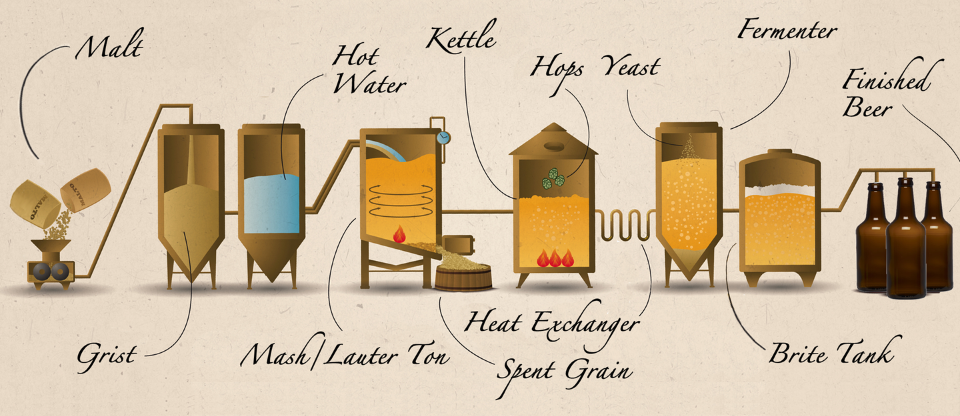
Yeast, the microorganism responsible for fermentation, plays a critical role in the brewing process, converting sugars into alcohol and carbon dioxide. This natural process doesn’t just produce the base alcohol for your beer; it also imparts a range of flavors and aromas that define each unique brew. To understand how yeast works its magic, we need to take a closer look at its role in fermentation, how various yeast strains influence beer characteristics, and the fermentation timelines that bring out the distinct flavors we cherish.

Fermentation is the heart of the brewing process. Without yeast, there would be no alcohol, and the complex flavors of beer wouldn’t exist. Yeast ferments the sugars from the malted barley, transforming them into alcohol and CO2, the latter contributing to the effervescence we associate with beer. But this process is far more than a mere conversion of sugar into alcohol. Yeast produces a variety of byproducts, including esters, phenols, and aldehydes, which dramatically affect the flavor profile of the beer. These flavors range from fruity and spicy to earthy and herbal.

How Different Yeast Strains Affect Taste and Aroma

The variety of yeast strains used in brewing is as vast as the beer styles themselves. Different strains of yeast produce different flavors, aromas, and mouthfeel, which is why two beers made from similar ingredients can taste completely different. Understanding these differences is key for brewers who want to craft the perfect brew.

  1. Ale Yeast Strains (Saccharomyces cerevisiae) Ale yeast strains are the workhorse of top-fermenting beers like pale ales, IPAs, and stouts. Saccharomyces cerevisiae, the most common ale yeast, ferments at warmer temperatures (15-24°C) and is known for its ability to produce a wide range of flavors. It often generates fruity esters, which give ales their distinctive, sometimes tropical, fruit flavors. For example, a classic English ale yeast might impart flavors of apple, pear, or plum, while a Belgian yeast strain may contribute fruity flavors with a hint of spice, such as clove or pepper. The flavors are often subtle but noticeable, adding depth and complexity to the beer. The high fermentation temperatures also create a greater range of esters and phenols, which enhance the beer’s aromatic profile.
  2. Lager Yeast Strains (Saccharomyces pastorianus) Lager yeast, on the other hand, is used for bottom-fermenting beers like pilsners, bocks, and lagers. Saccharomyces pastorianus ferments at cooler temperatures (7-13°C), which means it produces fewer esters and phenols compared to ale yeast. This gives lager beers their clean, crisp, and smooth taste. The primary flavor characteristics of lager yeast are often neutral, allowing the malt, hops, and water to shine through. Lager yeast strains are less prone to producing the fruity or spicy notes that ale yeasts create, giving lagers a more subdued and restrained flavor.
  3. Wild and Mixed Fermentation Yeasts Beyond the standard ale and lager yeasts, there are a variety of wild and mixed fermentation yeasts used in the brewing of specialty beers like sours, lambics, and saisons. These yeasts, including Brettanomyces and Saccharomyces cerevisiae in combination with other wild microorganisms like bacteria, produce very different flavors than traditional brewing yeasts. Wild yeasts can create a wide range of flavors, from funky and barnyard-like to tropical fruit or earthy flavors. Brettanomyces, for example, is known for its production of compounds that can make the beer taste “funky” or “barnyard-like,” which is especially prized in some sour and farmhouse ales. This strain can also produce tropical fruit flavors and earthy aromas that are highly valued in these types of beers. Sours, for instance, develop tangy, tart flavors from the interaction of wild yeast with lactobacillus bacteria, which are part of the mixed fermentation process.
  4. Hybrid Strains and Their Unique Contributions Some brewers experiment with hybrid yeast strains, which are specifically bred to combine the positive attributes of multiple yeast species. For example, some strains are designed to ferment at the lower temperatures typical of lagers but still produce some of the fruity, estery characteristics that make ales so flavorful. This blending of characteristics allows brewers to create unique hybrid beer styles, which may not strictly be classified as either ales or lagers but may have traits of both.
Fermentation Timelines and Their Impact on Beer Quality

Fermentation is not an instantaneous process; it takes time for yeast to break down sugars and produce alcohol. The length of fermentation can have a profound effect on the flavor, clarity, and quality of the final beer.

  1. Primary Fermentation The first phase of fermentation is when yeast is added to the wort (the unfermented beer) and begins consuming sugars. This primary fermentation phase typically lasts from several days to a week, depending on the yeast strain and temperature. During this phase, the yeast produces alcohol and CO2, along with a variety of byproducts that shape the flavor. Brewers may adjust the temperature during primary fermentation to influence the yeast’s activity and the flavors it produces. Higher fermentation temperatures often lead to more esters and phenols, while cooler temperatures can result in cleaner, more subtle flavors. During primary fermentation, the yeast is also expelling fermentation byproducts like sulfur compounds, which can contribute to off-flavors if not managed properly. This is why temperature control and fermentation vessel management are critical for high-quality beer production.
  2. Secondary Fermentation and Conditioning After primary fermentation, many beers undergo a secondary fermentation phase, where the beer is transferred to another vessel for further aging. This phase allows the beer to clarify as yeast and other particulates settle to the bottom. It also gives the beer time to develop its flavors and smooth out any rough edges. Some beers, especially high-ABV or complex styles like Belgian tripels, stouts, or barleywines, may benefit from a longer conditioning period, sometimes lasting several weeks or even months. This extended aging allows the yeast byproducts to mellow, resulting in a smoother, more rounded flavor profile.
  3. Carbonation and Bottle Conditioning For certain beer styles, carbonation is achieved through bottle conditioning, a process where yeast is added back into the beer before sealing the bottle. The yeast ferments the residual sugars in the beer, producing CO2 that carbonates the beer. This method is common in many Belgian beers, as well as in bottle-conditioned IPAs and stouts. Bottle conditioning also allows for a slow, natural fermentation that contributes to the development of complex flavors and aromas.

Conclusion

Yeast is an essential and fascinating component of beer brewing. From its fermentation of sugars to the creation of a wide range of flavors and aromas, yeast is the unsung hero behind every glass of beer. Whether it’s the fruity esters of an IPA, the smoothness of a lager, or the funkiness of a wild ale, yeast plays a crucial role in shaping the beer’s final taste. The fermentation timeline, from primary fermentation to secondary aging, also plays a vital role in determining beer quality, with each phase allowing yeast and byproducts to influence the character of the beer. By understanding yeast’s role in beer, we can better appreciate the nuances of our favorite brews and the craftsmanship that goes into making them.


Tags: ale yeastbeer brewingbeer flavorfermentationlager yeastyeast
ShareTweetShare

Related Posts

Can Beer Be an Effective Ingredient in Culinary Cooking?
ALL

Can Beer Be an Effective Ingredient in Culinary Cooking?

January 22, 2026
Second Fermentation in Champagne: Is It Really That Crucial?
ALL

Second Fermentation in Champagne: Is It Really That Crucial?

January 22, 2026
How Do Different Grains Impact the Flavor Profile of Distilled Spirits?
ALL

How Do Different Grains Impact the Flavor Profile of Distilled Spirits?

January 22, 2026
How Do Whiskey Master Blenders Create Perfection?
ALL

How Do Whiskey Master Blenders Create Perfection?

January 22, 2026
Wine Pairings: Can They Change the Flavor Profile of a Dish?
ALL

Wine Pairings: Can They Change the Flavor Profile of a Dish?

January 22, 2026
Beer the Ultimate Beverage for Pairing with Spicy Food?
ALL

Beer the Ultimate Beverage for Pairing with Spicy Food?

January 21, 2026
Leave Comment
  • Trending
  • Comments
  • Latest
What Hidden Craftsmanship Lies Behind a Bottle of Quality Grain Spirits?

What Hidden Craftsmanship Lies Behind a Bottle of Quality Grain Spirits?

July 3, 2025
How Is Champagne Made? The Secrets Behind the Sparkle

How Is Champagne Made? The Secrets Behind the Sparkle

April 15, 2025
Grain Spirits vs. Traditional Distilled Spirits: Which One Suits Your Taste?

Grain Spirits vs. Traditional Distilled Spirits: Which One Suits Your Taste?

July 3, 2025
Champagne Bubbles: How Do They Perfectly Convey Celebration, Joy, and Luxury?

Champagne Bubbles: How Do They Perfectly Convey Celebration, Joy, and Luxury?

July 2, 2025
The Timeless Elegance of Wine: A Journey Through History and Culture

The Timeless Elegance of Wine: A Journey Through History and Culture

Why Is Château Lafite Rothschild the Pinnacle of Fine Wine?

Why Is Château Lafite Rothschild the Pinnacle of Fine Wine?

How Did Château Lafite Rothschild Become a Global Icon of Luxury?

How Did Château Lafite Rothschild Become a Global Icon of Luxury?

What Makes Chateau Lafite Rothschild the Pinnacle of Bordeaux Wines?

What Makes Chateau Lafite Rothschild the Pinnacle of Bordeaux Wines?

Can Beer Be an Effective Ingredient in Culinary Cooking?

Can Beer Be an Effective Ingredient in Culinary Cooking?

January 22, 2026
Second Fermentation in Champagne: Is It Really That Crucial?

Second Fermentation in Champagne: Is It Really That Crucial?

January 22, 2026
How Do Different Grains Impact the Flavor Profile of Distilled Spirits?

How Do Different Grains Impact the Flavor Profile of Distilled Spirits?

January 22, 2026
How Do Whiskey Master Blenders Create Perfection?

How Do Whiskey Master Blenders Create Perfection?

January 22, 2026
SipsavorLife

Welcome to our comprehensive beverage guide, where you can explore the fascinating world of alcoholic drinks. From exquisite wines and rich whiskeys to refreshing beers and sparkling champagnes, we provide insights, tips, and recommendations for enthusiasts and casual drinkers alike. Discover your next favorite libation with us!

© 2025 sipsavorlife.com. contacts:sipsavorlife-35376@gmail.com

No Result
View All Result
  • Home
  • Wine
  • Whiskey
  • Beer
  • Grain Spirits
  • Champagne
  • ALL

© 2025 sipsavorlife.com. contacts:sipsavorlife-35376@gmail.com

Welcome Back!

Login to your account below

Forgotten Password?

Retrieve your password

Please enter your username or email address to reset your password.

Log In





